
Asteroids pass near Earth all the time, and spacecraft have been visiting them up close since 1991. Those missions have flown past, orbited, landed on and even deliberately crashed into these leftovers from the solar system’s formation. Here are the asteroids they reached, from the very first flyby to the first test of nudging one off course.
Read next on Morning Overview: Over 20 trillion gallons of rain fell on the Four Corners states and Nevada in two weeks
Gaspra: The First Close-Up
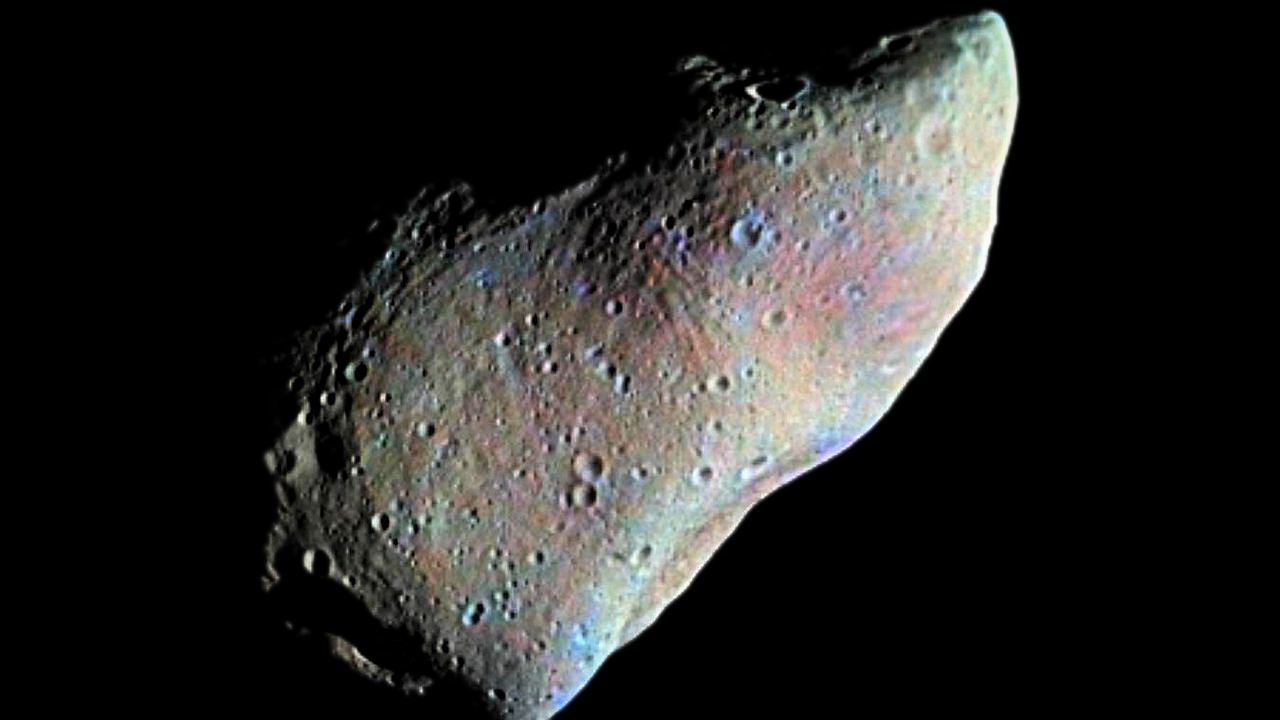
The era of asteroid close-ups began on October 29, 1991, when NASA’s Galileo spacecraft, on its long trip to Jupiter, flew past 951 Gaspra. The flyby made Gaspra the first asteroid ever visited by a spacecraft, with Galileo passing about 1,600 kilometers from its surface.
Gaspra is a small, irregular body measuring roughly 18.2 by 10.5 by 8.9 kilometers. It had been known since its discovery in 1916, but until Galileo’s pass, asteroids had only been studied from a great distance. Galileo would make a second asteroid stop less than two years later.
Ida and Dactyl: An Asteroid With a Moon
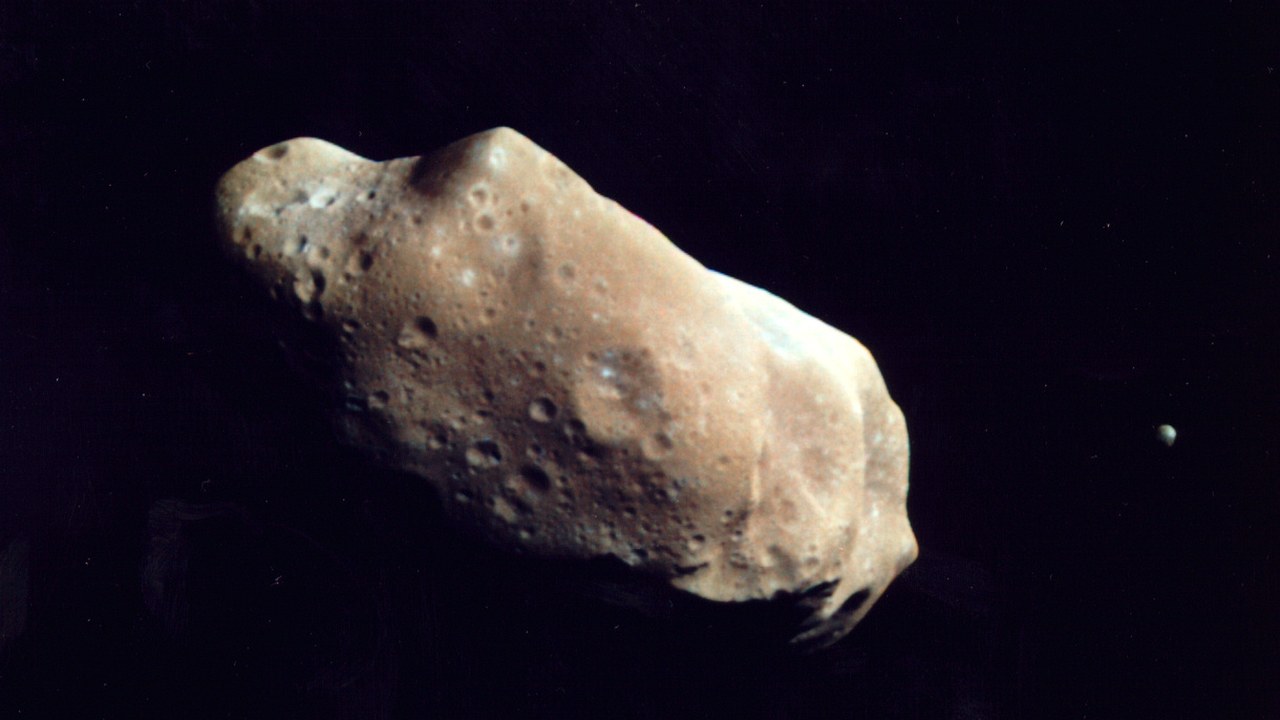
Galileo struck again in August 1993 at 243 Ida. Its images revealed a tiny companion, later named Dactyl, making Ida the first asteroid with a moon visited by a spacecraft.
Ida was also the largest asteroid any spacecraft had visited at the time, measuring roughly 56 by 24 by 21 kilometers, and Galileo passed about 2,390 kilometers away. The discovery of Dactyl showed that even small bodies can hold satellites, something later missions would see again at Dinkinesh and at Didymos.
Eros: First to Orbit, First to Land
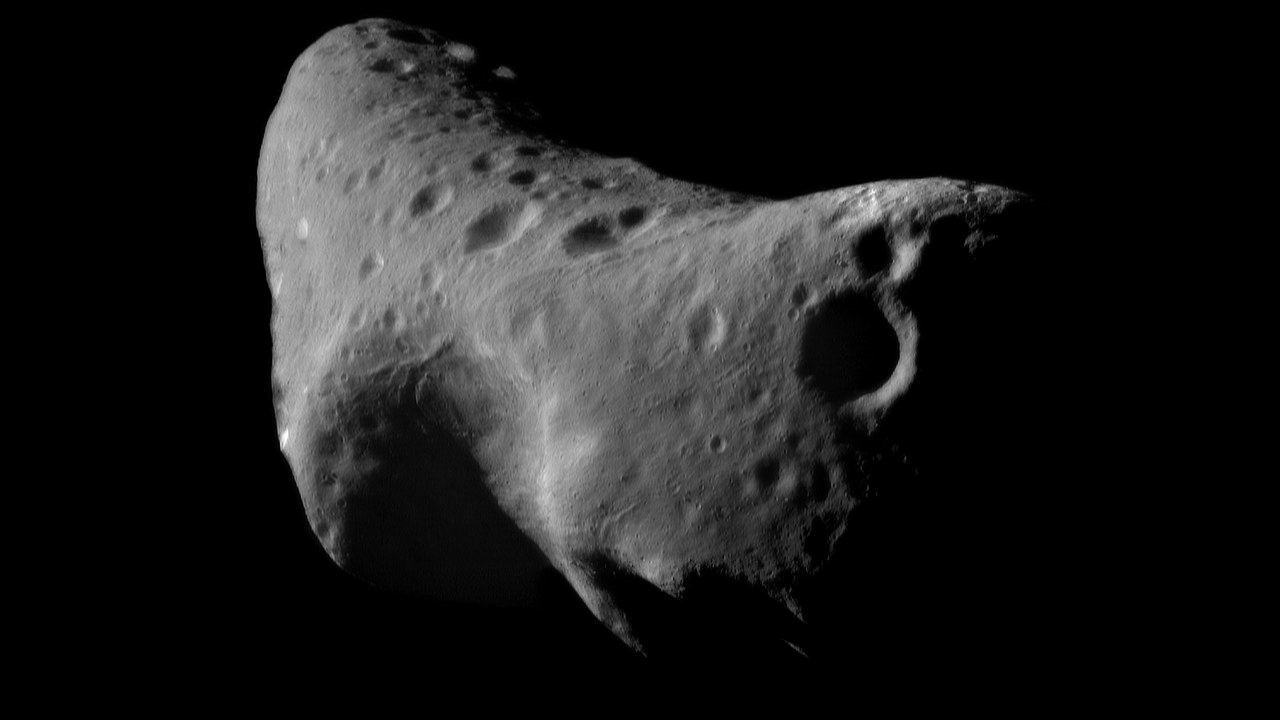
NASA’s NEAR Shoemaker spacecraft, launched on February 17, 1996, arrived at 433 Eros on February 14, 2000 as an orbiter and lander mission.
It became the first spacecraft to orbit an asteroid and, in 2001, the first to land on one. Eros, about 34 by 11 by 11 kilometers, was also the first near-Earth asteroid visited by a spacecraft, part of the population whose orbits bring them relatively close to Earth. The asteroid itself had been discovered back in 1898, long before anyone imagined visiting it.
Itokawa: Dust Brought Home
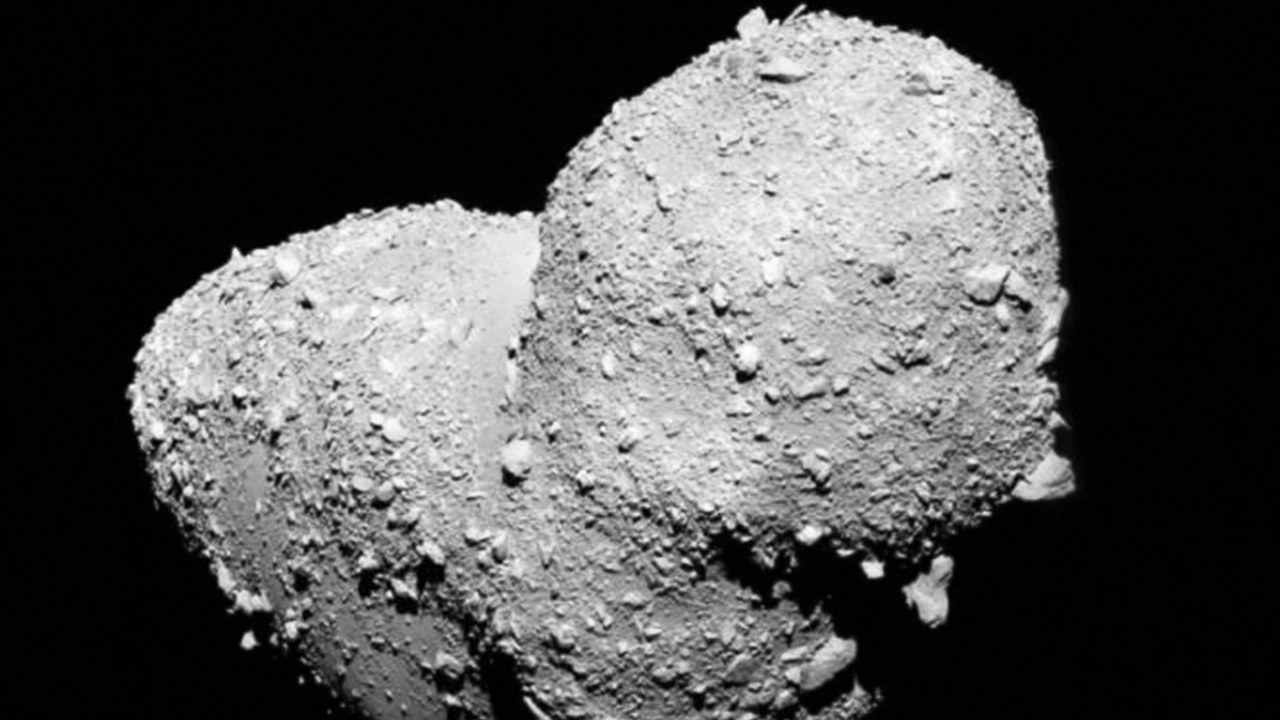
Japan’s Hayabusa mission, launched May 9, 2003, reached 25143 Itokawa on September 12, 2005 on a sample-return mission.
Itokawa is tiny, roughly 500 by 300 by 200 meters, with two rubbly lobes. Hayabusa landed on it and brought dust samples back to Earth in 2010, the first sample return from an asteroid. It was also the first asteroid visited by a spacecraft not built by NASA. Itokawa had been discovered only in 1998, just five years before Hayabusa set off to meet it.
Lutetia: A Side Trip on the Way to a Comet
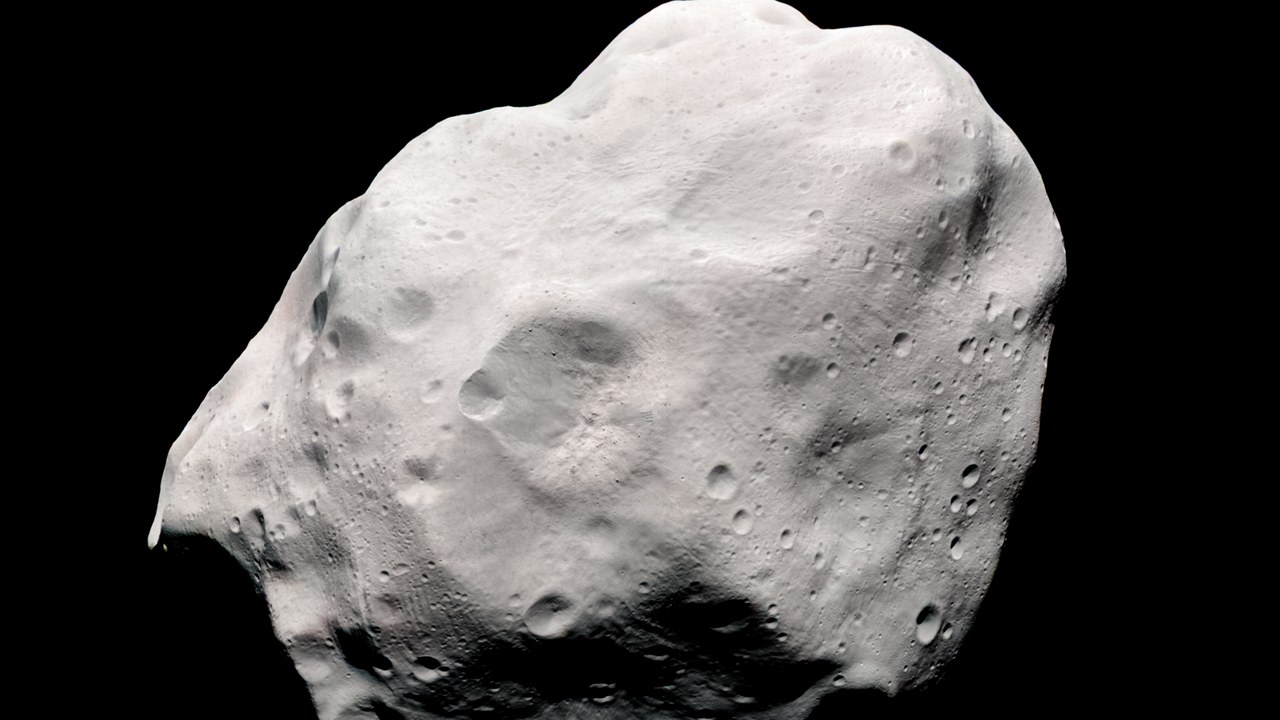
The European Space Agency’s Rosetta spacecraft, launched March 2, 2004, flew past 21 Lutetia on July 10, 2010.
At about 120 by 100 by 75 kilometers, Lutetia was the largest asteroid visited by a spacecraft at the time, and Rosetta passed about 3,162 kilometers from it. The flyby was a stop along the way: Rosetta’s main target was comet 67P/Churyumov-Gerasimenko, which it reached in August 2014. Lutetia itself was discovered in 1852, decades before Gaspra, the first asteroid ever visited.
Ryugu: Japan Goes Back
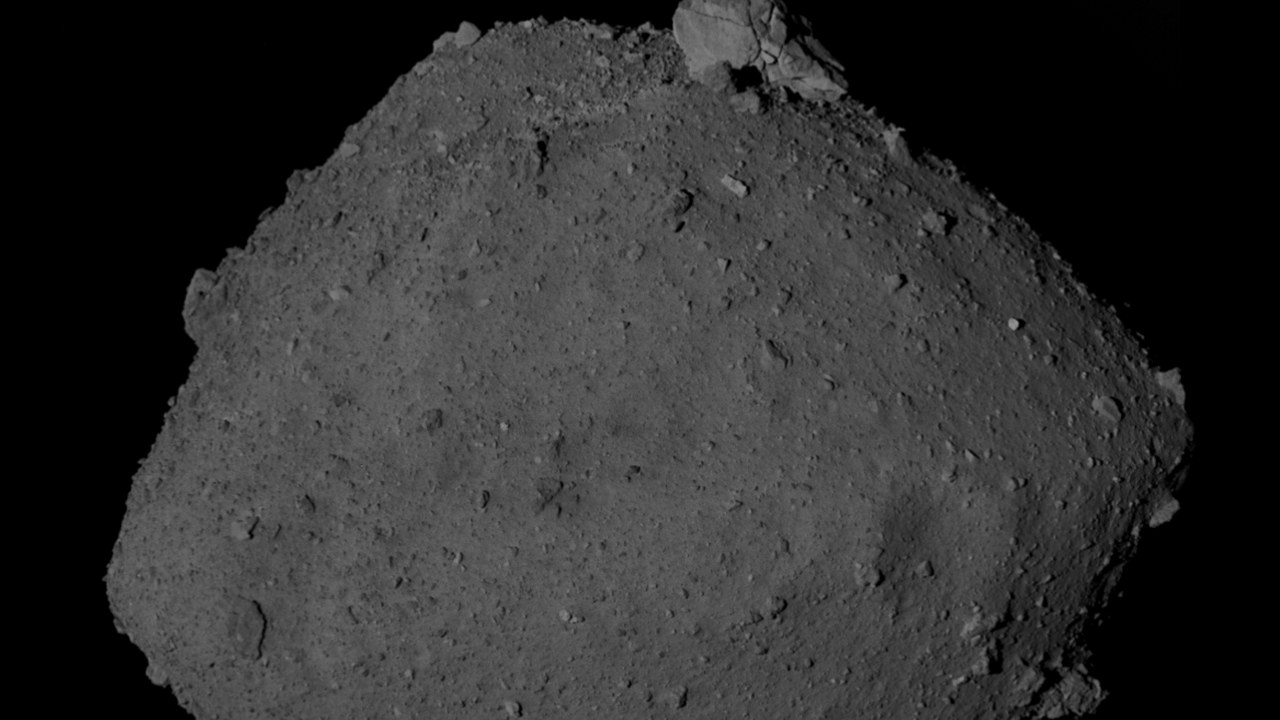
Hayabusa2, launched December 3, 2014, arrived at 162173 Ryugu on June 27, 2018 on Japan’s second asteroid sample-return mission.
The spacecraft stayed with the asteroid from June 2018 to November 2019, touching down twice, in February and July 2019, to collect material. It also deployed three landers and an explosive impactor to the surface, then returned dust samples to Earth in December 2020. Ryugu, about 896 meters across, was discovered in 1999. Hayabusa2 is now listed for a flyby of another near-Earth asteroid, Torifune, in 2026.
Bennu: The Closest Orbit Ever Flown
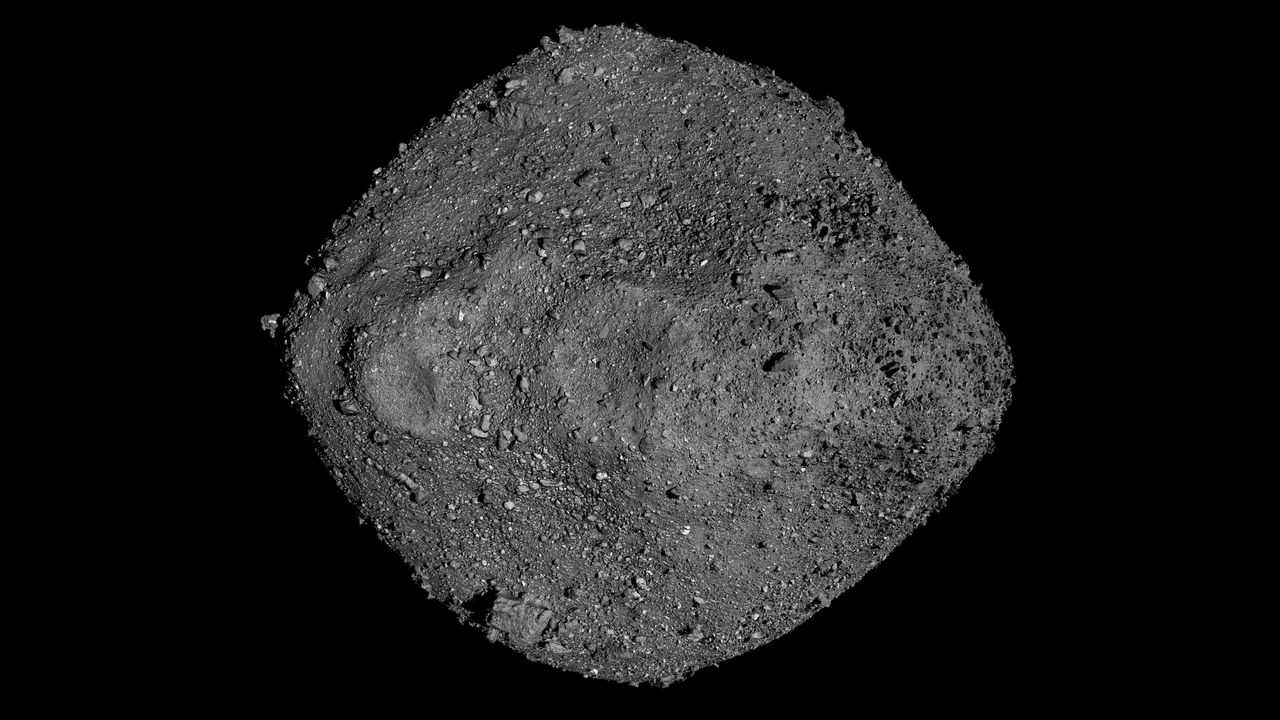
NASA’s OSIRIS-REx arrived at 101955 Bennu on December 3, 2018 and entered its lowest orbit on June 12, 2019, the closest orbit any spacecraft had flown around such a body.
Bennu, about 490 meters across, was the smallest object ever orbited by a spacecraft when OSIRIS-REx arrived. On October 20, 2020, the probe touched down to collect a sample from its surface. The same list now gives the smallest-visited title to Kamoʻoalewa, target of China’s Tianwen-2 mission in 2026 and 2027.
Dinkinesh: A Surprise Moon
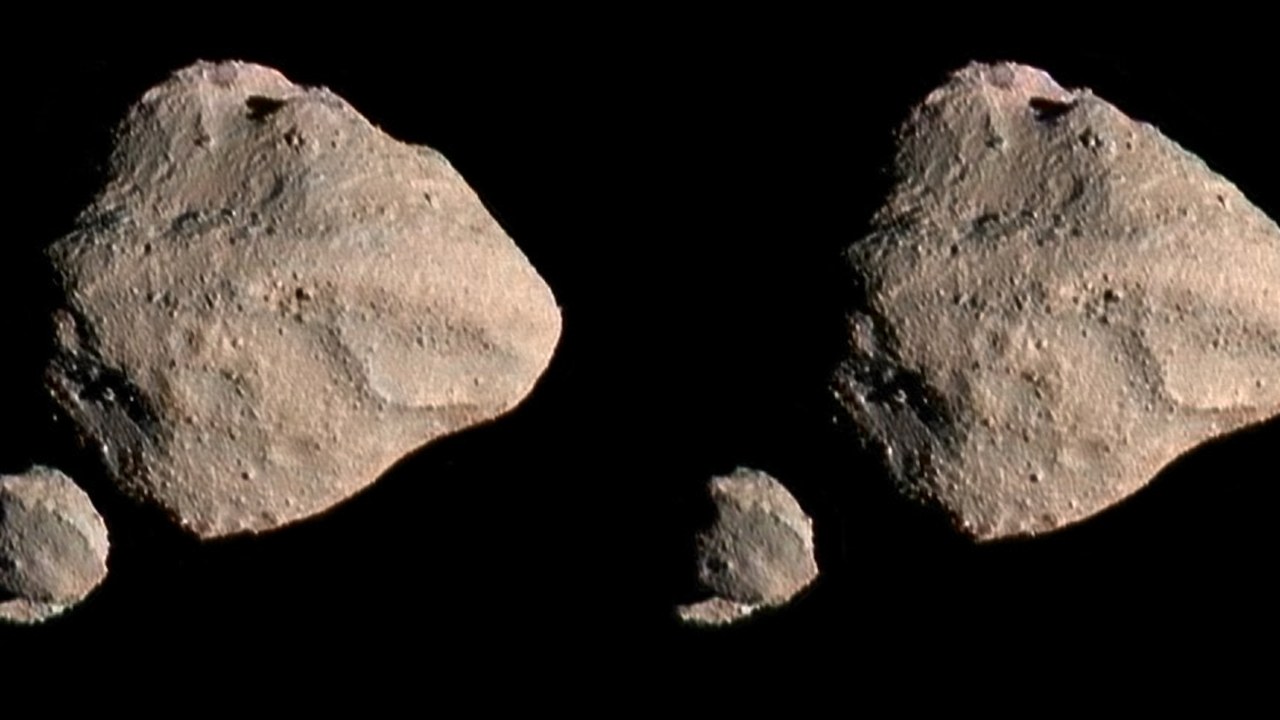
NASA’s Lucy spacecraft flew past 152830 Dinkinesh on November 1, 2023, and discovered a moon, Selam, circling the little asteroid.
At about 738 meters across, Dinkinesh is the smallest main-belt asteroid visited by a spacecraft, and Lucy passed about 425 kilometers away. Lucy went on to fly past another main-belt asteroid, Donaldjohanson, in 2025, passing about 960 kilometers from that one. Dinkinesh itself was discovered in 1999, and Lucy had launched in October 2021, so the encounter came about two years into its journey.
Didymos: The Target System
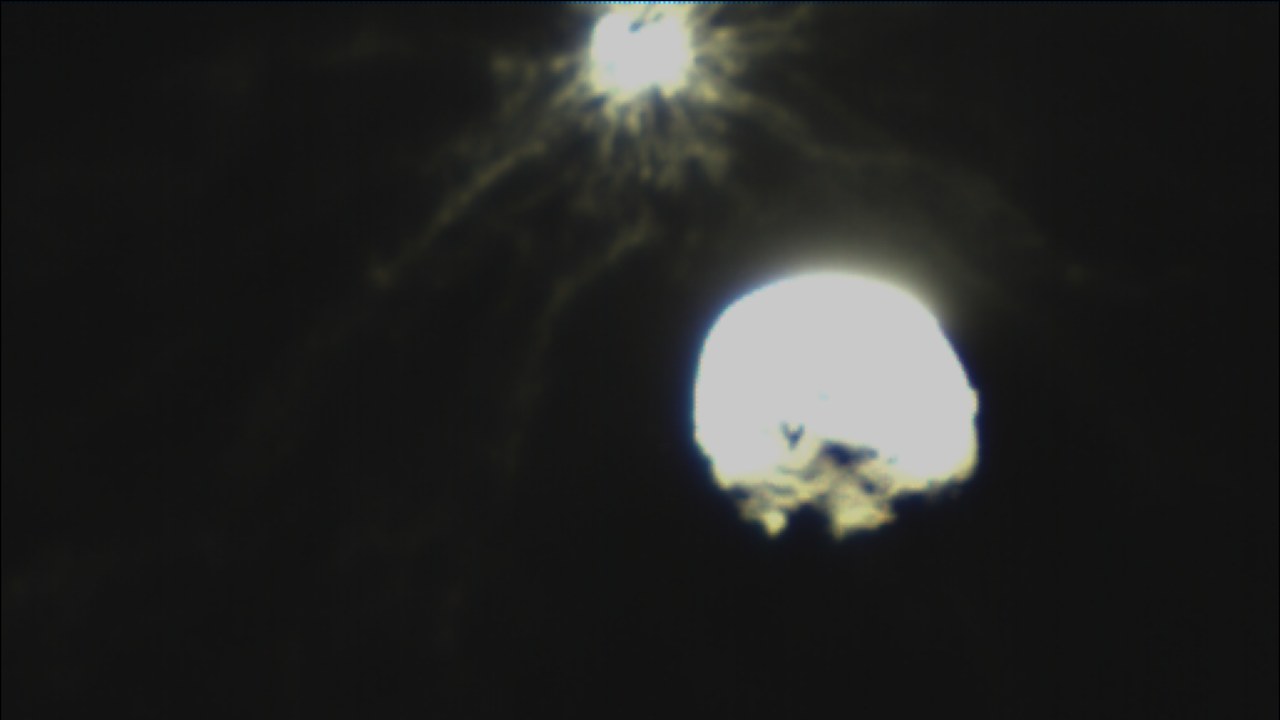
For NASA’s Double Asteroid Redirection Test, or DART, the target system was Didymos, a near-Earth asteroid roughly 2,500 feet (780 meters) in diameter, and its small moon.
DART’s camera, called DRACO, streamed images back to Earth in real time as the spacecraft closed in, and both Didymos and its moonlet were visible at the start of the approach. JPL’s table of spacecraft targets lists the European Space Agency’s Hera orbiter with a November 2026 arrival at Didymos to study what the impact left behind.
Dimorphos: A Deliberate Crash
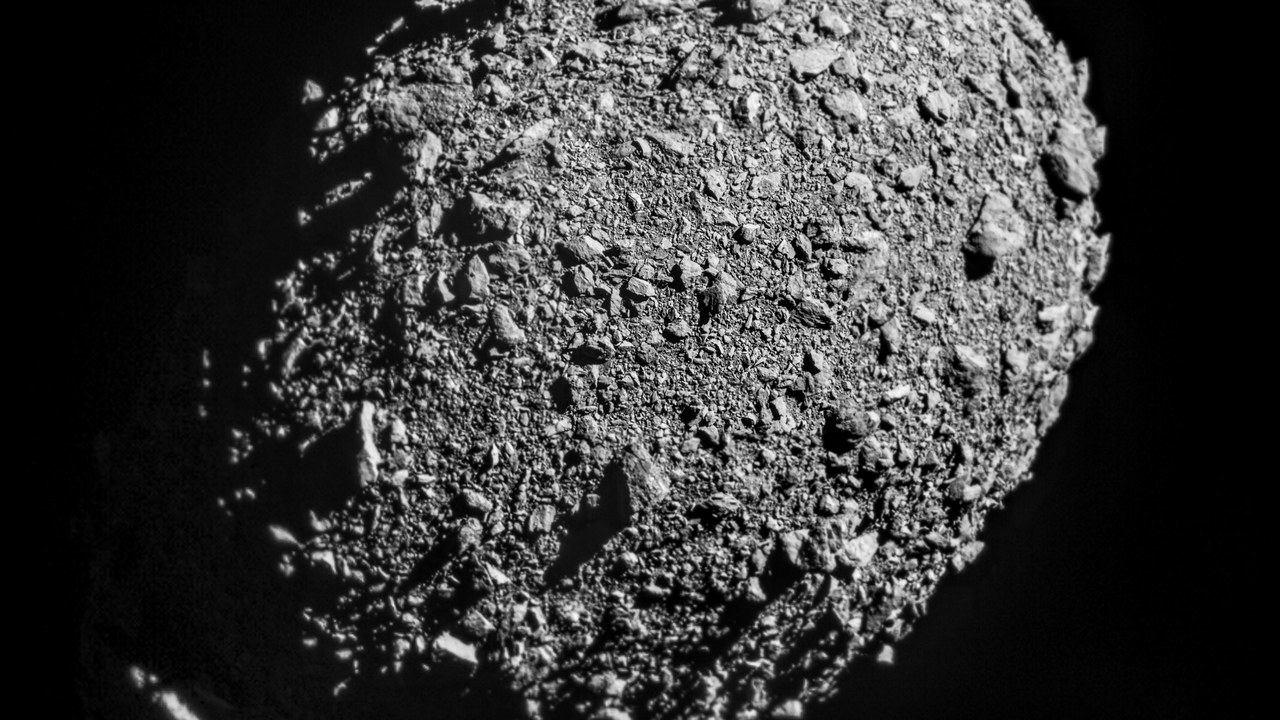
On September 26, 2022, after 10 months in space, DART successfully impacted Dimorphos, the moonlet of Didymos, in the world’s first planetary defense technology demonstration.
Dimorphos is only about 525 feet (160 meters) long. In DART’s final images it fills the camera’s field of view, and the last picture shows a patch of the surface just 51 feet across. The impact happened while that final image was still being transmitted, leaving a partial picture at the very end of the sequence.
More from Morning Overview
- The FAA wants $2.39 million from a flight school it says flew a Cessna about 280 times with an unapproved part
- A $1 billion gas plant planned for Superior, Wisconsin, has been abandoned
- Shaq spent $1.3 million on three Rolls-Royce Phantoms to prove a point to a salesman
- The Justice Department asked courts to undo approvals for three offshore wind farms, one already making power
