
China’s space station is set to receive its first foreign astronaut, according to a November 19 Space.com report on the November 17 rollout of a Long March 2F carrying Shenzhou-24 at Jiuquan. The visitor will fly as one of three crew and stay about a week. This gallery follows the story through eleven pieces of hardware and places behind it.
Read next on Morning Overview: Student pilots are stuck with nearly 60-year-old T-38 jets that work only half the time
Tiangong space station: Three Modules in Low Orbit
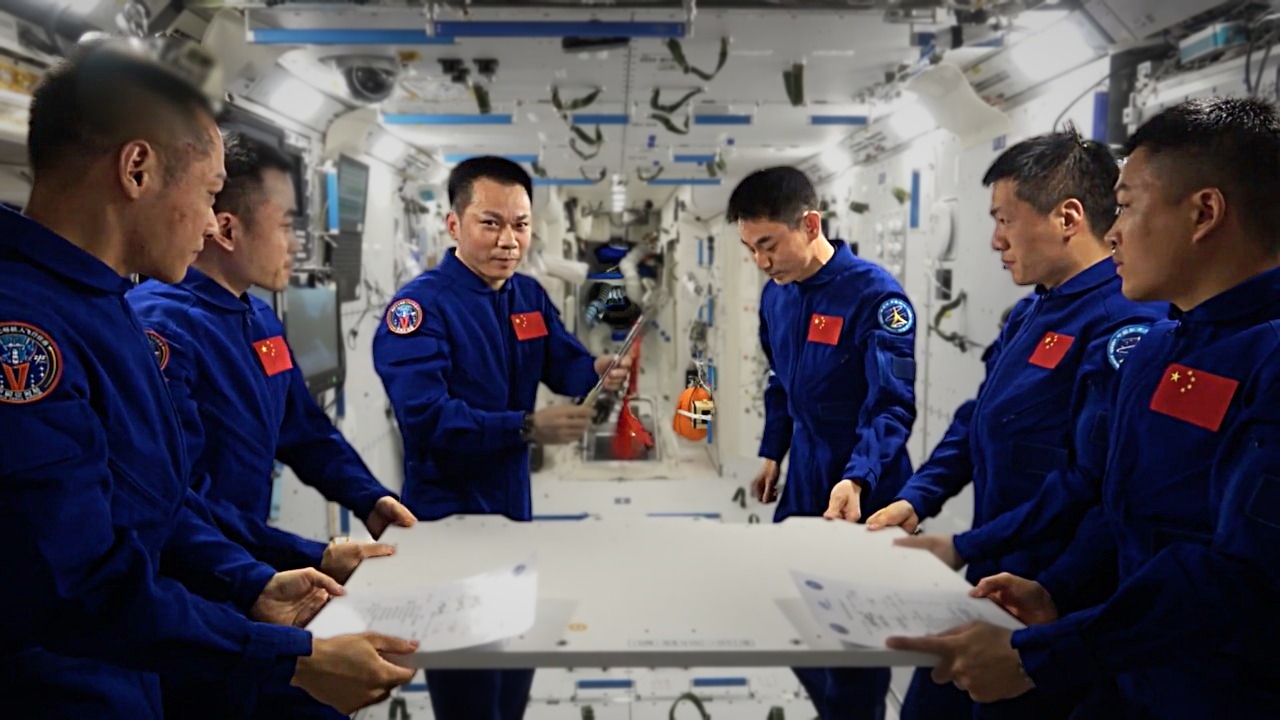
China’s orbital outpost is a three-module station that flies in low-Earth orbit between about 340 and 450 km above the surface, according to the Wikipedia-derived Tiangong overview. The same page says it is designed for a 10-year life that can be extended to 15 years, and that it usually hosts a crew of three.
That routine three-person crew is the baseline against which the coming visit stands out. A foreign astronaut would be a guest on a station built and run by China alone, so the story is as much about who is aboard as about the hardware. The remaining slides walk through the modules, the rockets and the people involved.
Tianhe core module: The Core Module Launched in 2021
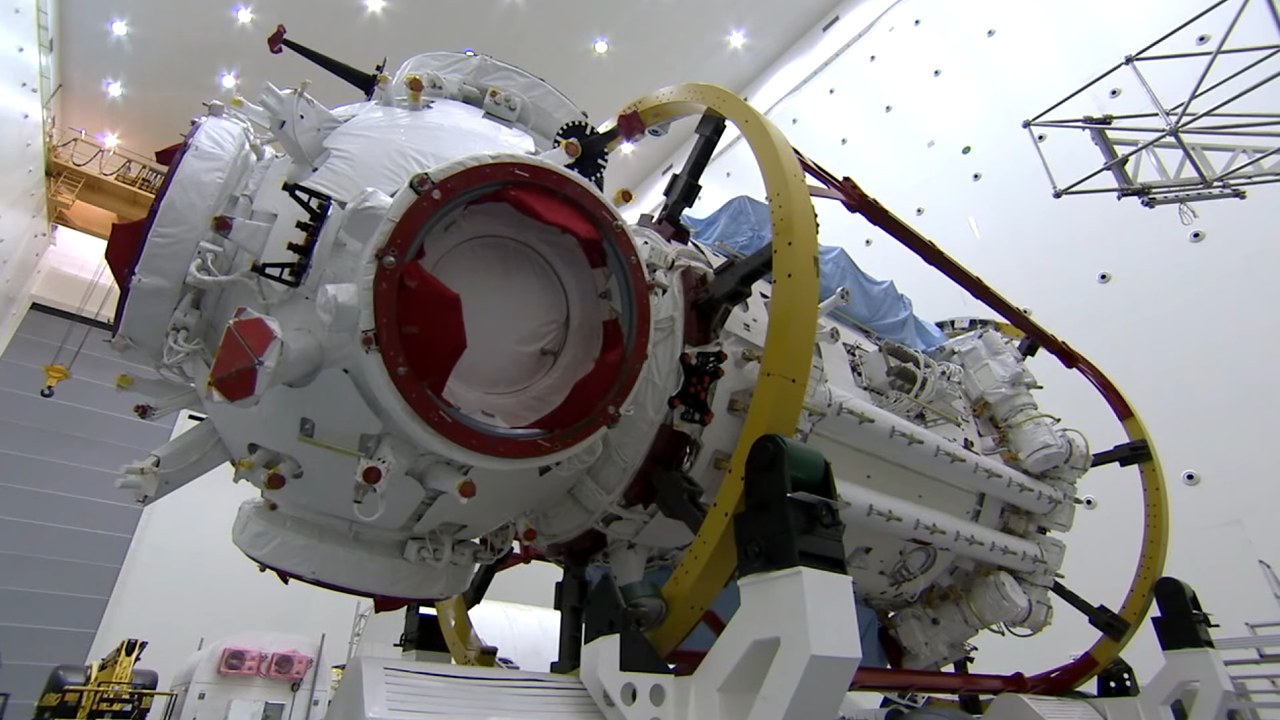
Tianhe, the core module, launched on April 29, 2021, and the Planetary Society station profile describes it as the part that provides life support and living quarters for three crew members.
As the module providing life support and living quarters, it is the functional heart of the station. Its role as the main home for the resident crew also explains why a short-stay guest would live and work largely inside it, although the sources reviewed do not spell out where the visitor will sleep.
Wentian lab module: Living Space and a Robotic Arm
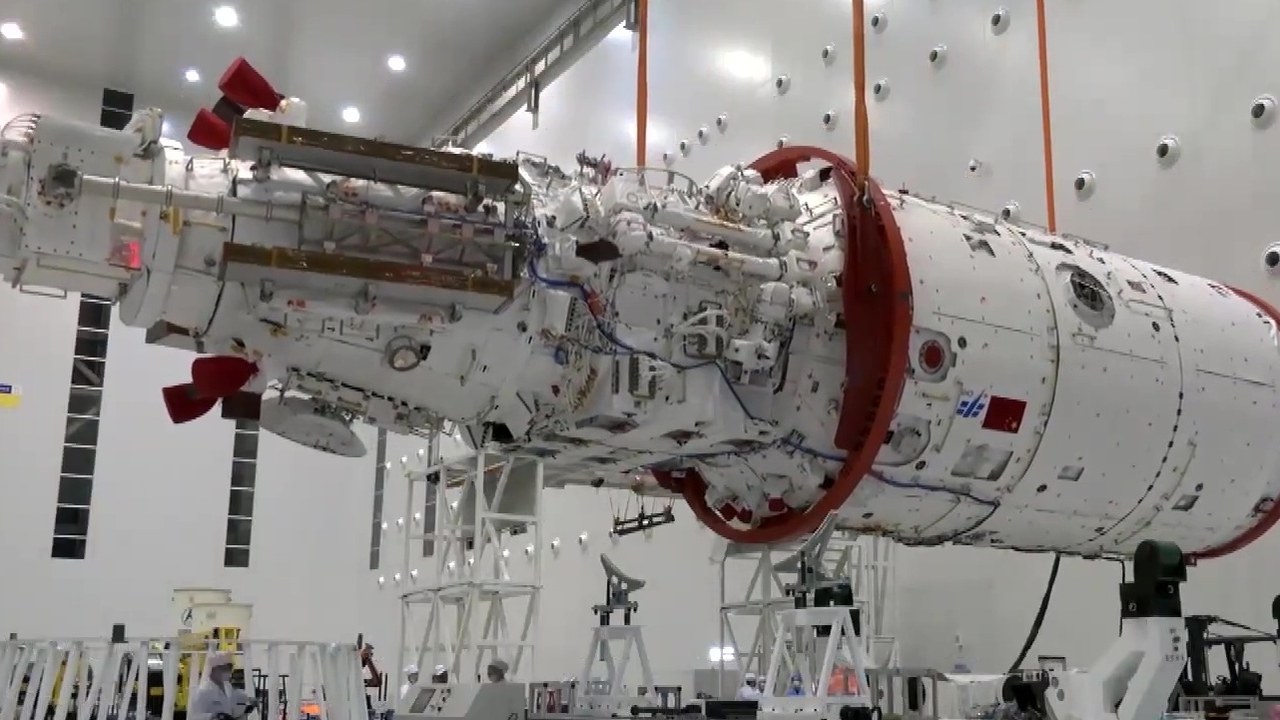
Wentian launched on July 24, 2022. According to the Planetary Society account, it added living quarters, backup life support and an external science platform with a robotic arm to the growing station.
The backup life support matters for a station that now expects visitors as well as its usual crew, since redundancy is what lets an orbital outpost tolerate a failure. The robotic arm and exterior platform extend the station’s science work outside the pressurized hull. Wentian therefore does double duty, serving as both extra housing and a base for outdoor experiments, and it is one of the three modules that make up the station today.
Long March 5B: The Heavy Lifter From Wenchang
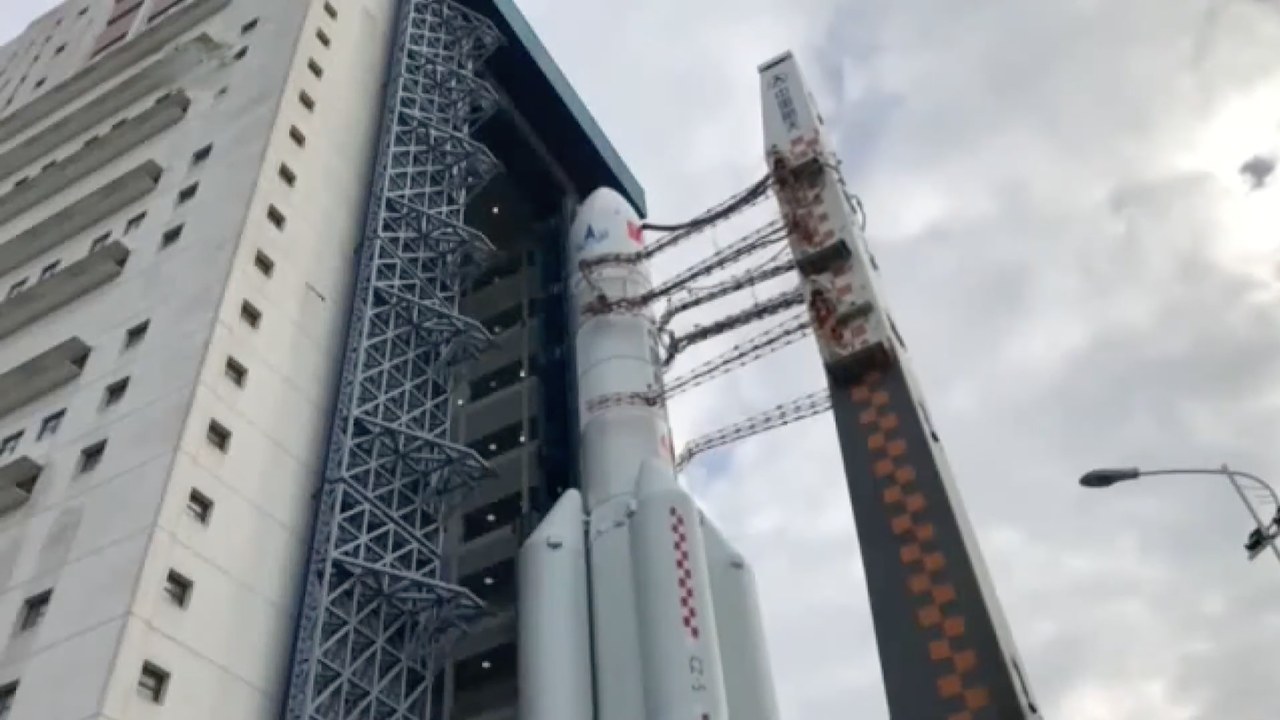
The Long March 5B launched Tianhe and Mengtian from the Wenchang launch site, as the Tiangong space station overview records.
Those two launches put two of the station’s three modules into orbit from Wenchang, while the Shenzhou-24 crew is due to leave from Jiuquan. The sources reviewed do not give payload masses for these flights, so none are cited here. The Long March 5B is the heavy-lift rocket tied to the station’s construction in this reporting, and its role stops at module delivery, since the crews themselves ride a different vehicle, the Long March 2F covered later in this gallery.
Tianzhou cargo ship: Cargo Ferries to the Station
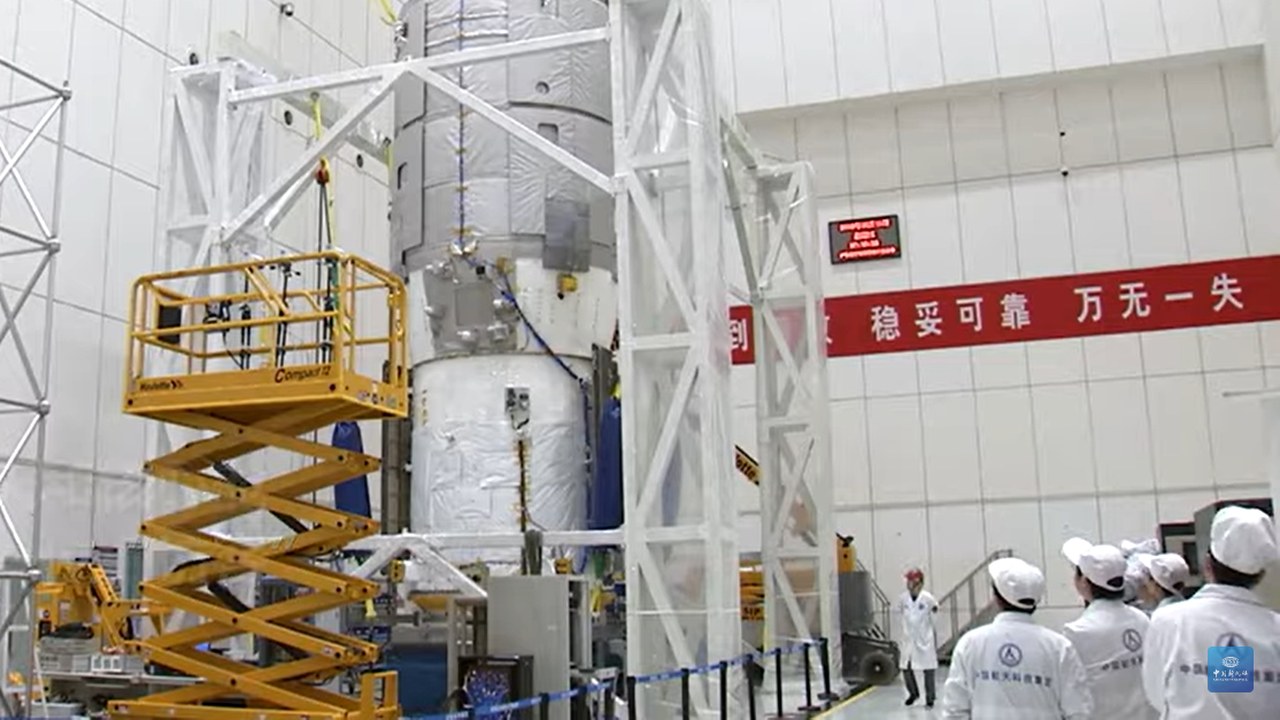
Tianzhou, a modified derivative of Tiangong-1, has a launch mass of about 13,000 kg and carries about 6,000 kg of payload, according to the Tiangong space station entry. Tianzhou-2 flew the first cargo mission on May 29, 2021.
Regular cargo flights supply the food, fuel and equipment that keep a crewed outpost running. Any extra person aboard, even for about a week, adds to the consumables the station must carry, which is part of what makes the visit an operational as well as a diplomatic step.
Shenzhou-12: The First Crew Arrived in 2021
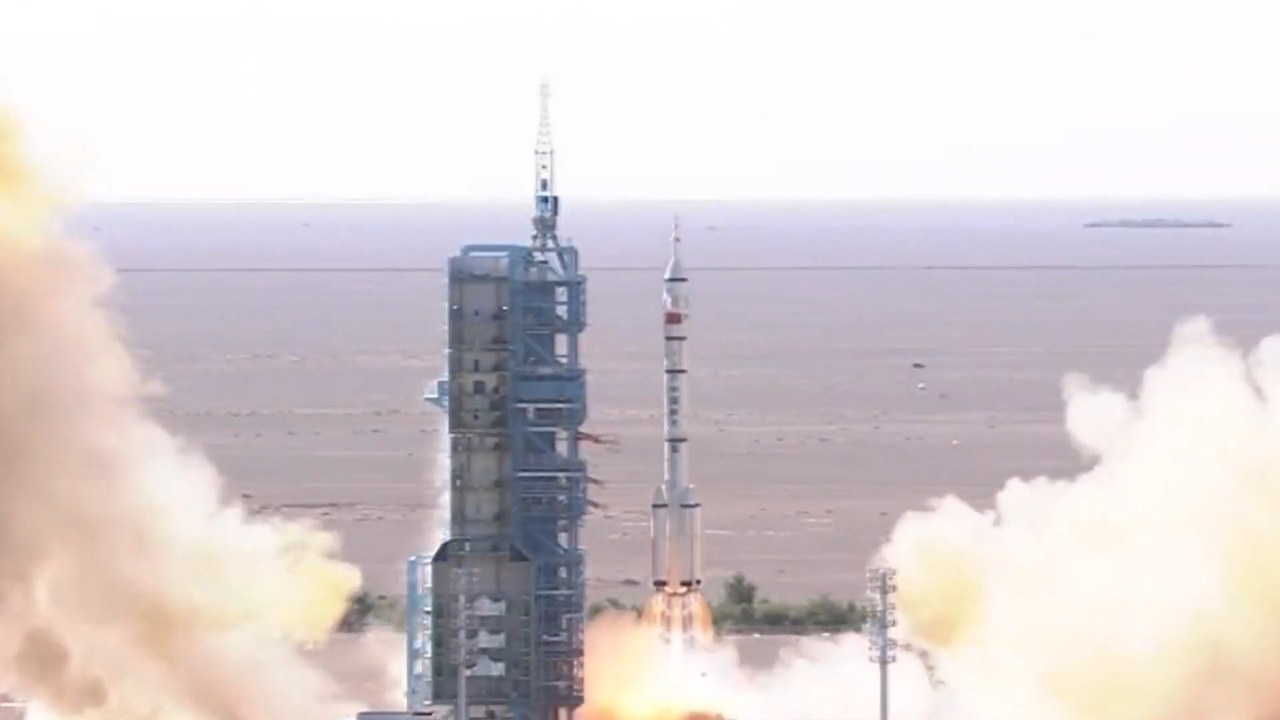
Shenzhou-12, the first crewed mission to Tiangong, launched on June 17, 2021 with three astronauts, and the Planetary Society mission summary says they returned on September 17, 2021.
That three-month stay set the pattern for the three-person crews that followed. Shenzhou-24 would be the 18th crewed mission, per the Space.com report on the rollout, so the program has built a long record of its own before inviting an outside astronaut. The mission is the starting point of the crewed record that the foreign astronaut’s flight now extends.
Jiuquan Satellite Launch Center: The Launch Site in the Northwest
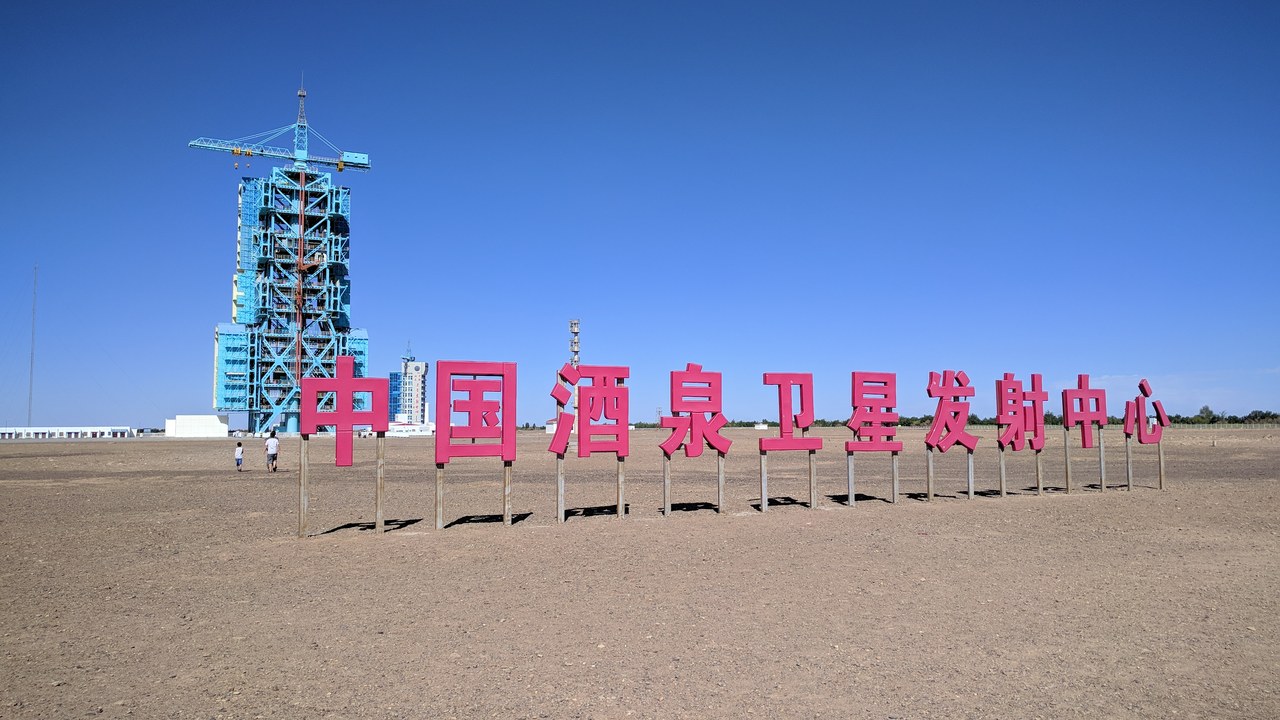
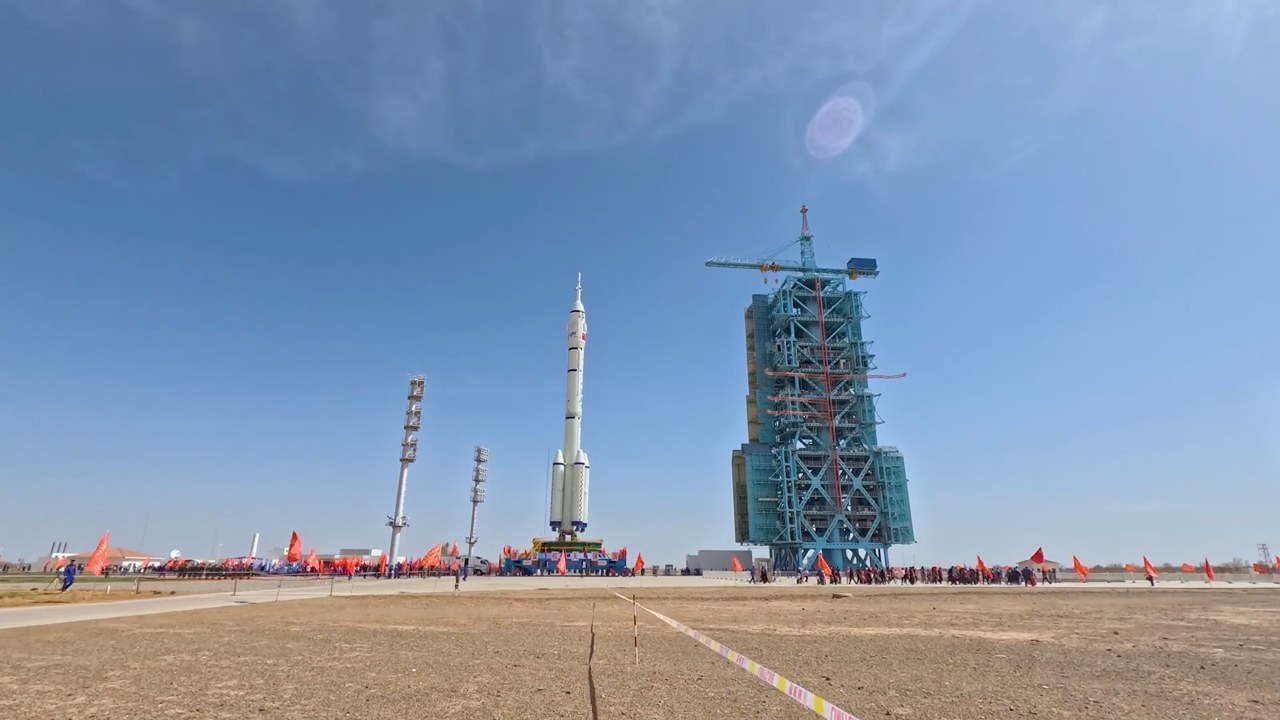
On Nov. 17, a Long March 2F carrying the Shenzhou-24 spacecraft rolled about 1.5 km out to the pad at Jiuquan Satellite Launch Center in northwest China, as Space.com reported.
Rollout is one of the last visible steps before a crewed launch and is the news peg for this story. The report was published on Nov. 19, and a launch tracker it cited lists liftoff for 00:18 UTC on Nov. 25, a date that could change. Jiuquan is where the crew rocket sits ready for launch, so the short rollout distance marks the point at which the mission shifts from preparation to countdown.
Long March 2F rocket: The Rocket That Carries Crews
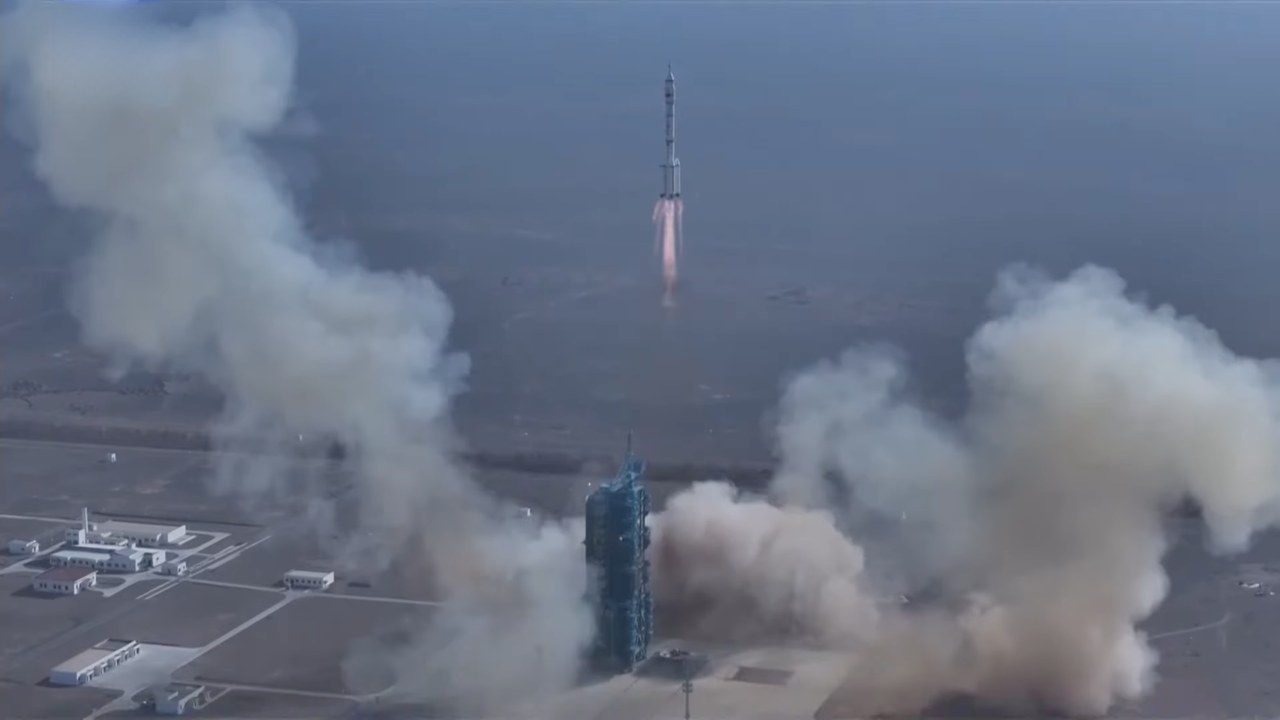
The Long March 2F stands 191 feet (58 m) tall and carries Shenzhou crews, according to Space.com coverage. The report adds that a Long March 2F/G with a Shenzhou spacecraft is kept on standby for emergency rescue at the station.
The standby rescue vehicle is a safety net for the whole program, and it applies to every crew on board, including a visitor. The sources reviewed do not describe how a rescue would be handled for a foreign astronaut specifically. Its 58 m height is the figure Space.com gives for the rocket now sitting on the pad at Jiuquan.
Xuntian space telescope: A Hubble-Class Telescope Nearby
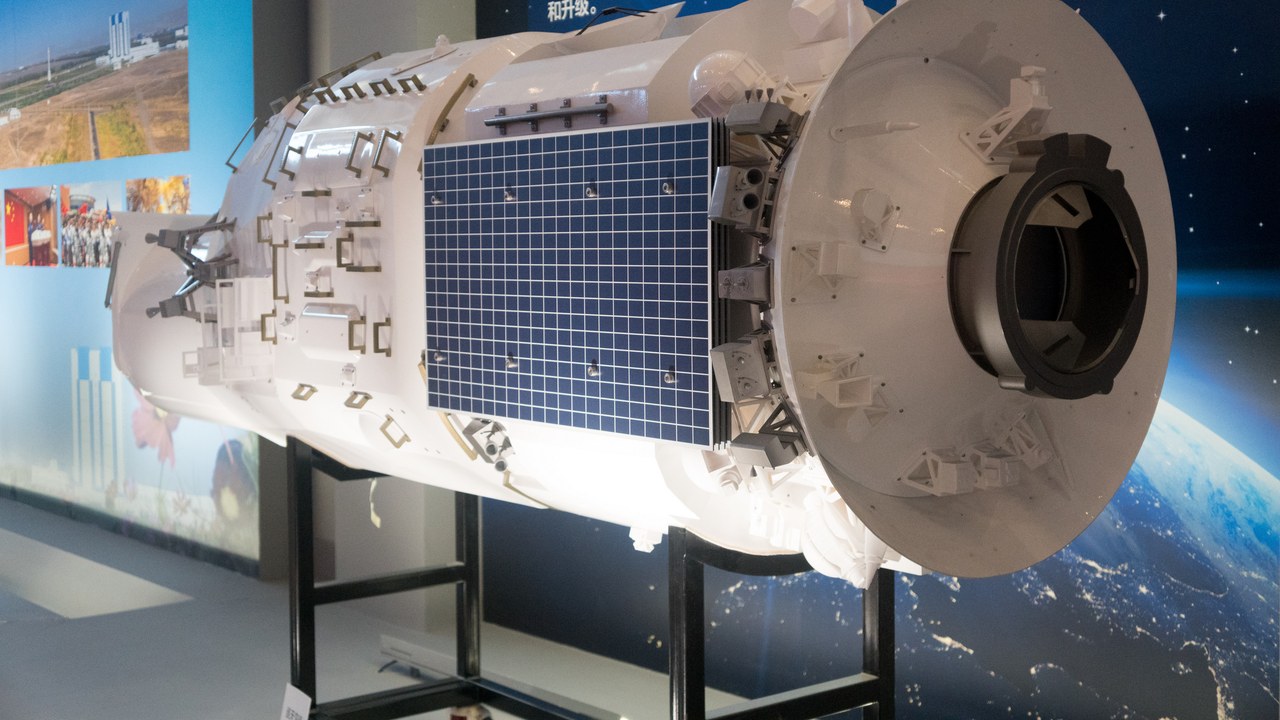
Xuntian is a Hubble-class telescope that will orbit near the station and dock with it for repairs. Its launch was planned for 2026, according to the Wikipedia entry on Tiangong.
The picture shows a full-scale mockup of the telescope at the National Museum of China, not the flight hardware, which has not been photographed in orbit. The telescope is a reminder that the station is meant to support more than crew rotations. That launch date comes from Wikipedia’s text, not from a current launch notice, so readers should treat it as a plan rather than a confirmed schedule. Its design as a servicing-capable observatory also ties it to the station, which is the reason it appears in this story at all.
Shenzhou-24 and the first foreign astronaut: First Foreign Astronaut Aboard
One of the three Shenzhou-24 crew members will be the first international astronaut to visit Tiangong, Space.com reports. The visitor is one of two Pakistani candidates and is expected to stay aboard for around a week.
The flight would also make the astronaut the first Pakistani in orbit. The report adds that the visitor returns on Shenzhou-23, while a Shenzhou-23 crew member stays about six more months for what would be China’s first year-long orbital stay. The Space.com report calls it the station’s first foreign astronaut.
More from Morning Overview
- USS Colorado will be the first U.S. submarine in AUKUS’s new Australian rotation
- Ocean mud suggests Cascadia and the San Andreas fault have broken within hours of each other
- Monster waves battered California, flooding streets and closing piers along the coast
- Hackers broke into Japan’s Fugaku supercomputer and stole the SSH keys of its users
