
NASA’s robotic explorers have flown past every planet, dived into the Sun’s atmosphere and crossed into interstellar space. Several of them are still sending back data decades after launch. Here are twelve NASA spacecraft that made history in deep space, from the Pioneer probes of the 1970s to missions still on their way.
Read next on Morning Overview: Melting permafrost is setting off a newly identified kind of catastrophic landslide, scientists say
1. Voyager 1: The Most Distant Human-Made Object
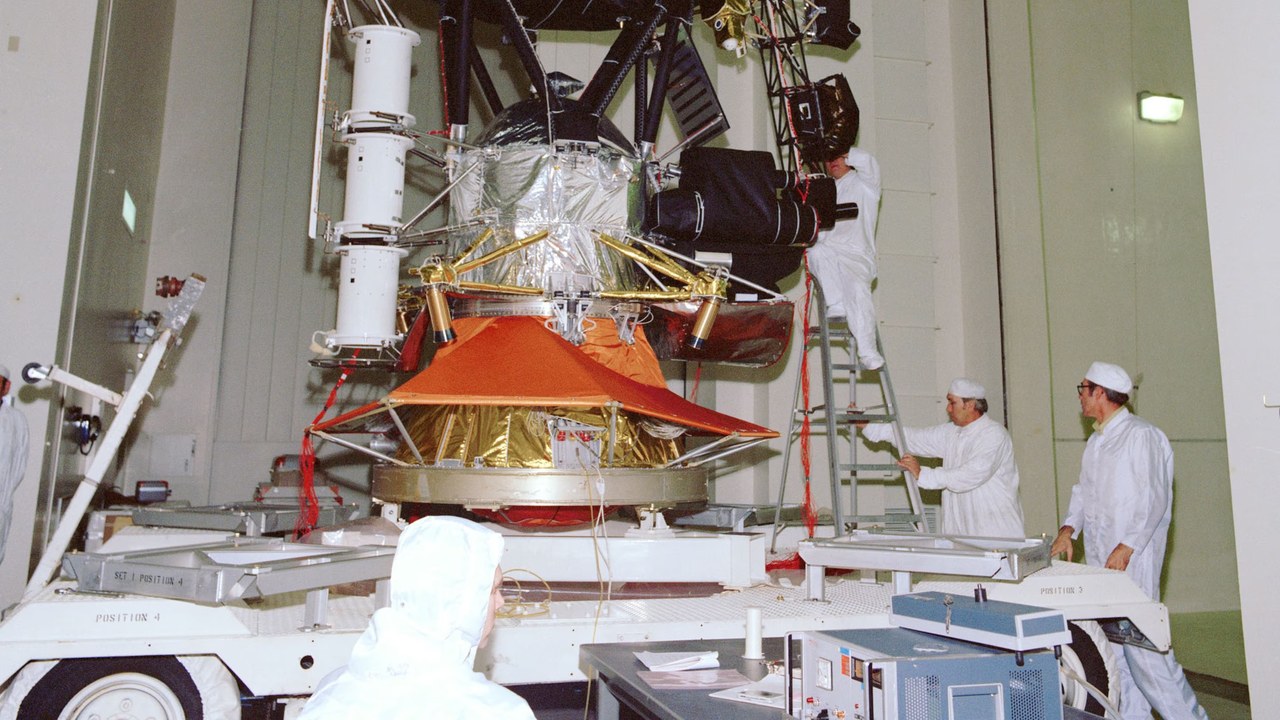
No spacecraft has gone farther than Voyager 1. According to NASA’s Voyager 1 page, the probe launched in 1977 to fly by Jupiter and Saturn, crossed into interstellar space in August 2012 and is more than 16 billion miles from Earth.
More than 49 years into its mission, Voyager 1 is on the brink of another milestone. NASA has been counting down to the moment it reaches one light-day from Earth, meaning radio signals take a full day to travel each way, which the agency expects on November 18, 2026. The probe still collects data from beyond the Sun’s protective bubble.
2. Voyager 2: The Only Visitor to Uranus and Neptune
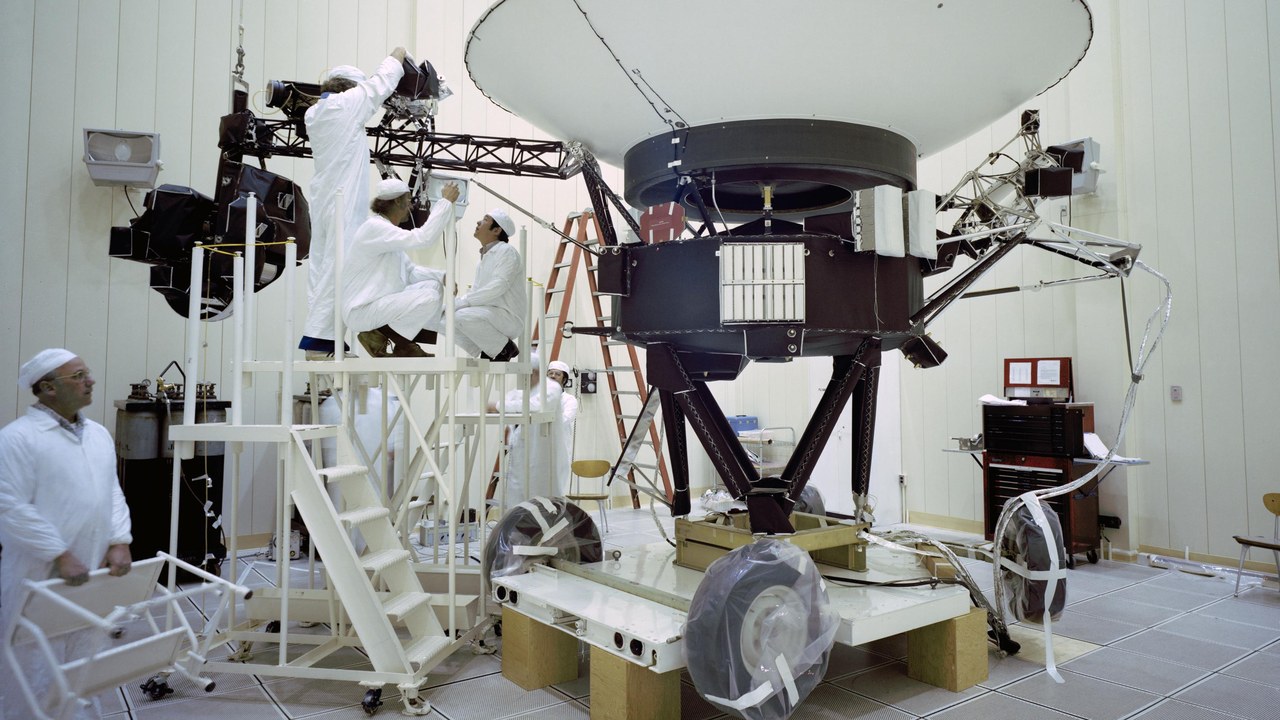
Voyager 2 is the only spacecraft ever to visit Uranus and Neptune, according to NASA’s Voyager 2 page. Launched on August 20, 1977, it became the first probe to visit all four giant planets.
The spacecraft is now in interstellar space, beyond the heliopause, the boundary of the bubble of energetic particles and magnetic fields that flows from the Sun. Its close-up images of the two ice giants remain the only ones humanity has, decades after it flew past them in 1986 and 1989.
3. New Horizons: First Close Look at Pluto
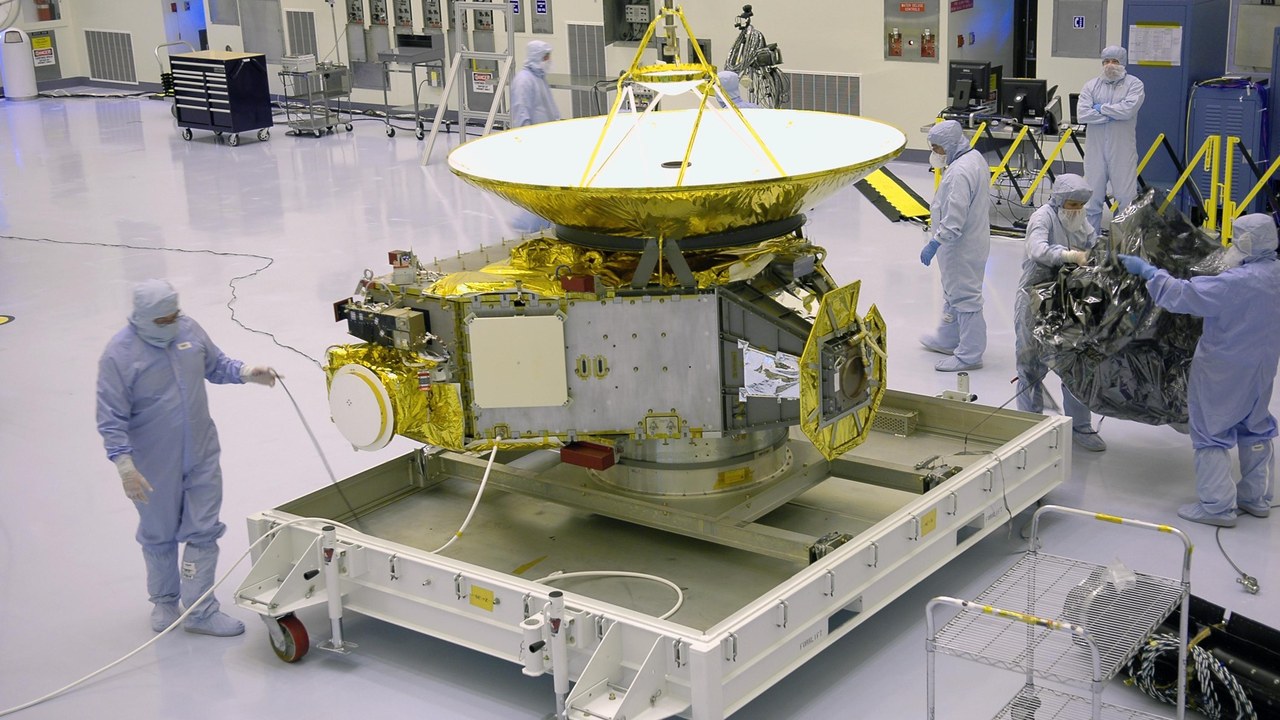
New Horizons was the first spacecraft to explore Pluto up close, flying past the dwarf planet and its moons on July 14, 2015, according to NASA’s New Horizons page.
In early 2019 it flew past its second major target, the Kuiper Belt object Arrokoth, the most distant object ever explored up close at the time. The images transformed Pluto from a fuzzy dot into a world with mountains, glaciers and a heart-shaped plain. The spacecraft continues to travel outward through the Kuiper Belt.
4. Parker Solar Probe: Touching the Sun
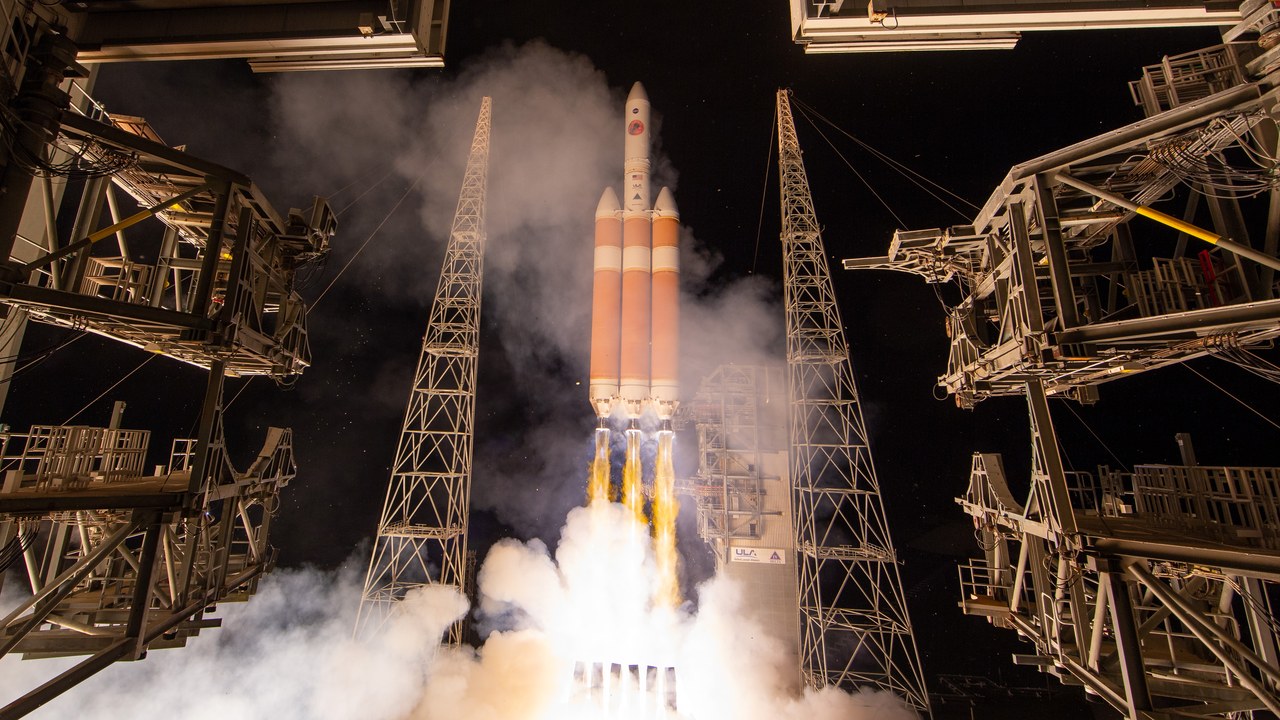
In 2021, Parker Solar Probe became the first spacecraft to fly through the Sun’s corona, its upper atmosphere, according to NASA’s mission page. At its closest approach, it comes within about 3.9 million miles of the Sun’s surface.
Each orbit brings the probe closer, and it faces brutal heat and radiation to gather data no other mission can collect. It travels well inside the orbit of Mercury. Scientists hope its measurements will explain why the corona is far hotter than the surface below it and how the solar wind is accelerated.
5. Juno: Solar Power at Jupiter
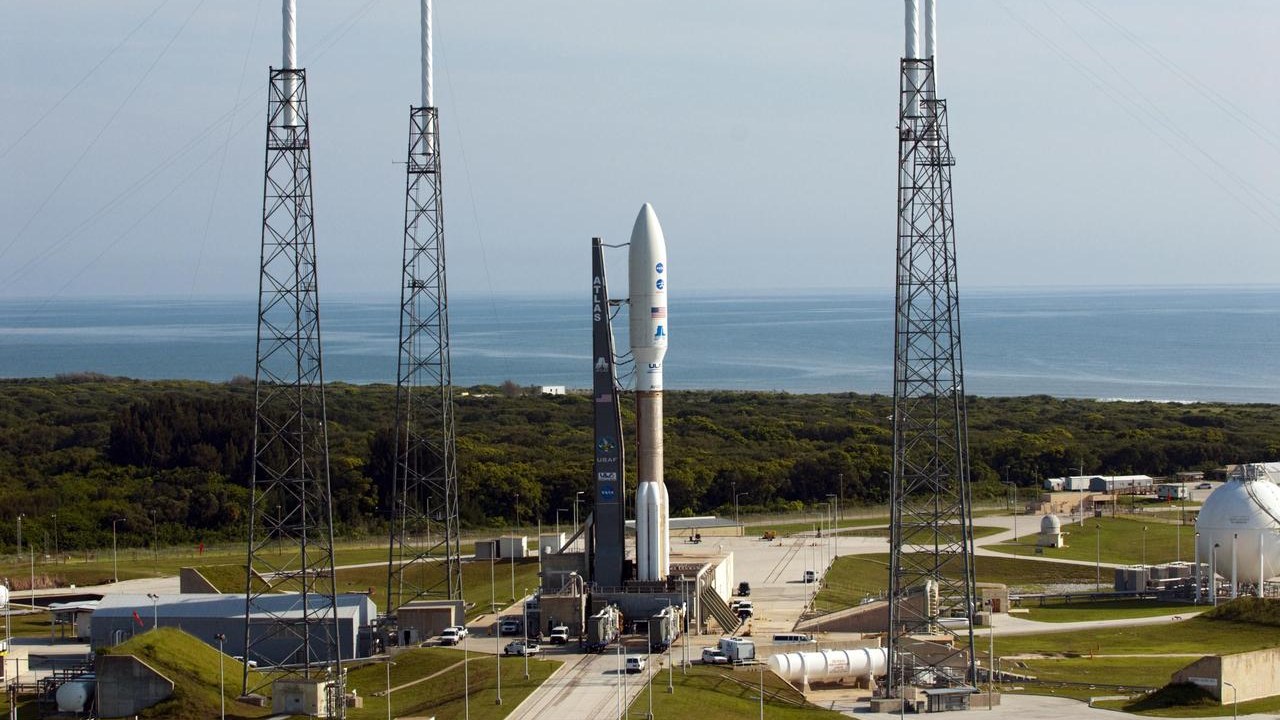
Juno has been probing beneath Jupiter’s dense clouds since it arrived in 2016, according to NASA’s Juno page. It is the first solar-powered spacecraft to operate at Jupiter and the farthest solar-powered spacecraft from Earth.
From its very first orbit, Juno upended scientists’ views of the gas giant, finding vast networks of storms swirling around the poles. Its huge solar arrays let it work without a nuclear power source despite Jupiter’s dim sunlight. The mission has also studied Jupiter’s moons up close.
6. Cassini: The First Saturn Orbiter
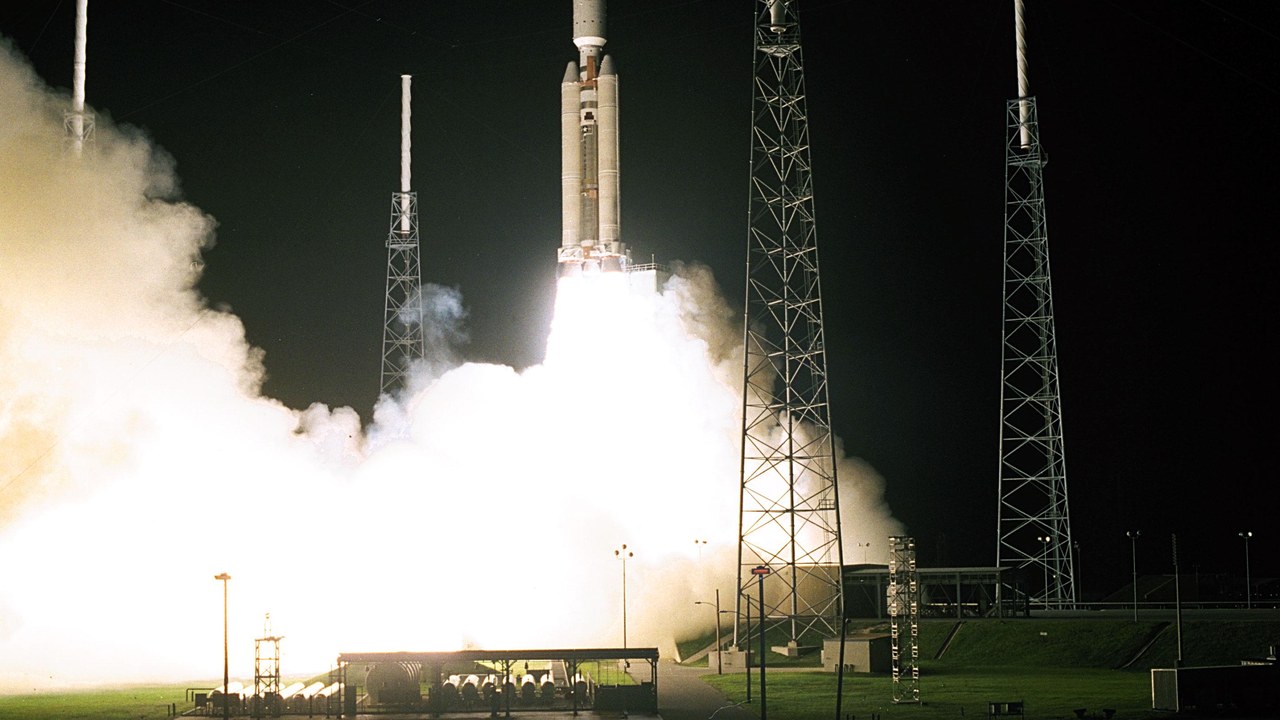
Cassini became the first spacecraft to orbit Saturn, beginning the first in-depth study of its rings and moons in 2004, according to NASA’s Cassini page. It worked there for more than a decade.
The mission revealed worlds where methane rivers flow into methane seas on Titan and where jets of ice and gas blast from the moon Enceladus. Cassini carried the European Huygens probe, which landed on Titan. The mission ended in 2017 when the spacecraft was deliberately plunged into Saturn’s atmosphere.
7. Galileo: First to Orbit an Outer Planet
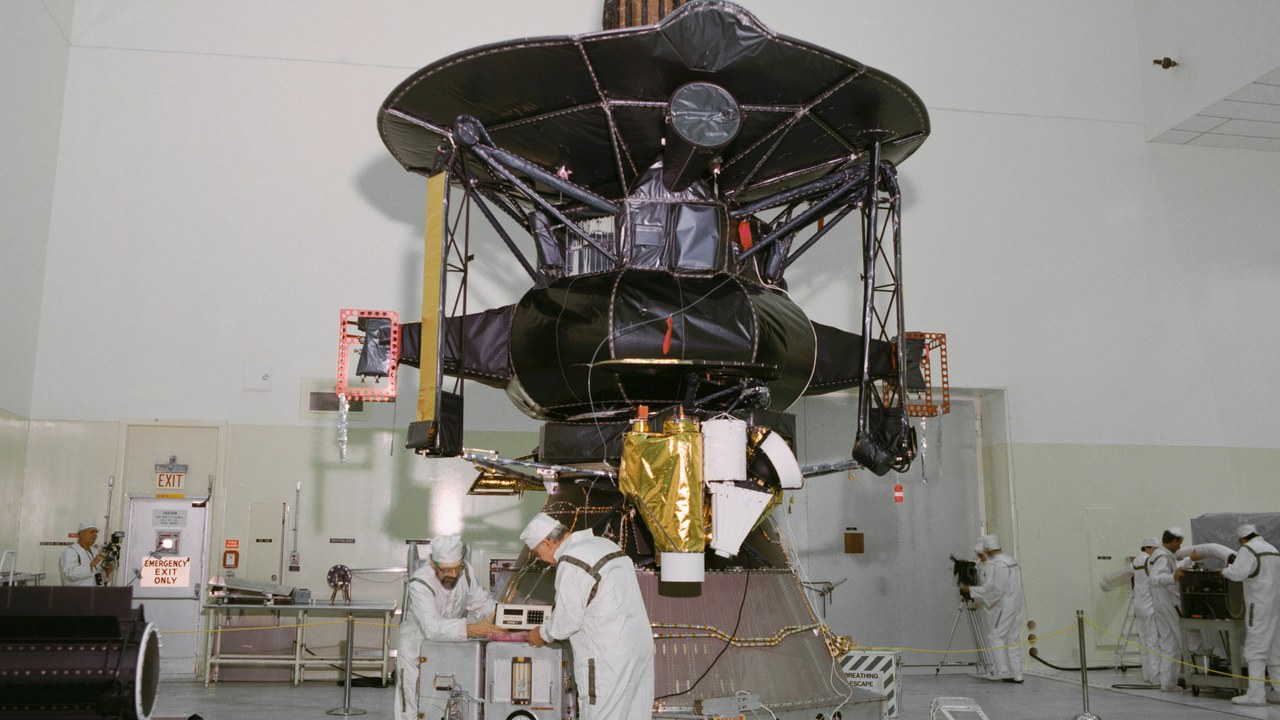
Galileo was launched from space shuttle Atlantis in October 1989 and became the first spacecraft to orbit an outer planet, circling Jupiter 34 times, according to NASA’s Galileo page.
It found evidence of a possible ocean beneath the icy crust of the moon Europa. To protect that potential habitat from contamination, NASA deliberately sent Galileo into Jupiter’s crushing atmosphere on September 21, 2003. Its discoveries set the stage for the Europa Clipper mission now on its way.
8. Pioneer 10: The First Outer-Planet Mission
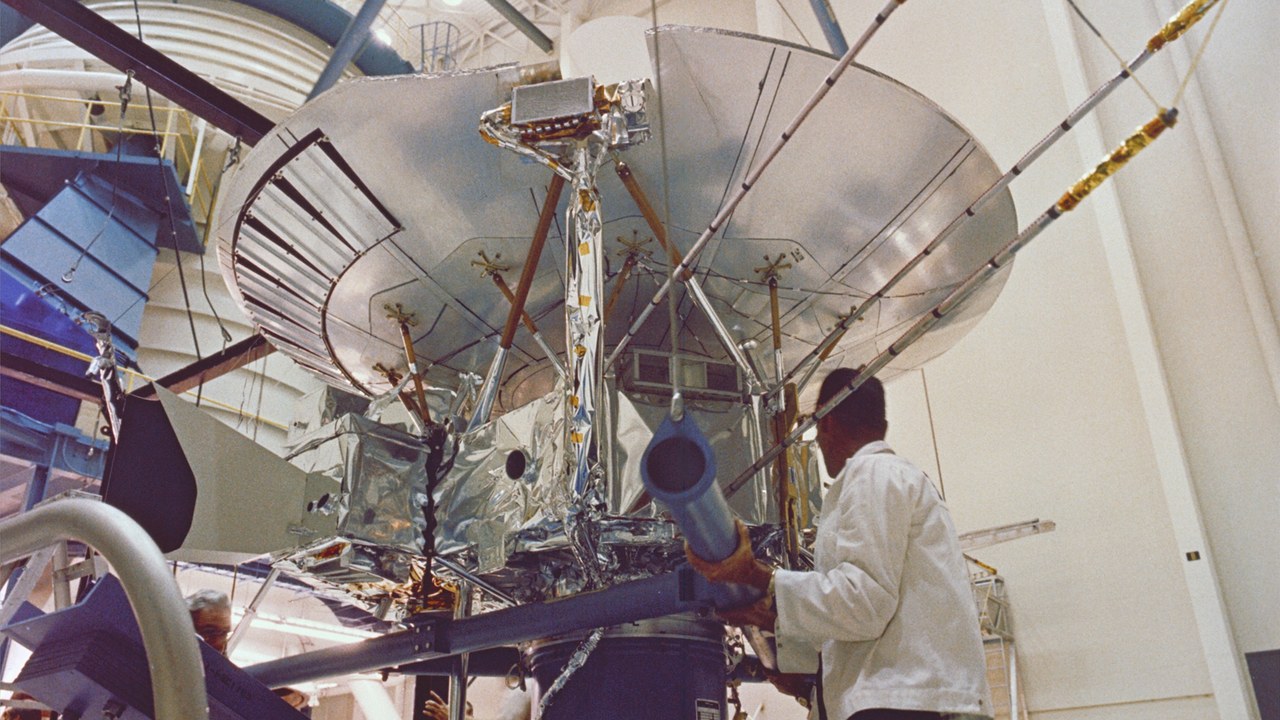
Pioneer 10 was NASA’s first mission to the outer planets and notched a series of firsts, according to NASA’s Pioneer 10 page. It sent its last signal to Earth in January 2003 from 7.6 billion miles away.
Launched in 1972 on an Atlas Centaur rocket, Pioneer 10 was the first spacecraft to cross the asteroid belt and the first to fly past Jupiter. It carried a gold-anodized plaque with a message for any intelligent life that might one day find it. The spacecraft is still coasting out of the solar system.
9. Pioneer 11: First to Fly Past Saturn
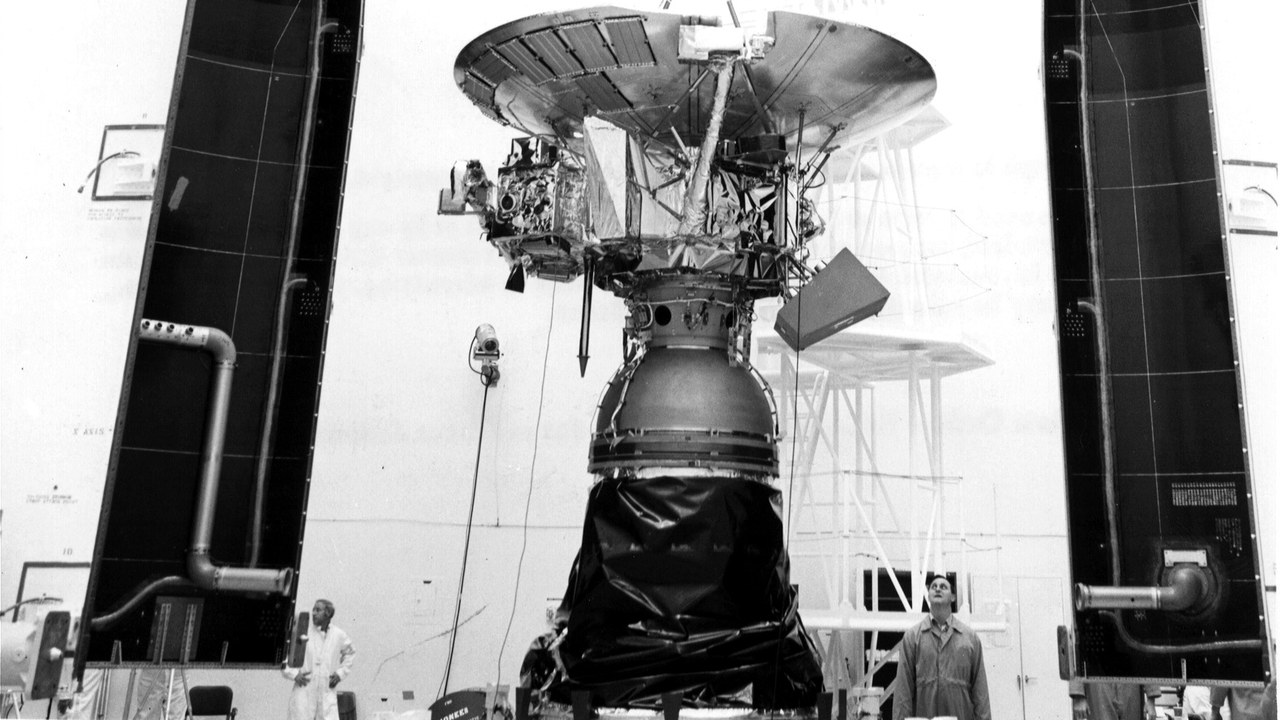
Pioneer 11, a sister spacecraft to Pioneer 10, was the first spacecraft to study Saturn up close, according to NASA’s Pioneer 11 page. It also returned the first pictures of Jupiter’s polar regions on the way.
The mission ended in 1995, and Pioneer 11 is now on a trajectory that will carry it out of the solar system. Its flight past Saturn helped scout the path that the later Voyager probes would follow. Like its twin, it carries a plaque describing where it came from.
10. Mariner 4: First Close-Up Images of Mars
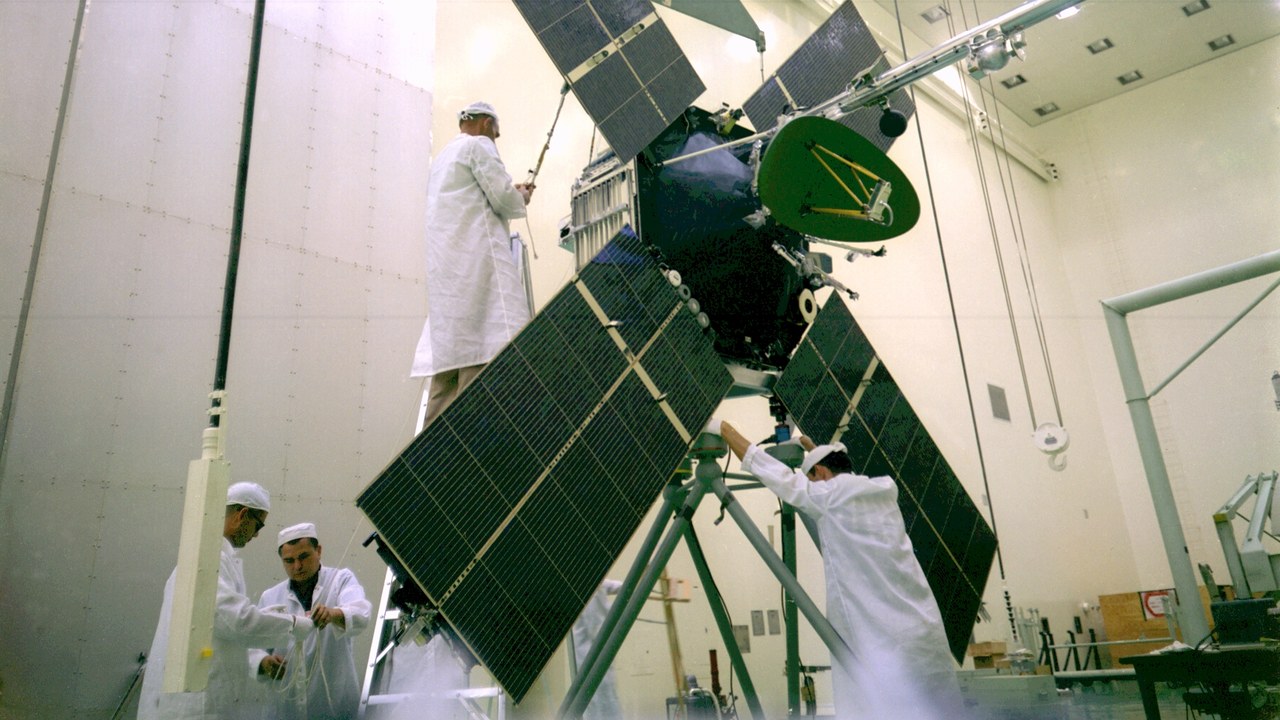
On July 14, 1965, Mariner 4 became the first spacecraft to fly by Mars and returned the first close-up images of another planet, according to NASA’s Mariner 4 page.
Its grainy black-and-white views showed a barren, heavily cratered world and ended ideas of possible intelligent life on the Red Planet. The flyby opened the age of Mars exploration that continues today with rovers and orbiters. It was the first successful mission to Mars.
11. Lucy: A Tour of the Trojan Asteroids
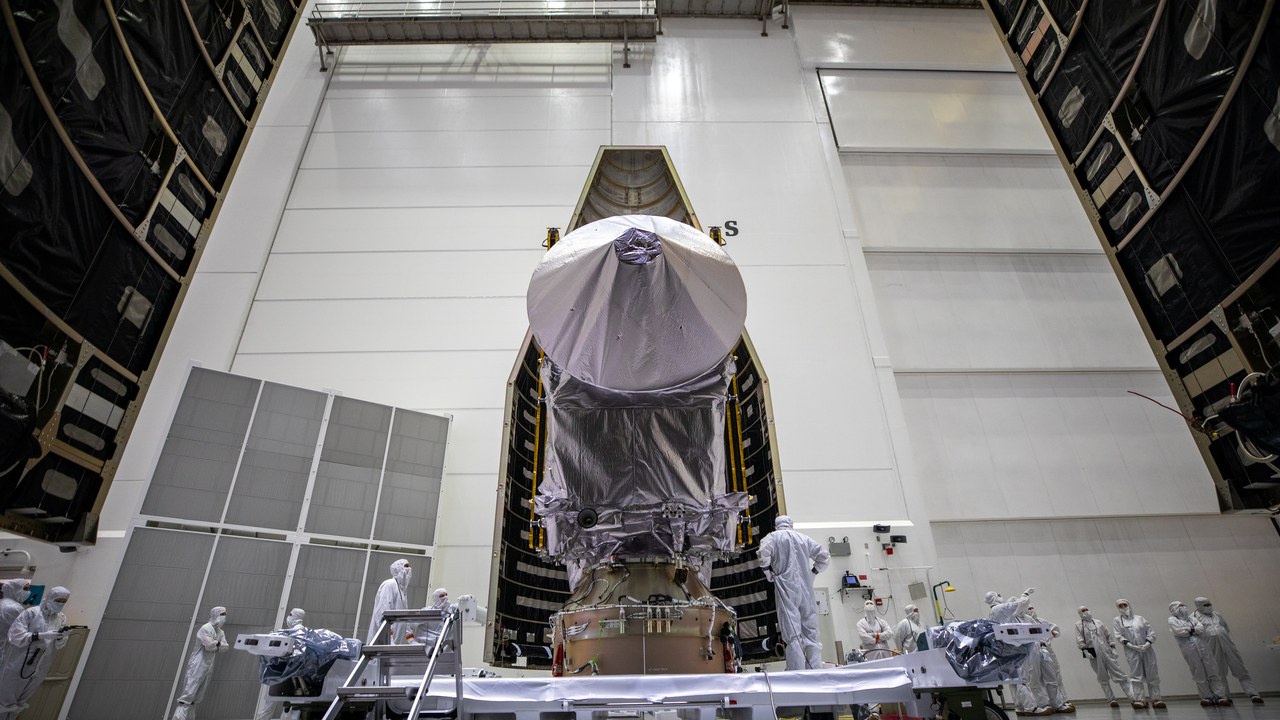
NASA’s Lucy is the first spacecraft sent to explore the Jupiter Trojan asteroids, according to NASA’s Lucy page. It is set to fly past a record number of asteroids during its mission.
The Trojans are two swarms of asteroids that share Jupiter’s orbit around the Sun, leading and trailing the giant planet. Scientists consider them fossils of planet formation. The mission is named after the famous fossil of a human ancestor, a nod to how the asteroids may reveal the solar system’s origins.
12. Europa Clipper: Bound for an Ocean World
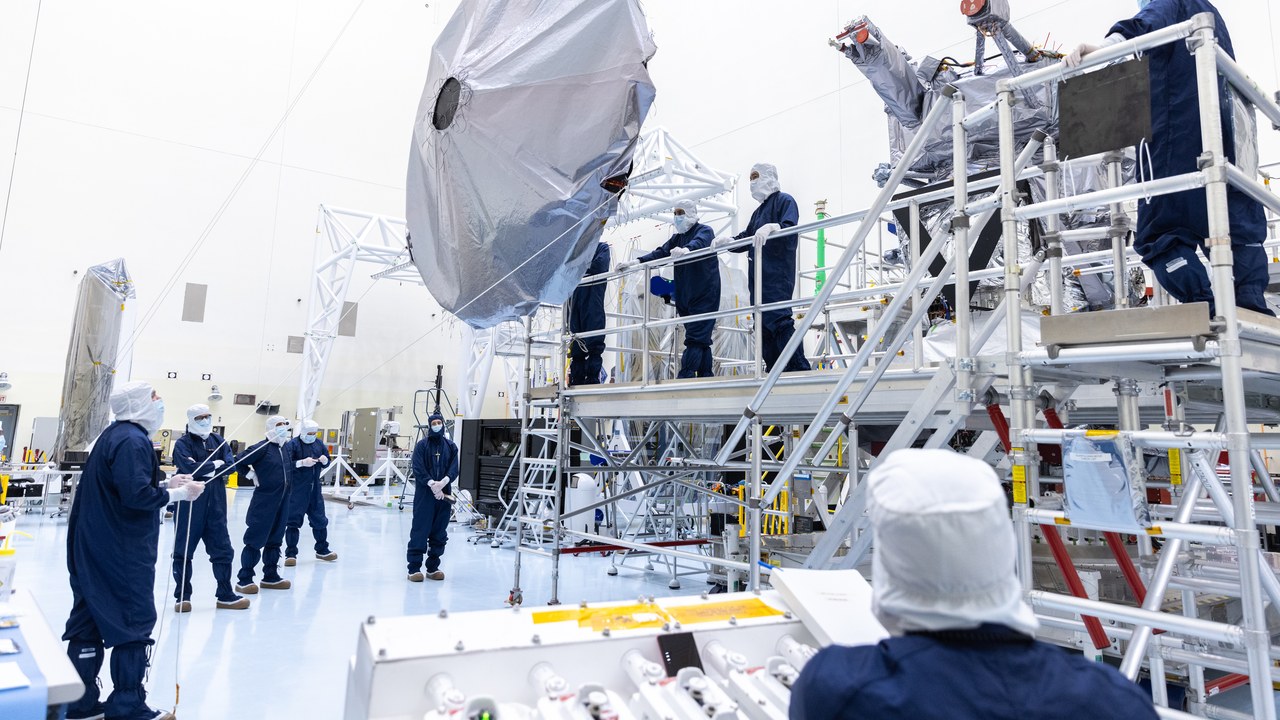
Europa Clipper, launched on October 14, 2024, is the first mission designed to study Jupiter’s moon Europa in detail, according to NASA’s Europa Clipper page. It is traveling 1.8 billion miles to reach Jupiter in April 2030.
Scientists believe Europa hides an ocean beneath its icy shell, and there is evidence that the ingredients for life may exist there now. Clipper will make dozens of close flybys to study the ice, the ocean and the moon’s chemistry. It is the largest spacecraft NASA has built for a planetary mission.
More from Morning Overview
- Over 20 trillion gallons of rain fell on the Four Corners states and Nevada in two weeks
- 11 engines built to run well past 200,000 miles
- Two Kentucky residents died when a small plane crashed at Missouri’s Lake of the Ozarks, and the NTSB is investigating
- A handful of car transmissions are so tough that mechanics say they almost never die
