
Space missions are planned with a lifespan in mind, usually set by fuel, power and how long engineers expect hardware to survive. Some spacecraft blew through those limits by years or even decades. Here are ten spacecraft that kept flying and kept sending back science long after their planned missions were supposed to end.
Read next on Morning Overview: 11 engines built to run well past 200,000 miles
1. Voyager 1: A Light-Day From Home
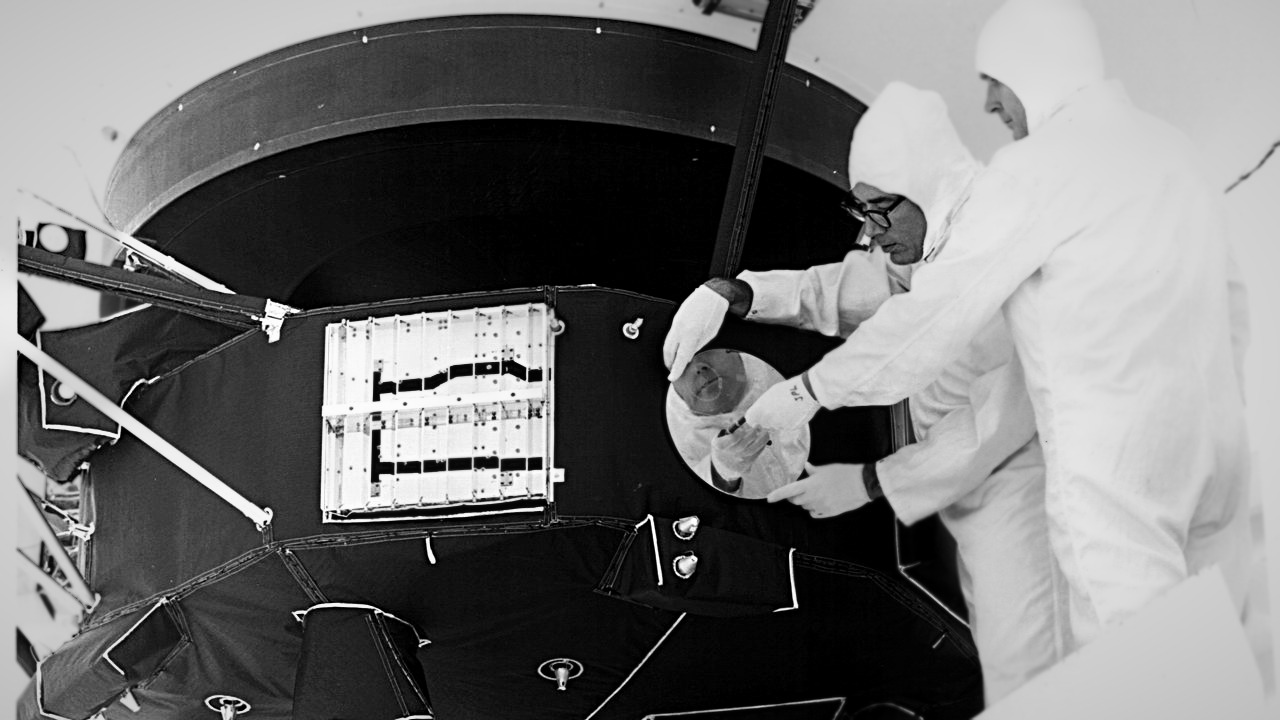
Launched in 1977, Voyager 1 is now NASA’s farthest explorer. NASA’s Scientific Visualization Studio marked a historic milestone: on Nov. 18, 2026, the spacecraft was set to reach a distance of one light-day from Earth, more than 16 billion miles away.
At that distance, a command sent from Earth takes 24 hours to reach the probe, and its reply needs another 24 hours to come back. In 2012, Voyager 1 became the first human-made spacecraft to enter interstellar space, and nearly five decades after launch it still carries the Golden Record, a message from humanity.
2. Voyager 2: Built for Two Planets, Visited Four
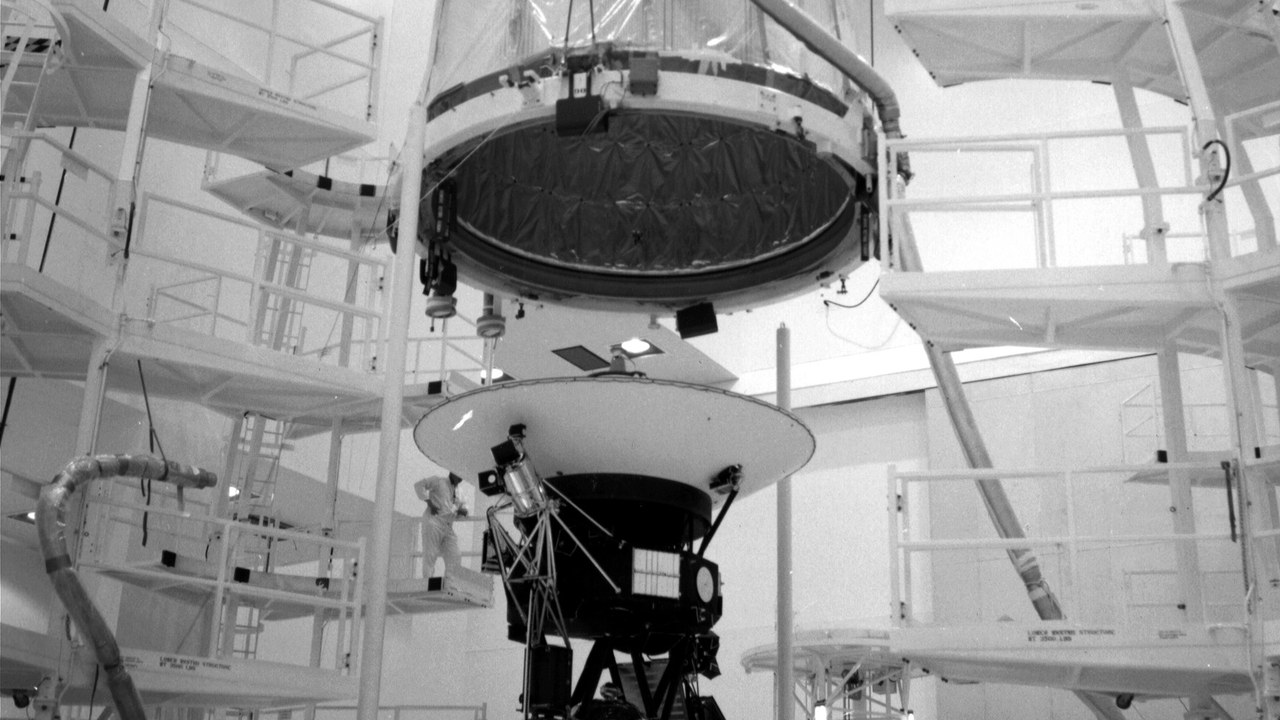
The Voyagers were initially aimed only at Jupiter and Saturn, but Voyager 2 went on to explore Uranus and Neptune as well, using a rare alignment of the outer planets that comes around only every 175 years. It lifted off on Aug. 20, 1977.
After Neptune, Voyager 2 began an interstellar mission extension that continues today. Several instruments have been switched off over the years to save power, starting with its imaging system in 1998, but it still returns data on cosmic rays and the solar wind. On Nov. 5, 2018, six years after its twin, it crossed the heliopause, the edge of the Sun’s bubble of influence.
3. Pioneer 10: A 21-Month Mission That Lasted 30 Years
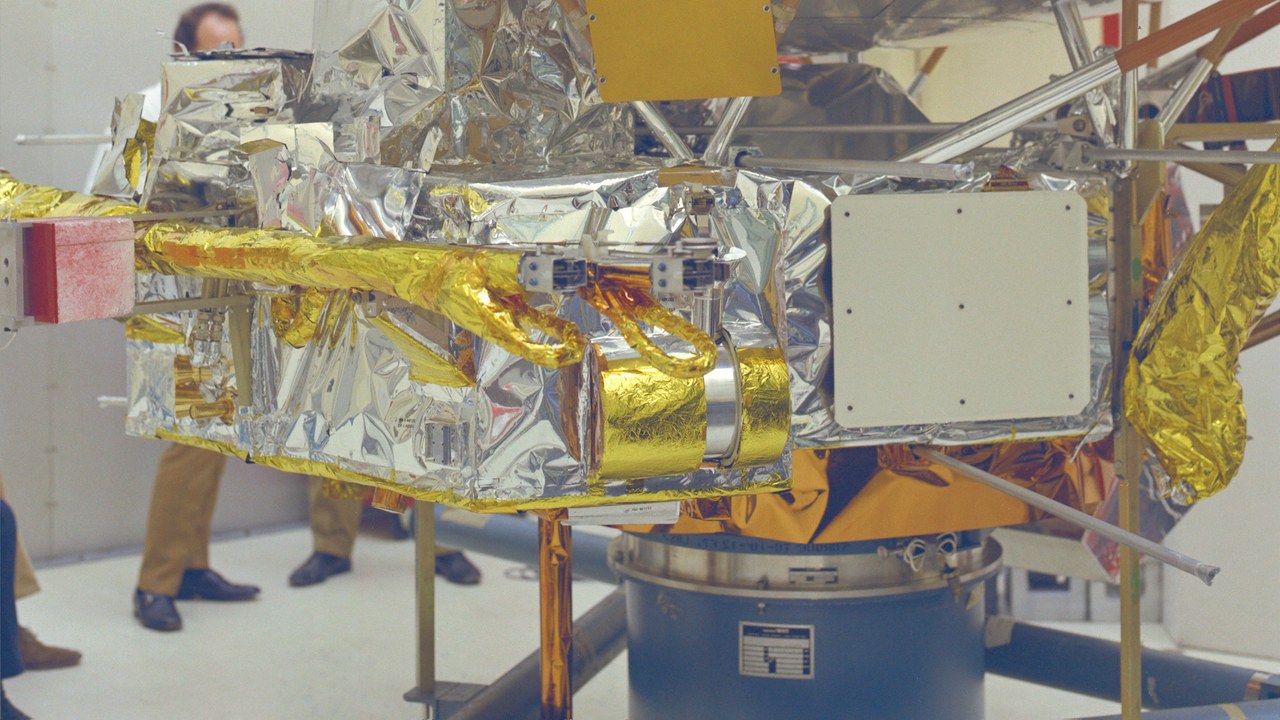
Pioneer 10 was designed for a 21-month mission and lasted more than 30 years. NASA reported that its last, very weak signal reached Earth on Jan. 22, 2003, after its radioisotope power source had decayed.
Launched March 2, 1972, it became the first spacecraft to pass through the asteroid belt and the first to make close-up observations of Jupiter, flying by the planet on Dec. 3, 1973. At its final contact it was 7.6 billion miles from Earth, so far that its radio signal took more than 11 hours to arrive. It is still coasting toward the red star Aldebaran.
4. Pioneer 11: The Backup That Found Saturn
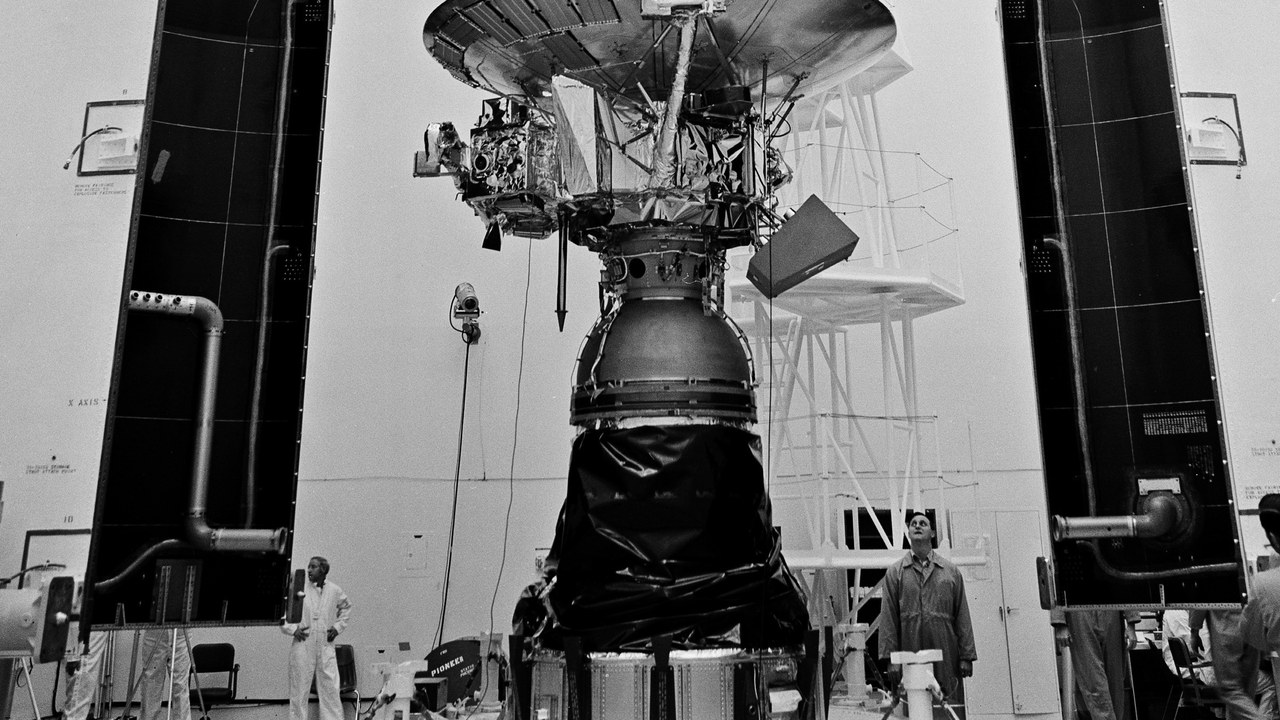
Pioneer 11 was meant as a backup to Pioneer 10 and was planned for 21 months of operations, just long enough to reach and study Jupiter. Instead, mission planners retargeted it to use Jupiter’s gravity to swing on to Saturn.
It became the first spacecraft to observe Saturn up close, flying past on Sept. 1, 1979, and helped scout the path Voyager 2 would later follow. Pioneer 11 operated for more than 22 years. It passed the orbit of the outermost planet in 1990, and its final signal arrived on Nov. 24, 1995, from more than 4 billion miles away.
5. Cassini: Two Extensions and a Grand Finale
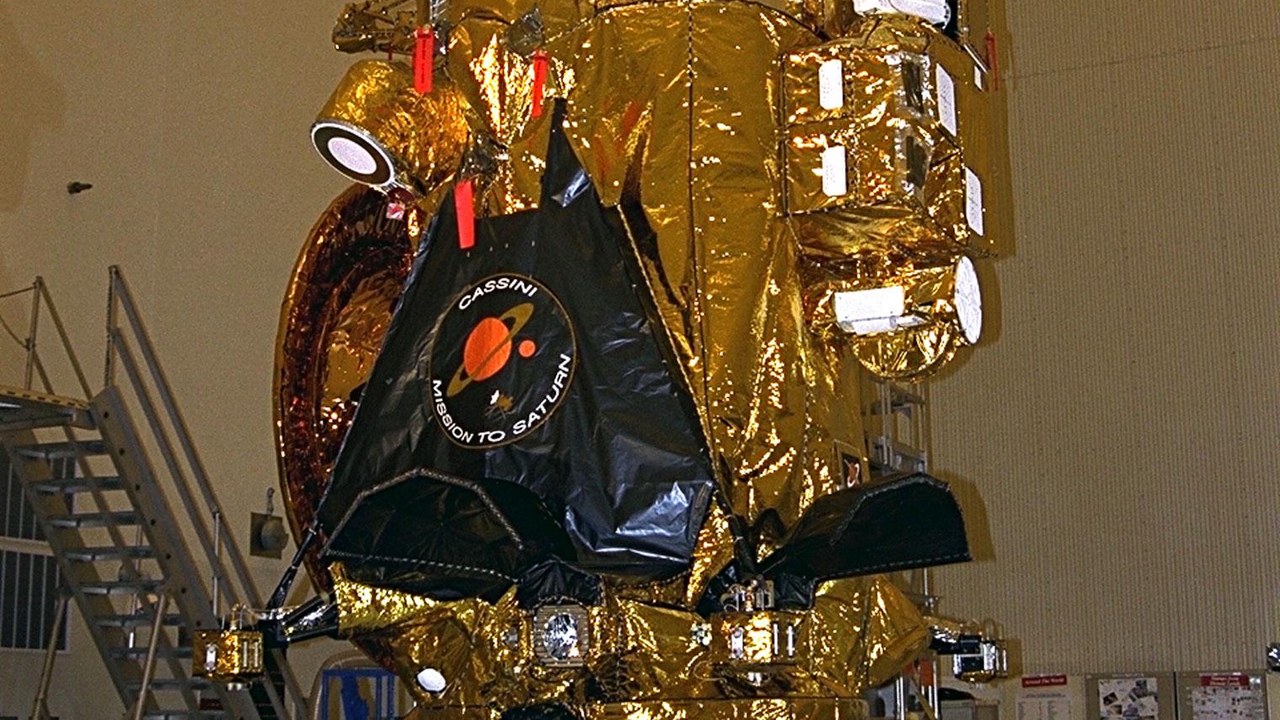
Cassini launched in 1997 and reached Saturn in 2004. NASA then extended its mission twice, first for two years and then for seven more, giving the spacecraft dozens of extra flybys of Saturn’s icy moons as it used up its remaining propellant.
The mission ended on Sept. 15, 2017, with a deliberate plunge into Saturn after 22 weekly Grand Finale dives between the planet and its rings, a feat no spacecraft had tried before. The final dive was chosen to make sure the moons, especially ocean-bearing Enceladus, stayed free of contamination for future exploration.
6. Hubble Space Telescope: Projected for 10 Years, Still Working
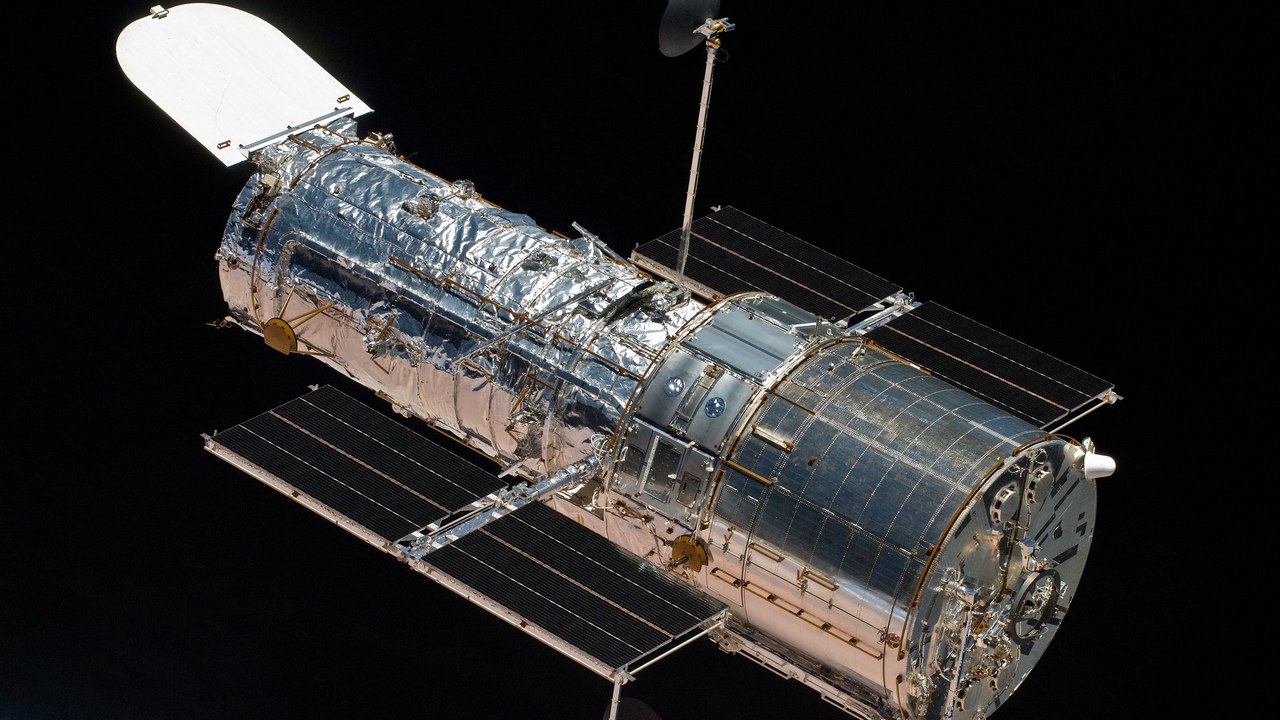
When the Hubble Space Telescope launched aboard space shuttle Discovery on April 24, 1990, it was projected to be in service for about 10 years. NASA marked its 30th anniversary in 2020, by which time it had taken more than a million observations.
Orbiting about 340 miles up at roughly 17,000 mph, Hubble has been credited with discovering many distant galaxies, confirming supermassive black holes in galactic centers and finding birthplaces of stars. Astronauts first serviced it in orbit in December 1993, installing a new wide field planetary camera, the start of in-space upgrades that kept the observatory productive.
7. Galileo: Three Extensions at Jupiter
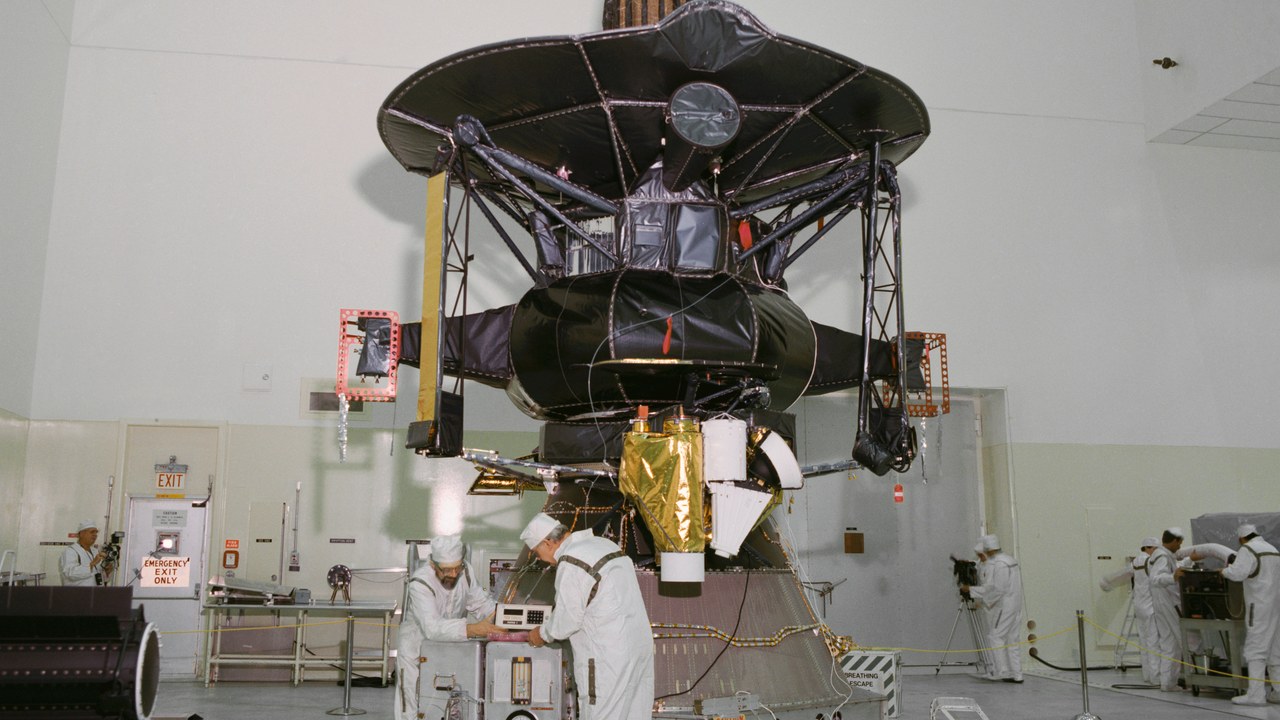
Galileo launched from the cargo bay of space shuttle Atlantis on Oct. 18, 1989, and began orbiting Jupiter in December 1995. NASA says its primary mission was completed in December 1997 and then extended three times, eventually totaling 34 orbits of the planet.
The mission ended on Sept. 21, 2003, when controllers deliberately sent Galileo into Jupiter’s crushing atmosphere. The spacecraft was destroyed on purpose to protect one of its own discoveries, a possible ocean beneath the icy crust of the moon Europa, so that an uncontrolled spacecraft could never crash there.
8. New Horizons: Past Pluto and Still Going
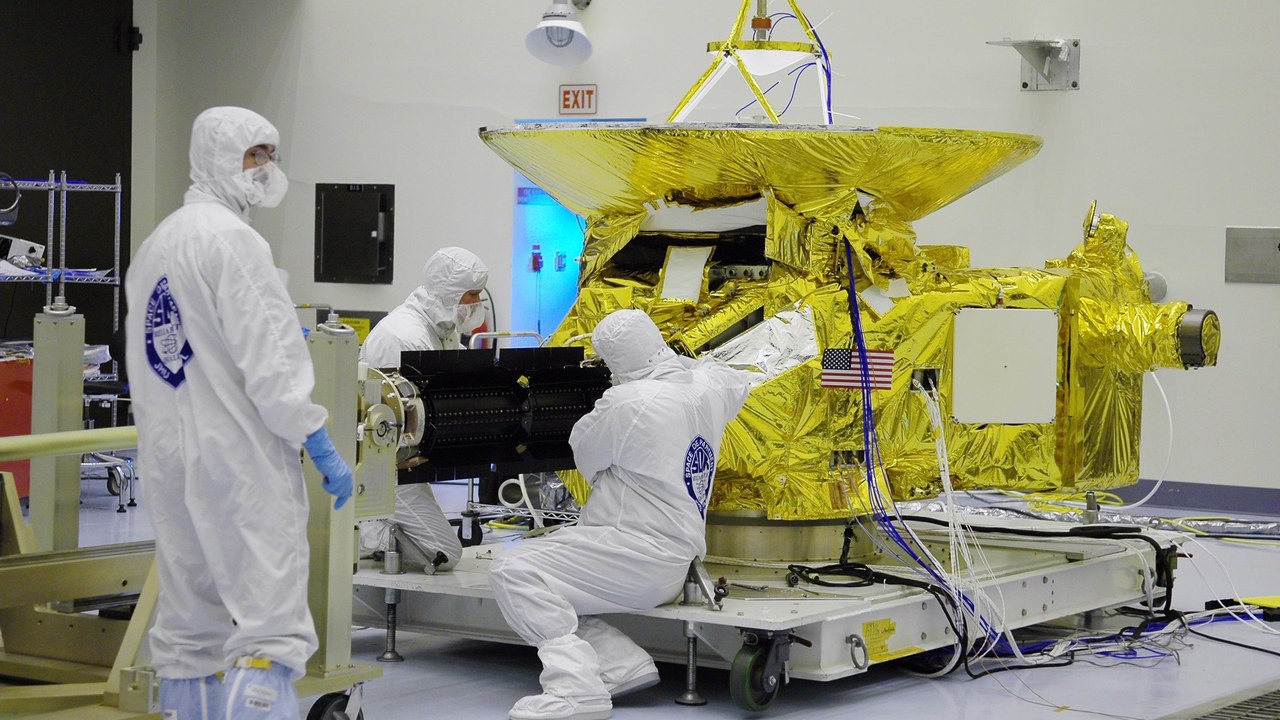
New Horizons launched in 2006, flew past Pluto in 2015 and later past a distant Kuiper Belt object. Now in its second extended mission, NASA says the spacecraft is expected to have sufficient propellant and power to operate through the 2040s, at distances beyond 100 times Earth’s distance from the Sun.
Its student-built dust counter has recorded microscopic grains all along a journey of more than 5 billion miles, and recent readings hint that the Kuiper Belt may extend farther out than thought. That far out, the instrument could even record the spacecraft’s passage into a region where interstellar dust dominates.
9. Ulysses: Outlived Its Own Obituaries
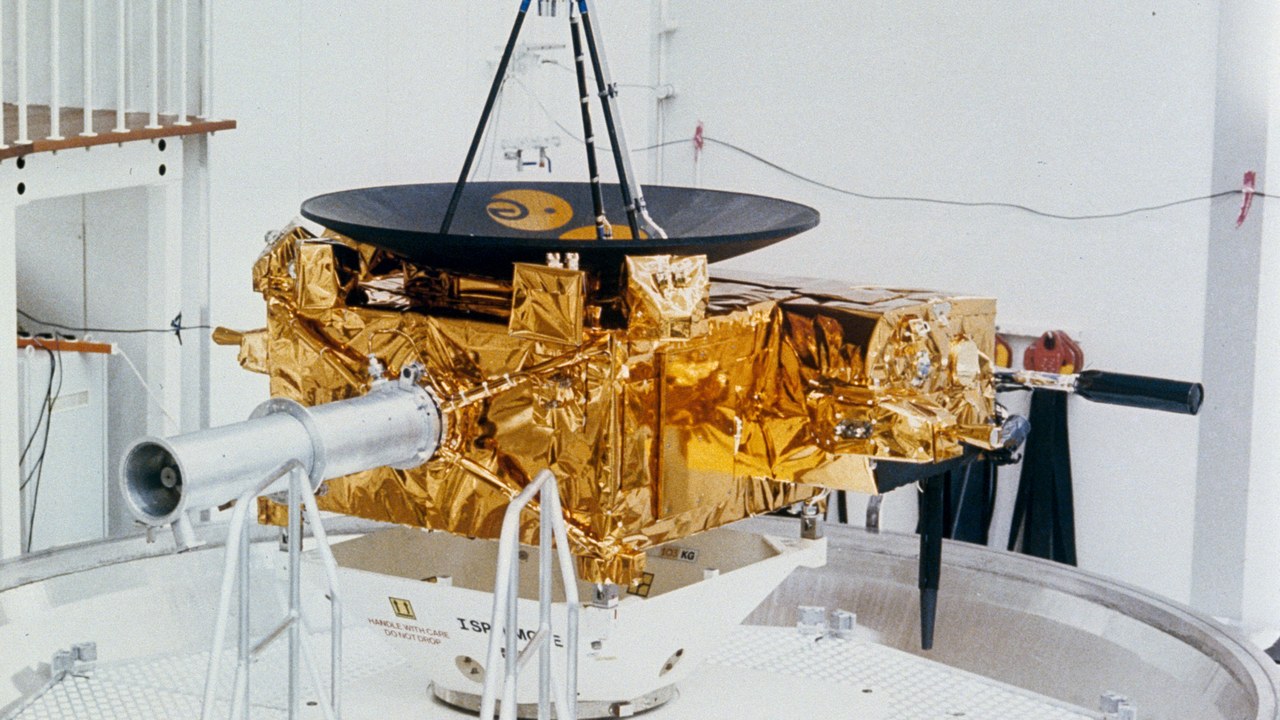
The joint European-NASA Ulysses probe launched aboard space shuttle Discovery in October 1990 to study the Sun from above and below its poles. It spent 18.6 years in space, and its mission finally ended on June 30, 2009, a year after it had been expected to stop.
Ulysses was the first spacecraft to survey the space above and below the Sun’s poles, and it produced the first map of the heliosphere in four dimensions of space and time. ESA’s operations chief said the team had expected the spacecraft to stop working much earlier and called its longevity a tribute to its builders.
10. MESSENGER: A Yearlong Study That Kept Going
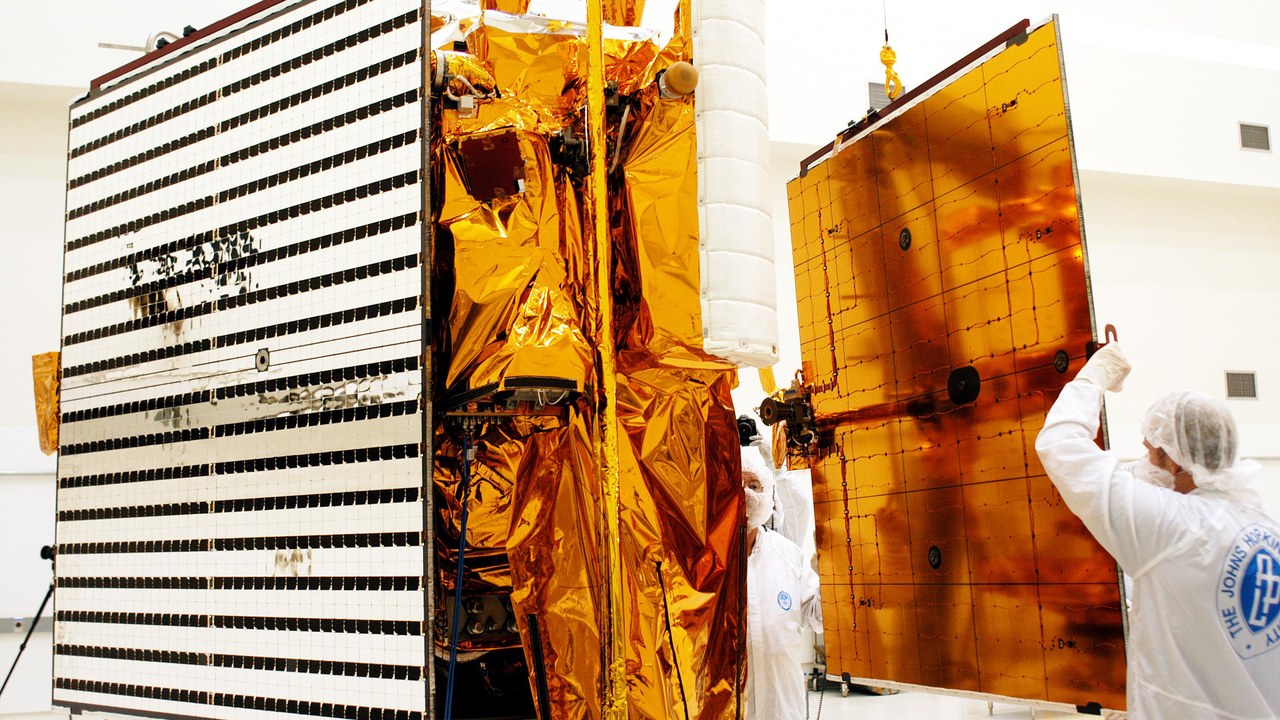
MESSENGER was the first spacecraft to orbit Mercury, arriving on March 18, 2011, for what was planned as a yearlong study. According to Johns Hopkins APL, which built and operated it, the mission’s first extension began exactly one year later.
By its fourth anniversary at Mercury in March 2015, the probe had fully mapped the planet’s surface and logged more than 10 years in flight. Its instruments were still healthy, but its propulsion system was running on fumes, with the Sun’s gravity steadily pulling it closer to the surface. It was also the first mission to use sunlight pressure, solar sailing, to correct its course and save propellant.
More from Morning Overview
- A $1 billion gas plant planned for Superior, Wisconsin, has been abandoned
- Shaq spent $1.3 million on three Rolls-Royce Phantoms to prove a point to a salesman
- The Justice Department asked courts to undo approvals for three offshore wind farms, one already making power
- Over 20 trillion gallons of rain fell on the Four Corners states and Nevada in two weeks
