
The Navy is building the Columbia-class submarines to replace the aging Ohio-class boats that carry America’s sea-based nuclear deterrent. On November 12, 2026, Vice Admiral Rob Gaucher said delivering the first one in 2028 is absolutely achievable. Ten slides trace the Ohio fleet, its bases and the yards racing to deliver its successor.
Read next on Morning Overview: Hackers broke into Japan’s Fugaku supercomputer and stole the SSH keys of its users
USS Ohio (SSGN-726): The Lead Boat
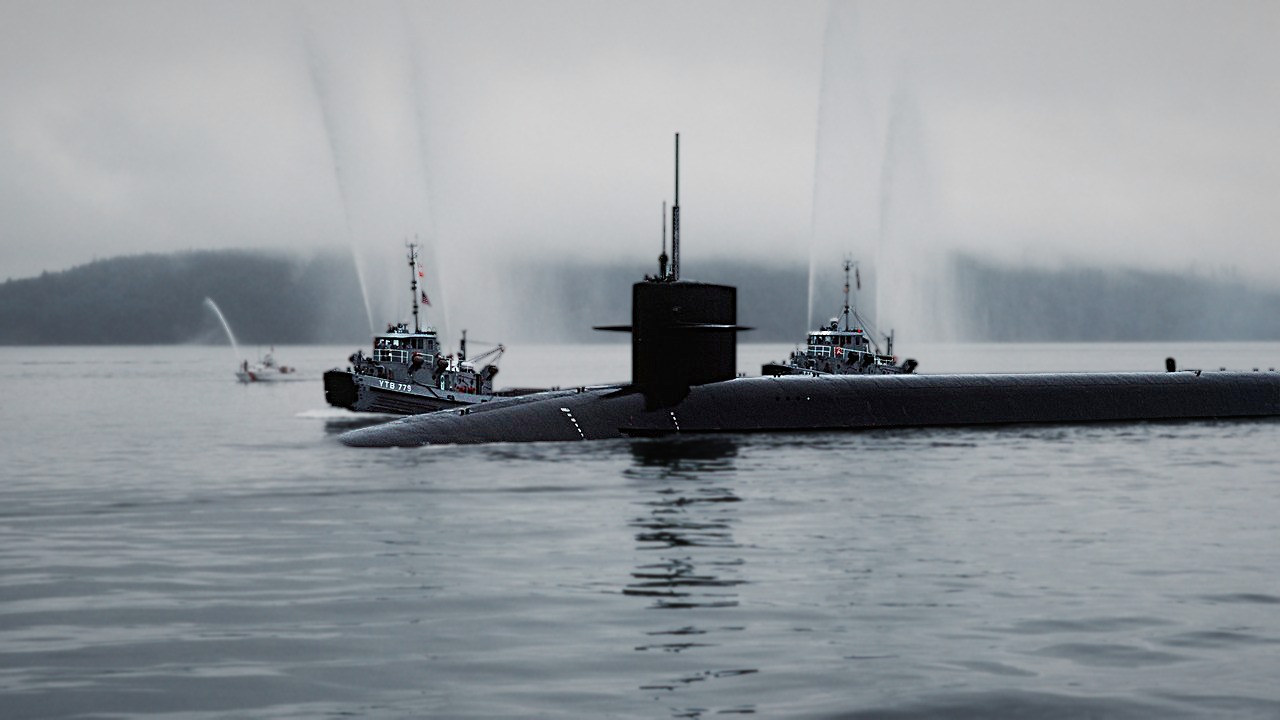
Ohio class overview records USS Ohio as the lead boat of the class, commissioned on 11 November 1981. The class totals 14 ballistic-missile submarines and 4 cruise-missile submarines, which makes it the largest submarine class ever built for the U.S. Navy.
That scale explains why replacing it is such a long project. Ohio herself was later converted to a cruise-missile boat, so the namesake of the fleet no longer carries ballistic missiles. The story of the successor begins with a fleet that has been stretched well past its original planning horizon, and with a Navy racing to field Columbia-class boats before the oldest Ohio hulls age out.
USS Henry M. Jackson: Bangor’s Veteran
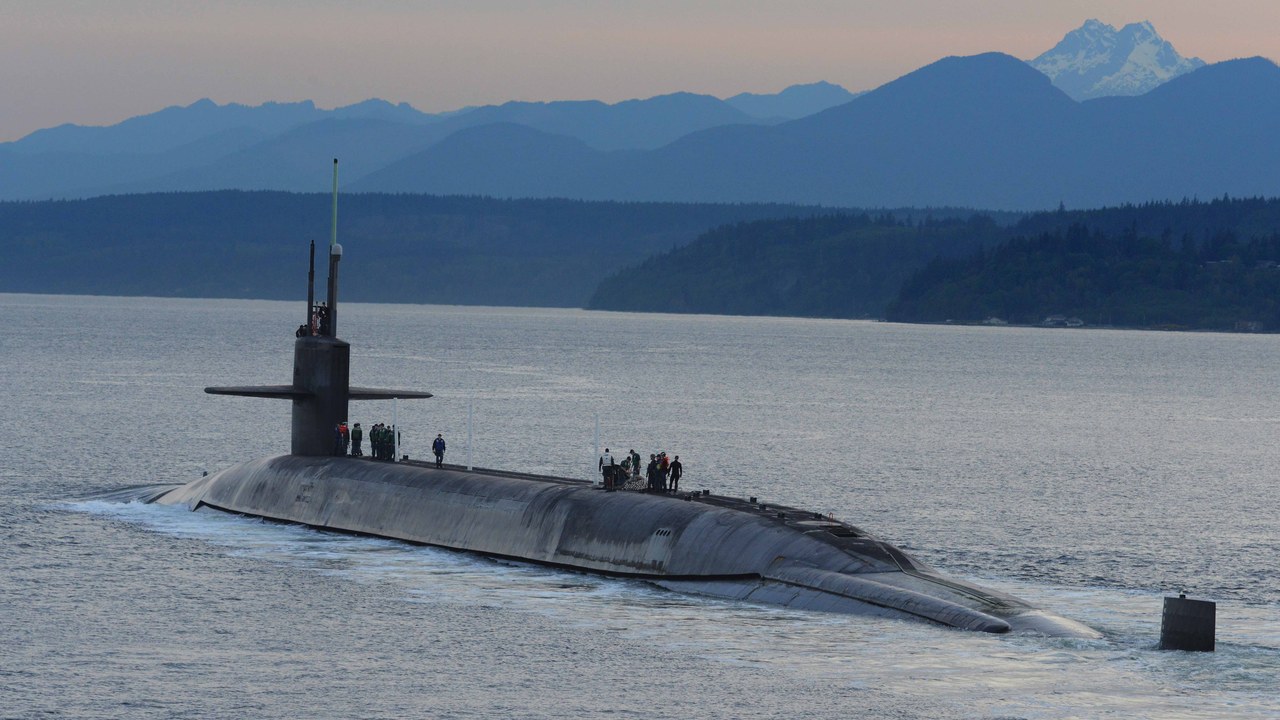
Navy submarine force page says USS Henry M. Jackson was commissioned on Oct. 6, 1984, at Bangor, Wash. It is the only Ohio-class boat not named for a state, and in 2012 it became the first Ohio-class SSBN to complete 80 patrols.
Longevity of that kind is the quiet argument behind the replacement program. A boat that has logged 80 patrols has repeatedly done the same deterrent job the Navy now wants the Columbia class to inherit. The image here shows a generic Ohio-class boat underway, not Jackson herself.
Trident II D5 missile: The Payload
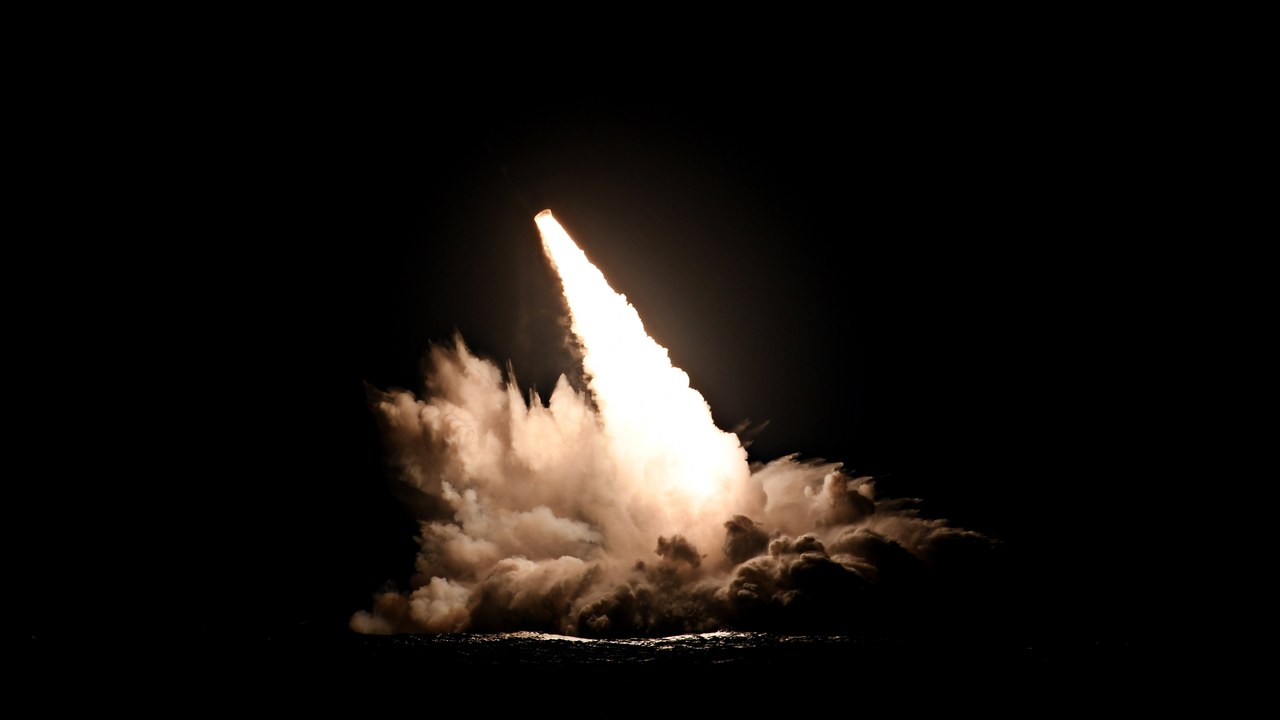
Jackson’s Trident record notes the boat was converted from the Trident C4 to carry up to 20 Trident II D-5 missiles. That upgrade tied the submarine to the longer-range missile that now arms the Ohio-class ballistic fleet.
The missile is the constant across the transition. The research behind this story supports only the Jackson figure of up to 20 missiles, so no fleet-wide totals are given here. What the figure shows is that the submarine is largely a delivery platform for a weapon that outlives any single hull, which shapes how the Navy thinks about the next class.
Naval Submarine Base Kings Bay: Atlantic Home Port
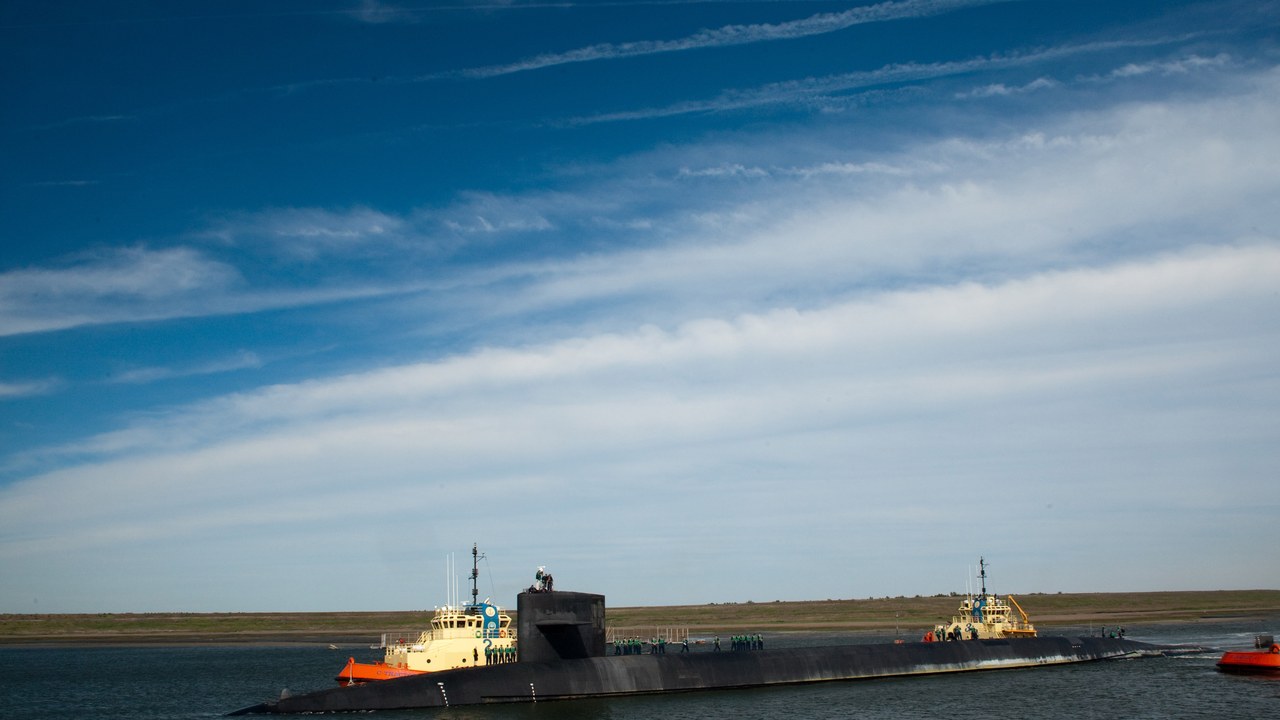
Ohio-class reference article places Naval Submarine Base Kings Bay in Georgia as the base for the Atlantic-side Ohio-class boats. The photograph shows an Ohio-class submarine moored alongside a pier with a tug close by.
Basing matters for the replacement because new boats must slot into existing piers, crews and support. The sourcing used here says only that Kings Bay hosts the Atlantic-side boats, and it gives no counts or dates. Any change in how many submarines call the base will depend on Columbia-class deliveries that have not yet begun.
Naval Base Kitsap-Bangor: Pacific Home Port
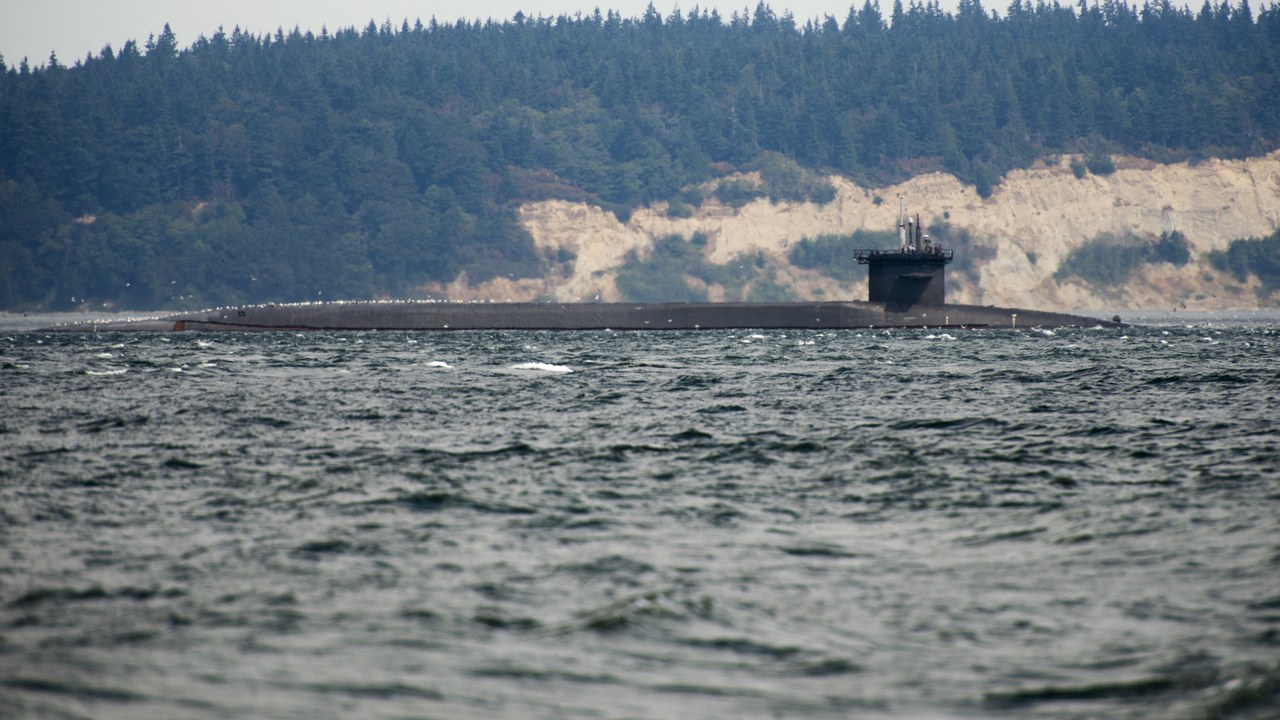
Ohio-class article identifies Bangor, Washington, as the home of the Pacific-side Ohio-class boats. The photograph shows an Ohio-class boat on the surface with escort vessels nearby. The base is one of two the Ohio-class homeports the source describes.
Together with Kings Bay, Bangor forms the two-coast arrangement that has anchored the sea-based deterrent. The sources do not state how the future Columbia boats will be divided between the two bases, so that question is left open. Readers should treat any split as a planning detail still to be announced.
USS Michigan (SSGN-727): The Cruise-Missile Conversion
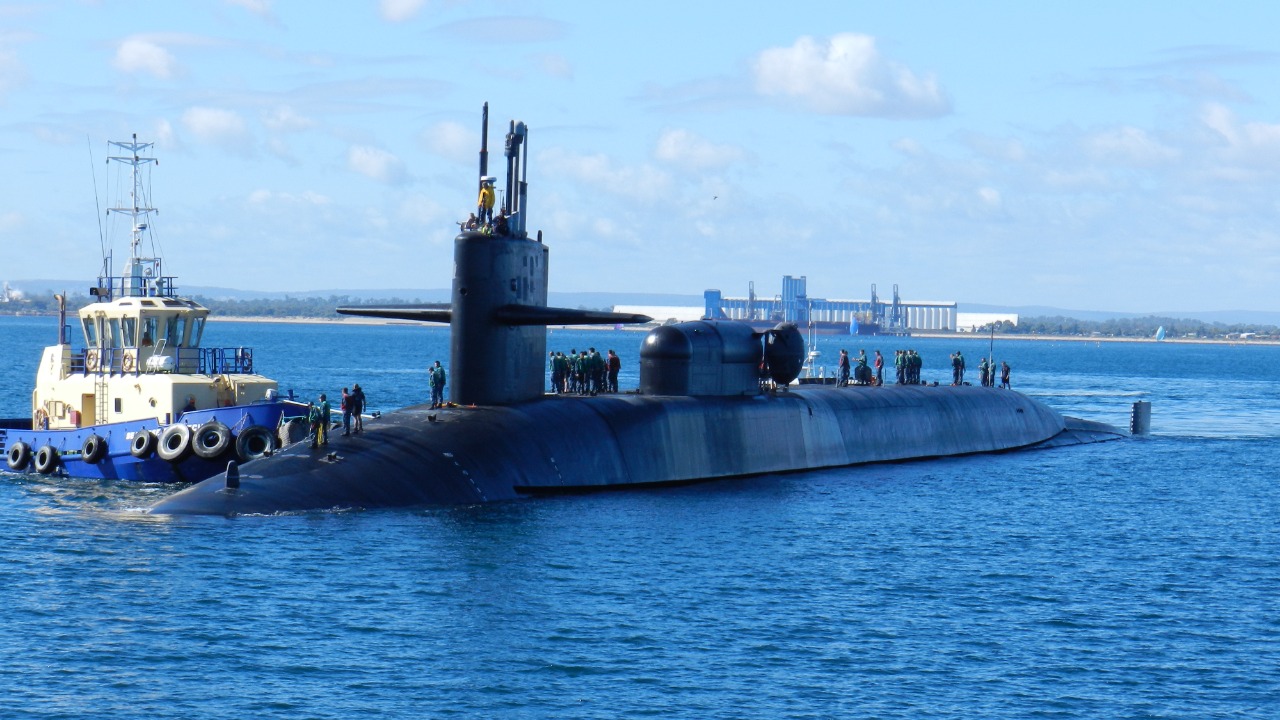
Wikipedia’s Ohio-class summary says a 1994 review concluded that 14 SSBNs would suffice. Ohio, Michigan, Florida and Georgia were then converted to SSGNs, each able to carry 154 Tomahawk missiles.
USS Michigan therefore represents a different life for the class: a guided-missile boat rather than a nuclear deterrent. The conversion also left the ballistic fleet at 14 boats, the number the Columbia program is meant to replace in time. The source is a reference article, so the figures are attributed to it rather than to Navy documents.
Electric Boat, Groton: The Groton Yard
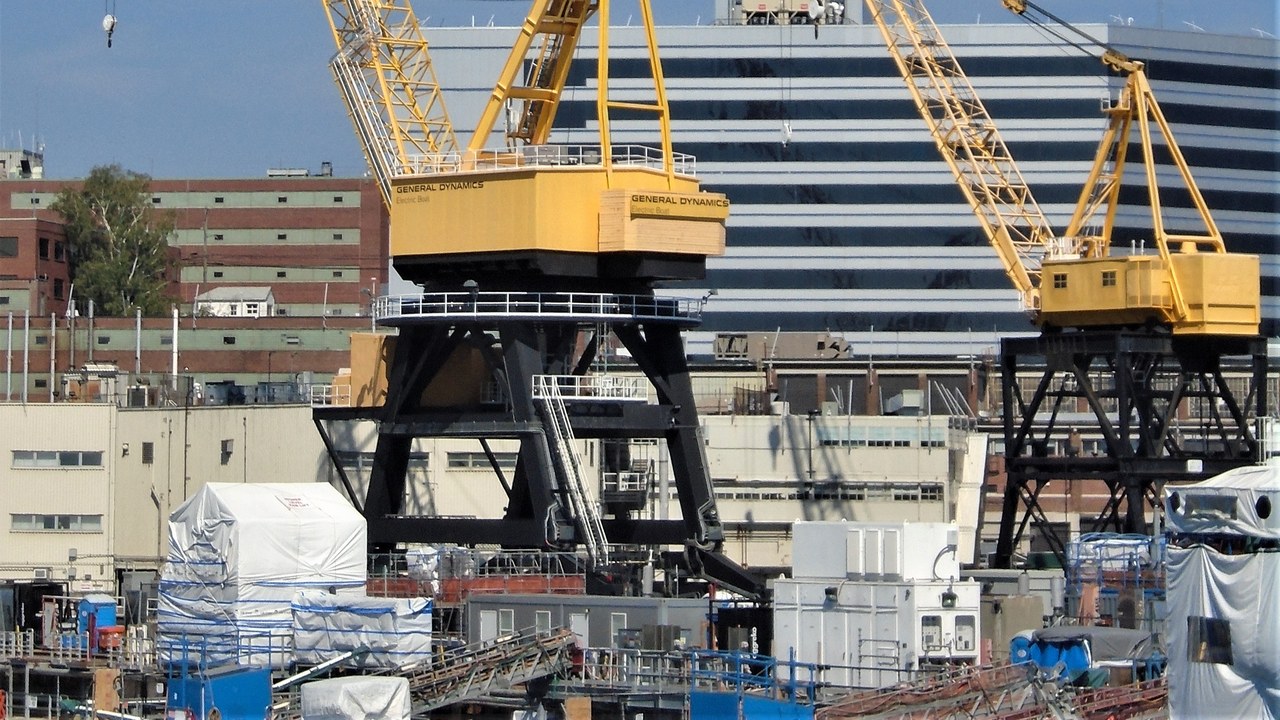
Breaking Defense account describes General Dynamics Electric Boat in Groton, Conn., as the final assembly yard to which Columbia modules are delivered. The photograph shows the yard’s waterfront and construction hall.
Final assembly is where schedule slips become visible, because every module has to arrive and fit together. The reporting also cites Wisconsin, the second boat, as roughly 35 percent complete as of February 2026. Those percentages are a snapshot from that month, and the article does not say how far along either boat is today. The Navy’s dates remain targets until delivery.
Newport News Shipbuilding: The Second Builder
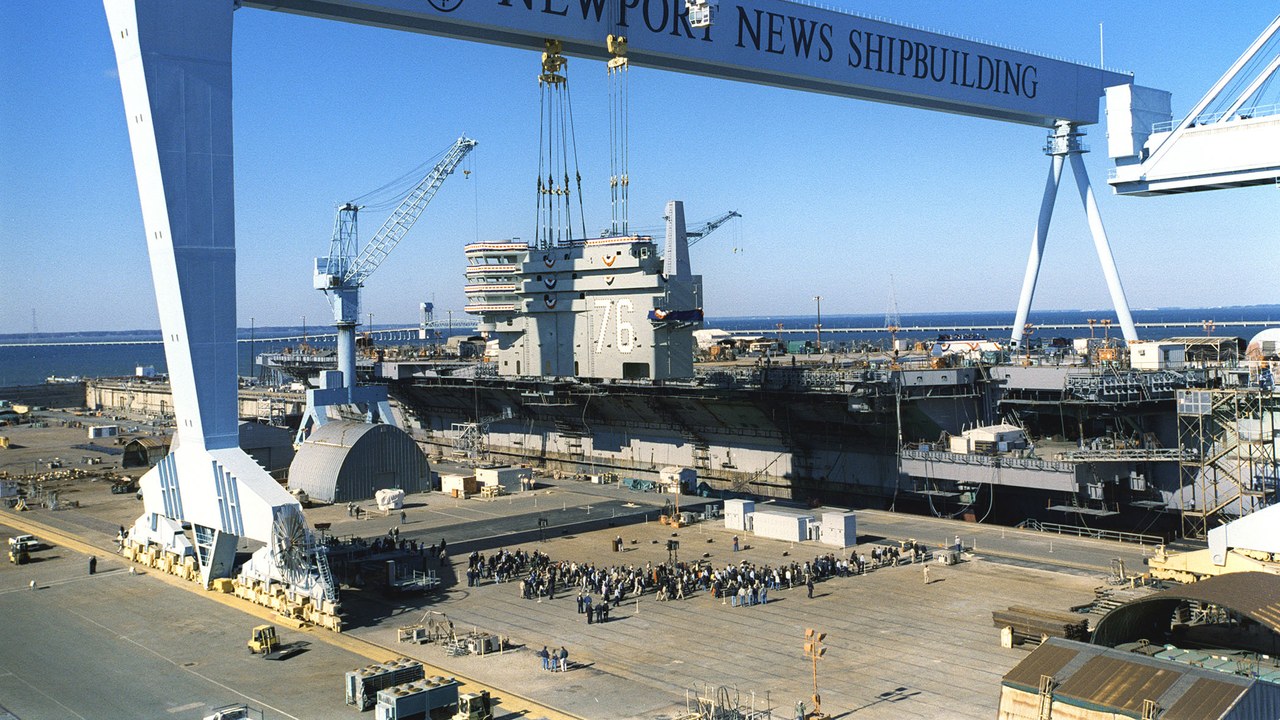
Breaking Defense coverage says HII’s Newport News Shipbuilding co-produces the District of Columbia alongside Electric Boat. The shared arrangement splits the work between a Connecticut yard and a Virginia yard.
Two builders mean two sets of supply chains and labor pools feeding one product. The sourcing does not detail which modules each yard builds, so no division of labor is claimed. The photograph shows a Newport News dry dock rather than a Columbia-class boat, which has not been shown afloat in the images available.
The 2028 heavy lift: The 2028 Heavy Lift
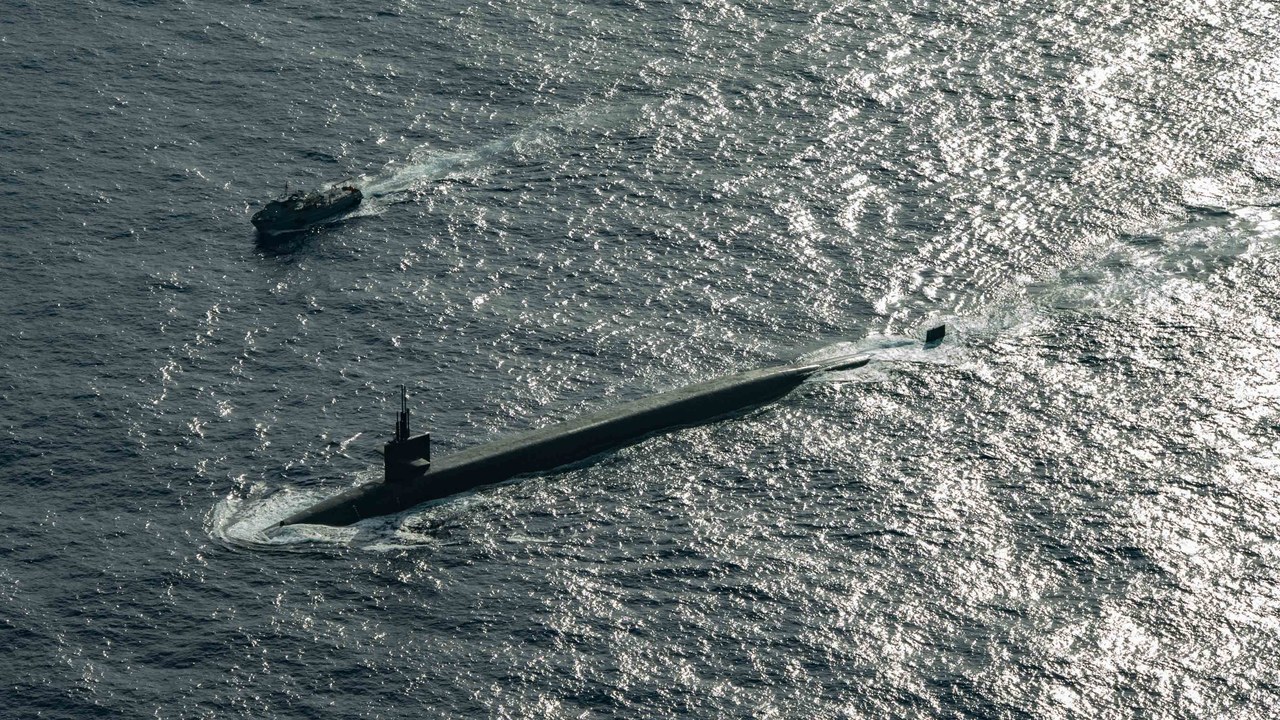
Breaking Defense interview quotes Vice Adm. Robert Gaucher calling the 2028 target a wicked heavy lift, while saying the Navy would not pursue it at the expense of the class. The Ohio class is slated to be replaced beginning around 2031.
The story ends with schedule risk. An earlier estimate cited in the Nov. 12 coverage put the delay at 12 to 16 months, with a risk of slipping to 2029. Watch whether the first delivery lands in 2028, since that date sets the pace for retiring Ohio boats. The photograph shows an Ohio-class boat, not a Columbia.
More from Morning Overview
- Michigan’s shut-down Palisades nuclear plant is supposed to restart within weeks, the Energy Secretary says
- USS Colorado will be the first U.S. submarine in AUKUS’s new Australian rotation
- Ocean mud suggests Cascadia and the San Andreas fault have broken within hours of each other
- Monster waves battered California, flooding streets and closing piers along the coast
