
Buick is the oldest American manufacturer still building cars, and it helped found General Motors. Its story runs from overhead-valve pioneers through the first concept car, chrome-laden 1950s cruisers and a turbocharged coupe so wanted that buyers reportedly paid well over sticker. Here are 13 Buicks that built the brand, in the order they arrived.
Read next on Morning Overview: 11 engines built to run well past 200,000 miles
1. Buick Model 10: Where General Motors Began
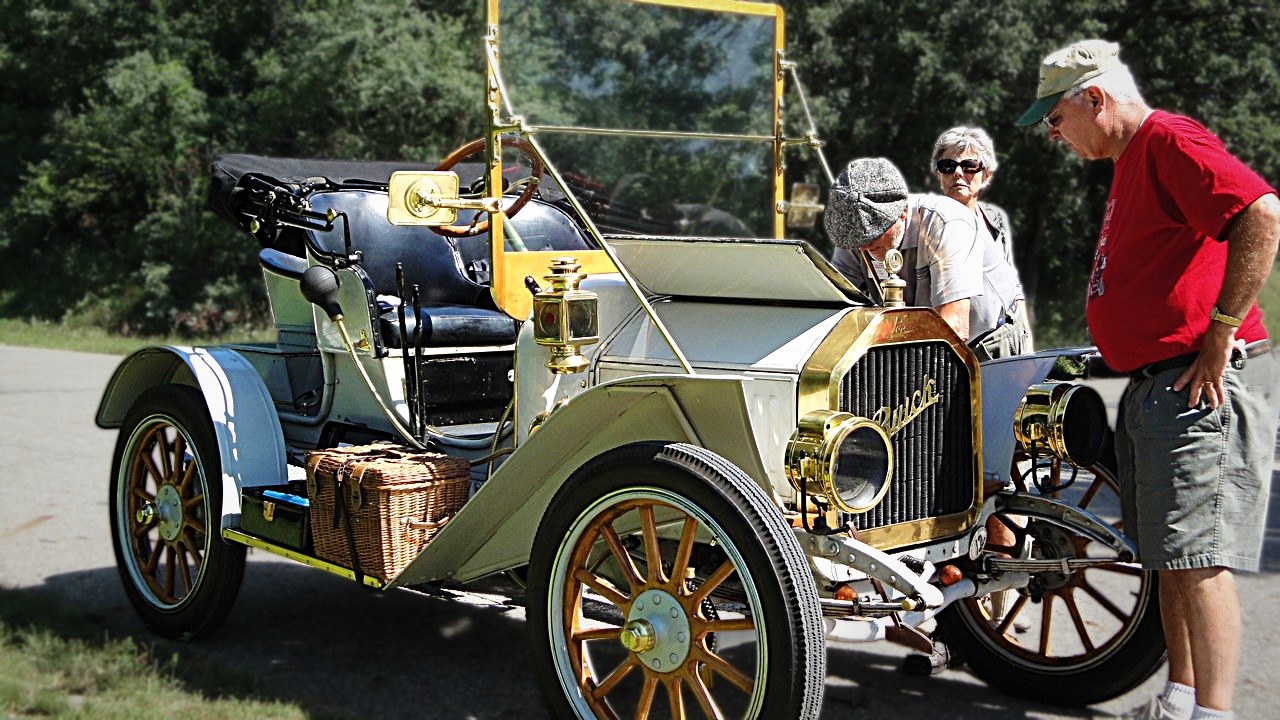
Buick’s first production car, the Model B of 1903, had a flat-twin engine with overhead valves. Buick soon fell into financial trouble, and carriage maker William Durant bought the company and used it in 1908 as the basis of General Motors.
Buick then created a 2.7-litre inline-four for a series of cars known collectively as the Buick Four. The first of these was the Model 10, and variants with the same engine and chassis continued for a decade until the Four’s run ended in 1918.
2. Buick Series 50: Eight Cylinders Through the Depression
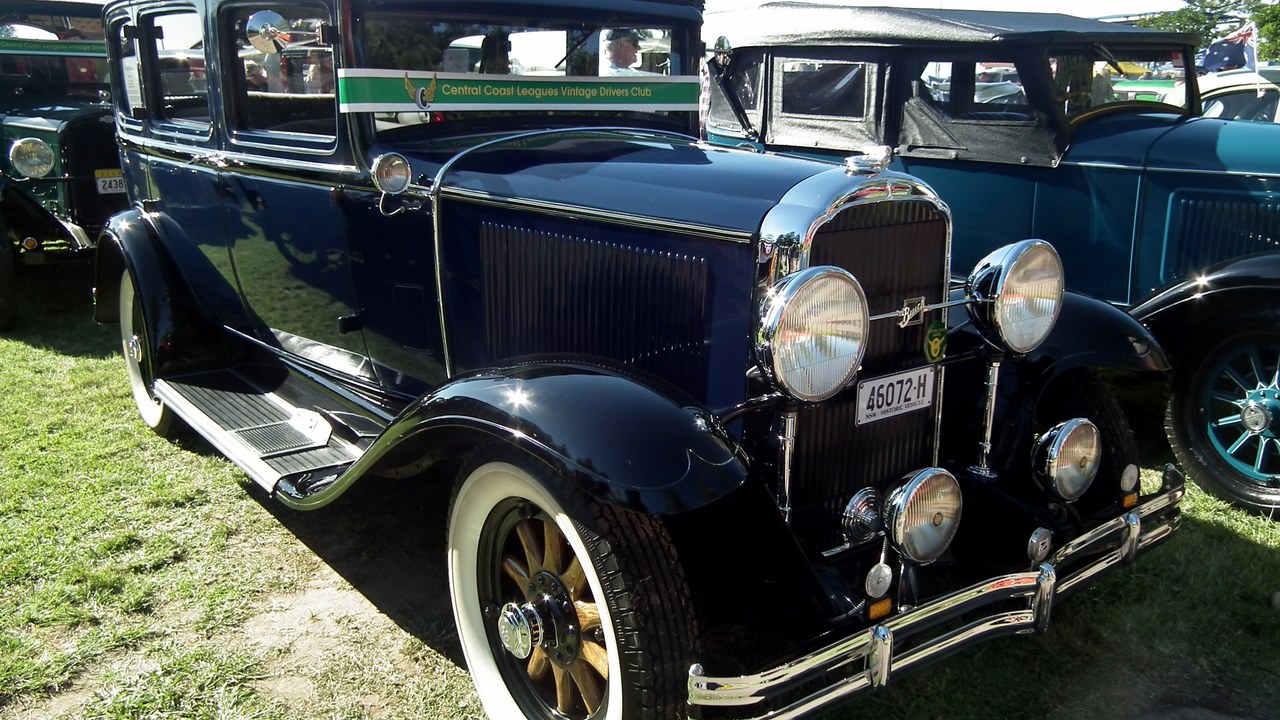
Buick had become one of the first automakers to break six-digit sales in 1916. It took another stretch before it hit its stride again, with the 1931 Series 50 becoming the best-selling model in the lineup thanks to another engine upgrade, this time from six to eight cylinders.
The Great Depression saw many carmakers suffer and die, but Buick held its ground thanks in no small part to this model, Torque News says. It is one of the site’s picks for the most significant Buicks of the brand’s first 110 years.
3. Buick Century: The 100 MPH Buick
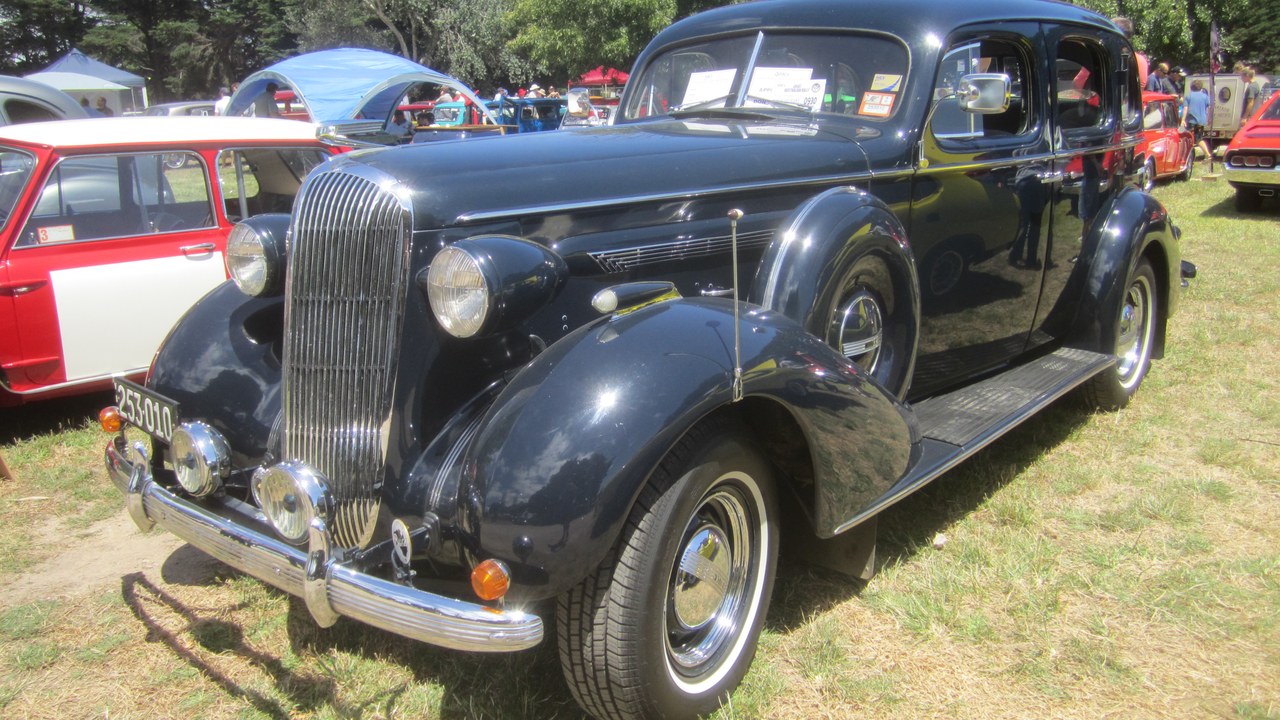
For the 1936 model year, Buick gave livelier names to its ranges, and the Series 60 became the Century, reputedly because the new model could travel at 100 mph, or at least had a speedometer suggesting it might.
Its shape helped. Few mainstream makers had thought about streamlining early in the decade, but by 1936 it was becoming expected. The Century still had separate front wings and freestanding headlights, yet it was an aerodynamic marvel next to the earliest Series 60 cars.
4. Buick Y-Job: Harley Earl’s Dream Car
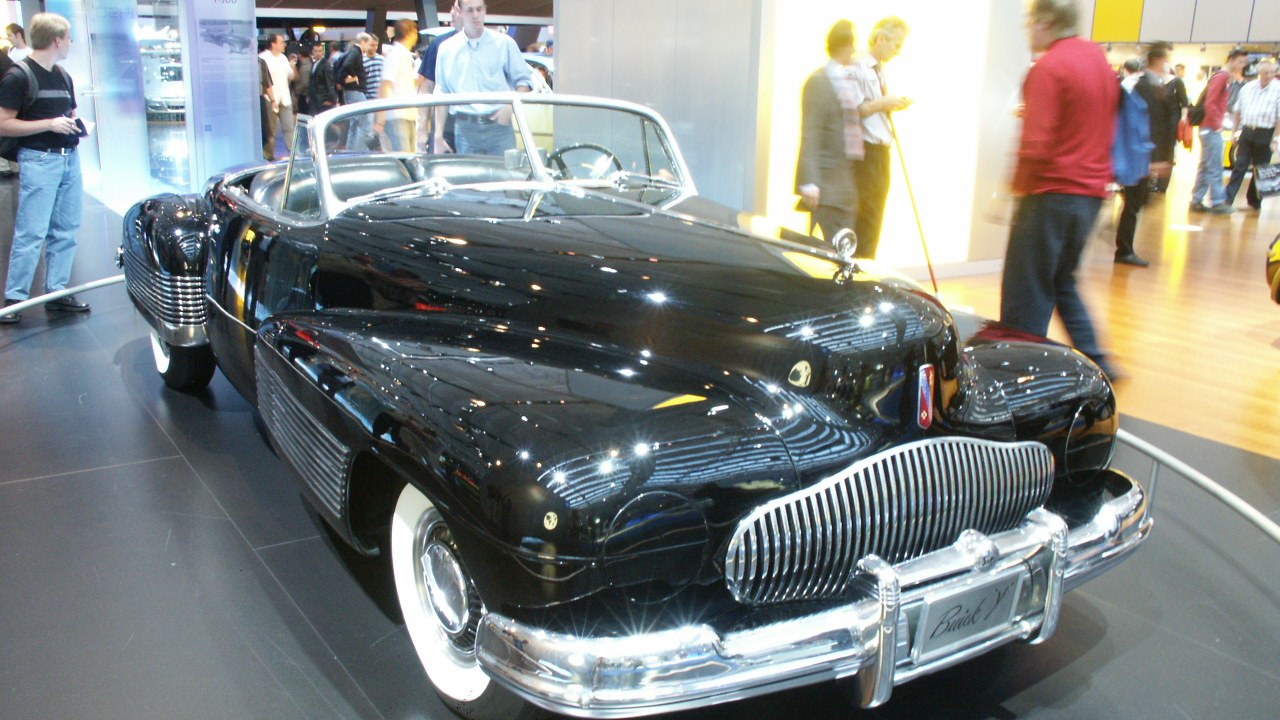
Designed by Harley Earl in 1938, the Y-Job was the auto industry’s first concept car, built to show new ideas rather than to be sold. It had power-operated hidden headlamps, electric windows, wraparound bumpers and flush door handles.
It rode on a Buick Super chassis and prefigured the vertical waterfall grille Buick would use for decades. Earl drove the car himself for years until he replaced it with a 1951 model. In 2001 Buick recreated the idea as the Blackhawk.
5. Buick Roadmaster: Portholes on the Fenders
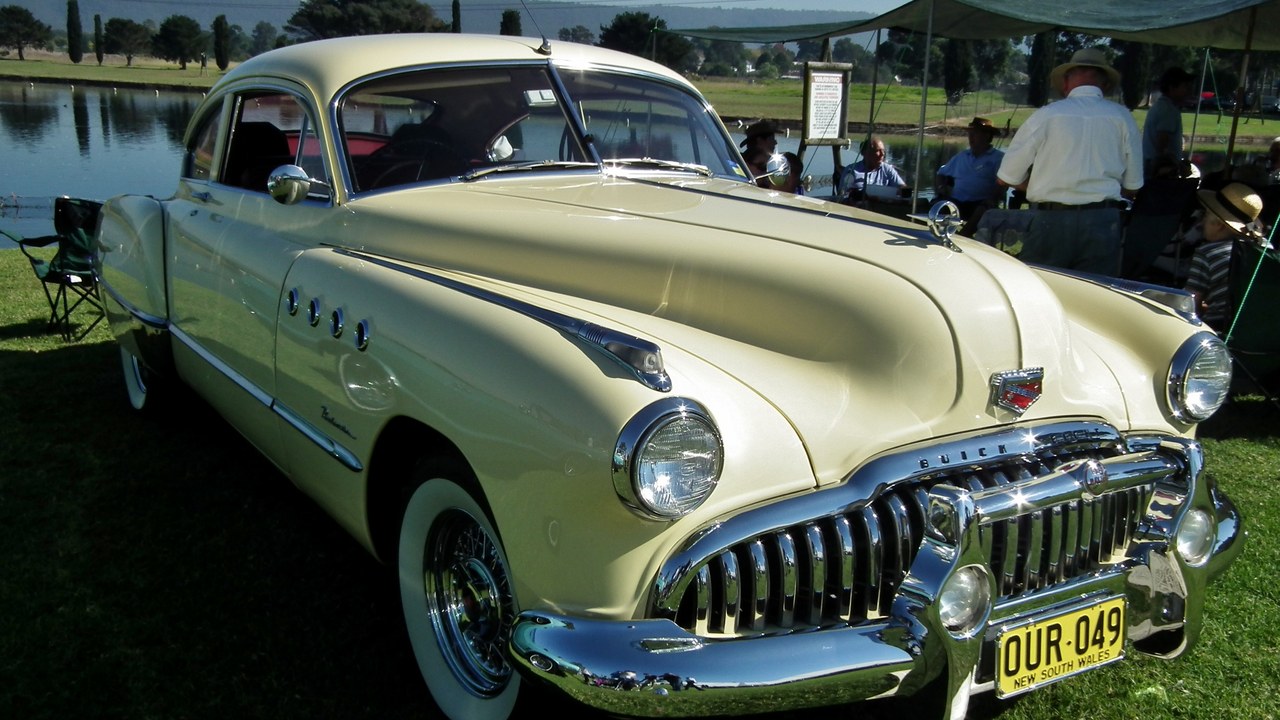
It was in 1949 that Buick introduced its VentiPorts, with four on each front fender of the Roadmaster and Century and three on the junior Super and Special. The brochure said they helped ventilate the engine bay, but they became non-functional during the model year.
The 1949 Roadmaster also got a much larger two-piece curved windshield that the sales brochure likened to an observation car. Body styles included a two-door Sedanet fastback, a four-door sedan, a convertible and a four-door wagon.
6. Buick Skylark: A Five-Thousand-Dollar Convertible
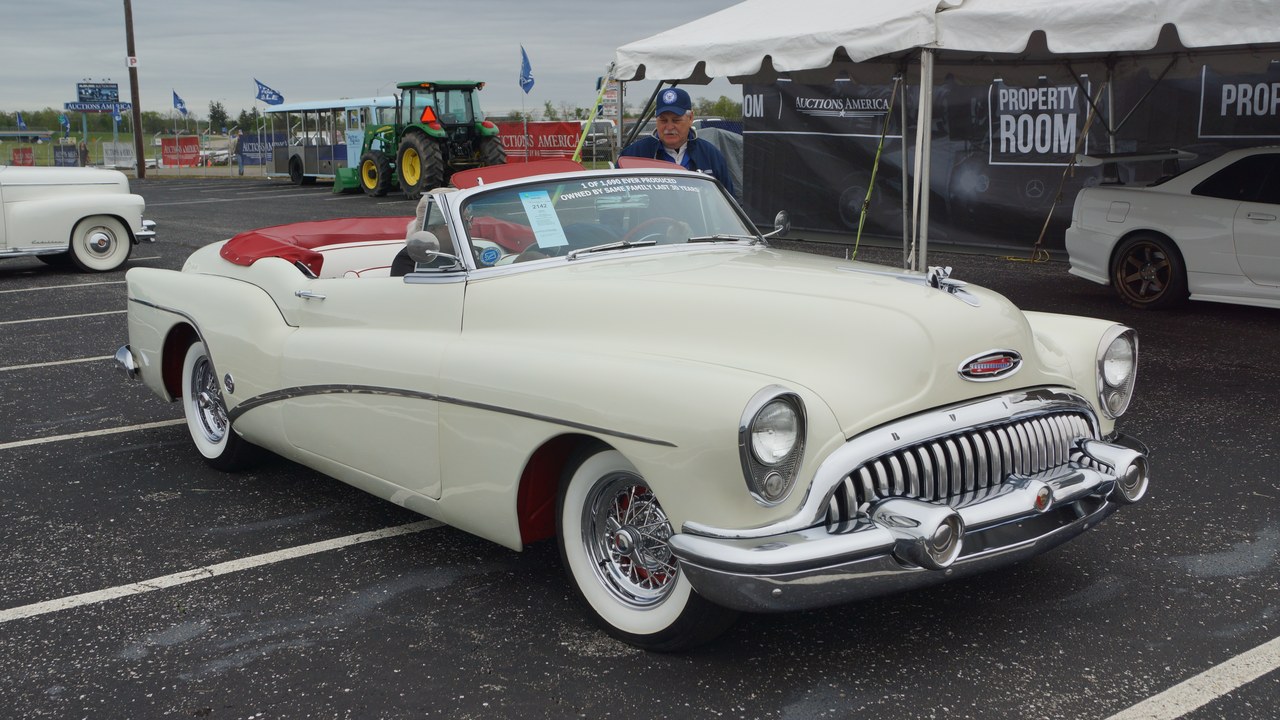
The 1953 Skylark was based on the Roadmaster convertible but listed at slightly more than $5,000, over 50% more than the $3,200 Roadmaster. Even so, its run of 1,690 units proved a sales feat, Wikipedia notes.
It shared the Roadmaster’s dimensions and drivetrain and came loaded with power windows, power brakes, full carpeting and a Selectronic AM radio. Importantly, it featured Buick’s new 322-cubic-inch Fireball V8. Production ran for two years, and it was comparable in price to the 1953 Packard Caribbean.
7. Buick Electra 225: The Deuce and a Quarter
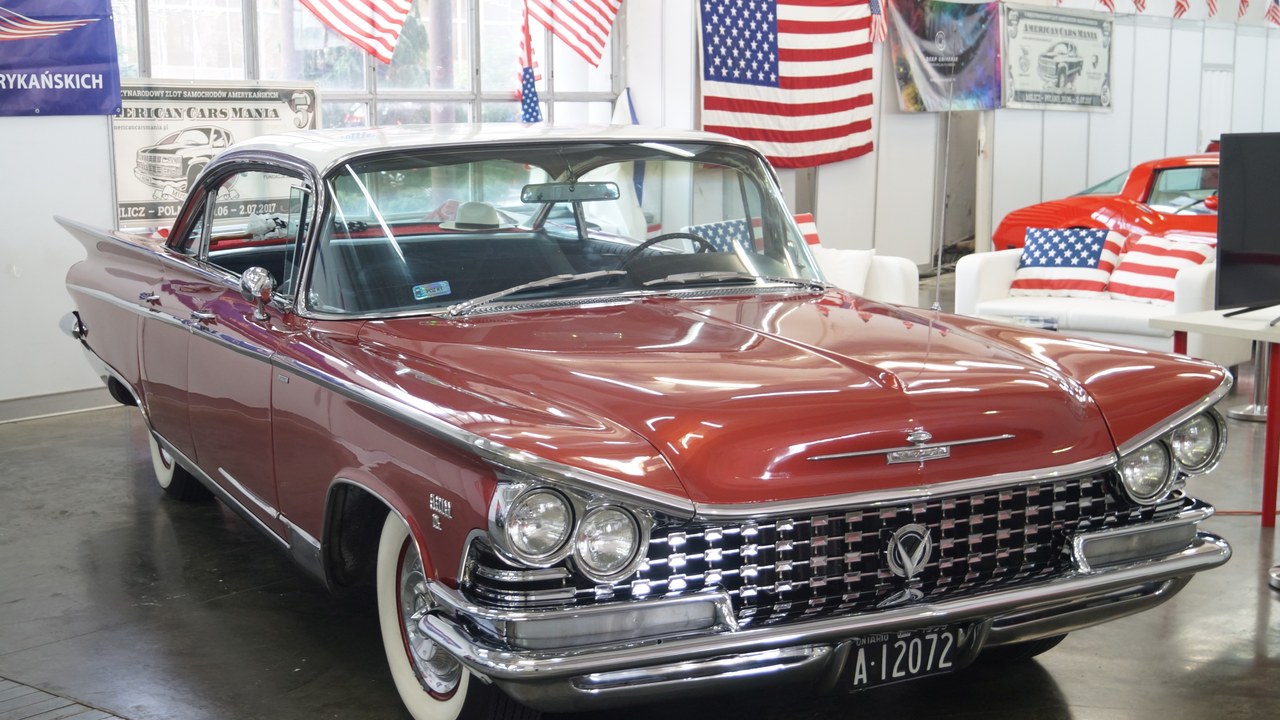
The Electra became Buick’s flagship model in 1959 and held that position until 1990. Two Electras originally replaced the Super and Roadmaster.
The larger version was known as the 225, or deuce and a quarter, a reference to its overall length of just over 225 inches. The name honored sculptor Electra Waggoner Biggs, sister-in-law of recently retired GM president Harlow Curtice. For more than three decades, the Electra badge sat at the top of the Buick range.
8. Buick Special: Birth of the Buick V6
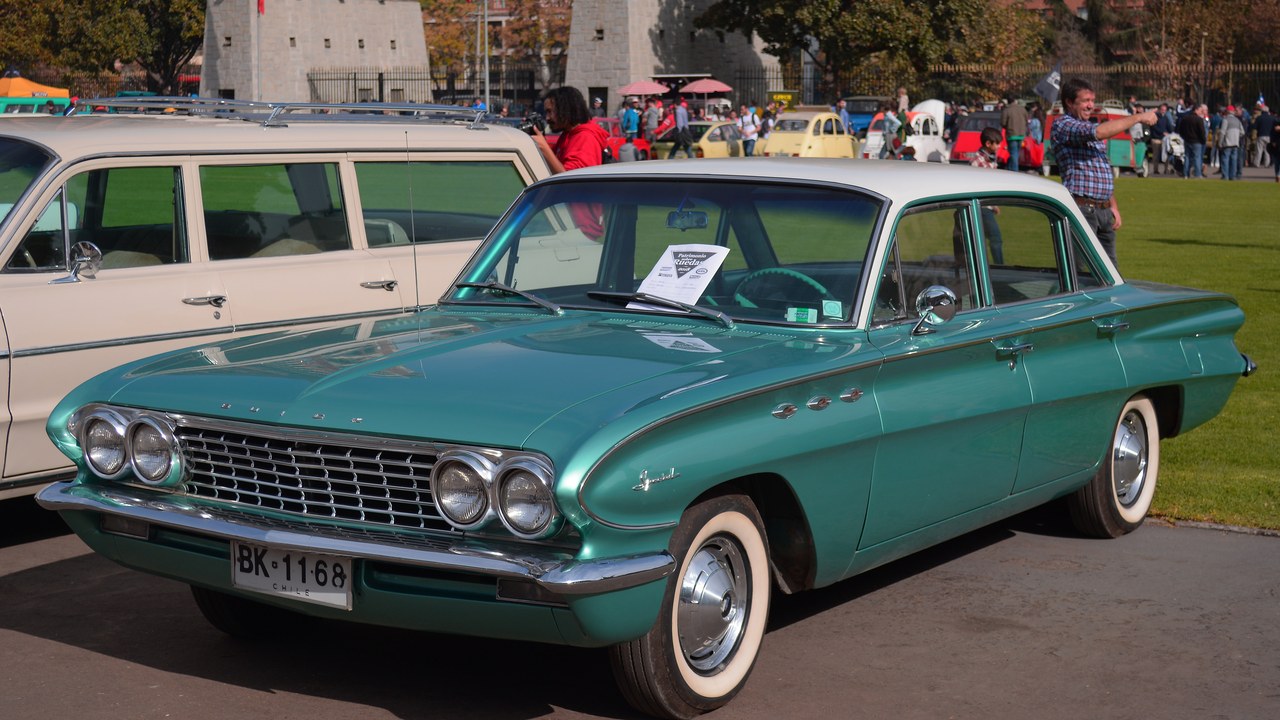
The Buick Special returned in 1961 as a compact after a two-year break. When GM modernized its entry-level cars in the 1960s, the Special introduced the modern Buick V6 that became a core GM engine for decades.
That V6 lived on in upgraded form until 2006. The Special was usually Buick’s lowest-priced model, starting as a full-size car in 1936, and it became mid-size in 1964. By 1970 it was no longer a standalone model, though the name later returned as an entry trim on the Century.
9. Buick Riviera: The Car Cadillac Passed On
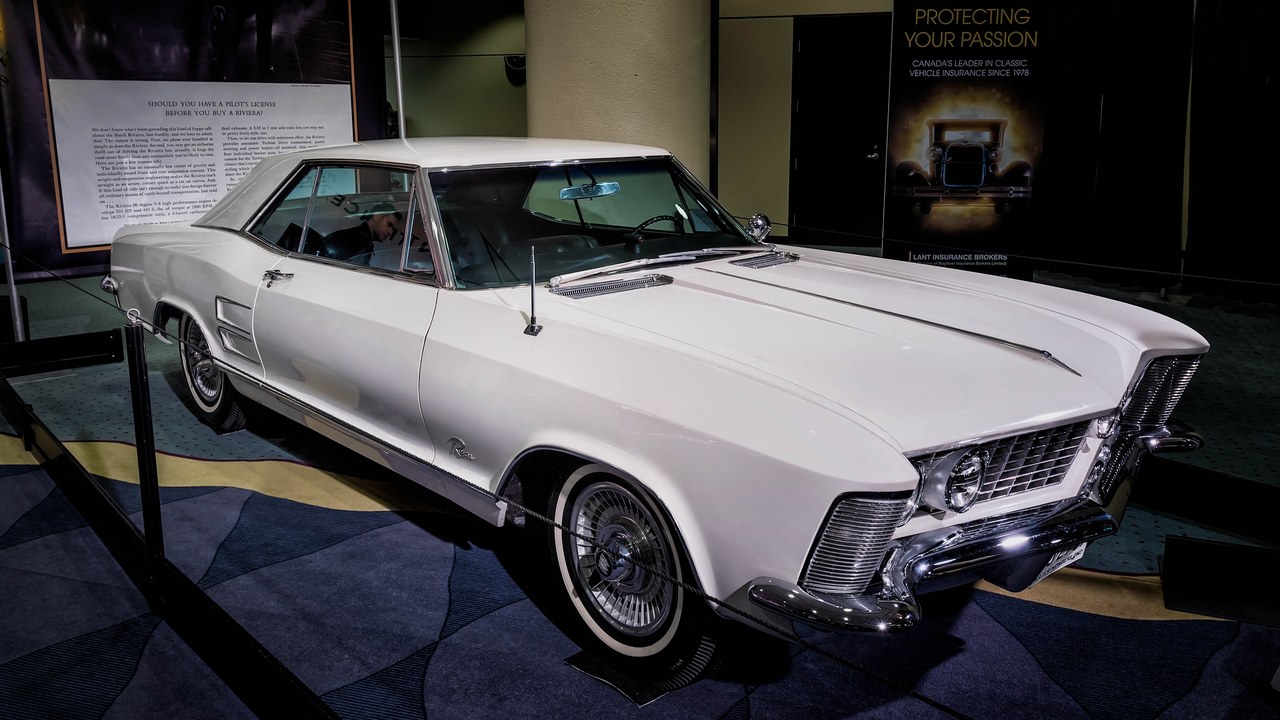
The Riviera grew from an experimental Cadillac design with knife-edged styling that GM design chief Bill Mitchell wanted. When Cadillac passed in 1960, Buick, desperate to revive its flagging sales, won an internal competition for the project.
The design was penned by stylist Ned Nickles and adapted to a shortened version of Buick’s cruciform frame. Of the first-generation Riviera, 112,544 were produced in three years, including exactly 40,000 for the 1963 model year.
10. Buick Wildcat: The Performance Full-Size
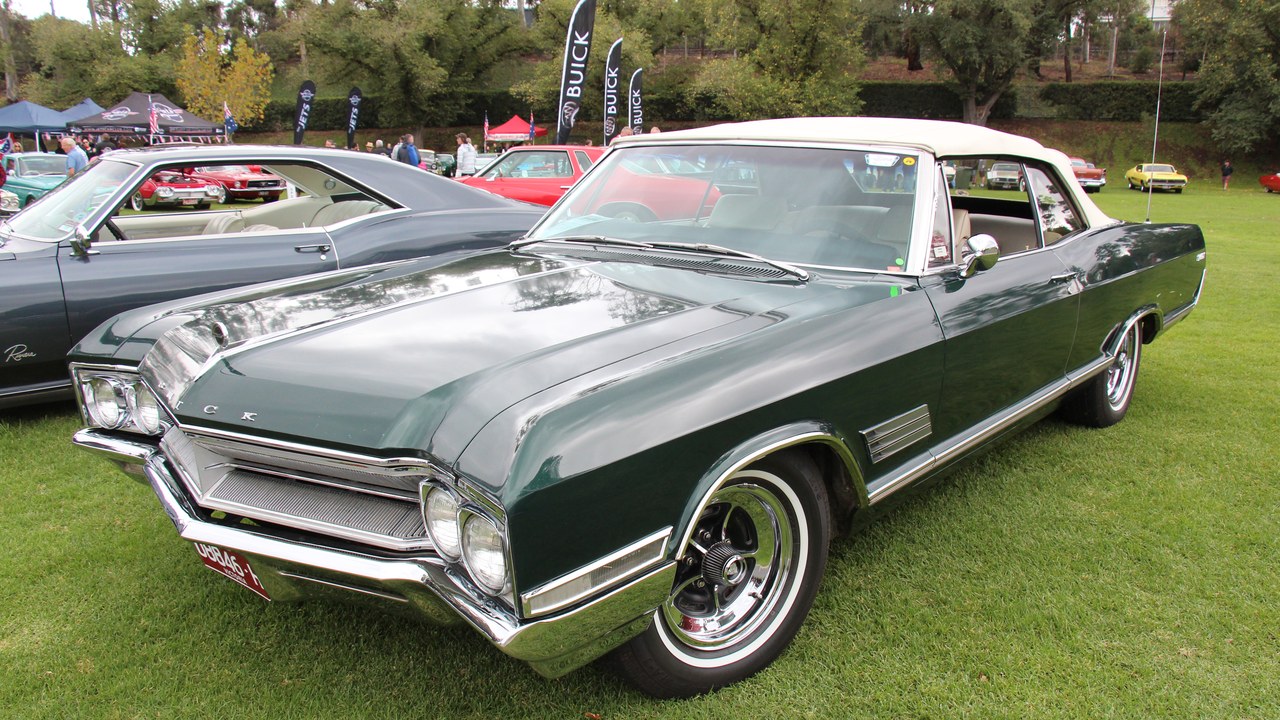
Taking its name from a series of 1950s Buick concept cars, the Wildcat was produced from the 1963 to 1970 model years and served as the higher-performance full-size Buick, slotted between the LeSabre and the larger Electra.
It began in 1962 as an Invicta subseries with a 325-horsepower version of the 401-cubic-inch Nailhead V8 known as the Wildcat 445 for its torque. It added Electra 225-like taillights, bucket seats and a center console with a tachometer. The Centurion replaced it for 1971.
11. Buick GSX: Two Colors Only
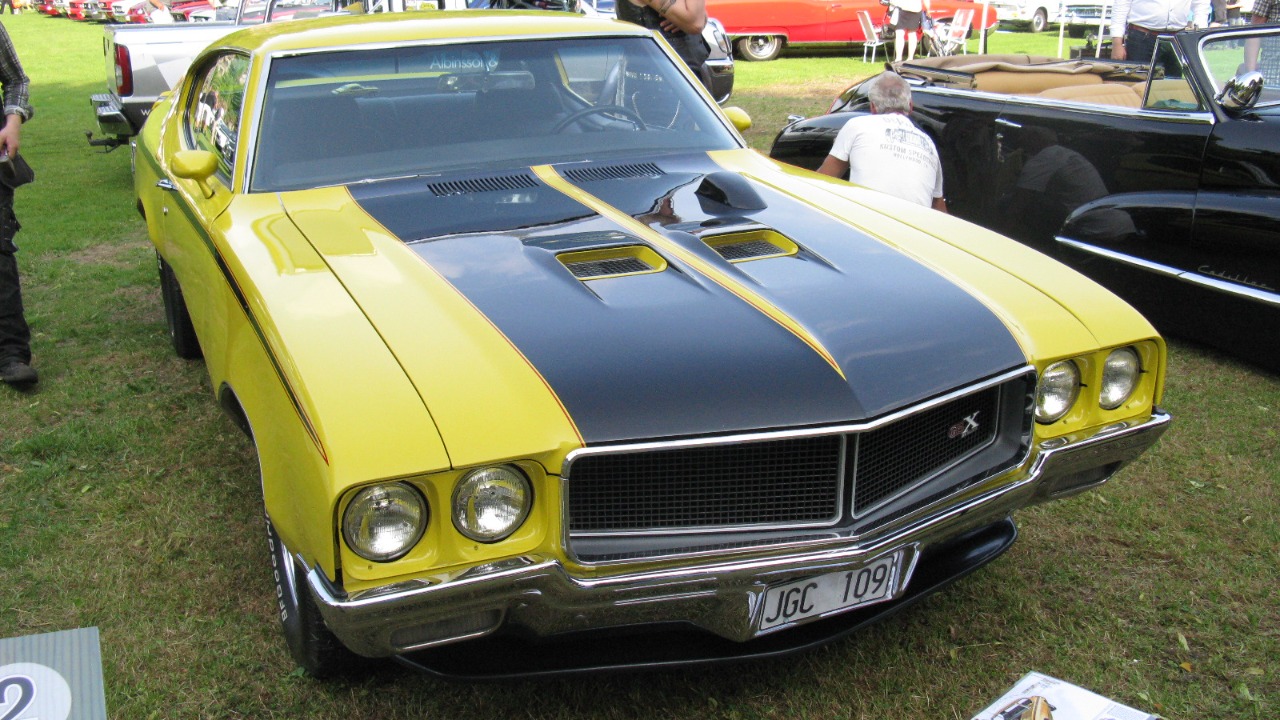
The GSX was a derivative of the 1970 Gran Sport, which in 455 form used a 7.5-litre Buick V8. To that already powerful car Buick added the GSX Performance and Handling Package.
It brought uprated suspension, a different final drive ratio, special graphics and front and rear spoilers. The only available colors were Apollo White and Saturn Yellow. Production numbers were very low, but the GSX is highly esteemed as a classic muscle car, Classic & Sports Car says.
12. Buick Grand National: Turbo Black
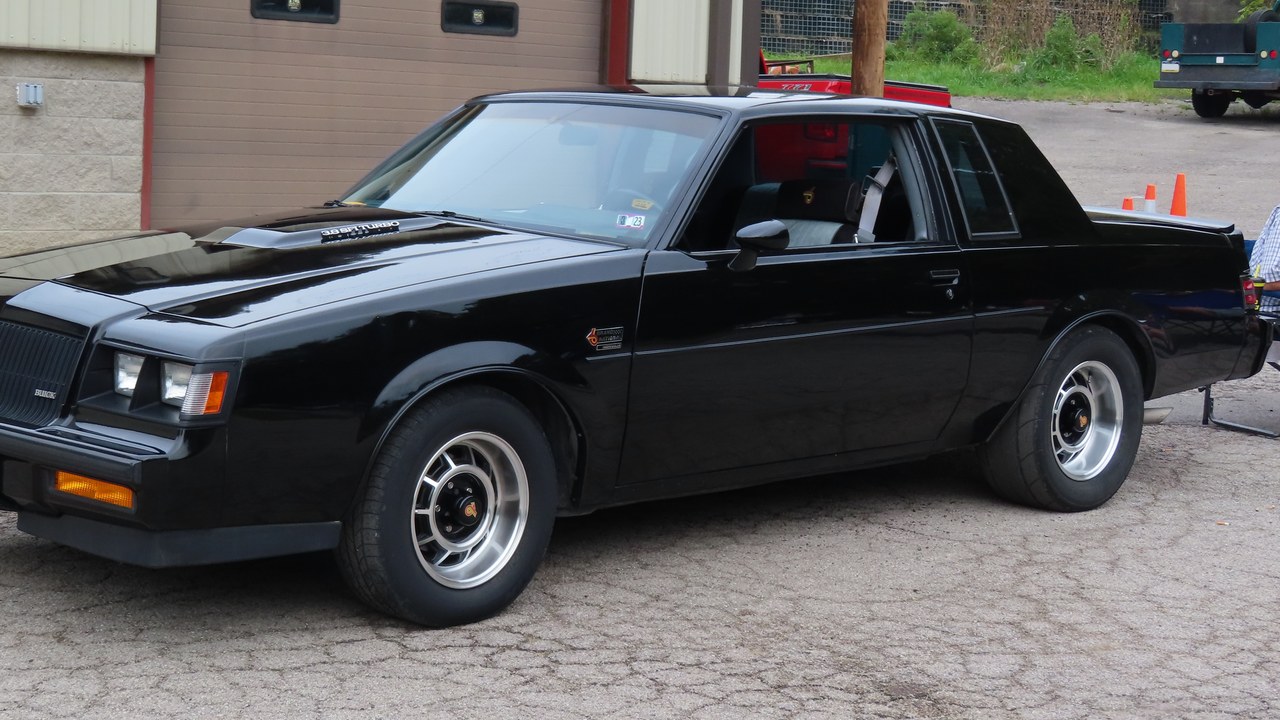
Buick won NASCAR’s Manufacturer’s Cup in 1981, and to celebrate it produced 215 examples of a special edition called the Grand National, powered by a V6 rather than the V8 used in the racers. More Grand Nationals followed later.
The 1987 GNX was the last and perhaps greatest of them. Its turbocharged V6 was officially quoted at 276bhp, and it got a stiffer body and redesigned suspension. Buick built 547, against an original plan of 200, and there are stories of GNXs selling new for well above the $29,290 sticker.
13. Buick Reatta: Built Without an Assembly Line
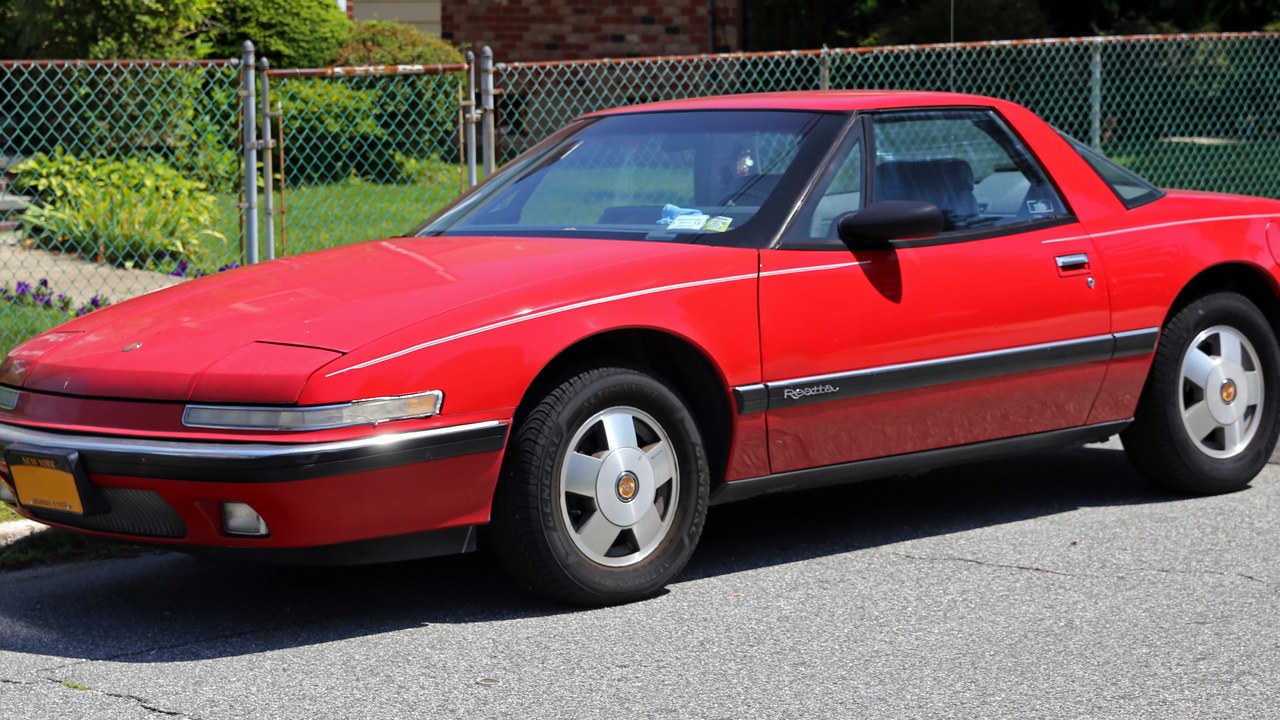
The Reatta was Buick’s first two-seater and its first convertible since the 1985 Riviera. It was built at the Reatta Craft Center in Lansing, Michigan, where teams assembled each car at stations rather than on a conventional line.
Robots moved each car to the next station. Sold as a coupe from 1988 to 1991 and a convertible from 1990 to 1991, it used a 3.8-liter V6 and a shortened version of the platform shared with the Riviera. Production topped 21,000 in four years.
More from Morning Overview
- A $1 billion gas plant planned for Superior, Wisconsin, has been abandoned
- Shaq spent $1.3 million on three Rolls-Royce Phantoms to prove a point to a salesman
- The Justice Department asked courts to undo approvals for three offshore wind farms, one already making power
- Over 20 trillion gallons of rain fell on the Four Corners states and Nevada in two weeks
