
John and Horace Dodge built engines and axles for other carmakers before launching their own car in 1914. Over the next century their name went on rugged trucks, Hemi-powered muscle cars, a K-car that helped save Chrysler, the minivan and a V10 supercar. Here are 12 Dodges that shaped the brand, in the order they arrived.
Read next on Morning Overview: The Justice Department asked courts to undo approvals for three offshore wind farms, one already making power
1. Dodge Brothers Model 30-35: An All-Steel Beginning
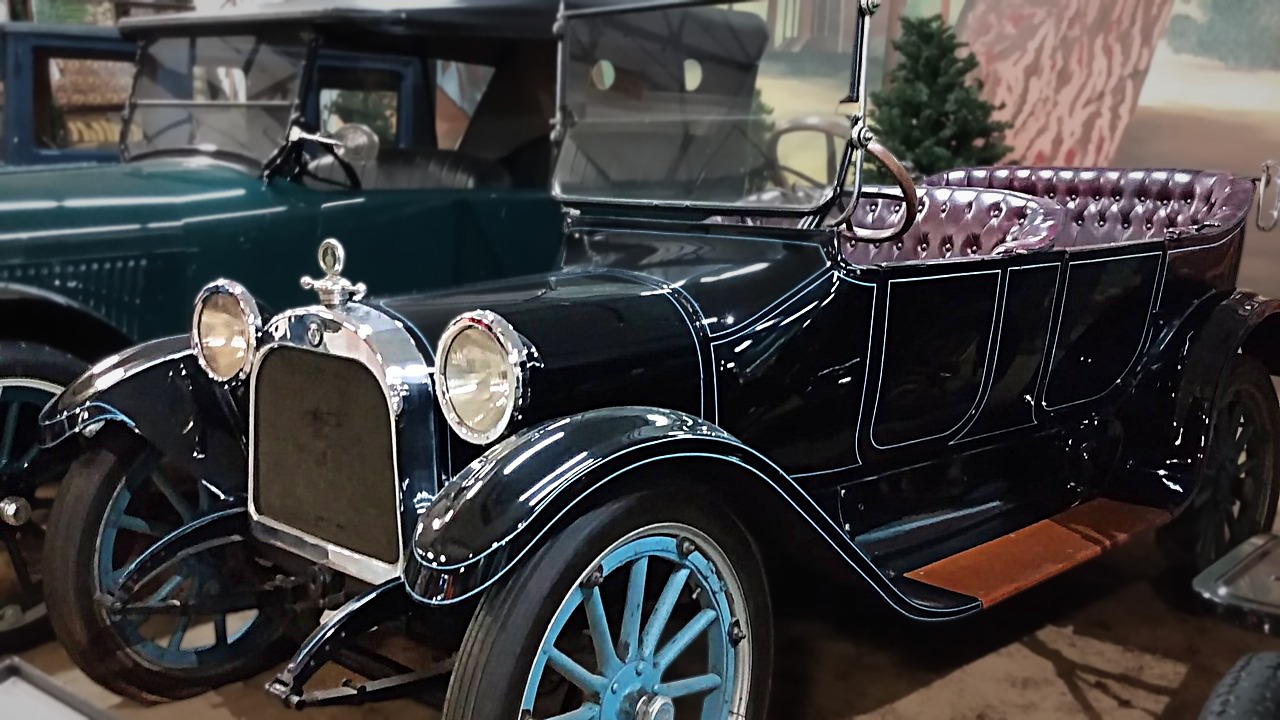
After years of supplying engines, transmissions and axles to Oldsmobile and the young Ford Motor Company, the Dodge brothers struck out on their own in 1914. Their first car, built on an all-steel body that was the first of its kind, left the plant on Nov. 14, 1914, and 249 were built by the end of the year.
By 1915 Dodge ranked third among America’s best-selling automakers. Known for dependability, it even offered a winter car with a removable hardtop and snap-on side glass.
2. Dodge Power Wagon: A War Truck Goes Civilian
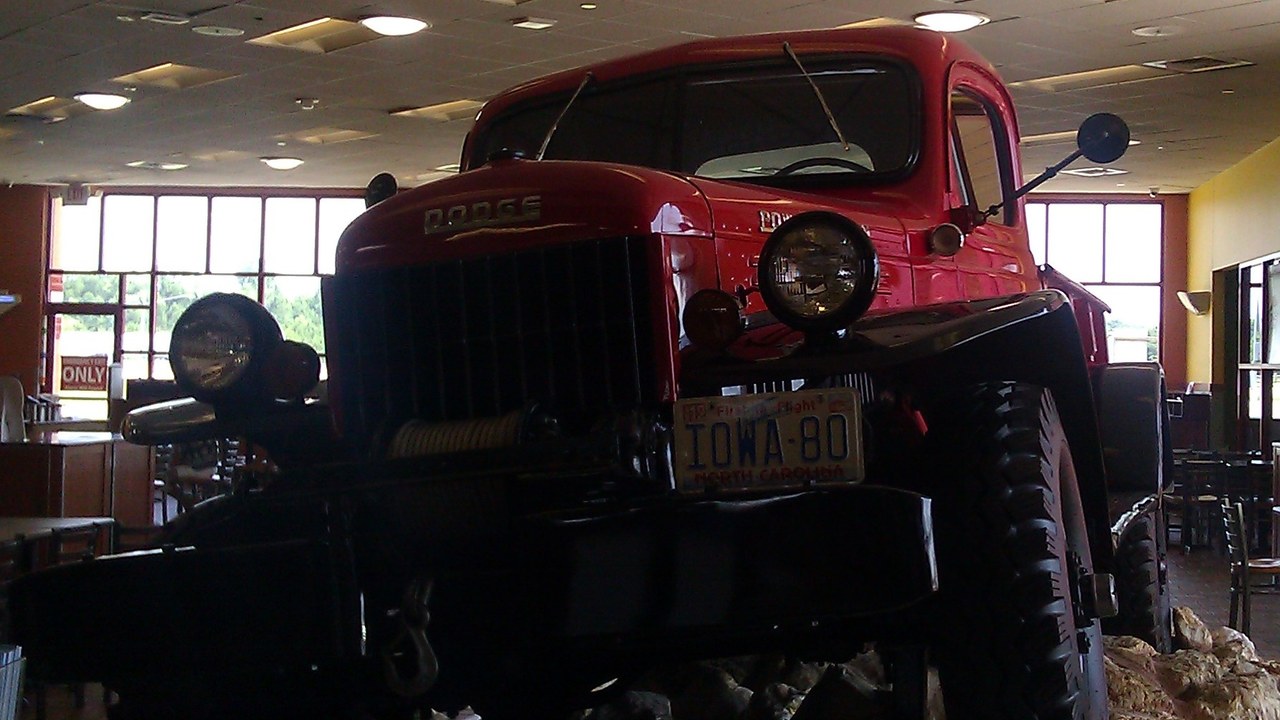
The original Power Wagon was mechanically based on Dodge’s three-quarter-ton WC series military trucks of World War II. It was the first 4×4 medium-duty truck produced by a major manufacturer in a civilian version and was marketed as the WDX.
Its first engine was a 230-cubic-inch six known as the T137. Power Wagons were also sold around the world under the Fargo and De Soto badges, and the model series ran until 1980. The name returned for 2005 on a four-wheel-drive Ram 2500.
3. Dodge Coronet: A Crown for the Postwar Era
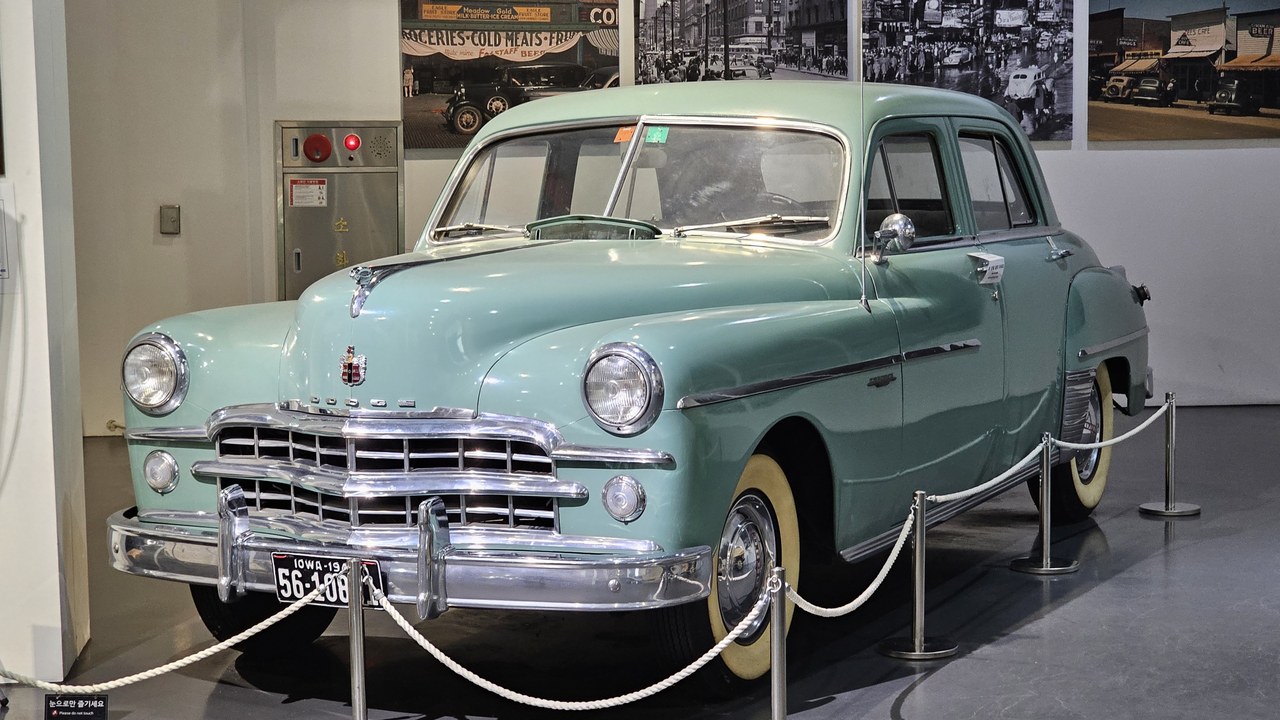
The Coronet, whose name refers to a type of crown worn by royalty, arrived in 1949 with the division’s first postwar body styles as Dodge’s highest trim line. Lower trim lines were the Wayfarer and Meadowbrook, and the only engine was a 230-cubic-inch flathead six making 103 horsepower.
The Coronet Diplomat became Dodge’s first hardtop coupe. The name later moved to intermediate models from 1965 to 1976, and muscle versions arrived, including the powerful 426 Hemi in 1966.
4. Dodge Dart: The Everyday Dodge
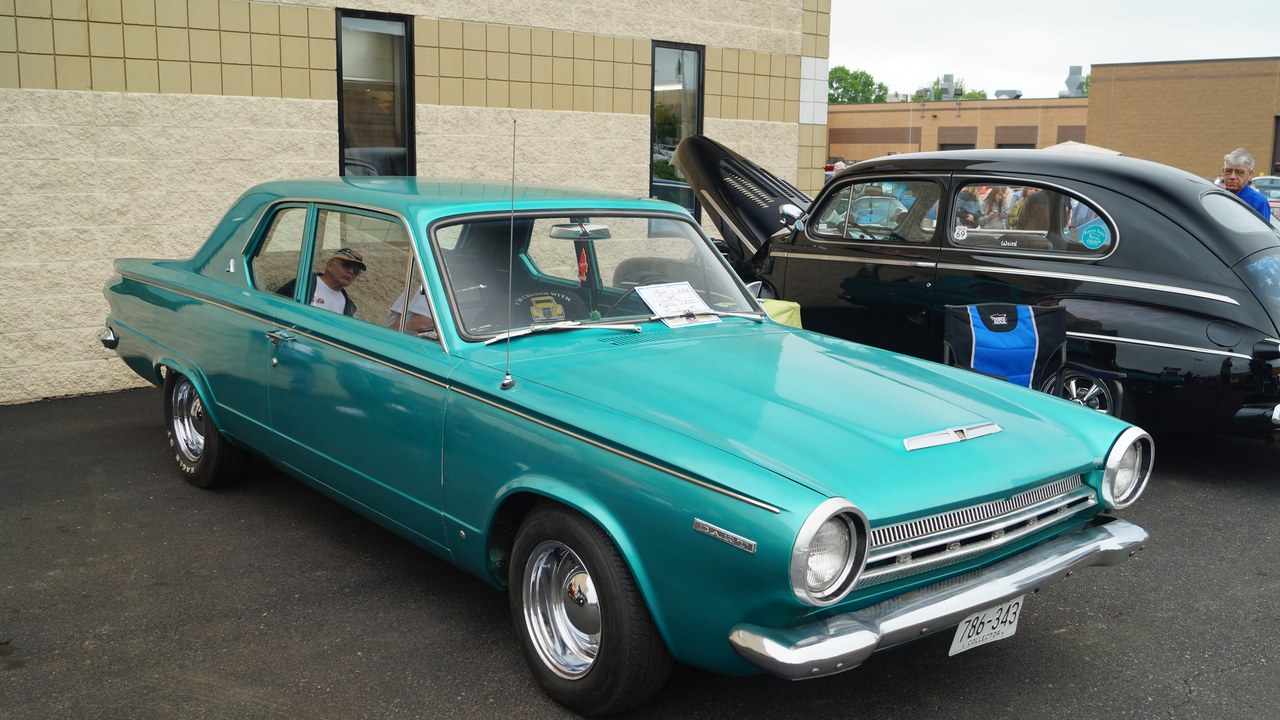
The Dart was Dodge’s entry-level car. During its heyday in the mid-1960s, it came as a coupe, sedan, wagon and convertible, just like rivals the Ford Falcon and Chevy Nova.
By the time the last Dart rolled off the assembly line in the mid-1970s, more than half a million had been sold, Cheapism reports. The name was revived for a compact sedan in the 2010s, but that car never caught on with drivers the way its predecessor did.
5. Dodge Charger: From Fastback to Film Star
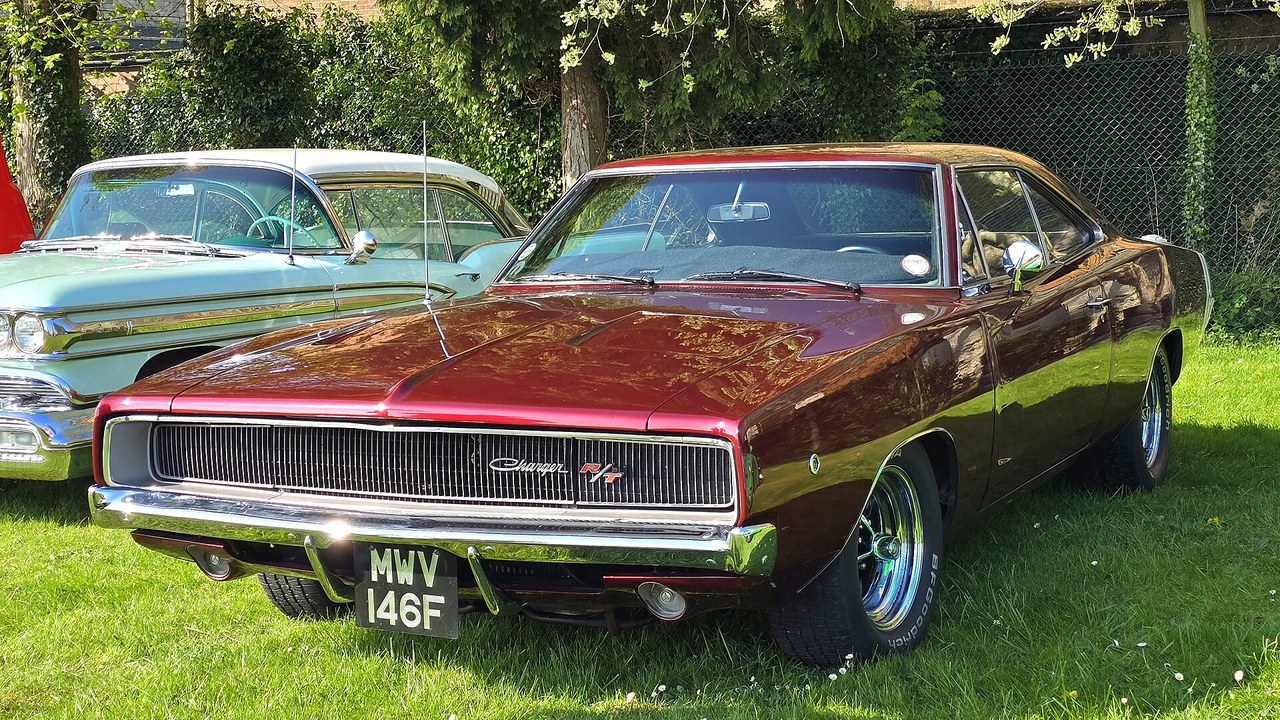
Dodge built the Coronet-based Charger as a mid-size sporty fastback introduced in mid-1966, slotting it between the Ford Mustang and the Thunderbird. The R/T package arrived in 1967.
The redesigned 1968 car, with coke-bottle styling by Richard Sias, starred in Bullitt, where a black Charger R/T is chased by Steve McQueen’s Mustang. Sales rose to 96,100 that year. A 1969 Charger later became the General Lee on TV’s The Dukes of Hazzard.
6. Dodge Super Bee: Muscle on a Budget
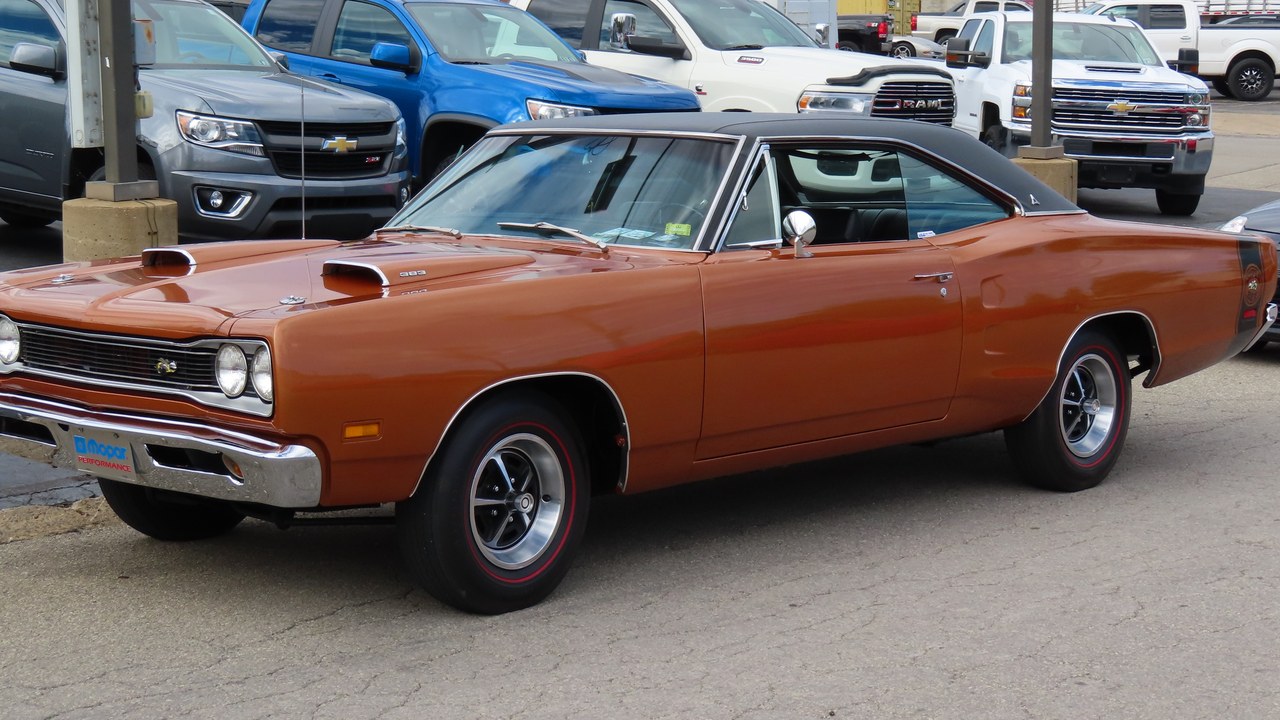
By the late 1960s the muscle car era was at full throttle, and the Super Bee was Dodge’s entry-level muscle car, a close sibling of the Plymouth Road Runner.
Buyers had their choice of three V-8 engines, including the legendary 426-cubic-inch Hemi, which could churn out 425 base horsepower. Dodge built the Super Bee for the 1968 through 1970 model years, as the muscle car boom peaked, giving buyers big-engine performance in the brand’s most affordable muscle package.
7. Dodge Charger Daytona: Built to Win at 200 MPH
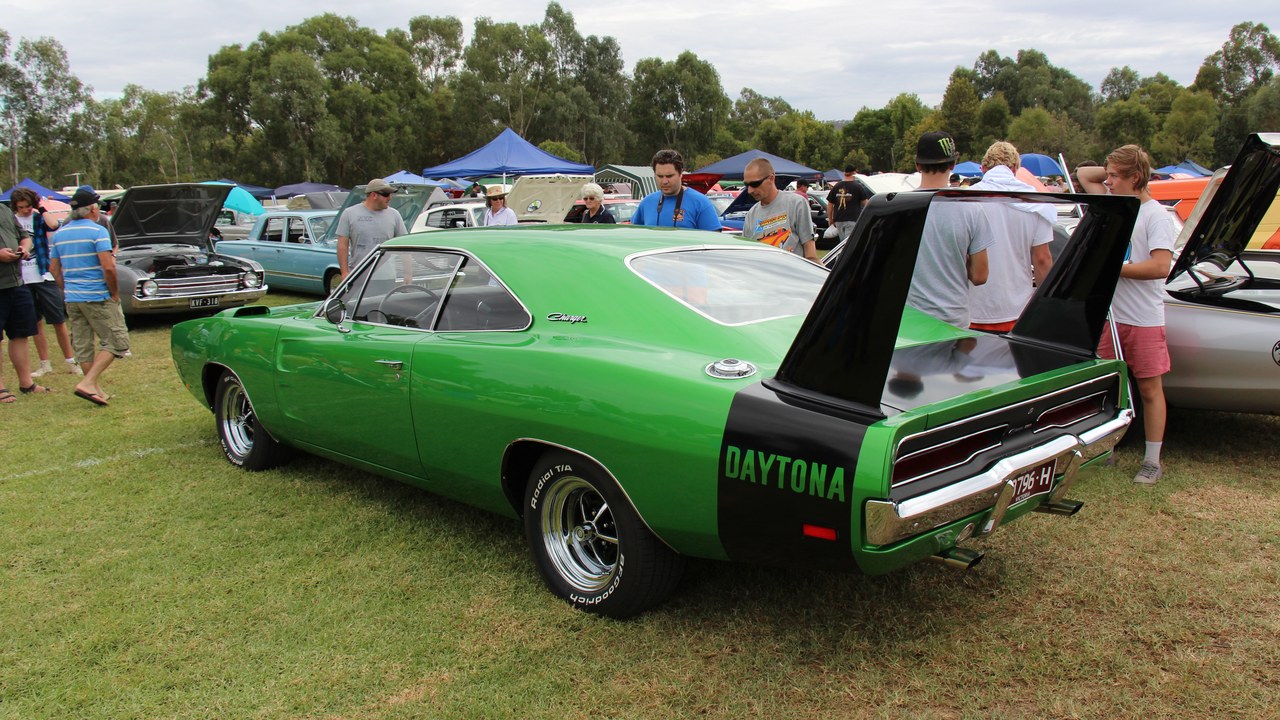
The Charger Daytona took its name from Daytona Beach, Florida, an early center for auto racing. It was designed to beat the competition in NASCAR and was the first NASCAR vehicle to reach 200 miles per hour.
Built for 1969 on Chrysler’s B platform at Lynch Road Assembly in Detroit, it offered a 426 Hemi or a 440 Magnum V8, with a four-speed manual or a three-speed TorqueFlite automatic. Its designers included Bob Marcell, Gary Romberg and John Pointer.
8. Dodge Challenger: The Pony Car Arrives
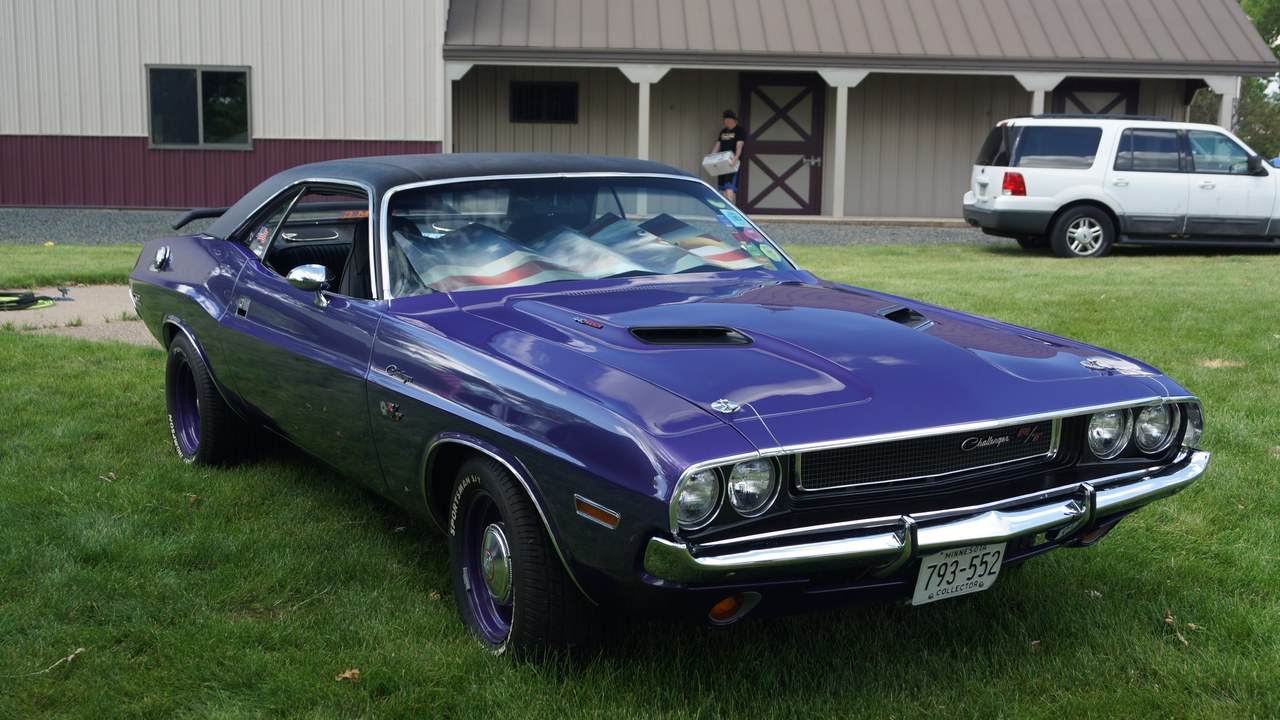
From model years 1970 to 1974, the first-generation Challenger pony car was built on the Chrysler E platform in hardtop and convertible forms, sharing major components with the Plymouth Barracuda.
A second generation from 1978 to 1983 was a rebadged Mitsubishi coupe. The third, introduced in early 2008, returned as a full-size muscle car to rival the Mustang and Camaro, and production of that generation ended on Dec. 22, 2023.
9. Dodge Aries: The Car That Saved Chrysler
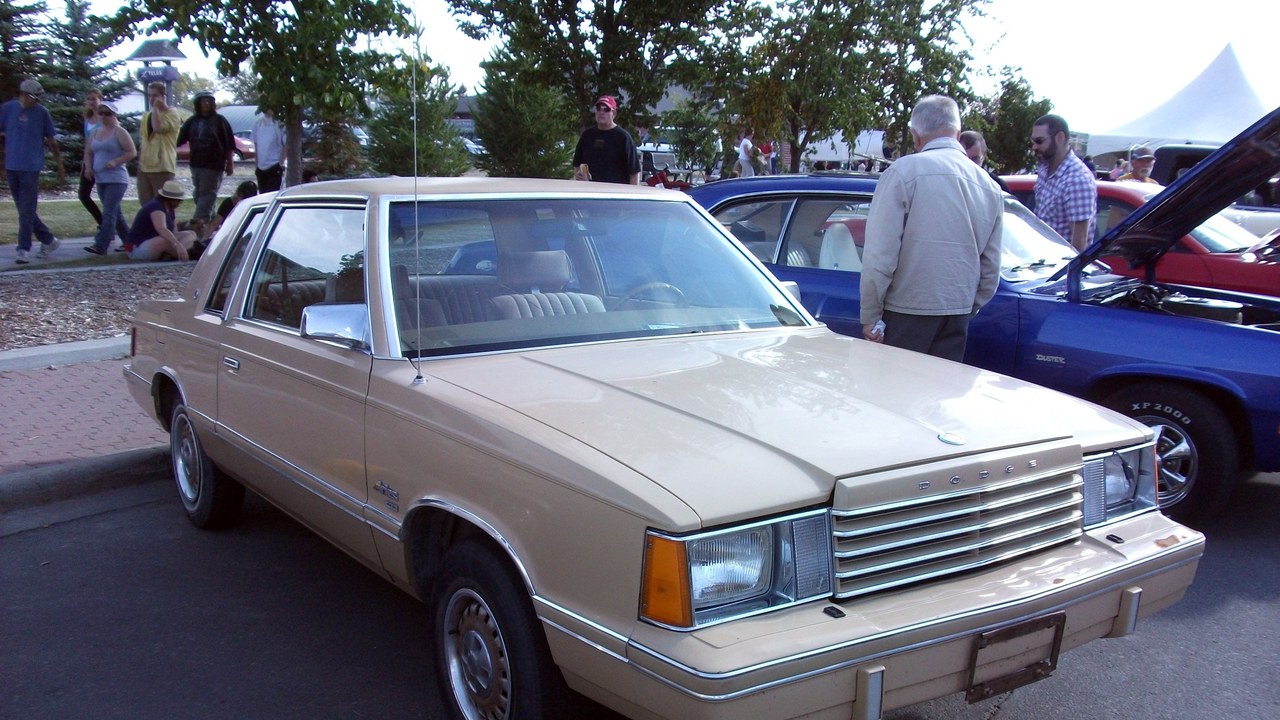
Along with the minivan, the Aries and its Plymouth sibling the Reliant, known as K-cars, were responsible for rescuing Chrysler from financial collapse, according to Cheapism.
With front-wheel drive and four-cylinder engines, the Aries was a far cry from the rear-wheel-drive, six-cylinder Dodge Aspen it replaced, and buyers noticed. About 2 million Aries and Reliant sedans and wagons were sold during the production run that ran from 1981 to 1989.
10. Dodge Caravan: The Magic Wagon
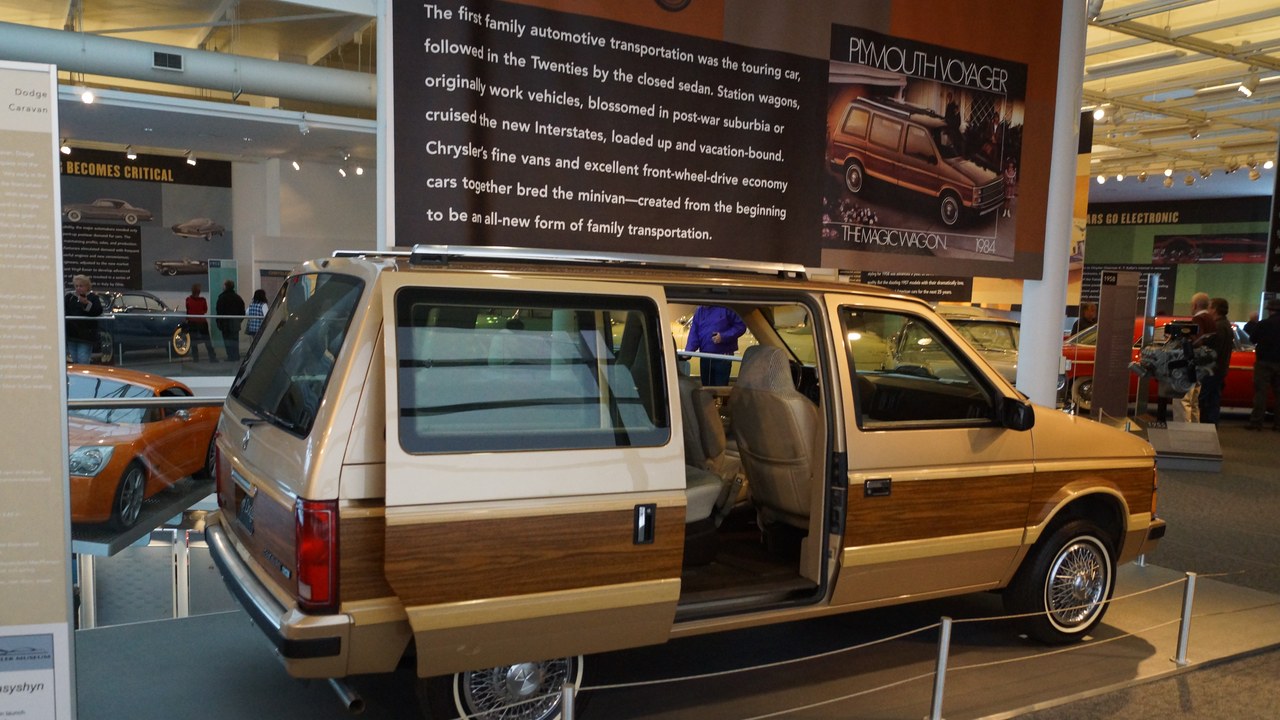
The Caravan and its Chrysler and Plymouth siblings offered something new: the capacity of a van with the maneuverability of a car, in a size that could fit comfortably in a garage.
Minivans may not be sexy, Cheapism notes, but they transformed the industry and saved Chrysler from irrelevance in the 1980s. The Caravan became one of Dodge’s longest-lived nameplates, going through five generations from 1984 before it was discontinued after the 2020 model year.
11. Dodge Viper: A Modern Cobra
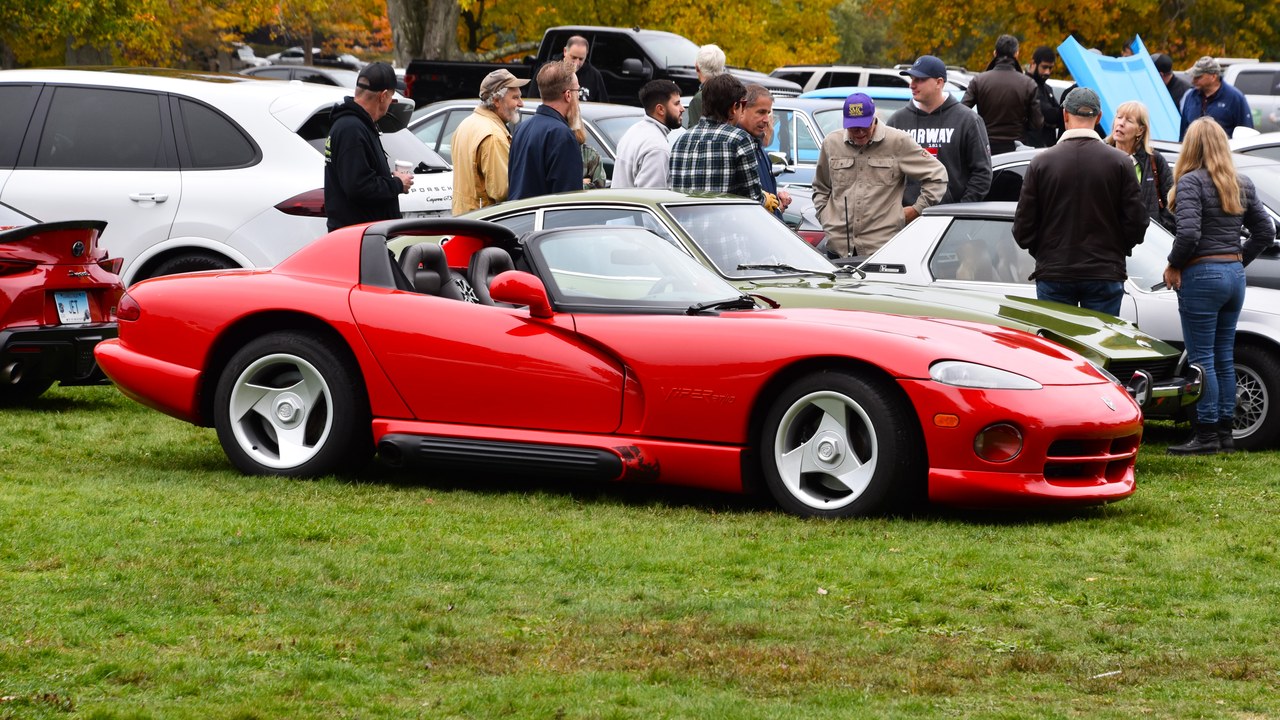
Chrysler president Bob Lutz suggested building a modern Cobra, and the Viper concept appeared at the 1989 Detroit auto show. In 1991 it paced the Indianapolis 500 before going on sale in January 1992 as the RT/10 Roadster.
Early cars had a reputation as intimidating to drive, with huge power and torque and no driver aids. Five generations were built over 26 years, and the Viper was discontinued in 2017 after about 32,000 were produced.
12. Dodge Ram: Big-Rig Looks Pay Off
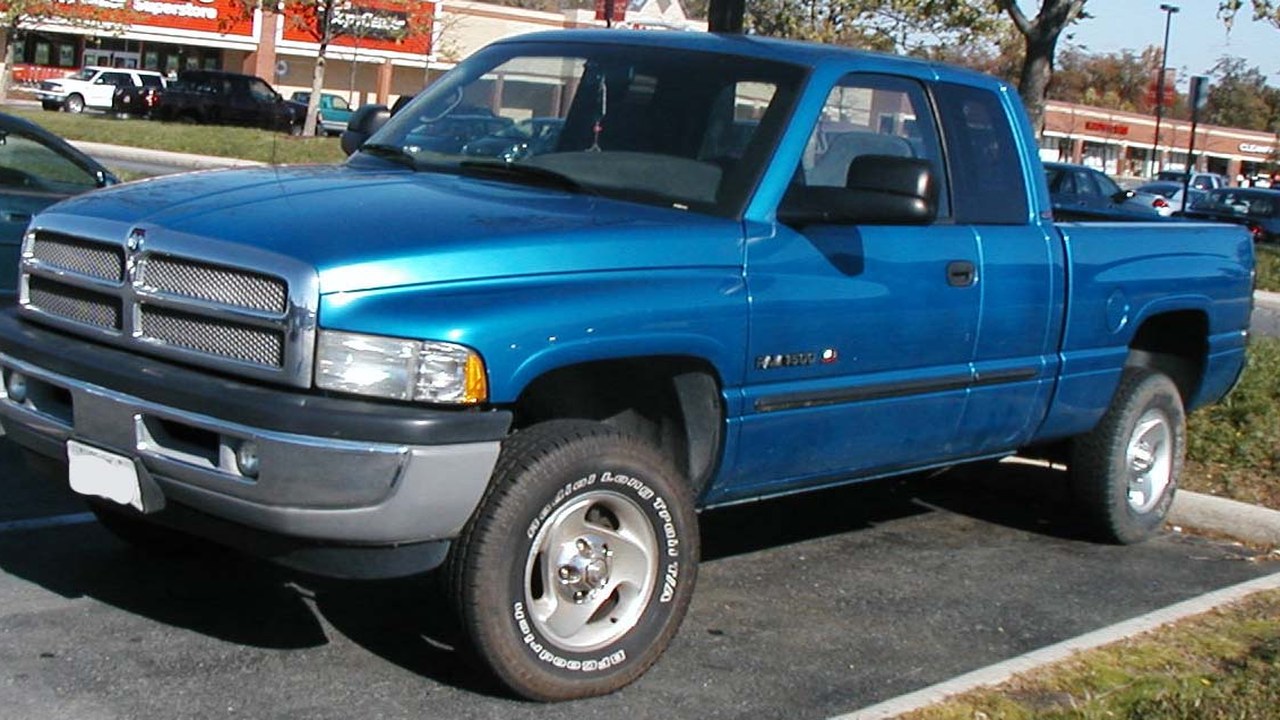
Designers felt pickups of the day looked too flat and sedan-like, so the 1994 Ram got a big-rig style front end and a large grille that was considered risky but proved popular with buyers.
It debuted at the Detroit auto show in January 1993, went on sale that October, and became a sales success. Motor Trend named it Truck of the Year in 1994. Ram was later spun off from Dodge as its own brand in 2010.
More from Morning Overview
- Neanderthals in Spain carved a wooden object that matches nothing archaeologists have ever found
- The FAA wants $2.39 million from a flight school it says flew a Cessna about 280 times with an unapproved part
- A $1 billion gas plant planned for Superior, Wisconsin, has been abandoned
- Shaq spent $1.3 million on three Rolls-Royce Phantoms to prove a point to a salesman
