
Hudson was founded in Detroit in 1909 with Detroit department store owner Joseph Hudson as its primary investor, and for a while it ranked third among American automakers. It built record-setting sixes, a cheap closed car that changed the market and the Hornets that ruled early stock car racing, before merging with Nash in 1954. These nine cars tell its story.
Read next on Morning Overview: New FCC rules on how people can stop robocalls and texts take effect Nov. 25
1. Hudson Twenty: A Record First Year
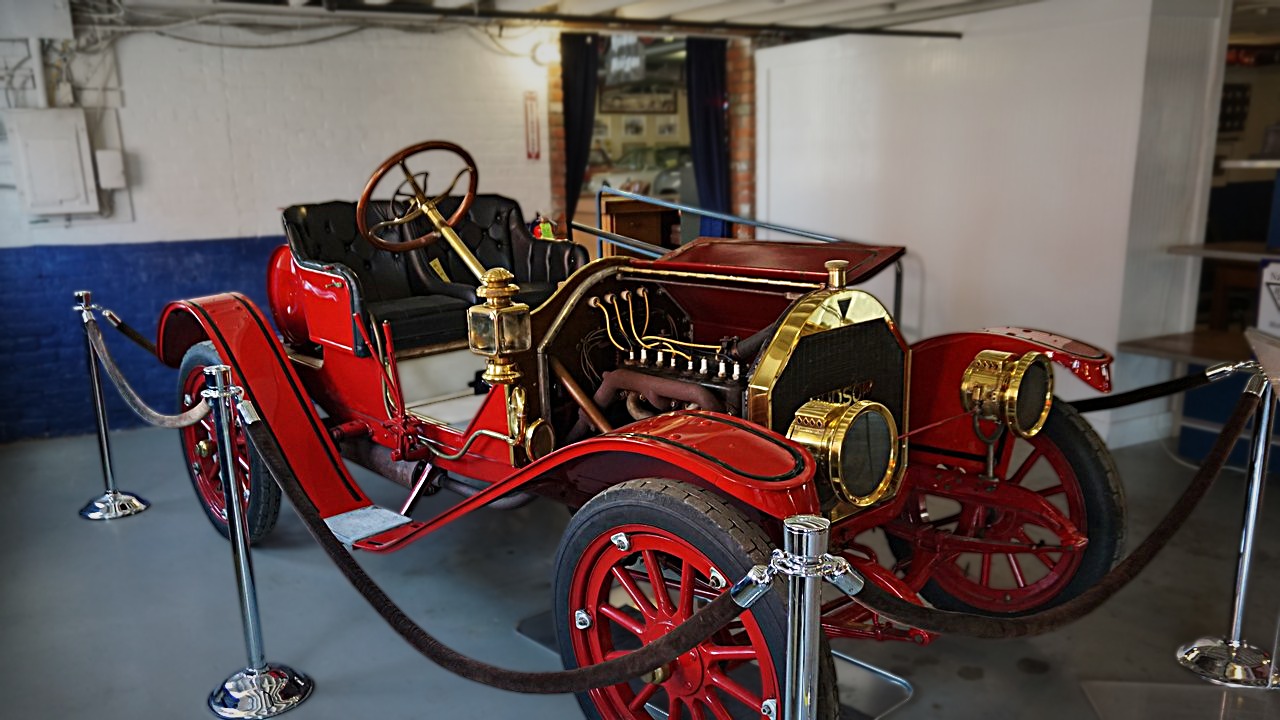
Hudson Motors was founded in 1909 by eight people, including former Olds Motor Works employees Roy Chapin and Howard Coffin. In its first year it sold 4,000 of its original four-cylinder cars, the highest first-year sales of any car company to that point.
That quickly earned Hudson respect in the American market. In 1910 the company moved to a factory at Jefferson Avenue and Conner Street, the Detroit Historical Society notes, as it set out to stand apart from hundreds of other automakers of the era.
2. Hudson Super Six: The Early Performance Car
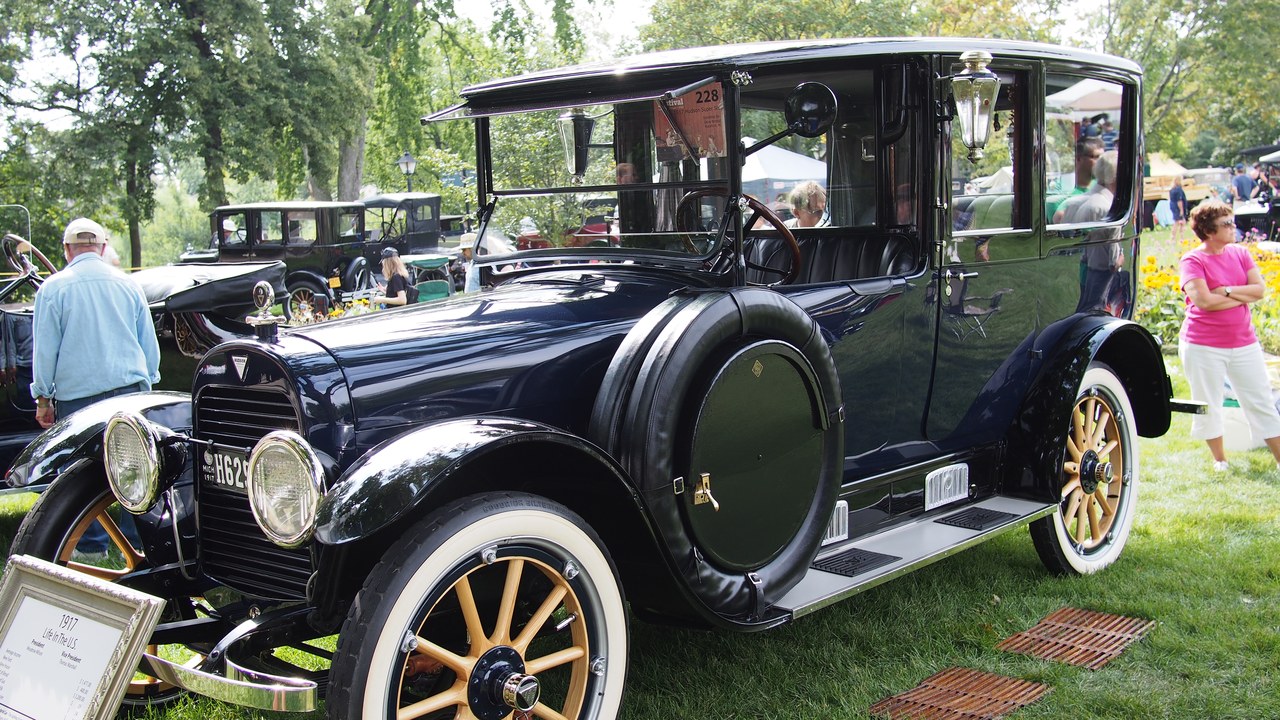
Introduced on Jan. 16, 1916, the Super Six was an early performance car. Its 288.5-cubic-inch six made 76 horsepower, compared with 40 from an engine of the same size in Hudson’s Six-40.
The breakthrough was a crankshaft with integral counterweights designed by engineer Howard E. Coffin. Early engines were held back by vibration, but the Super Six could reach 3,400 rpm, nearly double the speed of its rivals. It stayed in production until 1928, and the name later returned from 1940 until 1951, aside from the wartime break.
3. Essex Coach: The Closed Car for Everyone
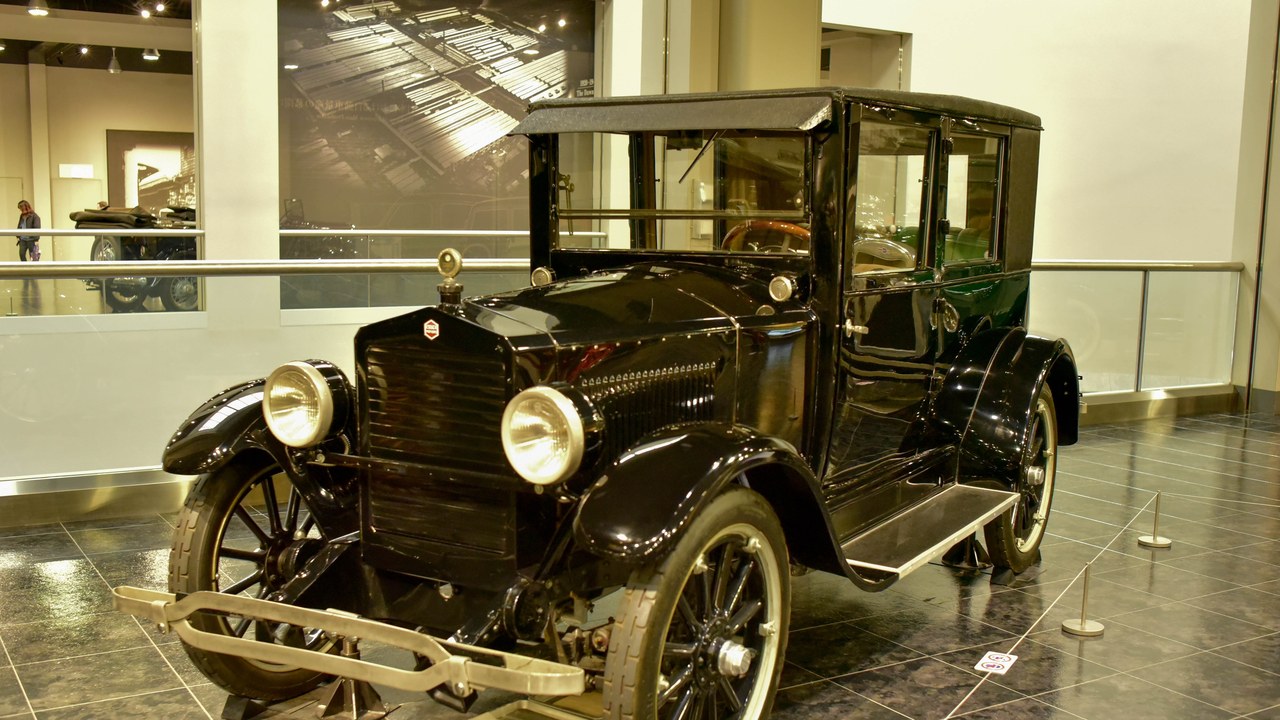
Hudson’s low-price Essex arrived in 1919, and the brand is best remembered for the 1922 Essex Coach, built for Hudson by Briggs. Closed cars had been too expensive for many buyers, but by 1924 the Coach sold for a few dollars less than an open Essex touring car.
It led a sea change that cut the market share of open cars to about 10% by 1929. Thanks to the Essex, Hudson briefly reached No. 3 in U.S. sales, with more than 300,000 sales in 1929.
4. Terraplane: Introduced by Amelia Earhart
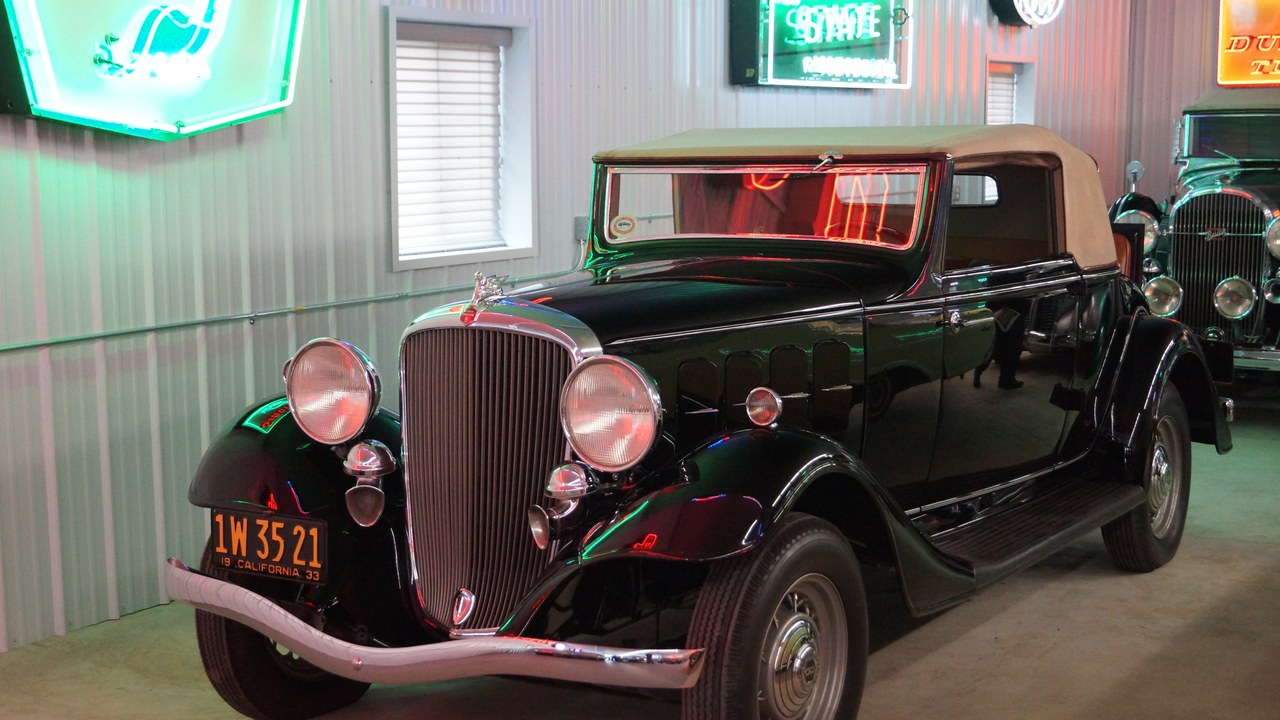
Built from 1932 to 1938, the Terraplane replaced the Essex as Hudson’s inexpensive yet powerful line. Hudson had famous aviator Amelia Earhart helping to introduce the first Essex-Terraplane to more than 2,000 dealers in Detroit.
It was small but powerful, with a steel frame built to exacting standards, which may be why Orville Wright bought one of the first ones. The name was used on both cars and trucks, and Robert Johnson recorded a song called Terraplane Blues in 1936. In its first year the car was branded the Essex-Terraplane, becoming simply the Terraplane in 1934.
5. Hudson Commodore: Hudson’s Biggest Prewar Car
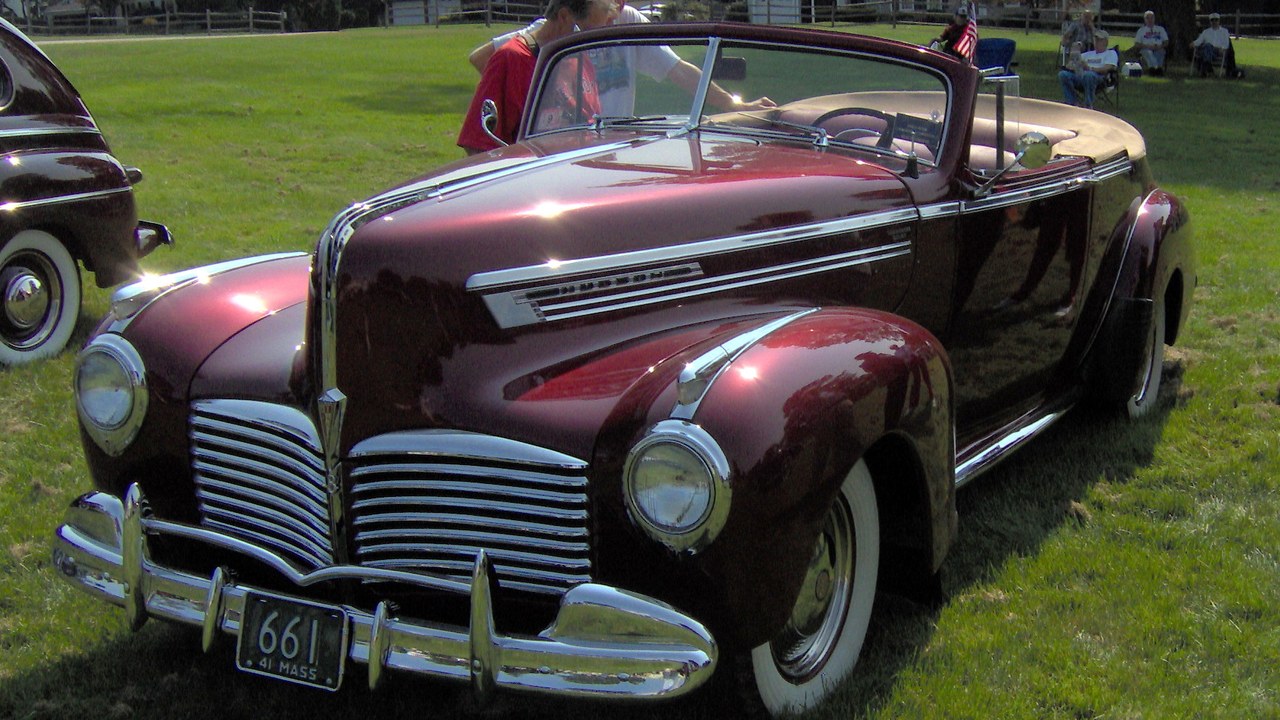
Launched in 1941 as a successor to the Greater Eight, the Commodore was the largest and most luxurious Hudson. It came with a straight-six or straight-eight and Hudson’s Fluid-Cushioned Clutch, a wet multi-plate system in a sealed housing. The first generation came as a four-door sedan or a two-door convertible on a 121-inch wheelbase.
Production stopped in 1942 so the factory could build materials for World War II. Civilian assembly resumed in 1946, when the second-generation Commodore offered more standard features than its rivals. A third generation arrived for 1948 with the new step-down design.
6. Step Down Hudson: Stepping Down Into the Car
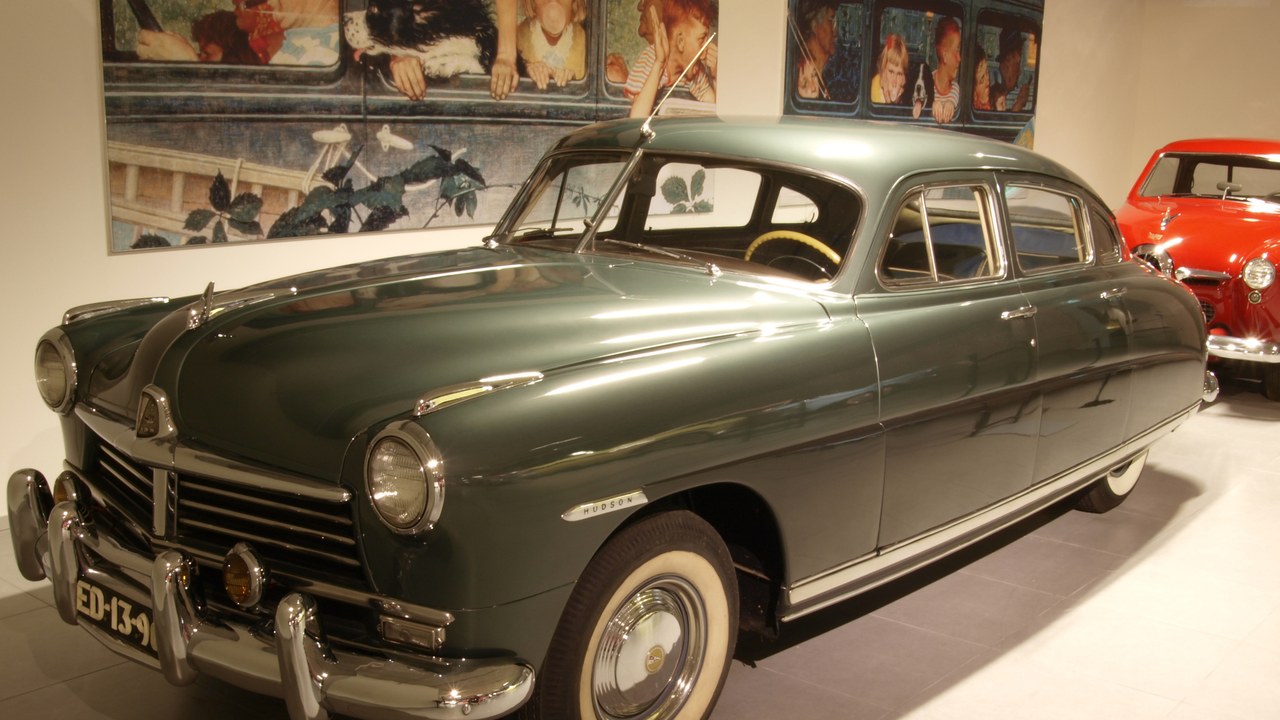
The Step Down Hudson of 1948 stood just 60 inches high, about 5 inches lower than most rivals. Its floor was sunk between the frame rails, so occupants stepped over the sill and down into the cabin, which gave the cars the Step Down name.
Hudson called the unit construction Monobilt. The cars were heavy but more than 300 pounds lighter than a contemporary Buick or Chrysler, and Ate Up With Motor says they were almost certainly the safest cars in America in side impacts or rollovers. Later Nash wind tunnel tests found nearly 20% less drag.
7. Hudson Hornet: King of the Stock Car Tracks
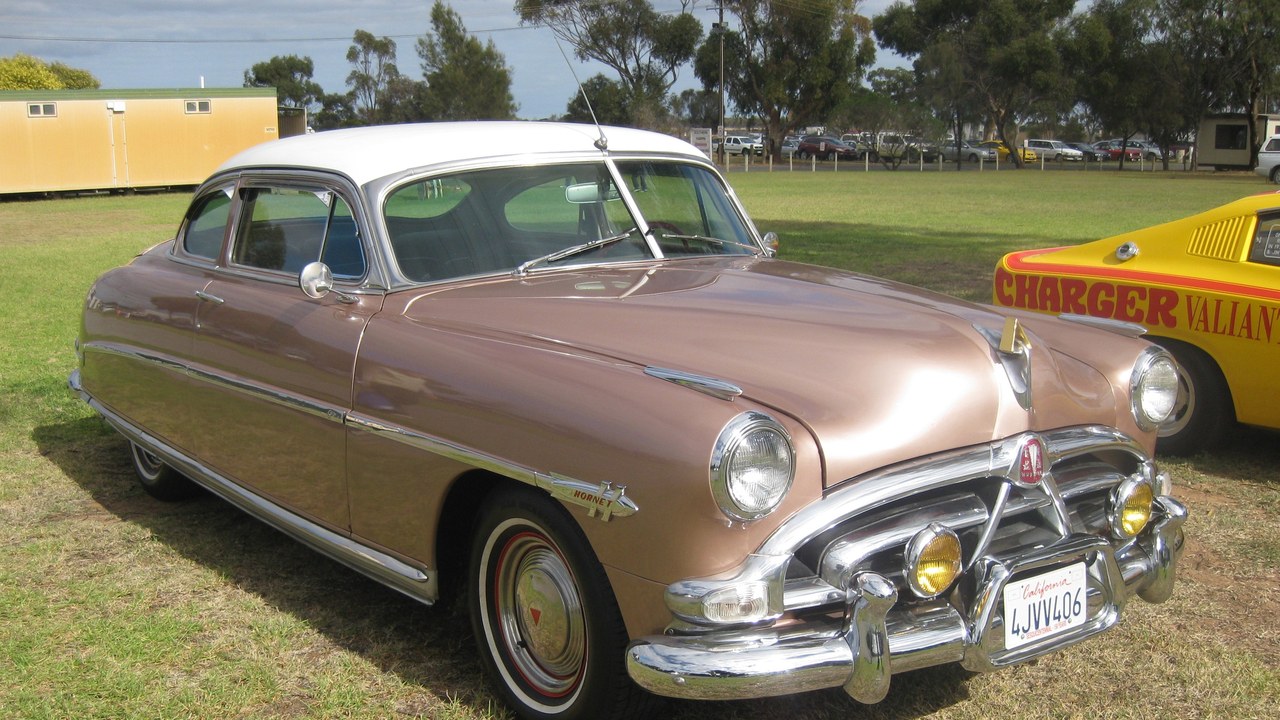
At 308 cubic inches, the Hornet’s flathead six was the largest-displacement six-cylinder engine in mass-production cars of its time. The twin-carburetor version made 145 horsepower, and for 1952 the Twin H-Power setup with dual carburetors became standard equipment.
Tuner Marshall Teague claimed he could get 112 mph from a certified stock Hornet, and Hudson engineers offered severe usage options that were thinly disguised racing parts. That engine, the car’s road-ability and its overbuilt construction made the Hornet unbeatable on the dirt tracks of the early 1950s. Later Hornets built after the Nash merger were restyled Nash cars badged as Hudsons.
8. Hudson Jet: The Compact That Cost Too Much
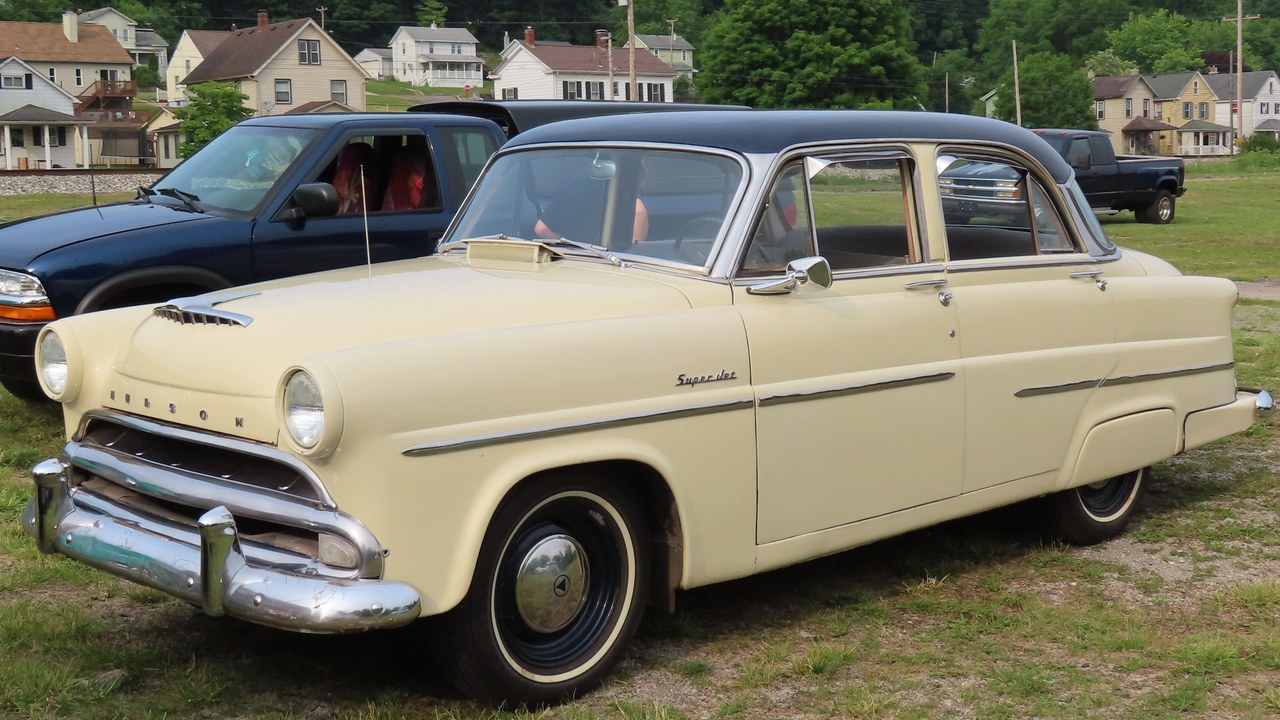
Built for the 1953 and 1954 model years, the Jet was Hudson’s response to the popular Nash Rambler, aimed at a small-car segment the Big Three were ignoring. Nash had launched the Rambler in April 1950, and Kaiser followed with the small Henry J that September.
The costs of developing and marketing it, along with fierce competition from the Big Three, ultimately led to Hudson’s merger with Nash to form American Motors in 1954. In drag racing, one Jet fitted with a Twin H Hornet engine ran consistently low 14-second times, and the NHRA made an exception to its rules for it.
9. Hudson Italia: Built in Milan
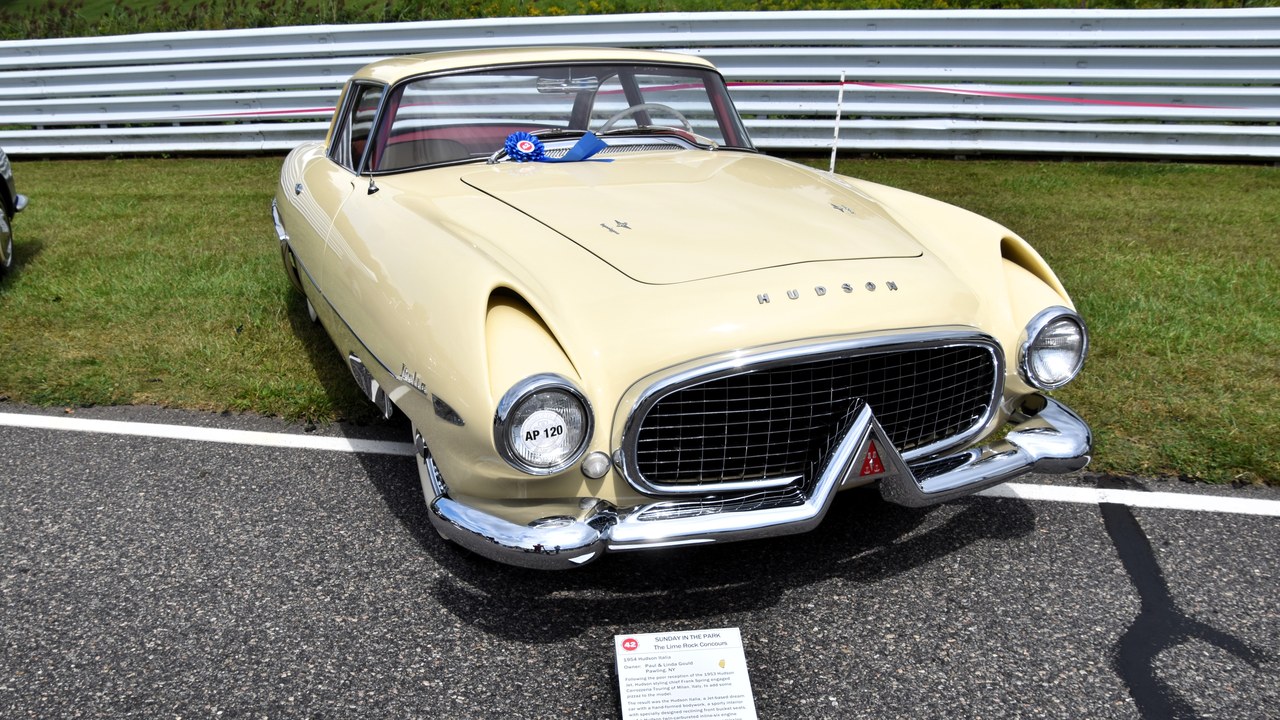
To revive its image, Hudson styled a low two-door coupe and had Milan coachbuilder Touring handcraft the first Italia from aluminum panels over a tubular frame on a Jet chassis.
It had brake-cooling scoops, aircraft-type doors and standard seat belts. But its nearly $5,000 price was several hundred dollars more than a Cadillac coupe, and it lacked the Hornet engine. Dealer response was tepid, so Hudson ordered only 25 more from Touring, the Times Colonist reports. Production began in August 1954, months after Hudson and Nash formed American Motors, and Italia promotion got lost in the merger.
More from Morning Overview
- Cadillac cut the price of its cheapest EV, which goes up to 317 miles on a charge
- Winter weather advisories cover I-80, I-70 and the Bighorns with up to 15 inches of snow
- Arizona’s governor declared a statewide emergency after Flagstaff logged its wettest Nov. 1 on record
- Zero Motorcycles unveiled an electric motorcycle targeted at under $8K and a street-legal dirt bike at EICMA
