
Hybrids went from curiosity to routine purchase, and the path ran through a handful of memorable nameplates. These cars proved fuel-sipping technology could work in compacts, sedans, SUVs and even pickup trucks. Here are twelve of the models that pushed American buyers toward electrified driving.
Tech news worth reading: Get Techpresso, the daily email with the most interesting tech news and insights, read by 400,000+ professionals from Google, Apple and OpenAI.
We may earn a commission if you sign up.
1. Honda Insight (first generation): The Efficiency Benchmark
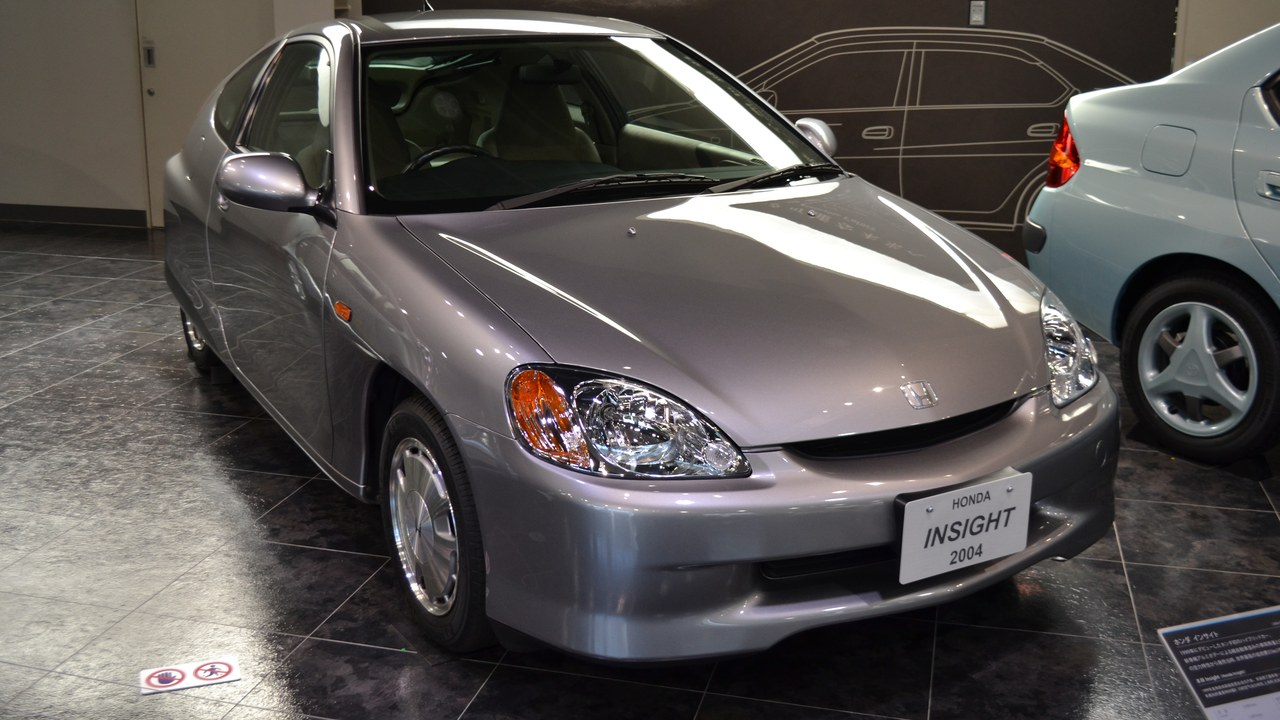
Rated at a combined 53 mpg, with 61 on the highway, the 1999 Insight sat at the top of the EPA’s all-time rankings, a list that reaches back to 1984.
That placed a small first-generation hybrid ahead of decades of conventional economy cars. Mileage was the whole pitch, and the Insight proved the technology could deliver it on real roads, which handed later hybrids a benchmark to chase. For anyone tracking the category’s history, it remains the reference point, a car that treated fuel economy as the main event rather than a side benefit of other design choices.
2. Toyota Prius: Volume Leader
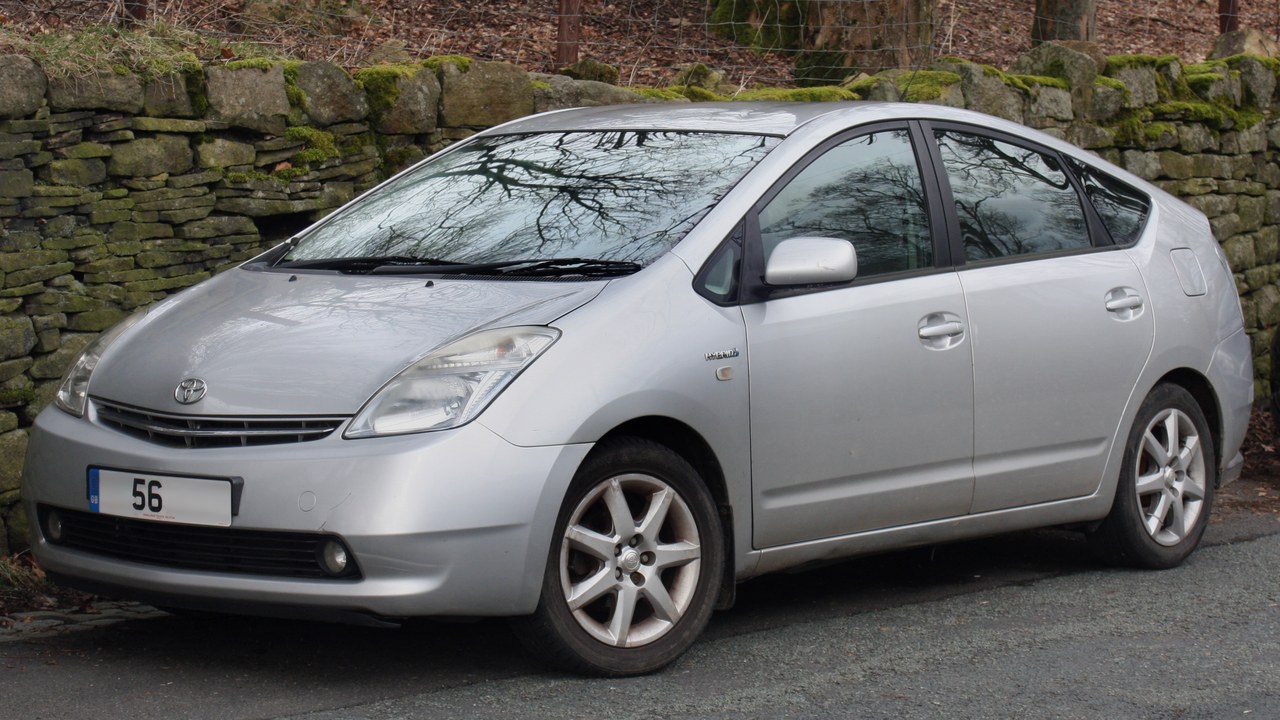
Sold in America since 2000, the conventional Prius reached 1,643,000 sales through April 2016, which was 40.8% of all hybrids sold, according to American hybrid sales figures.
A share that large made it the default hybrid in the public mind. The total leaves out the Prius c, the Prius v and the plug-in versions, so the family’s full reach is even bigger than the headline number suggests. Its dominance also helped normalize a once unfamiliar word. Competitors had to explain why their own hybrids deserved attention, while Toyota simply pointed to a sales record that no rival matched for years.
3. Honda Civic Hybrid: Mainstream Compact
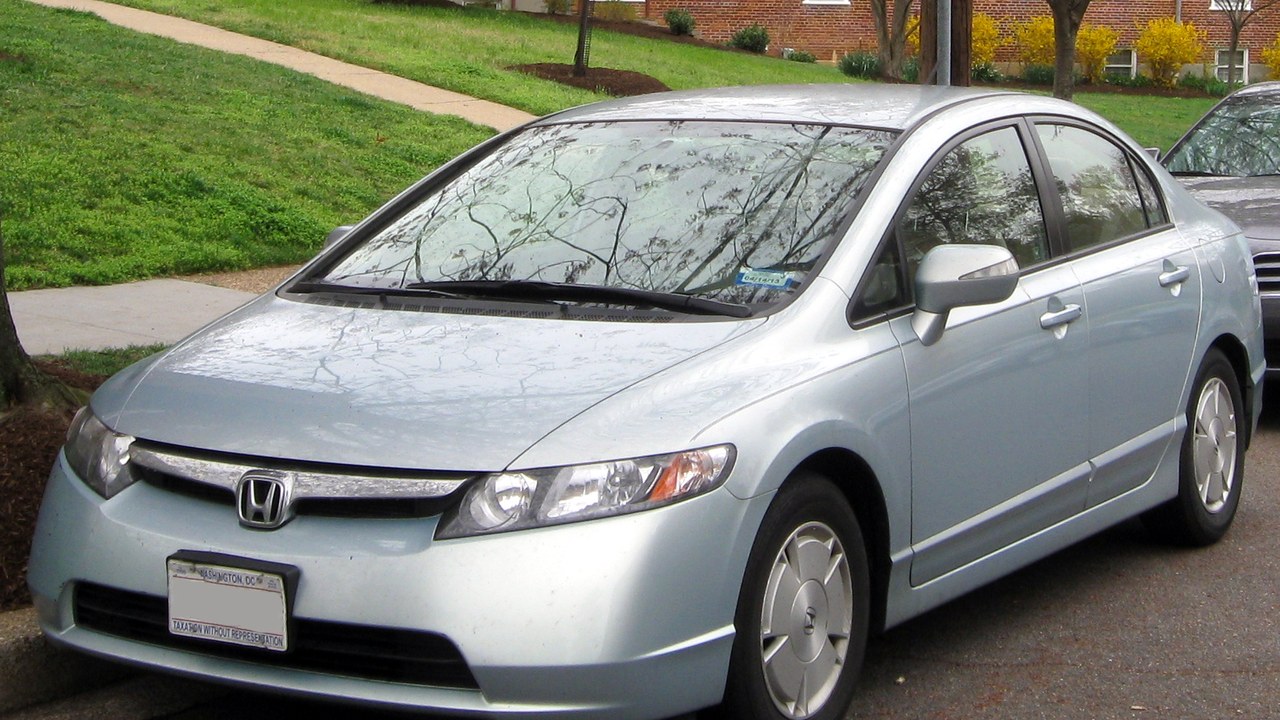
Honda put a hybrid system into its best-known small car in 2002, and the Civic Hybrid had sold 234,610 in America through April 2016, per a national hybrid sales table.
That is a fraction of the Prius total, but it shows a familiar nameplate could carry the technology to ordinary compact shoppers. Buyers wary of a car that looked different could choose a Civic and still get the efficiency. Seen alongside the Prius, it shows the technology spreading across brands and body styles, with each new entry making the next buyer a little more comfortable with the idea.
4. Ford Escape Hybrid: Early SUV Gamble
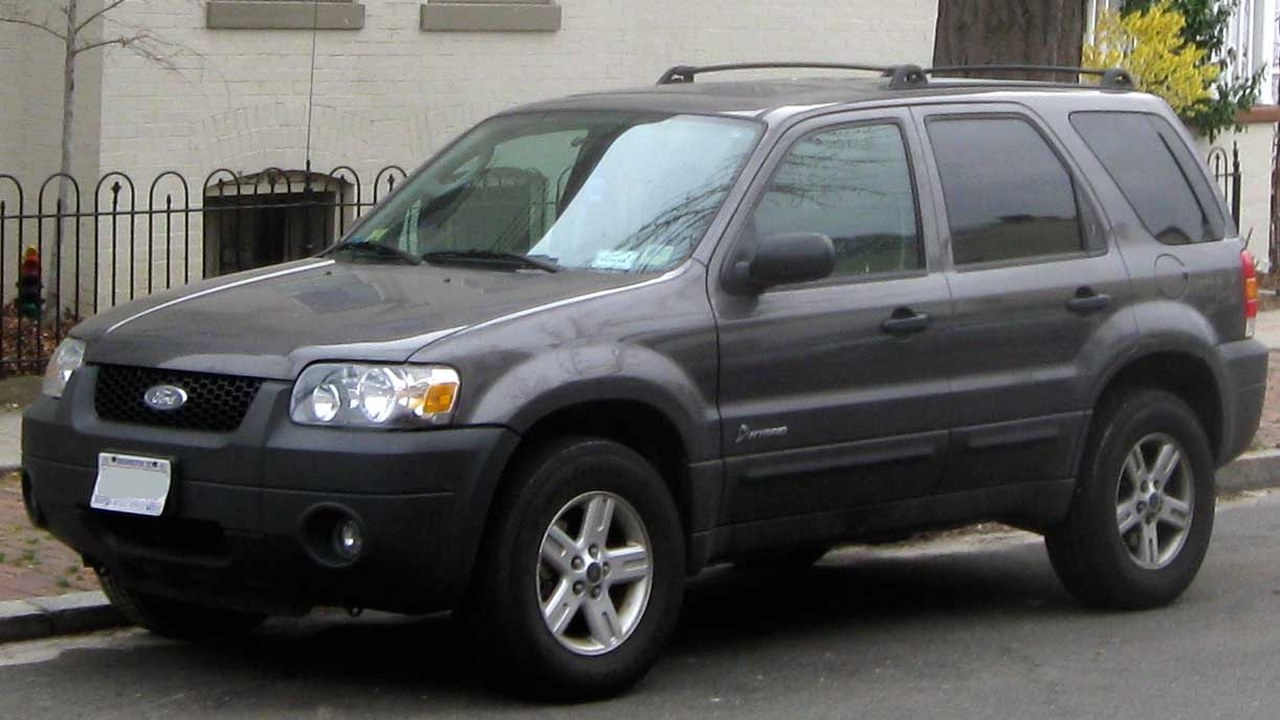
Ford launched the Escape Hybrid in 2004 and sold 4,000 in its first months, according to Ford’s own throwback post. The company says more than 230,000 have followed, and the front-drive version was rated at 36 mpg in the city.
A sport utility vehicle posting city mileage in the mid-30s was striking when the model arrived, since most buyers in the class expected far lower numbers. The Escape showed hybrid economy was not limited to small sedans. The 36 mpg city figure also helped answer skeptics who doubted that a taller vehicle could be efficient, and the sales total shows the answer reached a wide audience over time.
5. Lexus RX Hybrid: Built To Last
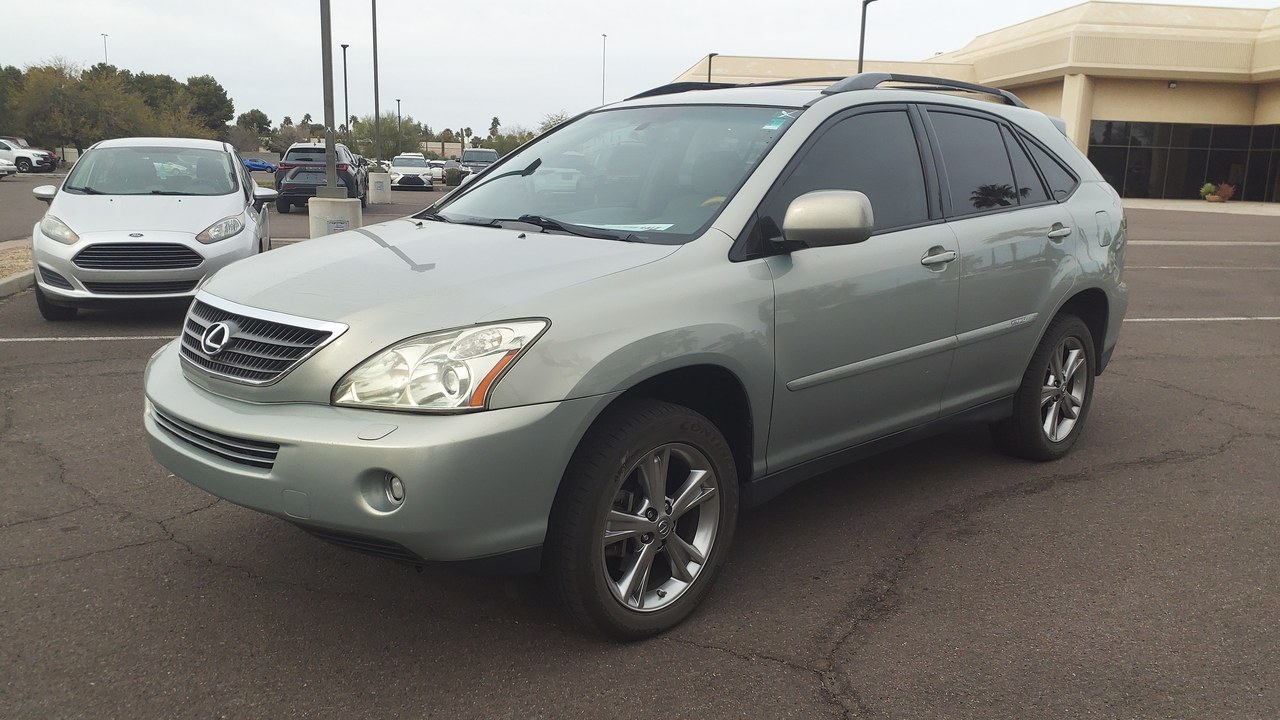
Longevity earns this Lexus its place. The iSeeCars study found 28.9% of RX hybrids are likely to reach 250,000 miles, compared with 12.8% of gas RX models, in its longest-lasting cars ranking.
The gap is more than double, which counters the old worry that added hardware makes hybrids riskier to keep. It is a statistical likelihood rather than a guarantee for any individual vehicle, but the direction is clear. For shoppers weighing a used luxury SUV, the finding turns an abstract technology debate into a practical question about ownership costs over many years of driving.
6. Toyota Camry Hybrid: Green Car Winner
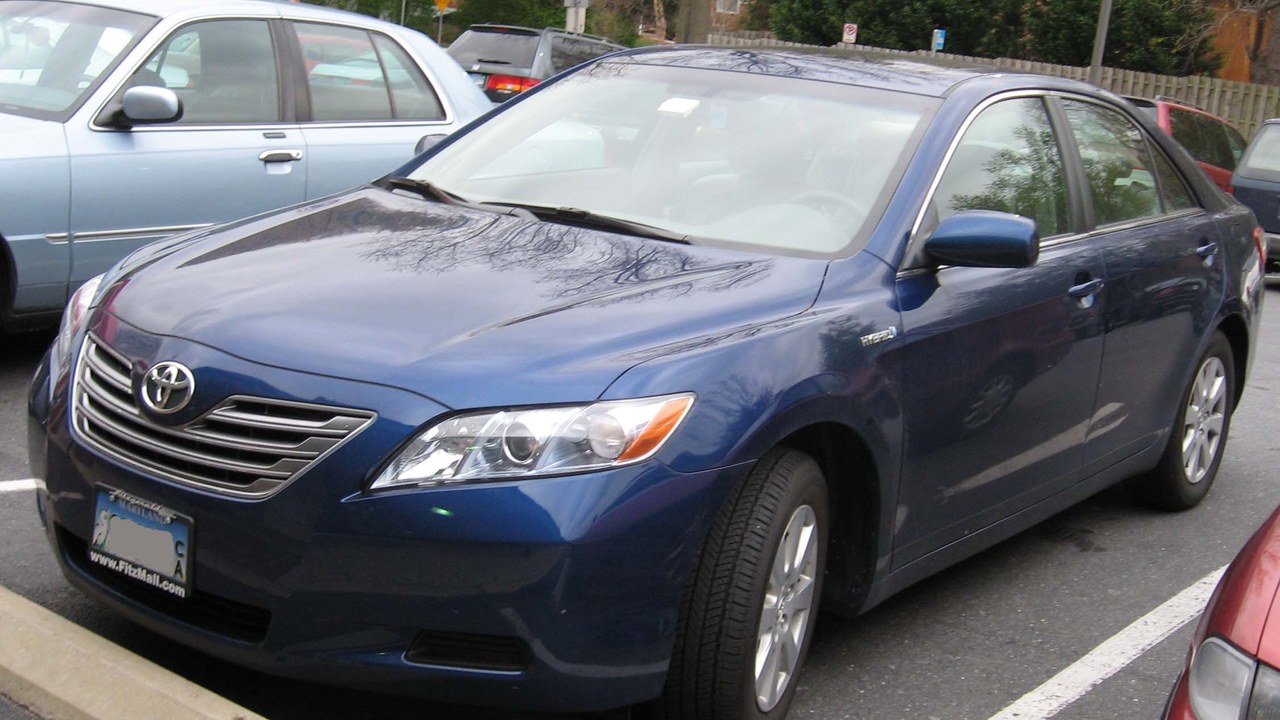
The familiar family sedan gained a hybrid option with the XV40 generation, which won 2007 Green Car of the Year and sold 154,977 in America by December 2009, as the XV40 Camry article records.
Adding a hybrid to a mainstream midsize car moved the technology beyond novelty status. Shoppers who wanted a conventional family sedan now had a hybrid choice, and the award gave the pairing outside validation. The sales figure also reflects how seriously the company treated the hybrid system, offering it in a car sold in huge numbers rather than hiding it in an obscure trim.
7. Toyota Highlander Hybrid: Family Hauler Math
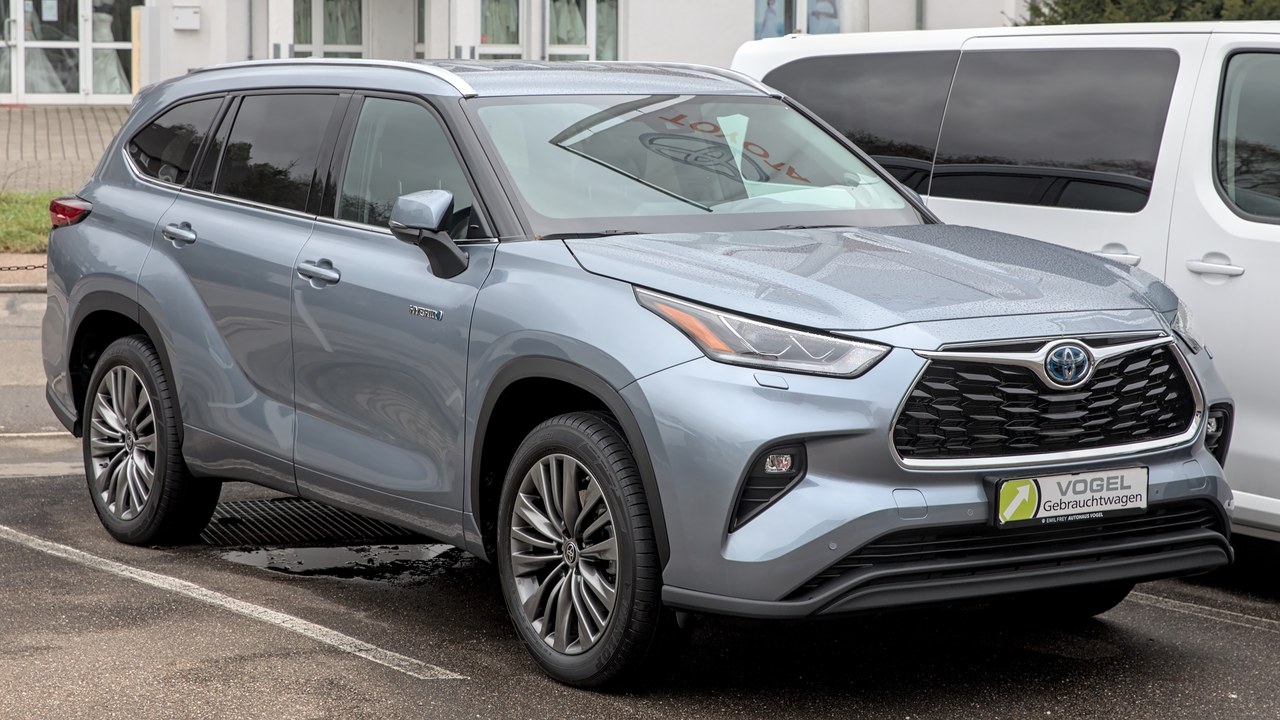
In the same durability study that flattered the Lexus, iSeeCars rates 20.7% of Highlander hybrids likely to pass 250,000 miles, against 12.3% for the gas Highlander, within that longevity analysis.
The hybrid advantage is smaller than the RX gap but still substantial, and it points the same way. Families who keep vehicles for a decade benefit most, since fuel savings accumulate over every extra mile. Buyers comparing similar vehicles can treat the result as a modest tiebreaker, since a longer expected life spreads the purchase price across more miles and more years of use.
8. Ford Fusion Hybrid: Detroit’s Answer
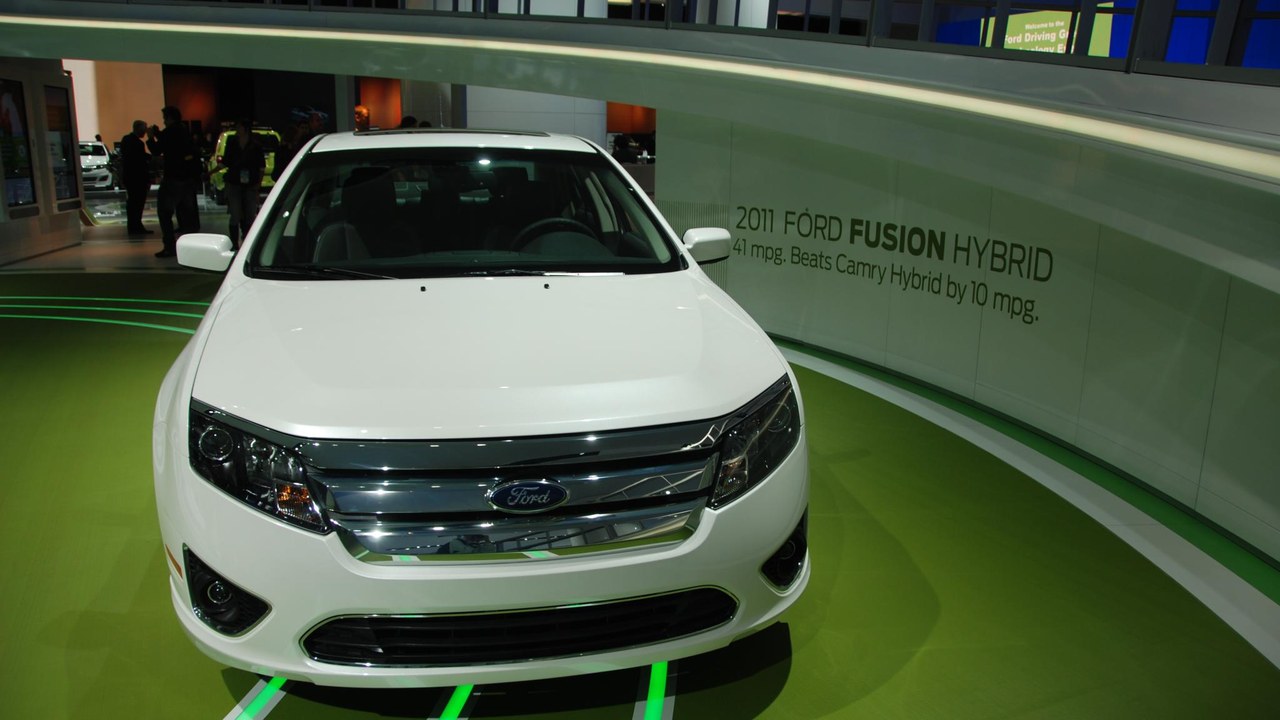
Launched in 2009, the Fusion Hybrid sold 166,341 in America through April 2016, a total drawn from the national hybrid sales list.
It gave an American brand a credible midsize hybrid at a time when Japanese makers led the segment. Sales trailed the Prius and landed close to the Prius c, which shows how crowded the category had become by the mid 2010s. Its numbers are respectable rather than dominant, and that is part of the appeal here, because a strong second tier of hybrids helped prove the market was real.
9. Toyota Prius c: Smaller Sibling
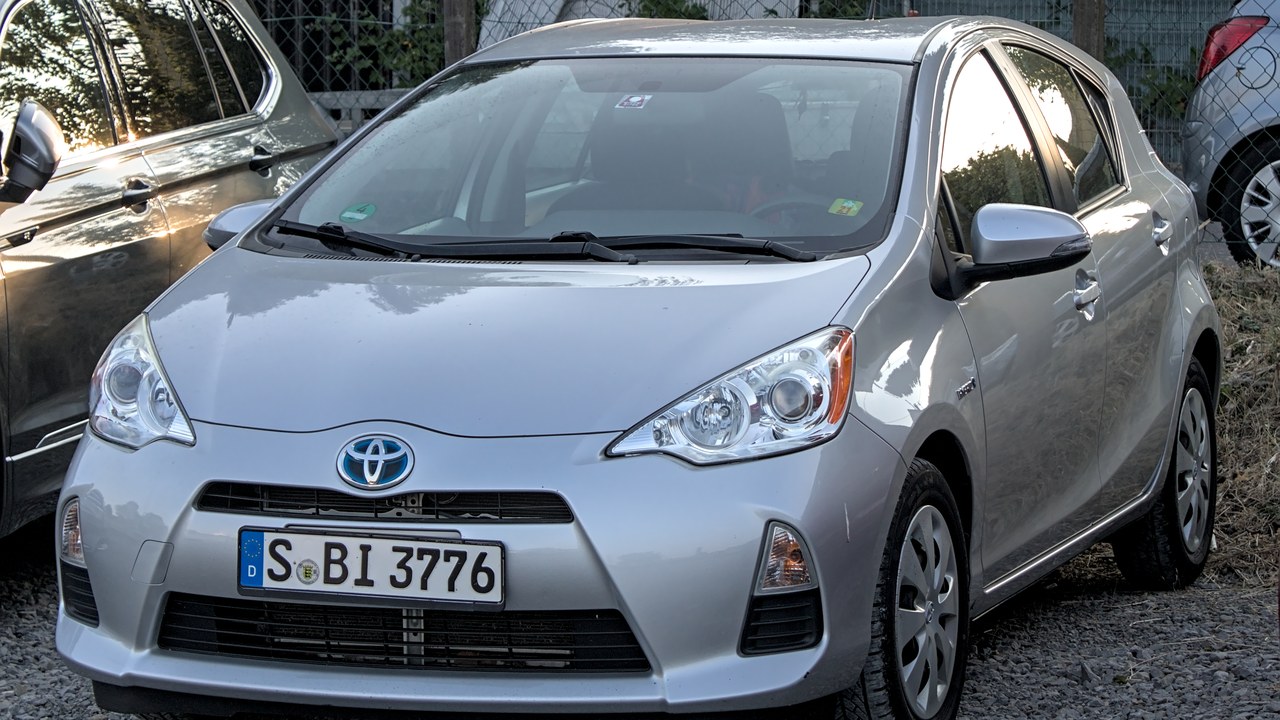
Added in 2012, the compact Prius c sold 165,075 in America through April 2016, the same sales table shows.
Shrinking the formula gave city drivers and first-time hybrid shoppers a more compact doorway into the family. Its total landed near the Fusion Hybrid’s despite a shorter time on sale, which says something about appetite for small efficient cars. Hybrid buyers in that period had a growing menu to choose from, and the Prius c stands as evidence that Toyota was willing to stretch the brand into new shapes.
10. Toyota RAV4 Hybrid: Million Mark Driver
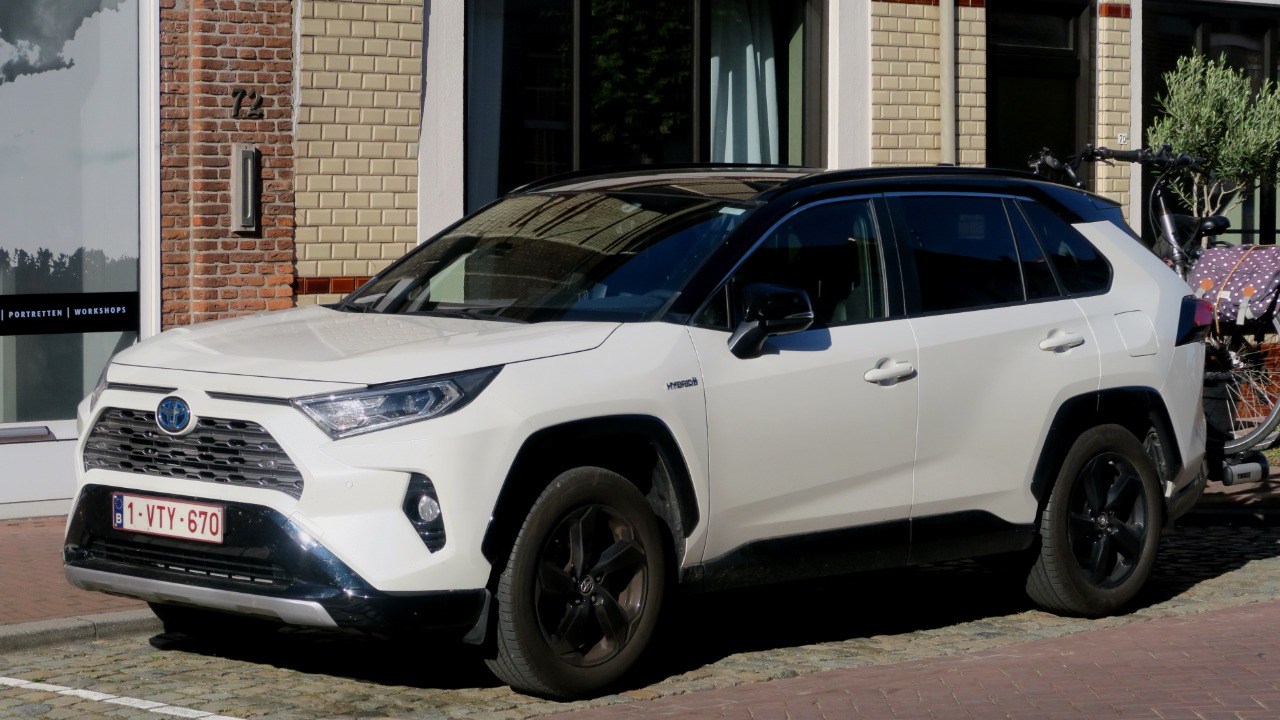
RAV4 hybrid sales rose 29.3% in 2024, and Toyota’s 2024 American sales report says electrified sales across Toyota and Lexus passed one million for the first time.
The compact crossover is a clear sign hybrids have moved from niche to mainstream, since buyers are choosing the technology inside the body style they already like. The milestone is a brand-wide measure, so the RAV4 is one contributor among several. For a nameplate with a long history of selling in volume, adding a hybrid option and watching sales climb is a strong endorsement of the strategy of electrifying bestsellers rather than only niche cars.
11. Ford Maverick Hybrid: Compact Truck Pick
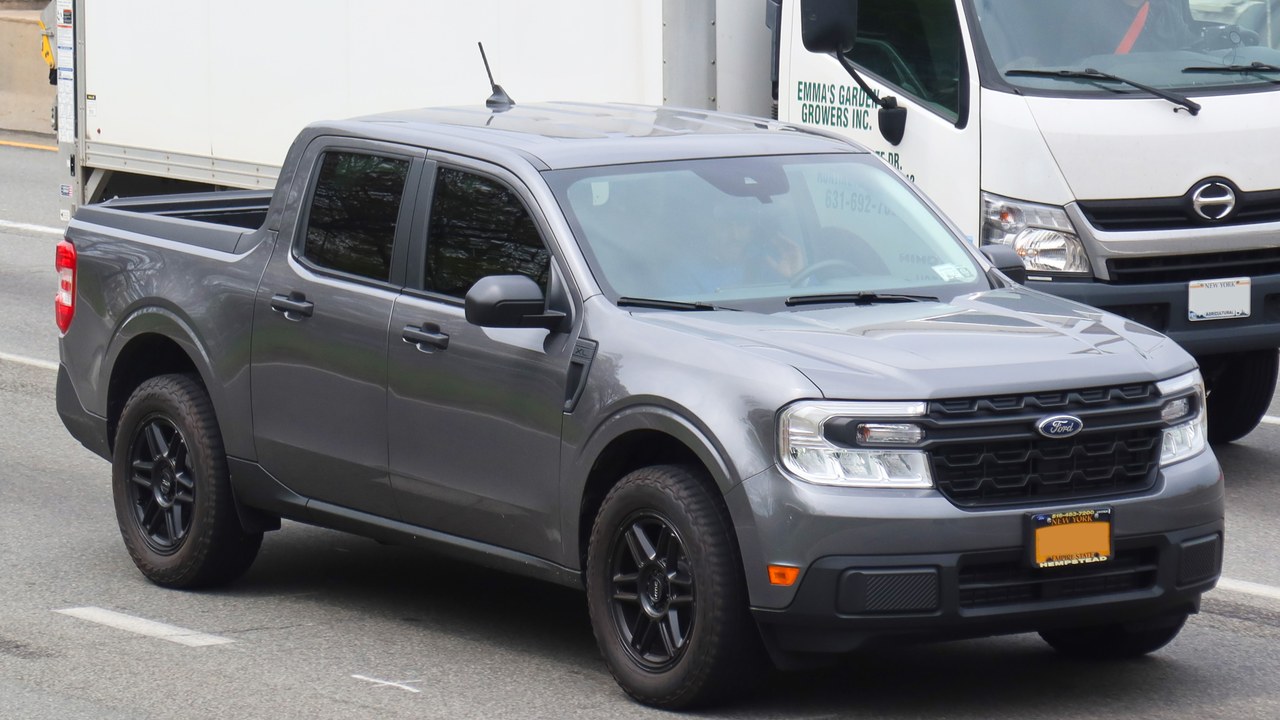
Consumer Reports named the Maverick a 2026 Top Pick after the hybrid returned a superb 37 mpg overall in CR’s testing, as its top picks list explains.
A pickup that rivals many sedans on fuel use is a different proposition from the old hybrid template. The Maverick brings the technology to truck shoppers, a group that long had few efficient options. Its recognition also reflects how the segment has grown, with hybrid power now appearing in vehicles that serve work and weekend duty rather than commuting alone.
12. Toyota Prius (fifth generation): Today’s Prius
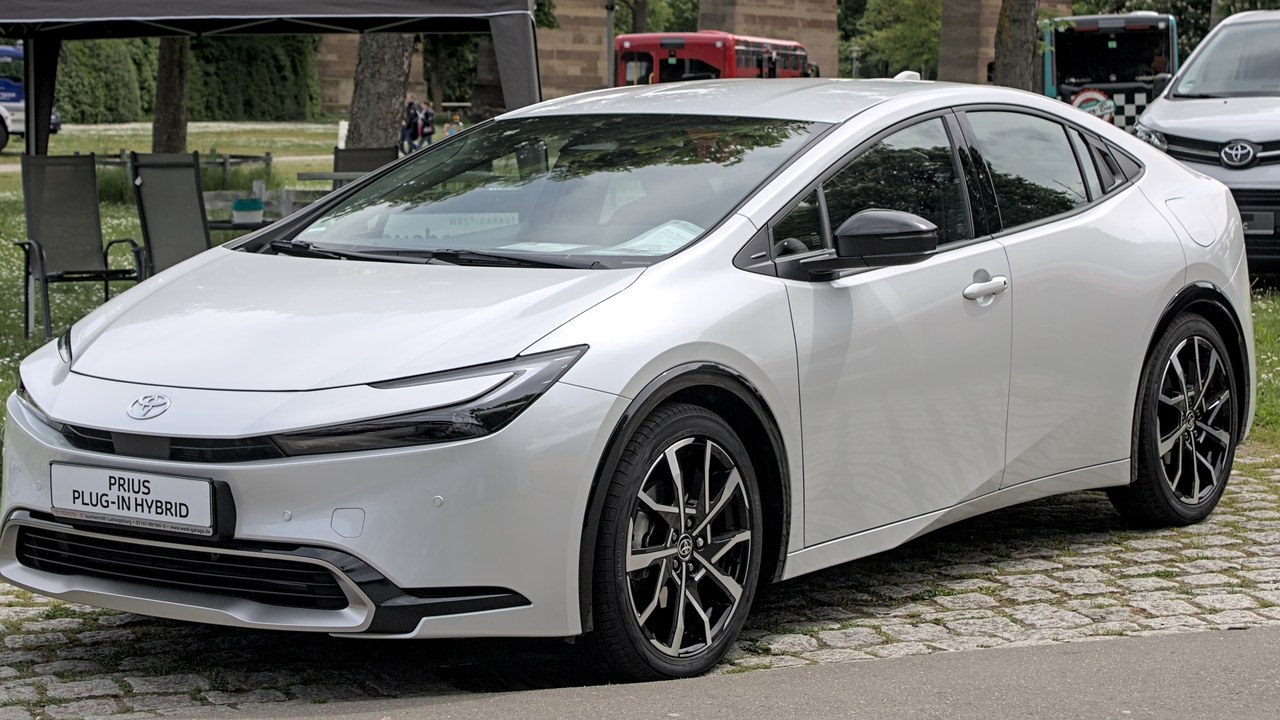
The 2027 Prius LE is EPA-rated at 55 mpg combined and starts at $28,755, Toyota’s 2027 Prius announcement states.
The pioneer that began the American hybrid story is still in production and still posting big economy figures. Its starting price keeps it within reach of mainstream shoppers, and its longevity shows the idea outlasted the doubts of the early days. It has also grown up since the first generation, with a design built to stand out, so the nameplate that introduced many drivers to hybrids now competes on style as well as thrift.
Tech news worth reading: Get Techpresso →
We may earn a commission if you sign up.
More from Morning Overview
- The FBI told the rest of ShinyHunters to surrender after a 24-year-old was arrested
- Two passengers died at an Ohio toll plaza, and the NTSB now wants the cash lanes shut
- Long use of a common prostate pill is tied to a higher chance of glaucoma
- Ford is recalling 223,472 F-150 pickups because the fuel tank can leak or detach
