
Full-size luxury sedans lose value faster than almost any other vehicle segment, and that steep depreciation is an opportunity for buyers, not a warning sign. Flagship badges like Lexus, Mercedes-Benz and BMW cut sticker prices roughly in half within a few years, while cabin materials, ride quality and technology stay largely intact. Here are nine sedans that deliver a showroom feel for a fraction of what the first owner paid.
1. Lexus LS: Flagship Comfort, Bargain Price
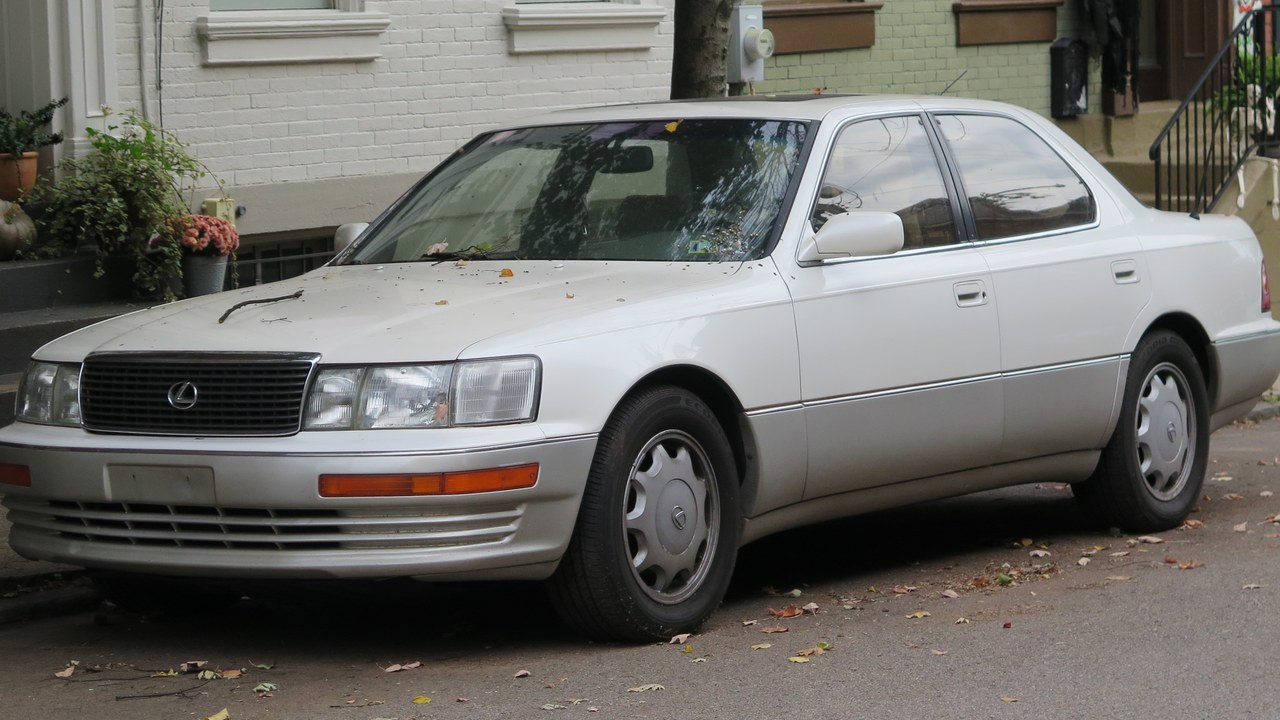
The Lexus LS launched in 1989 as Toyota’s answer to German flagships, pairing V8 smoothness with a reliability record that undercut its European rivals for decades. Later generations, detailed in the Lexus LS history, added hybrid power and a cabin finished in wood and leather that rivaled anything from Munich or Stuttgart. A used LS from the mid-2010s still carries that flagship presence at a price close to a new mid-size sedan.
Lexus’s dealer network and long-term durability keep parts and service costs below German competitors, easing the ownership math. Buyers should still budget for tires, brakes and suspension work sized for a full-size car, since upkeep scales with weight and complexity even when the badge is forgiving.
2. Genesis G80: Near-Luxury Loaded, Priced Lower
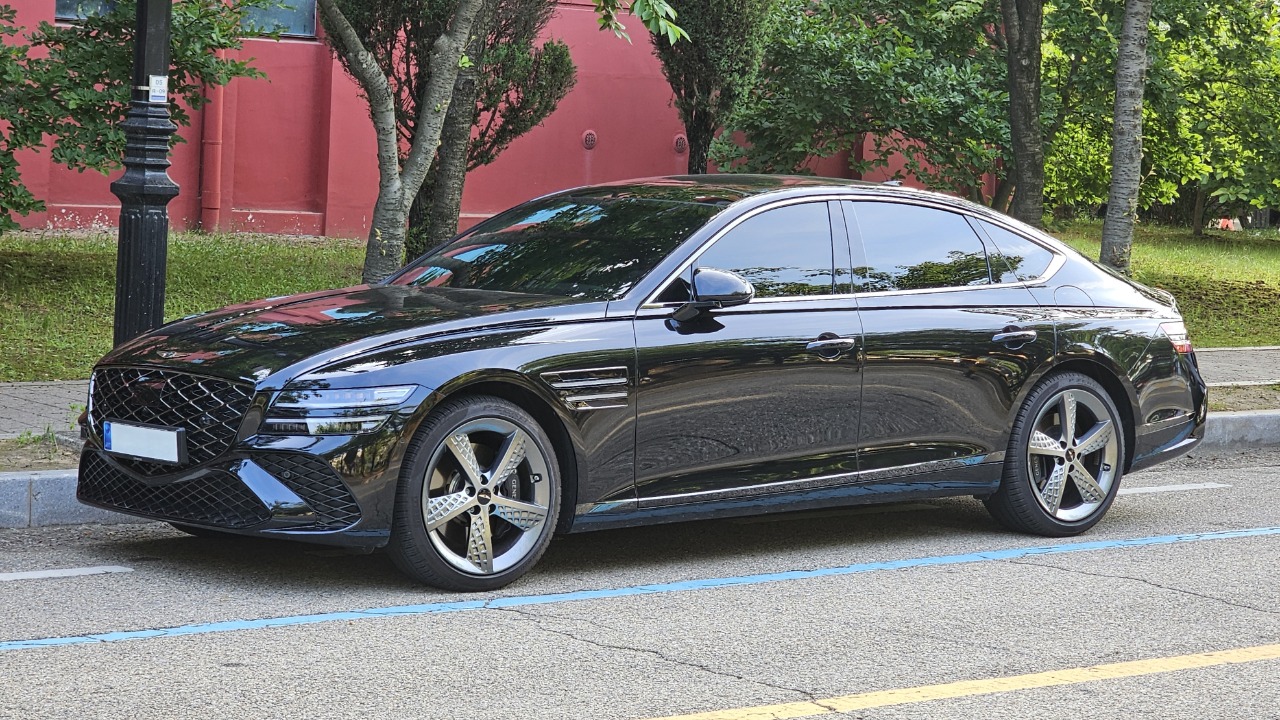
Genesis, Hyundai’s luxury division, built the G80 to match Mercedes-Benz and BMW equipment lists at a lower window sticker, and that pricing gap widens further on the used market. The Genesis G80 lineup offers a quiet cabin, a long options sheet and a smooth ride that reviewers routinely compare to pricier rivals. Because Genesis is still building brand recognition, early depreciation turns into an unusually complete luxury package for used buyers.
The tradeoff is a thinner dealer network than the established German brands, so service can mean driving farther for a specialist. Warranty coverage on the G80 runs longer than most rivals, offsetting some of that risk for a buyer willing to trade badge prestige for value.
3. Audi A6: German Polish, Steep Discount
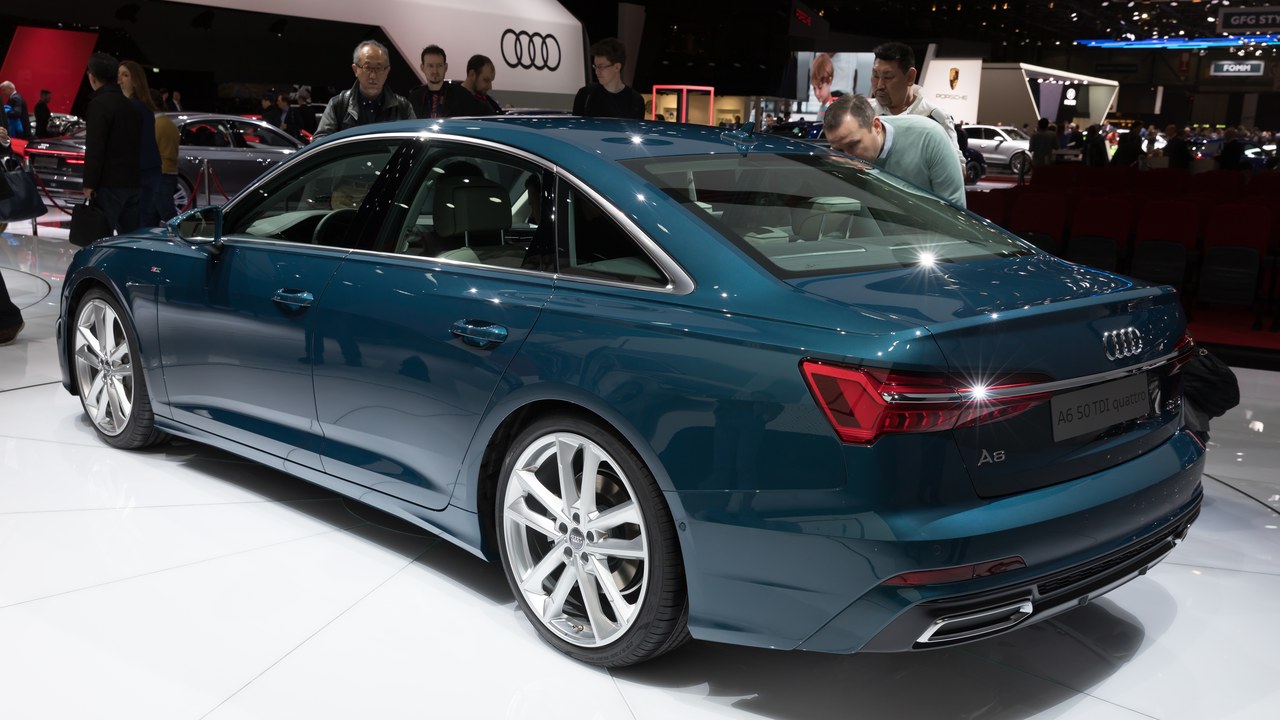
The Audi A6 wears understated German styling and a cabin built around close panel gaps and soft-touch materials, but it depreciates faster than its Mercedes and BMW peers. The Audi A6 model history spans quattro all-wheel drive and turbocharged engines across several generations, giving used buyers a wide window of body styles to choose from. That faster depreciation means a well-kept A6 a few years old can undercut a comparable Mercedes or BMW by a meaningful margin.
Audi’s turbocharged engines and complex electronics can bring higher repair bills once factory warranty lapses, particularly around the timing chain and multimedia systems. A pre-purchase inspection from an independent specialist is worth the cost before committing to any used A6.
4. BMW 5 Series: Driver’s Sedan, Half Price
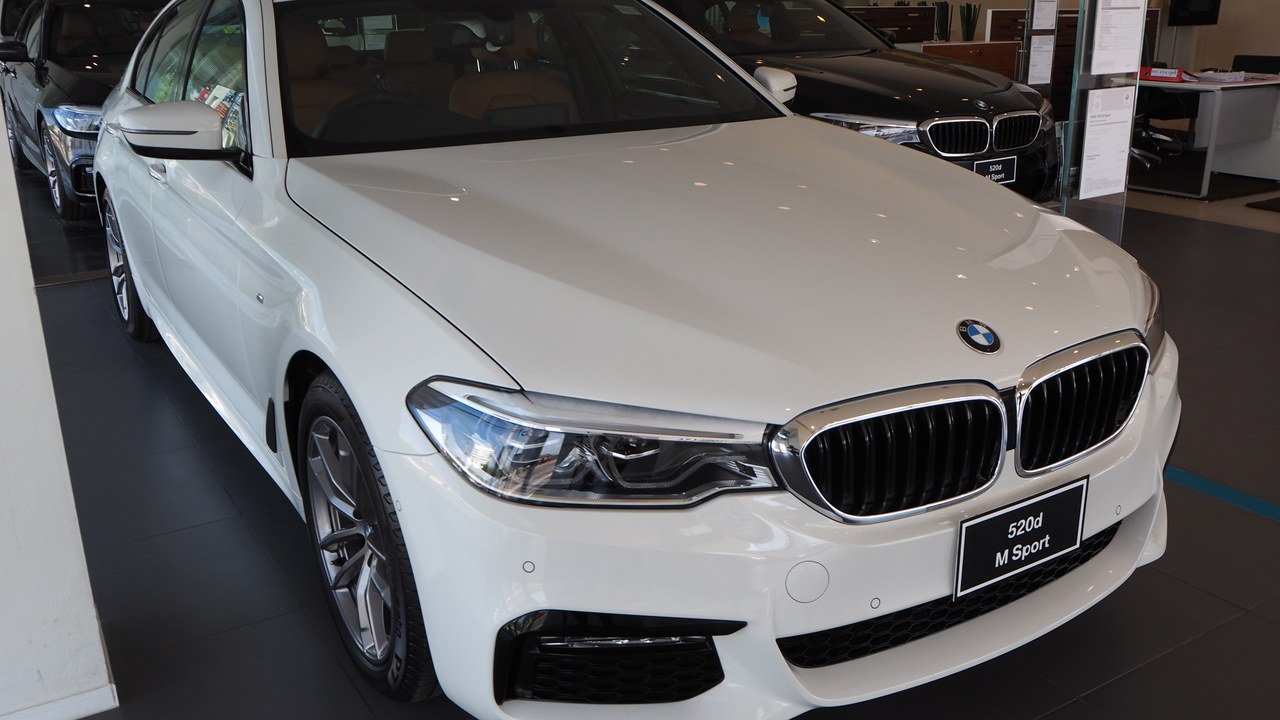
The BMW 5 Series has spent decades as the driver’s choice among luxury sedans, praised for steering feel and chassis balance that rivals still get measured against. Because BMW updates the 5 Series lineup on a steady cycle, older generations lose value quickly as newer styling and technology arrive, handing used buyers a sharp discount on a car that still drives with the same sporting character. A three- or four-year-old 5 Series often costs roughly half its original sticker price.
Turbocharged engines and adaptive suspension components add expense once the car ages out of warranty, so maintenance history matters more than mileage alone. Buying from a seller who used a BMW-trained shop for service tends to protect long-term reliability.
5. Mercedes-Benz E-Class: Benchmark Ride, Fraction Of New
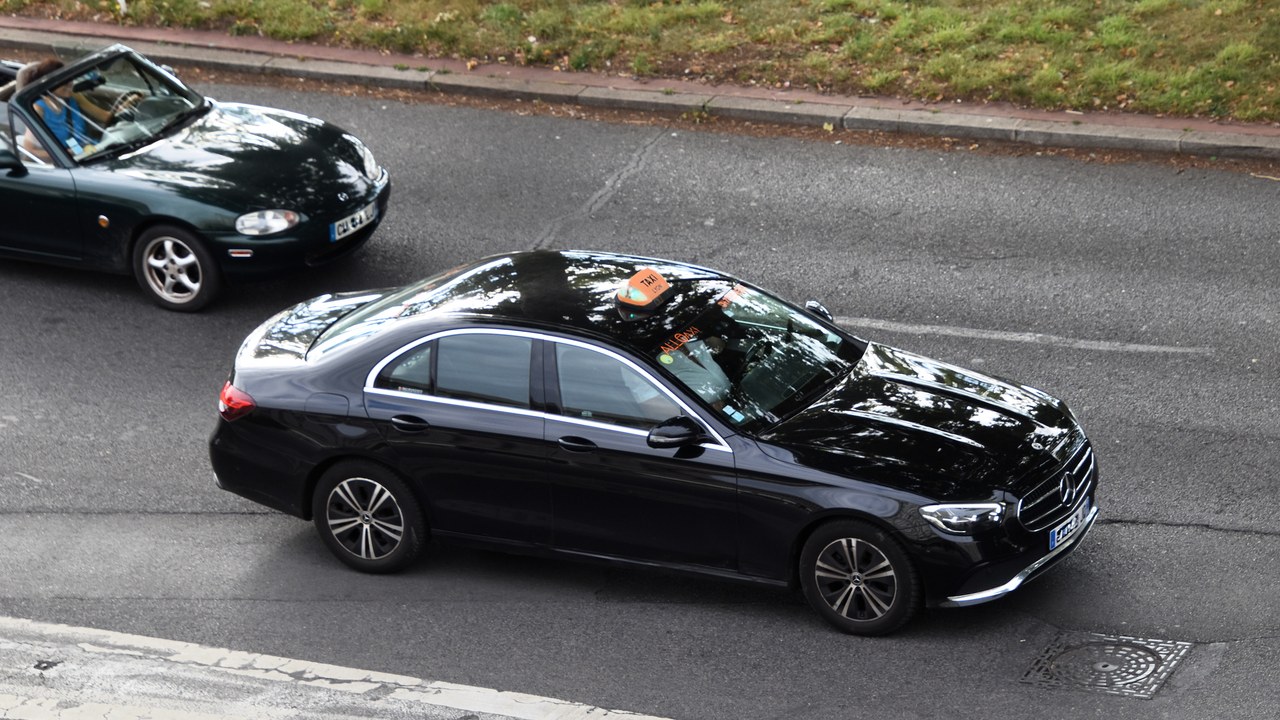
The Mercedes-Benz E-Class has served as the brand’s benchmark midsize sedan for generations, setting the pace for ride comfort and interior technology that competitors chase. Documented across decades in the E-Class model history, the car pairs a smooth ride with a cabin that has aged well against newer rivals, which keeps demand for used examples strong even as prices fall well below the original sticker. Steep first-owner depreciation is what makes a two- or three-year-old E-Class attainable at a mainstream sedan price.
Air suspension and advanced electronics can be costly to repair once components wear out, so a used E-Class benefits from a full service record. Sticking with a car that stayed on Mercedes-approved maintenance keeps that long-term risk manageable.
6. Cadillac CT5: American Luxury, Quick Drop
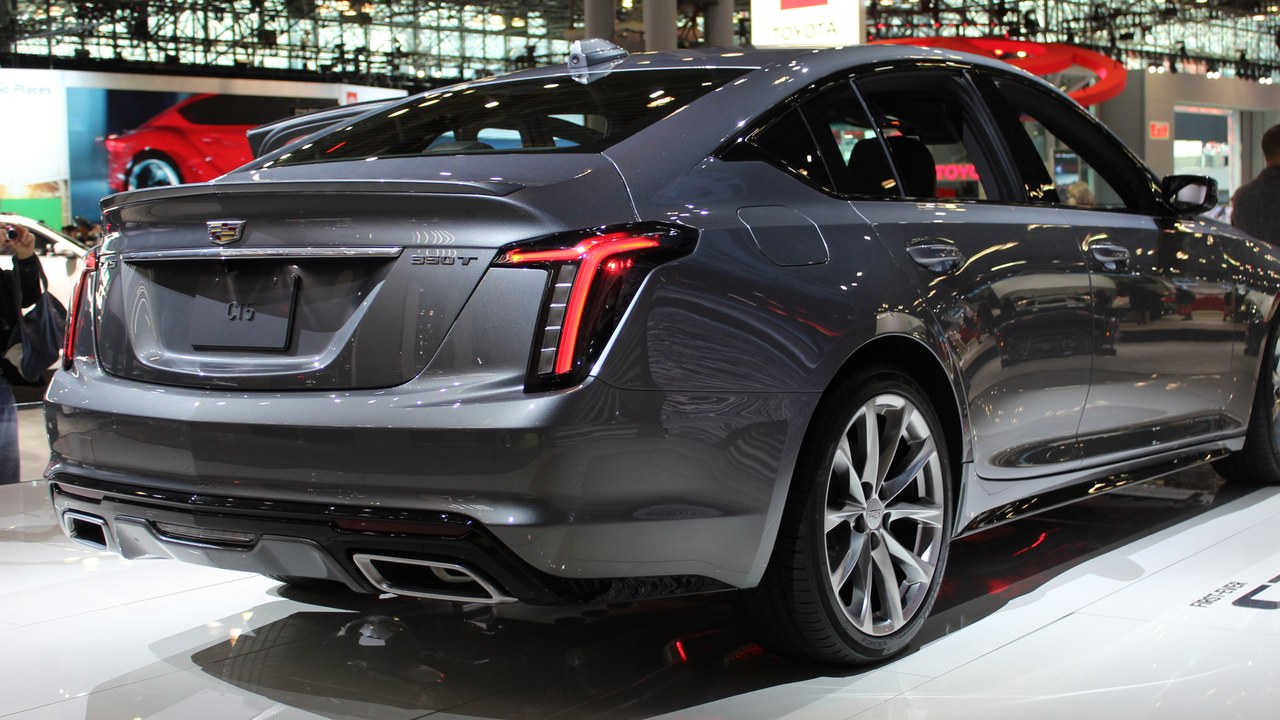
The Cadillac CT5 delivers rear-wheel-drive dynamics and a cabin finished to compete with German rivals, but American luxury sedans traditionally depreciate faster than their import counterparts. The Cadillac CT5 specifications include a turbocharged four-cylinder or a twin-turbo V6 in the performance-oriented CT5-V, giving used shoppers a range of power outputs to choose from. That quicker depreciation curve means a lightly used CT5 can be had for notably less than a comparable 5 Series or E-Class.
Cadillac’s dealer network is smaller than the established German brands in some regions, which can mean fewer nearby service options. Resale value also softens faster than European rivals, a tradeoff buyers should weigh if reselling within a few years is likely.
7. Jaguar XF: Striking Design, Steep Fall
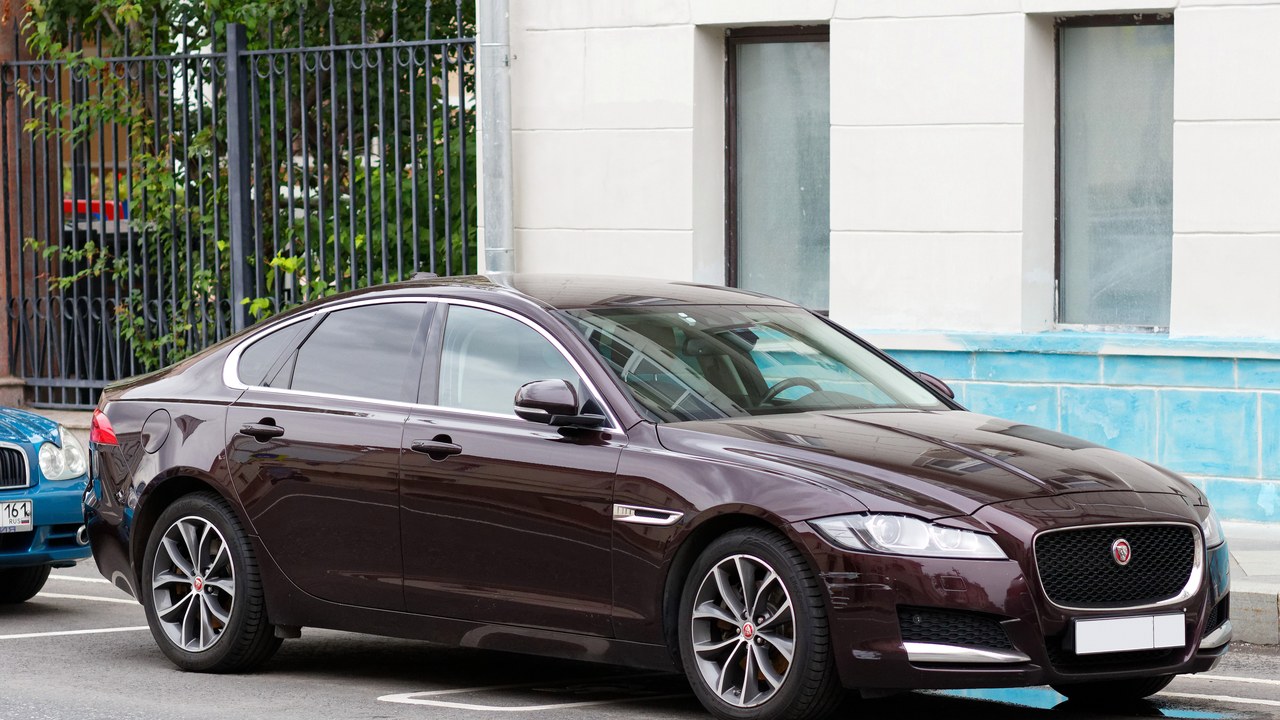
The Jaguar XF pairs a low, sculpted silhouette with a cabin that leans into British craftsmanship, and few luxury sedans lose value as steeply once they leave the showroom. Details on the car’s engines and generations sit in the Jaguar XF overview, spanning supercharged V6 options and later turbo four-cylinder engines. That steep depreciation turns a once-premium price tag into one of the least expensive ways into a genuinely striking luxury sedan.
Jaguar’s smaller dealer footprint and a reputation for electrical quirks in older models mean a pre-purchase inspection matters more here than with mainstream luxury brands. Buyers who verify service history and address warning-light issues early tend to have the best experience.
8. Volvo S90: Scandinavian Calm, Lower Cost
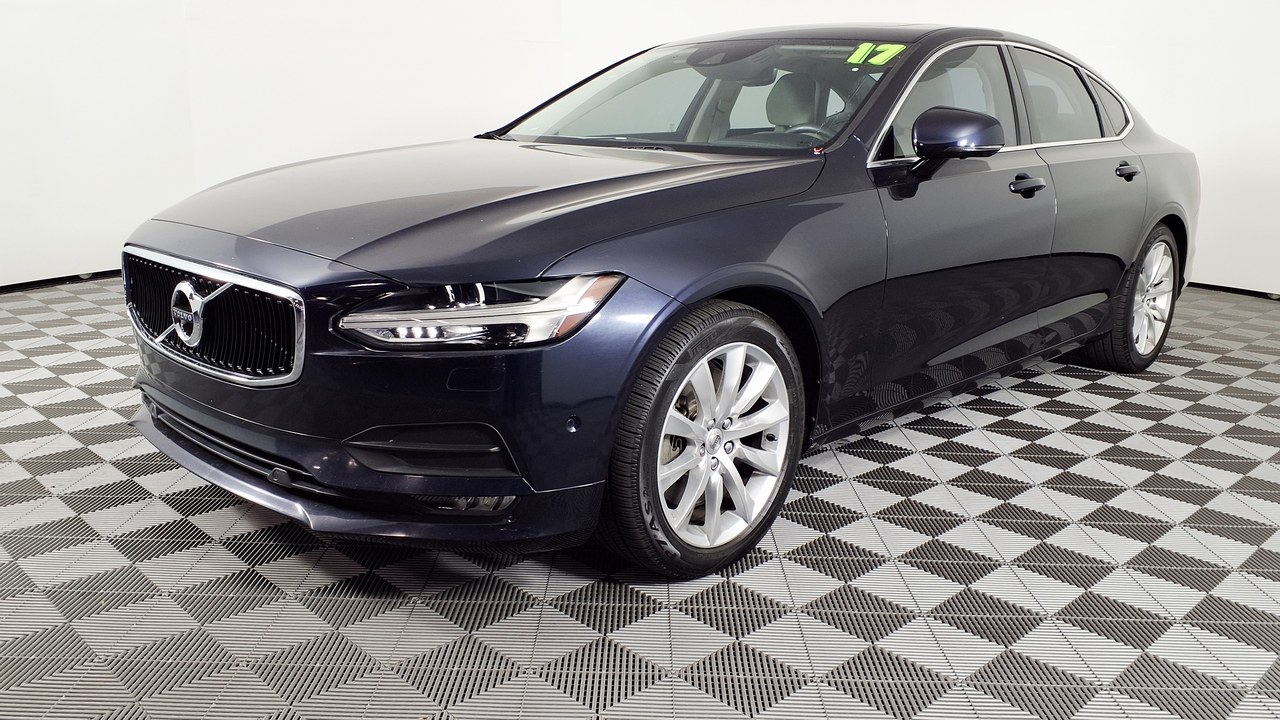
The Volvo S90 trades flash for calm, understated Scandinavian design, with a cabin built around clean lines, natural materials and the safety technology Volvo is known for. The Volvo S90 lineup offers turbocharged four-cylinder and plug-in hybrid powertrains, and because the S90 sells in smaller numbers than German rivals, used examples tend to sit on lots longer and price accordingly. That slower-moving inventory is what lets patient shoppers negotiate a genuine luxury sedan down to a mainstream price.
Parts and specialized service can be harder to find outside larger metro areas, since Volvo’s dealer network is thinner than BMW’s or Mercedes’s. Buyers in smaller markets should confirm a nearby service option before committing to daily ownership.
9. Lincoln Continental: Quiet Flagship, Cheap Now
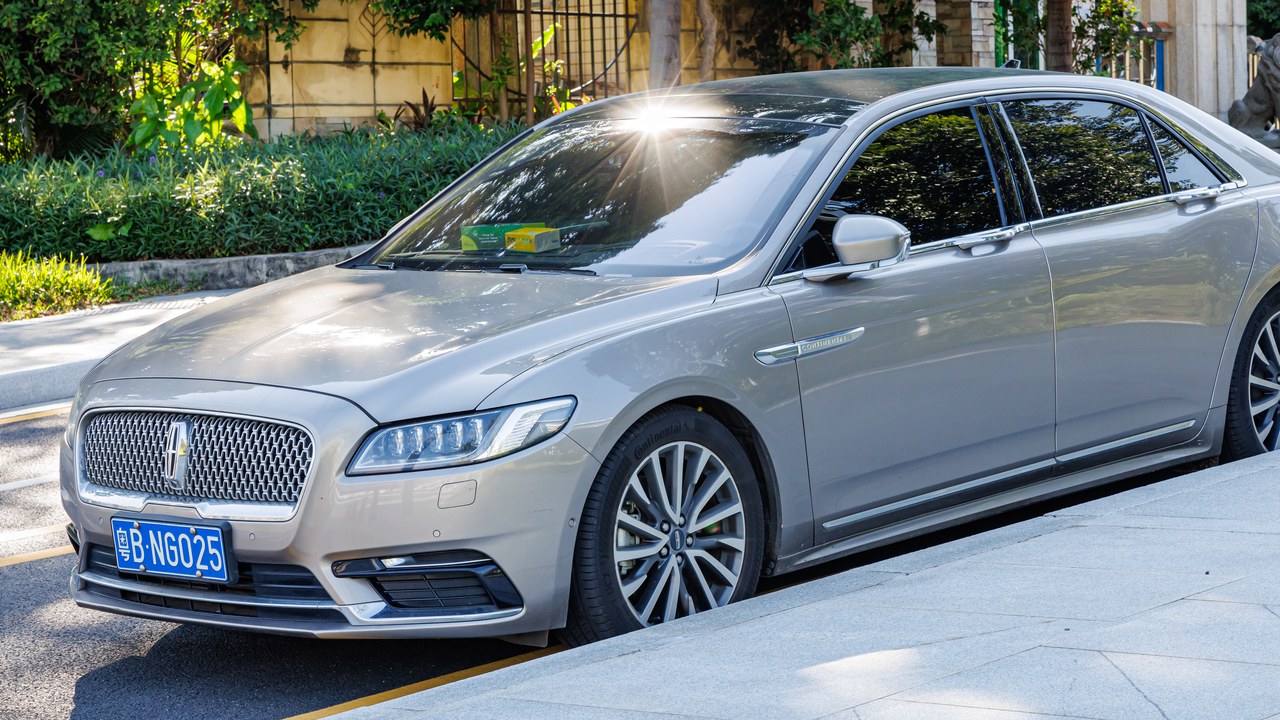
The Lincoln Continental returned in 2017 as a full-size flagship built around a hushed cabin, wide rear seats and a suspension tuned for quiet cruising rather than sport. Production details and trim history sit in the Lincoln Continental history, which covers the model’s run before Lincoln discontinued sedans to focus on SUVs. That discontinuation, combined with modest original sales, pushed used prices down quickly, leaving a spacious, comfortable flagship available for a fraction of what the first owner paid.
Because Lincoln no longer sells a sedan, finding a dealer technician familiar with the Continental’s specific systems can take extra effort in some areas. Owners who locate a shop experienced with Ford’s Lincoln lineup generally avoid the biggest service headaches.
More from Morning Overview
- A handful of car transmissions are so tough that mechanics say they almost never die
- Card skimmers hidden on gas pumps are draining accounts, and there’s a quick way to spot them
- The NSA warns one messaging setting can clone your texts to a stranger
- Security experts still urge phone owners to switch off one location-tracking setting
