
A timing belt failure can strand a car and sometimes wreck the engine underneath it, which is why some automakers still build engines around a metal chain instead. Toyota, Honda, Mazda, Ford, GM, BMW and Subaru all sell engines that skip that belt-replacement interval, though the switch often happened generation by generation rather than nameplate-wide. Here are ten cars whose engines spare owners that particular repair bill.
1. Toyota Corolla: No Belt Interval To Budget For
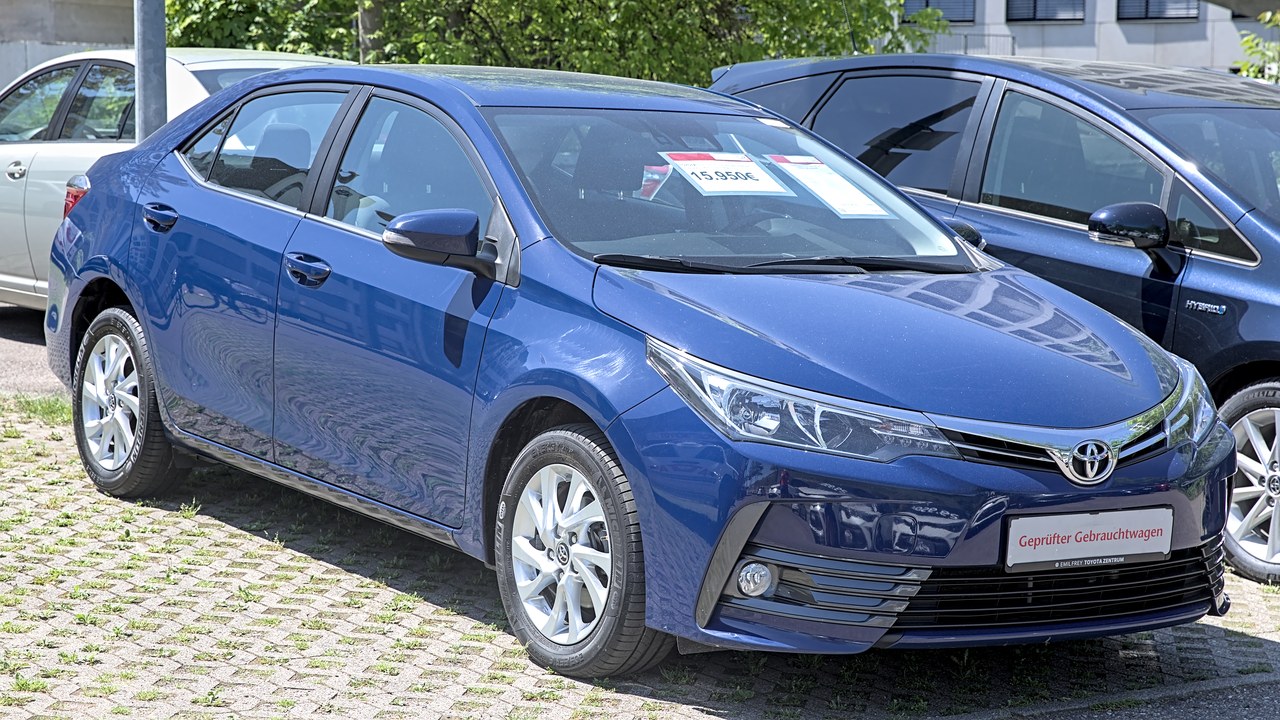
Toyota’s compact sedan has run chain-driven four-cylinders across recent generations, from the 1.8-liter 2ZR-FE to the newer Dynamic Force units, sparing owners the scheduled belt replacement that trips up rival compacts. An independent longevity study ranked the Corolla among the highest-mileage cars still on the road, pointing to durable internals as part of the reason.
For a used-car shopper, that removes one five-figure-mile maintenance bill from the budget, though the accessory drive belt and water pump still wear on their own separate schedule.
2. Honda Accord: A Belt-Era Engine Left Behind
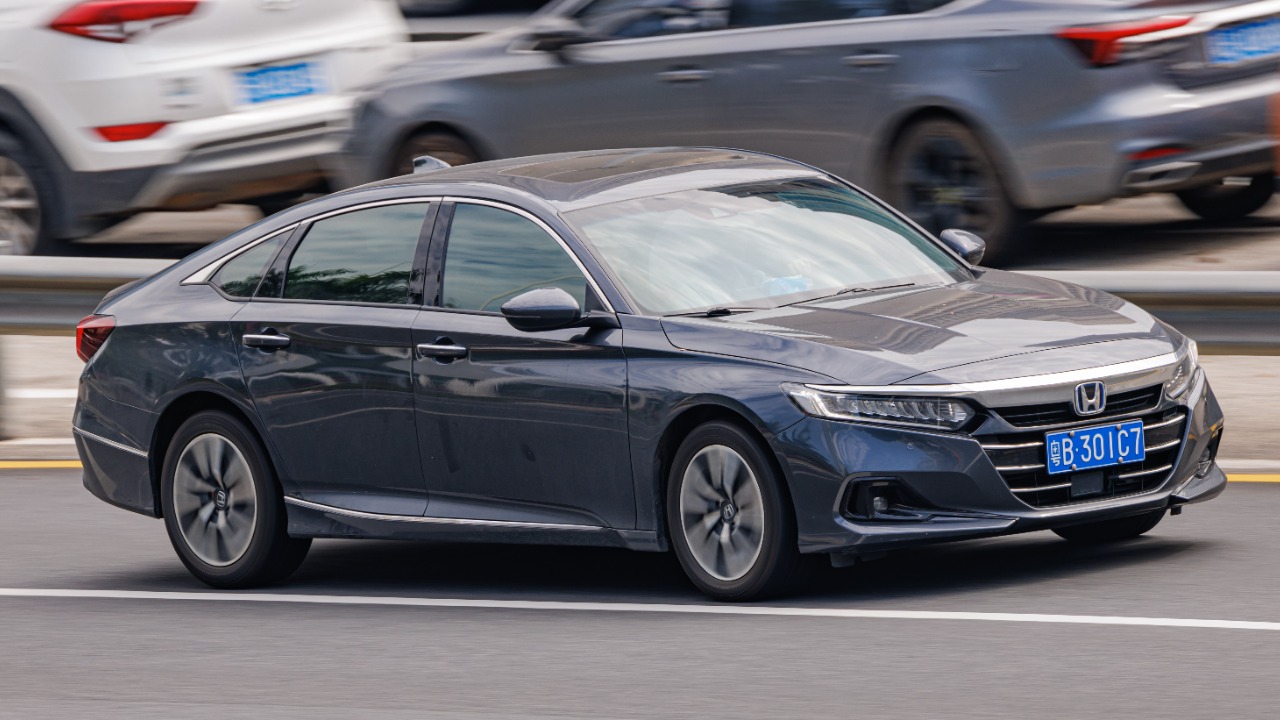
Honda moved the Accord’s four-cylinder off a rubber timing belt years ago, and the current K24-based engine drives its camshafts with a chain meant to last the life of the car, unlike the SOHC engines Honda sold through the 1990s. The model’s production history shows a clear split between belt-era and chain-era four-cylinders.
A shopper eyeing an older Accord should still confirm which generation and engine sit under the hood, since the switch to a chain arrived gradually rather than in one clean model-year cutover.
3. Toyota Camry: Two Decades Without A Belt
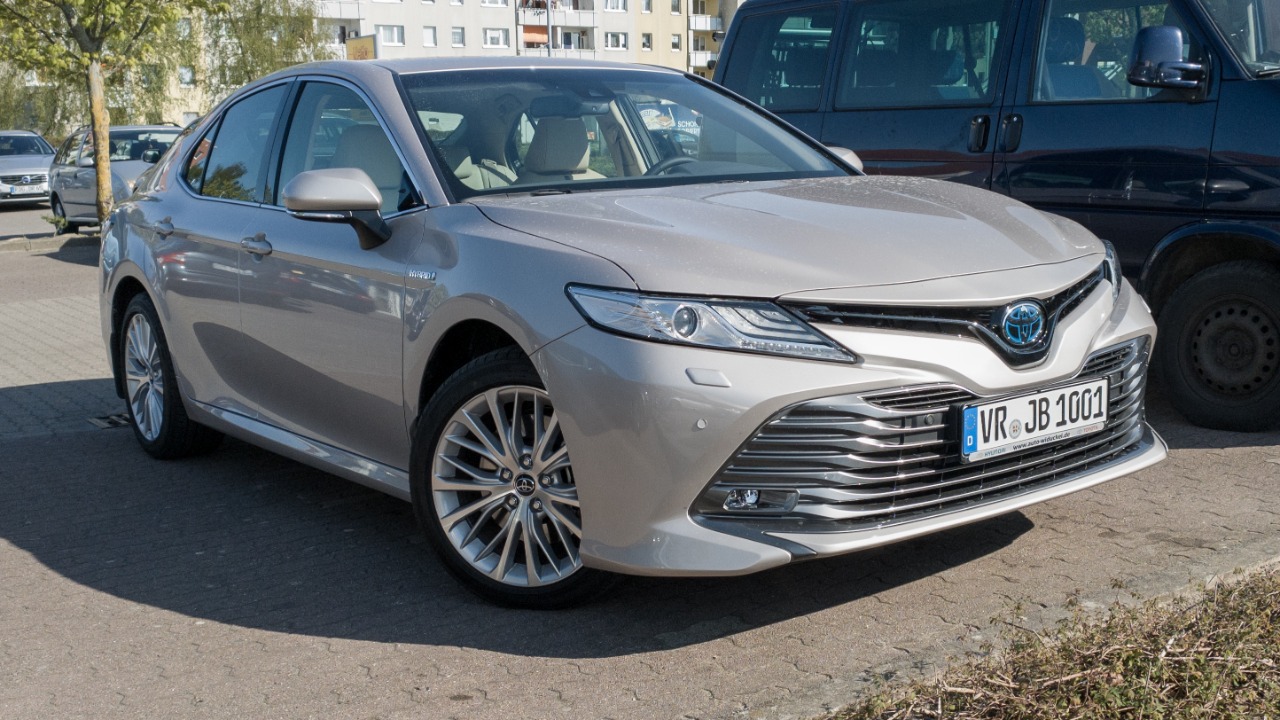
Both the four-cylinder and V6 engines Toyota has fitted to the Camry over the past two decades, including the 2AR-FE and the 2GR-FE, drive their camshafts with a chain instead of a belt, part of the lineage the model’s engineering history traces across generations. That design keeps one costly interval service off the maintenance sheet entirely, generation after generation.
Owners still face a water pump replacement eventually, and the accessory belt that spins the alternator wears on its own timeline, but neither lands on the fixed mileage cliff a cam-belt swap forces.
4. Mazda3: Skyactiv’s Chain-Driven Design
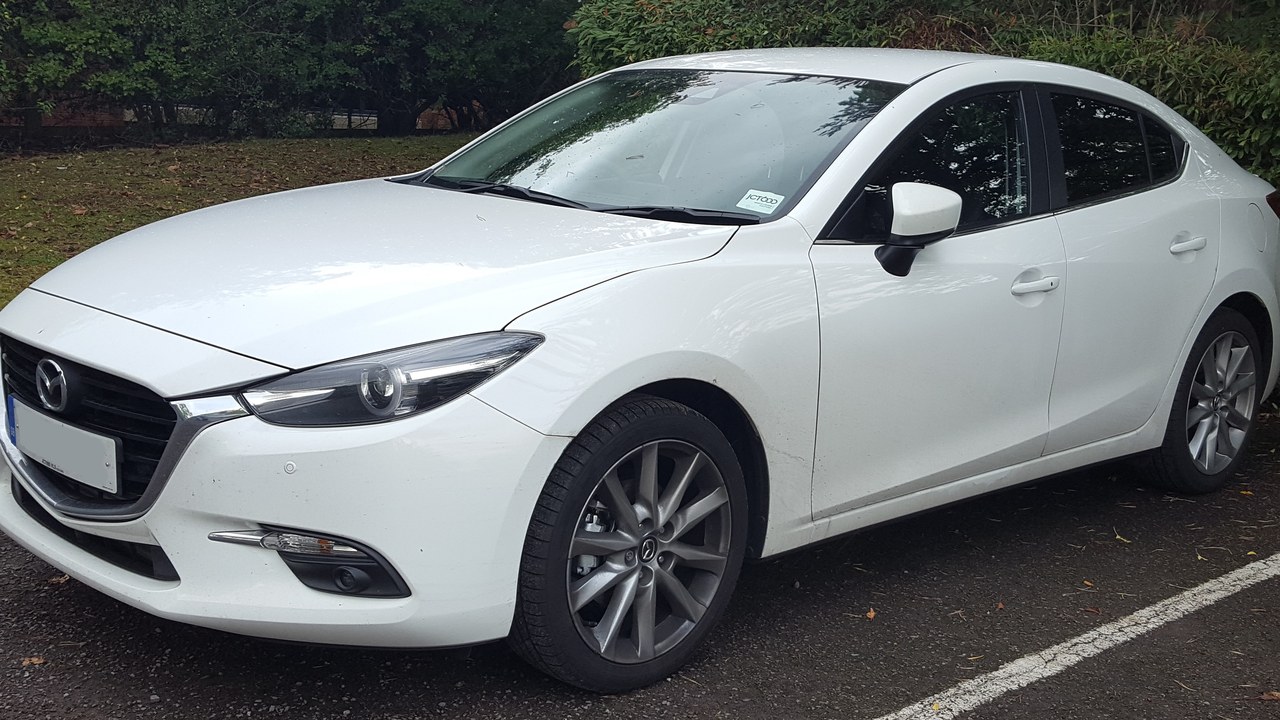
Mazda’s Skyactiv-G four-cylinders, the engines under every current Mazda3, drive their camshafts with a chain rather than a belt, part of the architecture the car’s model overview credits with the hatchback’s reputation for mechanical durability. The chain is engineered to run for the engine’s full service life without a scheduled swap, unlike the belt-driven engines Mazda sold decades earlier.
That lowers total ownership cost on paper, though Mazda still recommends periodic inspection of the tensioner and guides once the chain accumulates high mileage.
5. Chevrolet Silverado: A Small-Block Legacy Choice
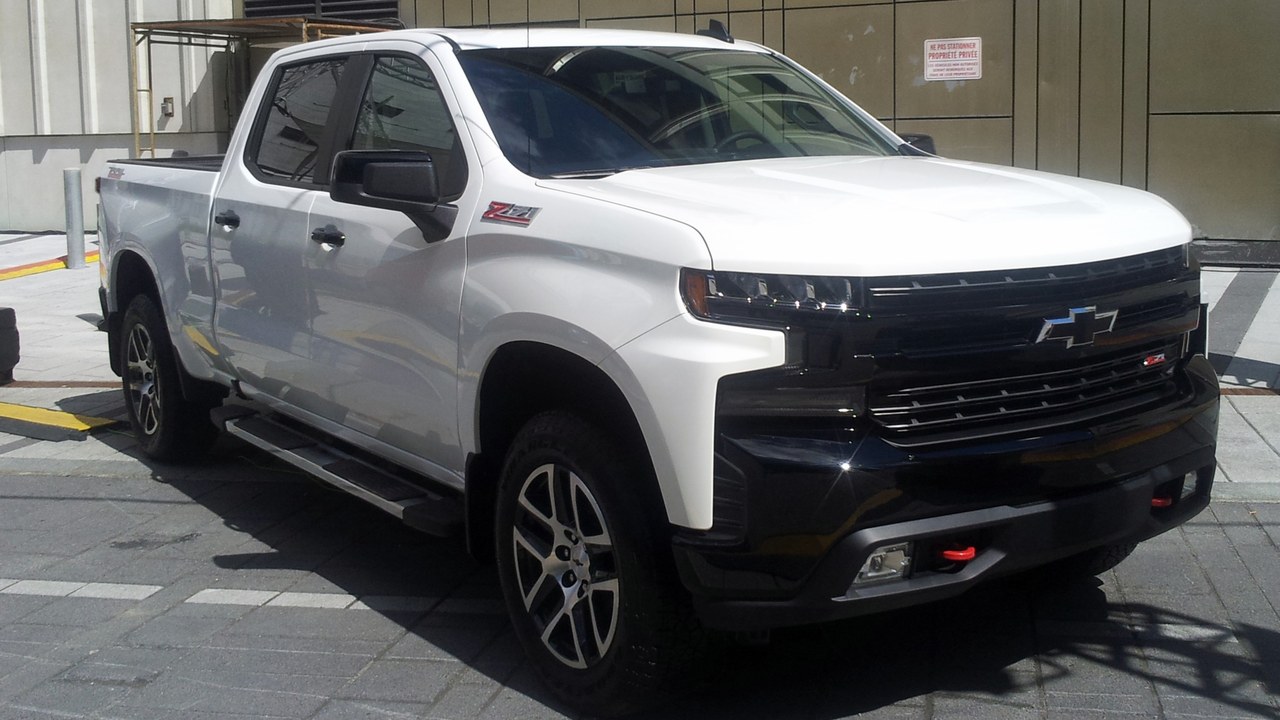
GM’s small-block V8s, the engines that have powered the Silverado across generations, drive their camshafts with a timing chain, a detail the truck’s platform history traces back to the small-block architecture’s original design. Chain-driven cams carried through the EcoTec3 and current L8-series V8 updates.
For a truck bought to tow or work, that consistency matters more than on a commuter car, since a stretched or broken belt on a loaded grade is a risk the Silverado’s engines were never built around.
6. Ford Mustang: Both Engines Skip The Belt
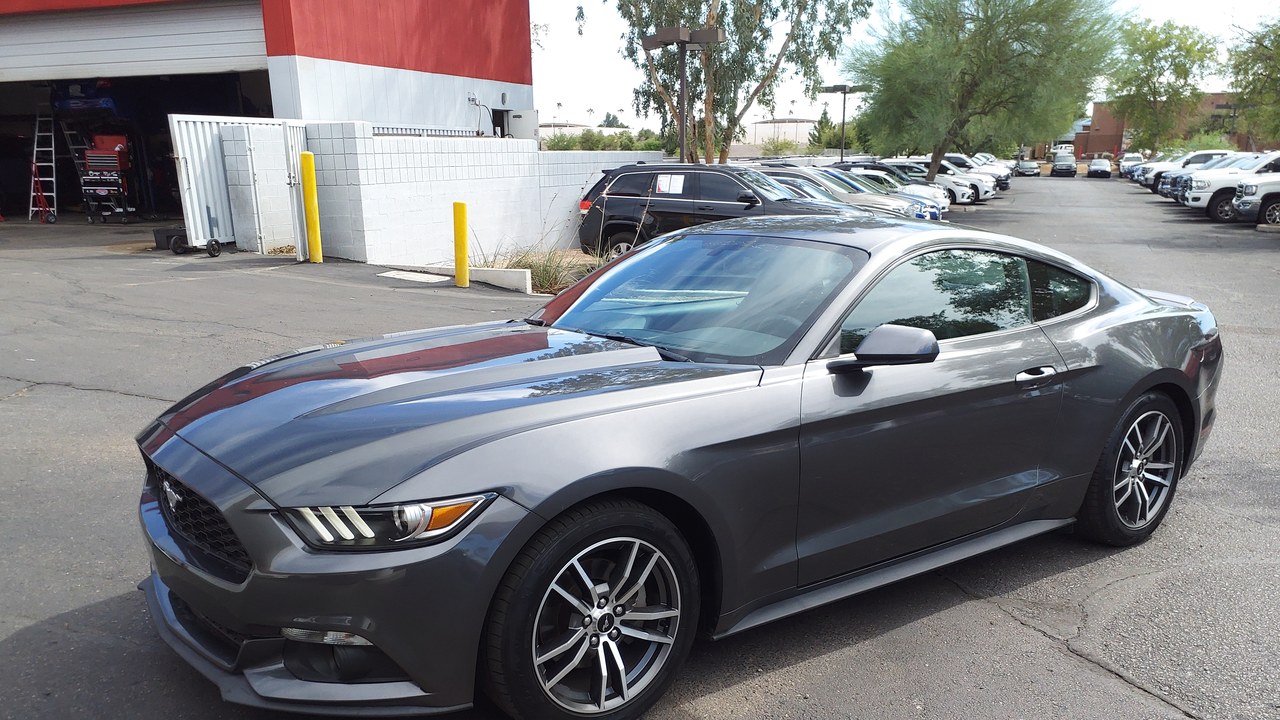
The Coyote 5.0-liter V8 that powers V8 Mustangs drives its four camshafts with chains rather than a belt, a detail built into the engine family once Ford moved to dual overhead cams, according to the model’s production record. Ford’s older single-cam V8s of the 1990s ran chains too, so the Mustang has stayed belt-free across most of its modern history.
Four-cylinder EcoBoost Mustangs share that chain-driven layout, so the belt-replacement bill that hits many turbocharged rivals never applies to either engine offered in the current lineup.
7. BMW 3 Series: A Chain With Its Own History
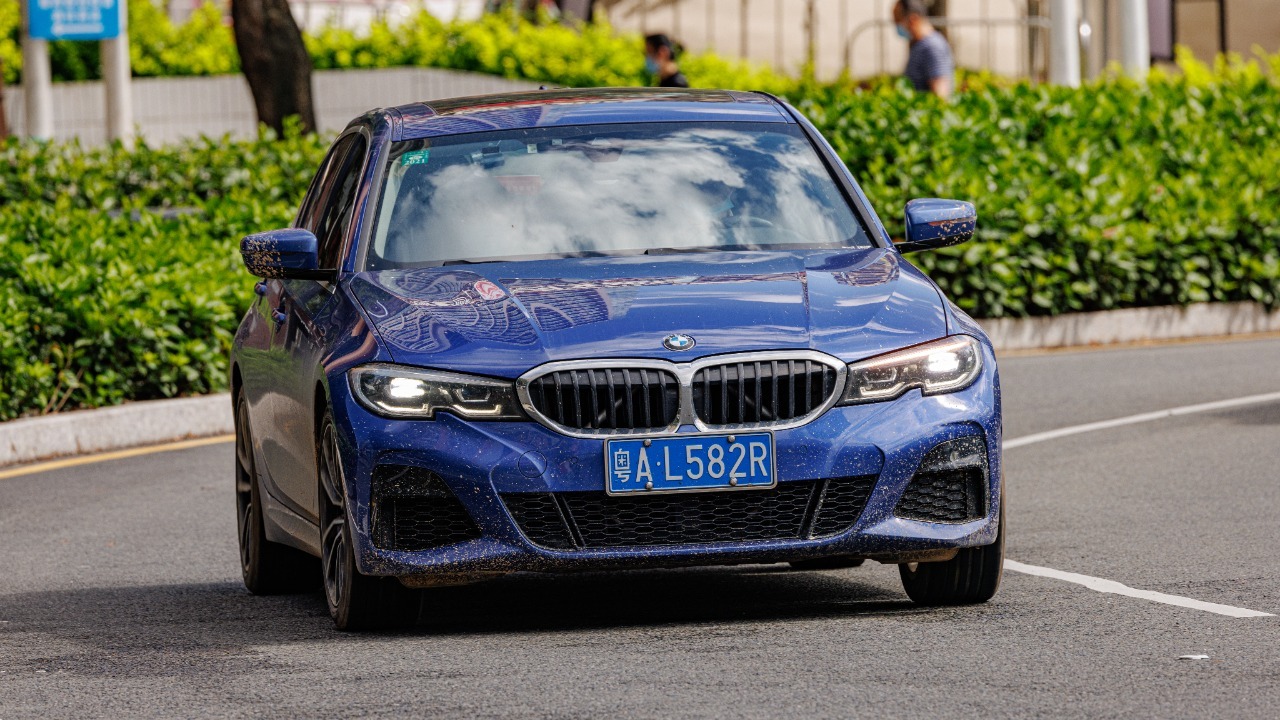
BMW’s inline four- and six-cylinder engines, including the B48 and B58 units in the current 3 Series, drive their camshafts with a timing chain, a detail the model’s engine lineup history confirms across recent generations. The chain sits behind the block, timed to run without a fixed-interval swap.
That chain has its own documented failure points on older N20 and N47 units, so a buyer should still weigh a pre-purchase inspection against the peace of mind a chain is supposed to provide.
8. Subaru Outback: The Boxer Engine’s Big Switch
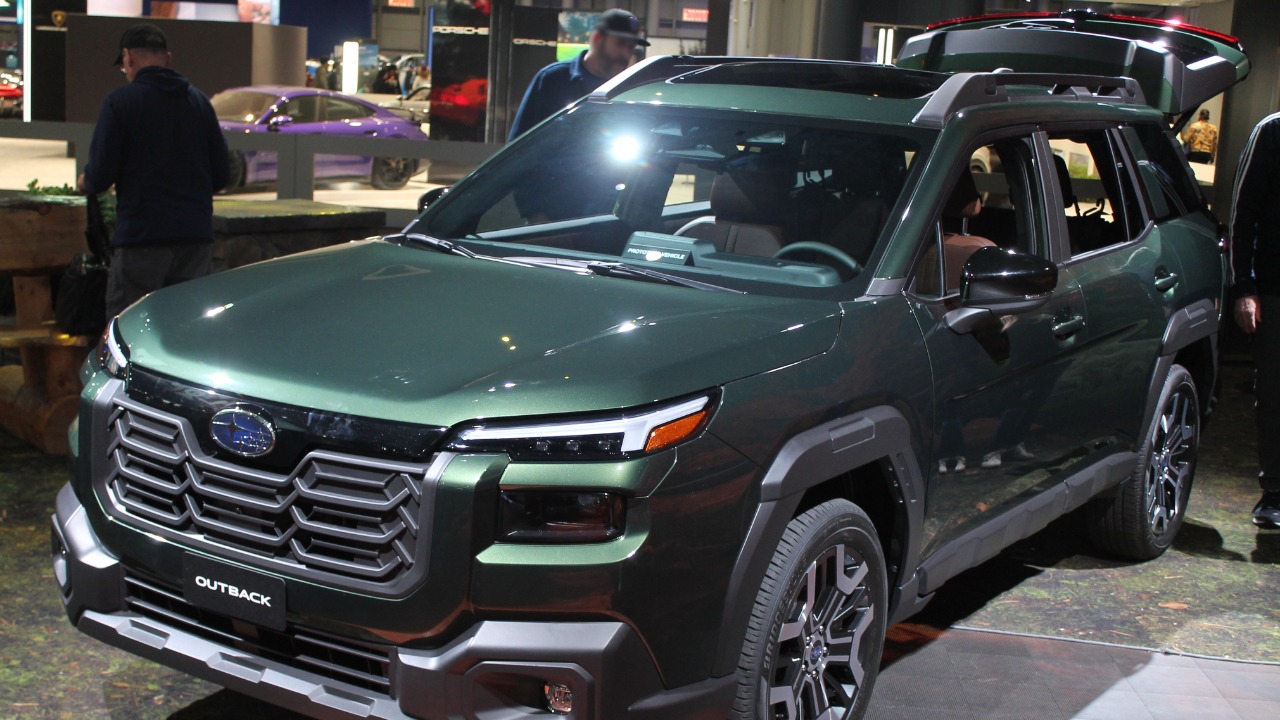
Subaru’s earlier EJ-series boxer engines ran a rubber timing belt that needed replacement around the 100,000-mile mark, but the newer FB-series engines under the current Outback switched to a chain, a change the model’s generational history lays out alongside the rest of the FB redesign introduced in the early 2010s for both the four-cylinder and six-cylinder lineup.
That split matters for a used buyer: an older EJ-powered Outback still needs belt service on schedule, while a newer FB-powered one built after the switch does not, all else being equal.
9. Toyota Tacoma: Three Generations, One Chain
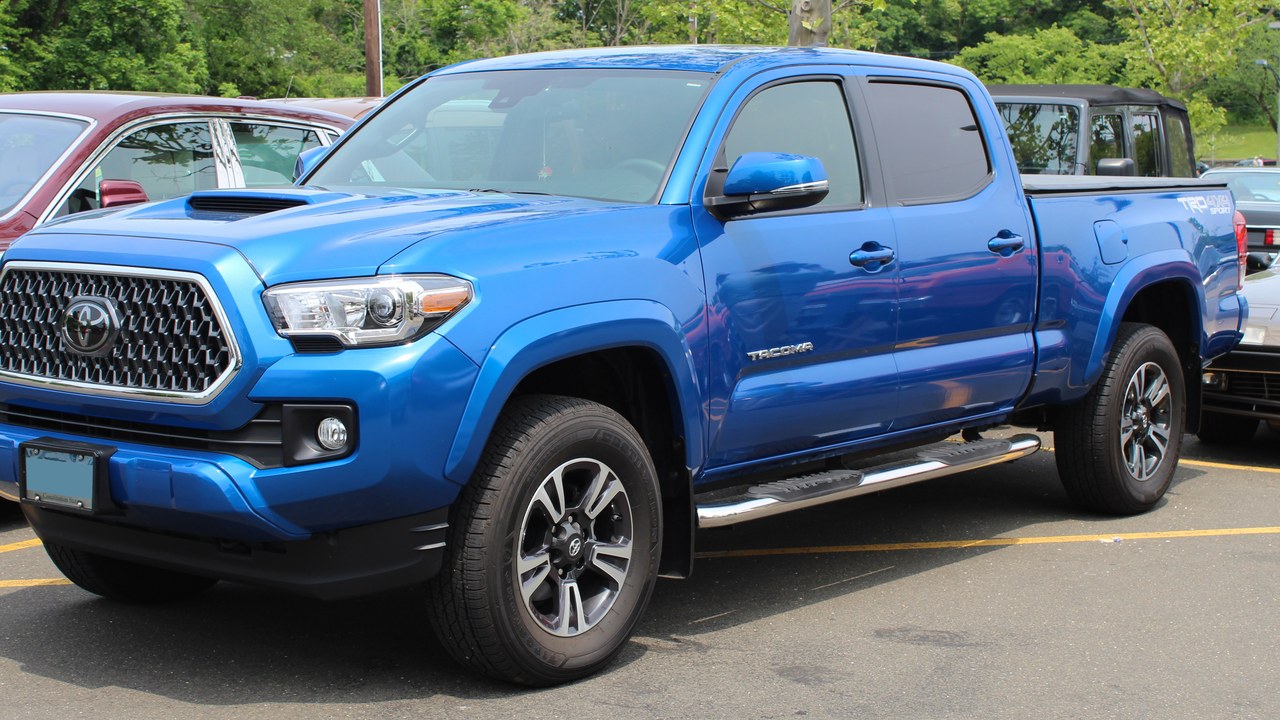
The V6 engines Toyota has fitted to the Tacoma, from the 4.0-liter 1GR-FE to the newer 3.5-liter 2GR-FKS and the latest turbocharged V6, all drive their camshafts with a chain, part of a truck-engine lineage the model’s model history documents across three generations of the midsize pickup and its four-cylinder variants.
For a truck bought to work off-road, tow a trailer, or rack up commercial miles, that removes one more wear part that could fail on a remote trail far from a repair shop.
10. Honda CR-V: Reliability Built Into The Valvetrain
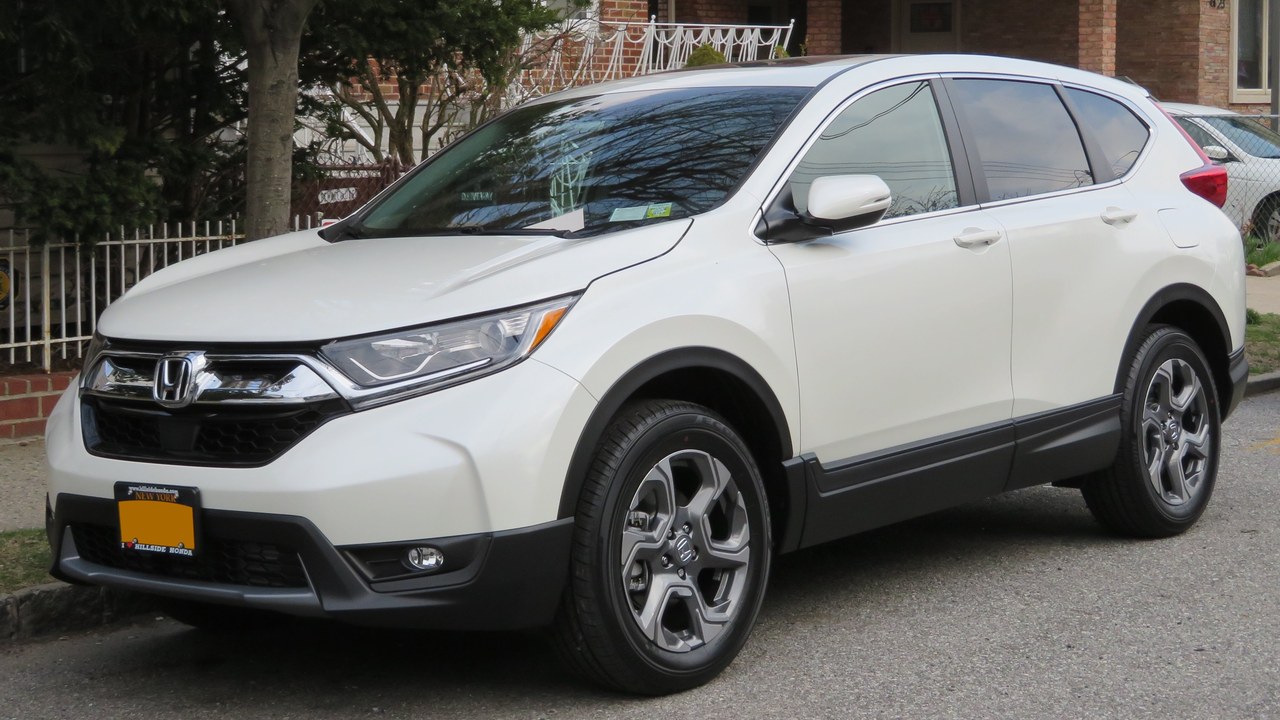
The K24 four-cylinder that has powered the CR-V through most of its life, along with the newer turbocharged engines in recent generations, drives its camshafts with a timing chain rather than a belt, a detail consistent across the model’s engine history since the compact SUV’s earliest generations in the 1990s.
That keeps long-term maintenance costs down for a vehicle Honda markets heavily on reliability, though the chain tensioner and guides remain wear items worth a mechanic’s inspection past high mileage.
More from Morning Overview
- The NSA is again telling phone owners to switch off one location setting
- Four U.S. startups fired up their first small nuclear reactors, aiming to power AI data centers on-site
- 11 engines built to run well past 200,000 miles
- A handful of car transmissions are so tough that mechanics say they almost never die
