
Long-term dependability data rarely agrees on which cars age best, but a handful of models keep turning up near the top of used-vehicle and reliability studies. The list below spans sedans, crossovers and a two-seat roadster, unified by simple engineering and established platforms. Here are ten cars that owners and researchers alike flag for holding up with fewer reported issues.
1. Lexus ES: The Quiet Long-Haul Sedan
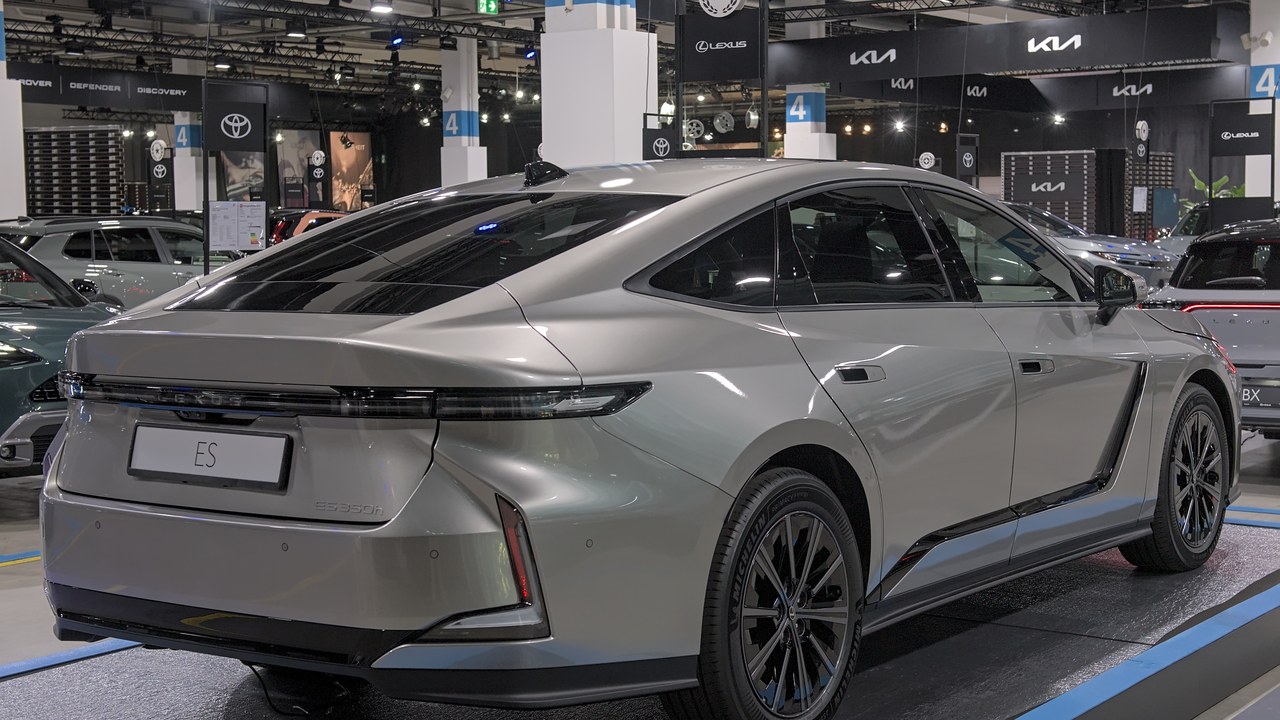
iSeeCars’ longevity study tracks what share of used vehicles from each model surpass 200,000 miles, and Lexus’s sedans consistently land near the top of the longest-lasting cars study. The ES rides on the same TNGA-K platform underpinning the Toyota Camry and Avalon, pairing Toyota-sourced drivetrains with Lexus’s added sound insulation and interior refinement.
For a buyer past the five-year mark, that shared engineering matters: the ES draws on parts and service networks built around some of the highest-volume, best-supported powertrains on the road, which keeps long-term repair costs lower than most luxury competitors.
2. Toyota Camry: America’s Default Sedan Choice
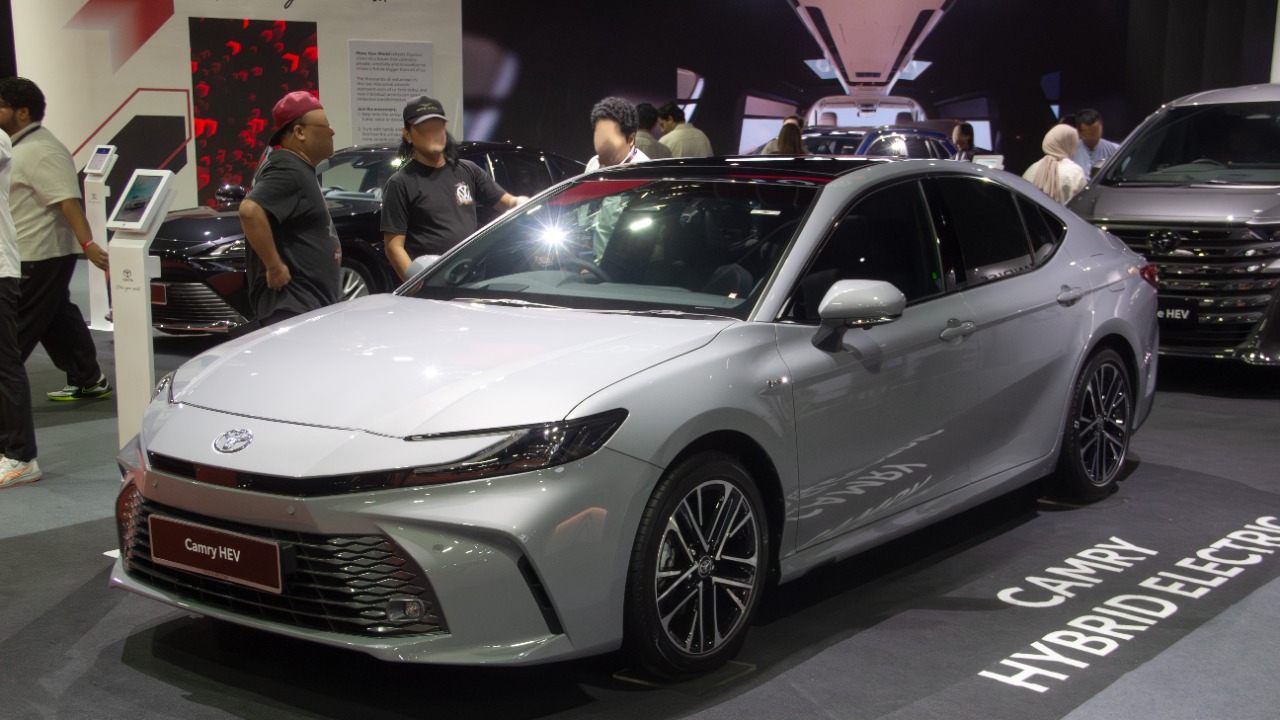
The Camry has been one of the best-selling passenger cars in the United States for more than two decades, a run detailed on the model’s Wikipedia entry that traces eight generations back to 1982. Toyota shifted the current generation to an all-hybrid lineup, dropping the standalone four-cylinder and V6 options that had defined earlier versions.
That sales volume is itself a proxy for trust: a car bought by hundreds of thousands of households each year survives mostly on repeat business, and Toyota’s move to a simpler, single hybrid powertrain removes one more point of mechanical failure for owners keeping theirs past five years.
3. Lexus NX: The Small Luxury SUV Built On Proven Bones
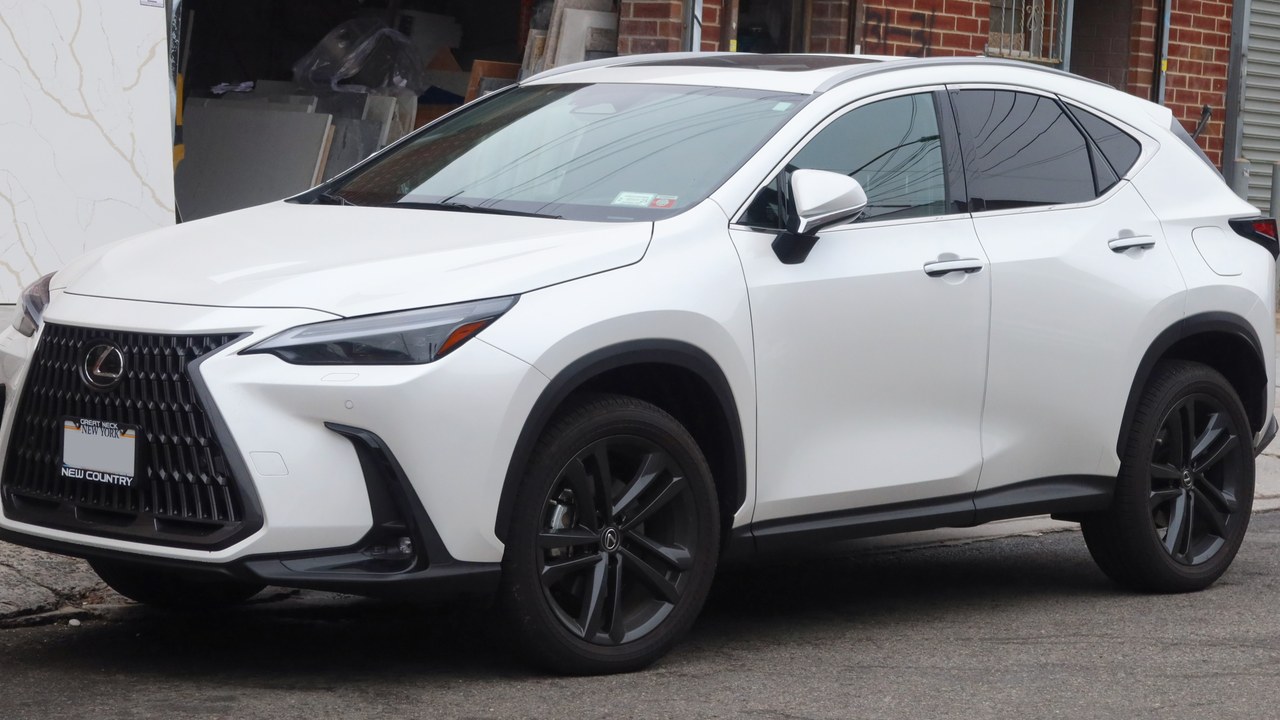
The NX shares its platform, hybrid system and much of its running gear with the Toyota RAV4, a lineage documented on the SUV’s Wikipedia page. Lexus offers the NX as a standard hybrid or a plug-in hybrid, both built around Toyota’s long-running four-cylinder hybrid drivetrain rather than a bespoke luxury-only engine.
Borrowing a mainstream platform instead of engineering something unique tends to pay off after the warranty ends, since parts, diagnostic knowledge and independent-shop familiarity for the underlying hardware are already widespread by the time an NX reaches five years old.
4. Toyota Corolla: The World’s Best-Selling Nameplate
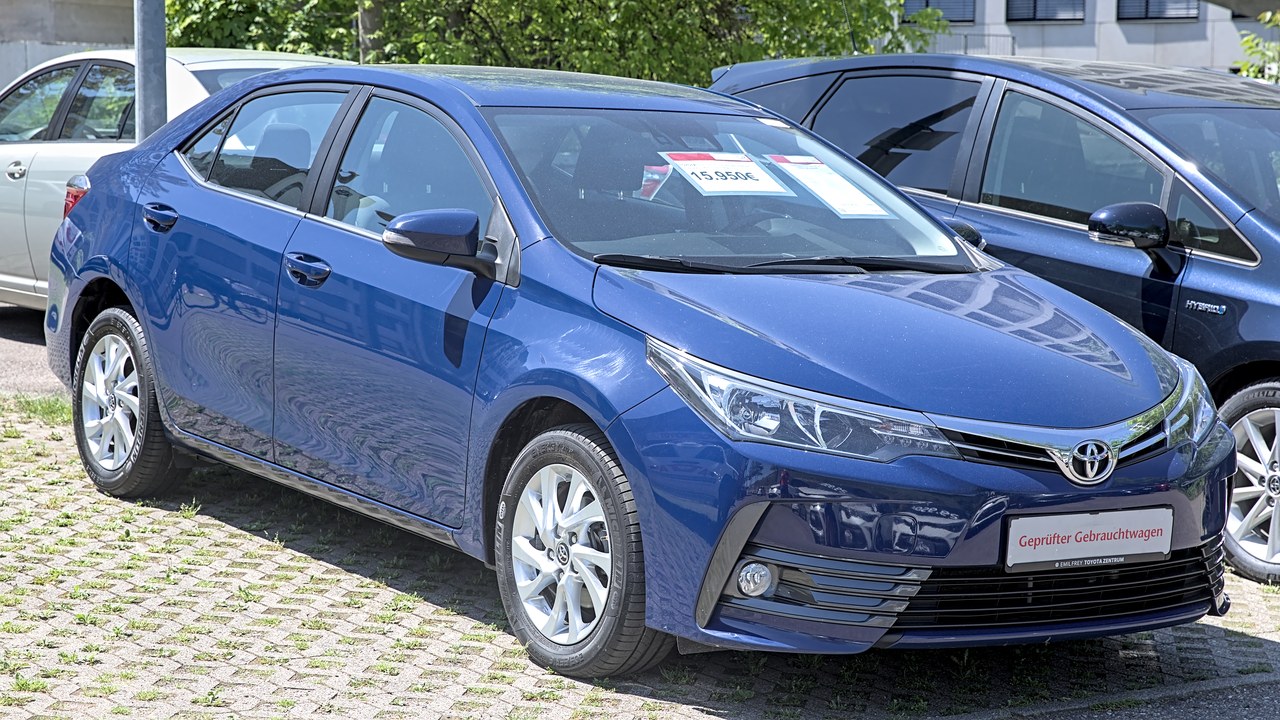
Wikipedia’s entry on the Toyota Corolla credits the nameplate as one of the best-selling car lines in history, in continuous production since 1966 across twelve generations. The current generation is built on Toyota’s TNGA-C platform, shared with the Corolla Cross and several Lexus compact models.
Six decades of iteration mean most of the Corolla’s mechanical quirks were solved generations ago; a car built on a platform this mature has fewer first-generation surprises, which is part of why owners hanging onto one past five years tend to report a shorter list of problems than average.
5. Honda Accord: The Midsize Sedan With Deep Roots
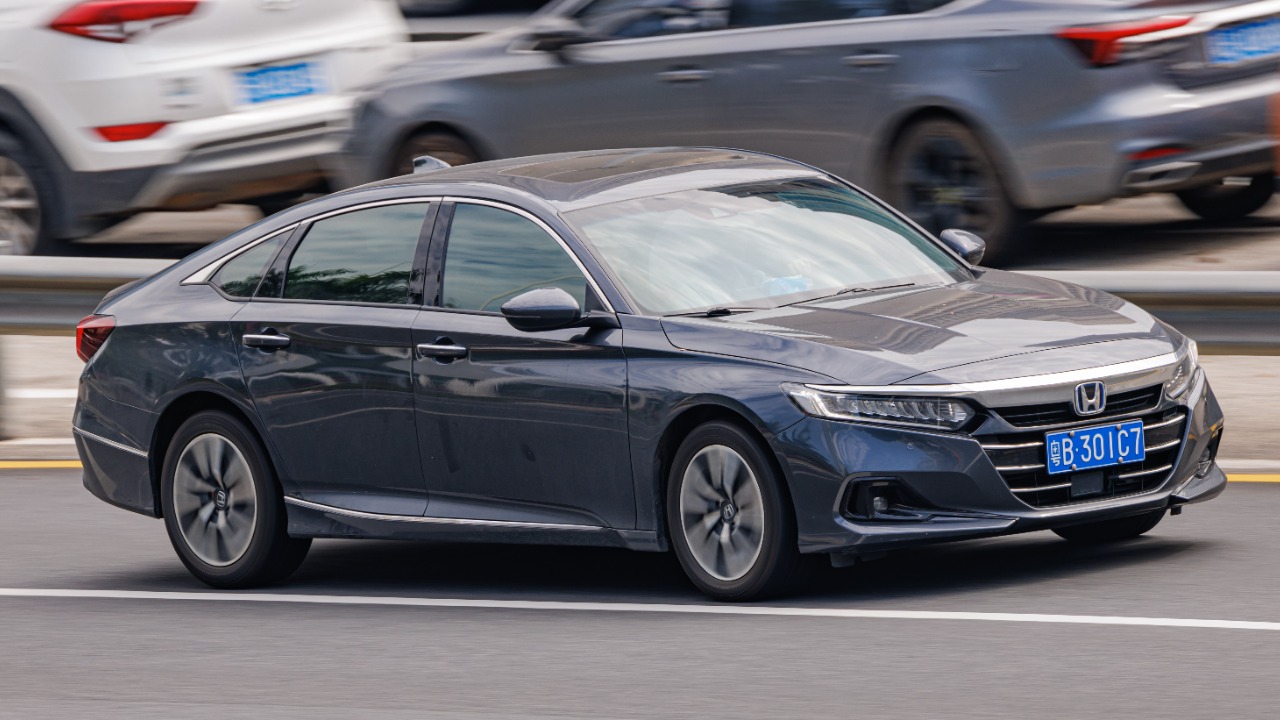
The Accord’s Wikipedia history stretches back to 1976, and the current eleventh-generation car offers a standard hybrid powertrain alongside a turbocharged four-cylinder, both mechanically related to units Honda has refined across several prior Accord and CR-V generations.
A midsize sedan that has been reworked eleven times rather than reinvented gives engineers more chances to fix known weak points before the next redesign, which shows up later as fewer transmission, electrical or drivetrain complaints from owners who keep an Accord well past the five-year mark.
6. Mazda MX-5 Miata: The Guinness Record Roadster
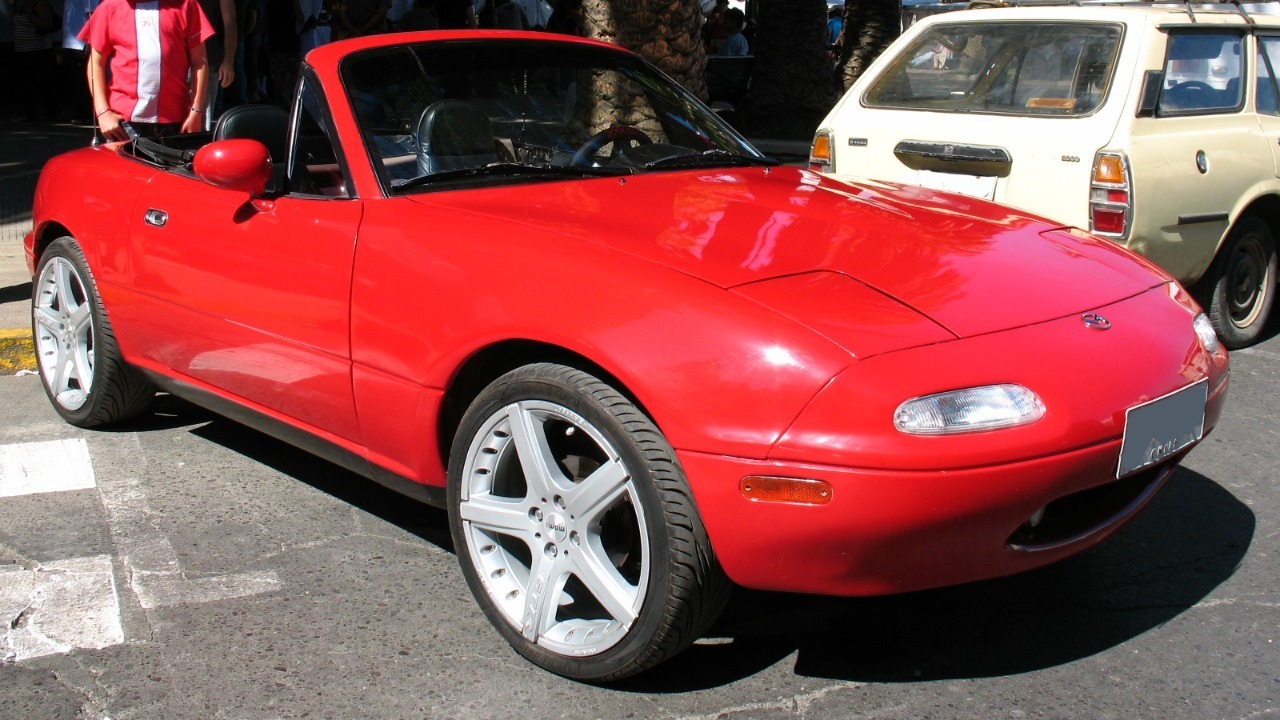
The MX-5’s Wikipedia page notes Guinness World Records recognizes it as the best-selling two-seat sports car in history, a title built on more than three decades of a deliberately simple formula: a small naturally aspirated engine, rear-wheel drive and a manual gearbox with few electronic systems to fail.
Fewer sensors, turbochargers and computer-controlled subsystems than a modern performance car means fewer components that can degrade or throw a fault code, so a well-maintained Miata tends to need little beyond routine service by the time it passes five years on the road.
7. Toyota RAV4: The Best-Selling SUV In America
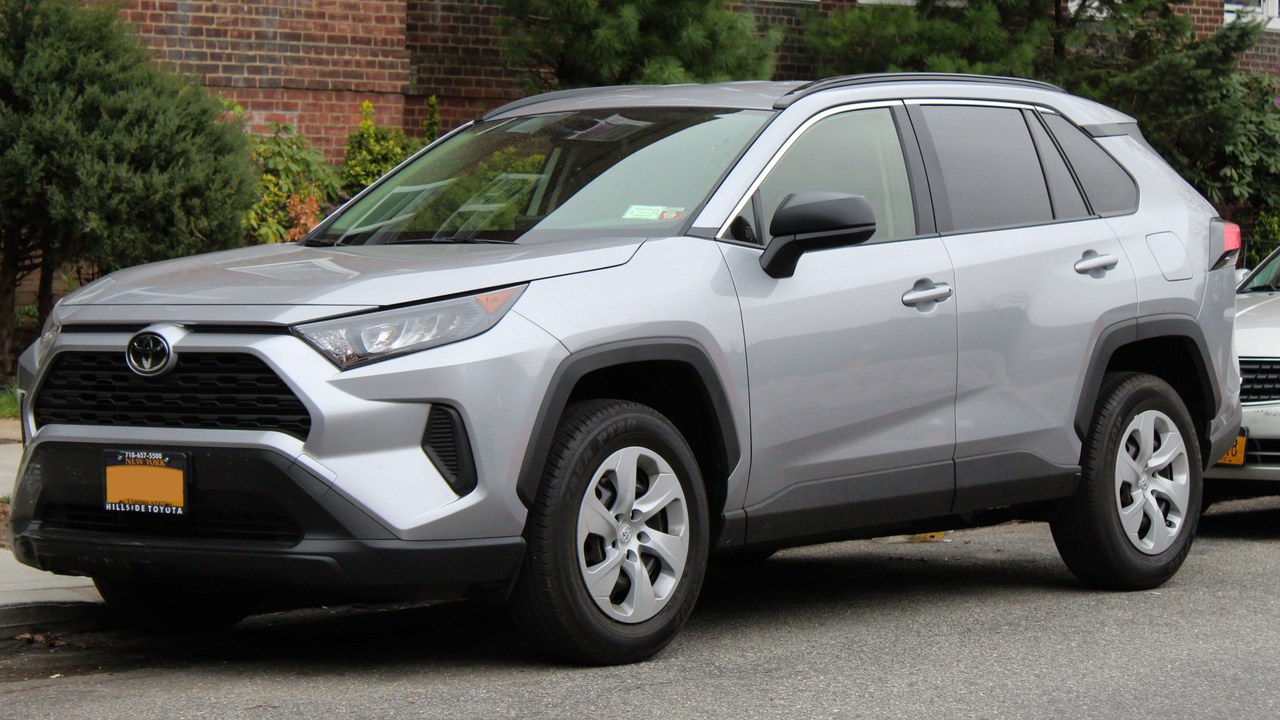
According to the RAV4’s Wikipedia entry, it has ranked among the top-selling SUVs in the United States for years, built on the same TNGA-K platform as the Camry and offered with a hybrid or plug-in hybrid Prime powertrain across its fifth generation.
That platform-sharing puts the RAV4’s mechanical parts, hybrid battery packs and software into some of the highest-volume production runs Toyota builds, meaning any defect tends to surface and get fixed across a huge sample size long before an individual owner’s RAV4 reaches five years old.
8. Lexus GX: The Body-On-Frame Lexus
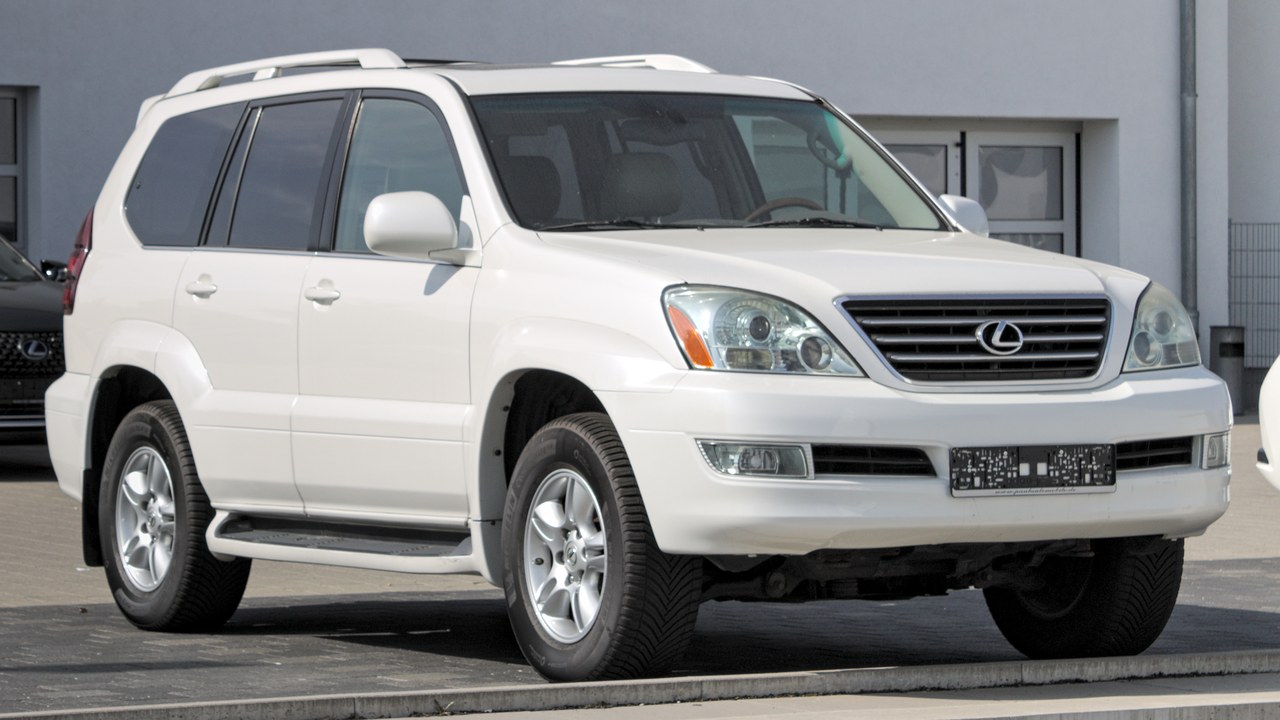
The Lexus GX’s Wikipedia page describes its body-on-frame construction shared with the Toyota Land Cruiser Prado and 4Runner, a truck-based architecture Toyota and Lexus have used across multiple continents for decades rather than a car-based crossover platform.
Body-on-frame trucks generally trade ride comfort for mechanical simplicity, and that traditional layout, paired with running gear proven across several related global models, is why the GX has a reputation for shrugging off the kind of suspension and drivetrain issues that show up in more complex crossovers by year five.
9. Subaru Crosstrek: The Standard-AWD Subcompact
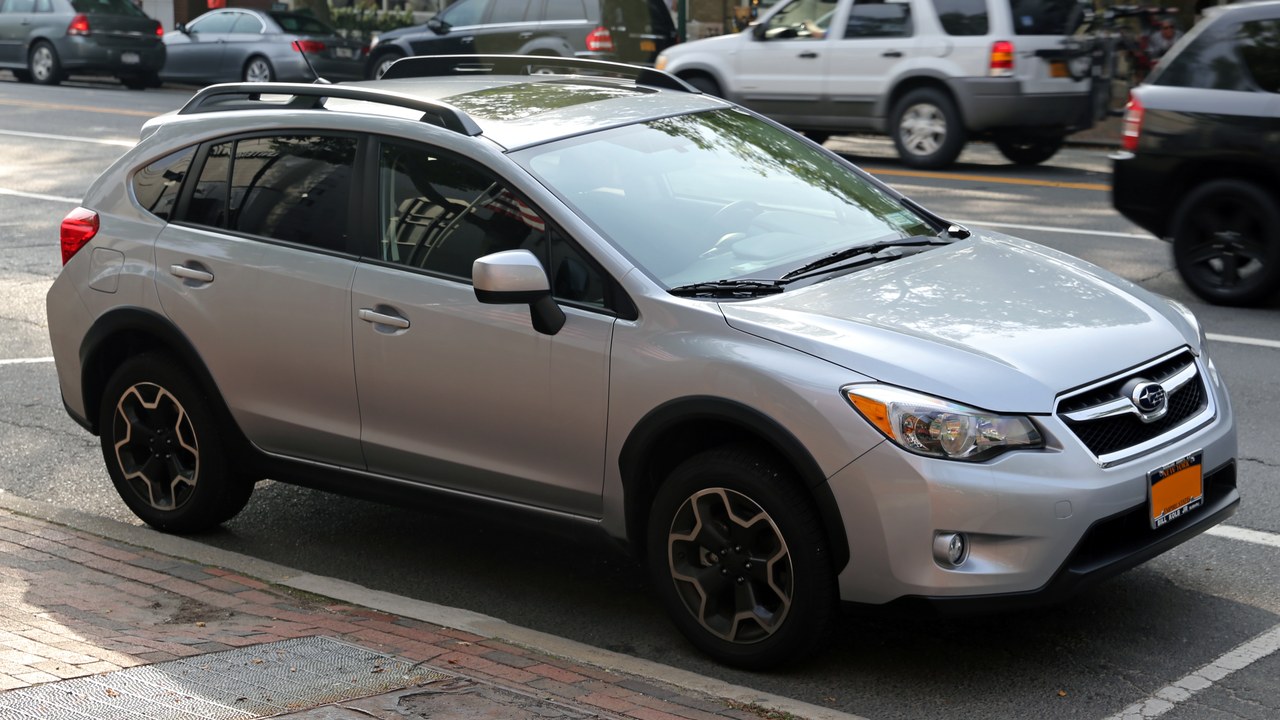
The Crosstrek’s Wikipedia entry describes it as a subcompact crossover built on the Impreza’s platform, with Subaru’s symmetrical all-wheel drive standard on every trim rather than offered as a costly option most buyers skip.
Making all-wheel drive standard instead of optional means the drivetrain is validated across the entire production run rather than a low-volume trim, and Subaru’s flat-four boxer engine in the Crosstrek has changed little in recent generations, leaving fewer new failure points for owners to encounter after five years.
10. Honda CR-V: The Reliable Default Crossover
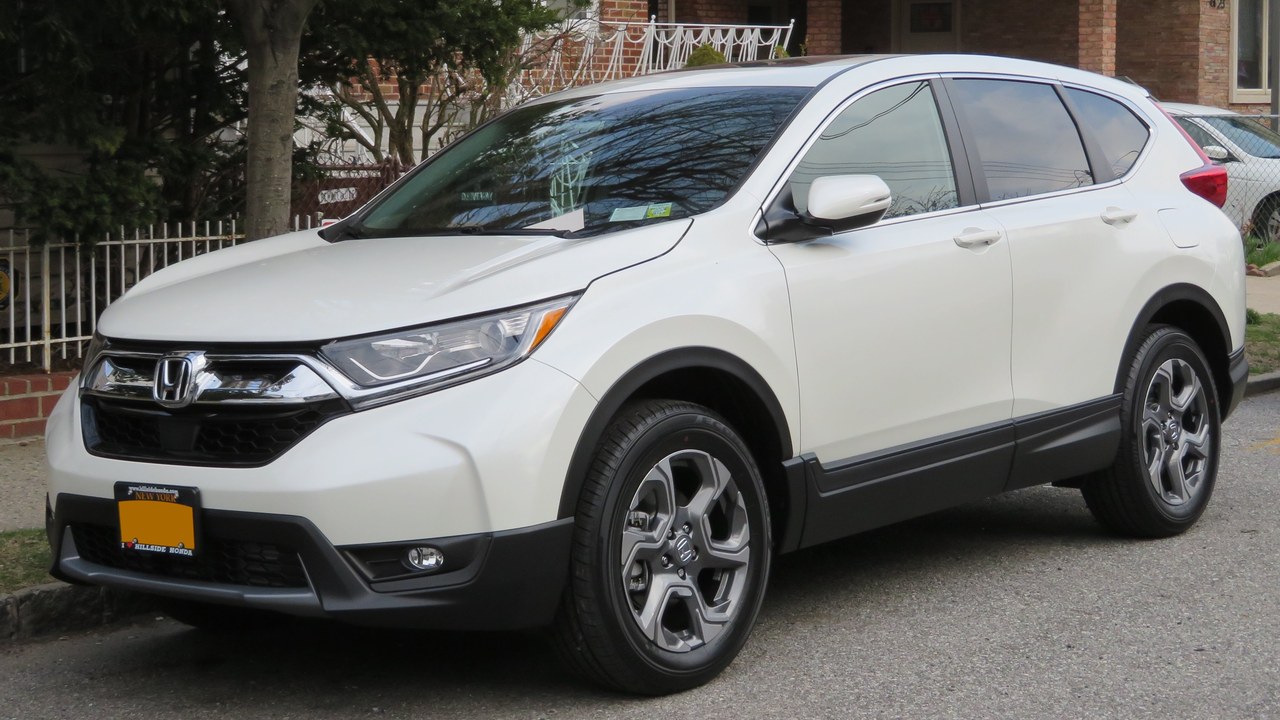
The CR-V’s Wikipedia page traces six generations back to 1995, making it one of the longest-running compact crossovers on sale, currently offered with a standard turbocharged four-cylinder or a hybrid powertrain shared with the Accord.
A nameplate with three decades of continuous refinement has had far more chances to catch and correct design flaws than a newer competitor, and sharing its hybrid system with the Accord means Honda validates that hardware across two of its highest-volume models at once, which tends to translate into fewer complaints for CR-V owners once the car clears five years.
More from Morning Overview
