
Nuclear power still supplies a significant share of electricity in several major economies, and a handful of stations dominate global output by sheer scale. Multi-reactor complexes in Japan, Canada, South Korea, France, the United States and China anchor grids that serve tens of millions of people. Here are eight of the world’s largest nuclear power stations still generating electricity today.
1. Kashiwazaki-Kariwa: The World’s Highest-Capacity Site
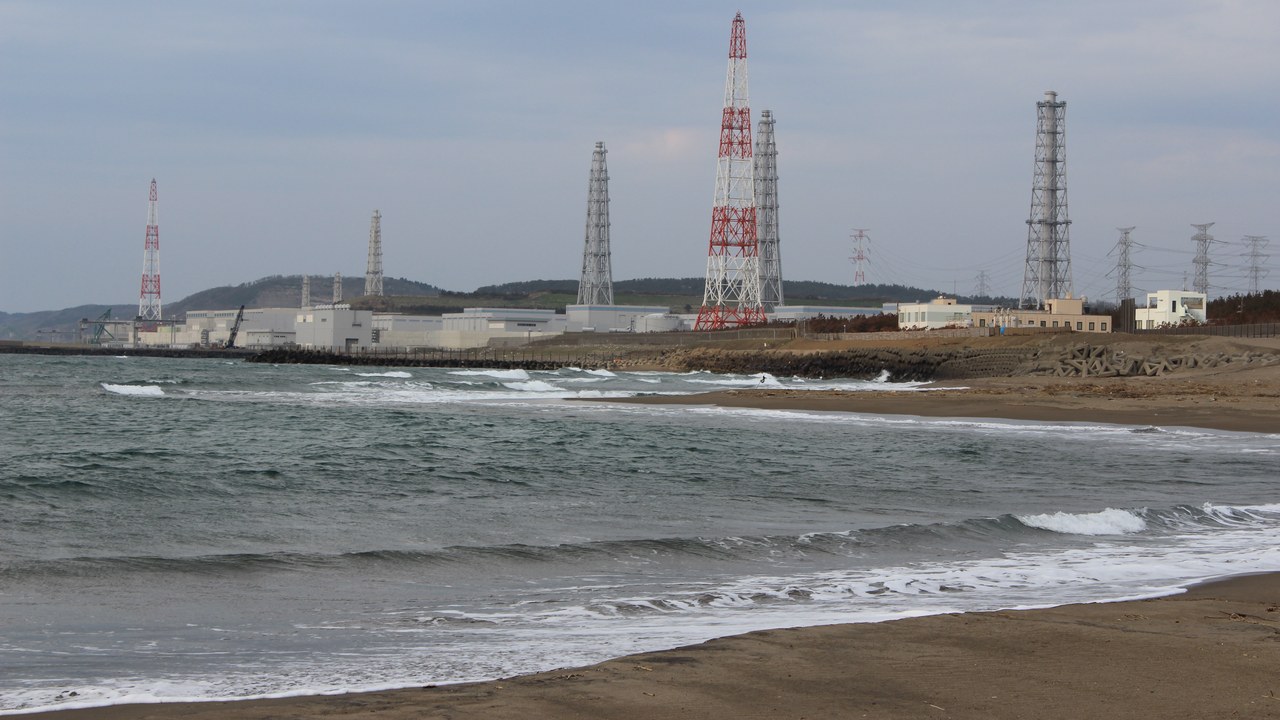
Tokyo Electric Power Company’s Kashiwazaki-Kariwa complex in Niigata Prefecture packs seven boiling-water reactors onto one stretch of coastline, giving it more installed nuclear capacity than any other single site ever built. At full output the plant was rated near 8,000 megawatts, a scale that dwarfs most national nuclear fleets and reflects the kind of large-scale nuclear generation planners weigh today.
Most of its seven reactors have sat idle since regulators tightened safety rules after the Fukushima accident, and only a handful have cleared the steps needed to restart. Local government approval remains the deciding factor before the plant can return to generating power at anything close to its historic scale.
2. Bruce Nuclear: North America’s Biggest Reactor Fleet
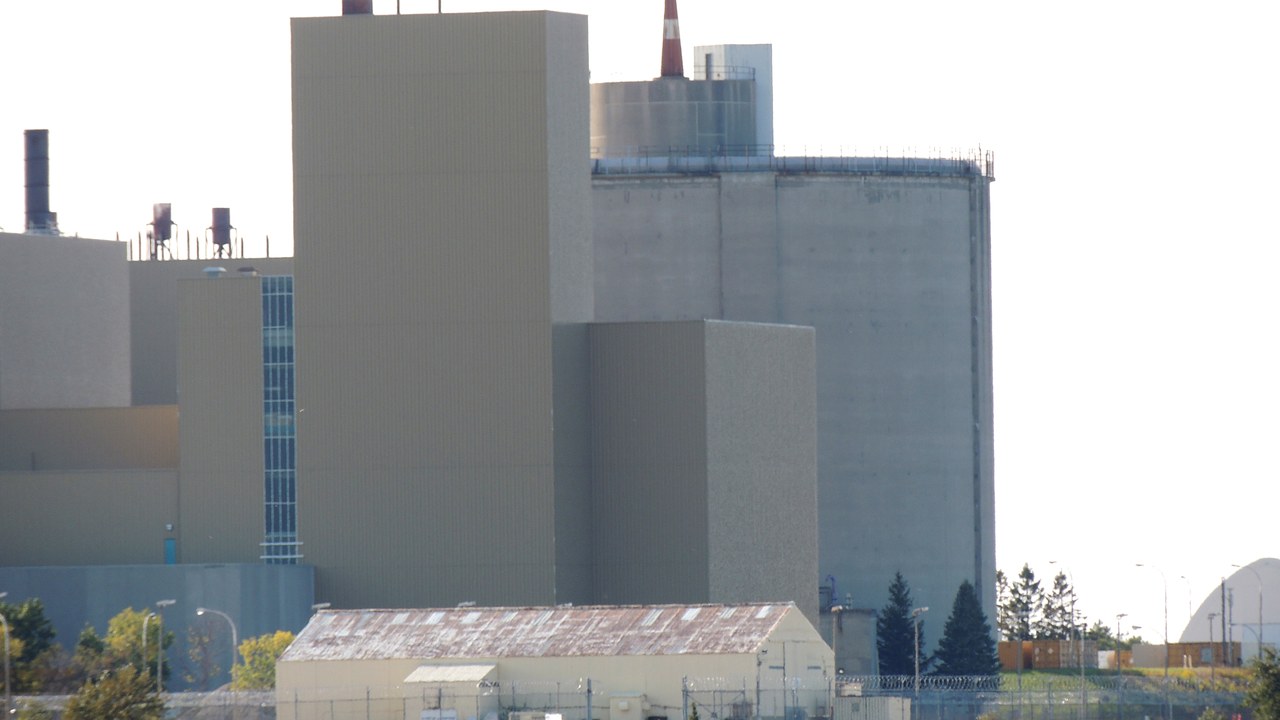
Bruce Power’s station on Lake Huron in Ontario houses eight CANDU reactors, making it the largest operating nuclear plant in the world by reactor count. Combined, the units can produce more than 6,000 megawatts, enough to supply millions of homes, and the site has anchored Ontario’s largely emissions-free grid for decades, a role laid out in Bruce Power’s operating history.
Several of the original units have gone through multi-year refurbishments meant to extend their licenses toward the middle of the century rather than retire them early. That rebuild strategy has kept Bruce running as one of the steadiest large-scale sources of power in the province, even when output elsewhere falls short.
3. Hanul: South Korea’s Coastal Powerhouse
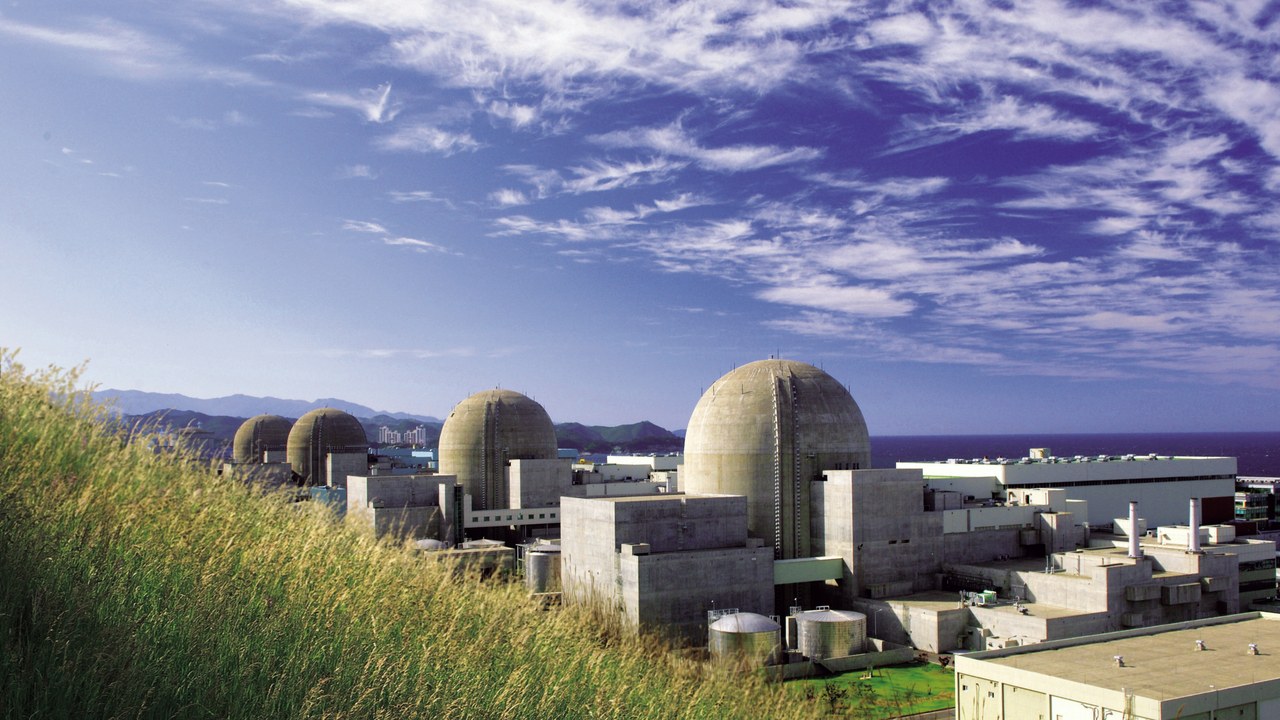
Hanul, on South Korea’s east coast near Uljin, runs six operating pressurized-water reactors, with two additional APR1400 units added to the site in recent years. The plant is one of the country’s largest generating stations and a linchpin of a national grid that leans heavily on nuclear power, a scale Hanul’s reactor lineup makes plain.
Because Hanul sits along a stretch of coastline shared with other reactor sites, South Korean regulators treat the wider cluster as a single seismic and safety planning zone. That clustering helps explain why the country draws an outsized share of its electricity from nuclear power compared with most industrial economies.
4. Hanbit: Korea’s West-Coast Reactor Complex
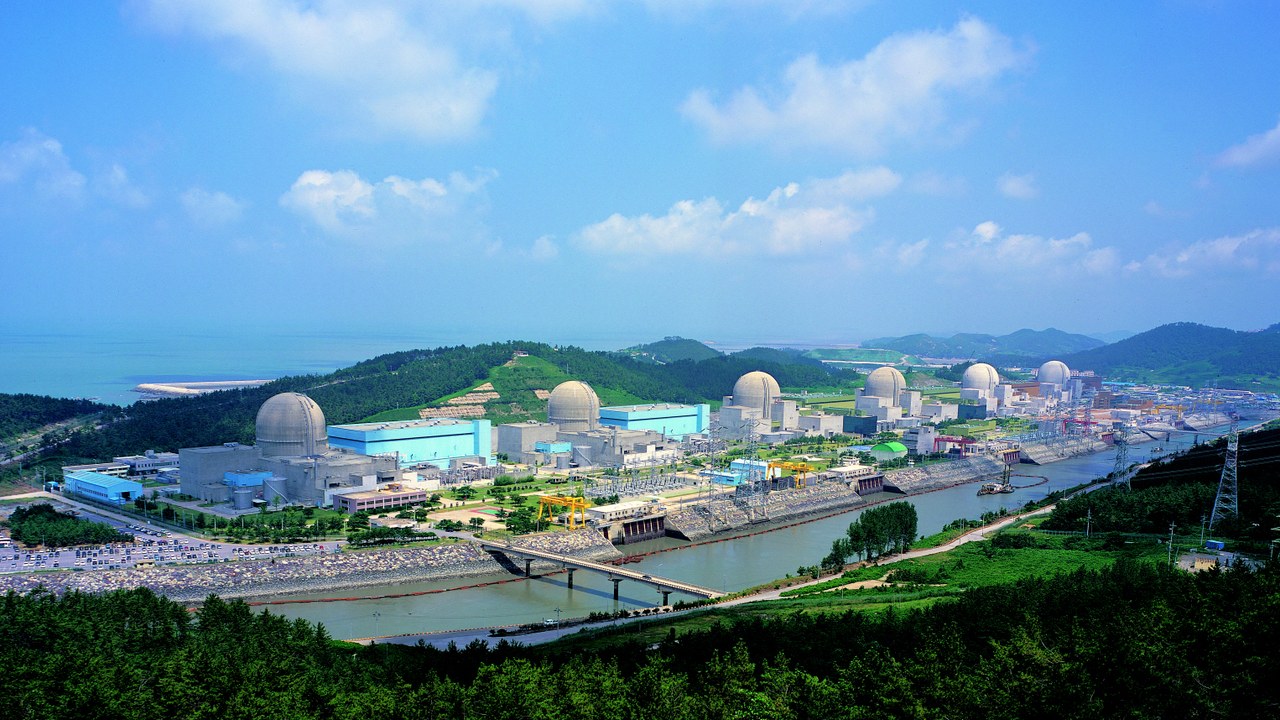
Hanbit, formerly known as Yeonggwang, sits on South Korea’s southwest coast and operates six pressurized-water reactors inside a single fenced complex. The station ranks among the country’s largest power sources and has run for decades as one of the backbone plants feeding the national grid, a footprint Hanbit’s six-reactor layout makes clear.
Like its sister stations, Hanbit has weathered periodic safety reviews and unplanned outages tied to component wear, prompting stricter inspection cycles across South Korea’s wider reactor fleet. The plant’s continued output stays central to keeping the country’s heavily nuclear-dependent grid stable through peak summer demand.
5. Gravelines: Western Europe’s Largest Nuclear Site
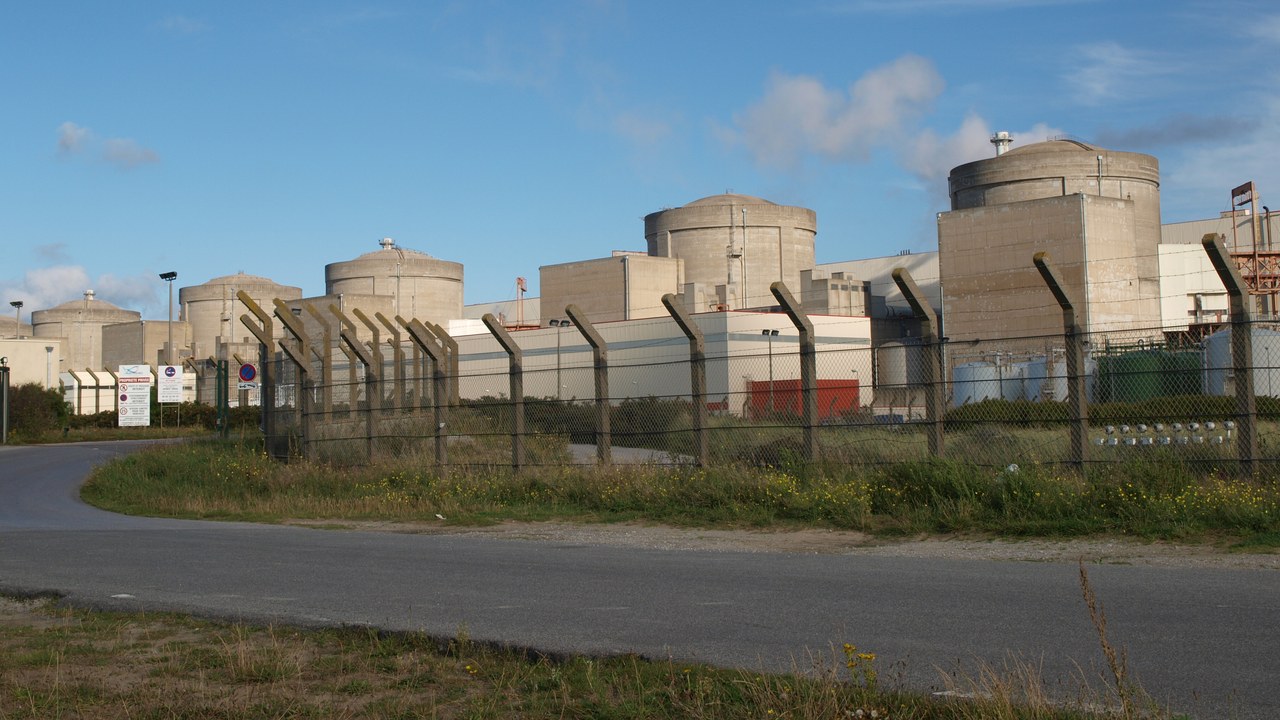
Electricite de France’s Gravelines plant, on the Channel coast near Dunkirk, houses six reactors with a combined capacity near 5,460 megawatts and stands as the largest nuclear power station in Western Europe by number of units. Its output underpins France’s heavily nuclear electricity mix, a distinction Gravelines’ six-unit layout helps explain.
Seawater drawn from the Channel cools the reactors, an arrangement that has required close monitoring during unusually warm summers when regulators weighed output against limits on discharge temperature. Even with those seasonal constraints, Gravelines remains one of France’s most productive single nuclear sites, and one of the few in Europe built directly on tidal water rather than a river.
6. Palo Verde: The Desert Plant With No Ocean
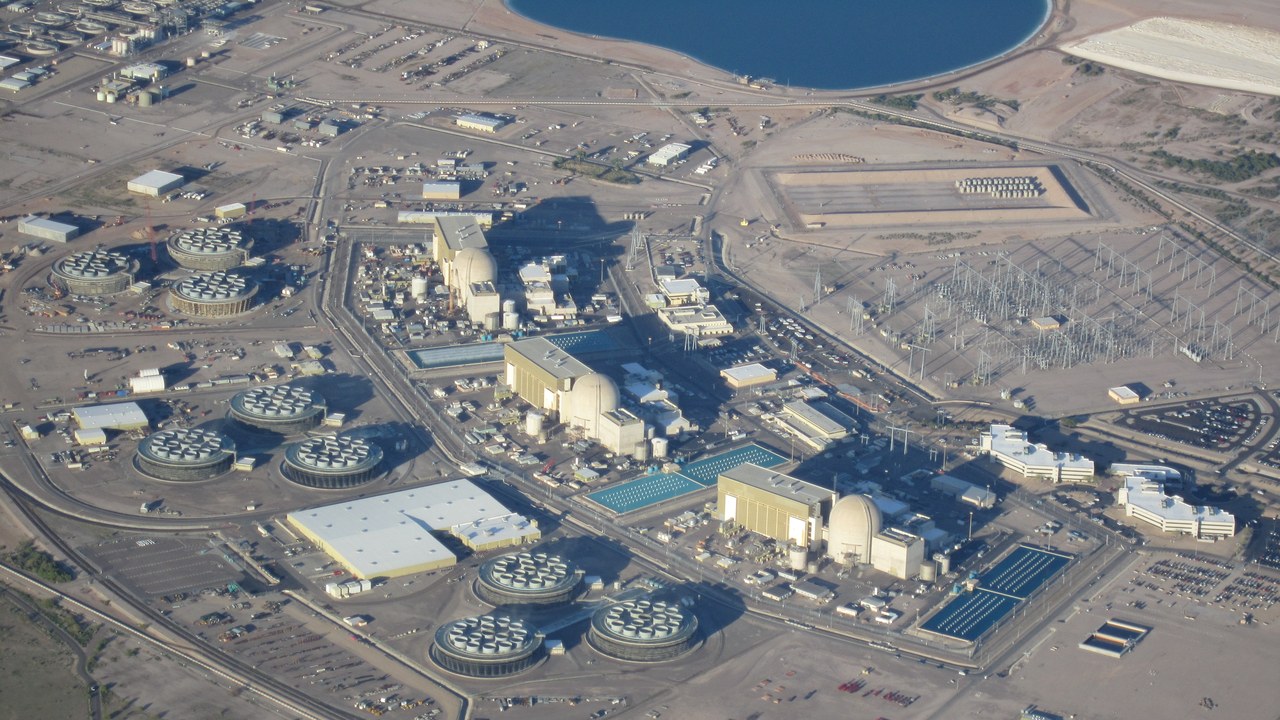
Palo Verde, west of Phoenix, is the largest power-generating facility of any kind in the United States by output, despite sitting nowhere near a lake, river or ocean. Its three reactors rely on treated wastewater piped in from nearby cities for cooling, a workaround Palo Verde’s desert setup made necessary from the start.
That reliance on reclaimed water lets the station run at scale in one of the driest parts of the country, supplying electricity to utilities across Arizona, California and New Mexico. Multiple owners share the output, which is part of why Palo Verde behaves more like a regional grid asset.
7. Kori: South Korea’s Largest Reactor Cluster
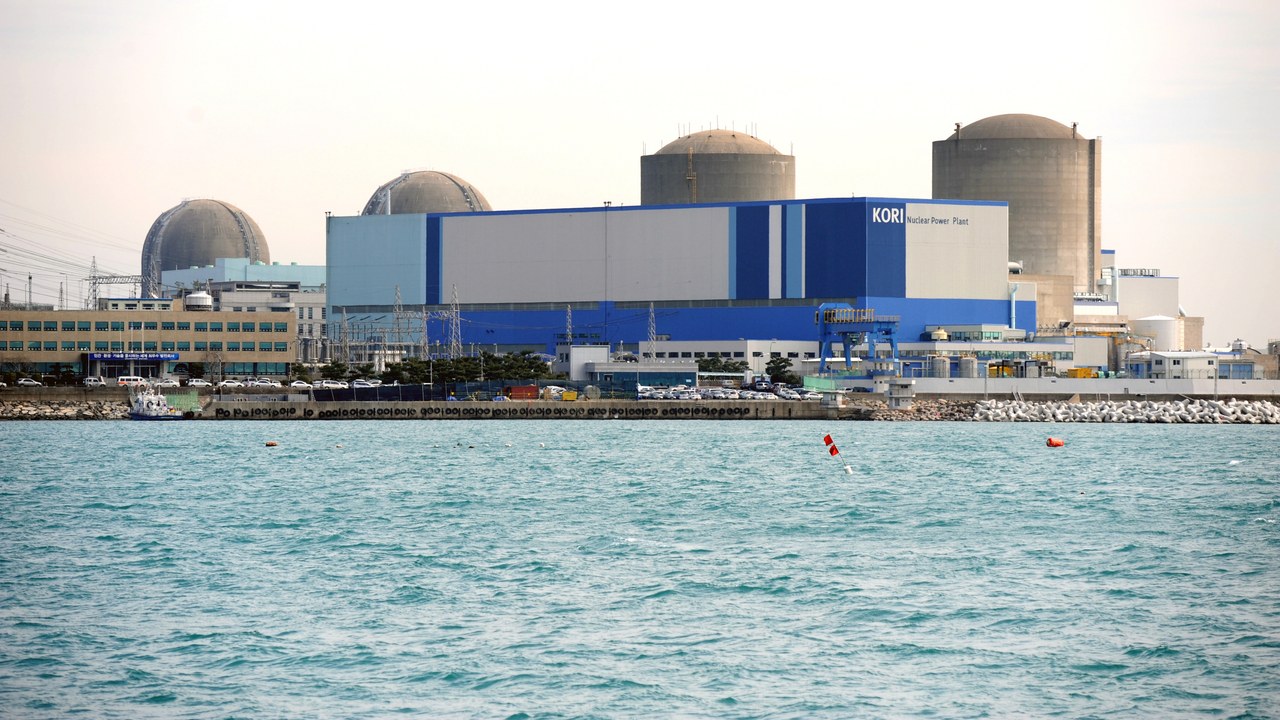
Kori, on South Korea’s southeast coast in Gijang County near Busan, has grown from the country’s first nuclear reactor into one of the largest nuclear complexes anywhere, now running multiple pressurized-water units alongside the newer Shin-Kori reactors on the same stretch of coastline. Combined, the site concentrates more nuclear generating capacity in one place than almost any other complex in the world, a scale Kori’s reactor lineup makes clear.
The original Kori-1 unit, connected in the late 1970s, was permanently retired in 2017 as the country’s first commercial reactor to be decommissioned, even as the newer units beside it kept expanding. That mix of a retired pioneer and an actively growing complex still anchors electricity supply for the densely populated Busan region.
8. Cattenom: France’s Four-Tower Giant
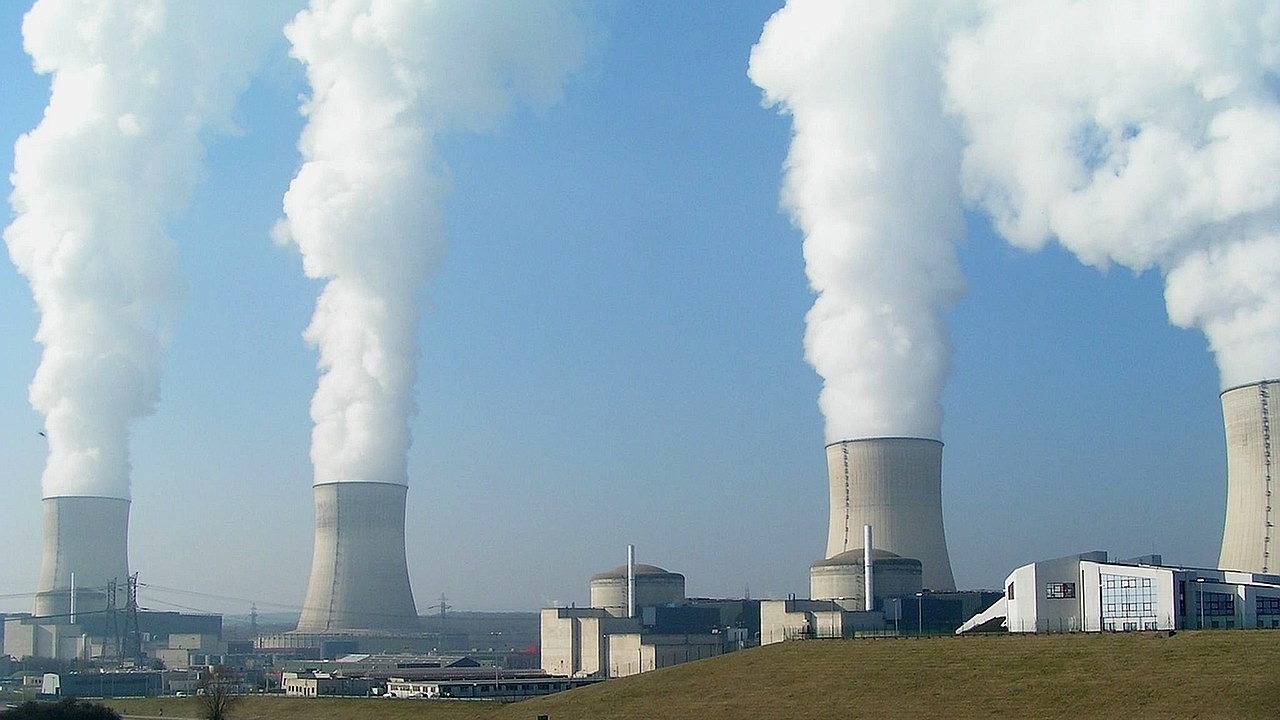
Cattenom, near the Luxembourg and German borders in northeastern France, runs four reactors beneath four unmistakable cooling towers that vent visible plumes of steam year-round. It ranks among France’s highest-output nuclear sites, with a combined capacity above 5,400 megawatts, a scale Cattenom’s four-unit design was built to deliver.
Its location near three national borders has made Cattenom a recurring subject of cross-border safety consultation, with German and Luxembourg officials periodically raising concerns that French regulators have had to address. Even so, the plant continues to supply a significant share of power to the regional grid, and to the wider European network beyond it.
More from Morning Overview
- Card skimmers hidden on gas pumps are draining accounts, and there’s a quick way to spot them
- The NSA warns one messaging setting can clone your texts to a stranger
- Security experts still urge phone owners to switch off one location-tracking setting
- Automakers are quietly dropping the stop-start feature many drivers love to hate
