
Bite force is one of the few predator statistics scientists can actually put a number on, using pressure transducers, calibrated bite bars and skull-based estimates rather than folklore. The rankings mix apex reptiles, big cats, sharks and one famously placid herbivore, and the gap between the top and bottom of the list is enormous. Here are ten animals whose jaws register among the most powerful ever recorded or estimated.
1. Saltwater crocodile: The Highest Bite Ever Recorded
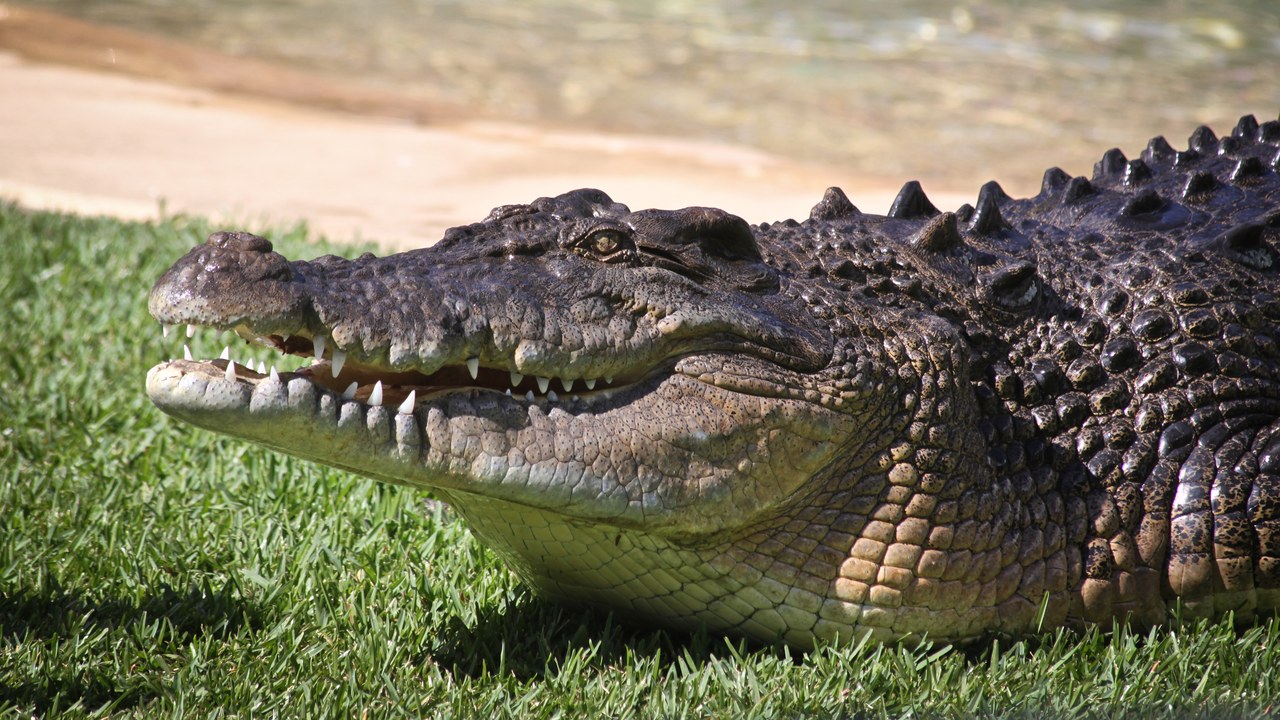
Saltwater crocodiles top nearly every dangerous-animals list for their combination of size, ambush speed and jaw strength. Researchers using a pressure transducer on a captured saltwater crocodile recorded a bite of roughly 3,700 pounds per square inch, widely reported as the highest bite force directly measured in any living animal. That force is enough to shatter turtle shells and drag a fully grown water buffalo underwater in seconds.
The bite itself isn’t the main danger to people who encounter one in the wild; the drowning grip that follows is. Wildlife agencies in Australia and Southeast Asia advise staying well back from riverbanks at dusk, when saltwater crocodiles are most active and hardest to spot.
2. Nile crocodile: A Grip Built To Drown Rather Than Chew
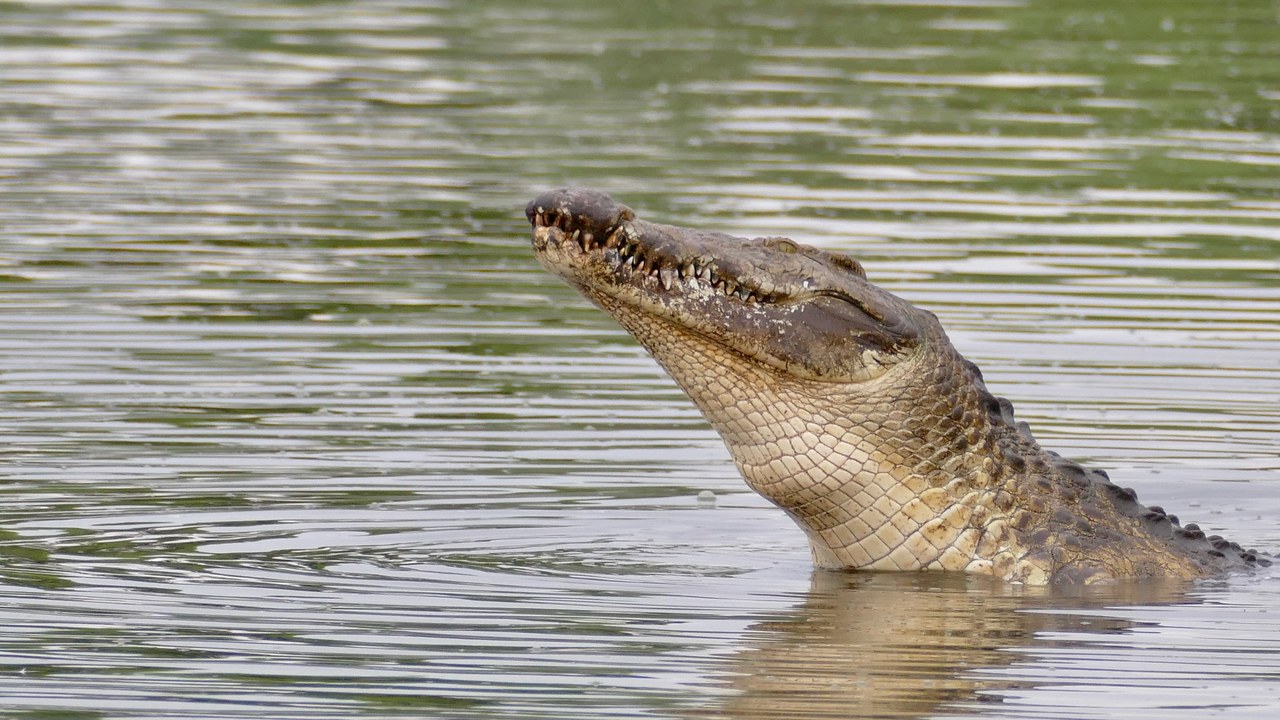
The Nile crocodile shares its saltwater cousin’s skull shape and jaw-muscle layout, and the species’ anatomy supports biomechanical estimates in the same multi-thousand-pound-per-square-inch range, even though no individual has been bite-tested with a transducer the way some other crocodilians have. Its jaws are built to hold prey rather than to chew it apart.
That grip-and-drown strategy is why Nile crocodiles kill more people across sub-Saharan Africa each year than any other large predator, mostly at watering holes and river crossings where people and livestock gather at the same narrow access points the crocodiles use to ambush.
3. Hippopotamus: A Grazer With A Crushing Bite
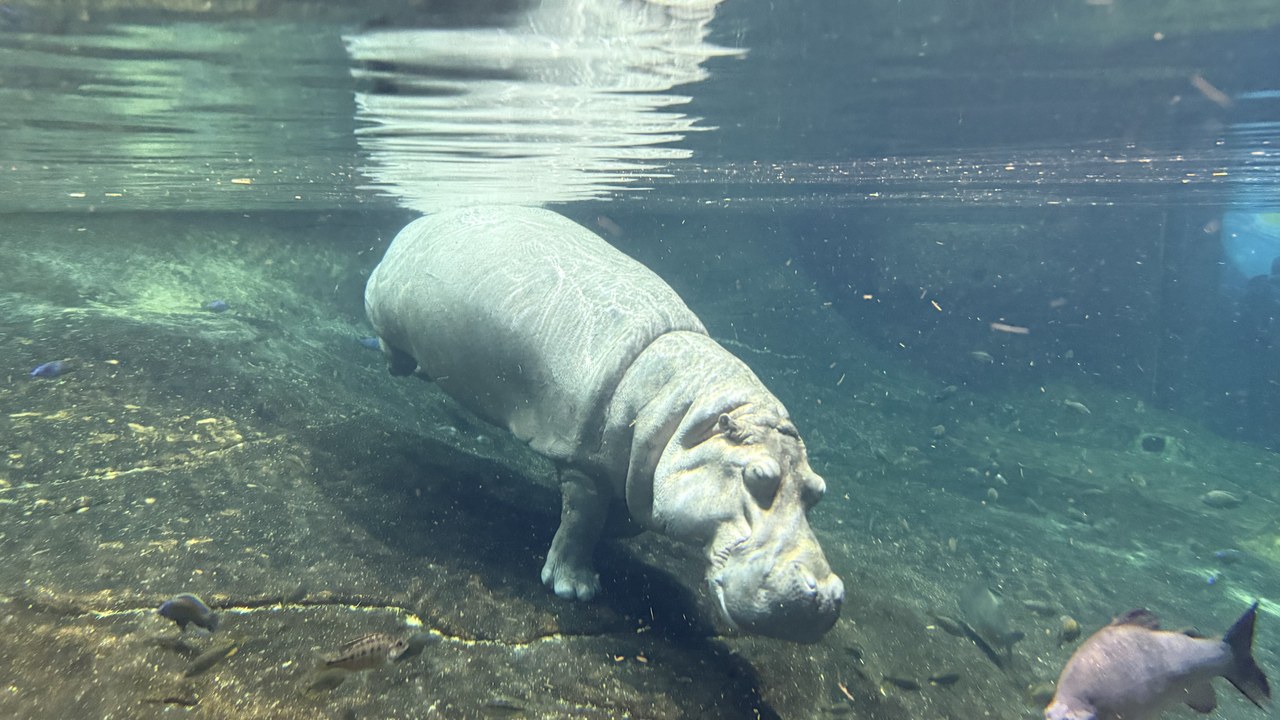
Hippopotamuses can open their jaws to roughly 150 degrees and drive lower canines that grow past a foot long, and skull-based estimates — not a live bite-force test — put the pressure near 1,800 pounds per square inch, enough to snap a canoe in half. The animal is a grazing herbivore, and that bite exists for territorial combat between males rather than for hunting.
Most hippo attacks on people happen on land after an encounter or in shallow water near a boat, not during a chase, which is why rangers in hippo territory warn against camping close to the waterline or paddling at dawn and dusk when hippos move between grazing grounds and river.
4. Jaguar: The Cat That Cracks Skulls
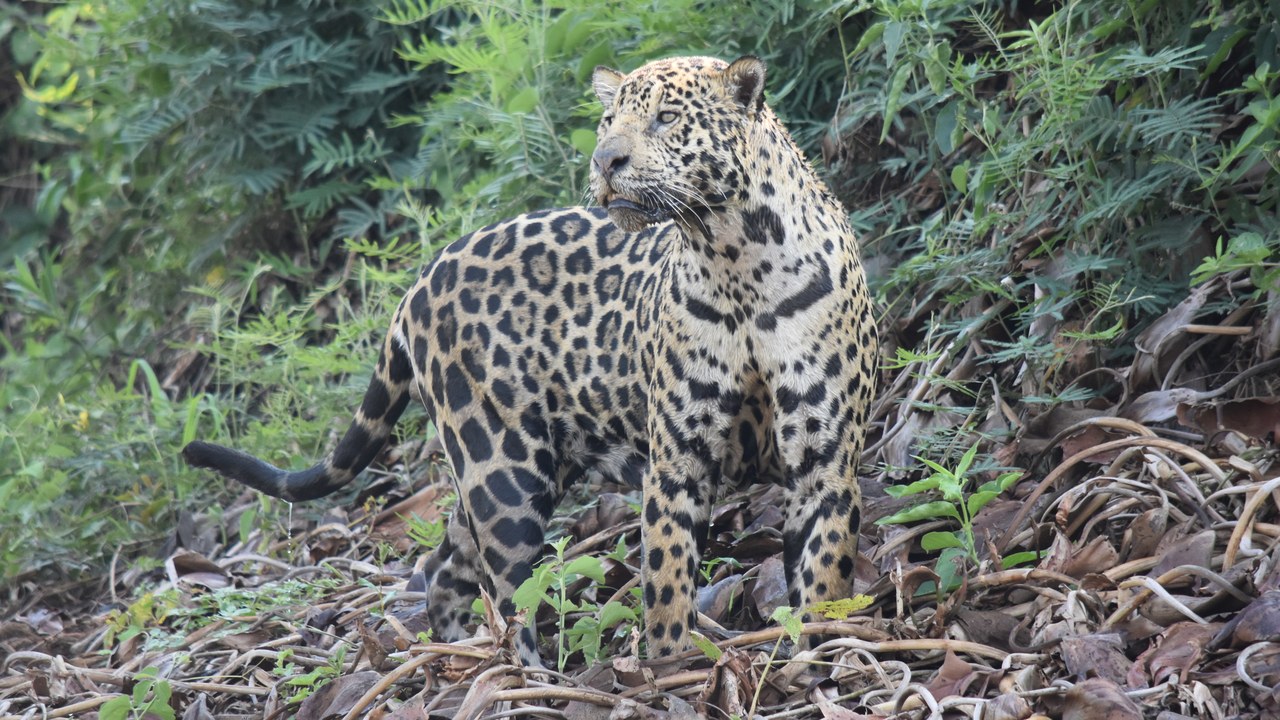
Jaguars have the strongest bite of any big cat relative to body size, a finding based on bite-force-quotient studies, not a single PSI number, and it lets them do something no other cat manages: pierce turtle and caiman armor and crack open the skulls of prey rather than going for the throat. Wikipedia’s account of the species notes this skull-first kill method as a defining hunting trait.
That skull-crushing bite is also why jaguar predation is unusually hard to survive; most cats suffocate large prey, but a jaguar’s kill bite is frequently fatal on impact. Researchers studying jaguar diet in the Pantanal find caimans and turtles in stomach contents because that armor stops nothing else.
5. American alligator: The Bite Force Actually Measured
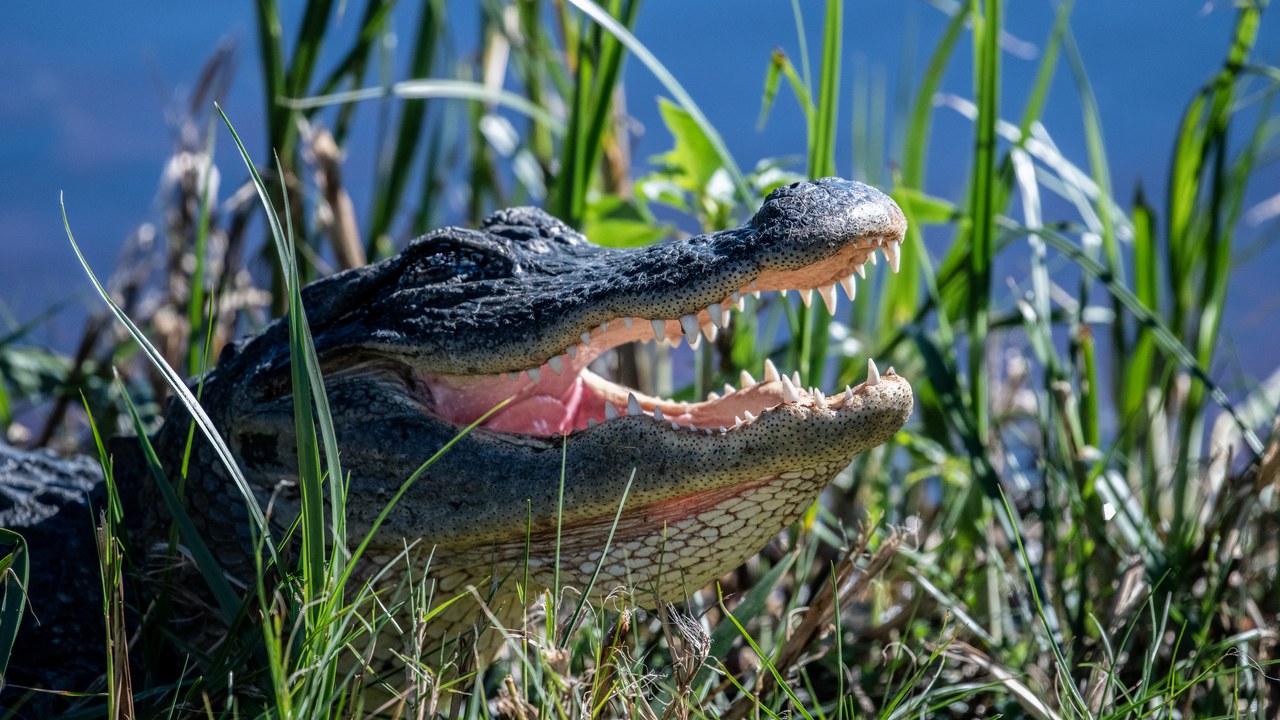
American alligators are among the few crocodilians directly bite-tested with a force transducer, and the largest animals in that research clamped down at roughly 2,125 pounds per square inch — a measured figure, not an estimate, recorded on live alligators handled specifically for the study.
That force comes from closing muscles built for crushing turtle shells and gar armor, not for opening; alligators have almost no strength for prying their own jaws apart, which is why a wildlife handler can hold one shut with a bare hand while two people are needed to pry it open.
6. Spotted hyena: Jaws Built To Crush Bone
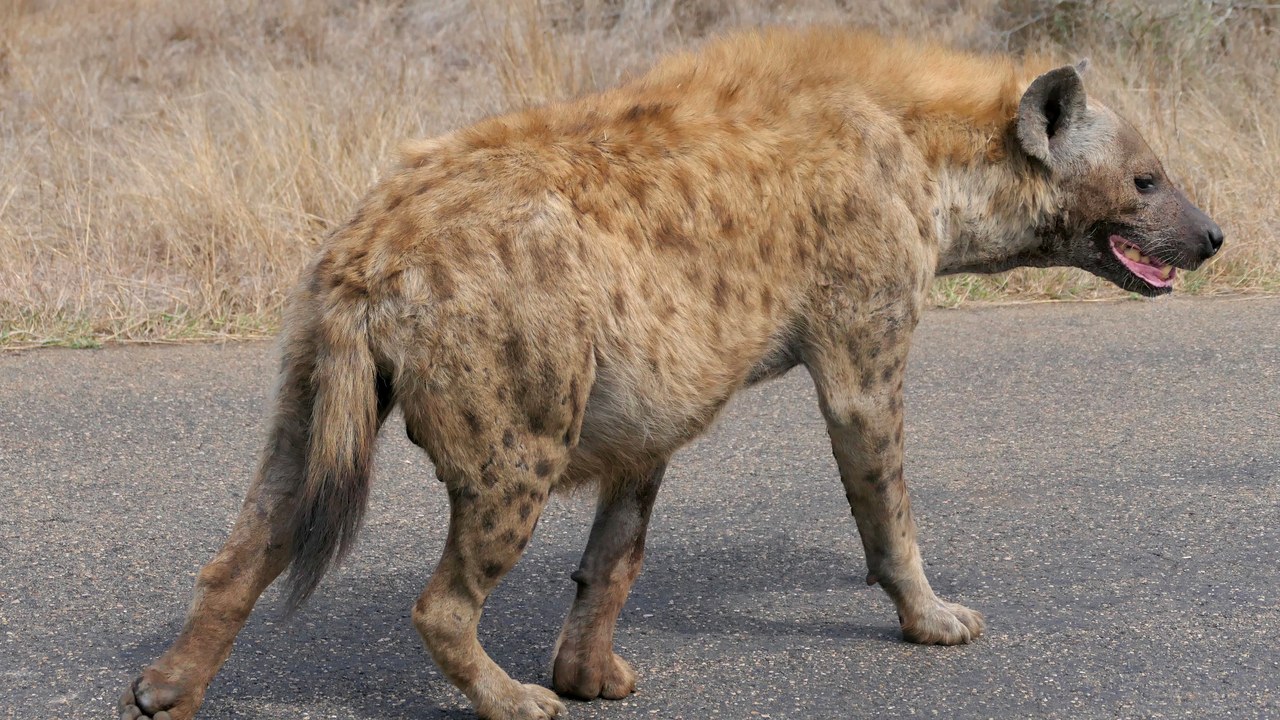
Spotted hyenas have jaw muscles disproportionately large for their body size, and estimates of that musculature put their bite among the strongest relative to body mass of any living mammal — strong enough to crack open leg bones that lions and other cats leave behind. The ability comes from premolars built like blunt bolt-cutters, not the shearing carnassials most predators rely on.
That means a hyena clan wastes almost nothing from a kill; bone marrow that would otherwise rot on the savanna becomes a meal, and hyena dens are often identified by piles of bleached, gnawed bone rather than fresh remains. Its digestive system tolerates bacteria and bone fragments that would sicken most other carnivores.
7. Gorilla: A Herbivore’s Surprisingly Strong Bite
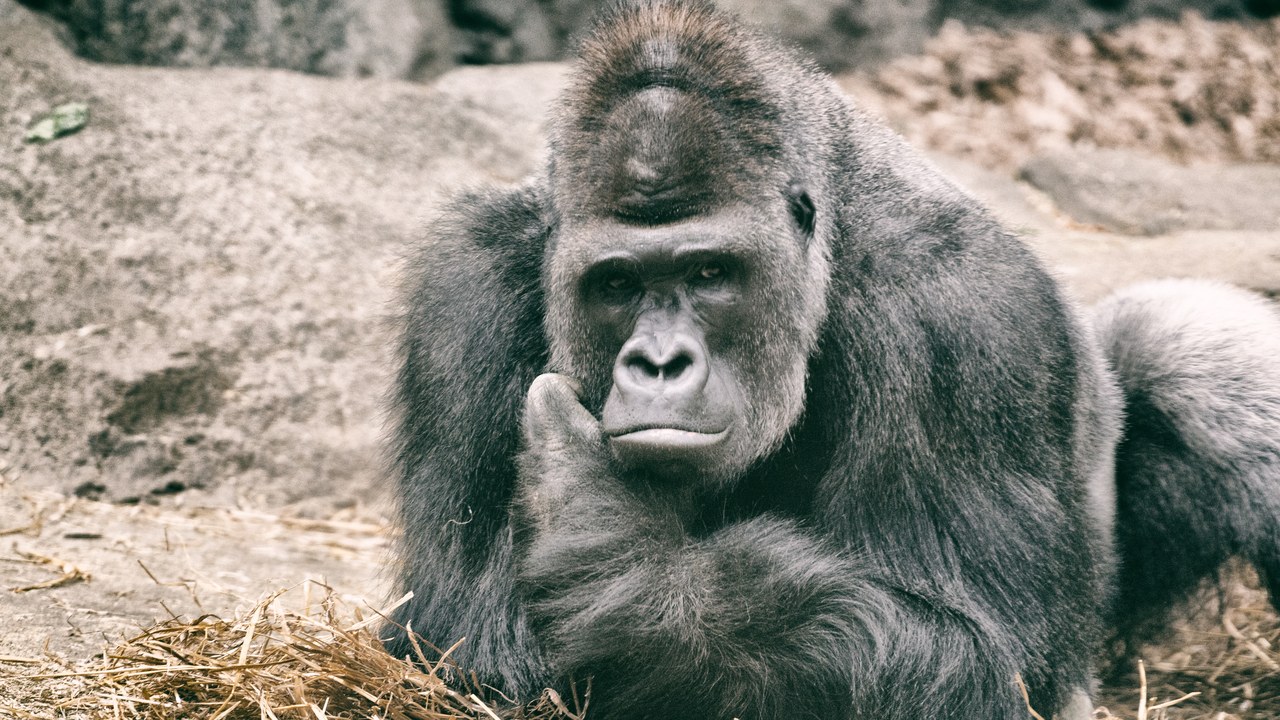
Gorillas are herbivores, but the jaw muscles and bony sagittal crest that let an adult male crush tough plant stems and hard-shelled fruit all day also produce a strong bite. The most-quoted figure, around 1,300 pounds per square inch, traces to older popular-science estimates rather than a peer-reviewed bite-force study, so it holds up better as a rough approximation than as a lab measurement.
The bite matters less in gorilla-on-gorilla conflict than the canines do: males display by biting and snapping vegetation, and serious fighting injuries usually come from a slashing charge, not a sustained crushing bite the way a hyena or crocodile would use one.
8. Bull shark: The Hardest Biter Pound For Pound
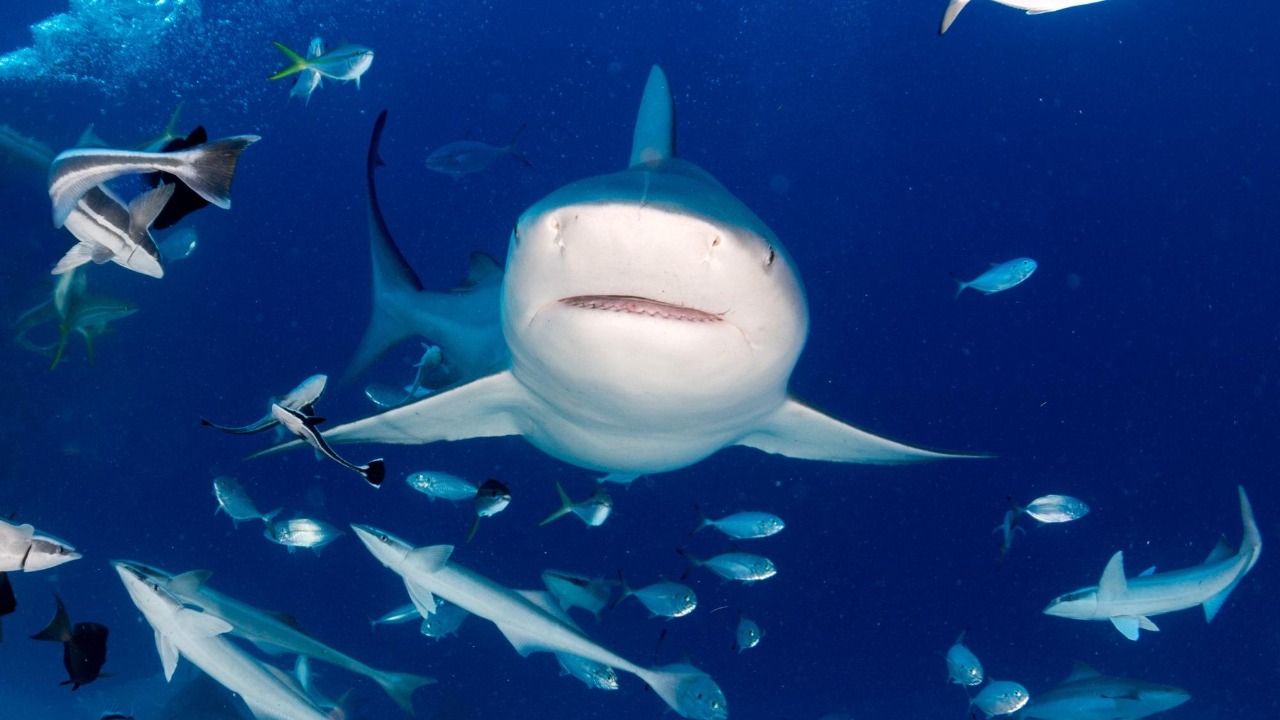
Researchers using a handheld dynamometer to measure shark bite force in the field found that bull sharks bit harder pound for pound than any other shark species tested, including animals many times their size. That relative strength matches a diet that includes hard-shelled prey, like rays and smaller sharks, that most fish can’t crack open.
Bull sharks also tolerate fresh water better than almost any other shark, swimming far up rivers including the Mississippi and the Amazon, which puts that bite within range of swimmers who assume sharks stay near the coast. Most bites happen in murky, shallow water where the shark likely mistakes a foot or hand for prey.
9. Great white shark: An Estimate Rather Than A Measurement
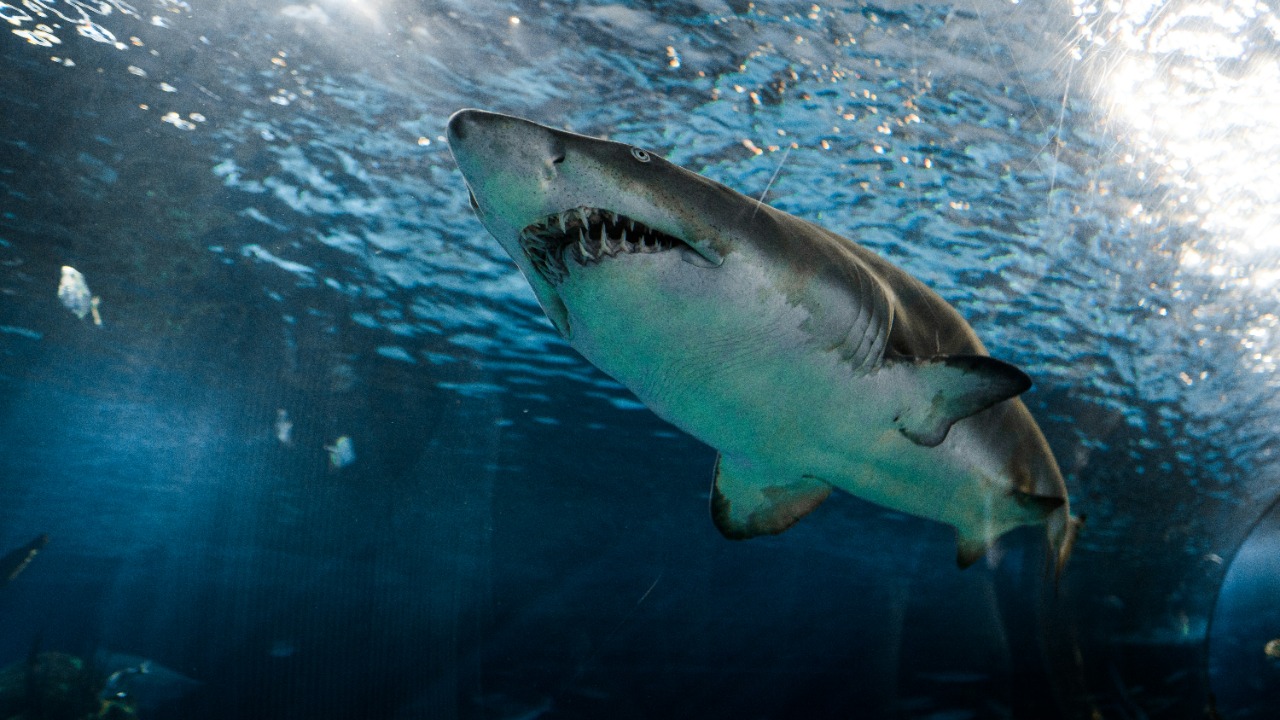
No great white shark has ever been safely fitted with a bite-force transducer, so every number attached to the species is an estimate. The most-cited scientific figure comes from a computer model of the skull rather than a live test — roughly 4,000 newtons, about 900 pounds of force, still enough to shear cartilage, bone and blubber in one strike.
That estimate is lower than several animals on this list, which surprises people who picture the species biting with unlimited force; what makes a great white’s attack so damaging is less raw pressure than the combination of serrated teeth and a full-body headshake that saws through tissue after the initial strike lands.
10. Grizzly bear: A Bite Strong Enough To Crush Bone
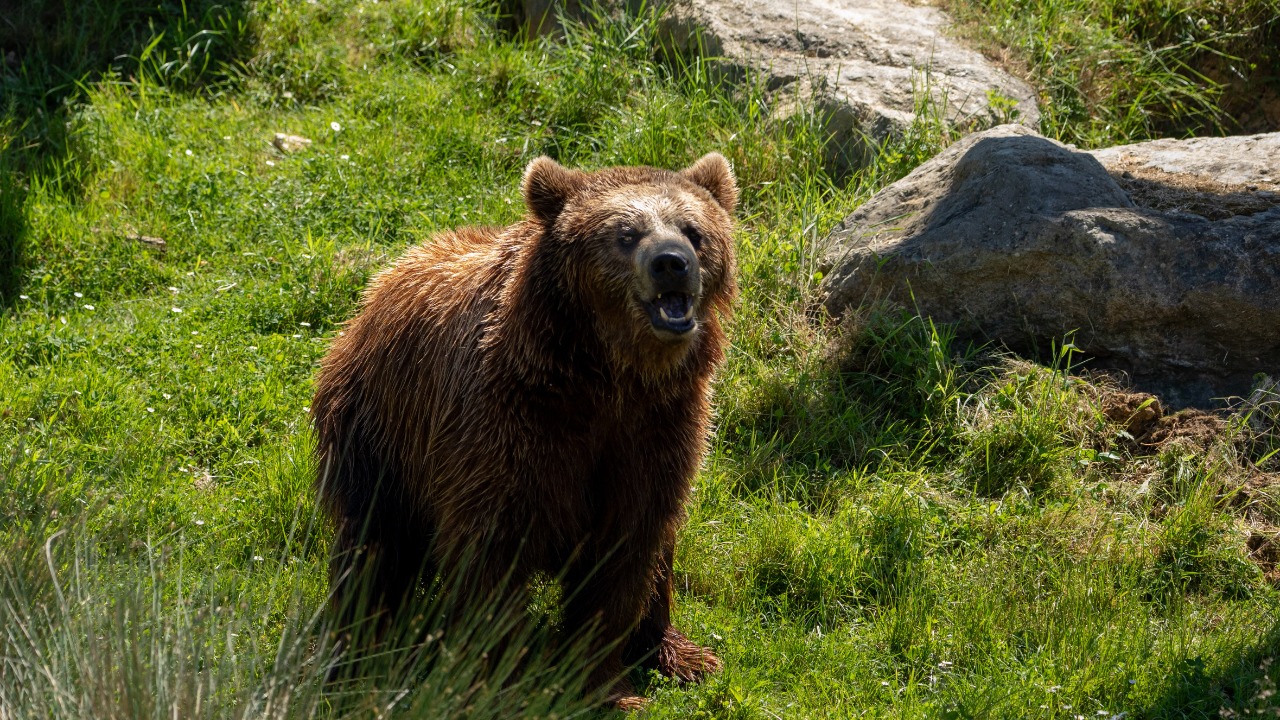
Grizzly bears are widely reported to bite with roughly 1,200 pounds per square inch, a figure that circulates through documentaries and lists like this one but traces to television demonstrations rather than a peer-reviewed study, so it holds up better as a popular estimate than a lab measurement. What is documented, including by wildlife-agency accounts, is the practical result: that bite and a swipe from the same paw can cave in a car door.
That strength is why bear-country agencies push hard on food storage: a bear that links campsites or cars with an easy meal keeps testing doors and coolers, and repeated encounters like that are usually what gets a bear euthanized.
More from Morning Overview
- A handful of car transmissions are so tough that mechanics say they almost never die
- Card skimmers hidden on gas pumps are draining accounts, and there’s a quick way to spot them
- The NSA warns one messaging setting can clone your texts to a stranger
- Security experts still urge phone owners to switch off one location-tracking setting
