
Not every fuel-efficient car needs a cord and a charging routine to hit big mpg numbers. Conventional hybrids pair a gas engine with a battery that recharges itself through braking and coasting, letting drivers skip the plug entirely while still beating 45 mpg on the EPA’s combined rating. Here are nine hybrids that clear that bar without asking for an outlet.
1. Toyota Prius: The Efficiency Benchmark
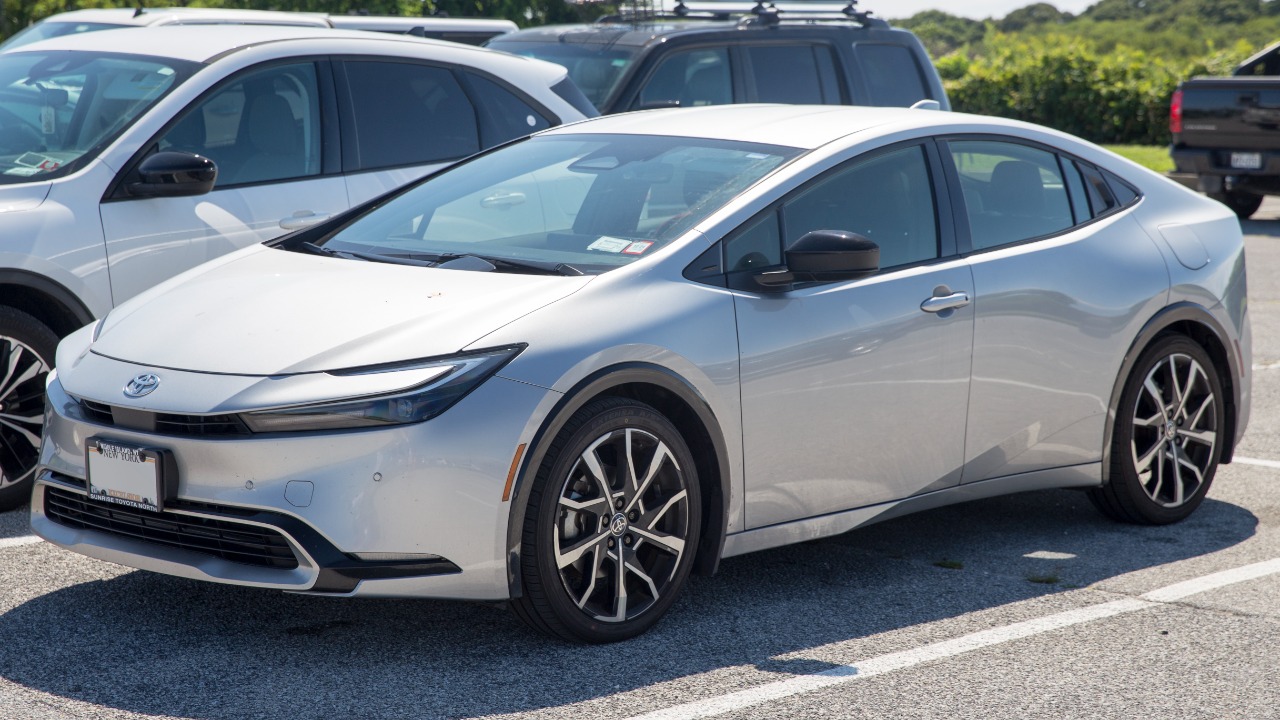
The current Prius liftback carries an EPA rating of 57 mpg combined in its base front-wheel-drive trim, a number the federal government’s own annual mileage rankings place among the highest of any gasoline vehicle sold in the United States. No plug or charge cord factors into that figure; the battery recovers energy purely through braking and engine load, then feeds it back to the motor during acceleration.
Higher trims and all-wheel-drive versions trade some of that mileage for grip, styling and cargo room, settling into the low 50s instead. Even those less frugal configurations still clear 45 mpg by a wide margin, a cushion few hybrids on this list can match.
2. Hyundai Elantra Hybrid: A Compact Built To Sip Fuel
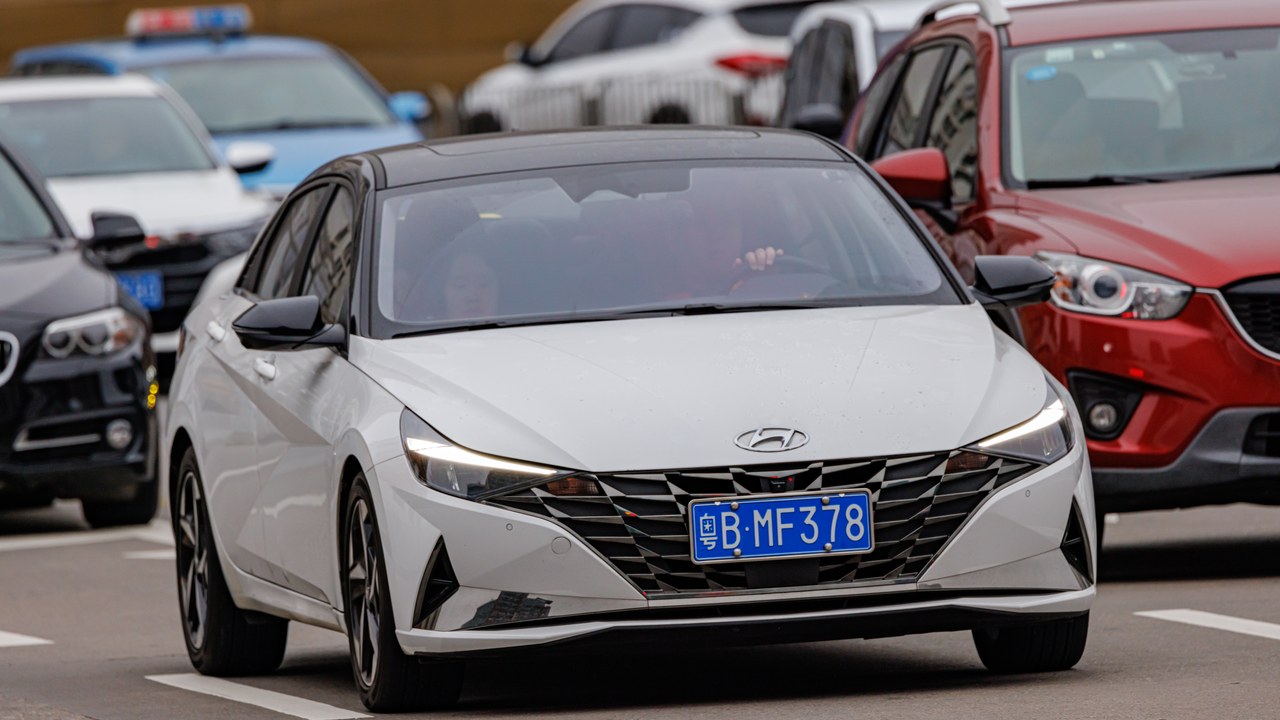
Hyundai’s compact sedan reaches an EPA-estimated 54 mpg combined in its most efficient Blue trim, according to the car’s specification history, while volume trims like the SEL and Limited still post 50 mpg combined. The hybrid drivetrain pairs a small engine with a battery pack mounted beneath the rear seat, and it never accepts a charging cable.
That efficiency comes without sacrificing the roominess built into the standard Elantra’s cabin and trunk. Buyers get a compact-car price alongside a midsize-car back seat, plus fuel bills that rarely require a fill-up more than every couple of weeks under normal commuting.
3. Toyota Corolla Hybrid: Compact Practicality, Prius-Level Mileage
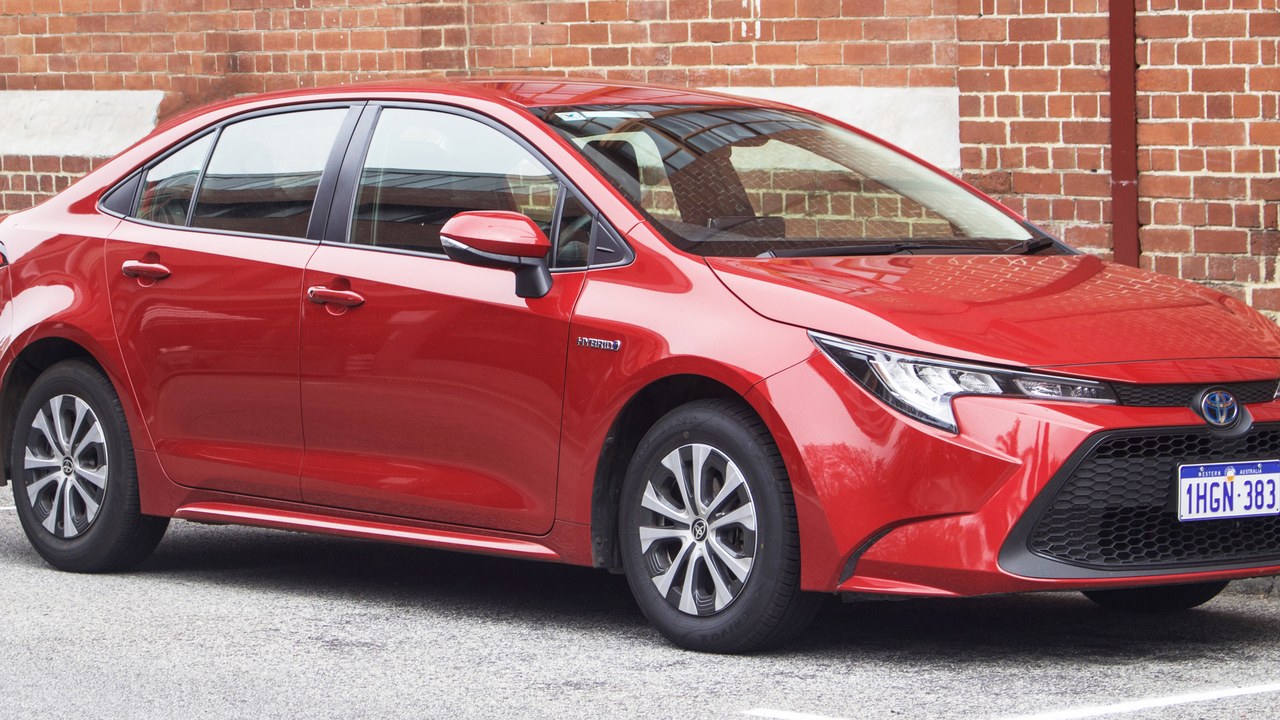
The Corolla Hybrid’s base LE trim posts an EPA-rated 53 mpg combined, a figure documented in the car’s model history and only a few mpg behind its Prius sibling despite a lower price tag. SE and XLE trims settle closer to 50 mpg combined once larger wheels and added weight enter the equation.
Toyota built the hybrid system to run without any external charging hardware, drawing its electric assistance entirely from regenerative braking. Owners get Prius-adjacent thrift in a more conventional sedan shape, with a back seat and trunk that outsize the smaller liftback.
4. Honda Civic Hybrid: Sporty Looks, Efficient Heart
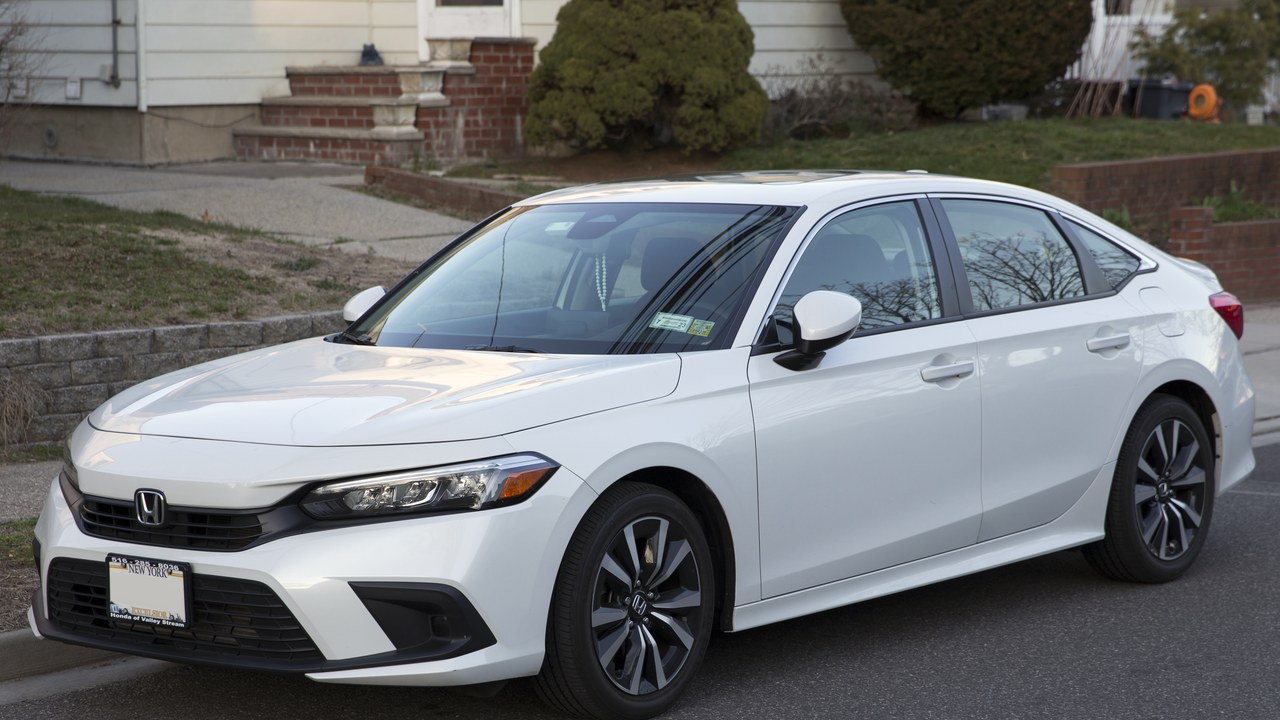
Honda’s newest Civic Hybrid sedan carries an EPA rating of 50 mpg city, 47 highway and 48 combined in its Sport trim, per the model’s technical record, while the Sport Touring trim dips slightly to 46 mpg combined under its larger wheels. Both figures come from a two-motor hybrid system with no charge port anywhere on the body.
That combined rating undercuts the prior four-cylinder Civic’s mileage by nearly 15 mpg without asking for a different driving style. Commuters get the same steering feel and interior Honda built its reputation on, just with far fewer stops at the pump.
5. Toyota Camry Hybrid: Midsize Space, Small-Car Thrift
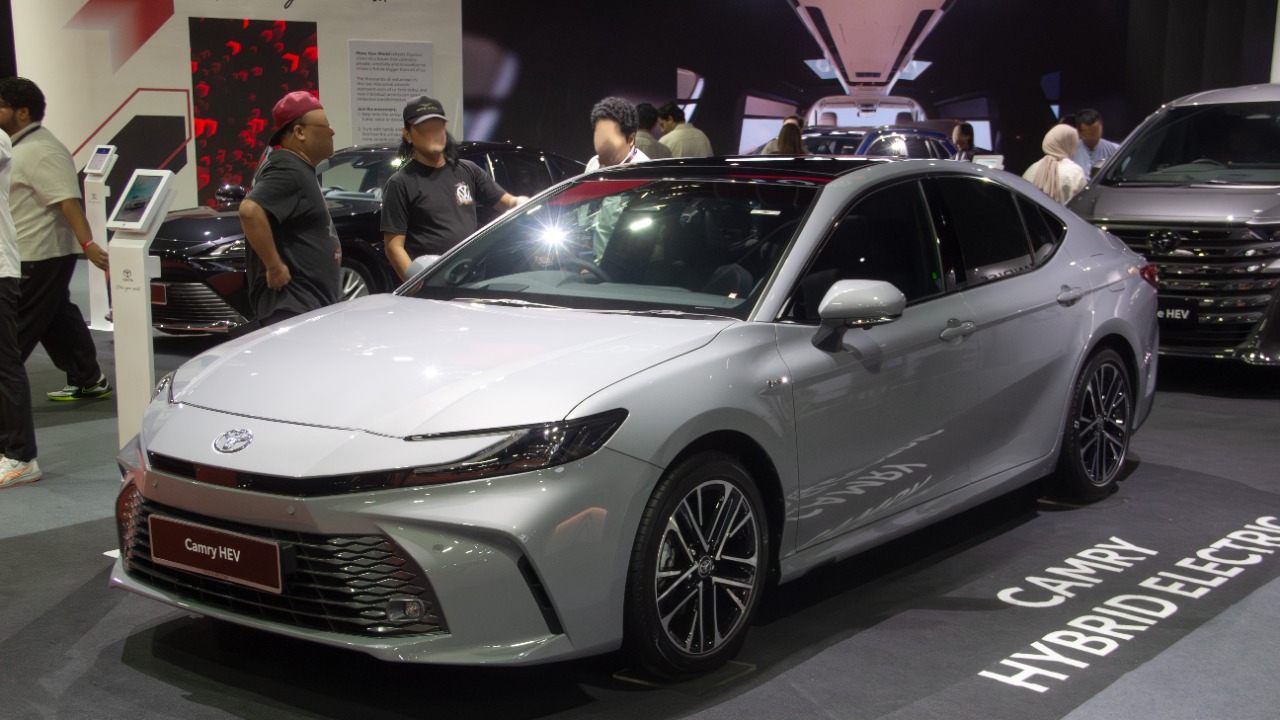
The redesigned Camry, now sold exclusively as a hybrid, posts an EPA-rated 51 mpg combined in base LE front-wheel-drive form, with the automaker’s certified figures showing 53 mpg city and 50 highway for that trim. All-wheel-drive and higher trims land closer to 44 mpg combined.
Toyota dropped the old gasoline-only Camry entirely for this generation, betting buyers would rather have hybrid mileage as standard equipment than as an option box. The battery charges itself through driving alone, leaving nothing to plug in at home or at work.
6. Hyundai Sonata Hybrid: A Value Midsize With Long-Haul Thrift
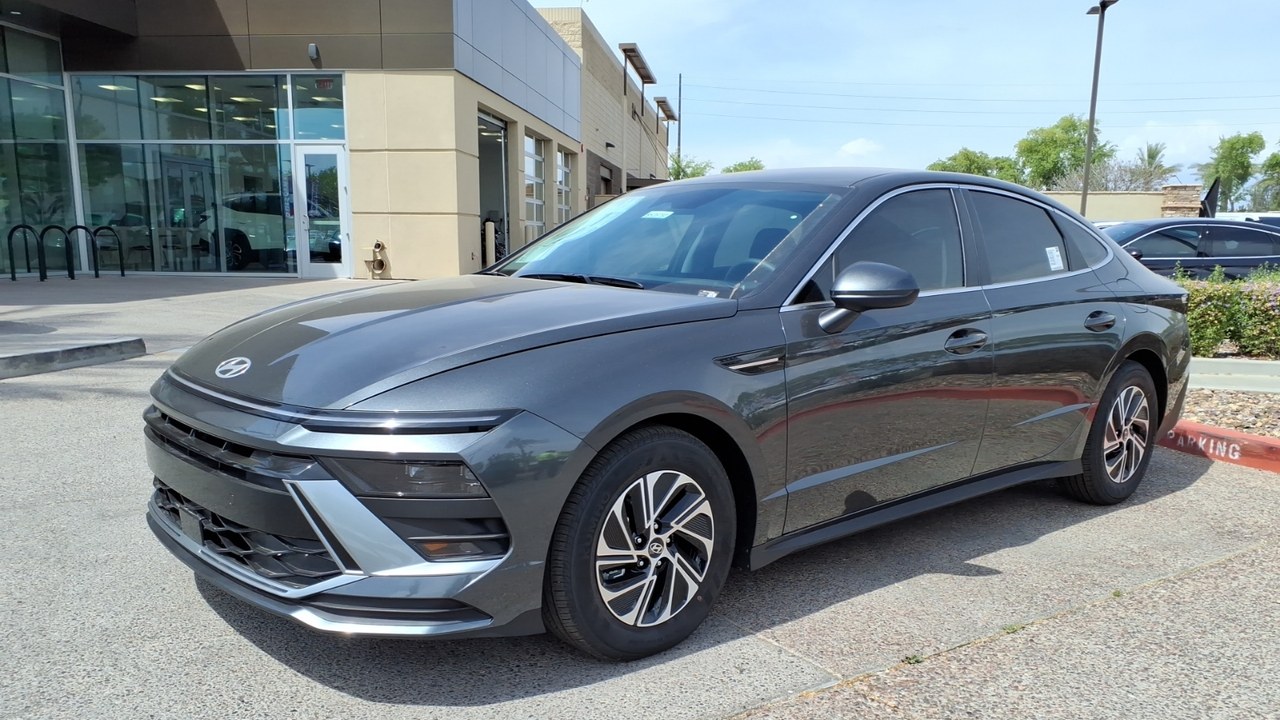
The Sonata Hybrid’s Blue trim carries an EPA rating of 50 mpg combined, a number the car’s model documentation lists among the best in the midsize hybrid class, while SEL and Limited trims still manage 47 mpg combined with added features and larger wheels. A battery pack under the trunk floor handles all the electric assistance.
None of that mileage requires finding an outlet or waiting on a charge; the system tops off through regenerative braking alone. Hyundai backs the hybrid components with a lengthy powertrain warranty, easing the usual worry about battery replacement costs down the road.
7. Kia Niro: A Crossover Built Around Efficiency
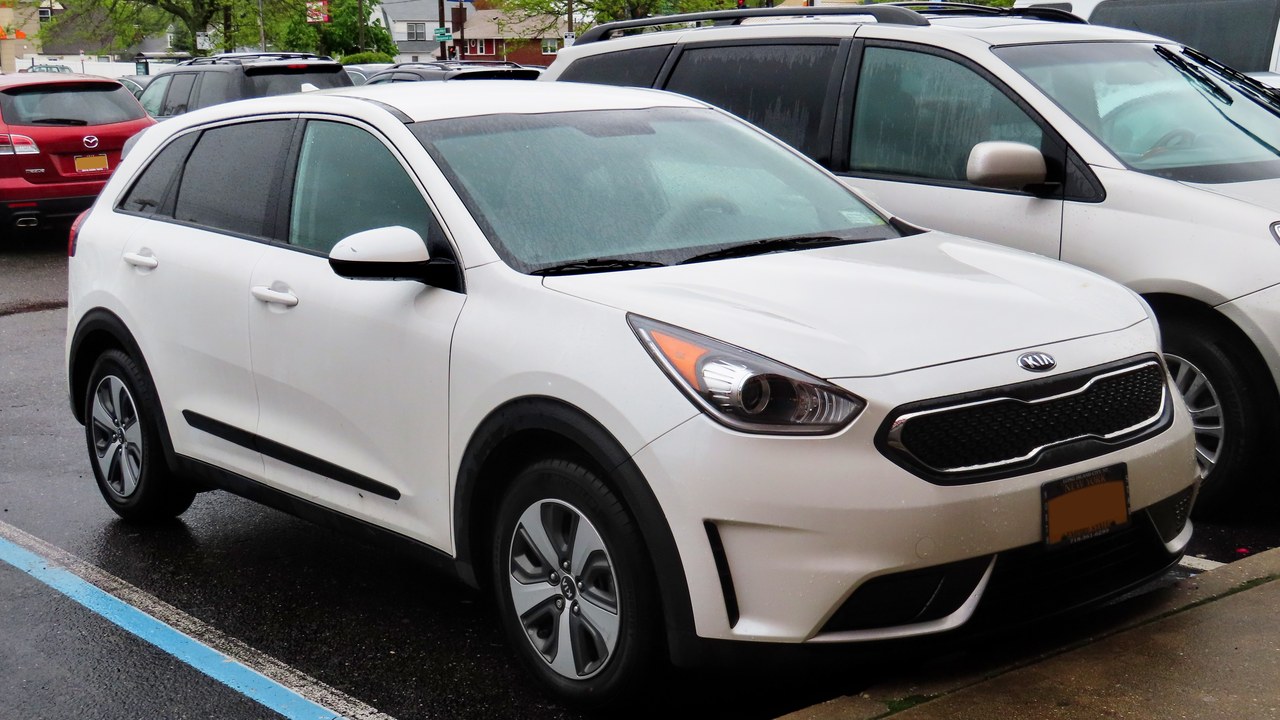
Kia’s Niro Hybrid, the standard non-plug-in version of the crossover, reaches an EPA-rated 53 mpg combined in its lightest LX front-wheel-drive trim according to the model’s specification record, while heavier trims with bigger wheels still clear 49 mpg combined. Kia also sells a separate plug-in Niro, but that model is not the one behind these numbers.
The dedicated hybrid architecture gives the Niro taller ground clearance and more cargo room than a typical hybrid sedan, without giving up mileage. Drivers get crossover practicality and sedan-level fuel bills in the same vehicle.
8. Honda Accord Hybrid: A Larger Sedan That Still Clears The Bar
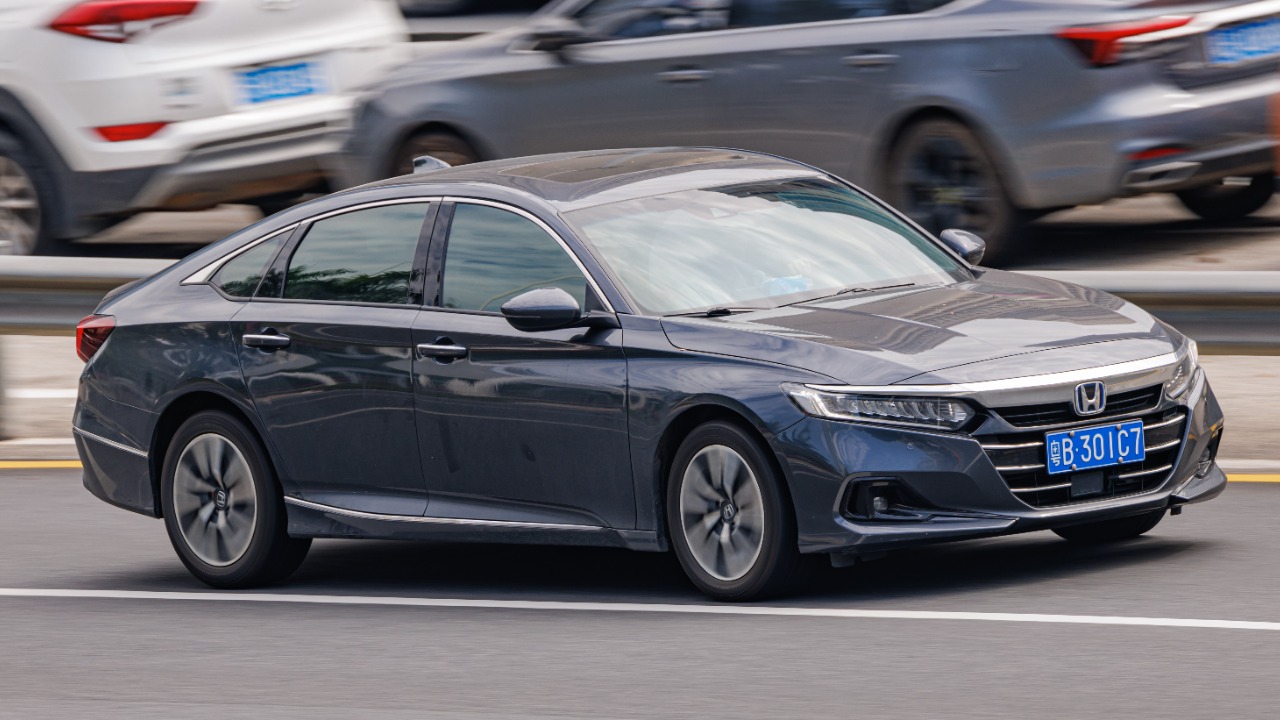
The Accord Hybrid’s EX-L and Touring trims post an EPA rating of 48 mpg combined, per the model’s technical specifications, while the sportier Sport trim’s larger wheels pull that number down into the low 40s. The two-motor hybrid system never connects to a charger, drawing its electric range purely from braking and engine output.
That efficiency arrives in a sedan roughly the size of a Camry or Sonata, with a back seat and trunk larger than compact hybrids like the Civic offer. Shoppers who need real passenger space no longer have to give up hybrid-grade mileage to get it.
9. Lexus ES 300h: Luxury That Still Watches The Gas Gauge
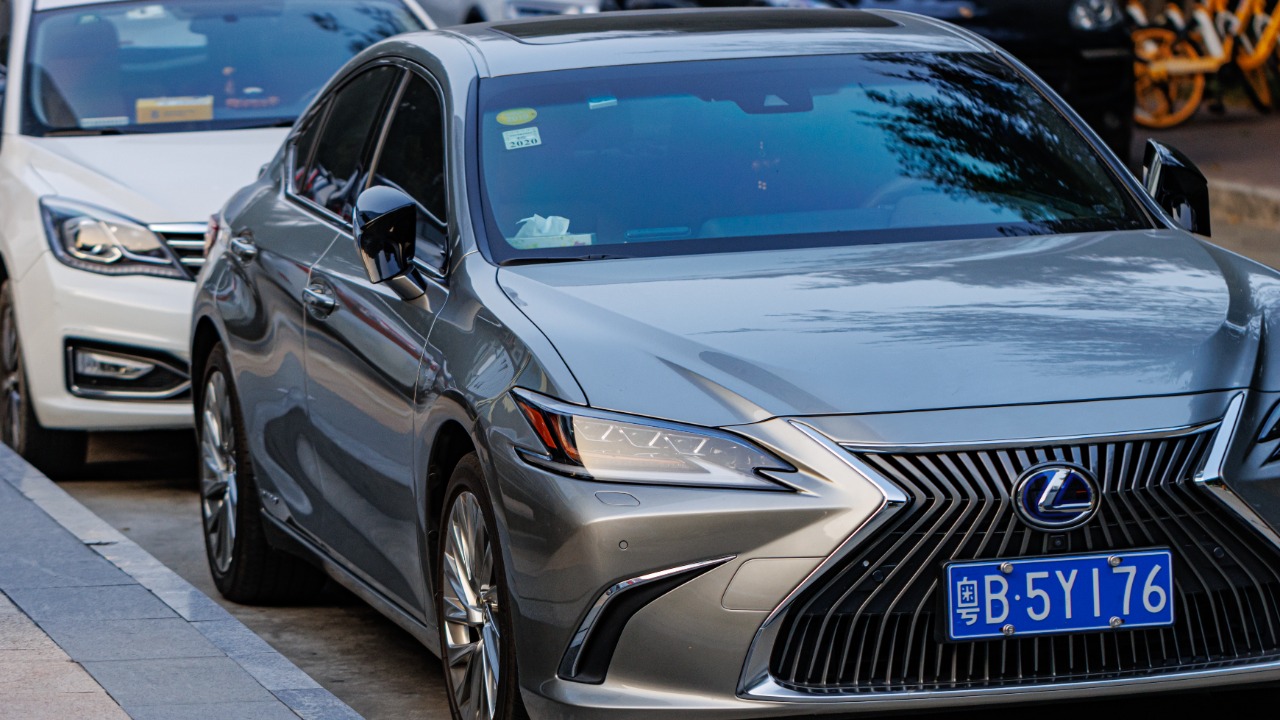
The ES 300h’s EPA rating lands at 44 mpg combined, per the car’s specification history, with the city figure at 43 mpg and the highway figure reaching 44 mpg on the outgoing generation’s hybrid powertrain. That combined number sits just under the mid-40s mark, though still well ahead of any non-hybrid luxury sedan in its class.
Lexus wrapped that efficiency in a quieter cabin, softer suspension tuning and more sound insulation than its Toyota platform-mate offers underneath. Buyers pay a premium for that hush, but the hybrid system still needs nothing more than a fuel stop to keep running.
More from Morning Overview
- Supplements now rank as the fifth-leading cause of death from liver disease.
- The NSA is again telling phone owners to switch off one location setting
- Four U.S. startups fired up their first small nuclear reactors, aiming to power AI data centers on-site
- 11 engines built to run well past 200,000 miles
