
Some cars leave the lineup and simply disappear, while others get harder to find every year because buyers refuse to let them go. The models below stopped selling new long ago, yet demand for clean used examples keeps outpacing what dealers and private sellers can supply. Here are ten discontinued cars that shoppers are still actively hunting down.
1. Honda S2000: The Redline Roadster
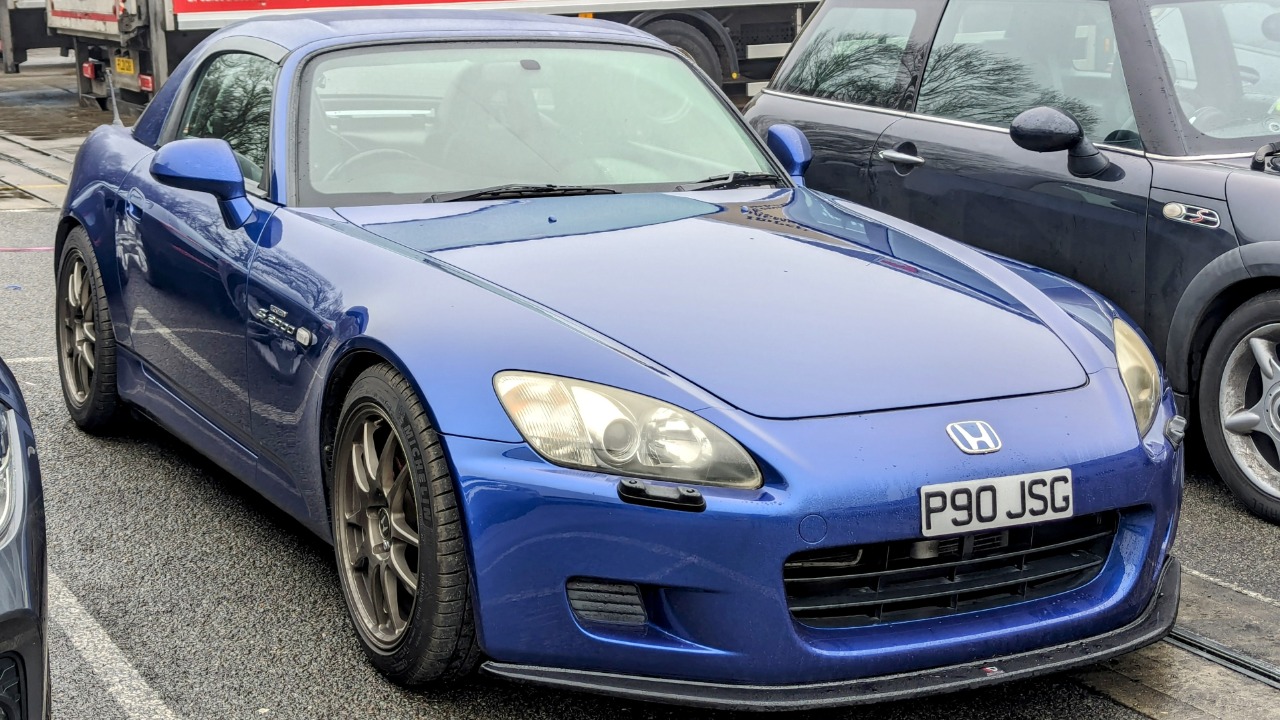
The Honda S2000 paired a lightweight chassis with the F20C engine’s 9,000-rpm ceiling, a rev limit few naturally aspirated four-cylinders have matched since the model left showrooms in 2009. An iSeeCars longevity study ranked the roadster among vehicles most likely to rack up high mileage, an unusual trait for a car routinely driven hard.
Clean, unmodified examples have grown scarce as a newer generation of drivers chases the analog driving feel secondhand. Prices have climbed steadily rather than sagged with age, and strong aftermarket parts support has kept ownership costs from scaring buyers off.
2. Ford Crown Victoria: The Fleet Workhorse
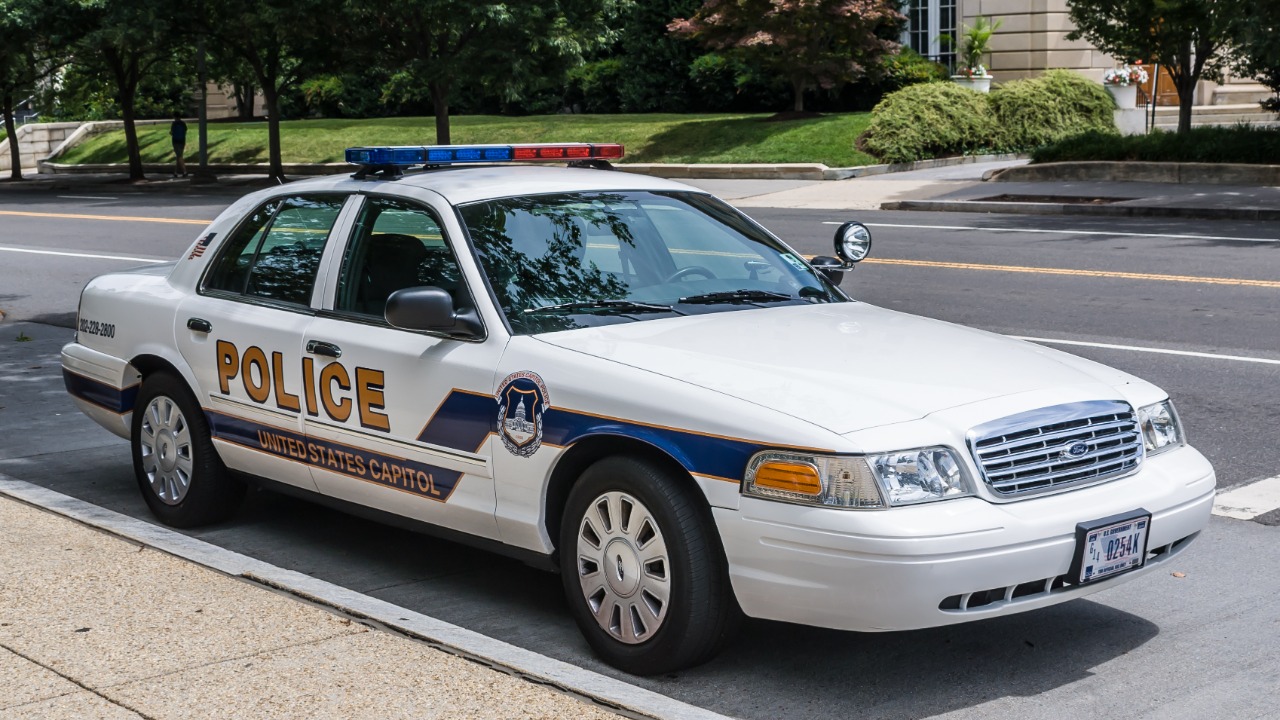
Police departments and taxi fleets ran the Ford Crown Victoria for hundreds of thousands of miles apiece, proof of a body-on-frame design built to survive constant abuse. Production ended in 2011, closing out one of the last full-size, rear-wheel-drive sedans Detroit sold at scale.
Retired Police Interceptor models now draw buyers who want a simple, tough sedan that shrugs off potholes and neglect. Cheap parts and straightforward mechanicals make the aging cruiser easy to keep running long after most sedans of its era have been scrapped.
3. Toyota FJ Cruiser: The Retro Off-Roader
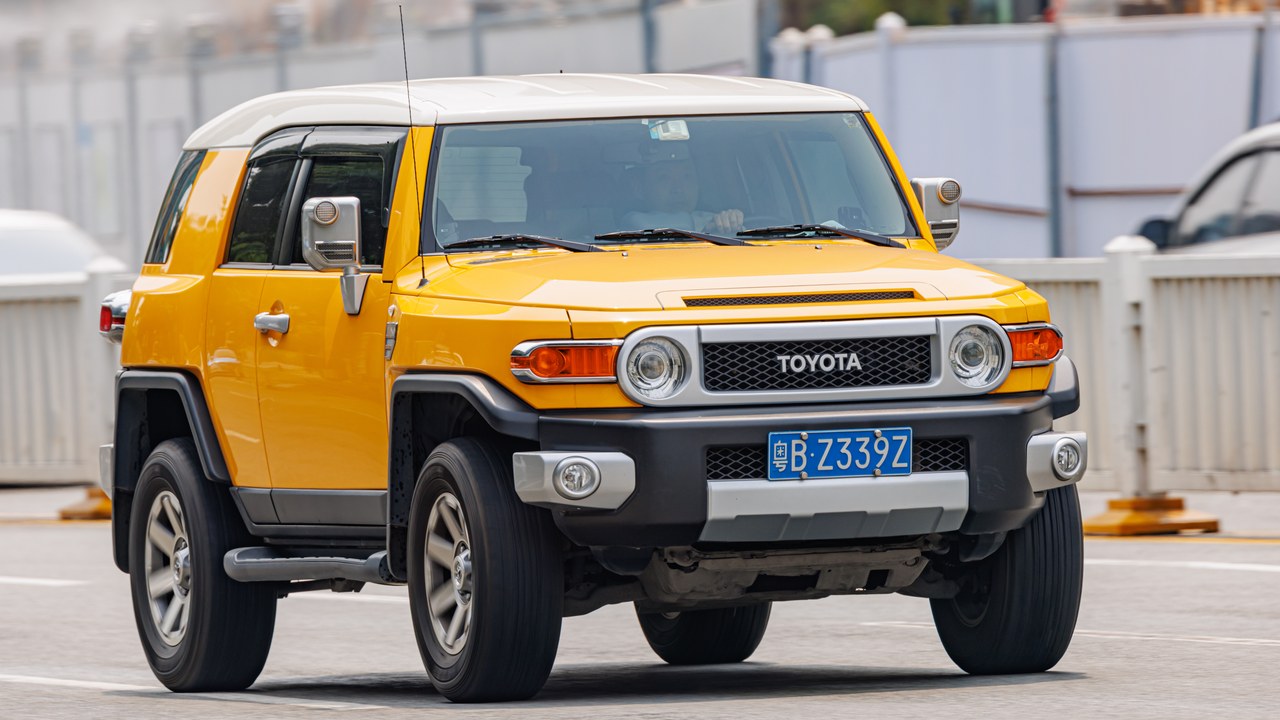
The Toyota FJ Cruiser borrowed its boxy styling from the classic FJ40 Land Cruiser while running modern running gear underneath, a combination Toyota discontinued in the U.S. after 2014. Standard four-wheel drive and short overhangs made it a genuine trail vehicle, not just a styling exercise.
A dedicated off-road following has kept asking prices rising well past what the truck cost new in its final years. Buyers specifically seek out low-rust examples from western and southern states, since the model’s fanbase treats surface corrosion as a dealbreaker.
4. Chevrolet SS: The Undercover Sedan
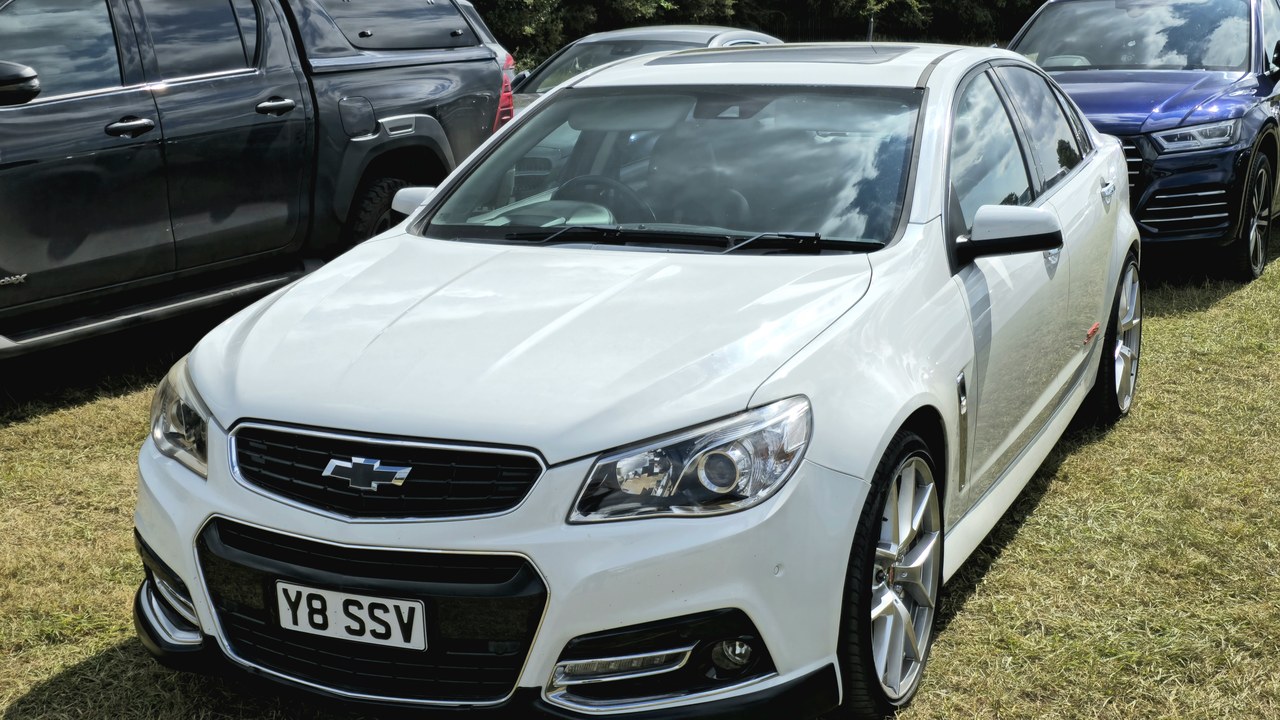
Built on a rebadged Holden platform, the Chevrolet SS hid a 6.2-liter V8 and rear-wheel drive under styling plain enough to pass for a rental car. Chevrolet sold it only through the 2017 model year in low numbers before folding the nameplate entirely.
Enthusiasts who missed it new now compete for the same small pool of low-mileage cars, since no direct successor ever replaced the formula. Manual-transmission versions in particular command a real premium over the far more common automatic examples.
5. Lexus LFA: The Carbon-Fiber Halo
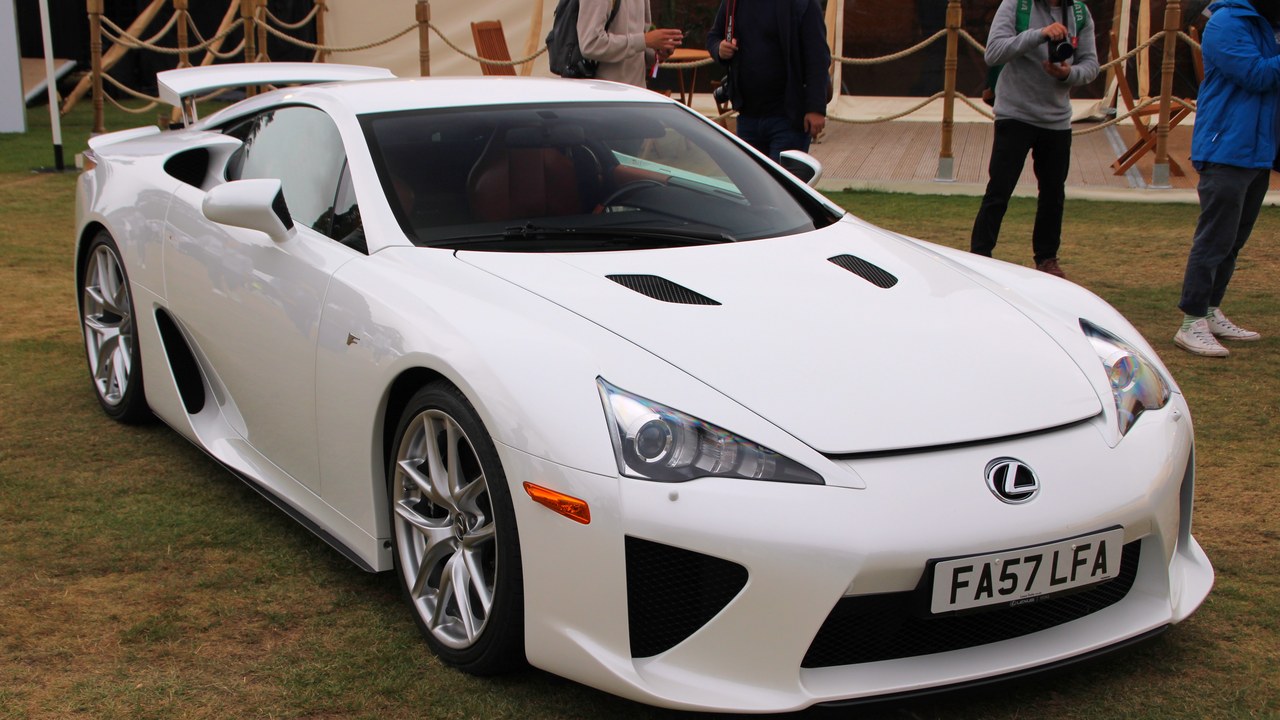
Lexus built roughly 500 units of the LFA before ending the run in 2012, each one wrapped in a hand-laid carbon-fiber body around a screaming naturally aspirated V10. The car’s four-year production window and steep original price kept ownership rare from the start.
Values have appreciated sharply as collectors recognize it as Lexus’s only true supercar, with some examples now trading for multiples of their original sticker. Scarcity, not hype alone, drives the chase, since so few were ever built to begin with.
6. Dodge Viper: The Analog Brute
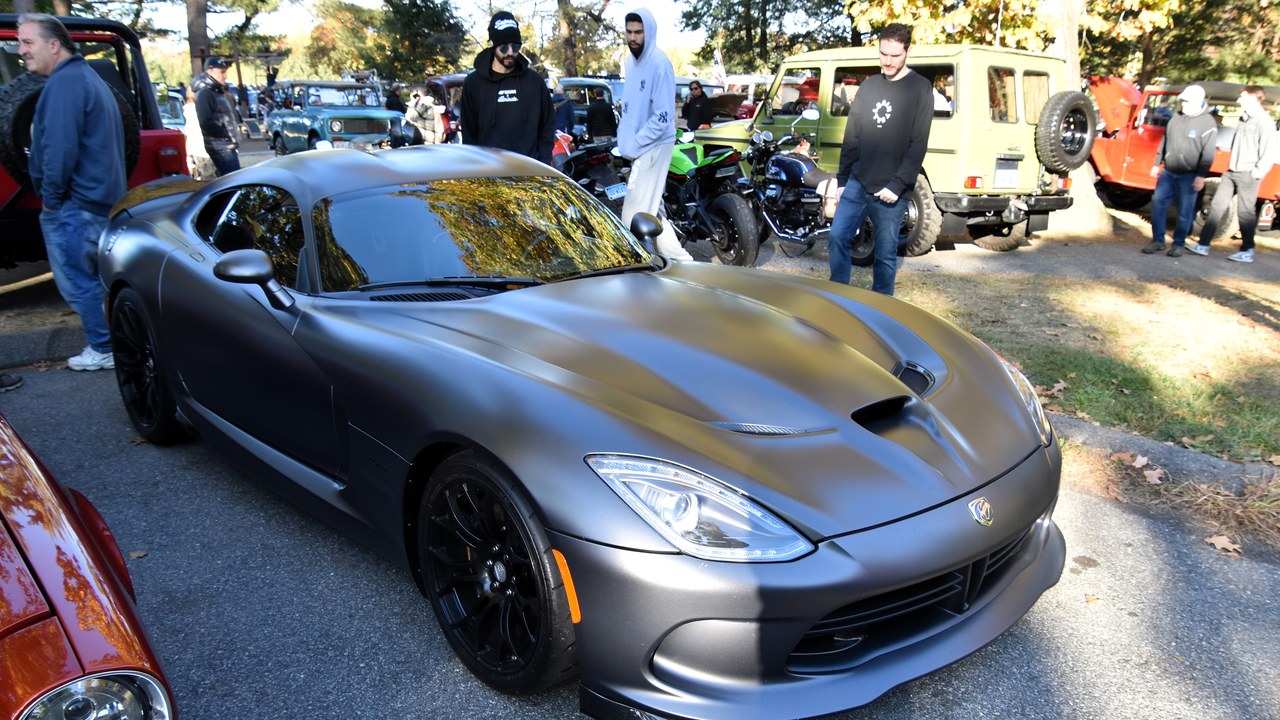
The Dodge Viper ran an 8.4-liter V10 with minimal electronic intervention through its final generation, ending production in 2017 as one of the last unassisted American sports cars. Early cars skipped anti-lock brakes altogether, a deliberate choice that made the car notoriously demanding to drive fast.
That rawness is exactly what buyers now seek, since no modern Dodge or Chrysler product offers anything close to the same experience. Later, better-equipped Vipers draw steady demand from drivers who want the V10 without the earliest cars’ harsher edges.
7. Nissan Xterra: The No-Frills Trail SUV
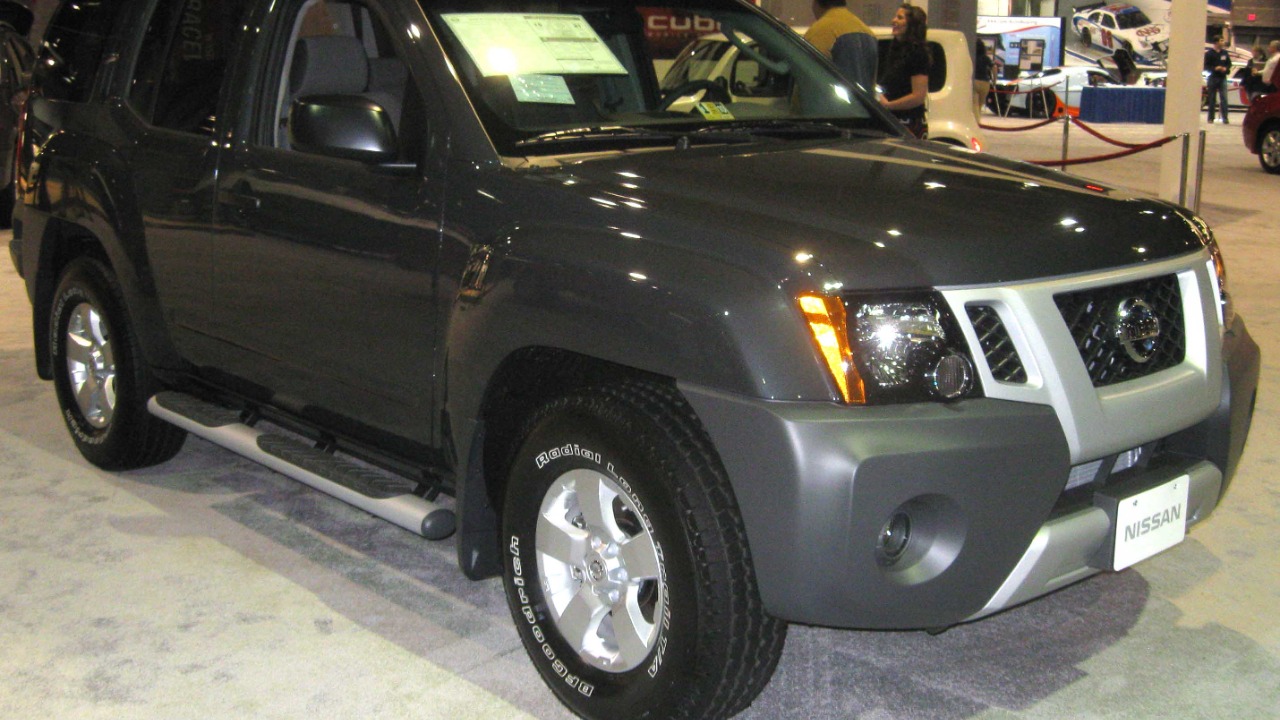
Nissan kept the Xterra on a truck-derived body-on-frame platform through its 2015 discontinuation, resisting the industry-wide shift to unibody crossovers. Simple mechanicals, real ground clearance and a factory roof rack made it a favorite among budget-minded overlanders rather than mall parking lots.
Demand from that same overlanding community has kept prices firm on higher-mileage trucks that would otherwise be considered worn out. Buyers specifically target Pro-4X trim for its locking rear differential and skid plates, features few direct rivals ever offered.
8. Acura Integra Type R: The Hand-Built Front-Driver
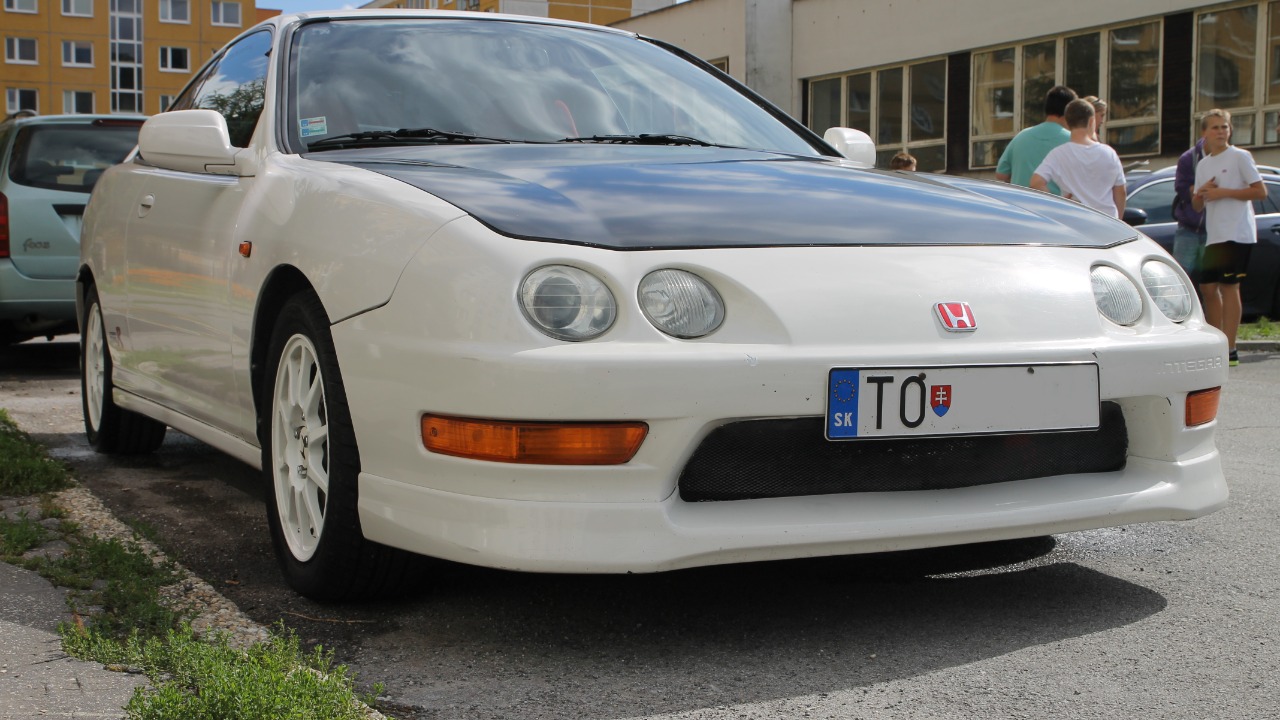
Acura sold the Integra Type R in the U.S. for only a few model years around the turn of the century, each one built with hand-assembled, individually balanced engine internals derived from the wider Integra line. The high-strung VTEC four-cylinder and stripped-down interior set a benchmark for front-wheel-drive handling that rivals struggled to match.
Unmodified survivors are now scarce, since most were driven hard, modified, or tracked into the ground long before values began climbing. Collectors chase the remaining stock examples specifically, treating any factory-original Type R as the rarer prize over a modified one.
9. Ford Focus RS: The All-Wheel-Drive Hatch

The final generation of the Ford Focus RS arrived with all-wheel drive and a drift-oriented mode before Ford ended U.S. sales in 2018 and later dropped the Focus nameplate entirely. Its turbocharged four-cylinder and rally-bred chassis made it one of the sharpest hot hatches ever sold stateside.
With Ford exiting small cars altogether, no successor exists to absorb the demand, so buyers now bid up the limited supply that was ever imported. Stock, unmodified examples with full service records draw particular attention from collectors wary of abused track cars.
10. Toyota Supra (A80): The Tuner-Era Legend
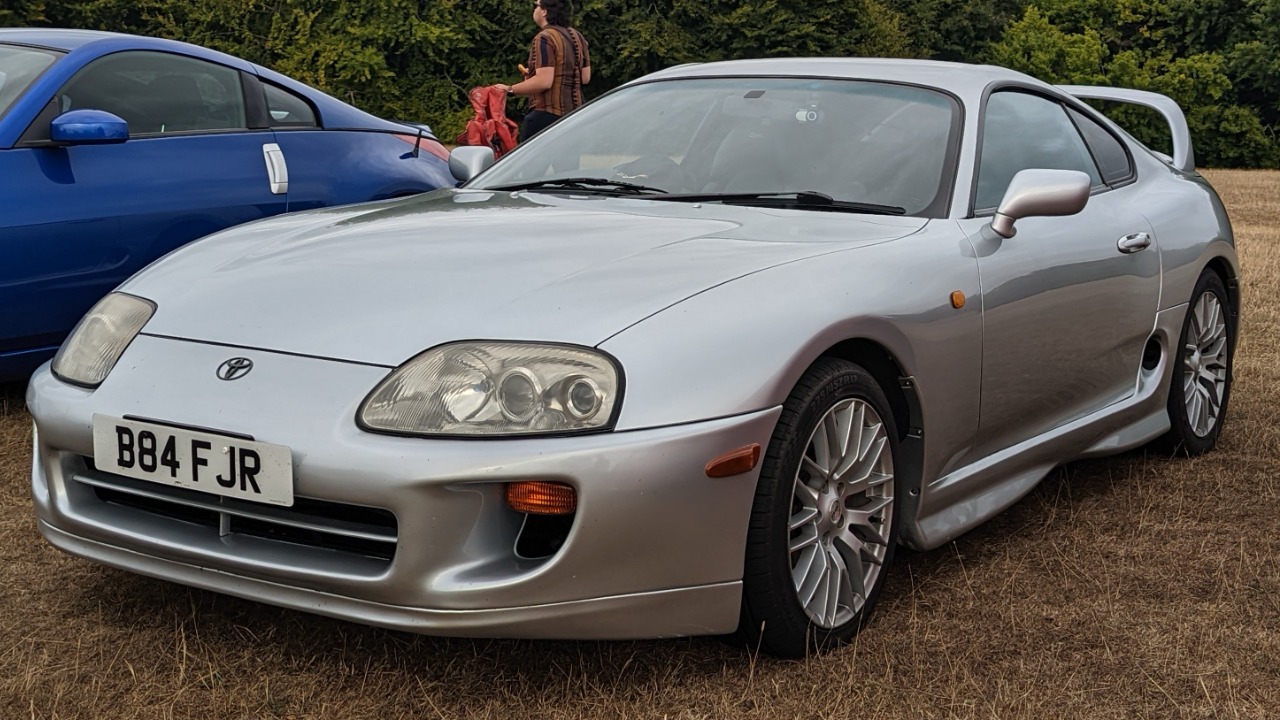
The fourth-generation Toyota Supra left U.S. showrooms in 1998, but its twin-turbo 2JZ-GTE engine became a tuning-world legend prized for surviving huge horsepower increases with its factory internals intact. That reputation, amplified by film and video-game appearances, pushed the car far beyond its original niche.
Clean, unmodified turbo examples have become especially rare and expensive, since so many were heavily modified or raced during the tuner boom of the early 2000s. Buyers now often pay a premium specifically for cars that were left mechanically stock.
More from Morning Overview
- The FBI tells phone owners to delete these toll-payment texts draining accounts nationwide
- Herbal supplements are landing Americans in the hospital with liver damage, doctors warn
- Long-term use of common heartburn pills is linked to kidney and dementia risk
- 9 pickup trucks with a reputation for falling apart after 100,000 miles
