
Road noise is one of the clearest signals of engineering effort, since cutting it requires acoustic glass, active cancellation and pounds of extra sound deadening that add cost without adding horsepower. Automakers chasing near-silent cabins do so deliberately, treating quiet as a luxury feature worth the weight and expense it demands. Here are eight cars engineered thoroughly enough that a passenger can hold a normal conversation at highway speed.
1. Mercedes-Benz S-Class: The Benchmark For Cabin Hush
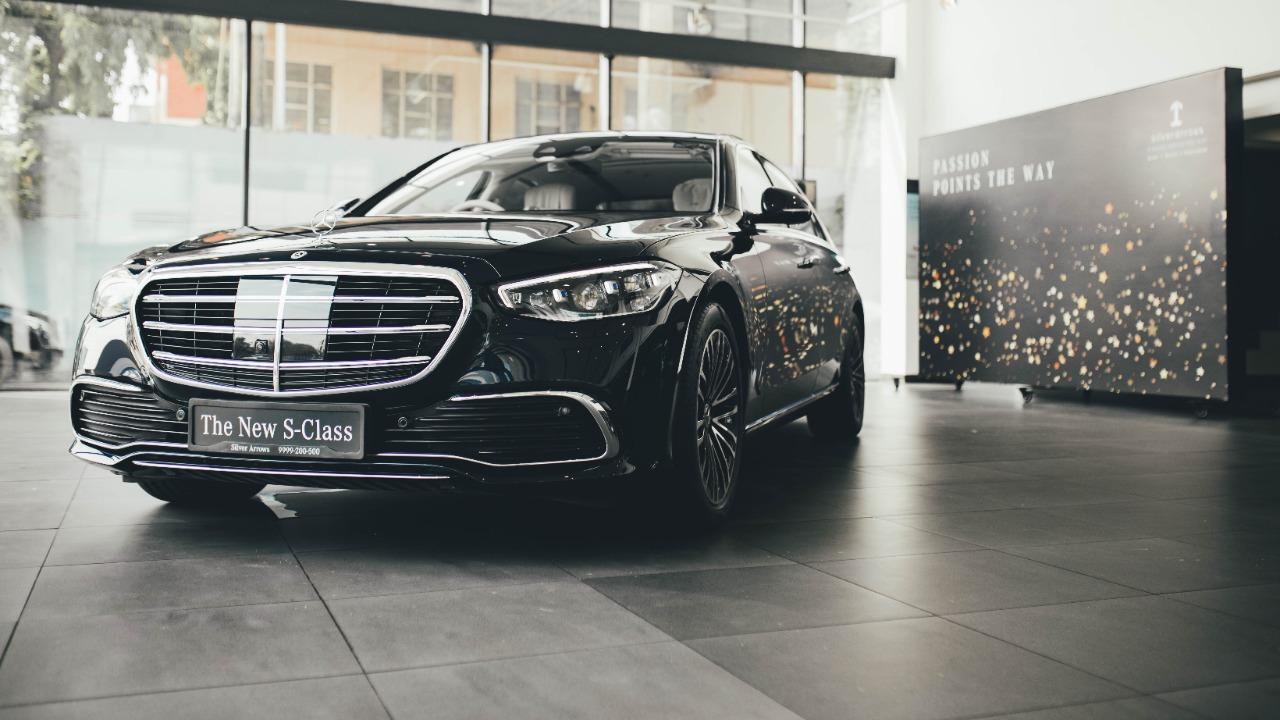
The S-Class anchors independent vehicle quality rankings partly because so little road and wind noise reaches its cabin. Mercedes-Benz fits acoustic-laminated glass on the windshield and front doors, multi-layer door seals and a foam-filled floor structure aimed specifically at blunting tire roar and wind rush before it reaches occupants. The payoff shows up less in one dramatic number than in a layered approach, with glass, seals and structural damping each removing a slice of noise a rival sedan might let through unchecked.
For a buyer cross-shopping full-size luxury sedans, that layered quieting is why the S-Class keeps outranking newer rivals on refinement even as electric competitors chase silence a different way, through drivetrain rather than insulation.
2. BMW 7 Series: Active Sound Control At Speed
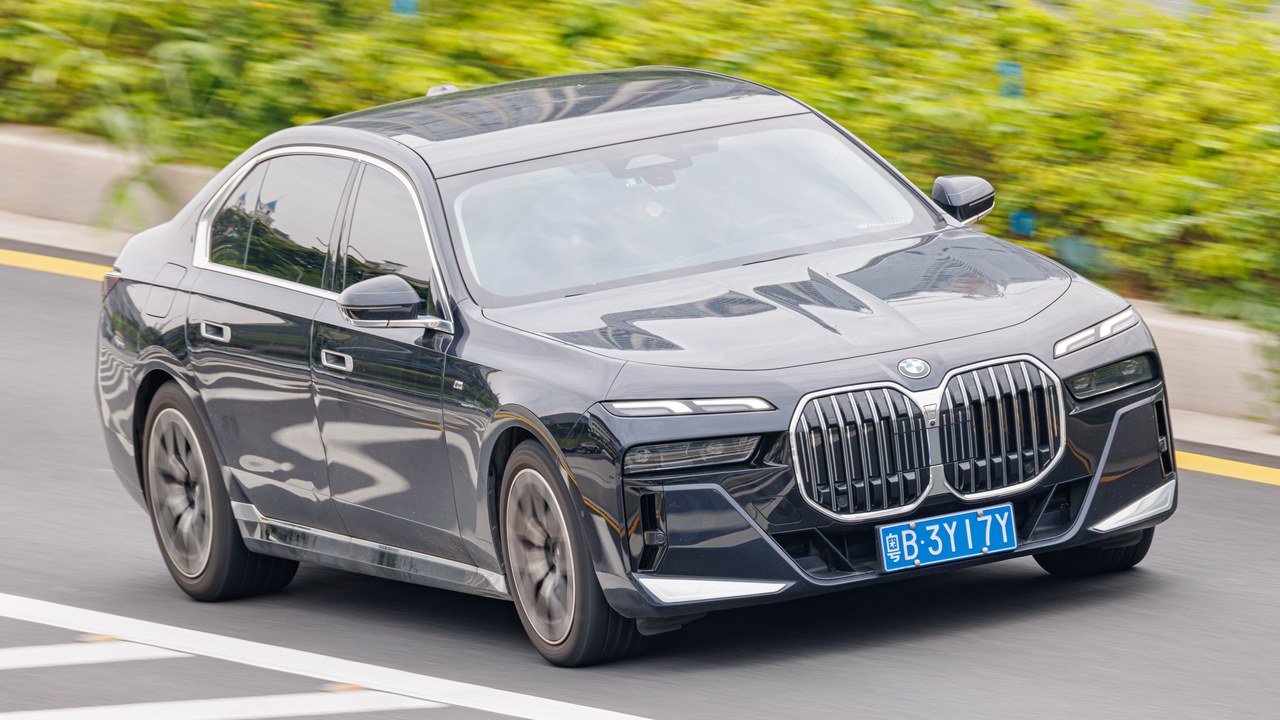
BMW built the current 7 Series with laminated acoustic glass on the windshield and side windows, a detail its production history ties to a broader push for rear-seat refinement. Thick underbody panels and extra sealing around the doors and trunk cut wind rush at speed, reinforcing a sedan that competes with the S-Class specifically on quietness rather than sportiness, a reversal from BMW’s driver-focused reputation in smaller models.
That shift matters because the flagship 7 Series now prioritizes an isolated, near-silent cabin for rear passengers over the road feedback BMW’s smaller sedans still let filter through by design.
3. Lexus LS: Toyota’s Quietest Flagship

The LS has long served as Toyota’s showcase for noise, vibration and harshness engineering, using thick acoustic glass, dense underbody insulation and a rigid body structure that resists the flex letting road noise resonate into a cabin, per its production history. Lexus engineers reportedly chase specific frequencies rather than one blanket target, layering fixes for wind, tire and engine noise until each drops in turn.
The result targets chauffeur-driven buyers, where a hushed rear seat matters more than outright performance, and where German sedans are the explicit engineering benchmark Lexus tests itself against.
4. Audi A8: Insulation Over Everything
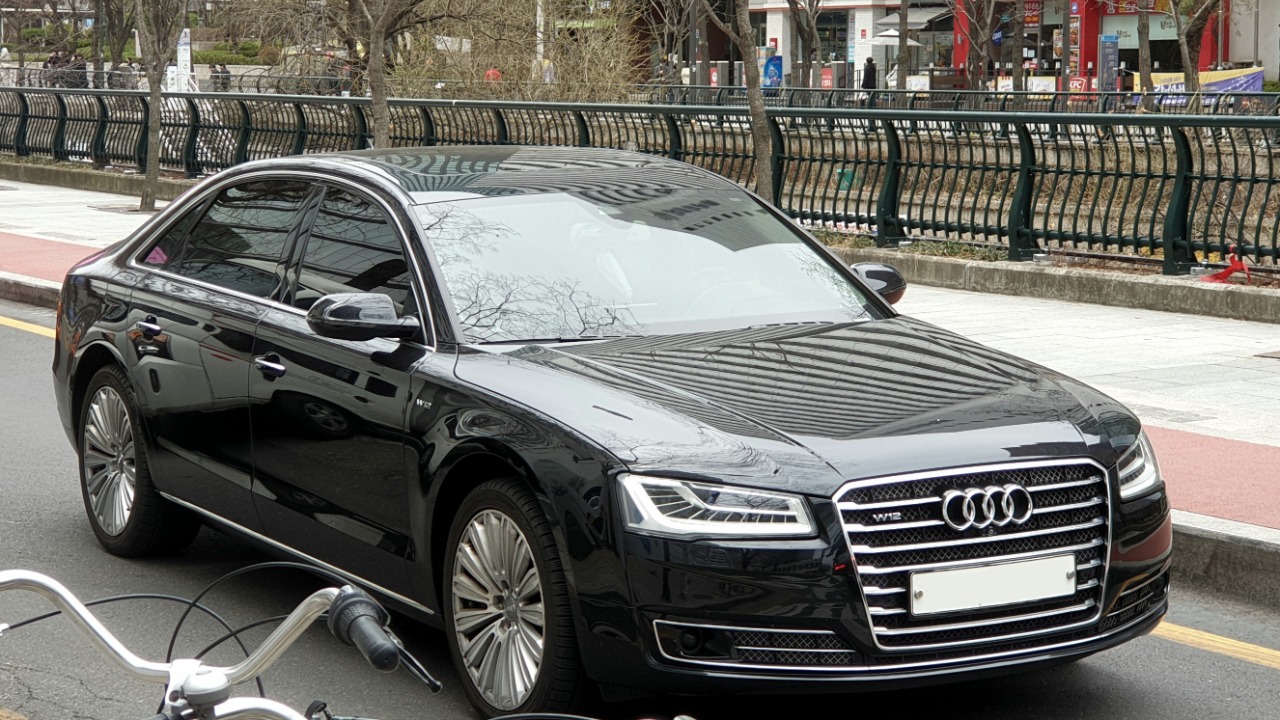
Audi’s flagship relies on dense sound-deadening material packed into the floor, firewall and wheel arches, paired with acoustic glazing on the windshield and front windows. Its model history ties that combination to the A8’s long-running reputation as the quietest car in Audi’s lineup. The approach favors mass and layering, padding and glass working together, over any single active-cancellation gimmick, which keeps the system simpler to maintain across a long ownership period.
For owners logging long highway stretches, that insulation-first strategy means less fatigue from droning road noise, even though it adds weight the smaller A6 and A4 don’t carry.
5. Genesis G90: The Newcomer Chasing German Silence
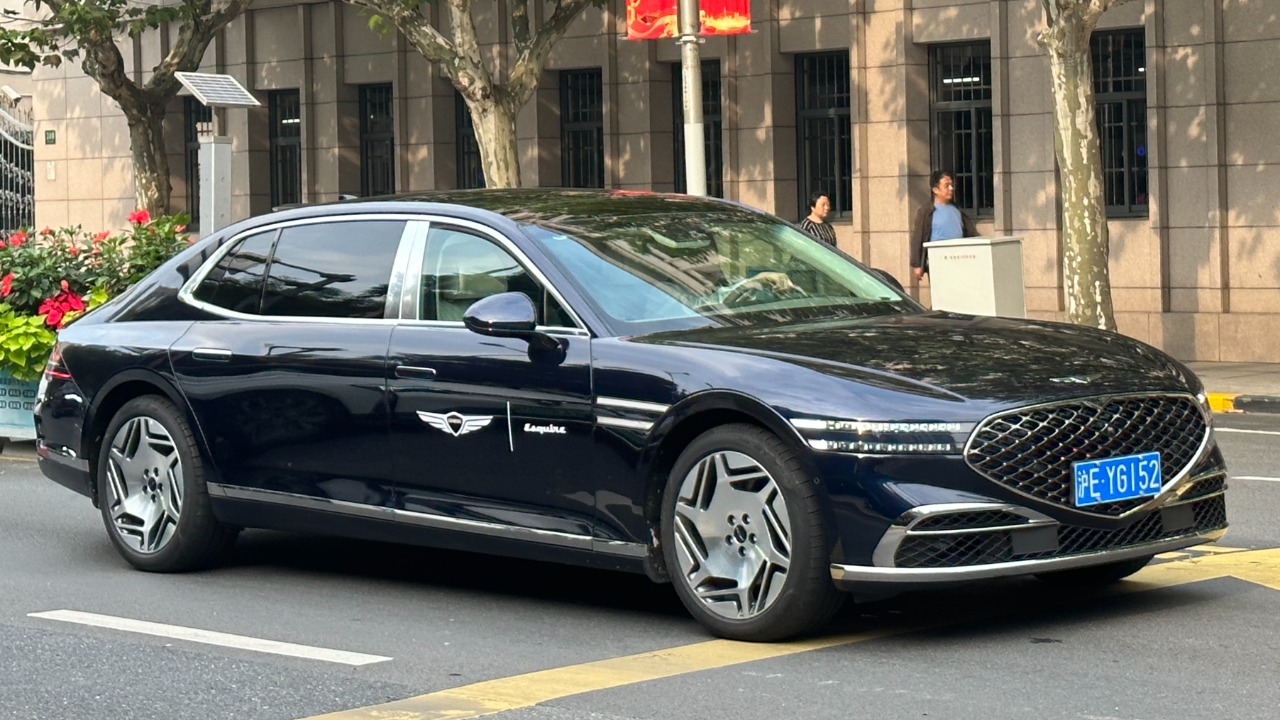
Genesis positioned the G90 as a direct challenge to the S-Class and 7 Series, and its specification history credits acoustic-laminated glass and extensive cabin sealing for a notably hushed interior. Reviewers consistently cite that quiet as evidence the brand can match established luxury rivals on refinement, not merely on price, a distinction Genesis has worked deliberately to earn since launch.
That matters for a brand still building trust: matching the Germans on something as measurable as cabin quiet gives skeptical luxury buyers a concrete reason to cross-shop a newer nameplate seriously.
6. Rolls-Royce Ghost: Engineered For Near-Total Silence
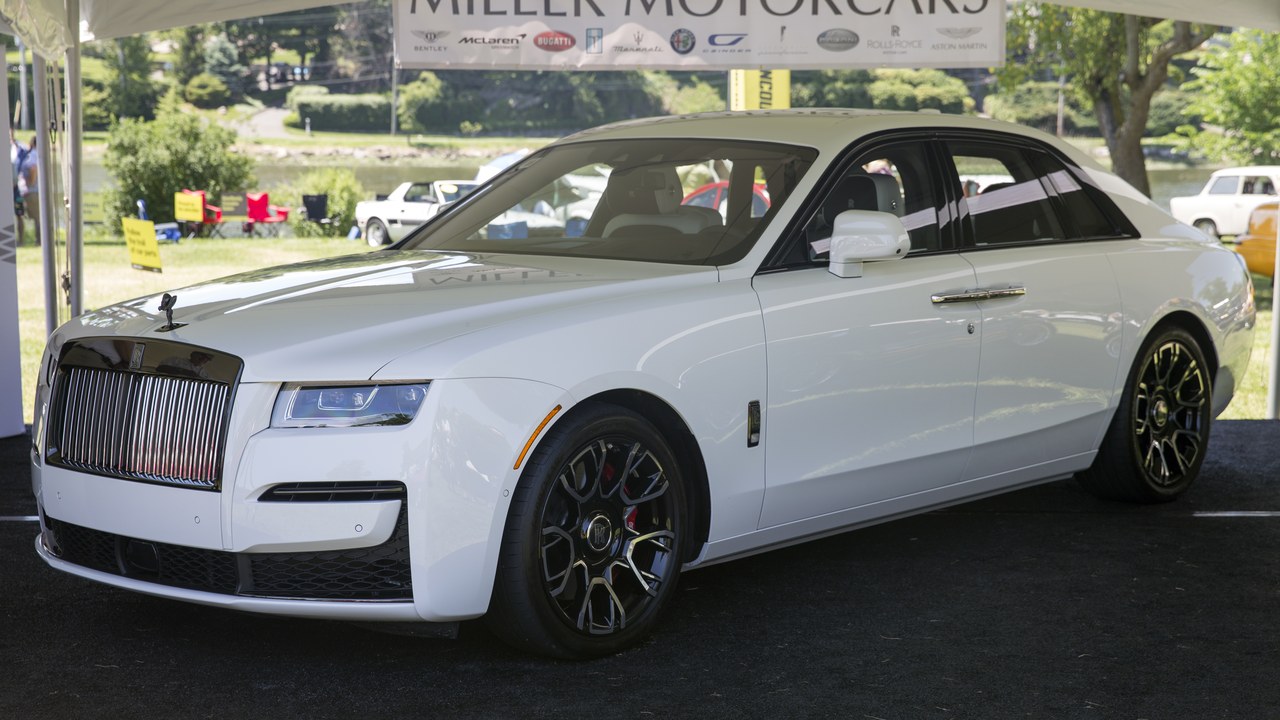
Rolls-Royce built the Ghost around what it calls a ‘magic carpet ride,’ and its engineering background describes extensive sound insulation packed into the body along with double-skinned firewall panels and foam-filled tires meant to suppress noise before it reaches the cabin. The company treats silence as a brand pillar rather than a spec-sheet line, building it into the chassis rather than adding it afterward as trim.
For the ultra-luxury buyer, that pursuit of silence is the point: a Ghost is expected to isolate occupants so completely that conversation, not engine note, defines the ride.
7. Cadillac Escalade: A Big SUV That Hushes Itself
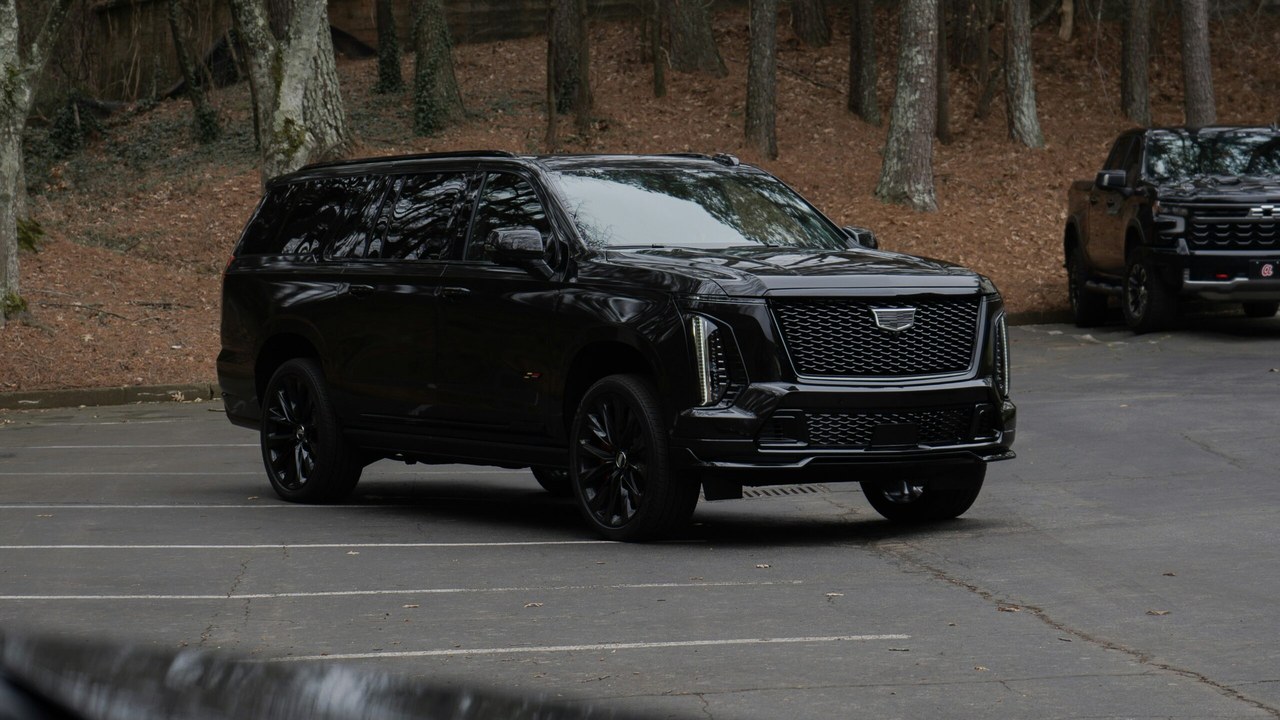
The Escalade pairs an active noise-cancellation system with thick acoustic glass and additional underbody sealing, features its model documentation ties to Cadillac’s push to make its flagship SUV compete with sedans on refinement rather than size alone. That is a harder engineering problem than in a sedan, since a tall SUV body and large tires generate more wind and road noise by default before any fix is applied.
For families or executives who want three-row space without the road drone that usually comes with it, the Escalade’s cancellation system is doing real work most SUV buyers never notice until they drive a louder rival.
8. Lucid Air: Silence By Default, Not Design
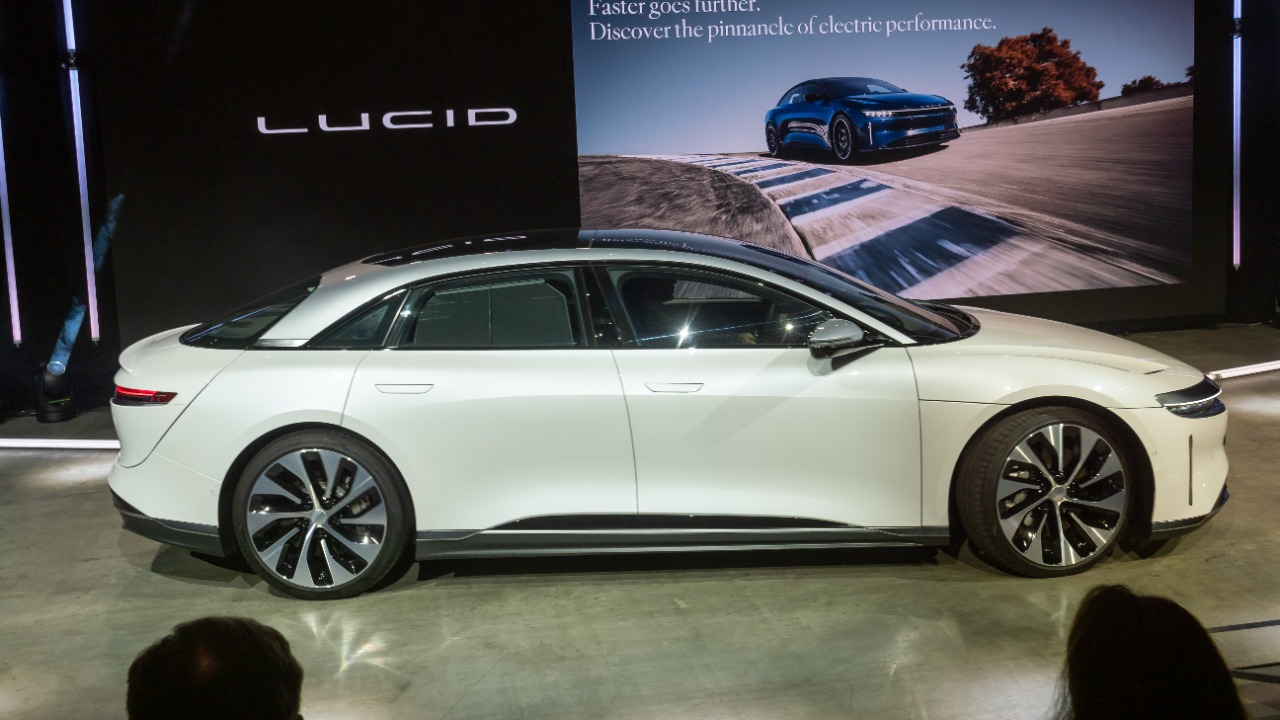
The Air’s quiet starts with its powertrain: an electric motor produces none of the combustion noise or vibration a gas engine does, and Lucid layered acoustic glass and extra sealing on top of that inherent advantage, according to its technical overview. Without engine noise masking wind and road sound the way it does in a combustion car, engineers had to solve those sources separately rather than let one cover for another.
The result is a cabin where the loudest sound at speed tends to be tire roar, since Lucid effectively erased the engine noise floor other automakers still have to engineer around.
More from Morning Overview
- Four U.S. startups fired up their first small nuclear reactors, aiming to power AI data centers on-site
- 11 engines built to run well past 200,000 miles
- A handful of car transmissions are so tough that mechanics say they almost never die
- Card skimmers hidden on gas pumps are draining accounts, and there’s a quick way to spot them
