
Mail and packages rarely finish their journey aboard a plane or a freight truck; the final stretch to an American doorstep almost always happens in a delivery vehicle built or adapted for exactly that job. Some of these trucks and vans have carried the Postal Service’s blue eagle for decades, while others were engineered from scratch for modern parcel carriers. Here are nine vehicles that make that last mile possible.
1. Grumman LLV: Three Decades On Every Route
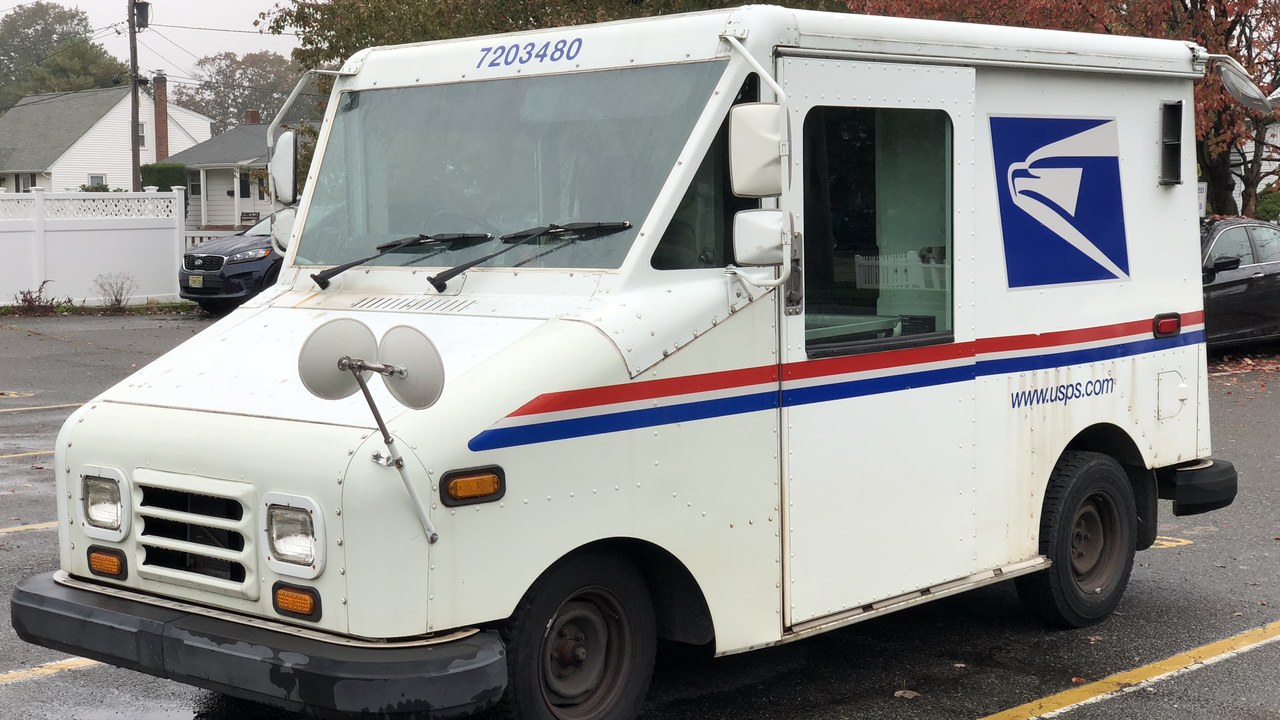
Grumman built the LLV from 1986 to 1994 on a Chevrolet S-10 chassis, wrapping the mail truck in a rustproof aluminum body designed to survive decades of daily stop-and-go routes. The design became the primary USPS delivery vehicle for more than thirty years, its right-hand drive and boxy silhouette instantly recognizable outside mailboxes nationwide.
Age eventually caught up with the fleet, as many examples exceeded three decades in service and periodically caught fire, pushing the Postal Service to seek a modern replacement. Some carriers kept driving LLVs well past their intended lifespan simply because no full replacement had arrived yet.
2. Oshkosh NGDV: The Fleet’s Modern Replacement
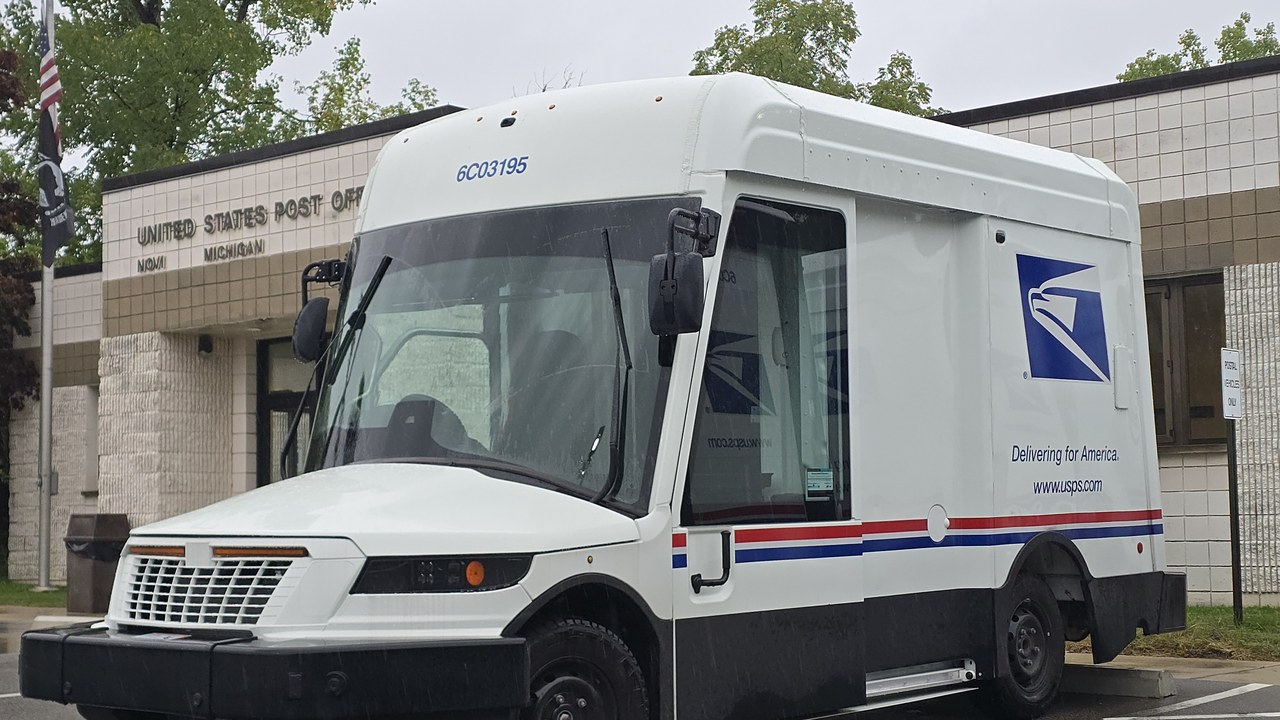
USPS selected Oshkosh Defense to build its Next Generation Delivery Vehicle, a purpose-built replacement for the aging Grumman LLV fleet that entered service in 2024. The new truck ships with a raised roofline, expanded cargo space, and standard air conditioning, features the decades-old LLV never had.
USPS ordered both gasoline and battery-electric versions, with the electric share of the order set to climb as charging infrastructure expands at postal facilities across the country. Postal workers who tested early units also praised the vehicle’s backup camera and improved visibility, upgrades absent from the fleet it replaces.
3. Ford Transit Connect: Built For The Tight Turn
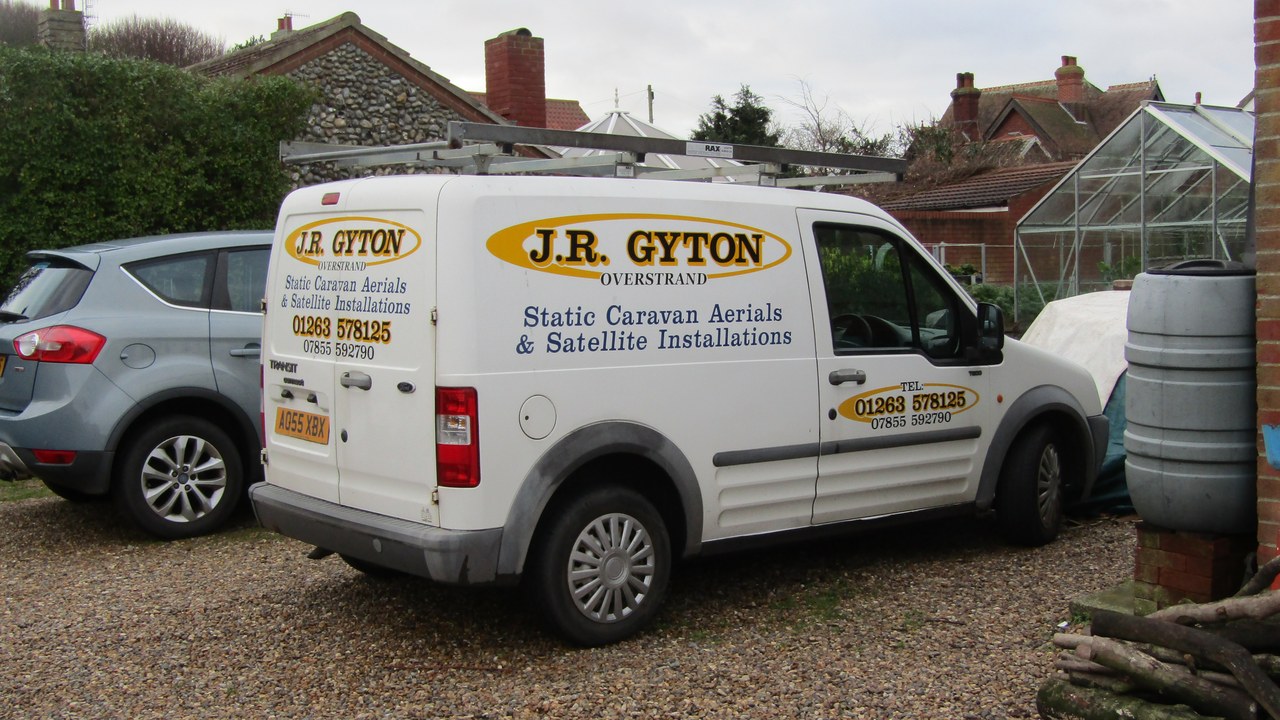
Ford has built the compact Transit Connect panel van since 2002, sizing it below the full-size Transit for couriers who need cargo space without a bulky footprint. Its small turning radius and low step-in height suit the tight urban routes last-mile delivery fleets increasingly run.
Small-parcel carriers and independent contractors have adopted the van widely, since its fuel economy beats larger step vans on routes packed with short stops. Ford has kept the model in production for over two decades, updating its engine and safety features while preserving the compact dimensions that first drew delivery fleets to it.
4. Mercedes-Benz Sprinter: Tall Enough To Stand Inside
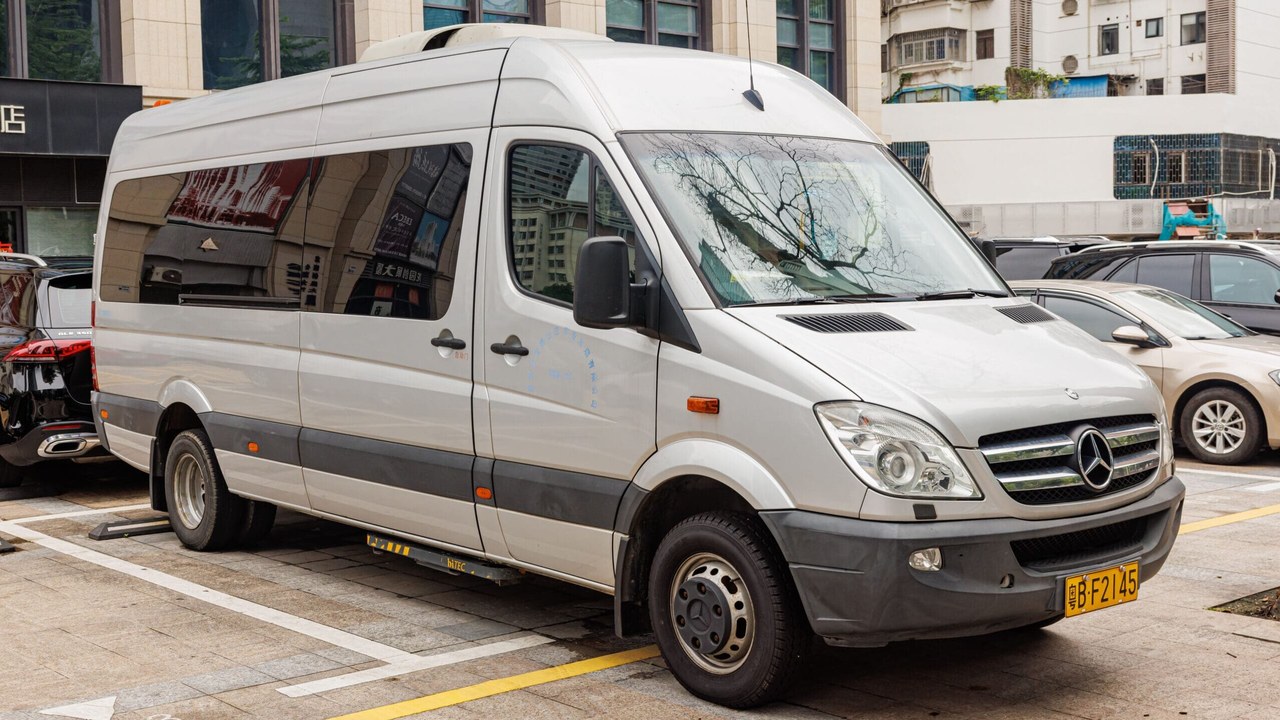
Mercedes-Benz has produced the Sprinter cargo van since the mid-1990s, and its tall-roof configuration now anchors delivery routes for FedEx and Amazon across the United States. The van’s height lets a driver stand upright while sorting packages, a feature that shaved seconds off each stop.
Contractors favor the platform for its payload capacity, and diesel and electric variants now run side by side on many of the same routes. Independent contractors driving for delivery platforms often choose the Sprinter specifically for its high roof option, which accommodates packages too tall for smaller vans.
5. Rivian EDV: Amazon’s Purpose-Built Electric Van

Amazon commissioned the battery-electric Rivian EDV as an exclusive delivery vehicle before opening a version to outside commercial buyers as the ECV/Delivery in November 2023. Custom sensors and a driver-facing telematics system were built into the design from the outset, unlike vans retrofitted for electric drivetrains.
Thousands of the vans now run daily Amazon routes nationwide, part of a broader push to electrify last-mile delivery fleets before the decade closes. Amazon has continued expanding its order for the vans since the initial rollout, aiming to replace a meaningful share of its gasoline-powered delivery fleet with the electric model.
6. Ford-Utilimaster FFV: A Short-Lived Bridge Truck
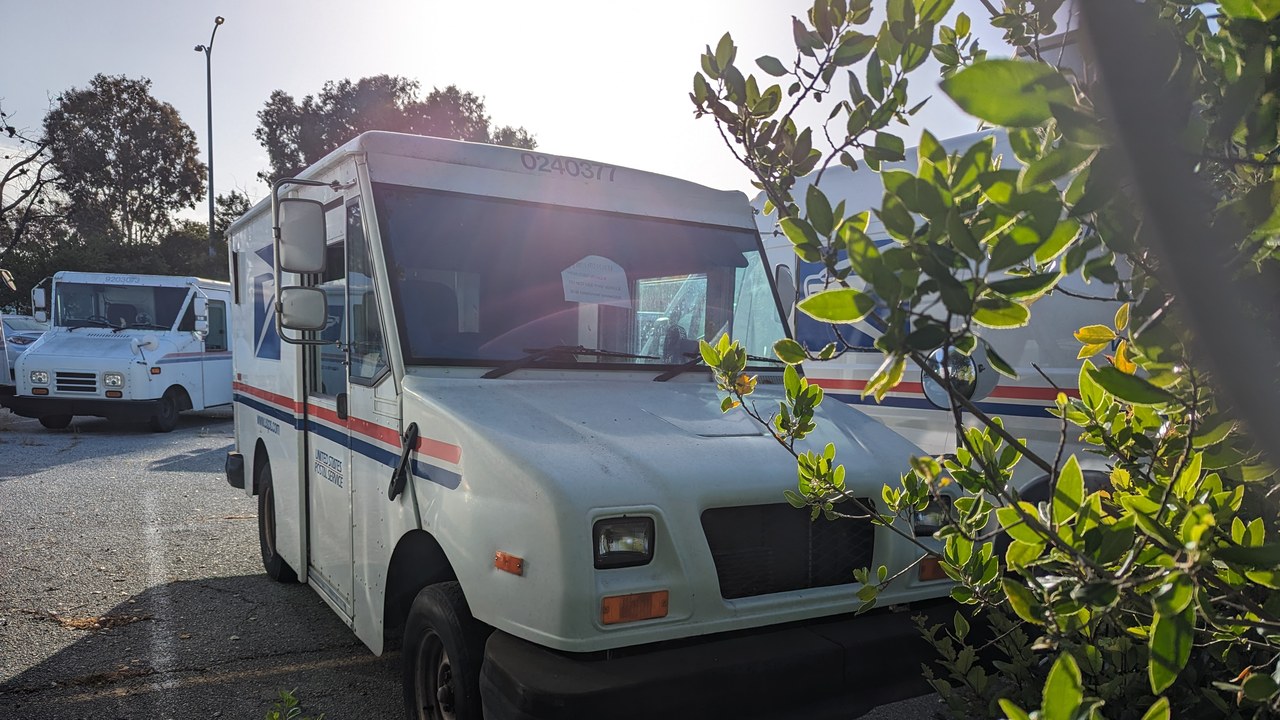
USPS built the Carrier Route Vehicle between 1999 and 2001 on a stripped Ford Explorer chassis, taking delivery of 21,275 units meant to succeed the aging Grumman LLV. The Oshkosh NGDV eventually replaced the FFV in turn, making it a comparatively short-lived bridge between two longer-serving designs.
Its Explorer-based drivetrain proved less durable than the LLV it replaced, and many FFVs were retired well before their intended service life ended. Despite its brief production run, the FFV remains a recognizable sight on some routes today, kept in service by postal facilities stretching tight vehicle budgets.
7. Isuzu Reach: A Walk-Through Cab For City Blocks
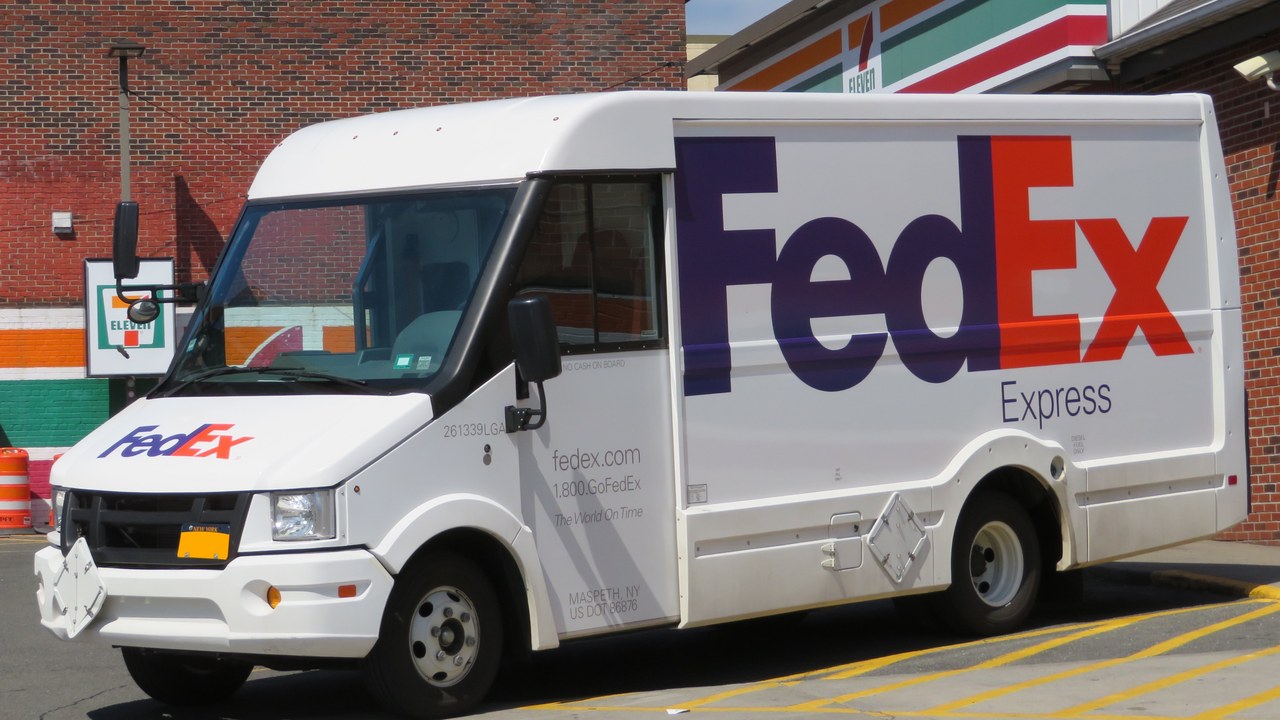
Isuzu produced the Isuzu Reach from 2011 to 2019 on an NPR chassis paired with a Utilimaster walk-through body, and both UPS and FedEx ran the truck on city delivery routes. The walk-through cab let drivers move between the seat and cargo area without stepping outside on multi-stop blocks.
Production ended in 2019, but plenty of Reach trucks remain in daily service on dense urban routes where their compact frame still fits tight alleys. Its diesel engine and boxy cargo area made it a favorite among drivers handling dense residential blocks where frequent stops reward a vehicle built for quick in-and-out access.
8. Step van: A Century-Old Shape That Stuck
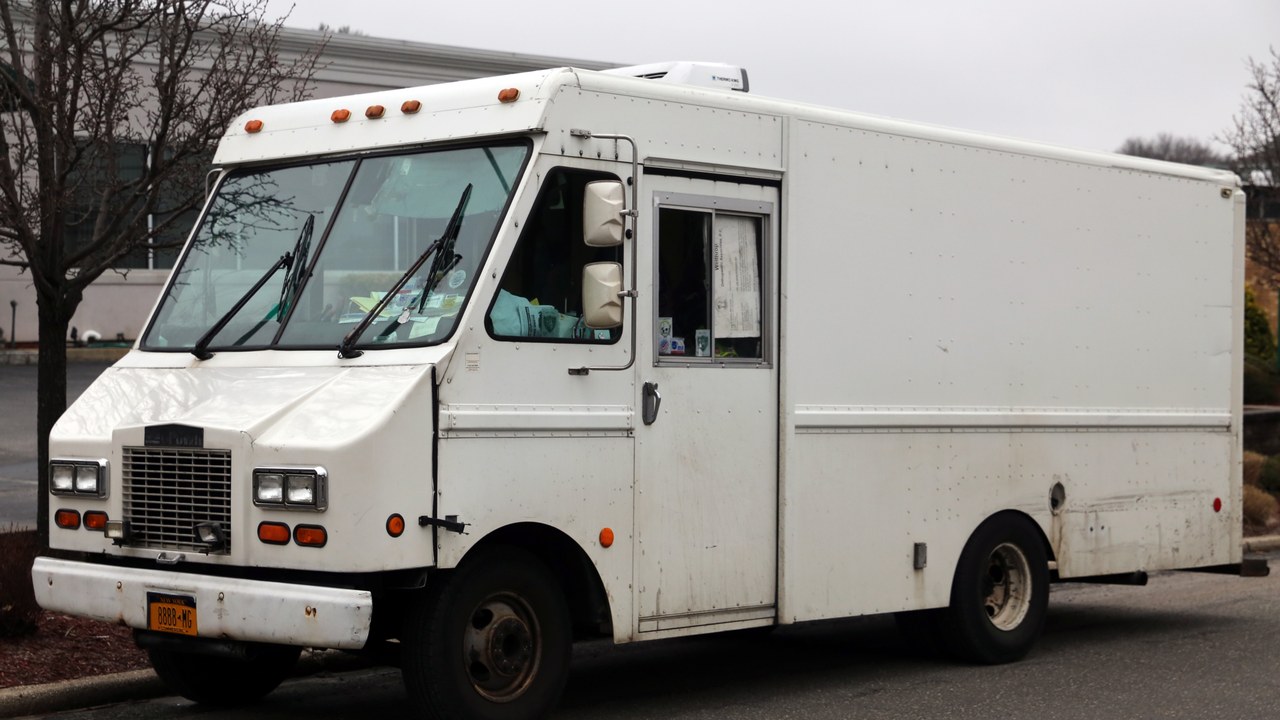
The step-van format traces back to the 1926 Pak-Age-Car, and GM’s Chevrolet Step-Van and P-series chassis became a standard doorstep-delivery shape for FedEx, UPS, and Frito-Lay fleets through the 20th century. Its low step-up entry and boxy cargo hold were built around one task: fast repeated stops.
Decades after GM stopped building the chassis, the step-van silhouette still defines what many Americans picture when they imagine a delivery truck. Modern step vans have since adopted electric powertrains and aluminum bodies, but the basic layout, a driver standing to walk to the curb, has barely changed in a century.
9. Utilimaster Aeromaster: An Aerodynamic Walk-In Van
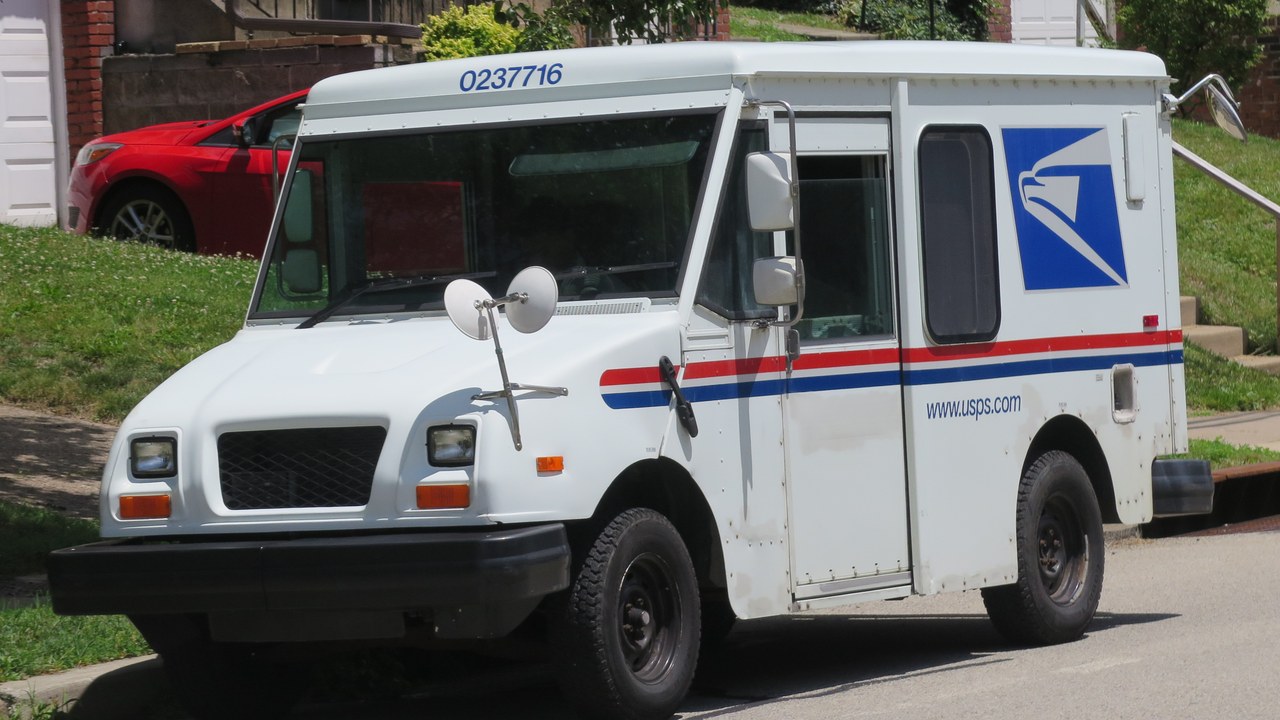
Utilimaster introduced the aerodynamic, front-wheel-drive Aeromaster Z2000 for the 1991 model year, one of the walk-in vans the company has built for parcel and mail fleets since 1973. Its sloped nose was designed to cut wind resistance on highway stretches between delivery stops.
Utilimaster’s walk-in vans still underpin many regional parcel fleets today, decades after the Aeromaster’s front-wheel-drive layout set it apart from rival step vans. Utilimaster later built additional walk-in models on the same aerodynamic principles, and many Aeromasters logged well over a decade of daily parcel routes before retirement.
More from Morning Overview
