
Commercial aviation has produced dozens of airliners that once defined scheduled flying before newer, more efficient designs pushed them out of the passenger cabin. Some vanished within a couple of decades, while others soldiered on with smaller carriers long after the majors moved away from them. Here are twelve airliners that have been withdrawn from passenger service.
1. Concorde: The Supersonic Dream That Ended
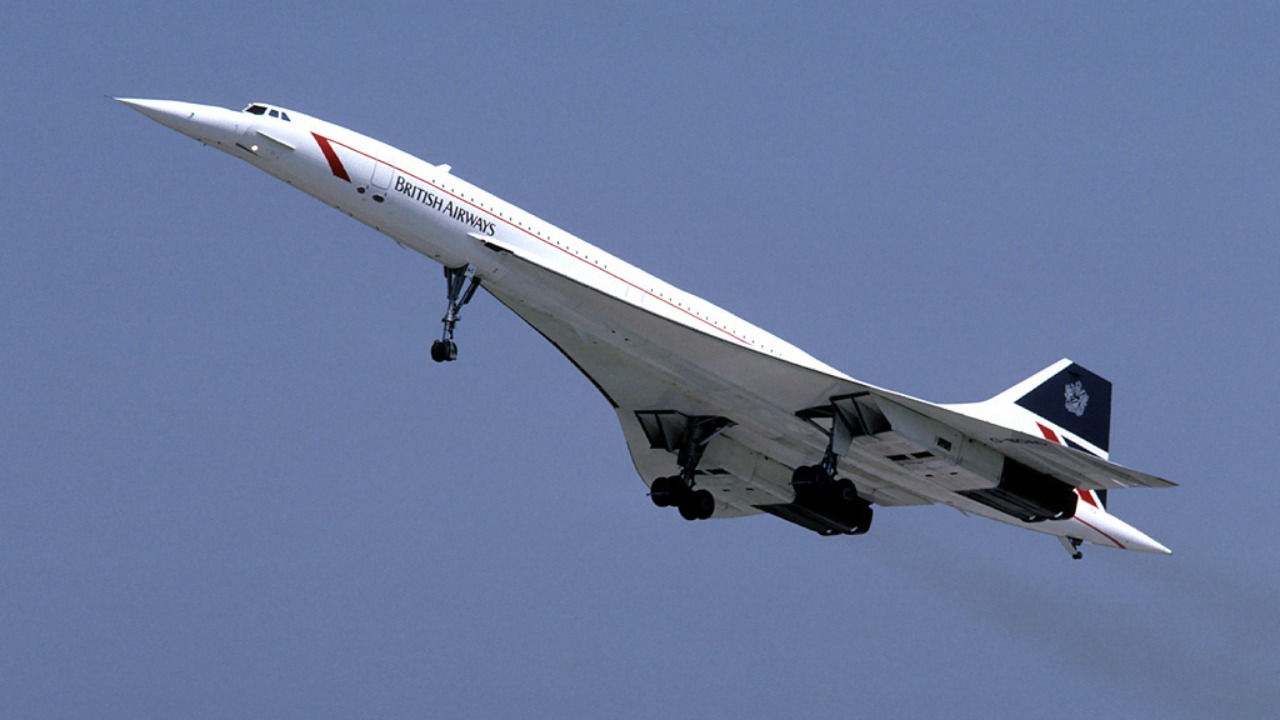
British Airways and Air France jointly ended Concorde’s commercial passenger flights on 26 November 2003, closing out more than a quarter century of supersonic airline travel after only fourteen of the delta-winged jets ever entered scheduled service.
Rising maintenance costs and a fatal 2000 crash outside Paris had already eroded public confidence in the program well before that final flight touched down. Surviving airframes now sit permanently grounded in museum displays across Britain, France and the United States, still drawing large crowds decades later.
2. Boeing 707: The Jet That Started The Jet Age
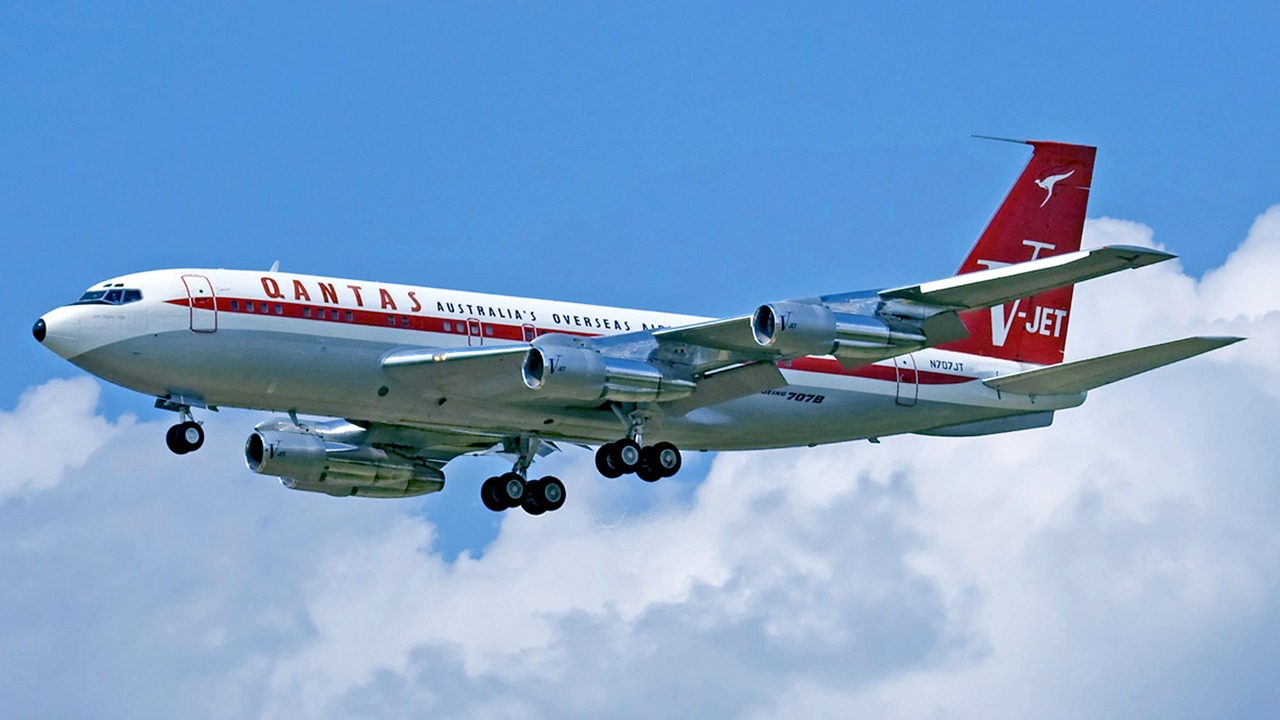
Pan Am launched the Boeing 707 into scheduled service on 26 October 1958, and the four-engine jet spent two decades as a backbone of transatlantic and domestic travel for nearly every major Western carrier.
Stricter noise regulations introduced in the late 1970s made many older 707s too loud to keep operating at busy airports without expensive modifications. Most scheduled passenger fleets had phased the type out by the mid-1980s, though military and cargo variants kept flying for years afterward.
3. Douglas DC-8: Delta’s Long-Haul Workhorse
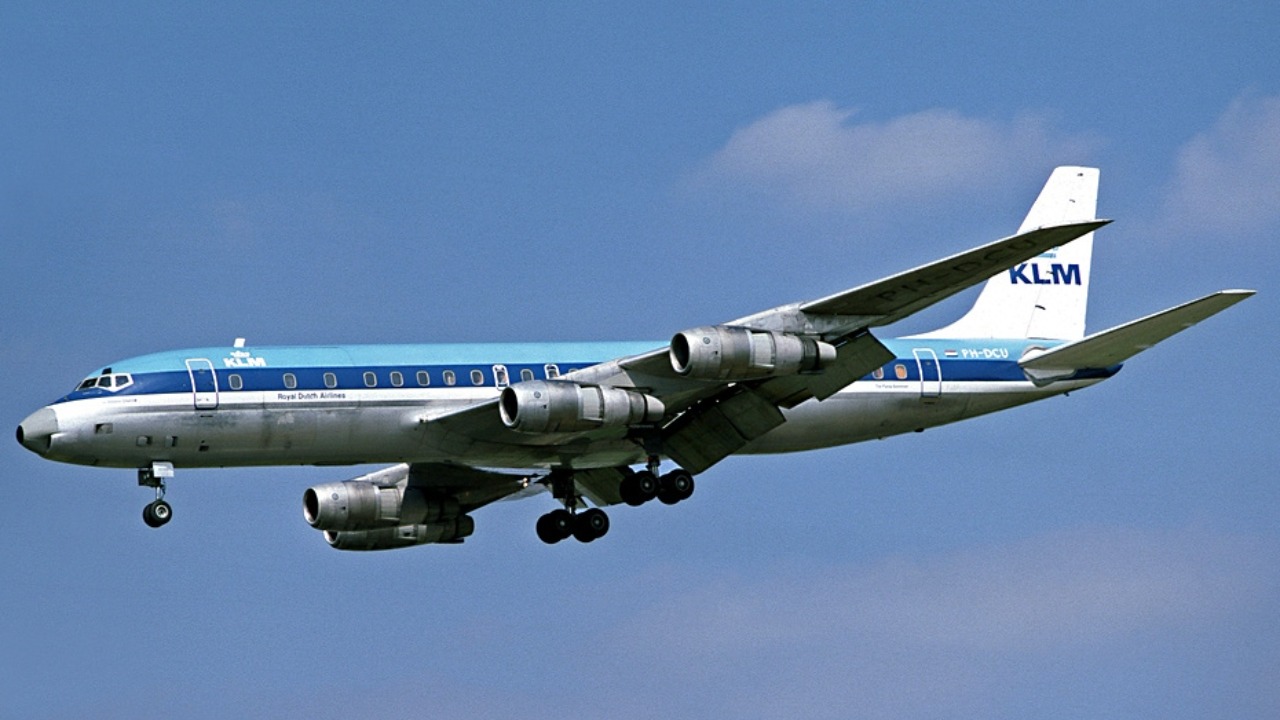
Delta Air Lines put the Douglas DC-8 into passenger service on 18 September 1959, and the narrow-body jet went on to compete directly with the rival Boeing 707 on long-haul routes for more than twenty years.
Most airlines had withdrawn the type from scheduled passenger duty by the early 1980s as newer, quieter aircraft arrived on the market. A number of stretched DC-8s were later converted into freighters and kept flying cargo routes for many more decades afterward.
4. Vickers VC10: Britain’s Answer To American Jets
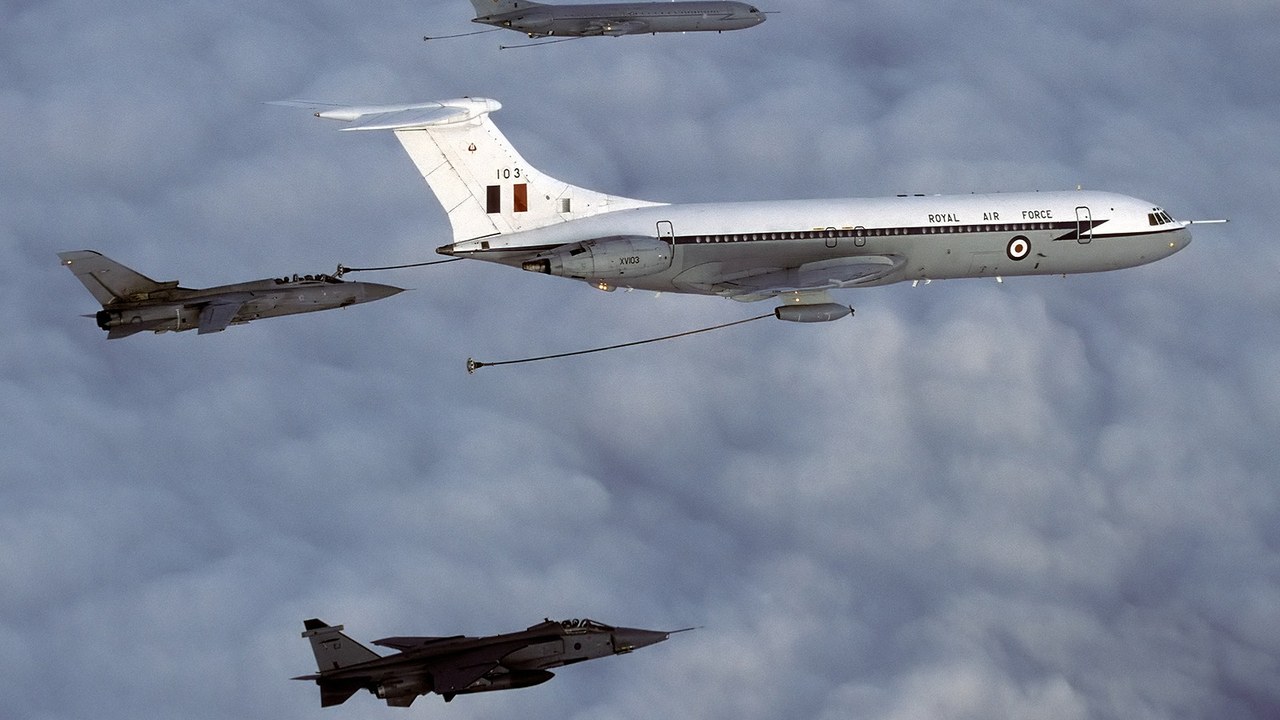
British Airways pulled the Vickers VC10 from scheduled passenger flying in 1981, ending a run built on the rear-engine jet’s reputation for climbing quickly out of the high-altitude, hot-weather airports where rival designs often struggled.
The Royal Air Force kept operating converted VC10s as aerial tankers and long-range transports for decades after the airline pulled out of passenger flying. A handful of preserved examples remain on static display at aviation museums across the United Kingdom today.
5. McDonnell Douglas DC-10: The Wide-Body That Outlasted Its Reputation
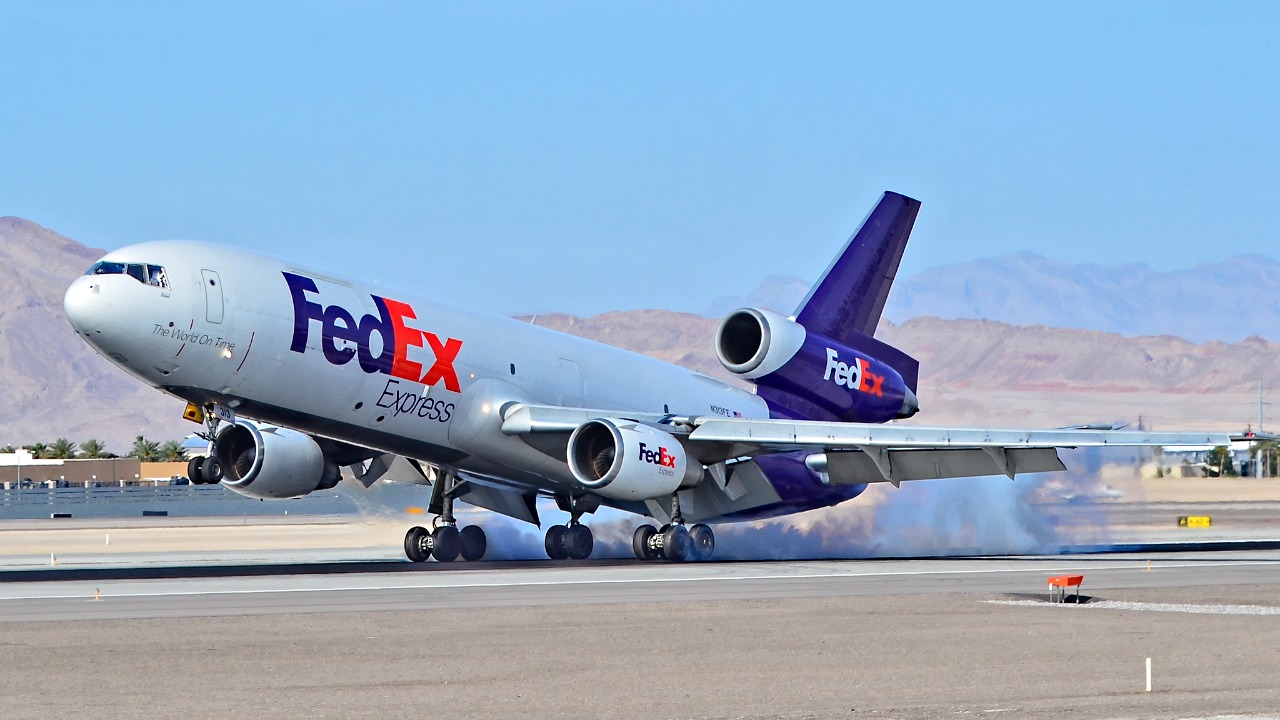
American Airlines introduced the DC-10 into airline service in 1971, and Biman Bangladesh Airlines flew the type’s final scheduled passenger route more than four decades later, in February 2014.
Early safety concerns had dogged the jet’s reputation throughout the 1970s, yet operators around the world kept flying it well into the following century regardless. Converted freighter versions and military refueling tankers built on the same airframe remained active long after passenger retirement ended.
6. Lockheed L-1011 TriStar: The Wide-Body That Lost The Race
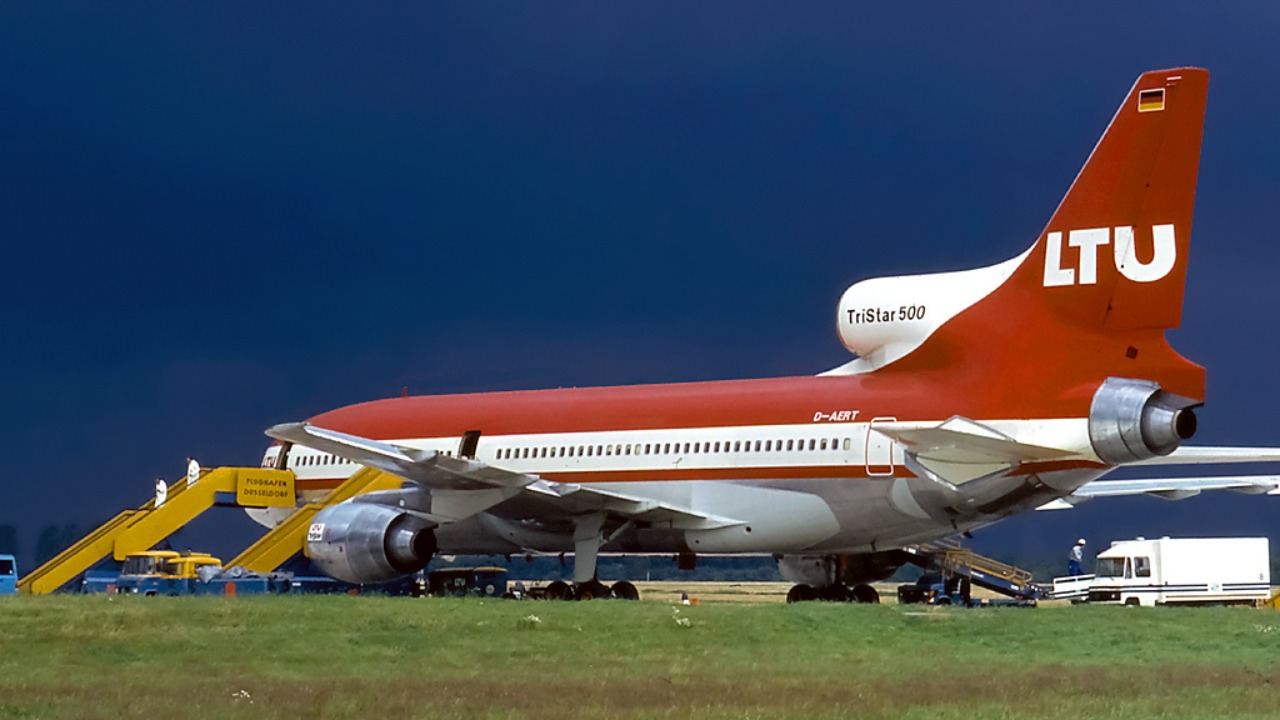
Lockheed’s L-1011 TriStar entered airline service as the third wide-body jet to fly, following the 747 and the DC-10, and built a strong reputation among pilots for its advanced autopilot technology.
Operators had withdrawn the TriStar from nearly all scheduled passenger fleets by the early 2000s as airlines shifted toward more fuel-efficient twin-engine wide-bodies instead. Only a small number of the roughly two hundred and fifty built survive today, mostly in museum collections or scrapyards.
7. Convair 880: The Fast Jet That Never Sold Enough
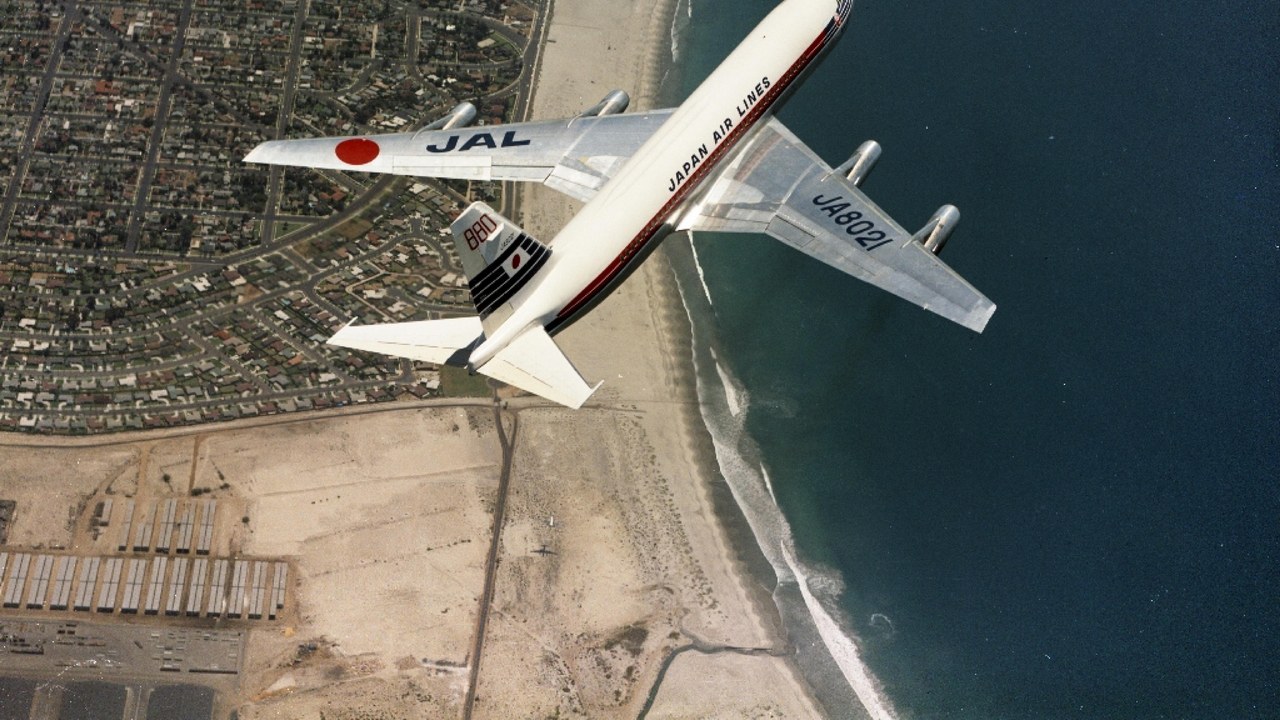
General Dynamics built only sixty-five examples of the Convair 880, a jet marketed heavily on raw speed that never came close to matching Boeing and Douglas rivals in total sales despite outrunning them in the air.
The type was formally retired from all service in 1998, decades after most airlines had already moved on to larger and more efficient designs. Nearly every surviving airframe was scrapped within two years of that final retirement date, leaving very few intact today.
8. Convair 990: The Coronado’s Brief Reign
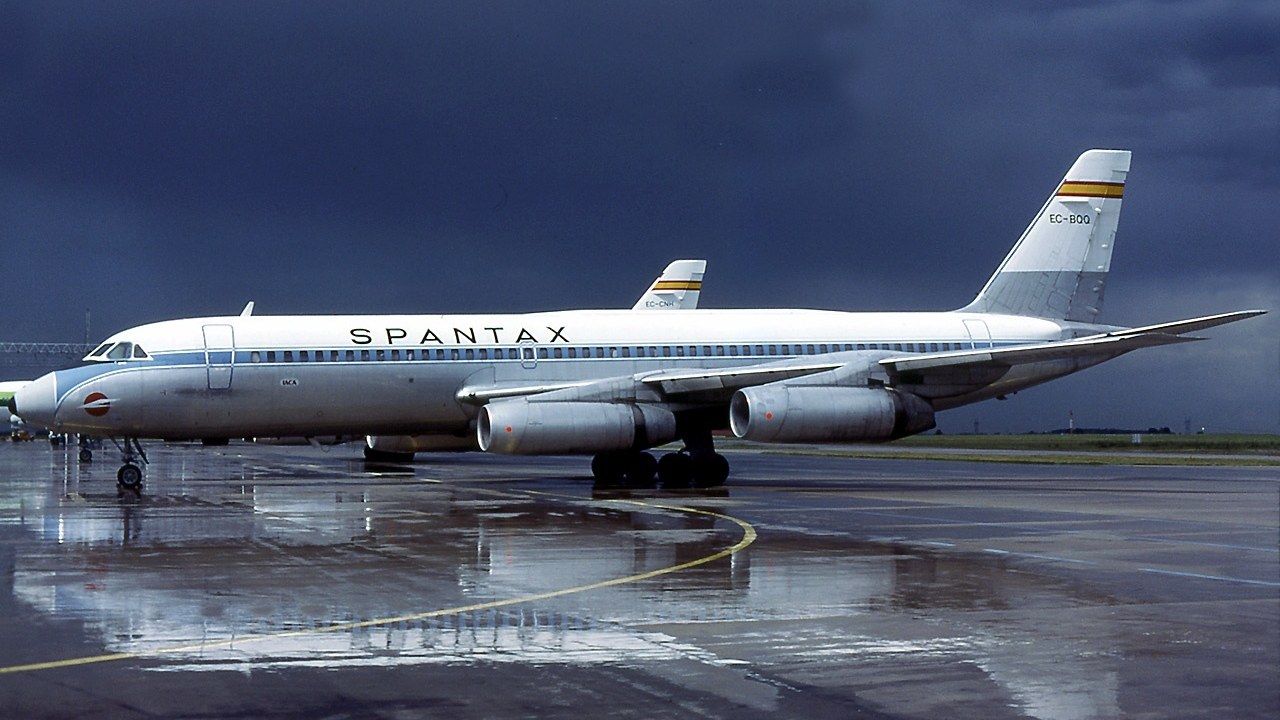
Swissair, one of the type’s original launch customers, withdrew its Convair 990 fleet from service in 1975 after operating the jet for barely a decade on European and transatlantic routes.
Charter operators such as Spantax kept flying secondhand 990s through the years that followed, but the type had disappeared from those fleets as well by the mid-1980s. Very few complete airframes survive anywhere in the world today, mostly stripped for parts long ago.
9. Boeing 727: The Trijet Everyone Flew
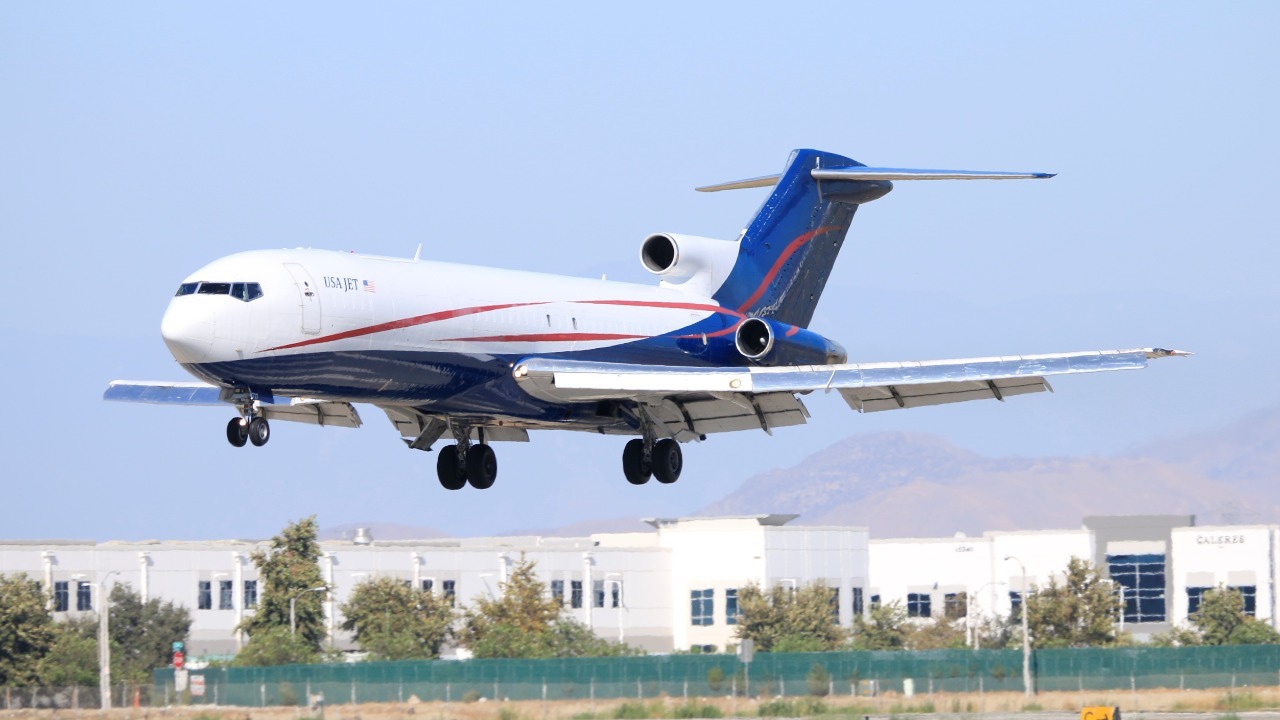
Eastern Air Lines put the Boeing 727 into scheduled service on 1 February 1964, and the rear-engine trijet went on to become one of the best-selling airliners of the entire twentieth century.
Its last major American operators had retired the type from mainline scheduled passenger flying by 2003, worn out by rising fuel costs and stricter noise-compliance rules. Cargo carriers continued flying converted 727 freighters for many years after that passenger service finally ended.
10. McDonnell Douglas MD-11: The Trijet’s Final Chapter
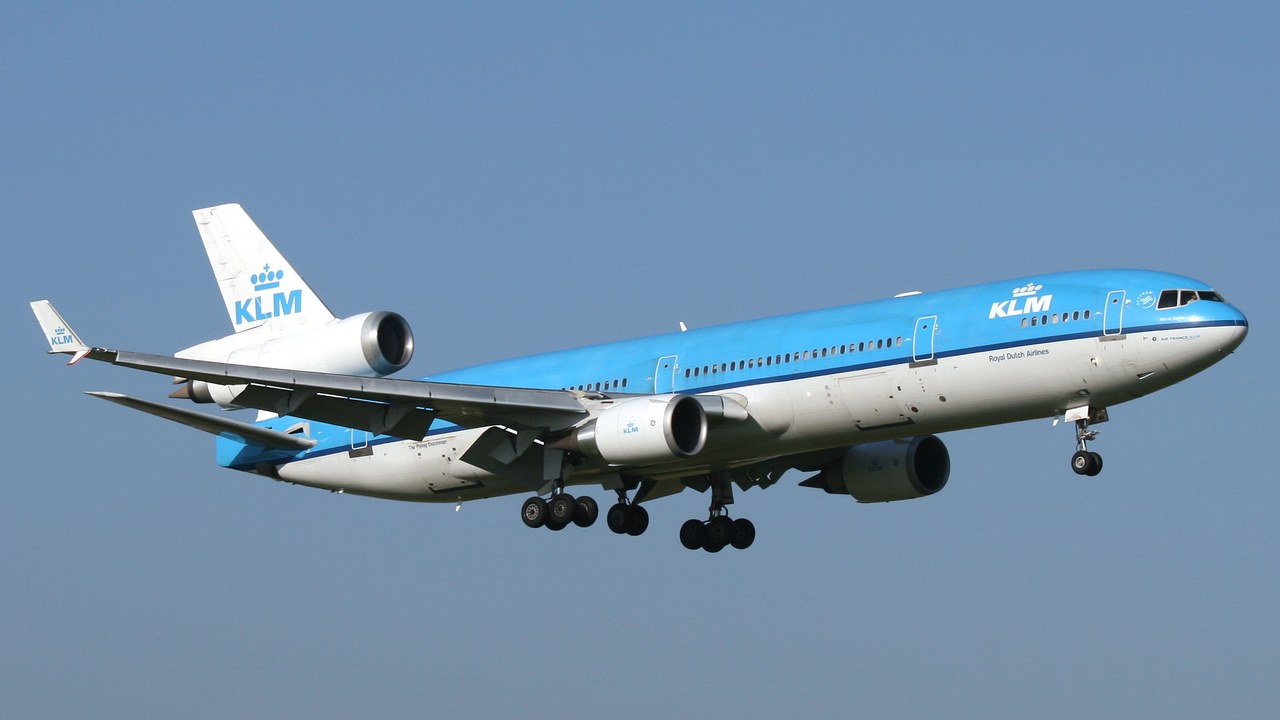
Finnair introduced the MD-11 into passenger service on 20 December 1990, and KLM operated the type’s last scheduled passenger flight roughly twenty-four years later, in October 2014, ending the trijet era for good.
Fuel efficiency had never matched the promises made at launch, pushing most airlines toward twin-engine alternatives well before that final passenger flight departed. Cargo giants including FedEx kept large MD-11 freighter fleets flying for many more years after passenger withdrawal.
11. Ilyushin Il-62: The Soviet Union’s First Long-Hauler
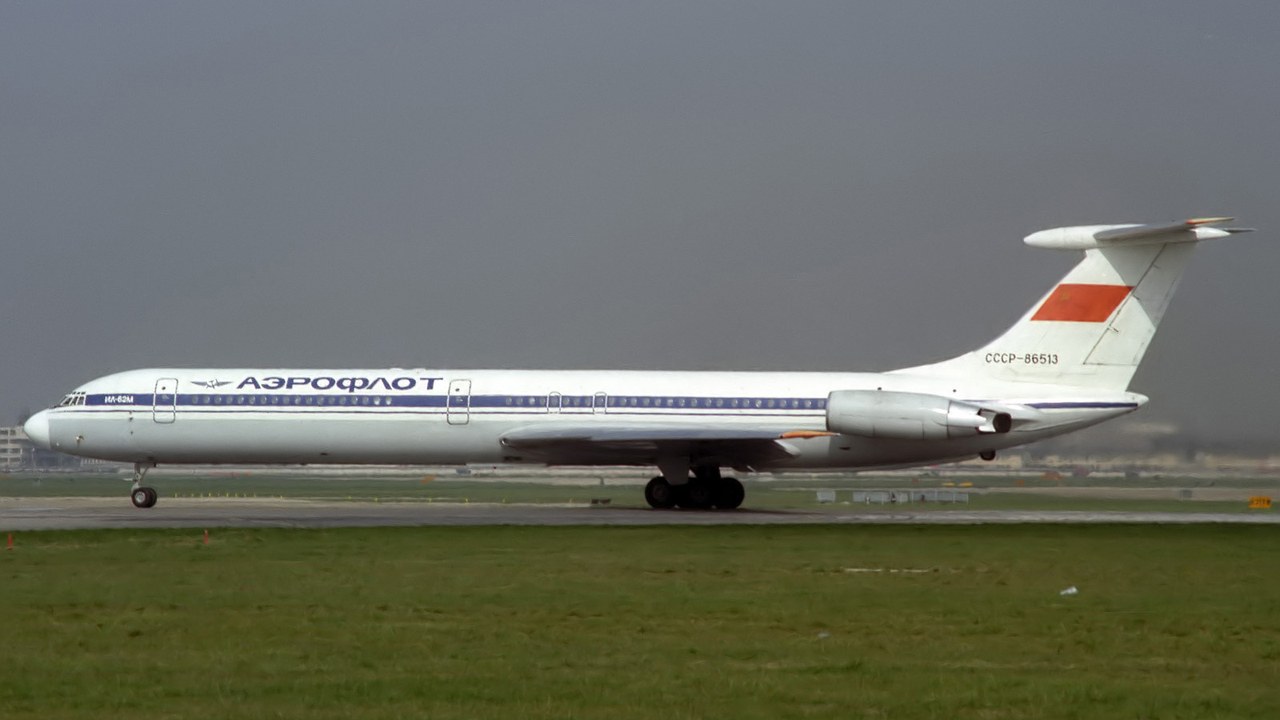
Aeroflot brought the Ilyushin Il-62 into service in 1967 as the Soviet Union’s first long-range jetliner, built with four rear-mounted engines to reach airports with shorter or rougher runways.
Most scheduled passenger operators had retired the type by the 2000s, replaced by newer and considerably more fuel-efficient twinjets across former Soviet airspace and its allied states. A small number of Il-62s remained in limited government and charter use for years afterward.
12. Boeing 747SP: The Jumbo That Shrank For Range
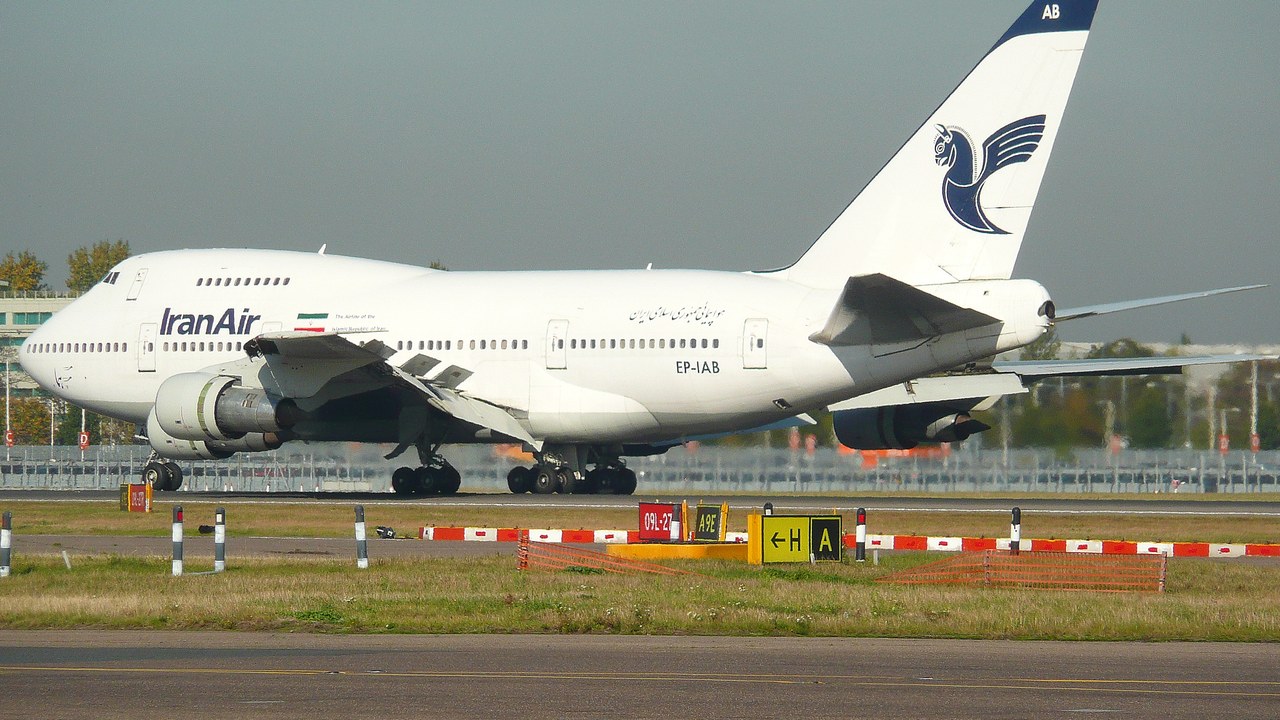
Boeing shortened the standard jumbo jet’s fuselage to create the 747SP for ultra-long routes, and Iran Air flew the type’s last commercial passenger service from Tehran to Mumbai in 2016.
That flight came roughly forty years after the shortened jumbo first entered airline use, closing out a niche variant that never sold in especially large numbers. A handful of surviving airframes have since been repurposed for scientific research and government transport use.
More from Morning Overview
- A handful of car transmissions are so tough that mechanics say they almost never die
- Card skimmers hidden on gas pumps are draining accounts, and there’s a quick way to spot them
- The NSA warns one messaging setting can clone your texts to a stranger
- Security experts still urge phone owners to switch off one location-tracking setting
