
A one-year-only car means a design was live only briefly, whether by regulation, rebadging or plain economics before the platform moved on. NASCAR homologation rules, canceled molds and abrupt end-of-run photography have iced dozens of American nameplates after a single model year. Here are nine cars that were built and sold for a single year and then gone for good.
1. Dodge Charger Daytona: The Wing That Wasn’t For The Trunk
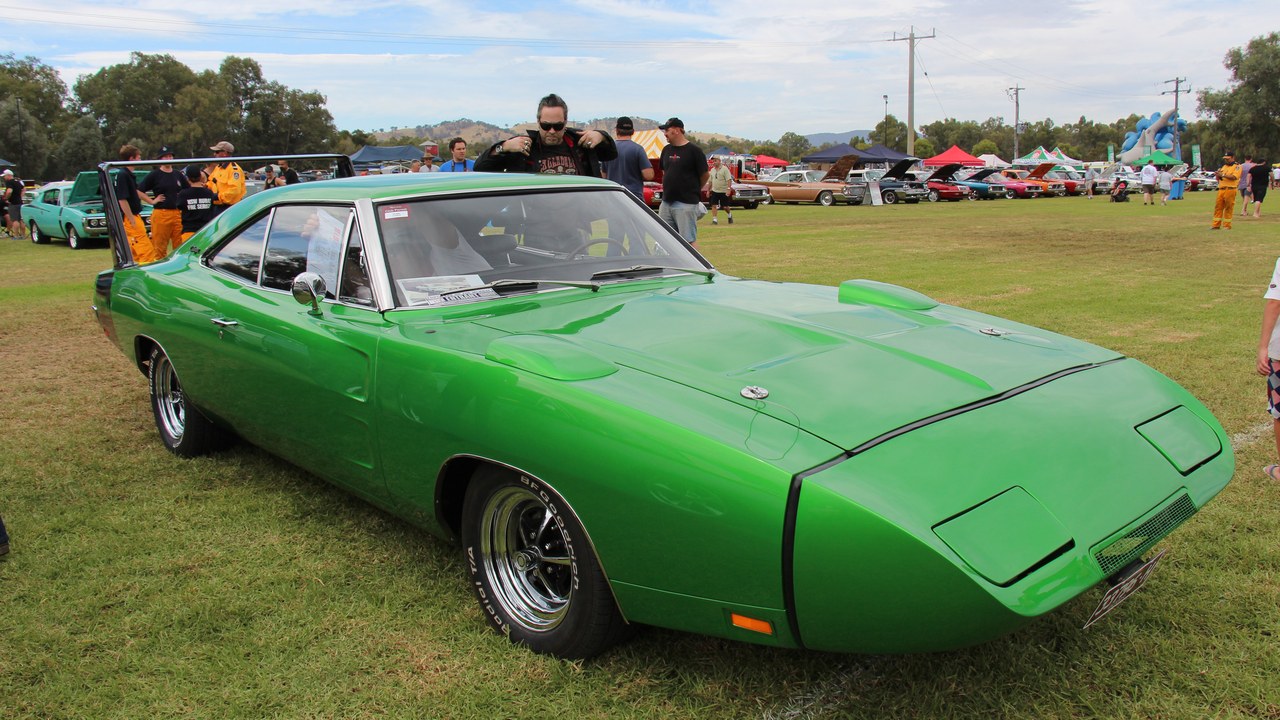
Dodge sold the winged Charger Daytona for 1969 only, a homologation special built to hit 200 mph on NASCAR superspeedways ahead of Ford’s aero cars. The nose cone added nearly two feet of length, and the 23-inch rear wing became its signature, though designer John Pointer has said wind-tunnel testing set that height, not trunk-lid clearance as often claimed.
Dodge built just 503 Daytonas before switching to the Charger 500 the following year, and NASCAR’s rule changes pushed the wing cars out of competition within two seasons. Surviving examples now sell for seven-figure sums, valued as much for that single, unrepeated model year as for the aerodynamics underneath.
2. Plymouth Superbird: Built By A Rocket Scientist
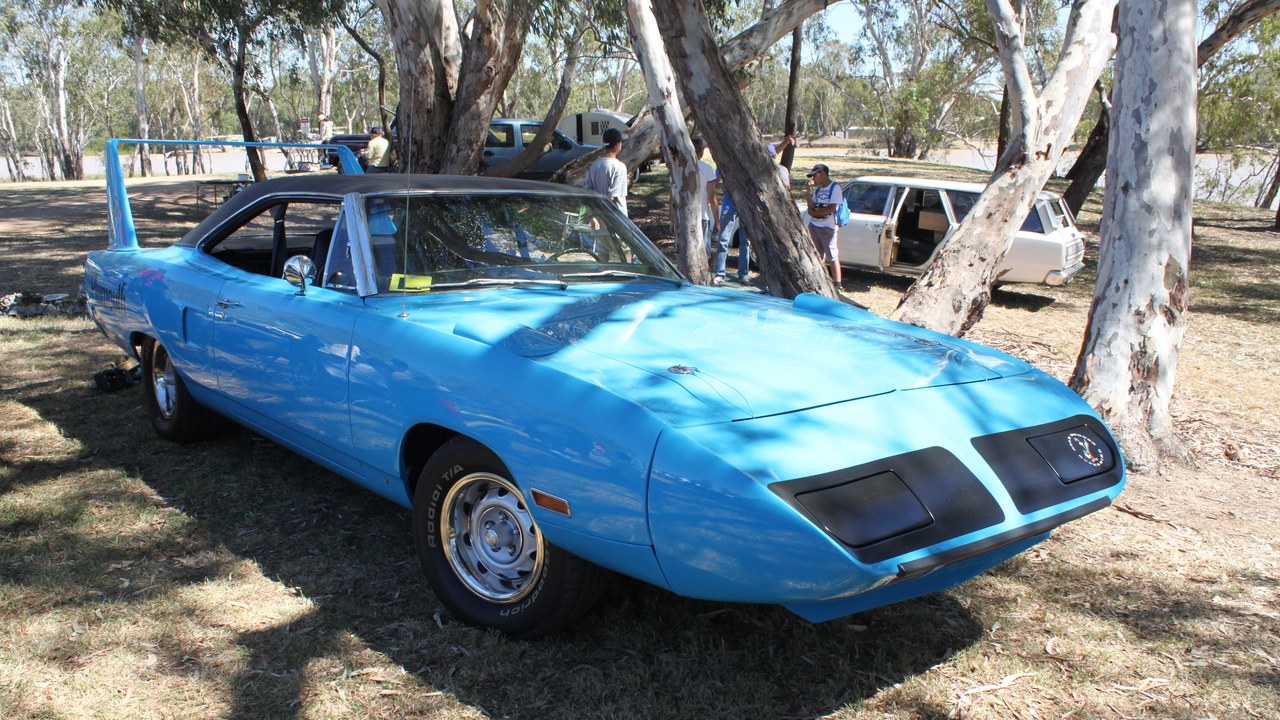
Plymouth sold the Superbird for 1970 only, adding a pointed nose cone and a tall rear wing to the Road Runner to homologate it for NASCAR. Both the cone and the wing were shaped by Gary Romberg, a Chrysler aerodynamicist who spent the 1960s working on NASA’s Saturn rocket program before joining the automaker.
Chrysler built roughly 1,935 Superbirds to meet NASCAR’s homologation minimum, and dealers reportedly struggled to move the wildest-looking ones, some sitting unsold for months. Today the mismatch between a rocket scientist’s math and a used-car lot’s patience is part of the car’s appeal, and clean originals now rank among the most valuable muscle cars from the era.
3. Buick Regal GNX: The Quickest Buick Ever Sold
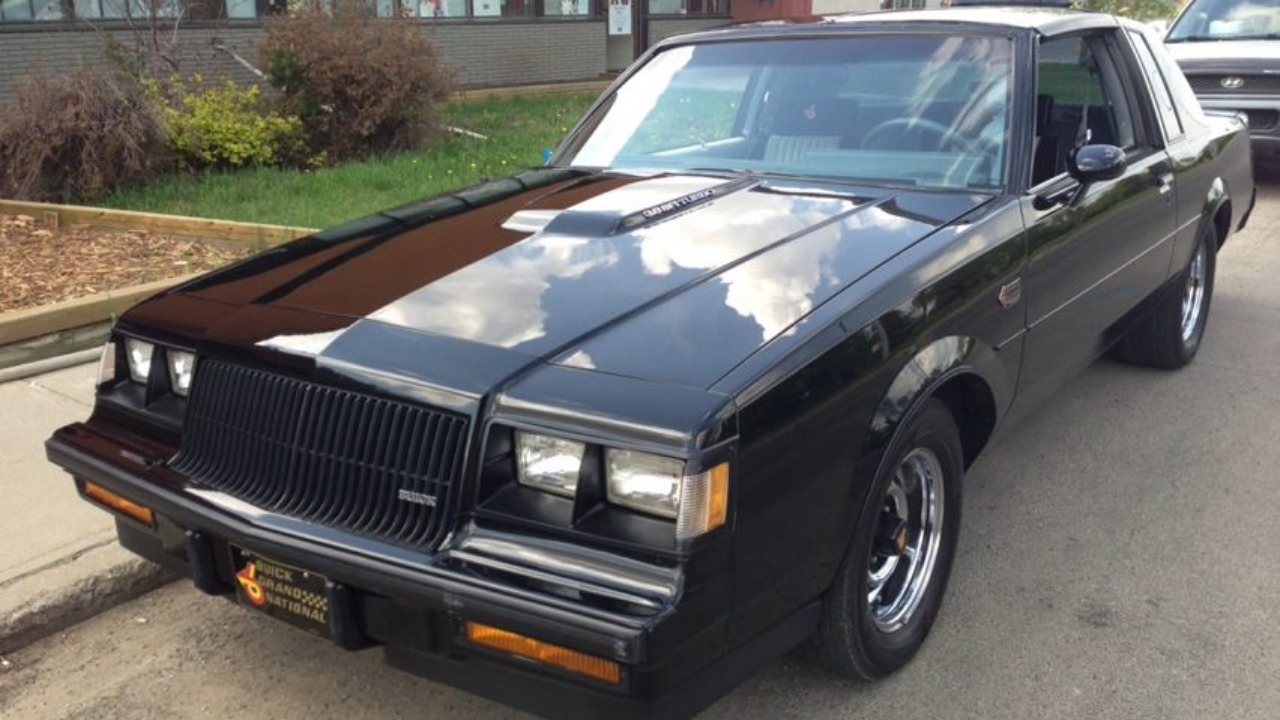
Buick built the Regal GNX for 1987 only, taking 547 of the 20,740 turbocharged Grand Nationals produced that year and handing them to ASC/McLaren for a final conversion. The shop added a bigger turbo, a reworked intercooler and altered wastegate control, lifting the turbocharged V-6’s output to 276 hp and 360 lb-ft of torque.
Buick discontinued the entire rear-drive Regal platform after that model year, so the GNX became both the quickest car the brand had ever sold and the last of its kind. Period tests clocked it quicker to 60 mph than a Ferrari 328, and original owners who kept theirs low-mileage have watched values climb into six figures.
4. Lincoln Blackwood: A Pickup Bed You Couldn’t Use
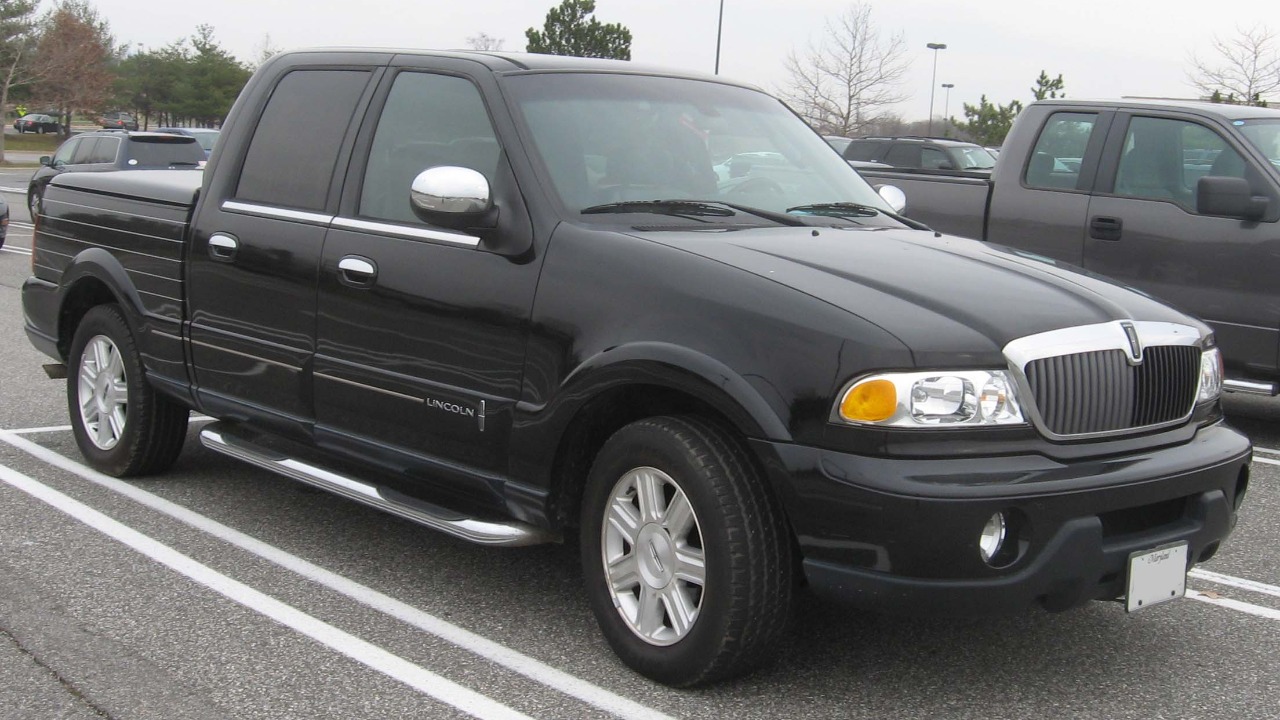
Lincoln sold the Blackwood for the 2002 model year alone, pairing a Navigator-based crew-cab pickup with a carpeted, power-closing tonneau bed lined in stainless steel that could never actually haul cargo. The EPA’s own fuel-economy listing shows it came only as a two-wheel-drive V8 with a rating of 11 mpg in the city and 13 mpg combined.
Lincoln had planned Blackwood sales in the thousands but moved only about 3,300 units, undercut by that unusable bed and a price that topped $52,000. The company pulled it after one year and waited until the 2006 Mark LT to try a Lincoln pickup again, this time with a bed buyers could actually load.
5. Pontiac Can Am: Killed By A Broken Mold
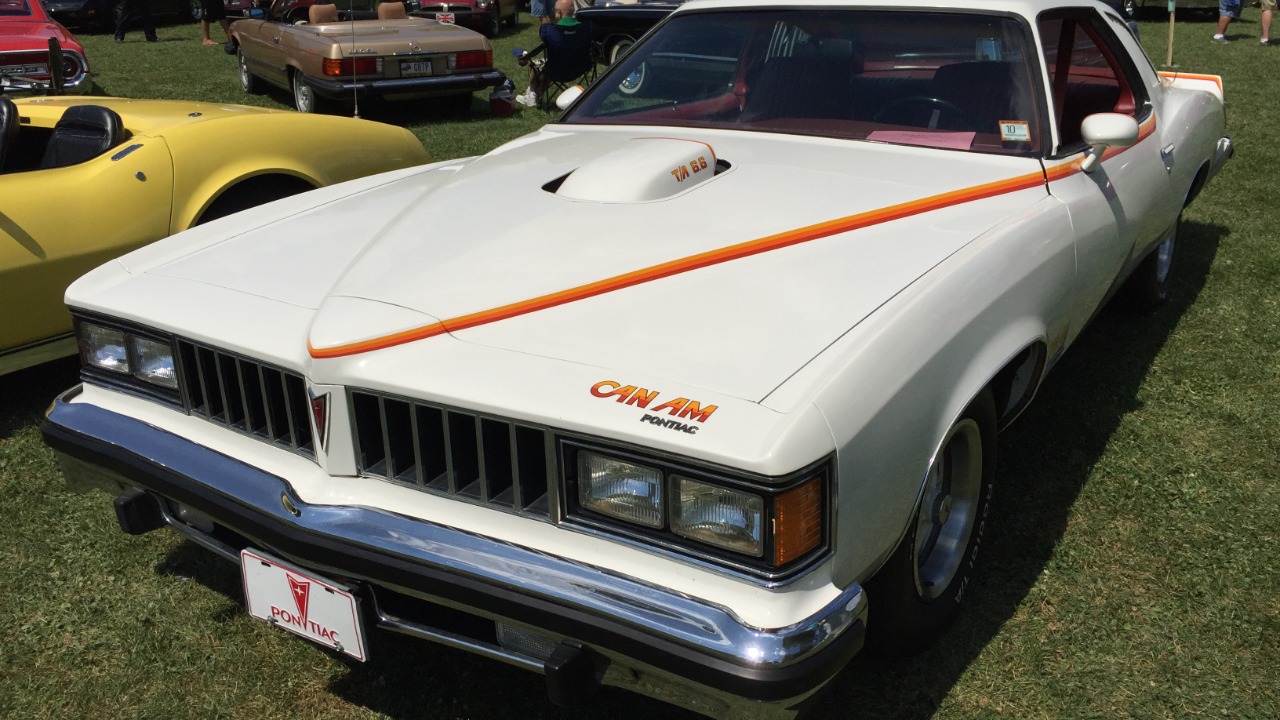
Pontiac offered the Can Am for 1977 only, dressing a LeMans coupe in a shaker hood scoop, a rear spoiler and orange-on-white graphics to give buyers a budget alternative to the Trans Am. Dealers wrote more than 5,000 orders, but the mold for that fiberglass spoiler broke partway through the run, and Pontiac’s own account puts total production at roughly 1,377 cars.
That shortfall against demand is why the Can Am became a one-year footnote instead of an ongoing model, and it now trades as one of the rarer factory Pontiacs of the era. Fewer than half the orders were ever filled, so most of the interest buyers showed in 1977 simply went unmet.
6. Shelby Omni GLHS: Faster Than A Ferrari, Once
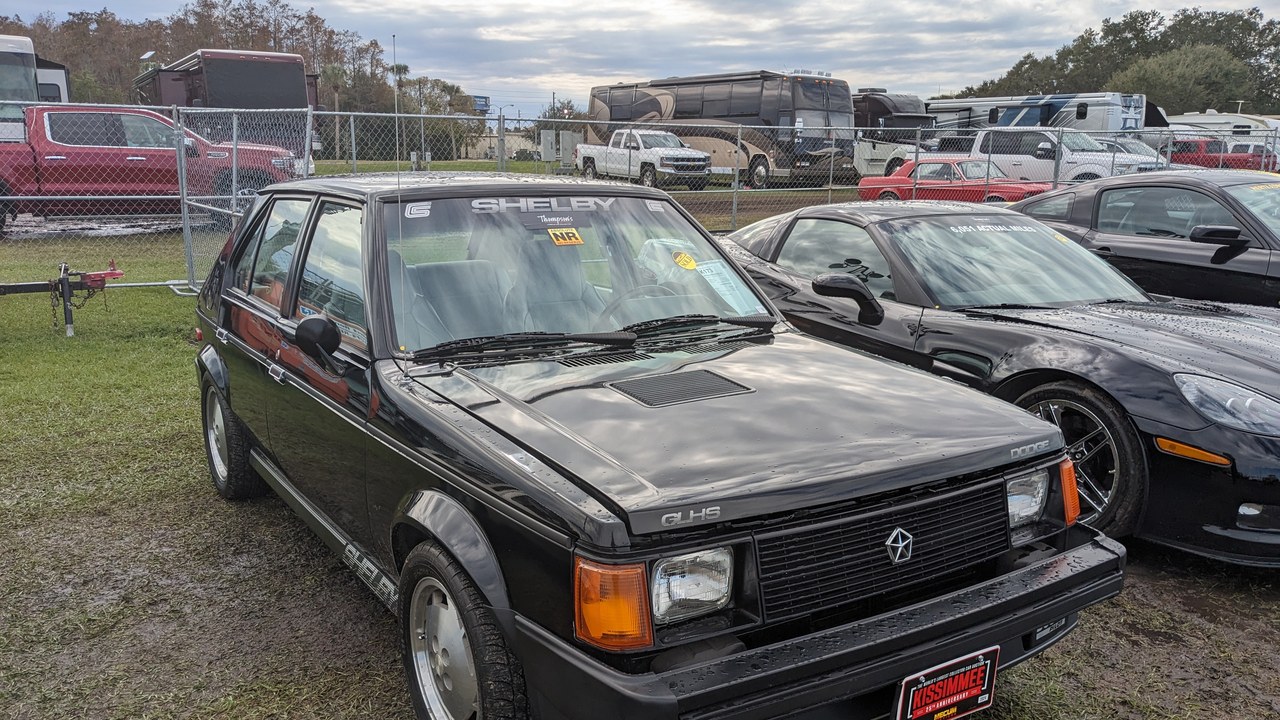
Carroll Shelby’s shop built the Omni GLHS for 1986 only, buying the last 500 Omni GLH-Turbos Dodge had left, all finished in black, and reworking them with pre-production Shelby Turbo II hardware. The conversion pushed the little hatchback’s turbocharged four past 175 hp, enough that Car and Driver’s testers clocked it quicker to 60 mph than a Ferrari 308.
Because Shelby had only that one batch of donor cars to work with, the GLHS never became a regular production model and ended after those 500 were sold. Survivors are now sought by Mopar collectors specifically for that scarcity, since no factory Omni before or after carried the same badge or output.
7. Chevrolet Camaro ZL1: A Secret Order Code
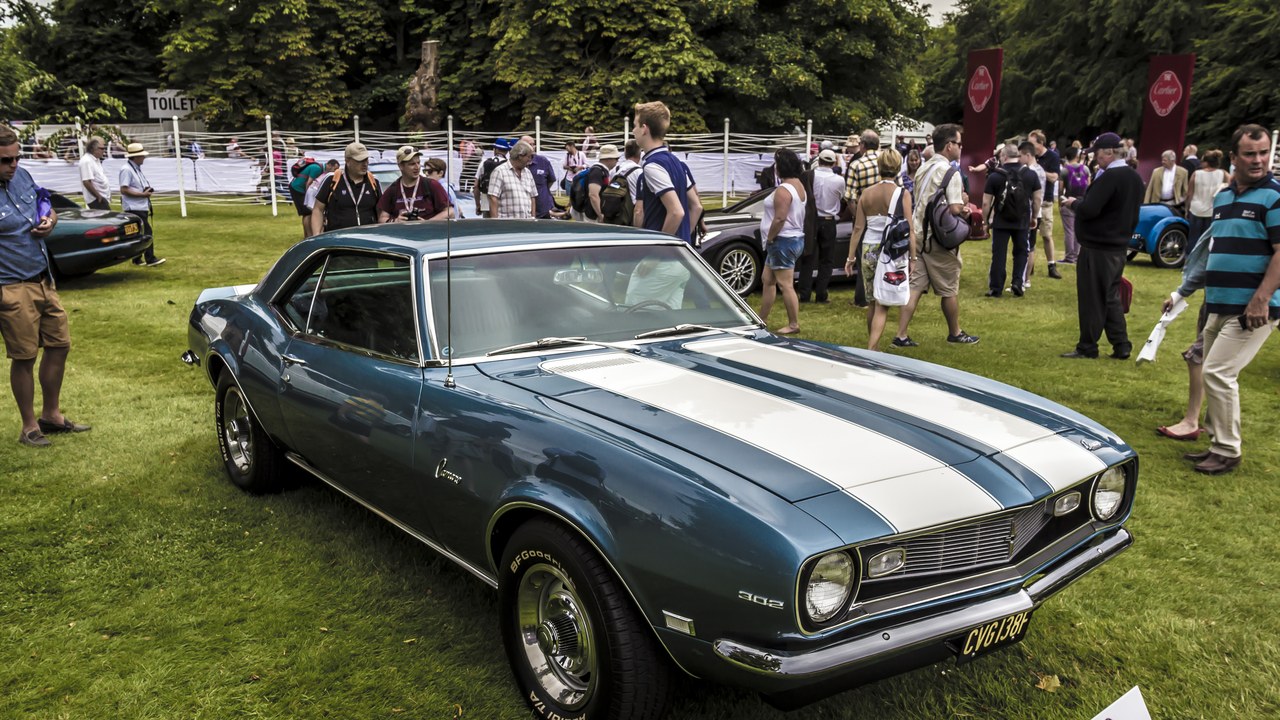
Chevrolet built the Camaro ZL1 for 1969 only, and only because 69 dealers placed a little-known order code, COPO 9560, that swapped in an all-aluminum 427 V8 designed for Can-Am racing. That engine alone cost more than a base V8 Camaro, and Chevrolet’s own production records list the ZL1 as the rarest COPO Camaro of the year.
Because the ZL1 engine option cost roughly as much as the car itself, most of the 69 built went to racers rather than street buyers, and Chevrolet never offered the code again. That single-year rarity, combined with genuine race pedigree, now puts documented ZL1 Camaros among the most expensive muscle cars sold at auction.
8. Hurst SC/Rambler: Built With Zero Options
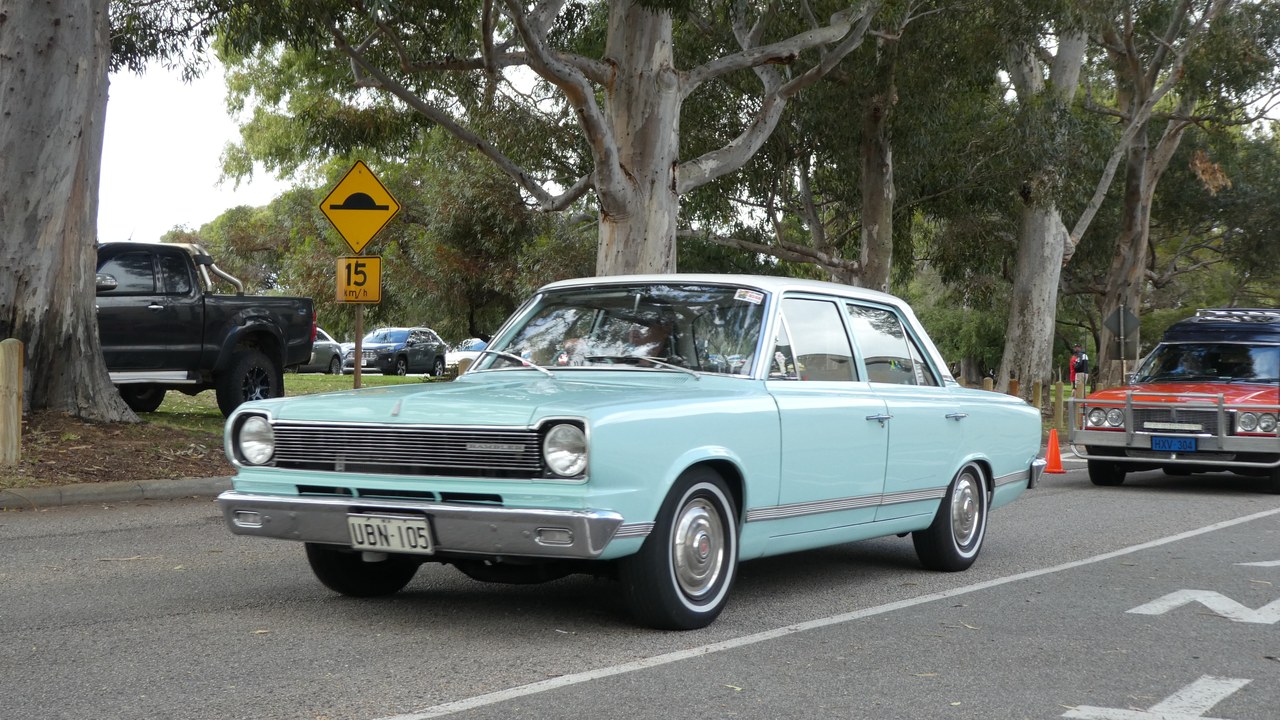
American Motors built the Hurst SC/Rambler for 1969 only, partnering with Hurst Performance to drop the AMX’s 315-hp 390 V8 into the compact Rambler American body with no factory options offered at all. Every one of the 1,512 cars built carried identical red, white and blue paint and a functional hood scoop.
AMC needed the car to qualify for NHRA’s Super Stock class, and once that homologation run of 1,512 was complete the model disappeared rather than continuing into 1970. That single-minded, no-options build is exactly what collectors now chase, since no other Rambler ever matched its straight-line pedigree.
9. Ford Torino Talladega: Reshaped Just To Race
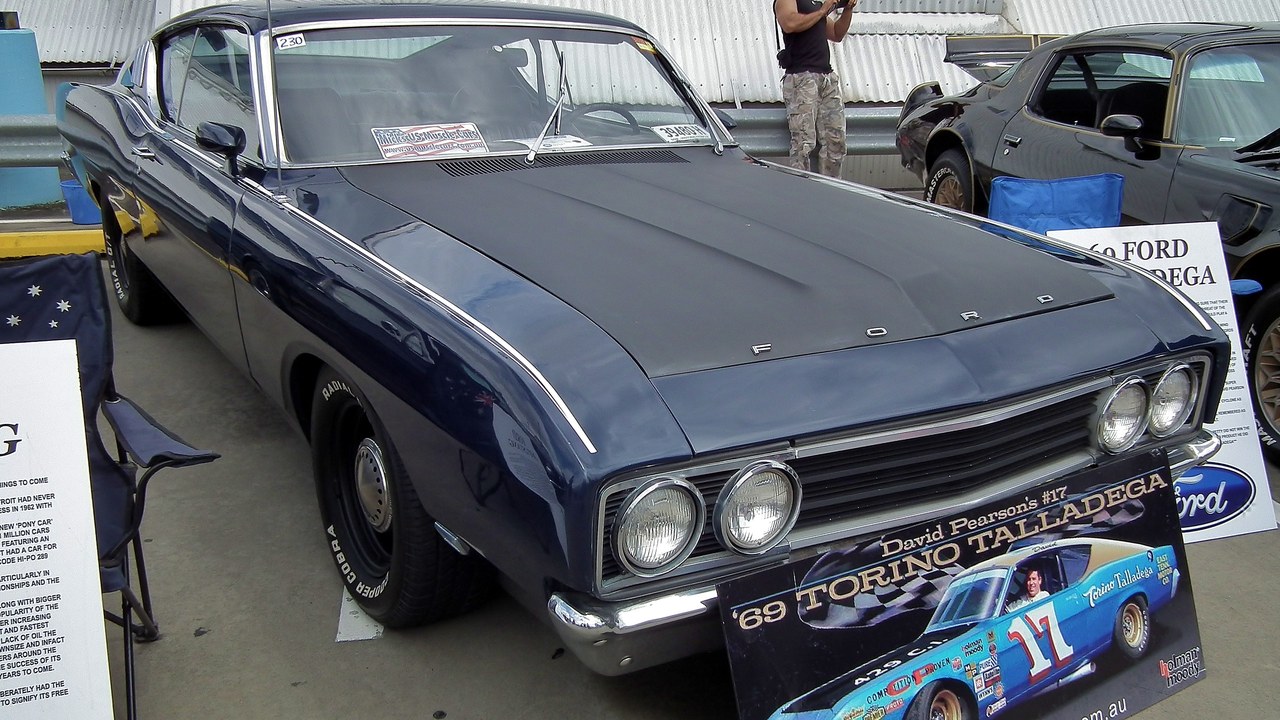
Ford built the Torino Talladega for a few weeks of early 1969 only, stretching and reshaping the nose specifically to satisfy NASCAR’s homologation rule before the car ever went on sale. Every production unit came with the 428 Cobra Jet V8, and Ford’s racing program used the resulting shape to win 29 Grand National races that season.
Because the car existed purely to make Ford’s stock cars legal, dealer-floor demand was never the point, and production ended almost as soon as it began. The Talladega’s brief build window and outsized racing record are why it remains one of the most collectible Fords from the aero-war years.
More from Morning Overview
