
Some engine designs get updated at every model refresh, but a rare few outlive marques, ownership changes, and entire vehicle platforms without a fundamental redesign. These twelve stayed in volume production for more than a quarter-century, surviving oil shocks, emissions rules, and corporate mergers along the way. Here are twelve engines that proved a good design can outlast the company that built it.
1. Chevrolet small-block V8: From 283 Cubic Inches To Everywhere
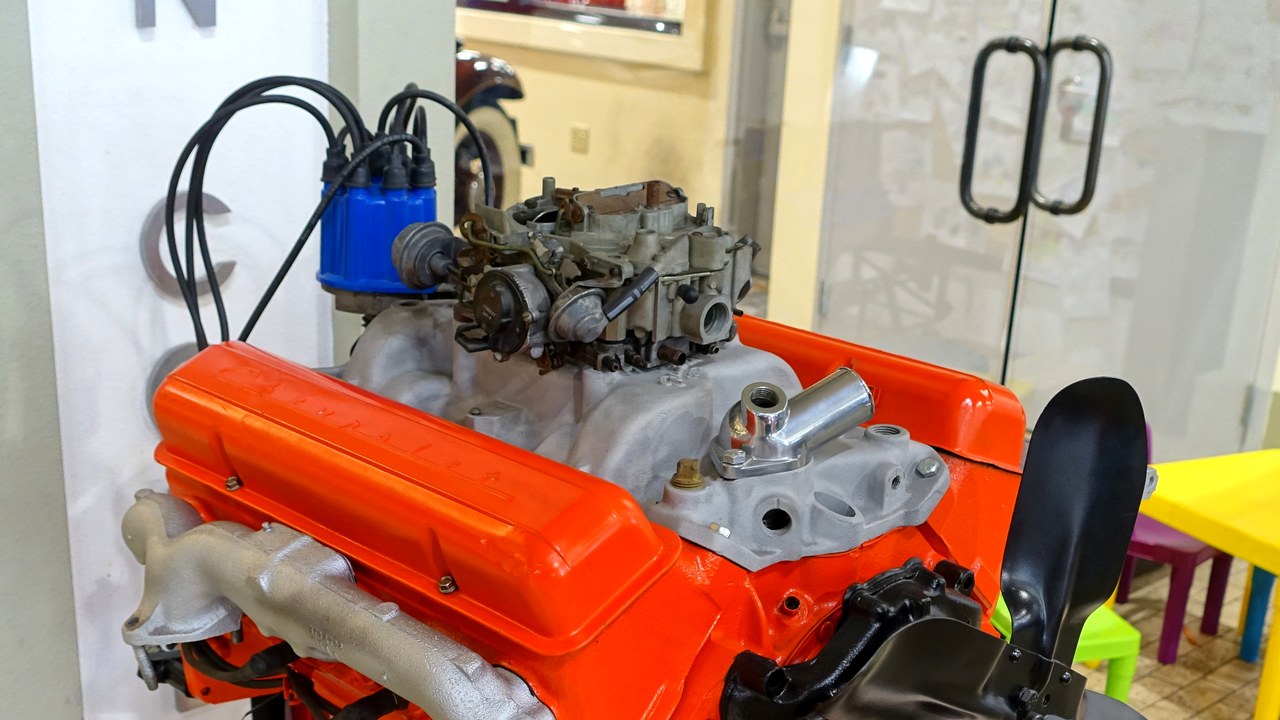
General Motors launched the small-block V8 in 1955 as a light, simple overhead-valve design, and it grew fast. By 1957 displacement reached 283 cubic inches, and the 1957 Bel Air Convertible could be ordered with a twin-four-barrel version rated at 245 horsepower, unusually strong output for a passenger car of that era.
General Motors kept the basic architecture running for decades, adapting it for trucks, marine applications, and crate-engine sales long after the original Bel Air left showrooms. Its light weight and simple valvetrain made it a favorite swap engine for builders working on entirely different cars.
2. Ford Windsor small-block V8: Nearly Four Decades Under Mustang Hoods
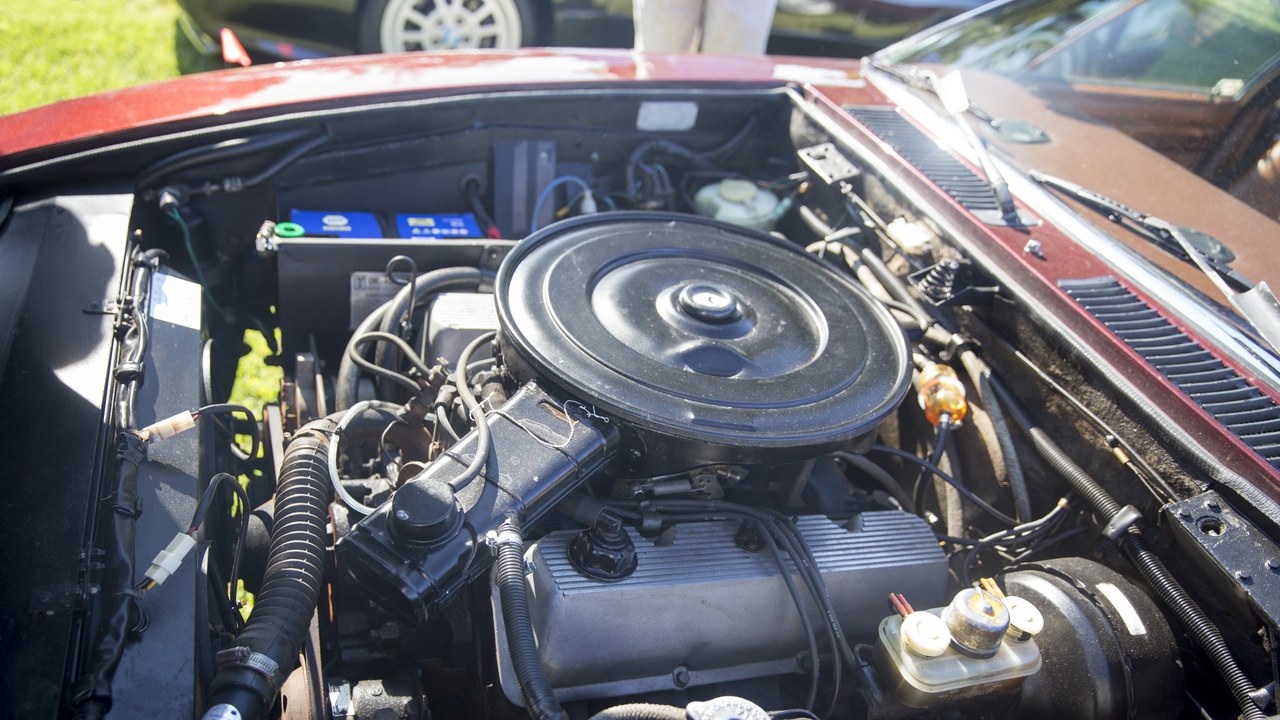
Ford built the Windsor small-block from July 1961 to December 2000, fitting it to Mustangs, Torinos, F-150s, and Explorers across nearly four decades of American production. Details of the run are documented in the Ford small-block engine family record, which traces its spread across nearly every Ford product line in North America.
Ford Australia kept a version of the engine in the Falcon through 2002, two years after Dearborn had already stopped building it. Few American V8s were adapted to as many unrelated vehicles, from economy sedans to full-size trucks, without a full architectural redesign.
3. Chrysler Slant-Six: A Tilted Block Built To Outlast Its Cars
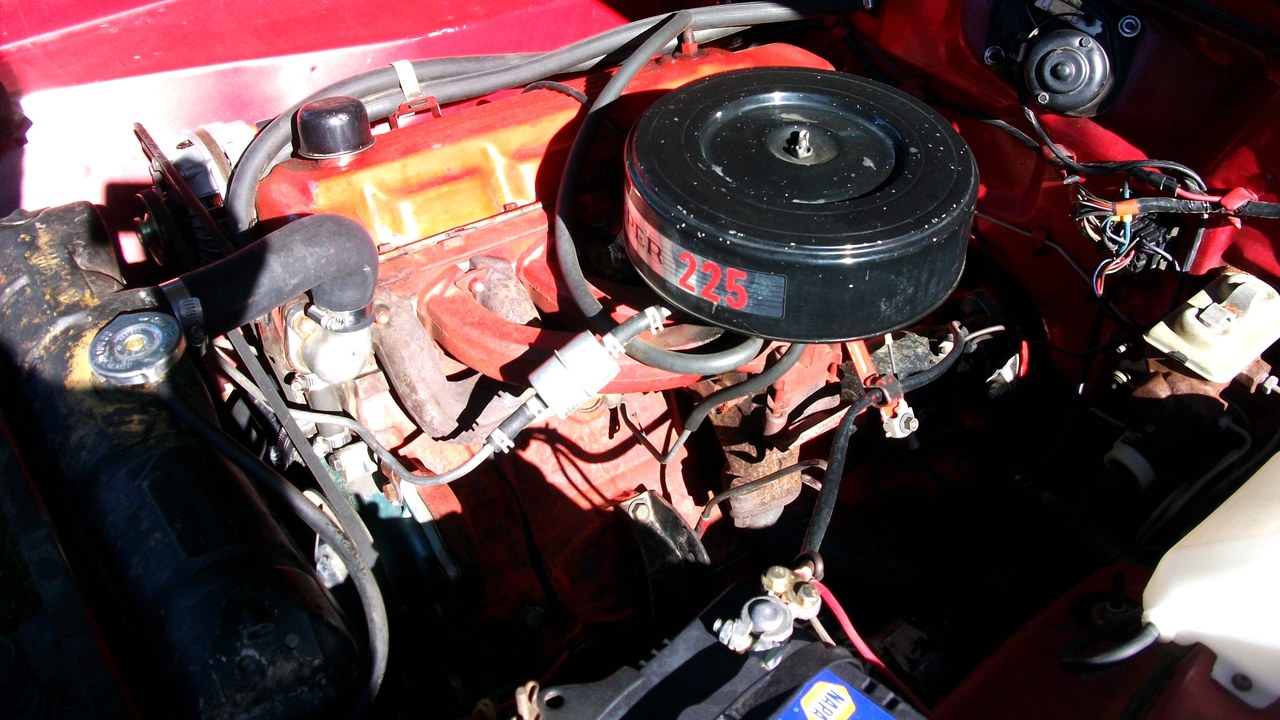
Chrysler produced the Slant-Six from 1959 to 1991, a 32-year run in cars, trucks, boats, and farm equipment that replaced a flathead six the company had used since 1925. The Slant-6 production history credits its canted block, tilted 30 degrees, with allowing a lower hood line and simpler intake routing than an upright inline six.
Mechanics valued it for a reputation of running well past 200,000 miles with minimal maintenance, which kept it in farm and marine service long after Chrysler stopped fitting it to new cars. That reliability record is a large part of why the design survived three decades unchanged.
4. Volkswagen Type 1 air-cooled flat-four: The Beetle Engine That Ran For 21 Million Cars
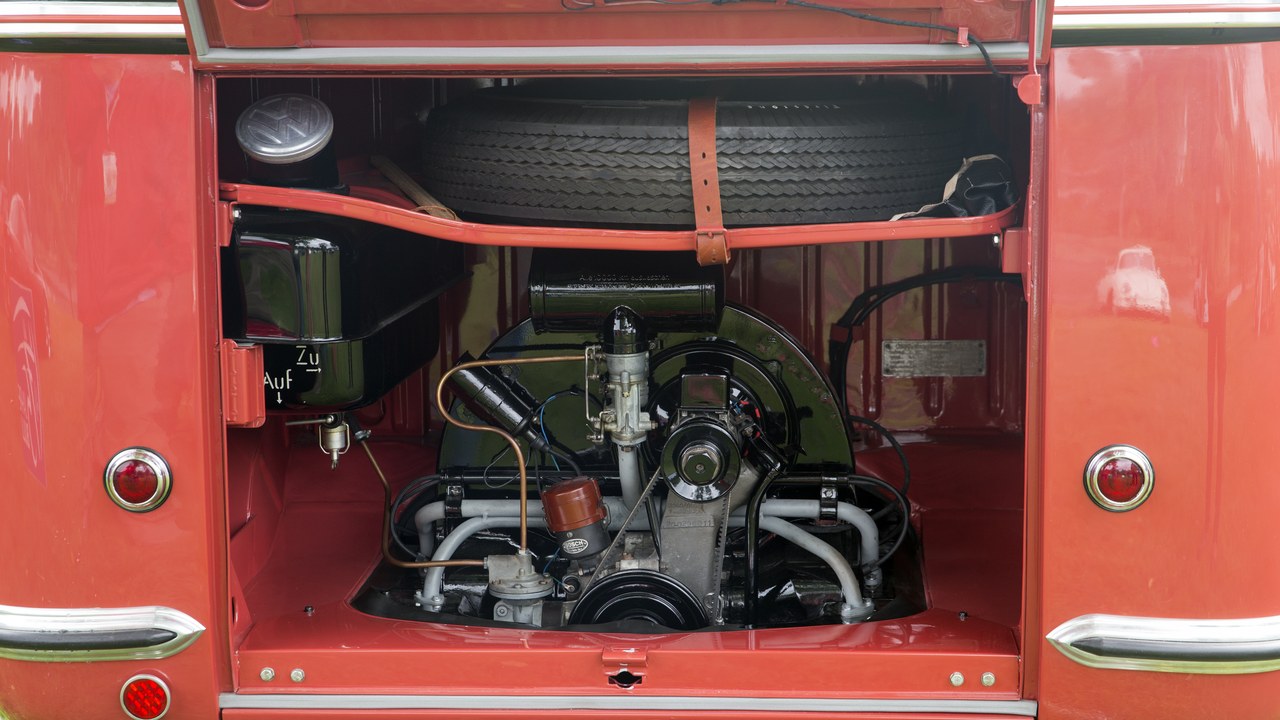
Volkswagen’s air-cooled flat-four carried the Beetle from series production in 1945 to a final 3,000-car 1600i Ultima Edicion run built at Puebla, Mexico, in 2003. The Volkswagen Beetle heritage account puts total first-generation Beetle production at 21.5 million cars, nearly all of them sharing the same basic rear-mounted layout.
The engine needed no radiator, water pump, or coolant hoses, which simplified manufacturing in markets without reliable parts supply chains. That same simplicity let Volkswagen keep the tooling running in Mexico decades after the design had been retired everywhere else.
5. Volkswagen EA827: One Block, Four Cylinder Counts, Every VW Brand
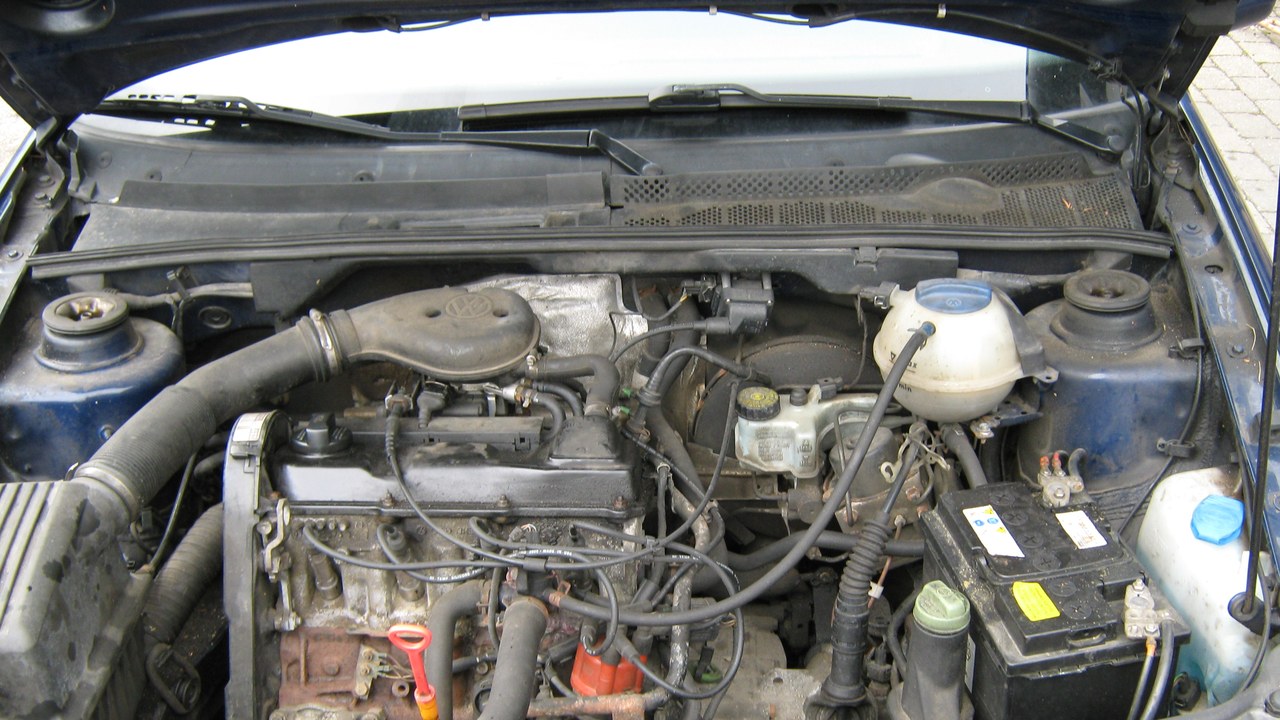
Volkswagen introduced the water-cooled EA827 in 1972 inside the Audi 80, and derivatives of the design were still appearing into the 2010s. The EA827 engine lineage lists four-, five-, six-, and eight-cylinder variants built from the same basic cylinder architecture across the wider Volkswagen Group.
That flexibility let engineers stretch one core design across the Golf, Passat, Audi sedans, and even early Porsche projects without starting from a blank sheet each time. Few engine families were adapted to as many cylinder counts without losing their original bore spacing.
6. Rover V8: A Buick Design Rover Kept Running For 37 Years
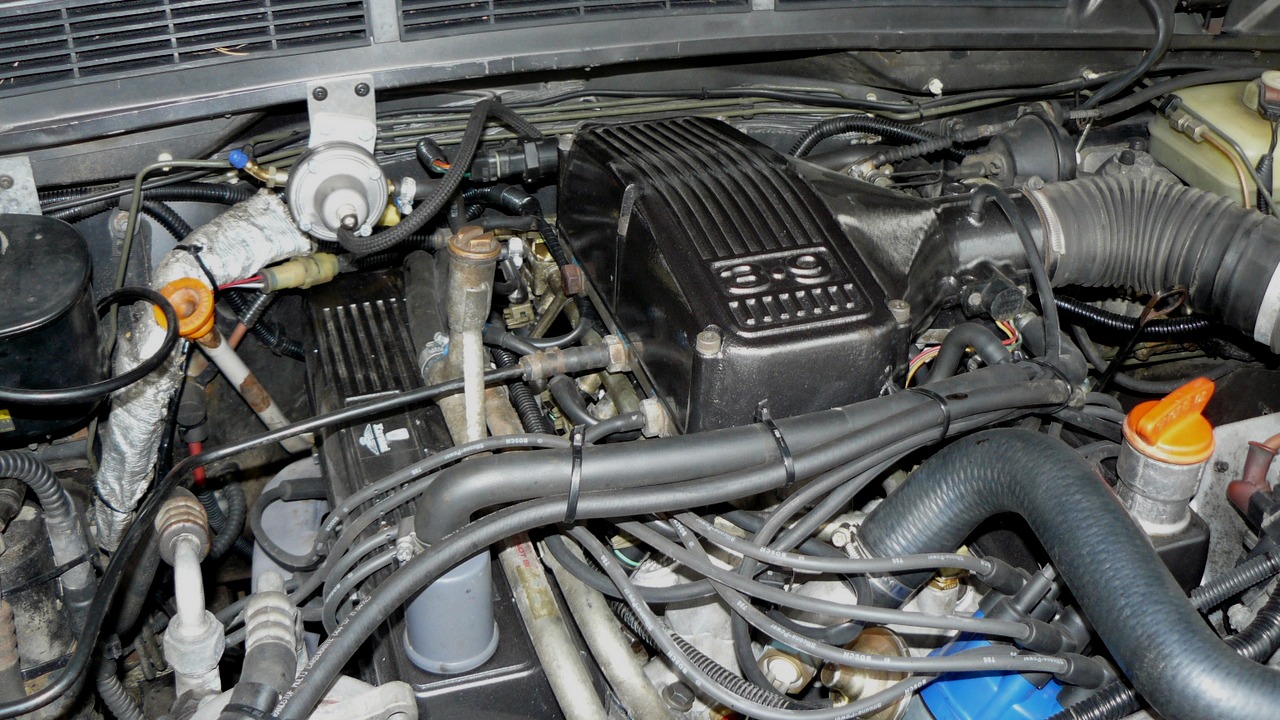
Rover first fitted the aluminum V8 to the 1967 P5B, and the same basic design was still being supplied to Morgan for the Plus 8 until supply faltered in 2004, a 37-year run. This brief history of the Rover V8 traces how the block passed through Land Rover, TVR, MG, and GKN along the way.
Rover had originally bought the tooling from Buick after General Motors dropped the lightweight design in America, then kept refining it for decades. Its low weight made it popular in sports cars and off-roaders alike, well outside the sedan it was first built for.
7. Cummins B Series: A Diesel That Outgrew The Pickup Truck
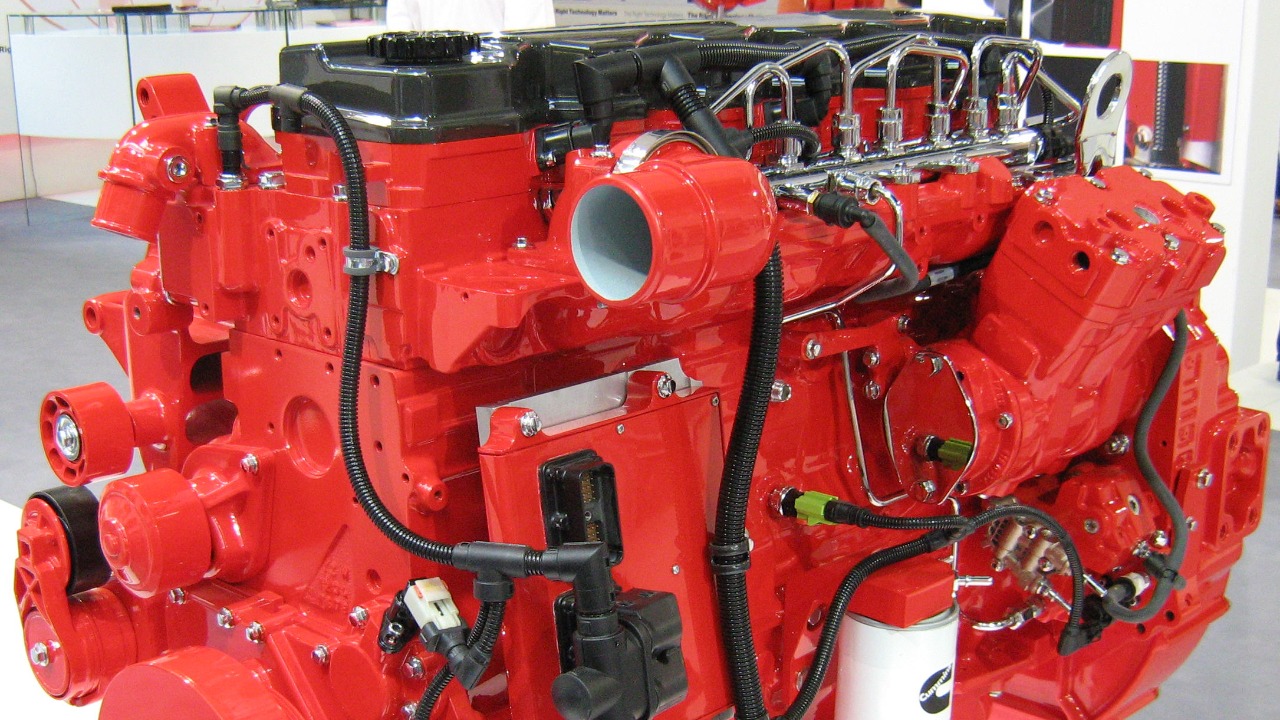
Cummins has built the B Series since 1984 across three engineering generations, in inline-four and inline-six configurations. The B Series production record notes it has powered school buses, the Dennis Dart transit bus, and Dodge and Ram pickups, a spread few diesels manage.
That range let Cummins amortize development costs across wildly different vehicle categories instead of building a separate diesel for each market. The pickup-truck version became the one most drivers recognize, but it is a small share of where the engine actually works.
8. AMC straight-six: An AMC Engine Chrysler Kept Building Anyway
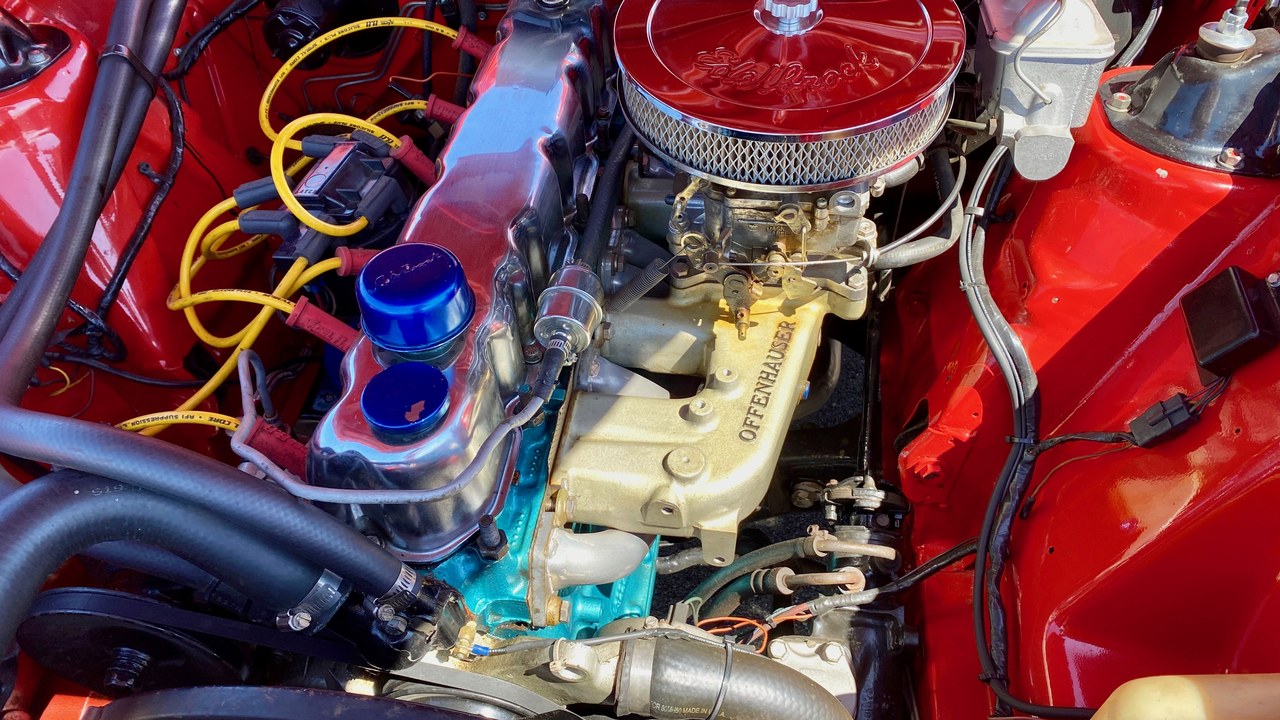
American Motors built its straight-six from 1964 through 2006, a 42-year span documented in the AMC straight-six production span, ending as the Jeep 4.0 that powered Wranglers and Cherokees.
Chrysler bought AMC in 1987 and kept the six in production for nearly two decades afterward rather than replace it, a rare case of an acquiring automaker leaning on a rival’s engineering instead of its own. Its reputation for toughness in the Jeep lineup outlived the company that designed it.
9. Buick V6: An Odd-Fire V6 That Saved A Sales Slump
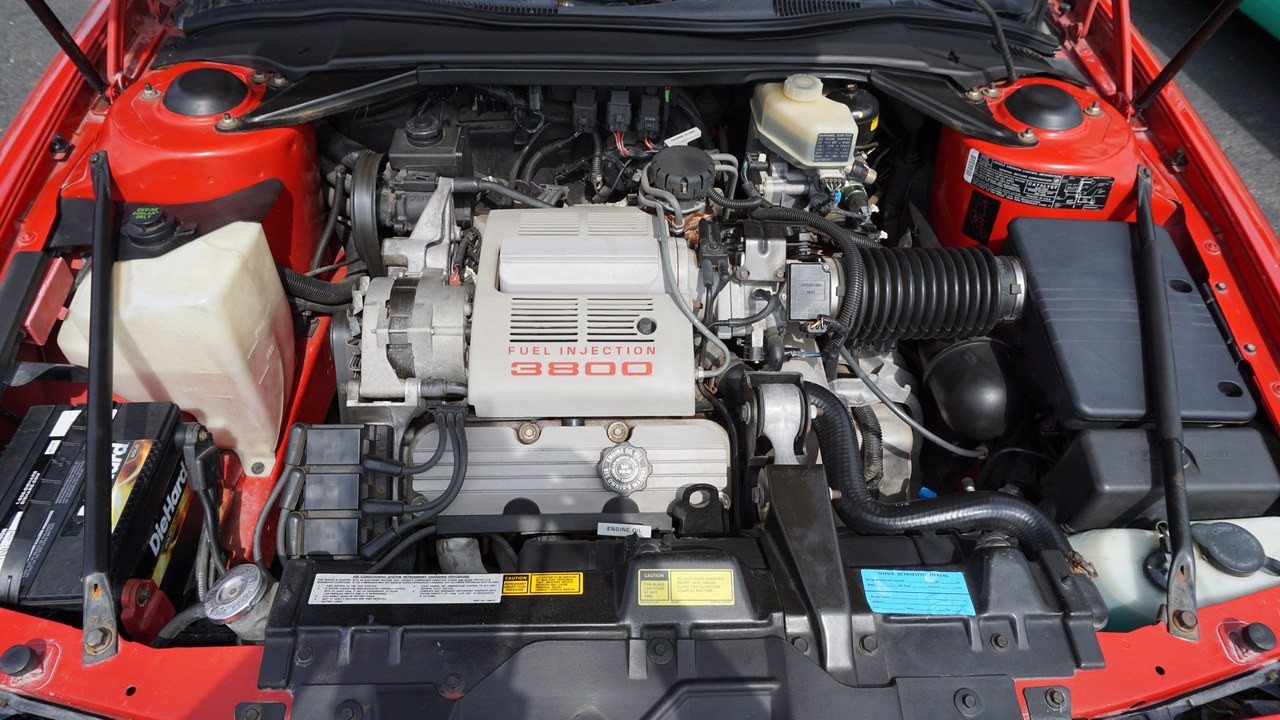
Buick launched its first V6 in the 1962 Special as a 198-cubic-inch odd-fire design rated at 135 horsepower. The 1962 Buick Special heritage page credits the new engine with helping push Special sales to 148,770 that year, up from 86,865 in 1961.
General Motors later sold the tooling to Kaiser-Jeep before buying it back during the 1970s fuel crisis, an unusual round trip for a mainstream engine design. Descendants of that original block stayed in Buick showrooms far longer than the Special that introduced it.
10. Ford Cologne V6: A German V6 That Ended Up In American Trucks
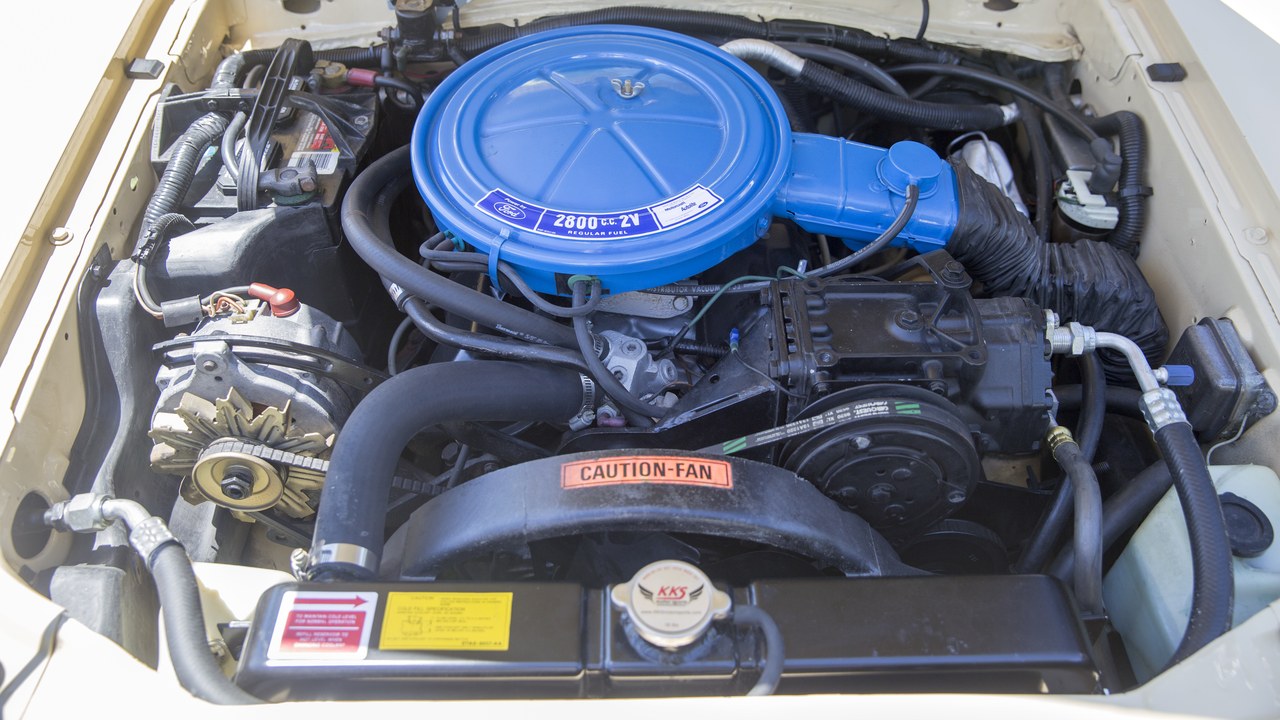
Ford built the Cologne V6 from 1962 to 2011, a 49-year run spanning displacements from 1.8 to 4.0 litres. The Cologne V6 production timeline shows it starting life in European Fords before crossing the Atlantic decades later.
American compact trucks and SUVs eventually adopted larger versions of the same basic design, far from the small European sedans it was first built for. That cross-continental second life is unusual for an engine that started as a modest family-car unit.
11. Jaguar XK straight-six: A Cast-Iron Six That Powered Every Era Of Jaguar
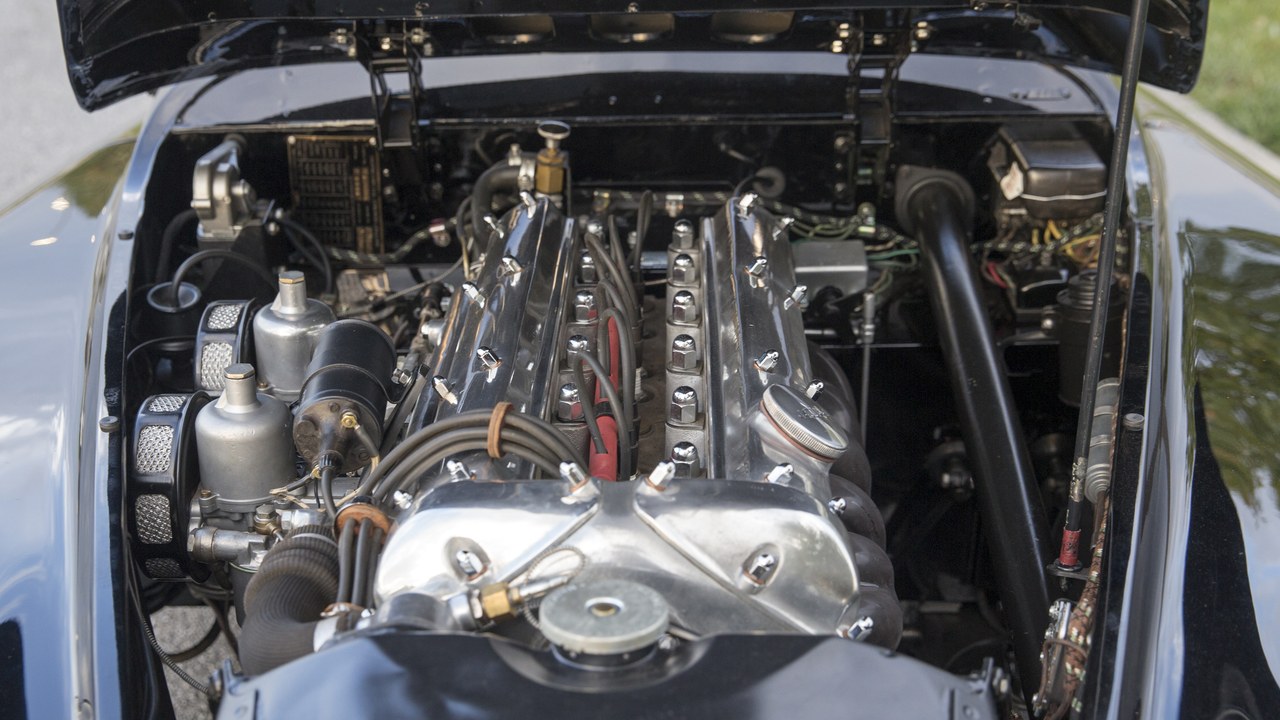
Jaguar’s XK straight-six remained the marque’s core engine 15 years after its debut, with the Jaguar E-Type 4.2 Roadster specification recording a 4,235 cc cast-iron-block, alloy-head DOHC unit making 265 brake horsepower on three SU carburettors in the 1964-1968 E-Type Roadster.
The same double-overhead-camshaft layout had already powered saloons, race cars, and the original XK120 sports car before reaching the E-Type. Few engines carried a luxury brand’s entire lineup, from family sedans to Le Mans winners, on one basic design.
12. Toyota R engine: The Longitudinal Four Toyota Rode Out
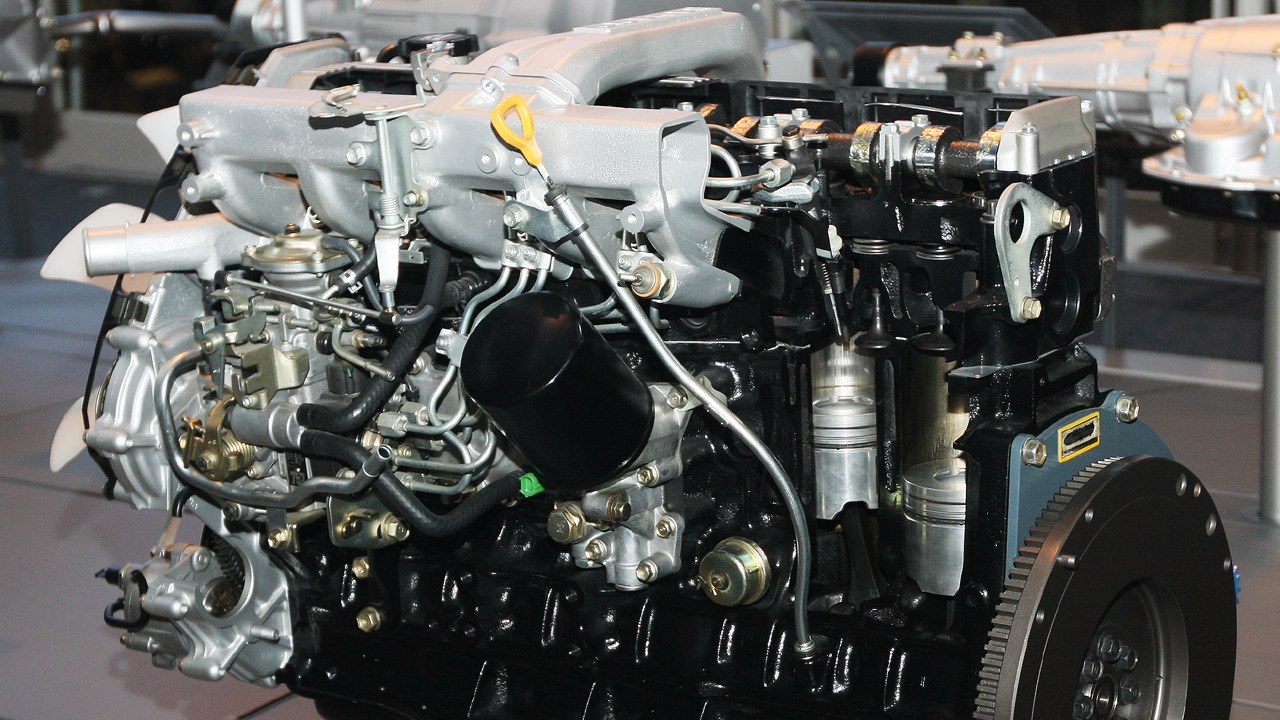
Toyota built the R engine from 1953 through 1997, a 44-year span the Toyota R engine production record traces through longitudinal-engined cars and trucks including the Celica and Hilux.
The family faded only as Toyota shifted its passenger-car lineup to front-wheel drive, which favored transverse engine layouts the R was never designed for. Its long service life across trucks and rear-wheel-drive cars made it one of Toyota’s most durable engineering platforms.
More from Morning Overview
- Four U.S. startups fired up their first small nuclear reactors, aiming to power AI data centers on-site
- 11 engines built to run well past 200,000 miles
- A handful of car transmissions are so tough that mechanics say they almost never die
- Card skimmers hidden on gas pumps are draining accounts, and there’s a quick way to spot them
