
Automakers keep promising an all-digital cockpit, then quietly leaving the controls that matter most within reach of a gloved hand. A handful of current models still hand fan speed, temperature and volume to real knobs and switches instead of burying them three menus deep on a touchscreen. Here are eleven cars that kept the hardware drivers actually asked for.
1. Toyota 4Runner: Real Knobs, Redesigned Cabin
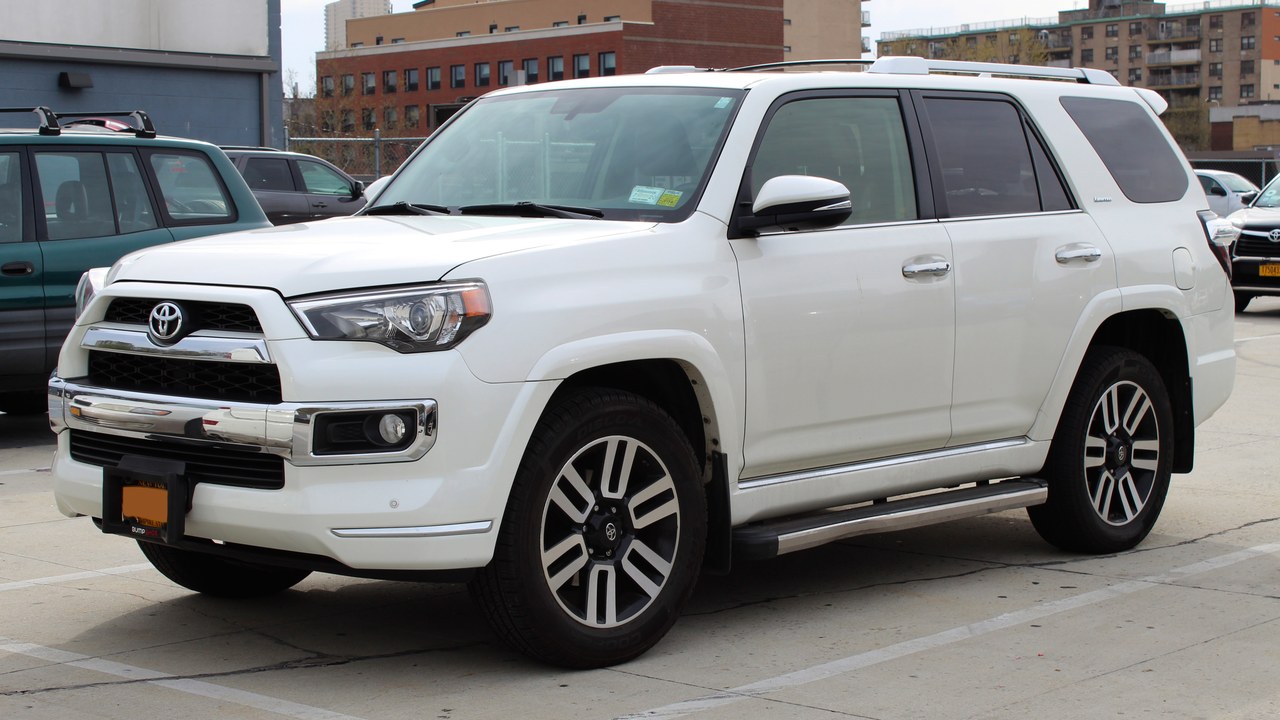
The redesigned interior puts two dual-zone climate knobs squarely in the center of the dash, flanked by a row of toggle switches and separate hard buttons for the heated seats, according to a first drive review.
Drivers can adjust fan speed, cabin temperature or seat heat by feel, without hunting through a touchscreen menu while driving off-road, and the layout still works if the infotainment software freezes or reboots mid-trip.
2. Toyota Land Cruiser: Knobs Survive The Redesign
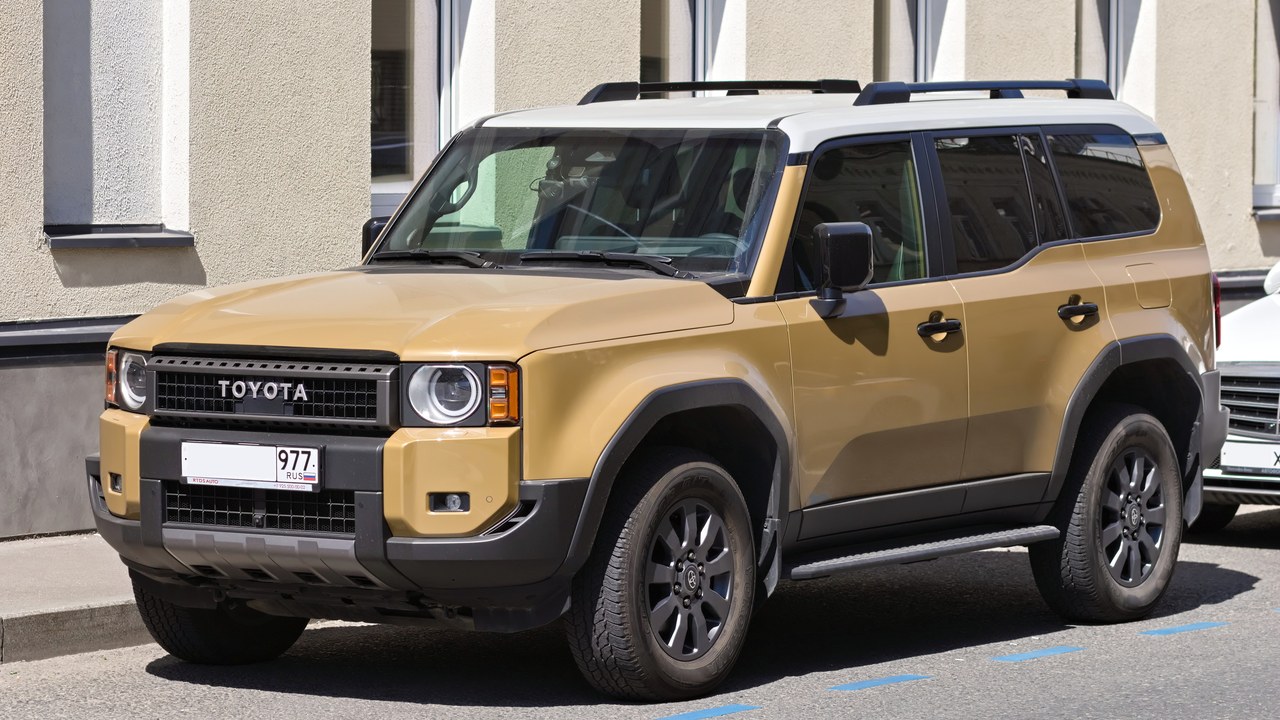
The revived Land Cruiser keeps large knobs, toggles and buttons for climate control and every essential off-road system, plus a dedicated volume knob for the stereo, per a test drive review that called the cabin refreshingly analog.
If the touchscreen locks up or the software glitches on a trail with no signal, a driver still keeps full control of temperature, fan speed, four-wheel-drive settings and music volume without touching the screen at all.
3. Toyota Tacoma: Chunky Switches For Gloved Hands
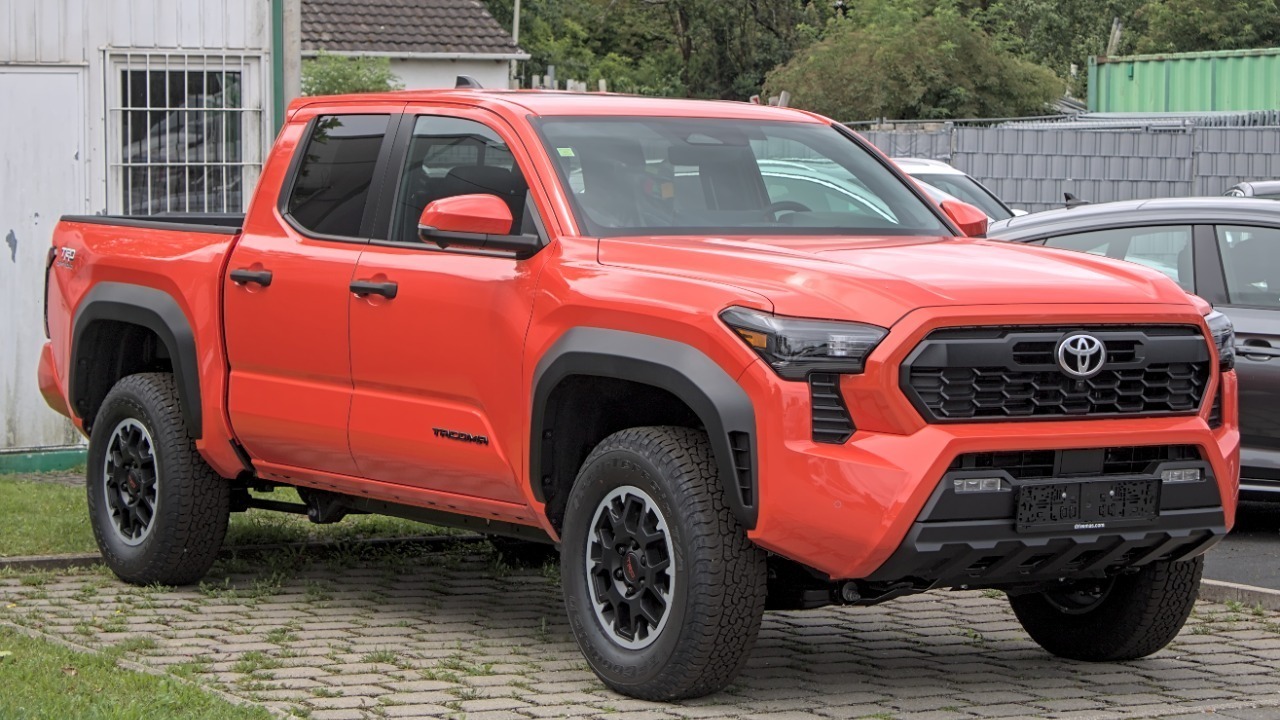
Toyota carried the truck’s chunky knobs and beefy buttons into the new-generation cabin specifically so climate and stereo settings can be changed with gloves on or hands numb from the cold, a TRD Pro review notes.
That durability-first approach matters more in a work truck than a sedan, since a ranch hand or a contractor adjusting the heater at 5 a.m. does not want to squint at a glowing menu to find the right icon.
4. Mazda CX-50: Metal Knobs Beside The Screen
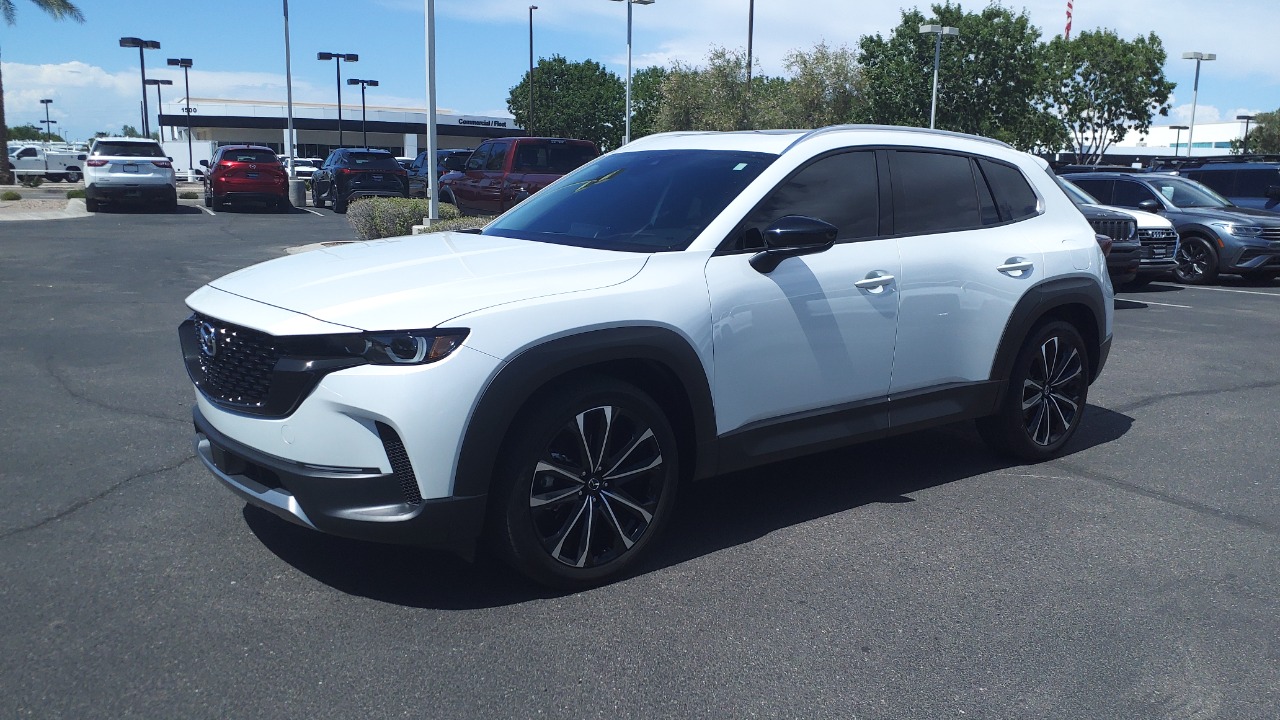
The current CX-50 runs its climate system on knurled metal buttons and knobs instead of a flat capacitive panel, sitting alongside a 10.3-inch touchscreen rather than replacing it, according to a hybrid review that praised the tactile feel.
That mix lets Mazda chase modern tech expectations without forcing a driver to glance away from the road and hunt through sub-menus just to bump the temperature down two degrees on a hot commute home.
5. Honda Civic Si: Knurled Knobs Beside The Heater
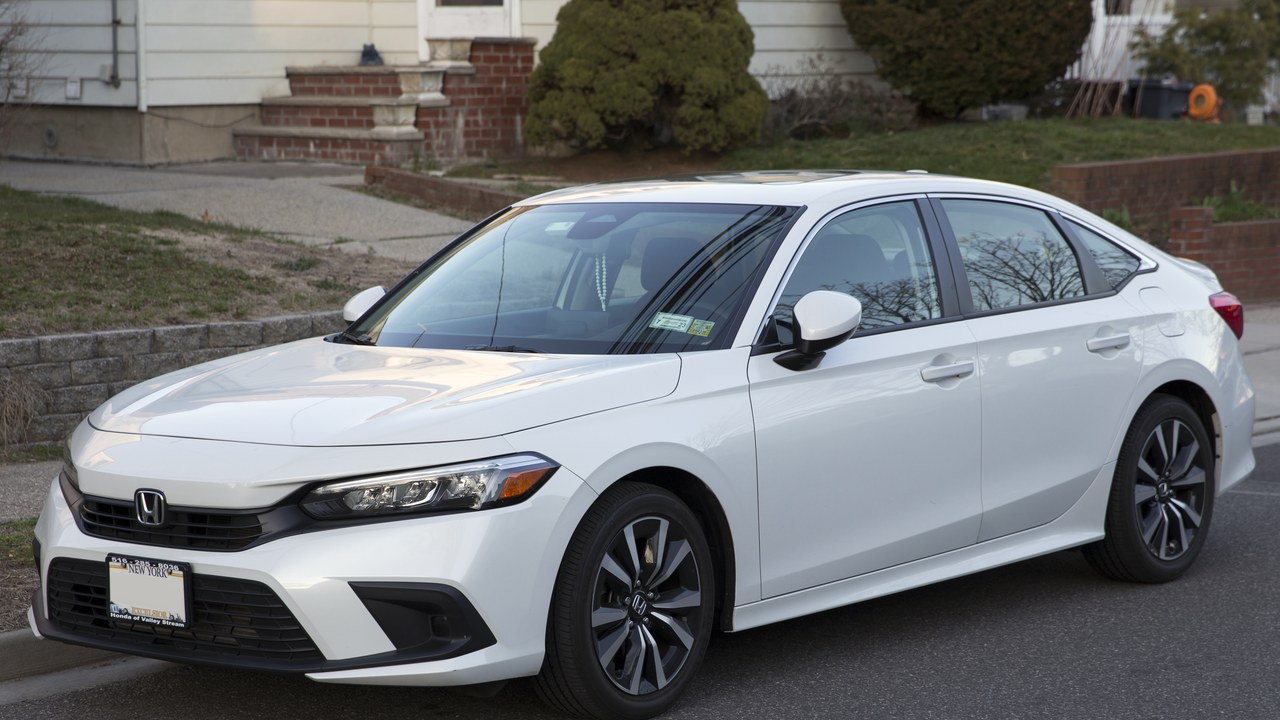
Honda’s own release for the refreshed Civic Si lists three-level seat-heater buttons sitting next to high-quality knurled knobs for the climate system, calling the mix leading-edge technology paired with straightforward hardware, per the official press release.
Honda is marketing the tactile switchgear as a feature rather than an oversight, betting that enthusiast buyers who care about shift feel and steering weight also want a heater knob they can twist without looking down.
6. Ram 1500: Buttons That Mirror The Screen
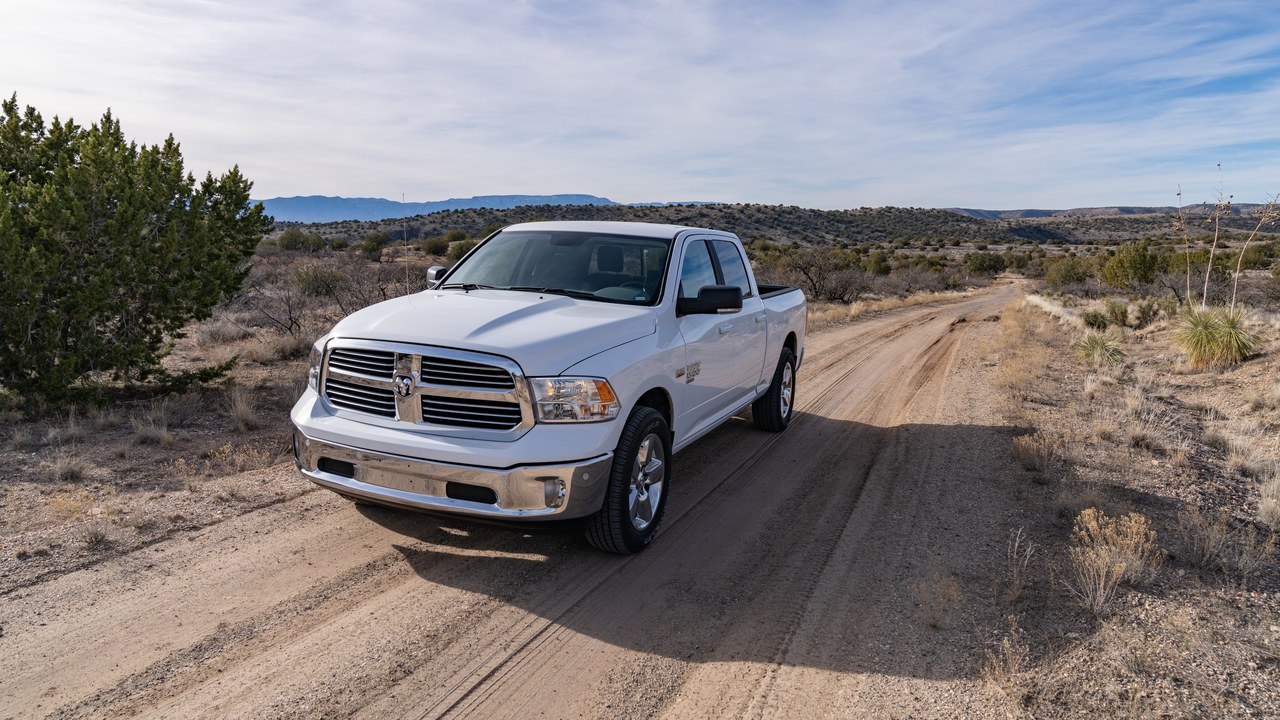
Temperature and fan-speed controls stay physical, flanking the touchscreen on the current Ram 1500, and the truck duplicates many on-screen functions with real buttons scattered around the cabin, a Newsweek comparison found.
That redundancy means a passenger can turn down the fan from a knob while the driver keeps eyes on the highway, and neither has to dig through a touchscreen menu that was never designed for use at 70 mph.
7. Chevrolet Silverado 1500: Hard Buttons Under The Screen
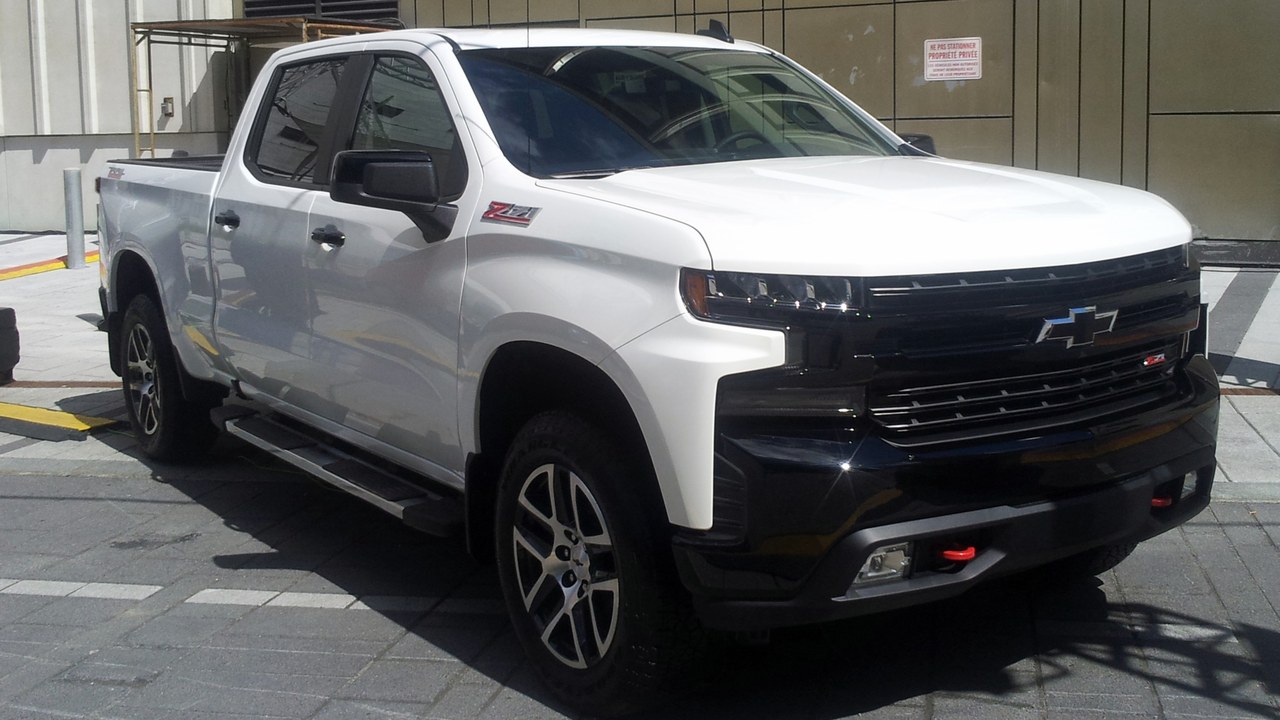
The current Silverado 1500 keeps a row of hard buttons directly under its touchscreen, plus a climate array built around a pair of dedicated temperature knobs, according to a full review that singled out the layout as unusually driver-friendly.
Chevrolet split the difference rather than chasing a fully screen-only dash, giving work-truck buyers who wear gloves half the year in cold-weather states a simple way to change the temperature without pulling one off first.
8. Lexus GX 550: Chunky Switches For Winter Gloves

The current GX gives drivers actual knobs for temperature, with switchgear deliberately sized to work while wearing thick winter gloves on a cold morning, an off-road review found, calling the switchgear a deliberate holdout against the industry’s screen-only trend.
Lexus is betting that luxury buyers who take this SUV off pavement still want to feel for a knob rather than tap a screen with a gloved fingertip that a capacitive panel may not even register.
9. Porsche 911: Even The 911 Keeps Buttons
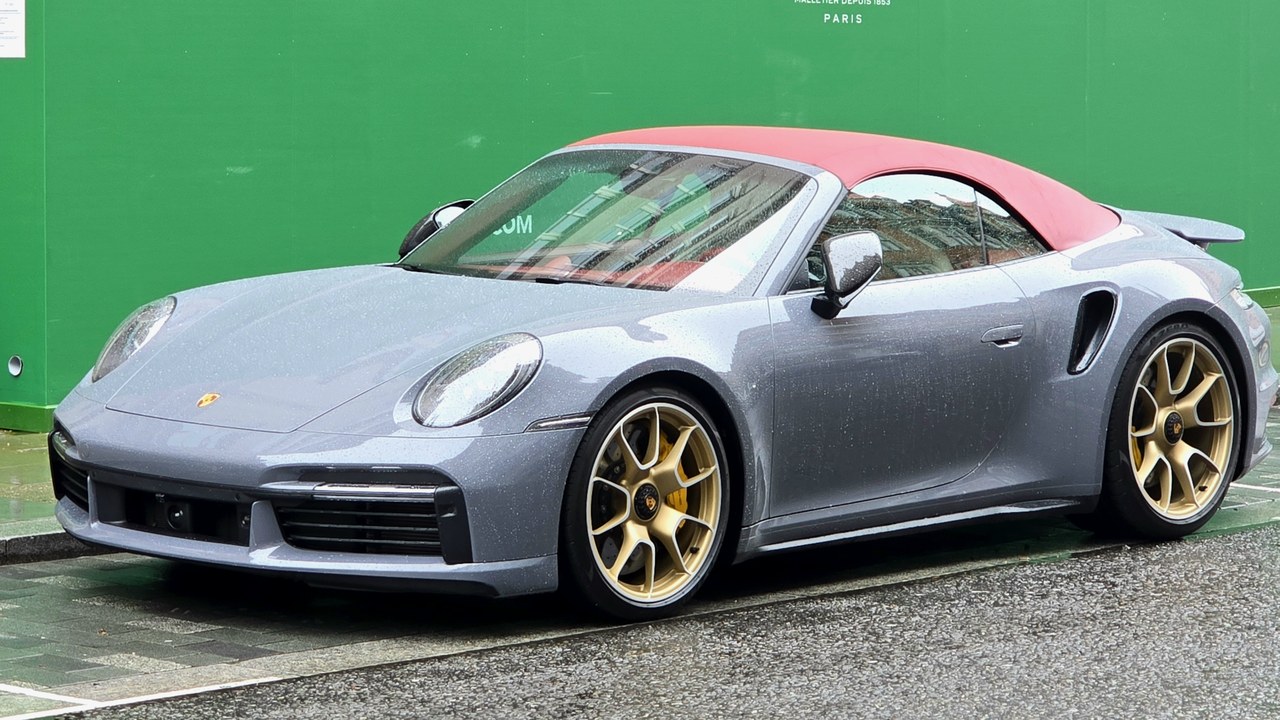
Even in the heavily digitized current 911, physical controls remain for climate settings alongside dedicated buttons for stability control, exhaust sound and damper stiffness that a driver can reach without lifting a hand off the wheel, per an interior breakdown.
Porsche redesigned nearly every other surface of the cabin around a curved digital display, yet left the controls a driver reaches for mid-corner as separate hardware instead of folding them into a menu.
10. Ford Bronco: Rubber-Grip Knobs Under A Big Screen
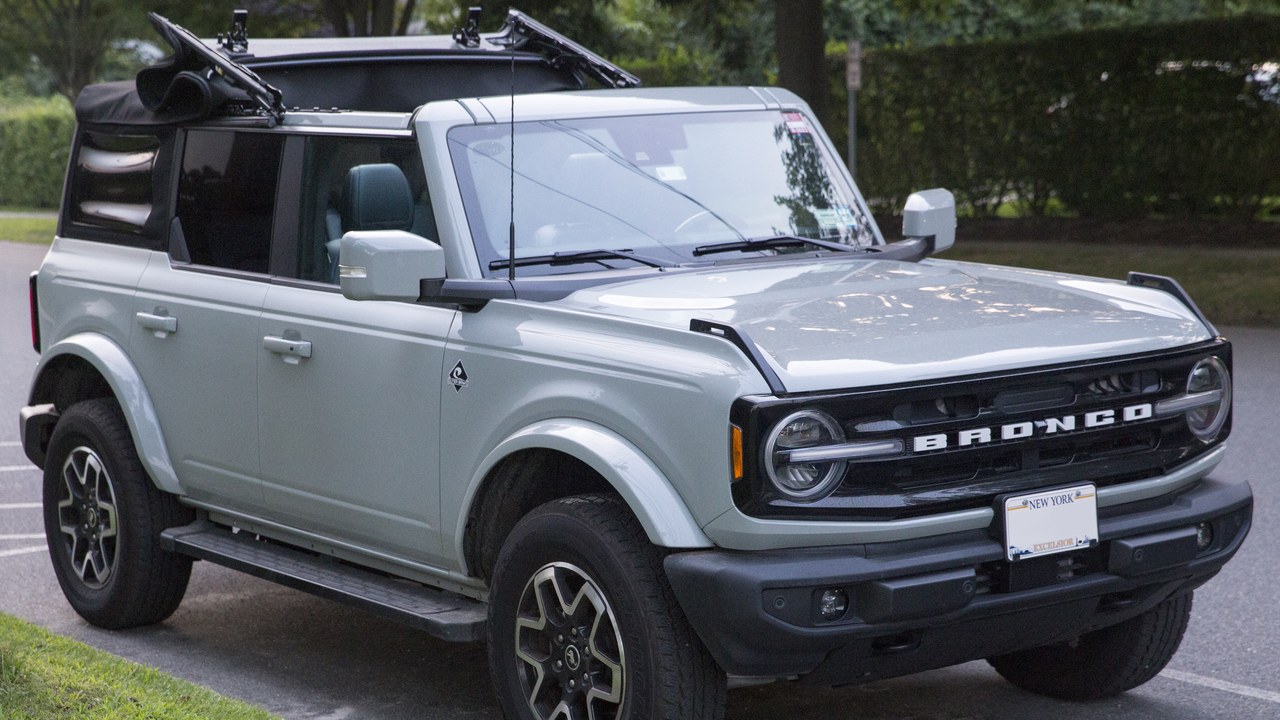
A review of the current Bronco notes stereo volume, radio tuning and temperature knobs finished with rubber grips, with separate stereo and climate controls sitting under the 12-inch center display rather than folded inside it, per J.D. Power’s assessment.
The rubber texture is a small detail, but it means a wet or muddy glove still grips the knob on a trail run instead of sliding off a smooth glass panel.
11. Nissan Armada: Levers Survive The Screen Overhaul
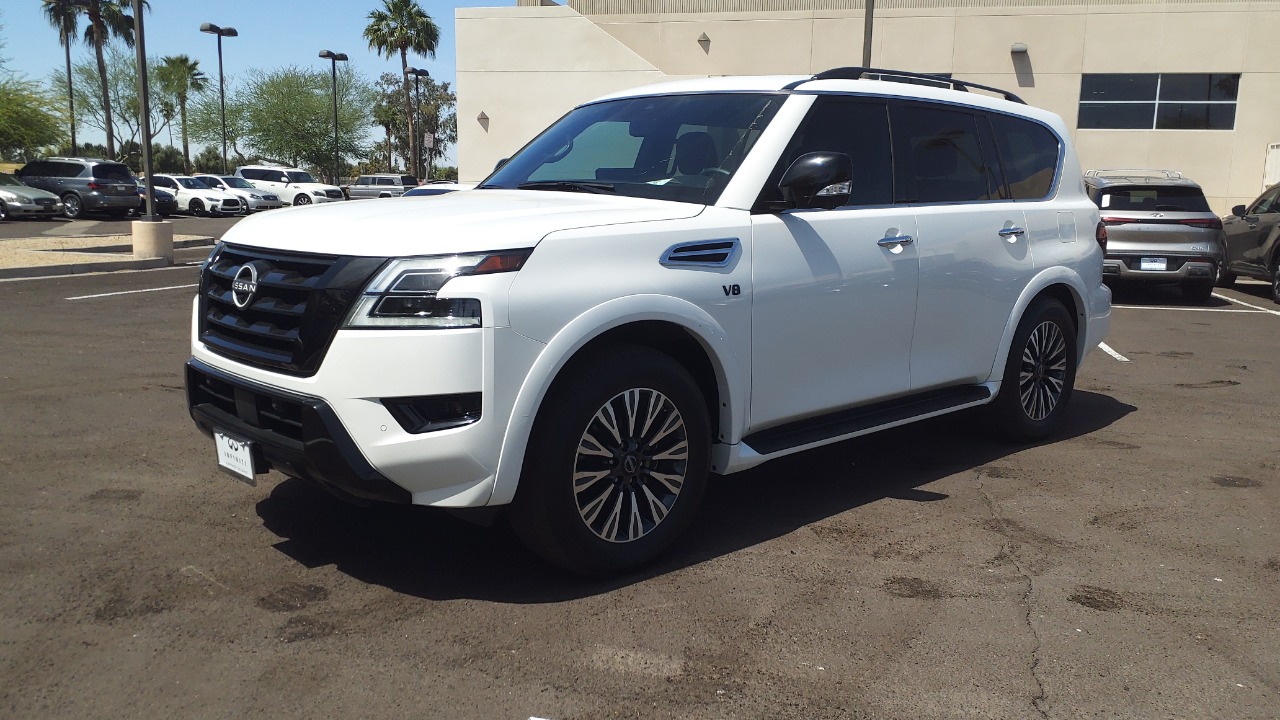
Despite piling on screens in its redesign, the current Armada keeps HVAC controls physical, with levers for temperature and fan speed and a row of buttons underneath, according to a buttons-and-knobs roundup that flagged the SUV as an exception in its class.
Nissan let the dashboard grow a second and third screen for infotainment and gauges, but stopped short of moving the controls a driver touches every single day into that same glass.
More from Morning Overview
