
Solid axles fell out of fashion decades ago, replaced almost everywhere by independent suspension that rides softer on pavement. A handful of trucks and off-roaders never made the switch, because the design still wins where wheel articulation and axle strength matter more than ride comfort. Here are nine vehicles that still run a solid axle under the front wheels.
1. Jeep Wrangler: Solid Axles, Stock

Every Trail Rated Wrangler leaves the factory with Dana solid axles under both ends, a two-speed transfer case and a tire no smaller than 32 inches, a combination Jeep says delivers a 47.4-degree approach angle. That geometry lets the front axle clear rocks and ruts without the binding an independent setup can suffer at full droop.
For owners, a solid front axle means simpler alignment, cheaper replacement parts and compatibility with decades of Jeep aftermarket axle hardware. It is a large part of why the Wrangler keeps outselling every independent-front rival in serious rock-crawling circles.
2. Jeep Gladiator: Axles Built for Payload
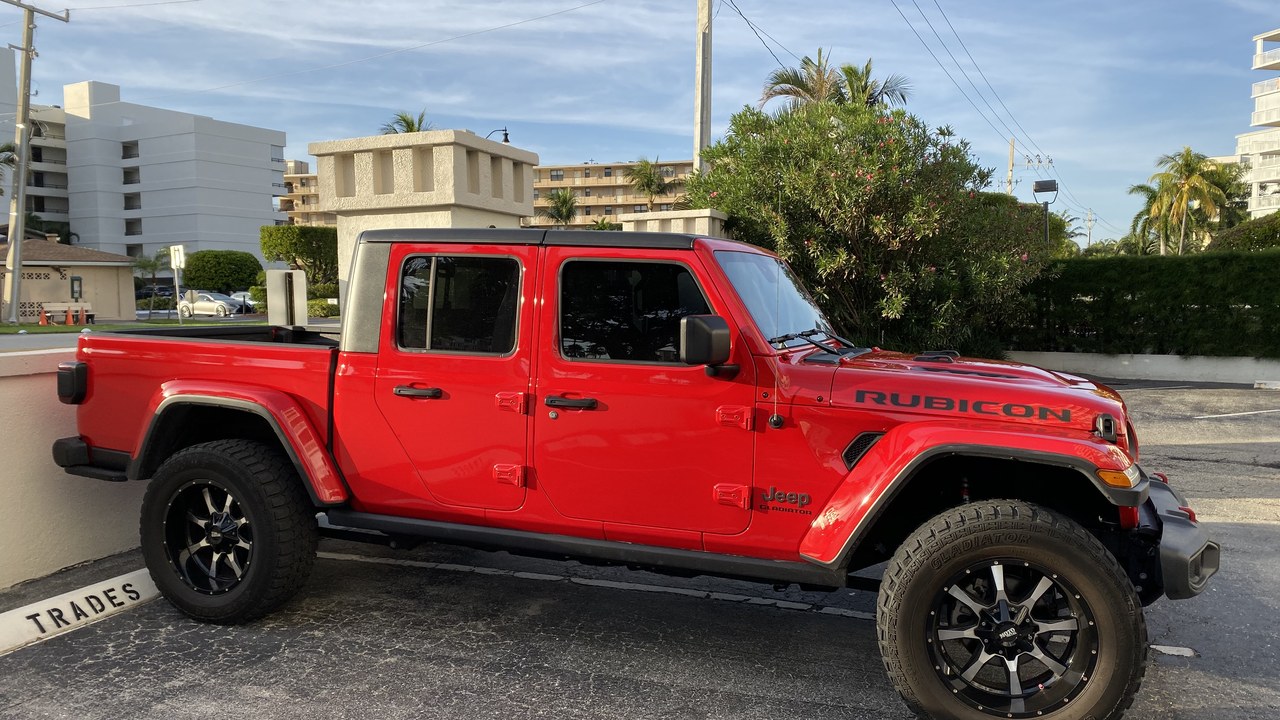
Jeep’s chief engineer specified heavy-duty third-generation Dana 44 solid axles at both ends of the Gladiator, with thicker tubes and stronger forgings than the units under a Wrangler, a change built specifically to hit the truck’s payload target. The extra material keeps the housings from flexing under a loaded bed and a trailer hitch.
That durability carries a ride-quality cost on pavement, where the unsprung weight of two solid axles can feel busier over bumps than a coil-sprung independent front end. Off-road, the same mass keeps both wheels planted through wash-outs a lighter setup would skip across.
3. Ram 2500 Power Wagon: A Disconnecting Sway Bar
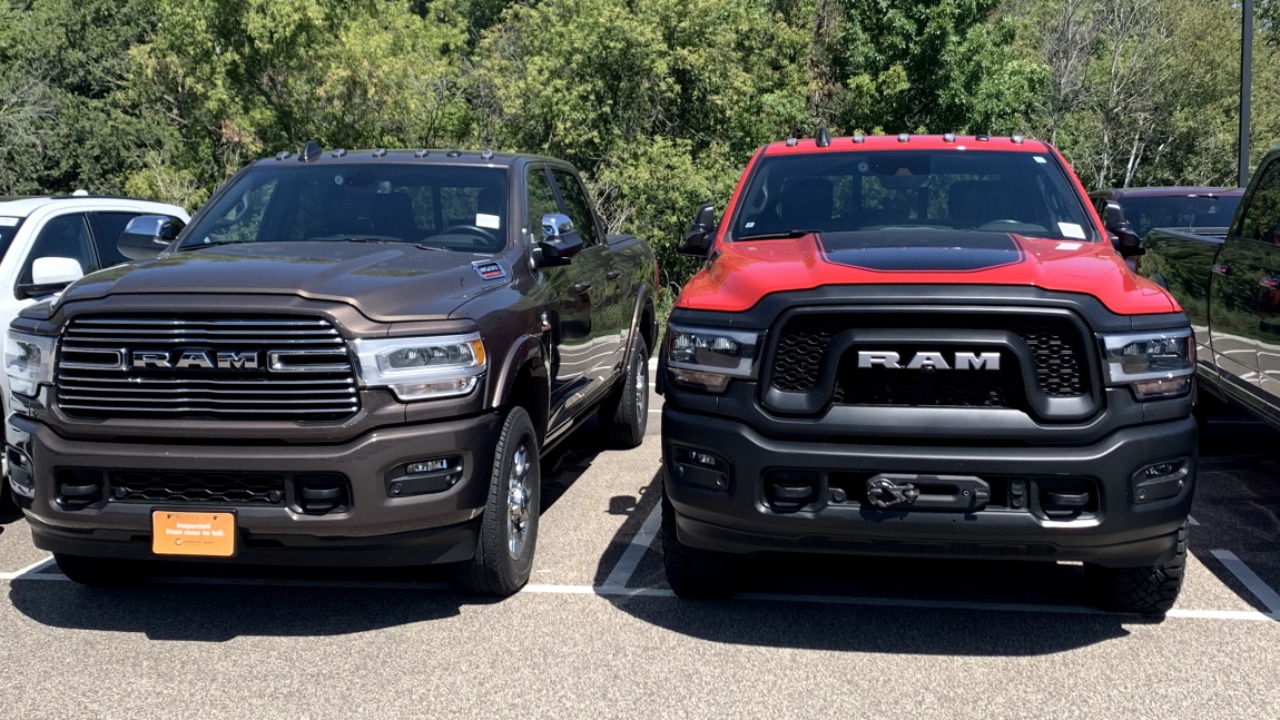
Ram keeps the Power Wagon on solid front and rear axles with locking differentials, then adds a three-link front end and an electronic disconnecting sway bar that lets the front axle move independently of the frame. Disconnected, the front wheels travel further before one tire lifts clear of the ground, letting the locking differentials keep power flowing to whichever tire still has traction.
Reconnect the bar at highway speed and the truck regains normal body control for the drive home. Few factory pickups let an owner toggle between maximum articulation and everyday stability from a single dashboard switch, without giving up the towing and payload ratings buyers expect from a heavy-duty Ram.
4. Suzuki Jimny: Ladder Frame, Live Axles
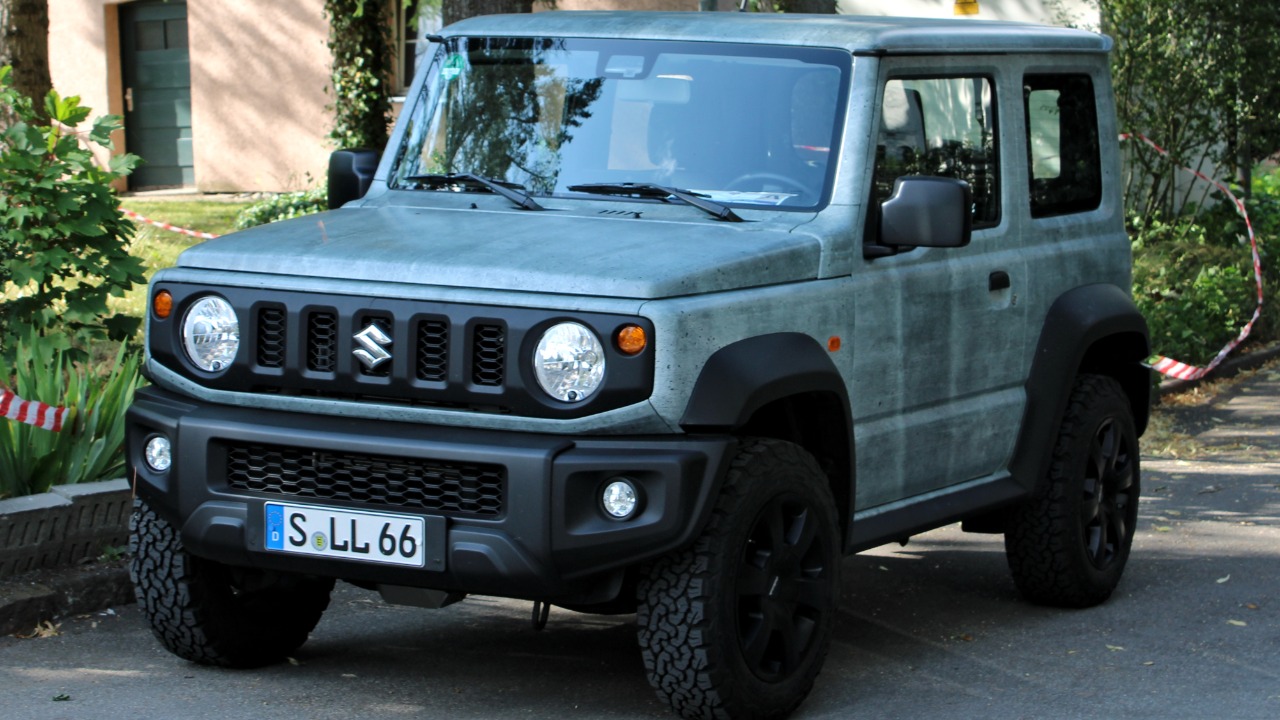
Suzuki builds the Jimny on a rigid ladder frame with three-link rigid axle suspension and coil springs at both ends, backed by a low-range transfer case that keeps the small SUV crawling at idle speed over broken ground. The layout is closer to a shrunken Land Cruiser than to any modern crossover its size.
The tradeoff is a firm, trucky ride and more body roll than a taller crossover driver might expect. In exchange, the small SUV shrugs off terrain that would ground road-biased rivals with similar ground clearance, especially on the diagonal ruts where one wheel drops while the opposite corner stays planted.
5. Ford F-250 Super Duty: Coils Replaced the Leaf Springs
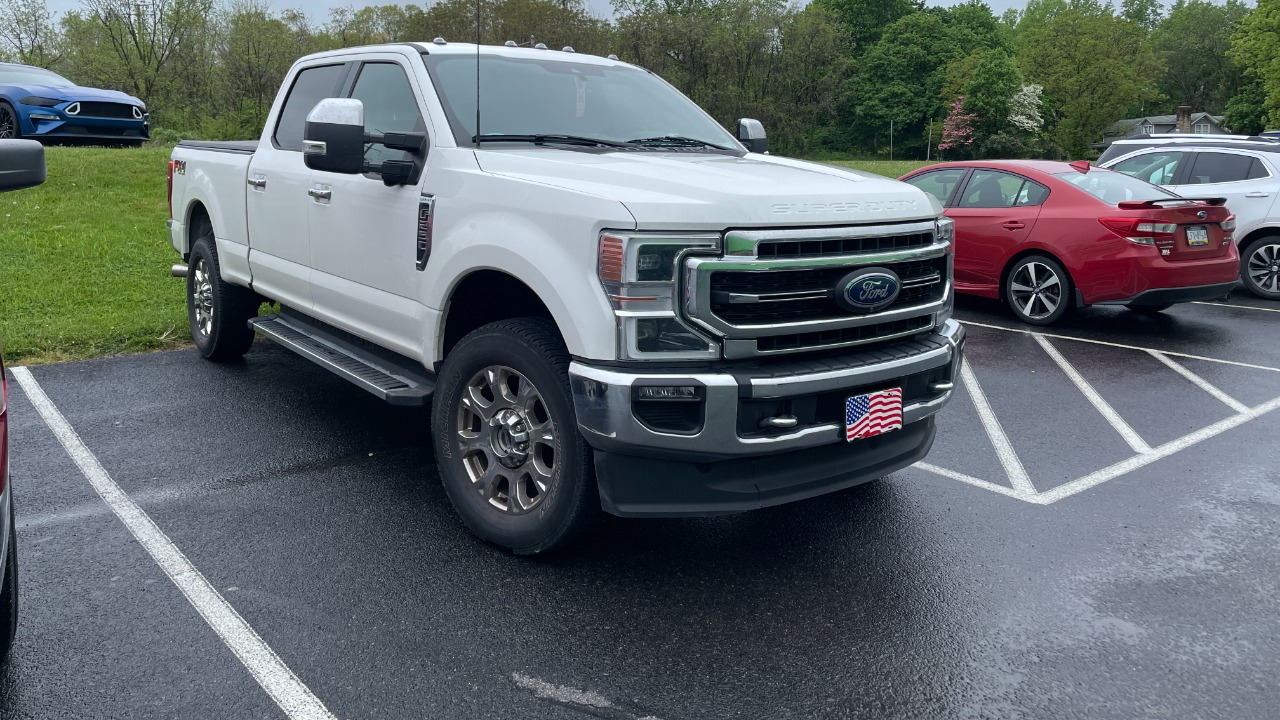
Two-wheel-drive Super Duty pickups got Ford’s independent Twin-I-Beam front suspension, but 4×4 versions kept a solid Dana 50 or Dana 60 front axle, switched from leaf to coil springs for 2005. The coil change improved ride quality without giving up the axle’s load capacity.
Solid axles let Ford rate the 4×4 Super Duty for heavier front loads than an independent setup could easily match, which matters when a snowplow or winch bumper hangs off the nose. The design has carried through every generation of 4×4 Super Duty built since.
6. Toyota Land Cruiser 70 Series: Coils Since 1998
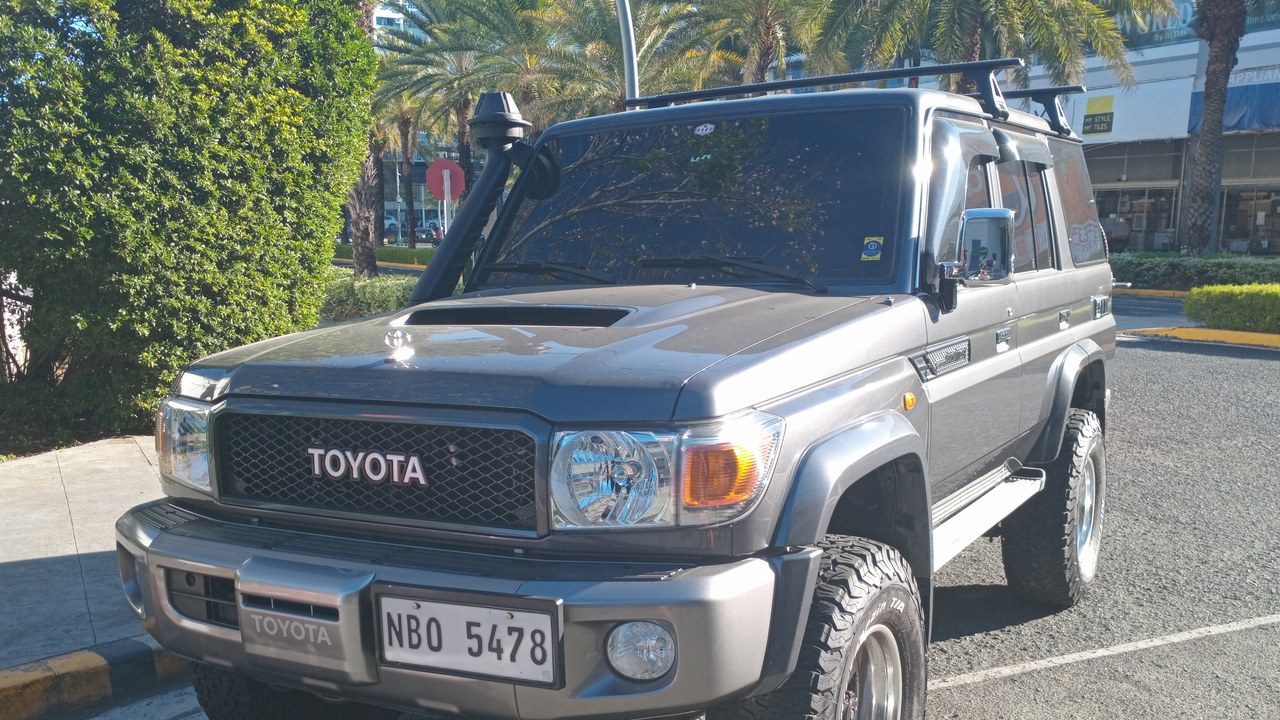
Every 70 Series keeps solid axles at both ends; the leaf-sprung front axle gave way in 1998 to a coil-sprung live front axle mounted on leading arms, with longer rear springs added the following year for more wheel articulation. Toyota never offered an independent-front version of the 70 Series.
The upgrade improved ride comfort without sacrificing the simplicity that keeps the truck running in remote mining and aid operations decades after launch. Parts commonality across the model’s long production run keeps field repairs straightforward far from a dealer.
7. Ineos Grenadier: Nine Degrees of Articulation
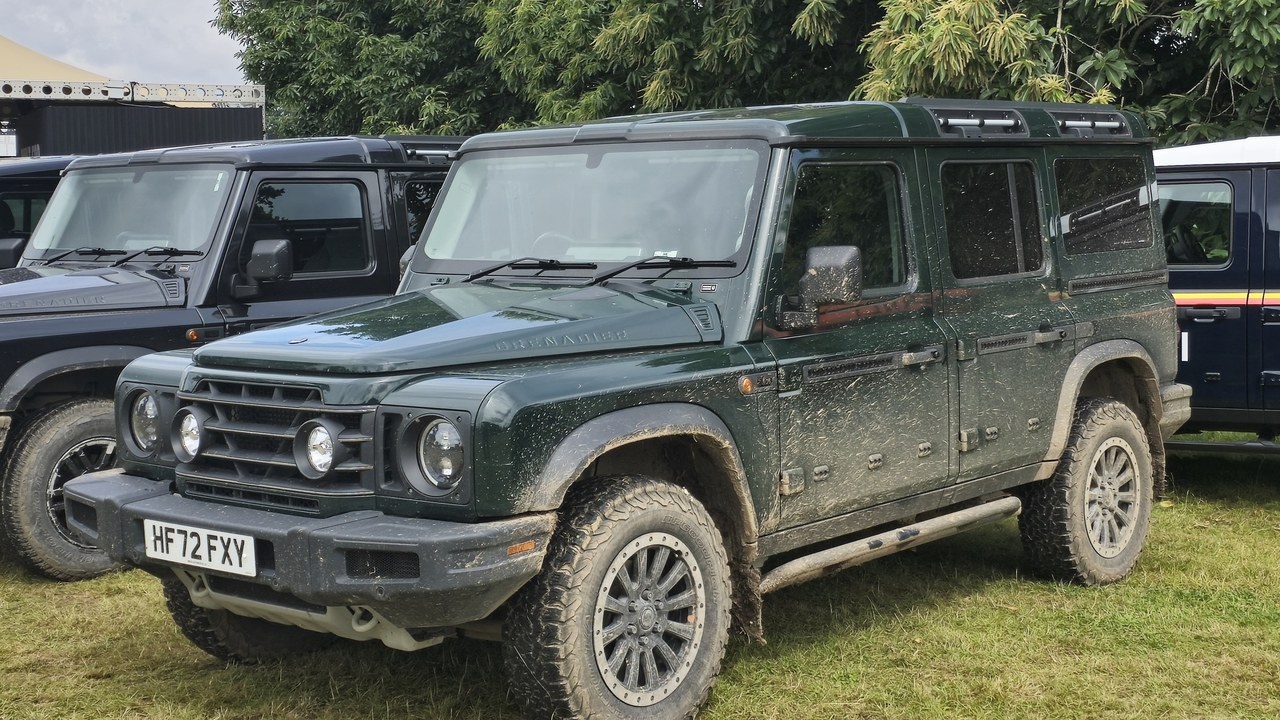
Ineos builds the Grenadier on a box-section ladder frame with heavy-duty Carraro beam axles front and rear, riding on five-link coil suspension that allows nine degrees of front axle articulation. The commercial-grade axle supplier also equips agricultural and construction equipment, components chosen for a service life measured in decades rather than a typical passenger-vehicle warranty.
That heritage prioritizes durability under repeated heavy loads over refinement, a tradeoff the Grenadier’s target buyer, often someone replacing an old Defender or Land Cruiser, tends to welcome. The axles are rated well beyond what most owners will ever tow or carry.
8. Mahindra Roxor: Dana-Style Axles, Off-Road Only
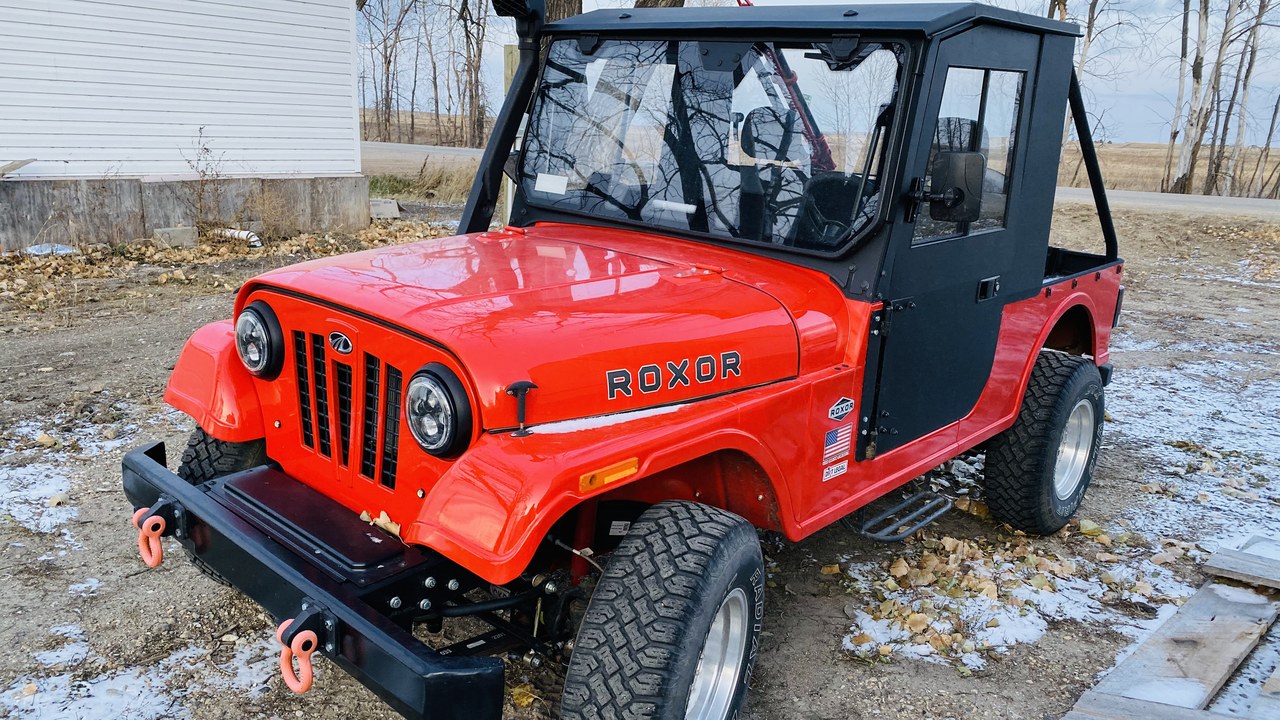
The Roxor rides on leaf-sprung straight axles front and rear, built to a design similar to the Dana 44, paired with a 2.46:1 low-range transfer case and a 3.73:1 final drive. Mahindra sells it as an off-highway vehicle, not a street-legal truck, in every U.S. state.
That classification keeps price and complexity down, since there is no need to certify crash structures or emissions equipment for public roads. Buyers get Jeep CJ-style toughness for trails and job sites without the cost of a full-size pickup.
9. Land Rover Defender L316: Retired for Independent Suspension

The L316 Defender ran live rigid axles at both ends from launch until production ended on January 29, 2016. Its replacement, the L663, dropped solid axles entirely in favor of independent suspension all around.
The switch traded some outright articulation for sharper on-road handling and a smoother ride, reflecting how little of the original terrain most L663 buyers actually cross. Collectors now pay a premium for late L316s specifically because of the solid-axle setup the newer truck abandoned, treating axle swaps and simple field repairs as a selling point rather than a compromise.
More from Morning Overview
- The NSA is again telling phone owners to switch off one location setting
- Four U.S. startups fired up their first small nuclear reactors, aiming to power AI data centers on-site
- 11 engines built to run well past 200,000 miles
- A handful of car transmissions are so tough that mechanics say they almost never die
