
Pop-up headlights once let a car go from a clean, low nose in daylight to two bright eyes at night, a mechanical trick automakers loved through the 1970s and 1980s. Crash-safety rules and better fixed lighting eventually killed the feature, and by the mid-2000s no new car used it at all. Here are ten cars that made those hidden headlamps part of their identity.
1. Chevrolet Corvette C5: The Last Corvette With Hidden Eyes
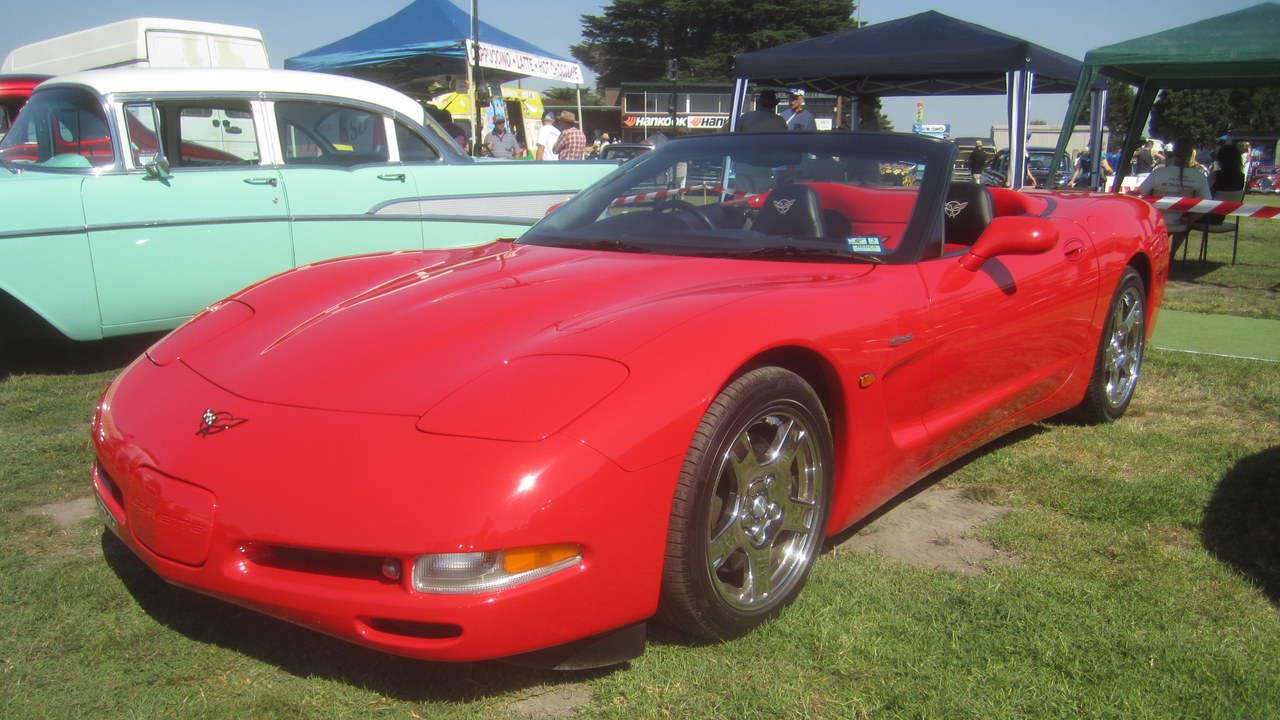
General Motors unveiled the fifth-generation Corvette on January 6, 1997, and kept building it through July 2, 2004, according to the car’s production history. It was the last Corvette built with pop-up headlamps, and alongside the Lotus Esprit, one of the final two cars of any kind sold with them.
The C5’s successor moved to fixed high-intensity headlamps for the 2005 model year, following crash-standard pressure that had already pushed most automakers away from the mechanism. For a generation of buyers, the C5’s rising lamps were the last chance to own a new car with that party trick.
2. Lotus Esprit: Britain’s Last Car With Rising Lamps
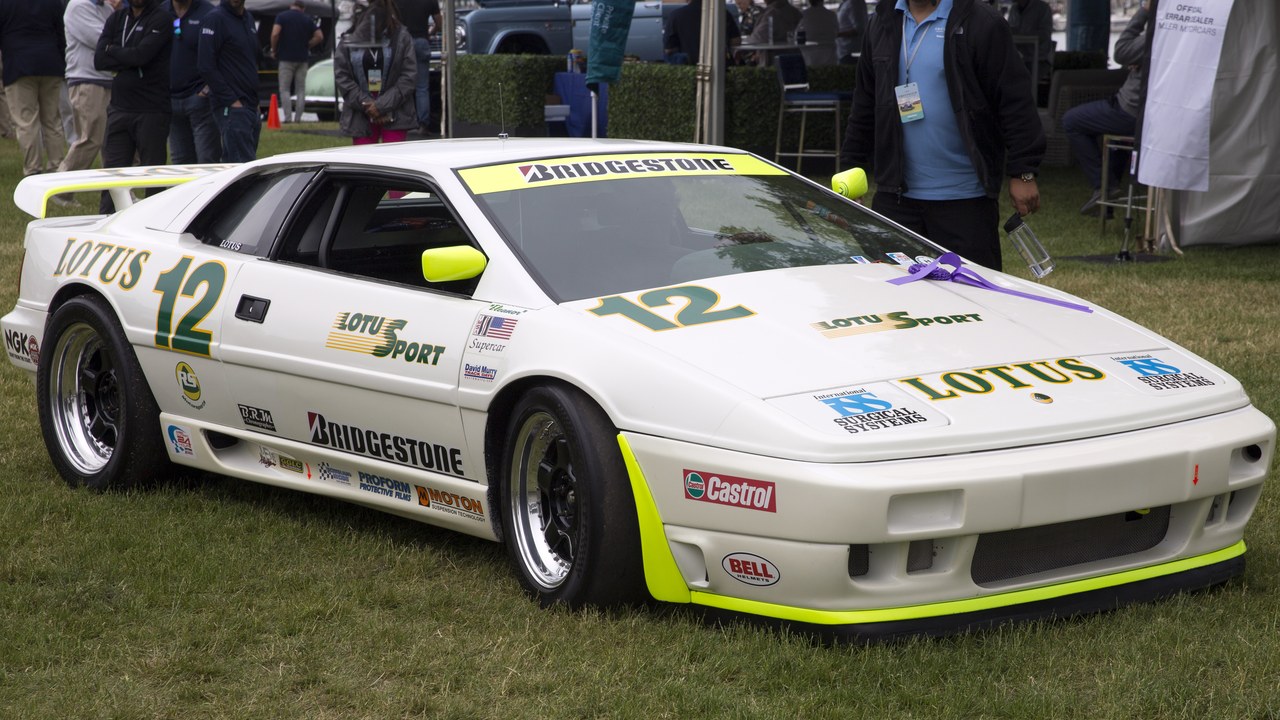
Lotus built the final Esprit on February 20, 2004, closing out a 28-year production run that began in 1976, per the model’s production record. That made it, alongside the Chevrolet Corvette C5, one of the last two cars anywhere built with retractable pop-up headlights.
The Esprit’s low, wedge-shaped nose by Giorgetto Giugiaro left little room for tall fixed lamps, so the pop-up units stayed part of the design through every facelift the car received. When production ended, so did Lotus’s use of the mechanism it had relied on since the model’s debut.
3. Mazda MX-5 NA: Retractable Lights, Retired Outright
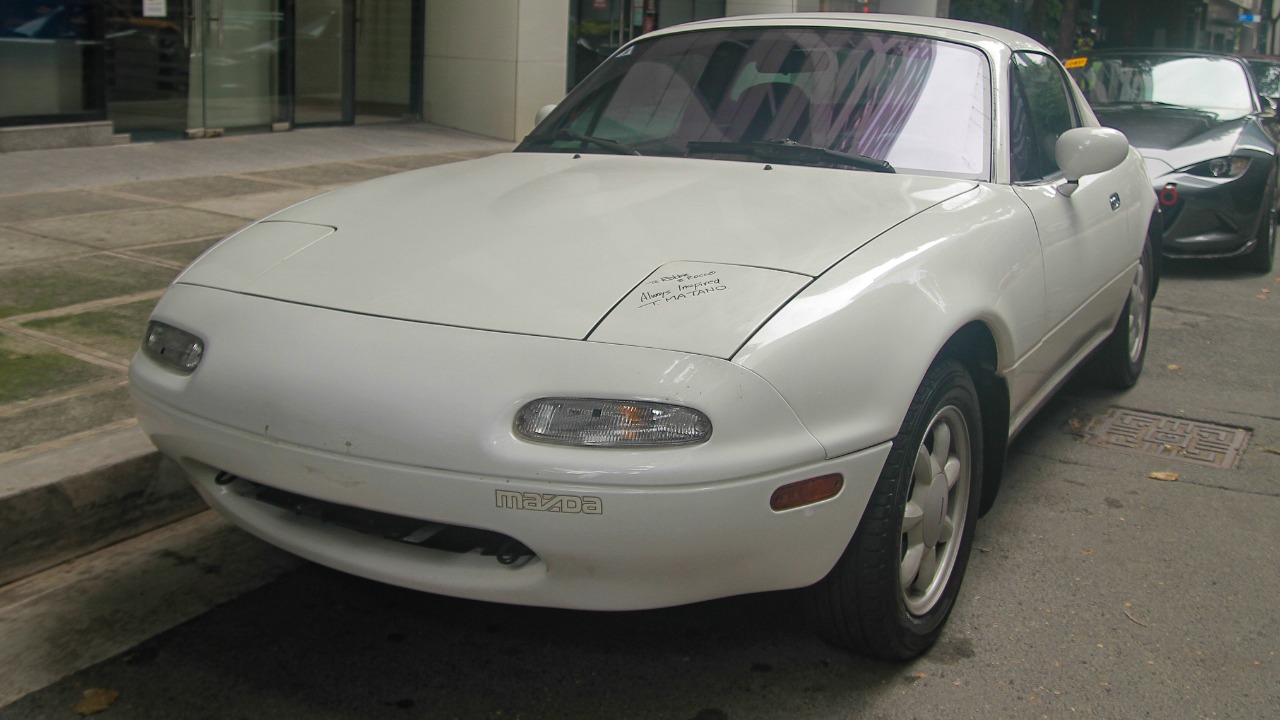
Mazda launched the first-generation MX-5 in 1989 with round pop-up headlamps that echoed British roadsters like the Lotus Elan, according to the NA-generation history. When the second-generation NB arrived for 1998, Mazda dropped the mechanism outright rather than reworking it, switching to fixed headlamp units instead.
The change was partly about weight and cost, since pop-up assemblies add moving parts, motors, and extra sealing that a fixed lamp does not need. For NA owners, the retractable lights remain the detail that separates their car from every Miata generation built since.
4. Mazda RX-7: The Rotary Car That Never Switched
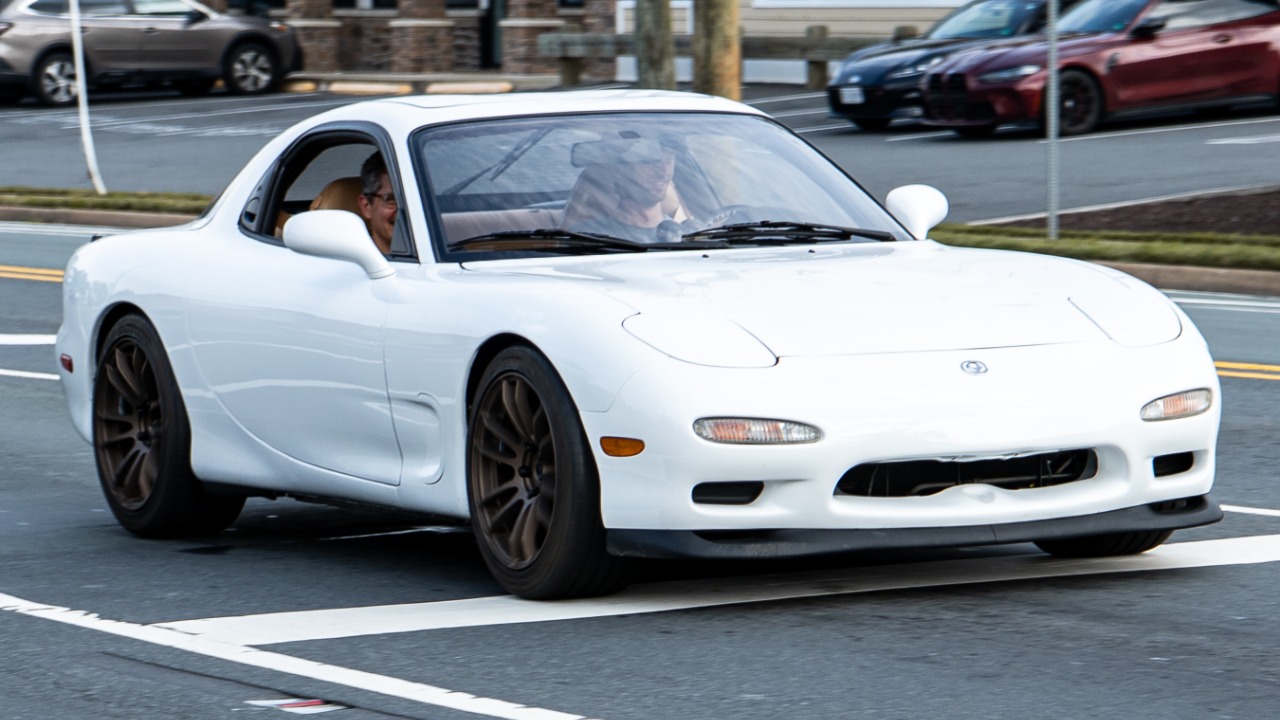
Mazda kept pop-up headlamps on the RX-7 for the model’s entire run, a detail the brand’s model history ties directly to the rotary coupe’s identity. The feature stuck around even as rival sports cars were already switching to fixed lighting through the 1990s.
In 2023, Mazda revived the look on its Iconic SP concept, giving the show car hidden headlamps as the clearest visual callback to the third-generation RX-7. It was a deliberate signal that the pop-up era, for Mazda at least, still defines what a proper rotary sports car should look like.
5. Honda NSX: A Facelift Closed The Eyes For Good
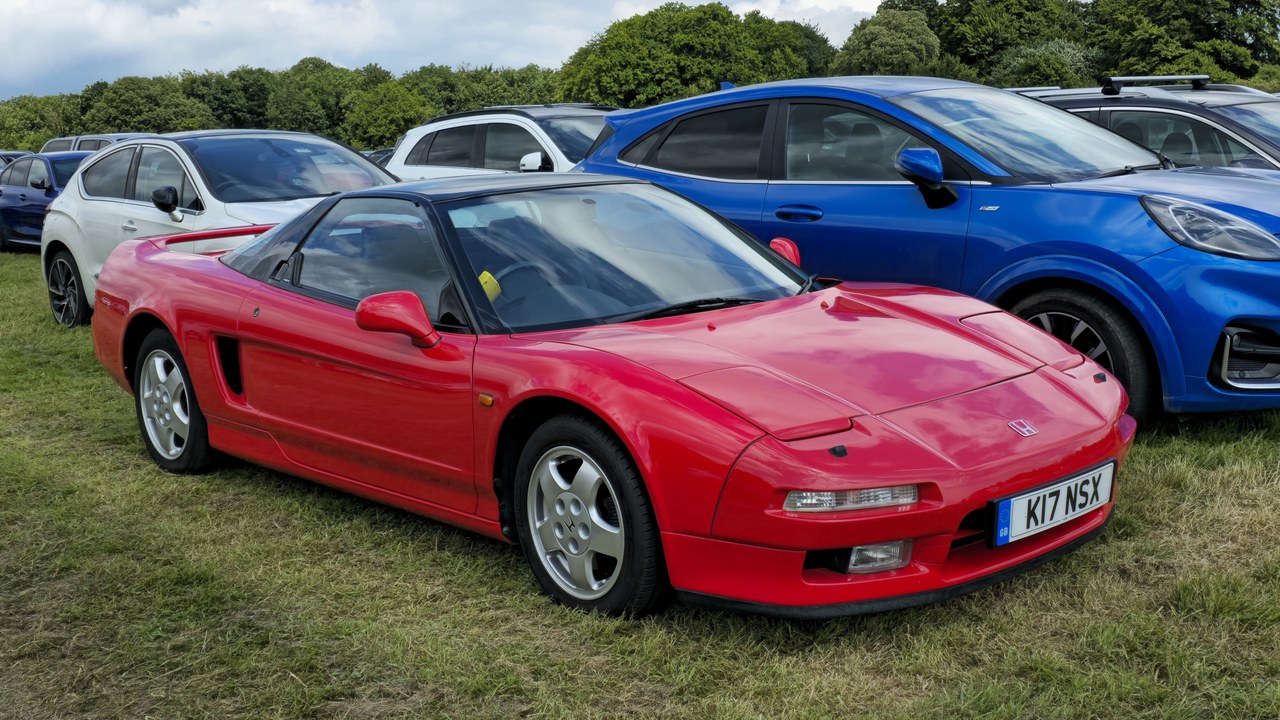
Honda gave the NSX pop-up headlamps at launch in 1990, part of the supercar’s clean, low nose designed with input from Formula One driver Ayrton Senna. A December 2001 facelift, detailed in the first-generation NSX record, replaced them with fixed xenon HID units.
Honda made the switch to keep the aging supercar looking current against newer rivals that had already moved to fixed lighting. The facelifted nose is the easiest way to tell a late NSX from the earlier pop-up cars at a glance.
6. Pontiac Firebird: The Feature That Split It From The Camaro
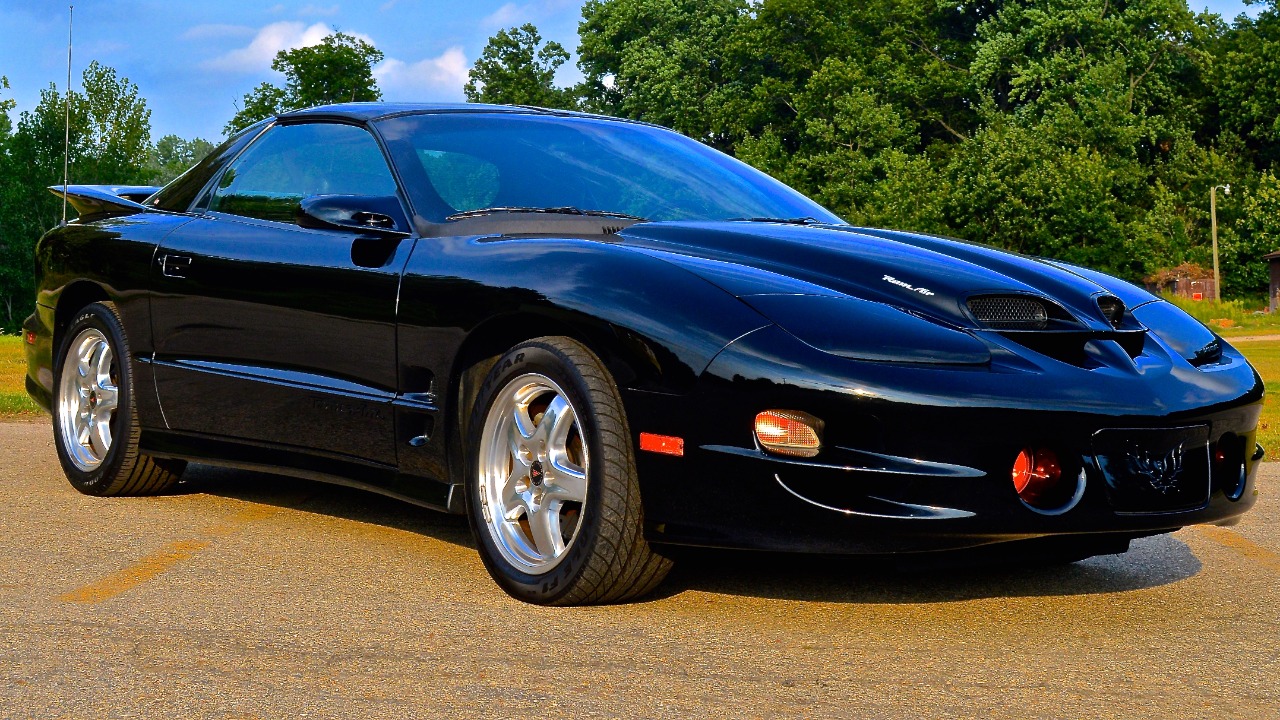
Pontiac gave the third-generation Firebird concealed pop-up headlights for the 1982 model year, an F-body first that its production history credits as a deliberate styling break from its Chevrolet Camaro platform-mate. Where the Camaro kept exposed lamps, the Firebird’s nose stayed smooth until the lights flipped up.
The hidden headlamps carried into the fourth-generation Firebird built through 2002, staying part of the car’s identity for two decades. It became one of the details that let a Firebird read as a Firebird even from a distance, without needing badging to confirm it.
7. Porsche 928: Fender-Mounted Lamps On A Rotary Switch
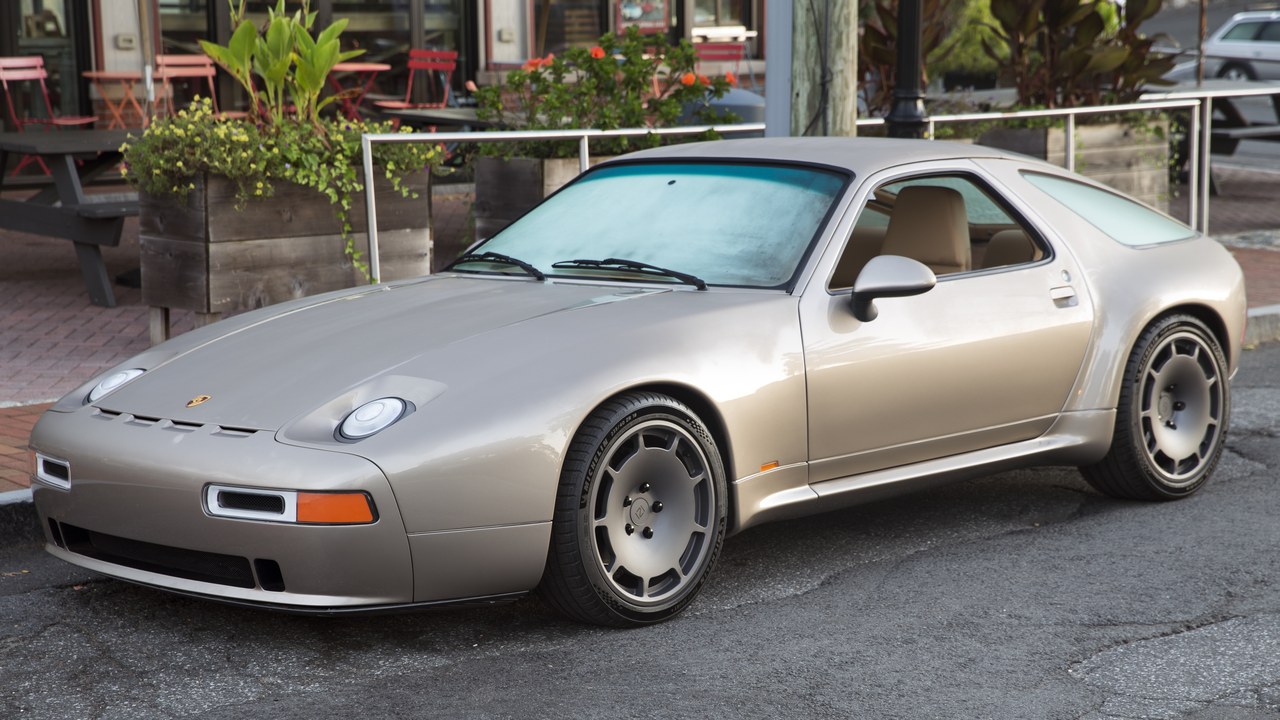
Porsche showed the 928 at the Geneva Motor Show in spring 1977 with headlights that rotated forward out of the fenders at the flick of a rotary switch. Porsche’s own company retrospective credits advances in lighting technology with closing out the pop-up era across the industry from the mid-1990s onward.
The 928’s fender-mounted setup was more elaborate than a typical pop-up hinge, giving the car a distinct rising motion rather than a simple flip. It ran that way for the model’s entire eighteen-year production life, never switching to a fixed-lamp design.
8. Ferrari F40: Height Rules Kept The Lamps Hidden
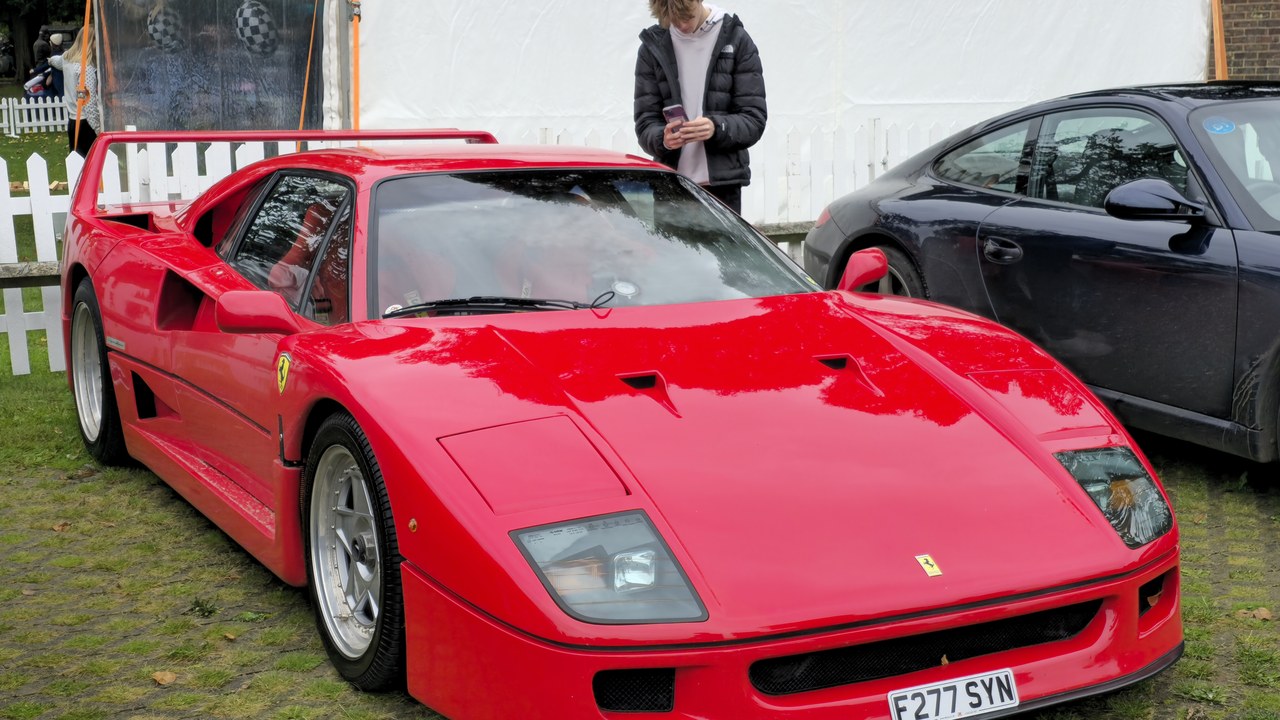
Ferrari launched the F40 in 1987 to mark the company’s fortieth anniversary, giving the car pop-up halogen headlamp units set into a nose built for minimum frontal area. The museum history of the model notes the design survived because minimum headlight-height regulations clashed with how low a sports car’s nose could sit.
Raising the lamps only when needed let engineers keep the resting nose lower than fixed lighting would have allowed under those same rules. It was a compromise built into nearly every low-slung supercar of the era, not just Ferrari’s.
9. Toyota Supra: A Second-Generation Signature Feature
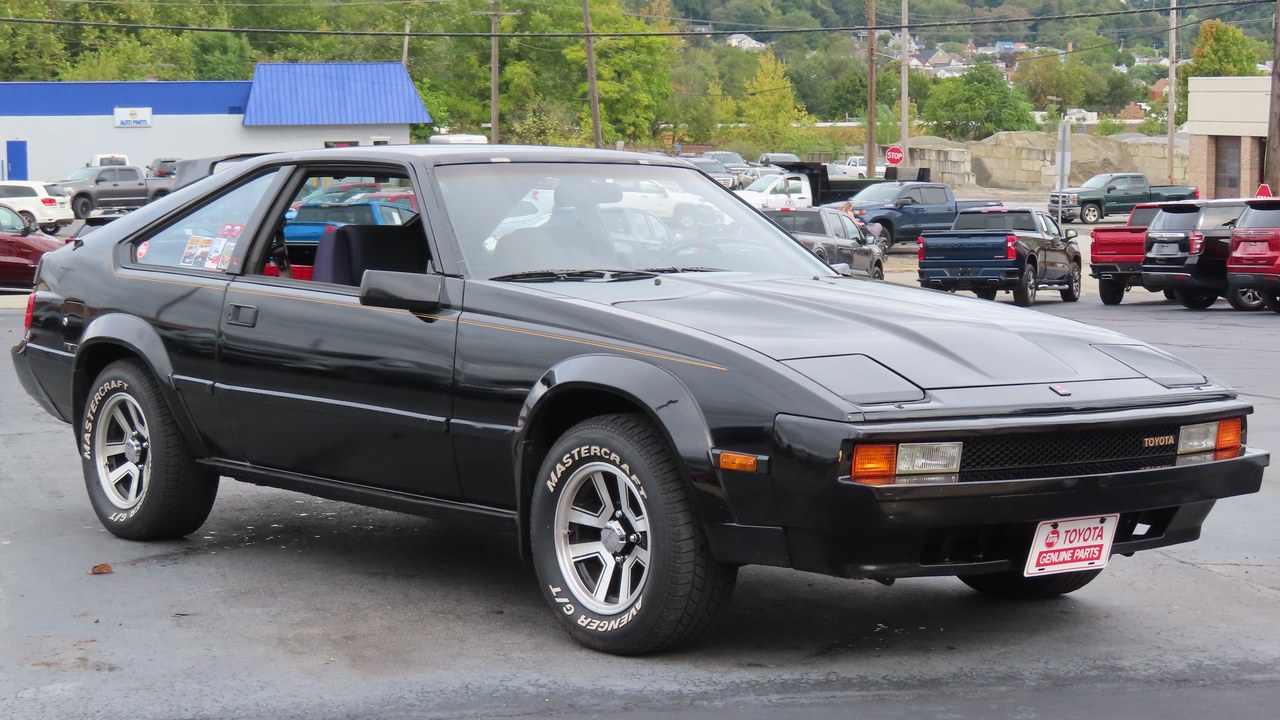
Toyota’s own account of the model, published as a company history, names retractable headlights as one of the identifying features of the second-generation Celica Supra, alongside its flared wheel arches and independent rear suspension. The combination set that generation apart from the more conventional first-generation car it replaced.
Those retractable lamps helped the second-generation Supra chase a smoother, more aerodynamic front end without giving up the tall beam height that era’s road rules still required. The look became closely associated with the nameplate through the generations that followed it.
10. Toyota MR2: The Mid-Engine Debut That Kept Its Eyes Hidden
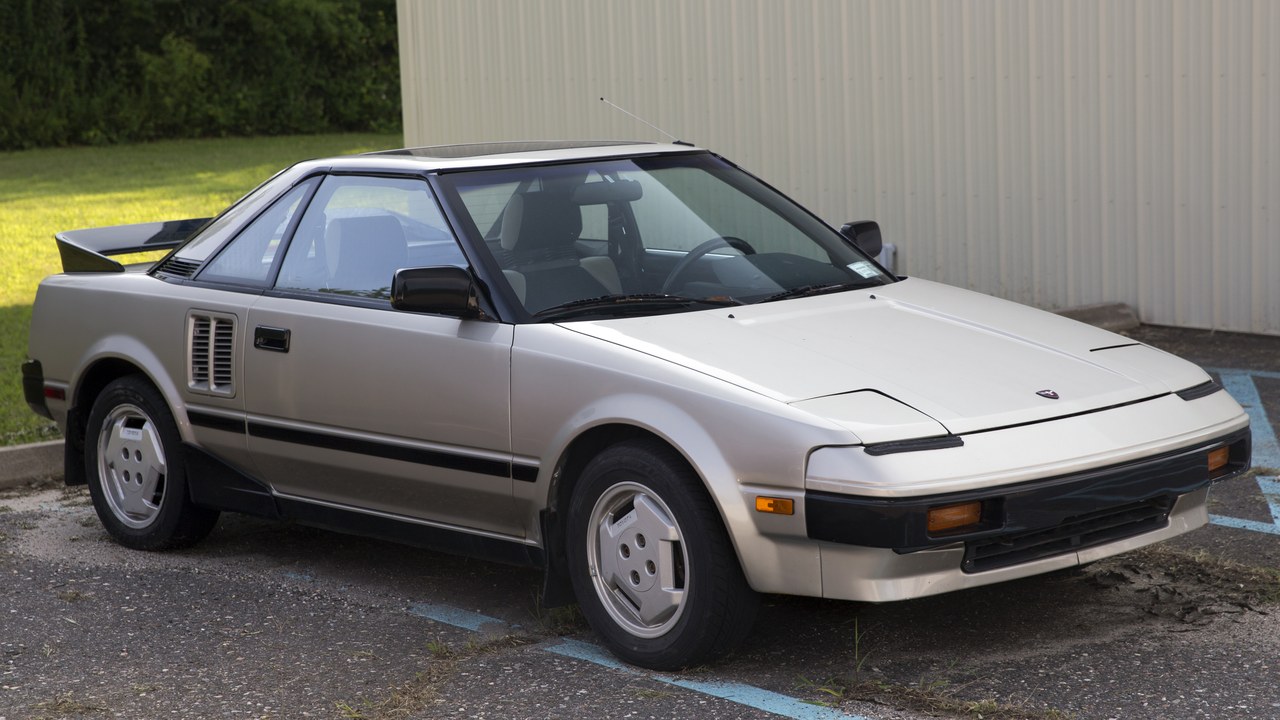
Toyota built the first-generation MR2 as its first mid-engine production car, launching the wedge-shaped coupe in Japan in 1984 before it reached American showrooms for the 1985 model year. Toyota’s own history of the model traces the car’s compact, low-slung nose to a layout built around a transverse four-cylinder engine mounted behind the seats.
Pop-up headlamps kept that nose low while still meeting era headlight-height rules, and Toyota carried the mechanism through the second-generation SW20 that followed in 1989. The third-generation MR2 Spyder switched to fixed headlamps when it arrived in 1999, closing out fifteen years of retractable lights on the nameplate.
More from Morning Overview
- Consumer Reports names the 2026 models it expects to break down the most
- Supplements now rank as the fifth-leading cause of death from liver disease.
- The NSA is again telling phone owners to switch off one location setting
- Four U.S. startups fired up their first small nuclear reactors, aiming to power AI data centers on-site
