
Superchargers turn air into instant urgency, forcing extra oxygen into an engine the moment a driver mashes the throttle. Automakers have bolted them onto everything from budget commuter sedans to six-figure supercars, chasing horsepower without waiting for a turbo to spool. Here are ten production cars that left the factory with a supercharger under the hood.
1. Dodge Challenger SRT Hellcat: Dodge’s First Supercharged V8
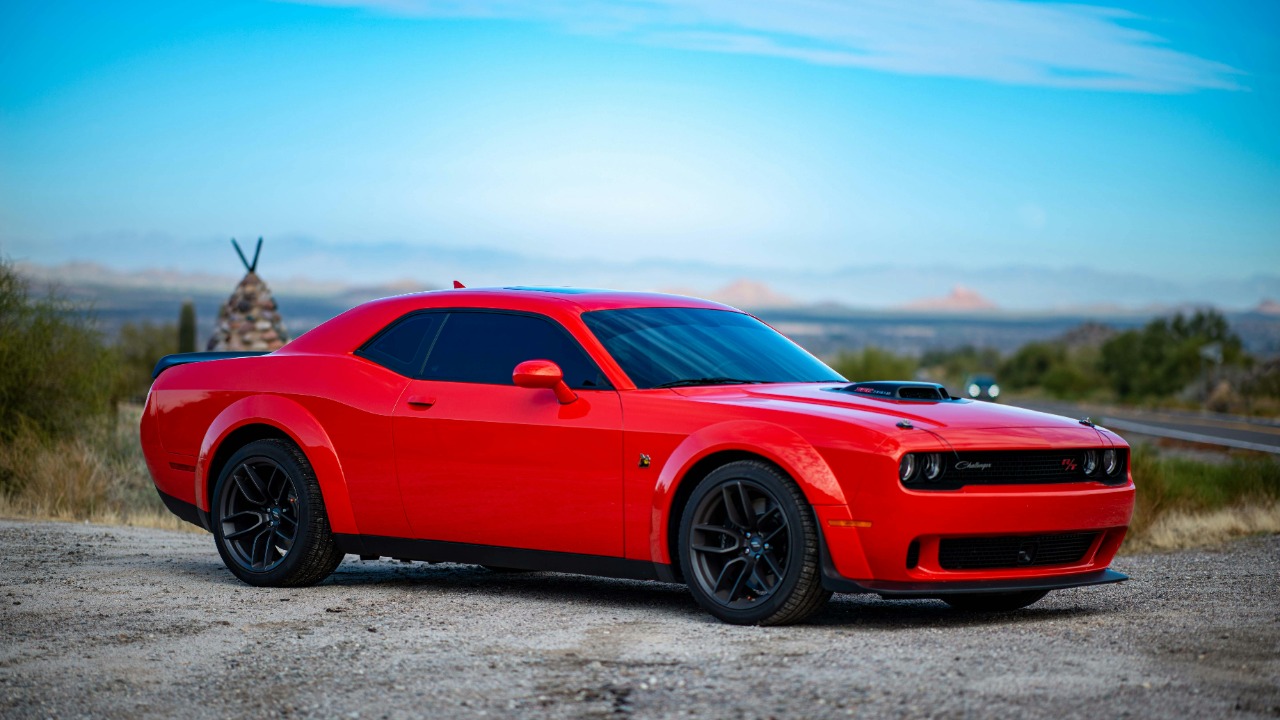
Dodge fitted a 2.4-liter IHI supercharger to a 6.2-liter HEMI V8 for the 2015 Challenger SRT Hellcat, marking the brand’s first factory-supercharged HEMI and its first supercharged V8 of any kind. The official launch announcement rated the engine at 707 horsepower and 650 lb-ft, numbers that made the Hellcat the quickest, most powerful Challenger Dodge had ever sold.
A functional hood scoop feeds the blower cold outside air instead of hot engine-bay air. Dodge also shipped two key fobs with the car, a black one for the full 707 horsepower and a red valet key that caps output at 500 horsepower for less experienced drivers.
2. Ford Mustang Shelby GT500: 760 Horsepower From The Factory
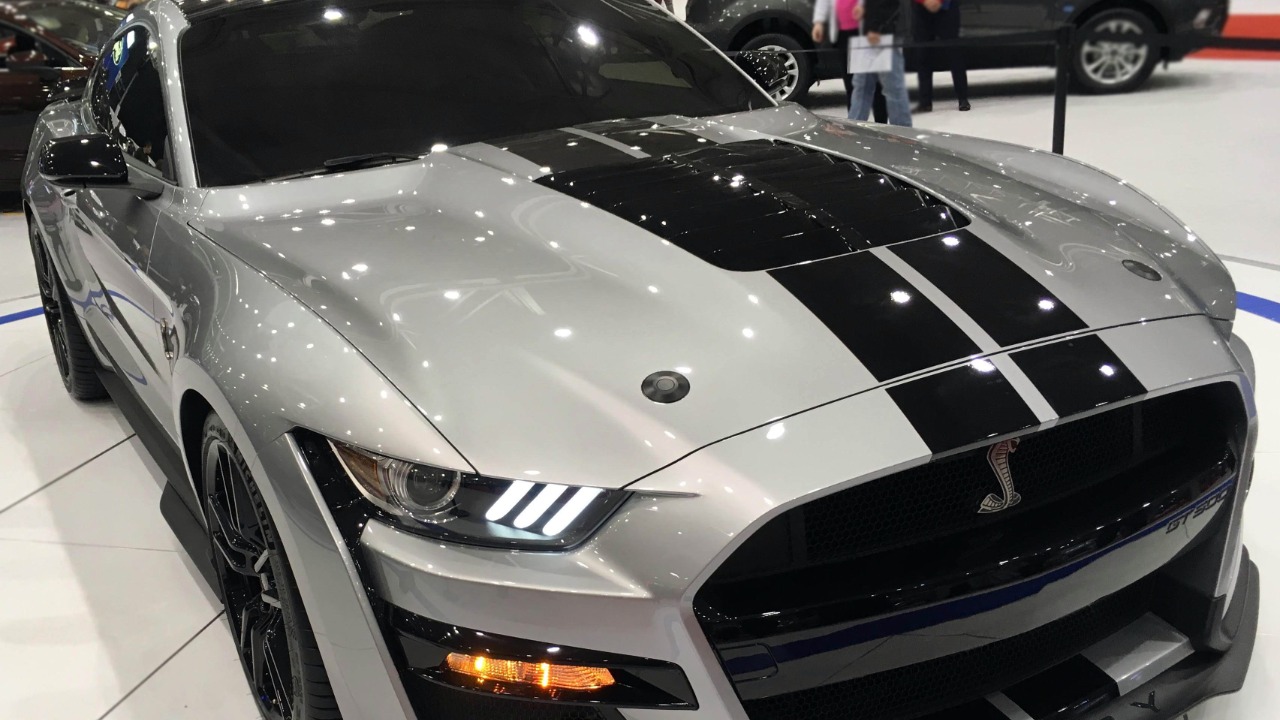
Ford revived the GT500 name for 2020 with a supercharged 5.2-liter V8 rated at 760 horsepower and 625 lb-ft, figures Ford billed as the most power- and torque-dense supercharged production V8 built anywhere at the time. Reporting on the reveal noted the engine used a cross-plane crank, unlike the flat-plane unit in the naturally aspirated GT350.
A dual-clutch automatic was the only gearbox offered, shifting in around 100 milliseconds to keep the supercharged power delivered without a lift. Buyers who wanted a manual had to look elsewhere in the Mustang lineup, since Ford judged no clutch could survive the GT500’s torque.
3. Chevrolet Corvette ZR1: GM’s Most Powerful Engine Yet
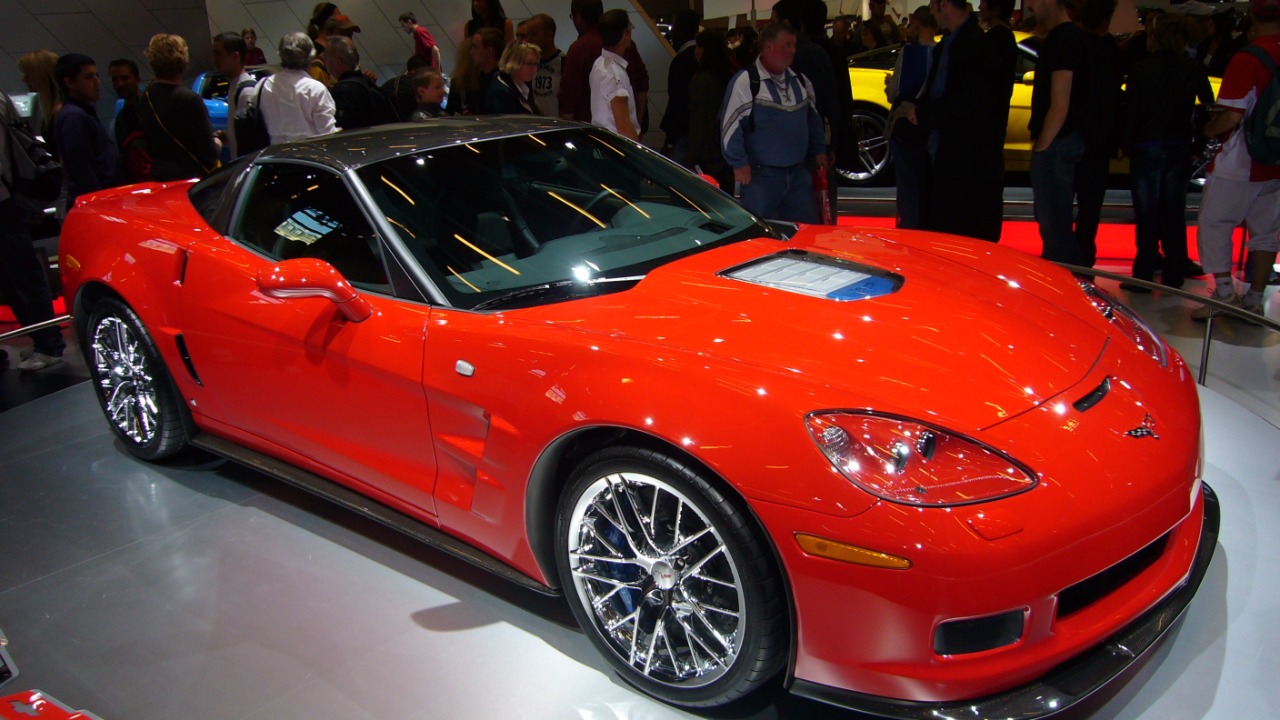
The C6-generation ZR1 paired a supercharged 6.2-liter LS9 with a dry-sump oiling system, and SAE-certified testing put the engine at 638 horsepower. Coverage of the certification called it the most powerful production engine General Motors had ever built, a title the LS9 held until the following decade.
A clear polycarbonate window sits in the hood so owners can show off the supercharger’s intercooler without popping the hood at a car show. Wider fenders, carbon-ceramic brakes, and unique wheels separated the ZR1 from a standard Corvette at a glance.
4. Cadillac CTS-V: A Corvette Engine In A Sedan
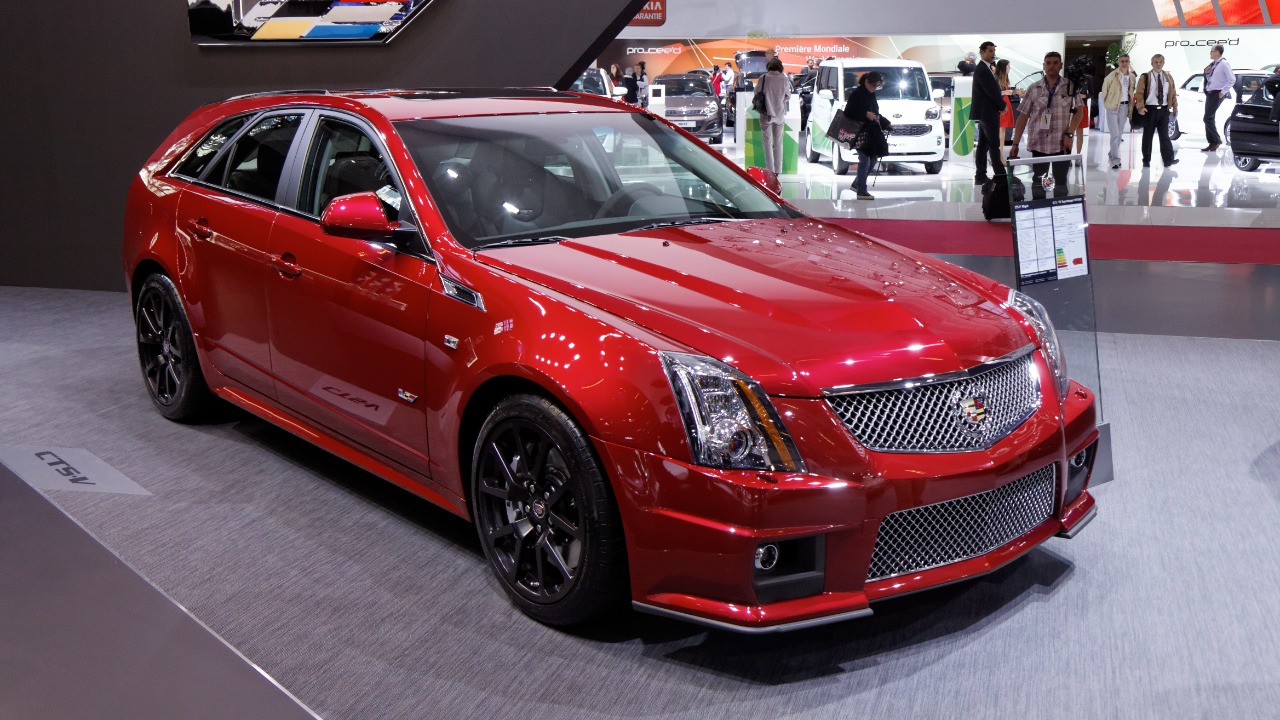
Cadillac borrowed the ZR1’s supercharged architecture for the second-generation CTS-V, detuning the 6.2-liter LS9 into the LSA and rating it at 556 horsepower and 551 lb-ft. An Eaton TVS blower run at 9.0 psi of boost, per documented specifications, sat under the hood of a sedan, coupe, and wagon.
The wagon version became a cult favorite specifically because nobody expected a family hauler to run with contemporary sports cars. A six-speed manual was offered alongside the automatic, a rare pairing of a supercharged V8 and a clutch pedal in a mainstream luxury nameplate.
5. Jaguar F-Type R: 550 Horsepower Through Eight Gears
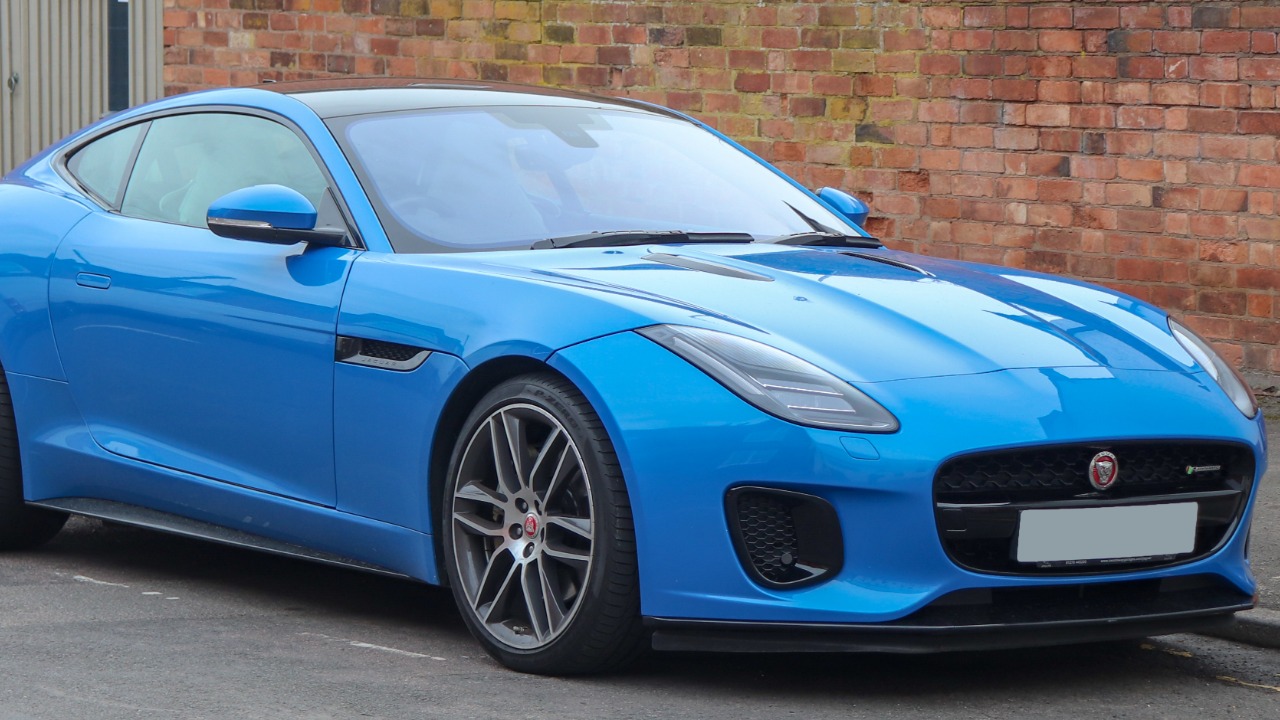
The range-topping F-Type R used a supercharged 5.0-liter V8 sending 550 horsepower and 502 lb-ft through an eight-speed automatic to all four wheels on later cars. A used-market review flagged the model as one of the angriest-sounding V8 coupes Jaguar has ever built.
An active exhaust system snaps and pops on lift-off, a trait Jaguar tuned deliberately rather than as an emissions byproduct. Despite the performance, values have fallen enough that a low-mileage F-Type R now costs a fraction of its original window sticker.
6. Audi S4 B8: A Blower On An Everyday V6
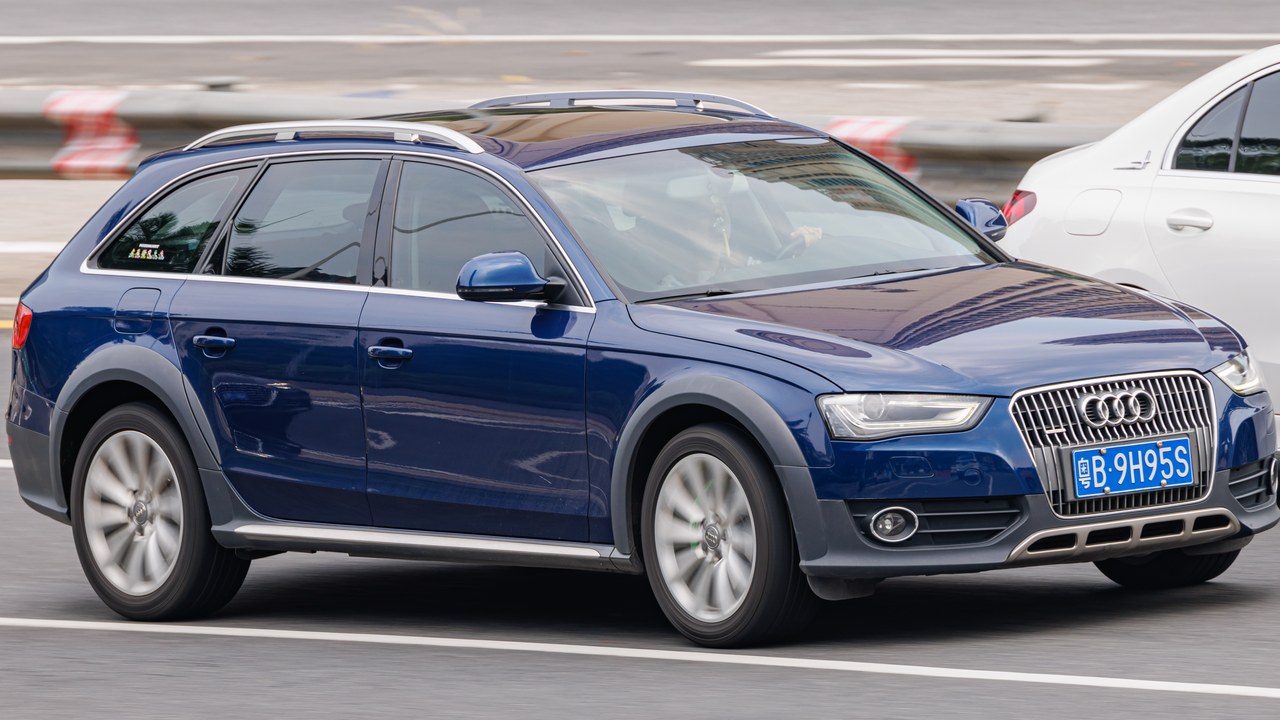
The B8-generation S4 dropped the previous car’s V8 for an all-aluminium supercharged 3.0-liter V6 fitted with an Eaton Twin Vortices Series blower. Recorded output was 245 kW, or 329 horsepower, and 440 Nm of torque, sent through Audi’s quattro all-wheel-drive system.
Swapping the V8 for a smaller supercharged V6 trimmed weight over the front axle and improved fuel economy without giving up the sprint times buyers expected. A seven-speed dual-clutch transmission became available partway through the run, replacing the previous six-speed automatic.
7. Ford Thunderbird Super Coupe: Motor Trend’s 1989 Car Of The Year
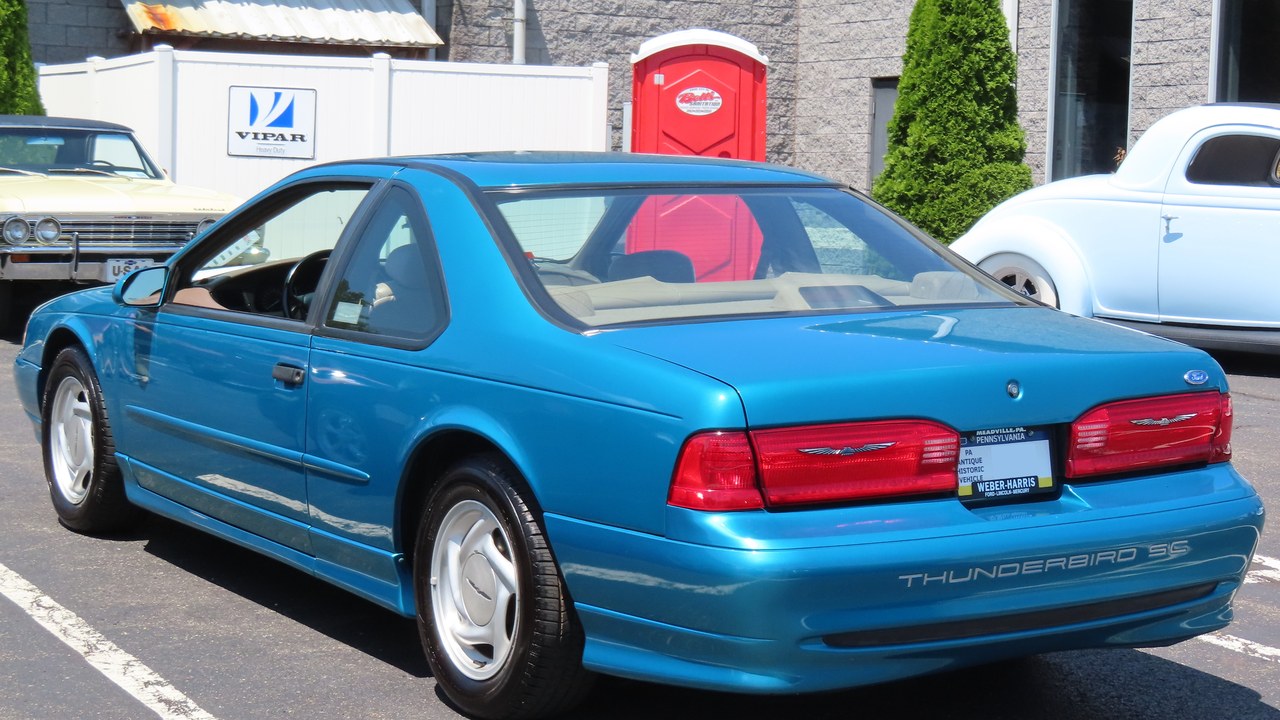
Ford’s tenth-generation Thunderbird Super Coupe used a supercharged and intercooled 3.8-liter V6 running 12 psi of boost, rated 210 horsepower and 315 lb-ft, rising to 230 horsepower for 1994 and 1995. Its production record shows the car took Motor Trend’s Car of the Year award for 1989.
A driver-adjustable suspension let owners stiffen the ride for backroads or soften it for the highway from a button on the dash. The SC badge on the decklid marked the supercharged trim apart from the naturally aspirated LX and base Thunderbirds sharing the same body.
8. Pontiac Grand Prix GTP: An Eaton Blower On A Family Coupe
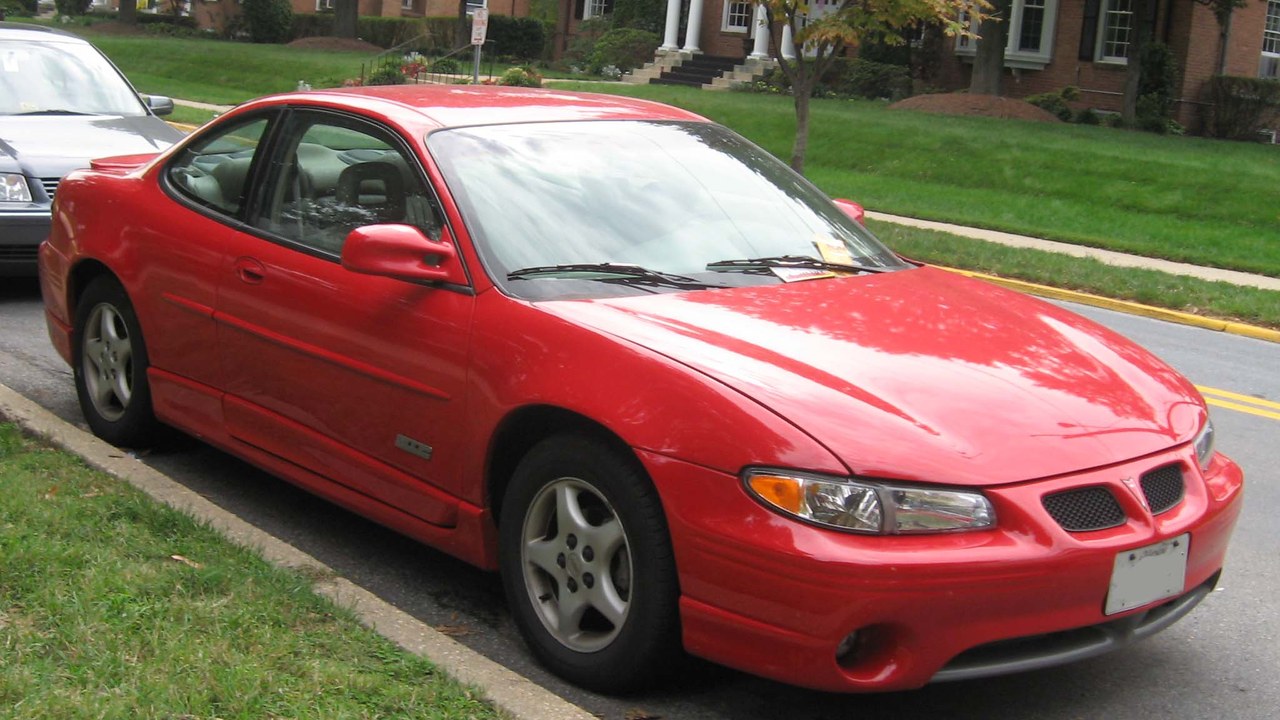
Pontiac offered an Eaton M90 supercharger on the Grand Prix GTP’s 3.8-liter 3800 V6 from 1997 to 2003, lifting output to 240 horsepower. Engineering notes on the package show compression was dropped to 8.5:1 to handle the added boost safely on pump gas.
The supercharged 3800 became one of GM’s most durable engines, with high-mileage examples still running on original internals decades later. A head-up display and a leather-wrapped shifter tried to dress up what was still, underneath, a mainstream family sedan platform.
9. Mazda Millenia: The Only Miller-Cycle V6 Sold
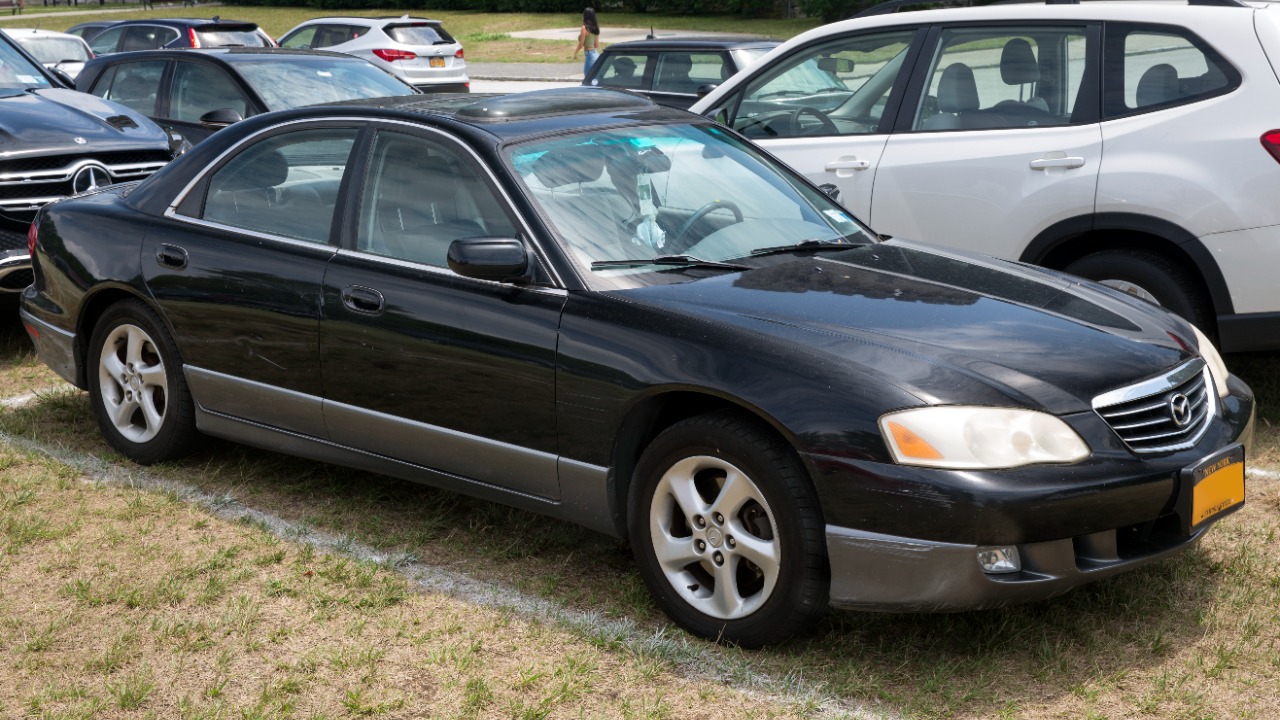
The range-topping Millenia S used a supercharged, dual-intercooled 2.3-liter V6 built on the Miller cycle rather than the conventional Otto cycle, producing 210 horsepower. Technical accounts of the engine describe it as the first, and to date only, production Miller-cycle engine of its era.
The Miller cycle closes its intake valves early to improve efficiency, a trick that normally saps power, so Mazda added the supercharger specifically to claw that output back. Despite the exotic engineering, the Millenia sold in modest numbers against better-known rivals from Lexus and Acura.
10. Studebaker Golden Hawk: A 1957 Answer To Detroit’s V8s
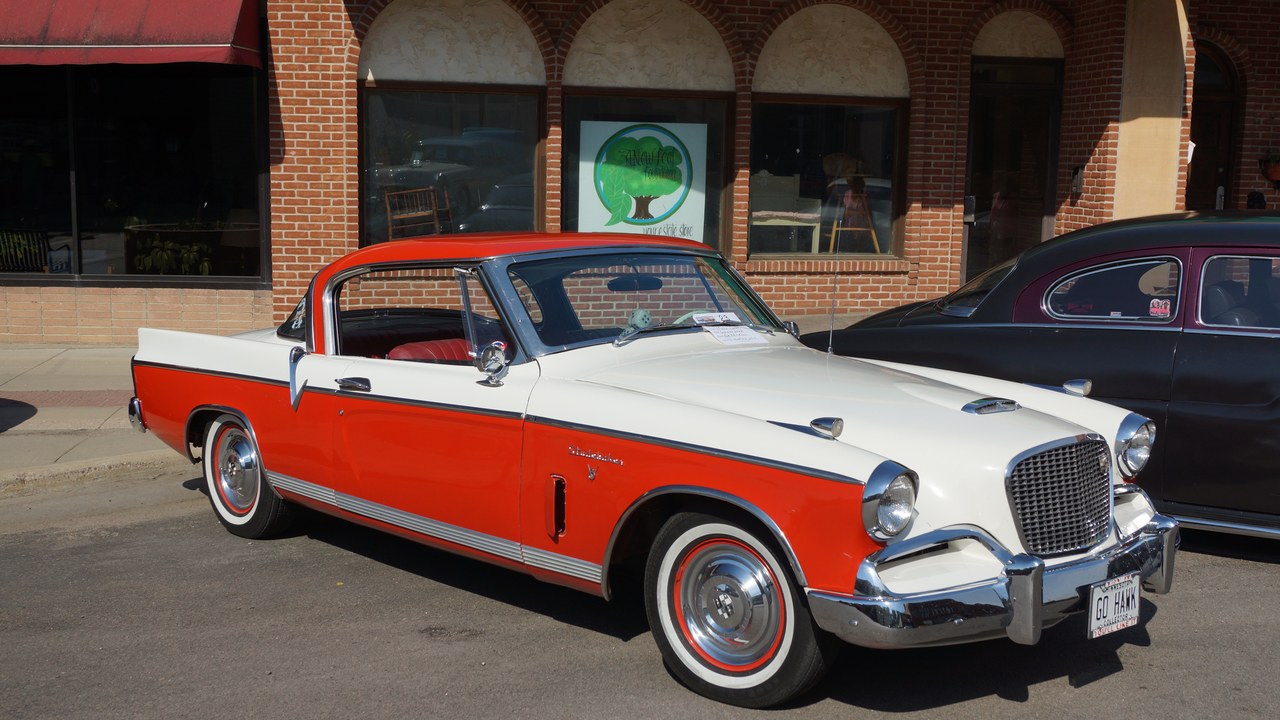
For 1957, Studebaker swapped the Golden Hawk’s heavy Packard V8 for its own lighter 289-cubic-inch V8 fitted with a McCulloch supercharger, holding output at 275 horsepower. Records of the change show the switch improved the car’s front-to-rear weight balance along with its power.
The McCulloch unit was a centrifugal design driven off the crankshaft by its own belt, a simpler layout than the roots-type blowers used by rivals of the era. Studebaker needed the boost because its smaller V8 gave away cubic inches to the big-block cars pouring out of Detroit.
More from Morning Overview
- Supplements now rank as the fifth-leading cause of death from liver disease.
- The NSA is again telling phone owners to switch off one location setting
- Four U.S. startups fired up their first small nuclear reactors, aiming to power AI data centers on-site
- 11 engines built to run well past 200,000 miles
