
Detroit and its import partners built a graveyard of nameplates during three decades of bankruptcies, consolidations and failed turnarounds. Some brands vanished overnight when a parent company folded; others were phased out slowly as sales cratered against tougher import competition. Here are twelve car brands that once filled American driveways and dealer lots but no longer exist.
1. Pontiac: GM’s Muscle Division Falls In Bankruptcy
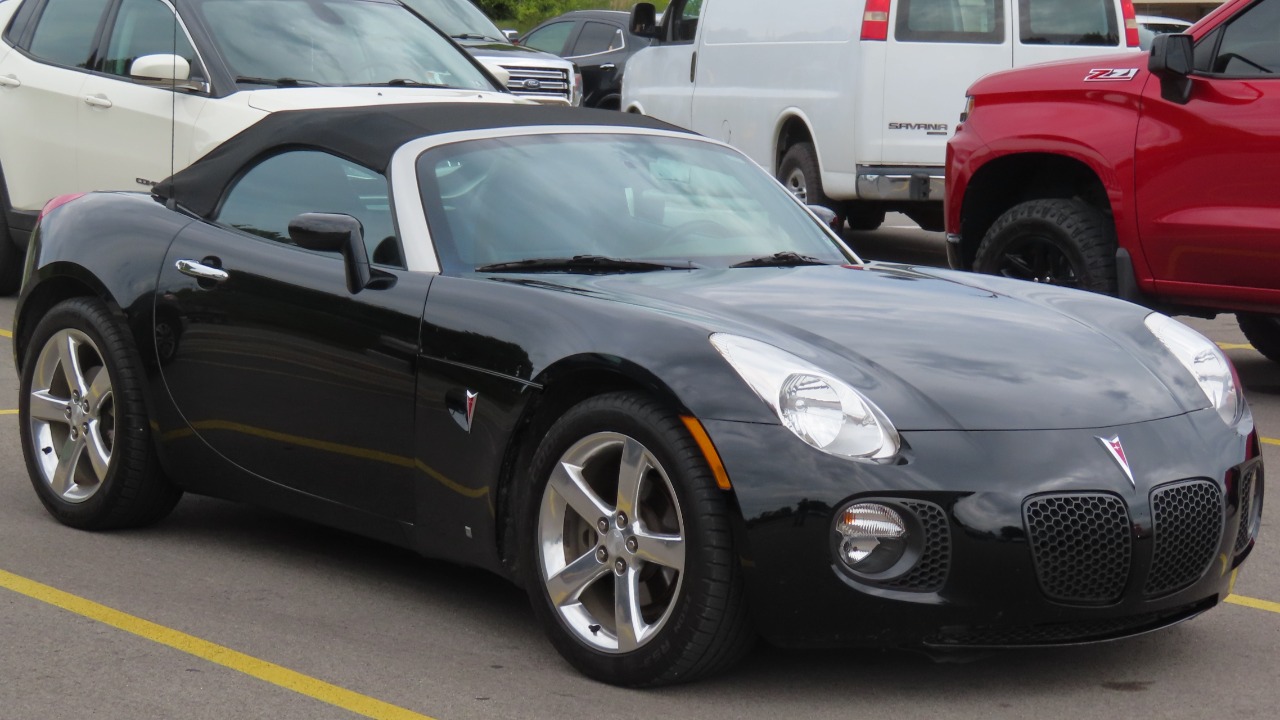
General Motors created the Pontiac division in 1926, and the brand built performance icons like the GTO and Firebird before its 79-year run ended in 2010. GM folded Pontiac into its Chapter 11 bankruptcy reorganization, cutting four divisions to concentrate resources on Chevrolet, Buick, GMC and Cadillac.
Pontiac’s dealer network dissolved within two years, leaving owners to rely on independent shops and dwindling parts supplies for models built as recently as 2009. Low-mileage Solstices and GTOs have since become sought-after by collectors who remember the brand’s muscle-car identity.
2. Oldsmobile: The Oldest American Brand Goes First
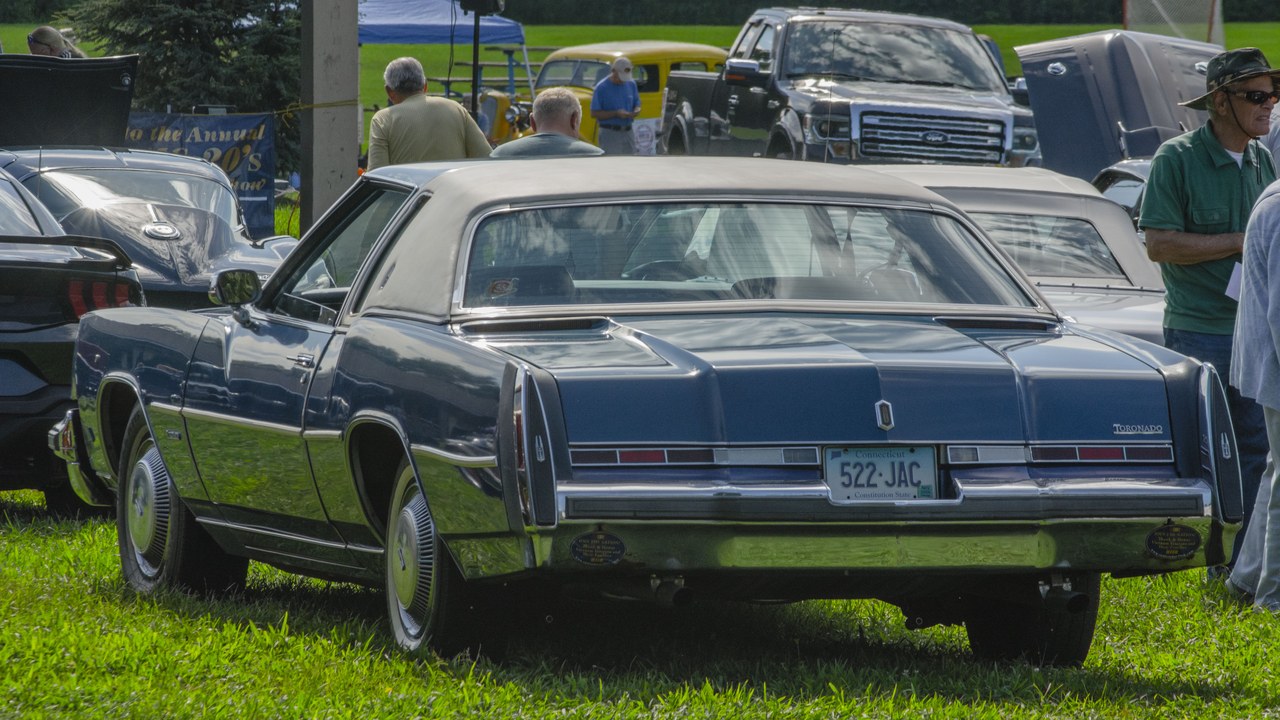
General Motors built its last Oldsmobile, an Alero, on April 29, 2004, four years after announcing it would retire the brand as sales collapsed through the 1990s against premium Japanese and German imports. At the time of its closure, Oldsmobile was the oldest surviving American car brand, tracing its roots to 1897.
The wind-down dragged on for years while GM honored warranties and cleared dealer inventory across the country. Franchise agreements paid dealers to close their Oldsmobile showrooms, ending a lineage that outlasted Ford’s earliest competitors and even predated GM’s own 1908 founding.
3. Plymouth: Walter Chrysler’s Budget Brand Runs Out
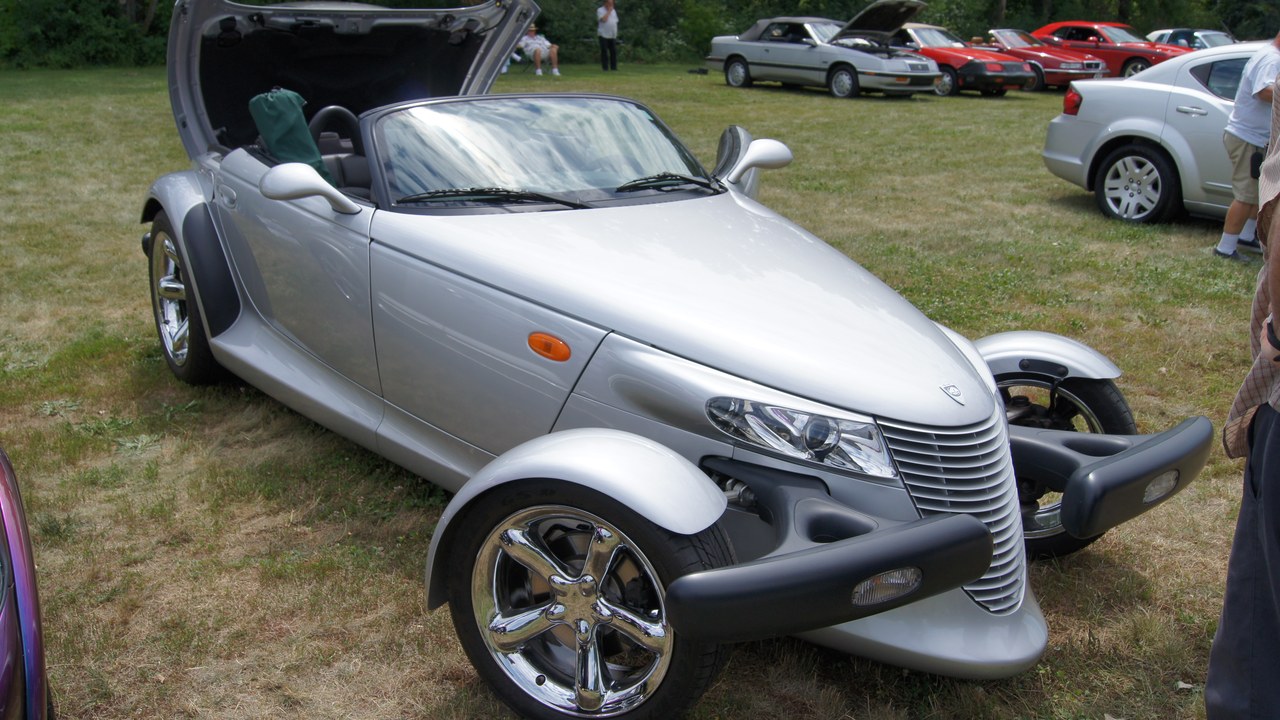
Walter Chrysler launched the Plymouth brand on July 7, 1928, and it became a mainstay of American driveways for seven decades before DaimlerChrysler pulled the plug on June 29, 2001. By its final years the lineup had grown so similar to Dodge that dealers struggled to explain why a Plymouth Neon existed alongside a nearly identical Dodge Neon.
DaimlerChrysler chose to consolidate around the stronger Dodge and Chrysler names rather than keep funding three overlapping divisions, and Plymouth’s remaining models were quietly rebadged or discontinued. The Prowler, Plymouth’s last distinctive design, kept the brand’s name on showroom floors for one final model year before production stopped entirely.
4. Mercury: Ford Cuts Its Middle Child Loose
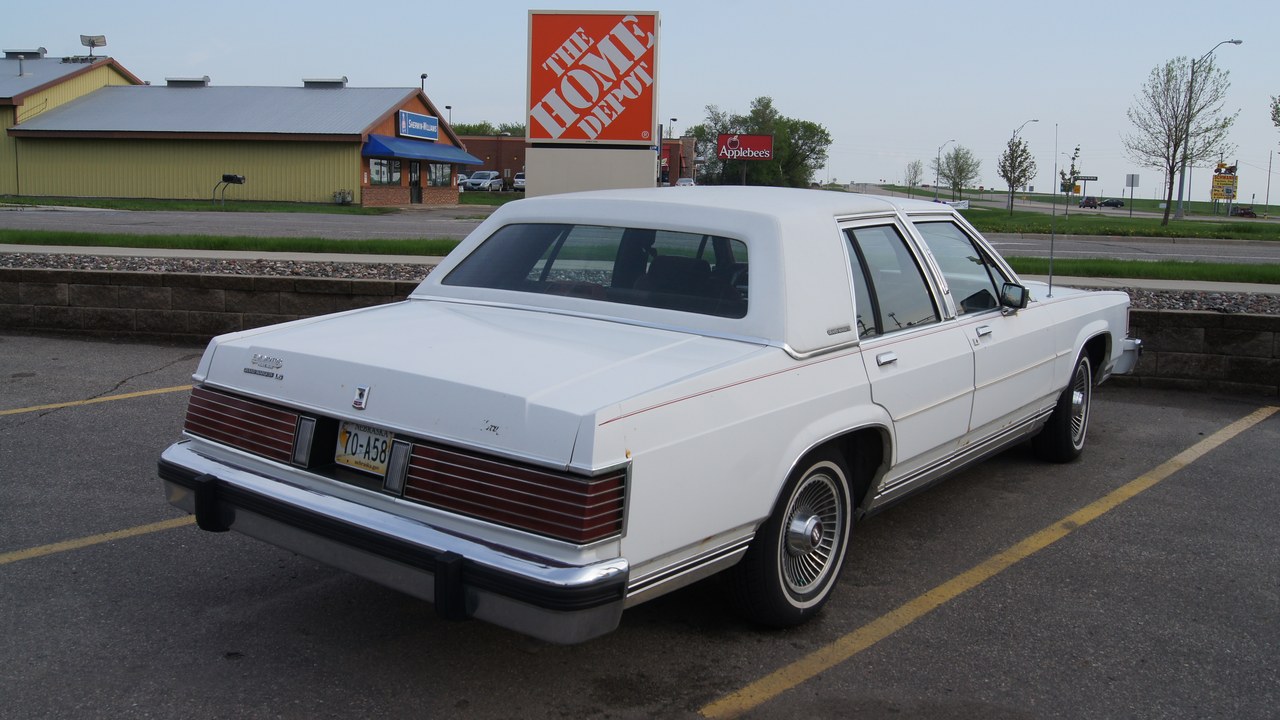
Ford made it official on June 2, 2010, announcing that the Mercury brand would stop production by the end of that year after decades as the automaker’s mid-priced line between Ford and Lincoln. Executives pointed to a shrinking market for a third nameplate squeezed between two better-known siblings.
The final Mercury, a Grand Marquis, rolled off an assembly line in Ontario in January 2011, closing a 71-year run that dated back to 1938. Ford offered owners incentives toward new Ford or Lincoln purchases as the brand’s roughly 1,700 dealers wound down their franchises.
5. Saturn: A Failed Sale Ends GM’s Import Fighter
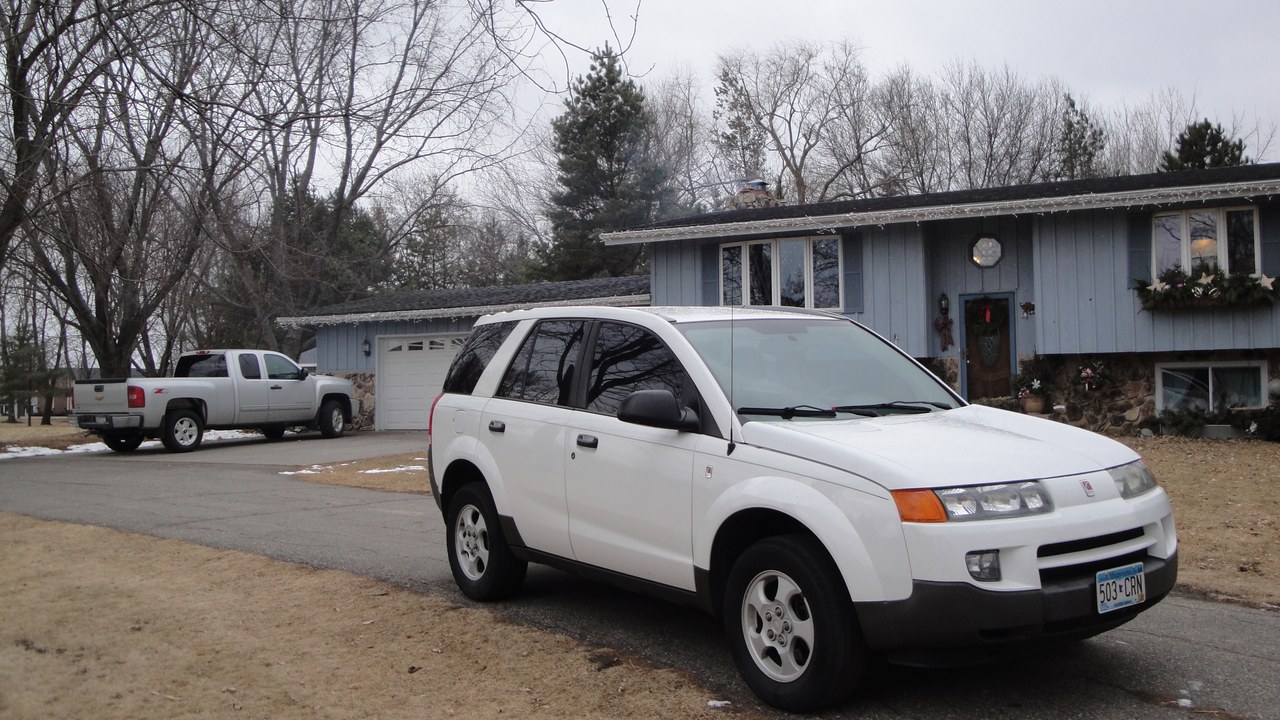
Roger Penske’s deal to buy the Saturn brand collapsed in October 2009 after he failed to line up a manufacturer willing to build cars once he took over, and General Motors moved to wind the division down instead. Saturn had launched in 1985 as GM’s answer to compact Japanese imports.
GM stopped taking Saturn orders within weeks of the failed sale and closed the brand’s roughly 350 dealerships over the following year, throwing thousands of jobs into question. Saturn’s no-haggle pricing and dent-resistant plastic body panels, once celebrated as innovations, disappeared from American roads along with the badge.
6. Saab: A Swedish Aerospace Spinoff Collapses
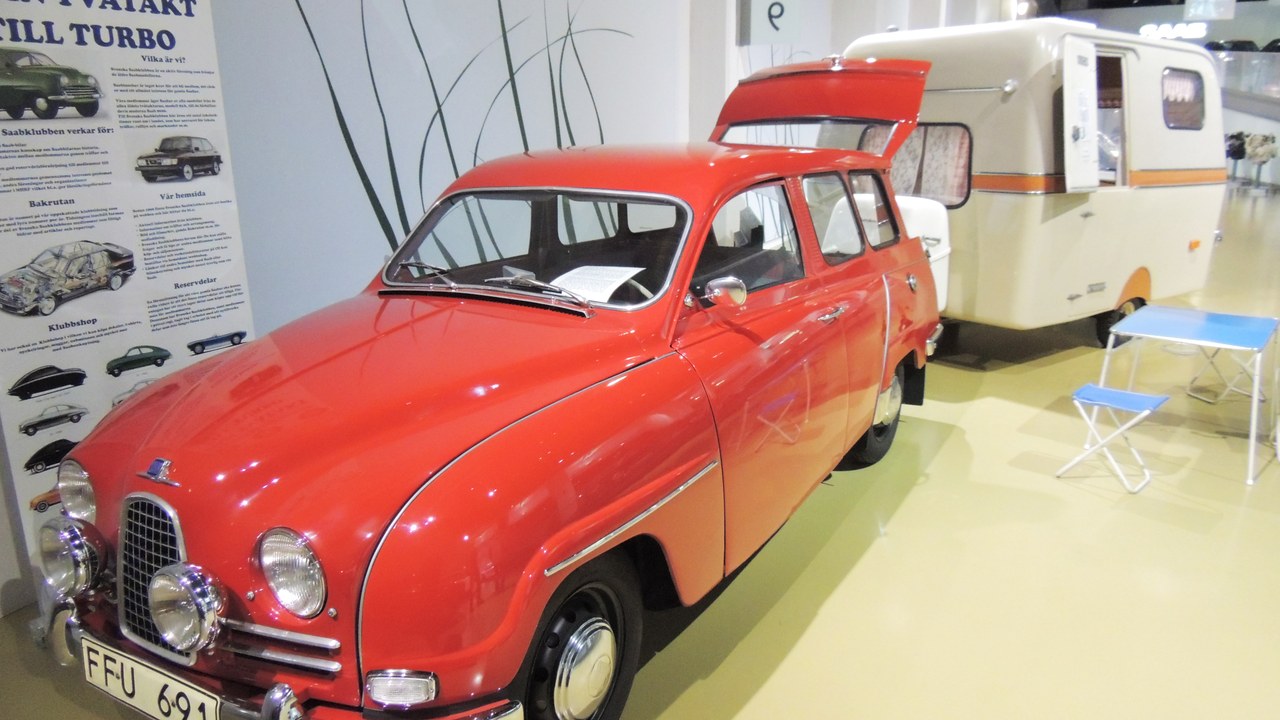
Saab Automobile filed for bankruptcy in a Dutch courtroom on December 19, 2011, ending a decade of ownership turmoil that cycled the brand through General Motors, Dutch supercar maker Spyker and a string of failed Chinese investors. Saab immediately suspended warranty coverage for owners still driving cars built just months earlier.
Parts and service became difficult to find almost overnight as the company’s supplier network collapsed alongside it, leaving independent Saab specialists to fill the gap. The brand’s aircraft-inspired design and turbocharged engines, born from its Swedish aerospace roots, ended production entirely after 68 years.
7. Scion: Toyota’s Youth Experiment Folds Back In
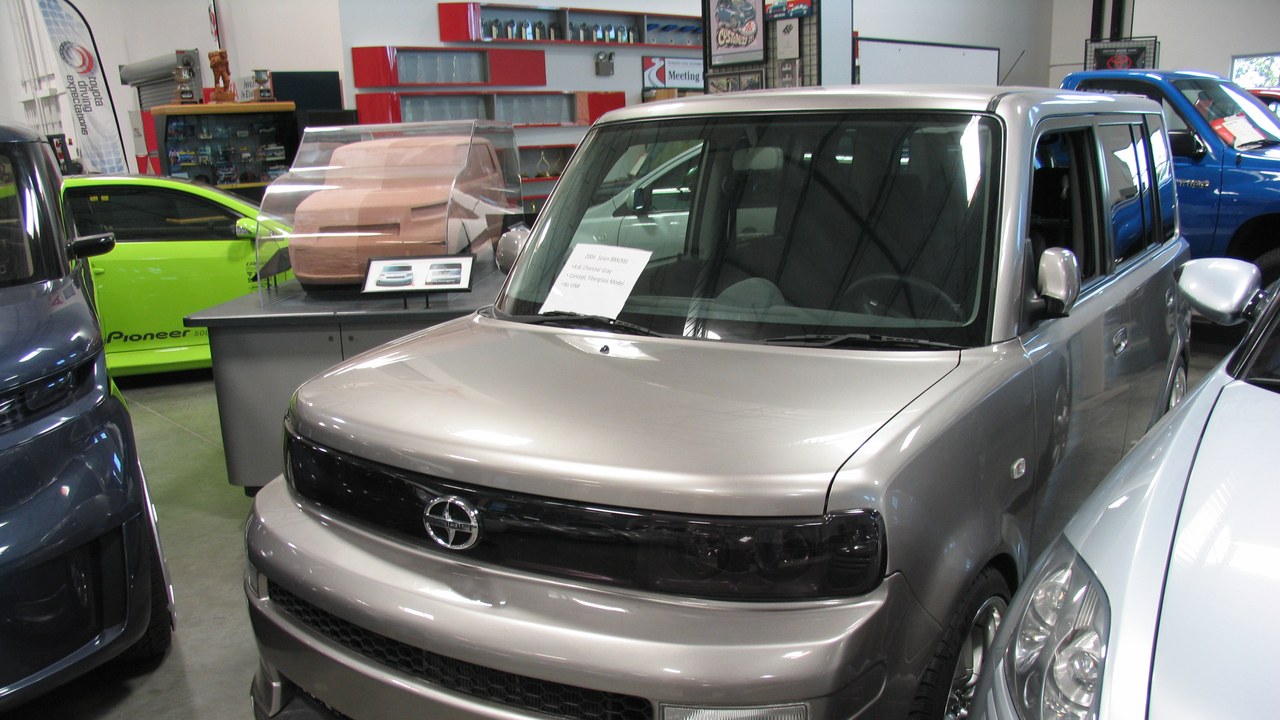
Toyota pulled the plug on the Scion brand on February 3, 2016, after 13 model years spent chasing younger buyers with boxy hatchbacks and low, no-haggle sticker prices. The experiment never hit its sales targets, and Toyota folded the brand’s surviving models, including the FR-S sports coupe, directly back into its own lineup.
The tC, xB and iA continued under Toyota badges with only minor styling changes, while less popular models like the xD disappeared entirely. Scion’s youth-marketing mission ultimately migrated into Toyota’s broader dealer network rather than surviving as its own standalone showroom brand.
8. Eagle: Chrysler’s AMC Leftover Runs Its Course
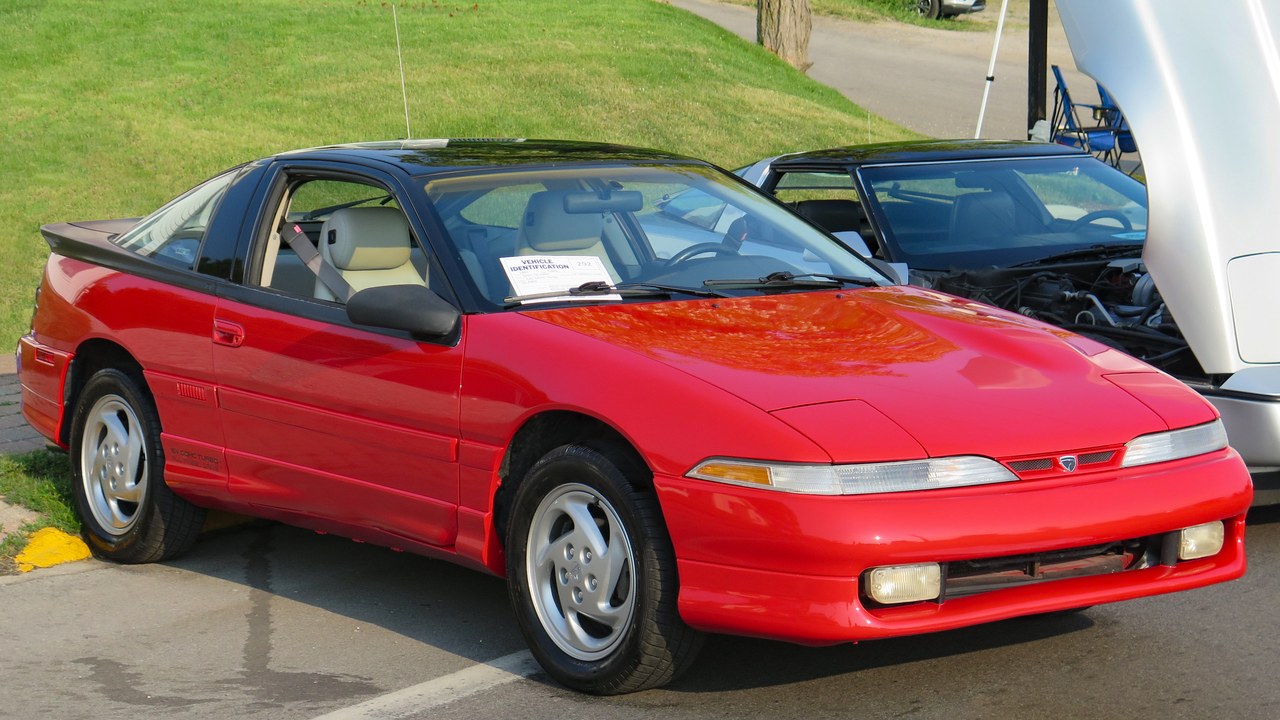
Chrysler created the Eagle brand after it acquired American Motors Corporation in 1987, giving former AMC dealers a new nameplate to sell alongside Jeep. The lineup leaned on rebadged Mitsubishi- and Renault-derived models like the Talon and Premier rather than an all-new engineering base of its own.
Chrysler phased the brand out at the end of the 1998 model year once its remaining dealers had been folded into the Chrysler-Plymouth network, ending an 11-year run. The Talon, Eagle’s best-remembered model, survives today mainly as a budget entry point into 1990s turbocharged sport-compact culture.
9. Geo: GM’s Rebadged Import Answer Disappears
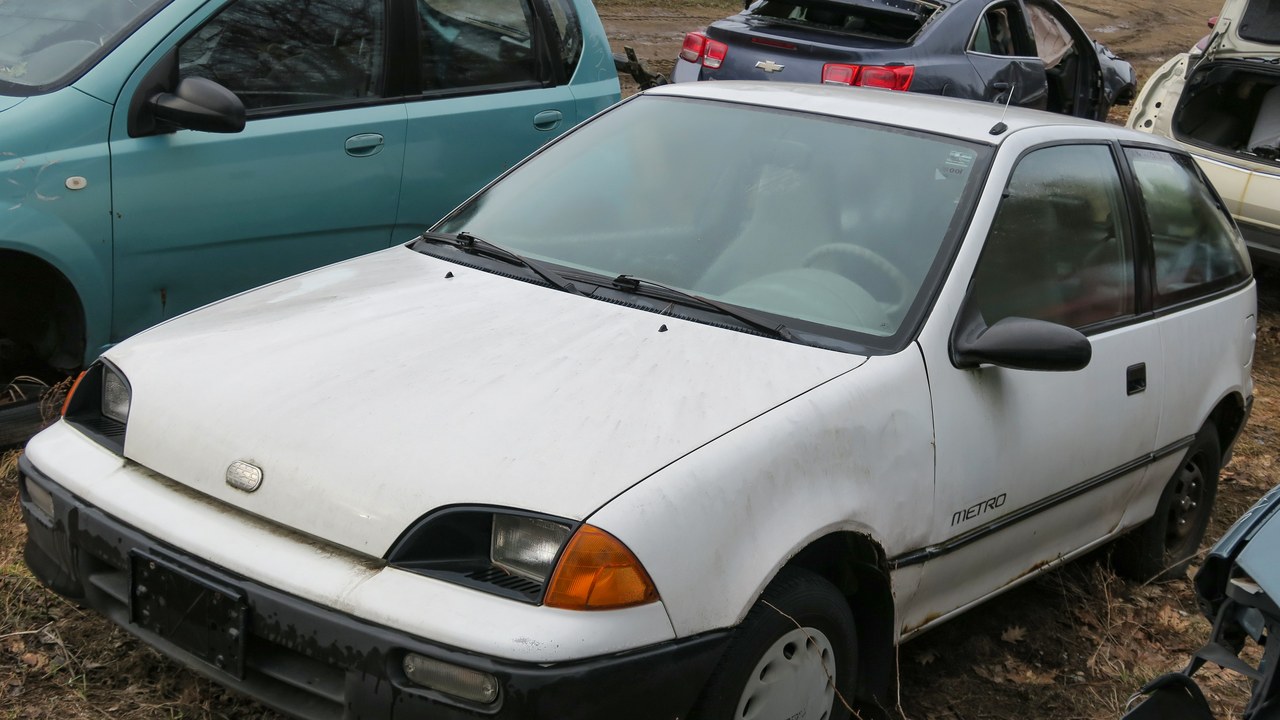
General Motors launched the Geo brand in 1989 as a sub-brand built almost entirely on Japanese engineering, selling rebadged Suzuki, Toyota and Isuzu models through Chevrolet dealerships. The Metro, Prizm and Tracker gave GM a fuel-efficient answer to Honda and Toyota without redesigning its own small cars.
GM folded Geo into Chevrolet after the 1997 model year, and the Metro, Prizm and Tracker simply carried Chevrolet badges starting in 1998 with little else changed. The eight-year experiment showed how dependent American automakers had become on Japanese partners for small-car engineering they could not build profitably themselves.
10. Merkur: Ford’s German Captive Imports Wash Out
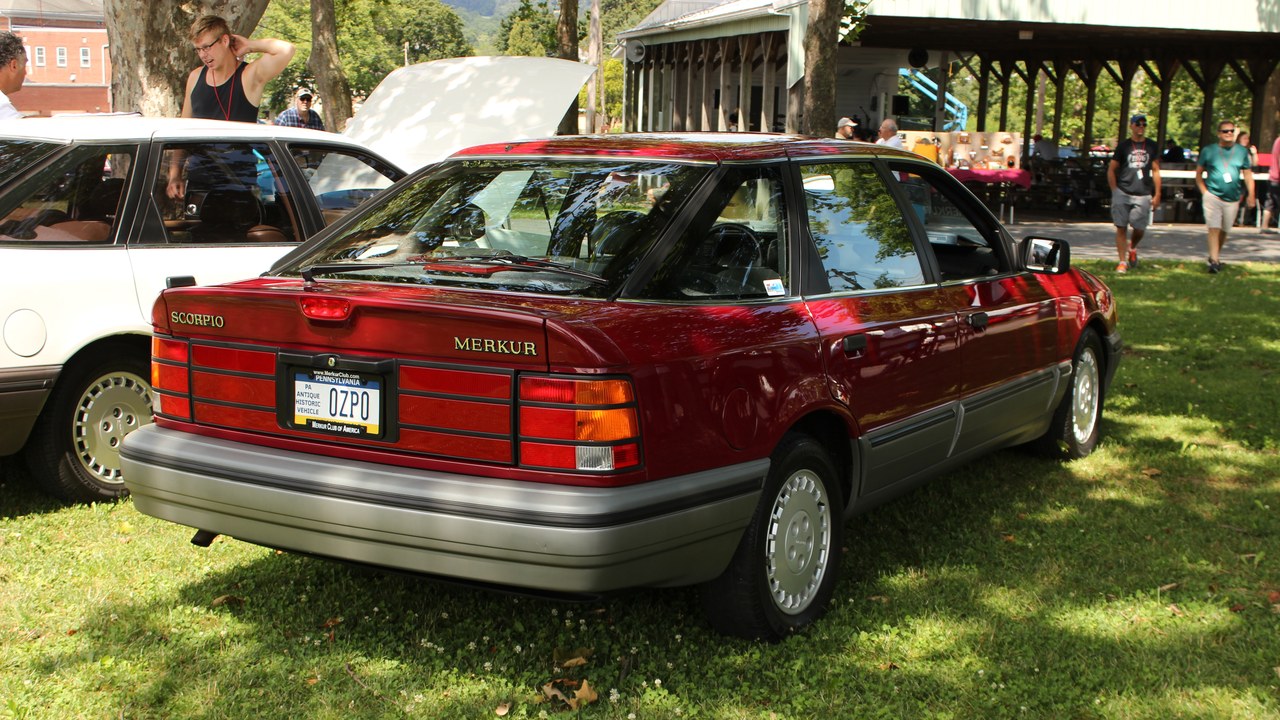
Ford’s Lincoln-Mercury division sold German-built Merkur models, the XR4Ti and Scorpio, as captive imports from 1985 through the 1989 model year, hoping American buyers would pay a premium for European engineering. The cars arrived from Ford of Europe’s Sierra and Scorpio platforms wearing Merkur badges instead of Ford ones.
Weak sales and an unfavorable exchange rate made the imports too expensive to justify, and Ford dropped the brand after barely four model years on sale. Surviving XR4Tis and Scorpios are now rare enough that few American enthusiasts ever encountered one outside a handful of Lincoln-Mercury showrooms.
11. Suzuki: Bankruptcy Ends A 28-Year Car Run
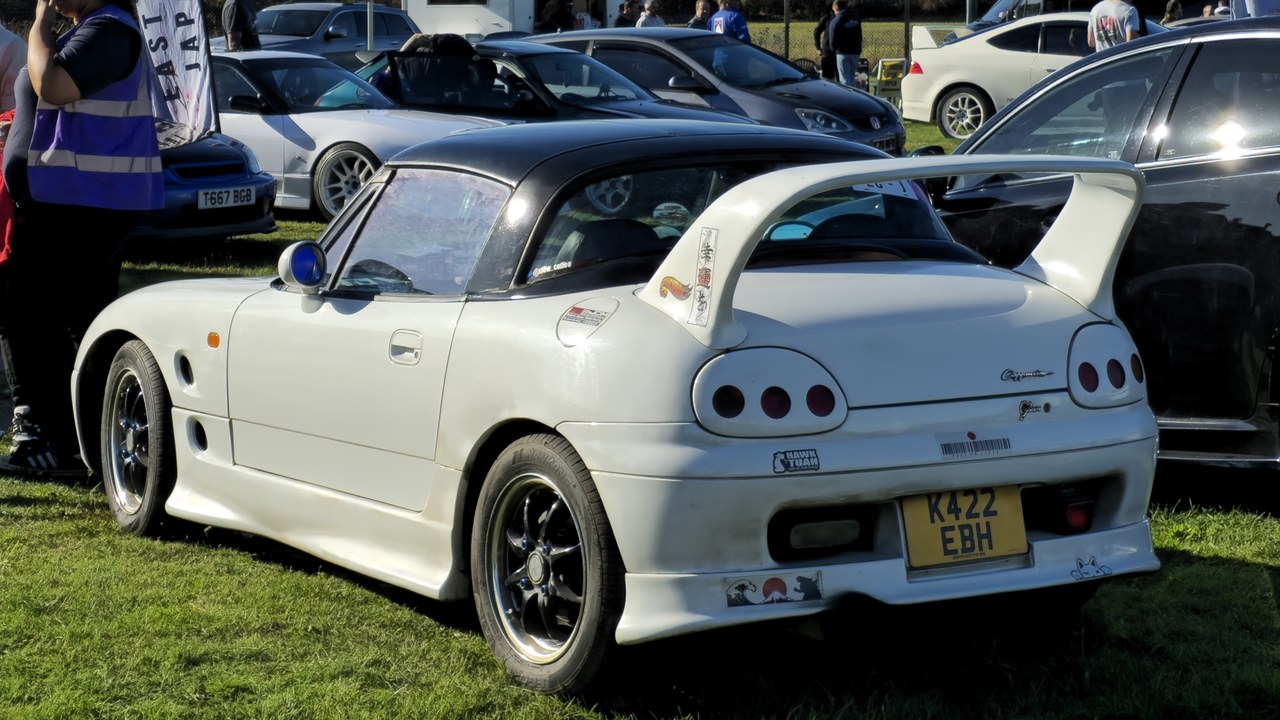
American Suzuki filed for Chapter 11 bankruptcy on November 5, 2012 and announced it would stop selling Suzuki cars in the continental United States, citing weak sales, an unfavorable exchange rate and the high cost of meeting American safety and emissions rules. The automaker had never built serious volume against established Japanese rivals.
Suzuki kept selling motorcycles and ATVs in the U.S. even as its car business wound down, and it continued building cars for other global markets uninterrupted. The bankruptcy left American owners of models like the SX4 and Kizashi dependent on independent shops rather than a dedicated dealer network.
12. Daewoo: A Korean Conglomerate’s Assets Sell Off
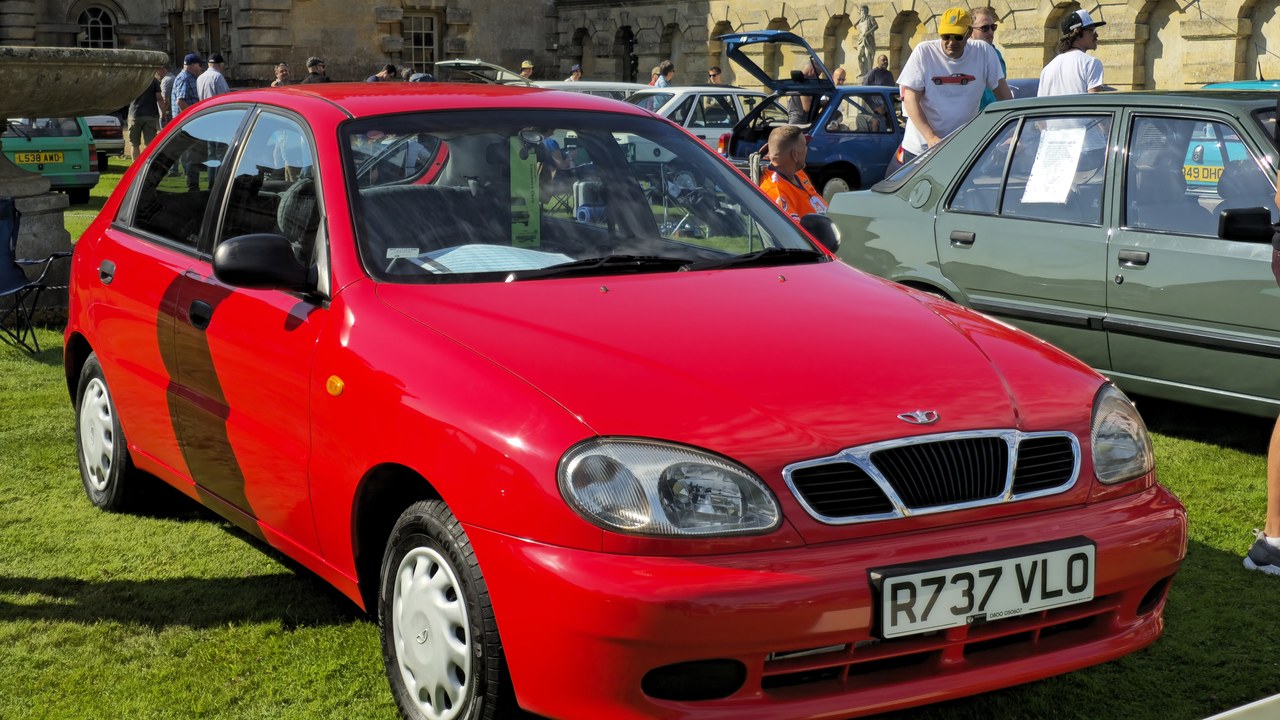
Daewoo Motors collapsed under debt from its parent conglomerate’s broader financial troubles, forcing the sale of most of its assets to General Motors for $1.2 billion in 2002. Daewoo’s Lanos and Nubira models had briefly given GM a low-cost, Korean-built entry point into the American subcompact market.
GM rebadged the surviving models as Chevrolets over the following years and phased out the Daewoo name entirely by 2011, even in its home South Korean market. What began as an independent automaker’s global expansion ended as just another badge absorbed into GM’s international small-car lineup.
More from Morning Overview
