
Infotainment systems age faster than the cars they’re bolted into, and when the screen goes dark, the fix is rarely simple. Automakers have issued federal recalls, extended warranties, and class-action settlements over touchscreens that freeze, delaminate, or lose their backup-camera feed entirely. Here are nine vehicles whose infotainment units became notorious repair headaches, according to regulator filings and manufacturer records.
1. Tesla Model S: MCU Memory Failure
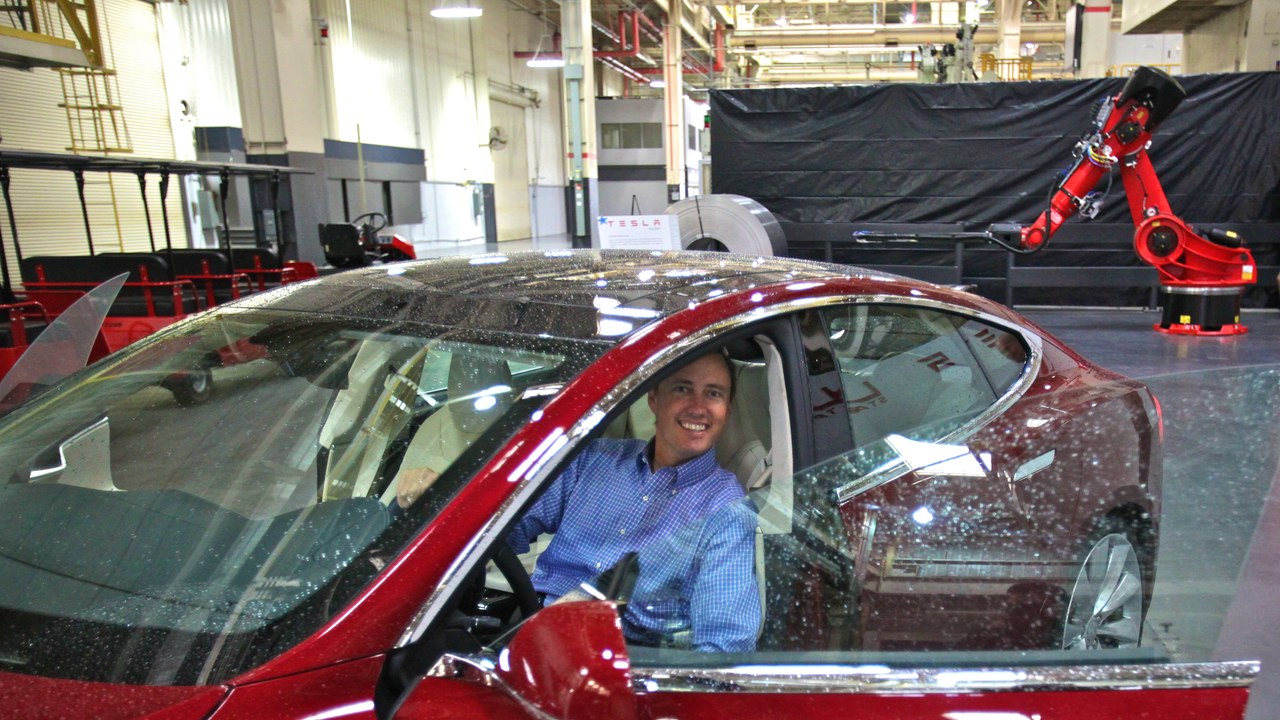
The Model S’s original Media Control Unit relies on an eMMC memory chip that wears down after repeated write cycles, and once it fails the center screen, speedometer readout, and climate controls can all go dark at once. Federal recall records show Tesla opened a free-replacement program for the affected hardware rather than let owners face a full center-stack failure.
Replacing the unit out of pocket historically ran into four figures before Tesla’s campaign, since the eMMC chip is soldered into the board rather than swapped alone. Owners of early Model S sedans are advised to confirm their car received the update, since a dead MCU also knocks out defrost and backup-camera functions.
2. Tesla Model X: Same Chip, New Model
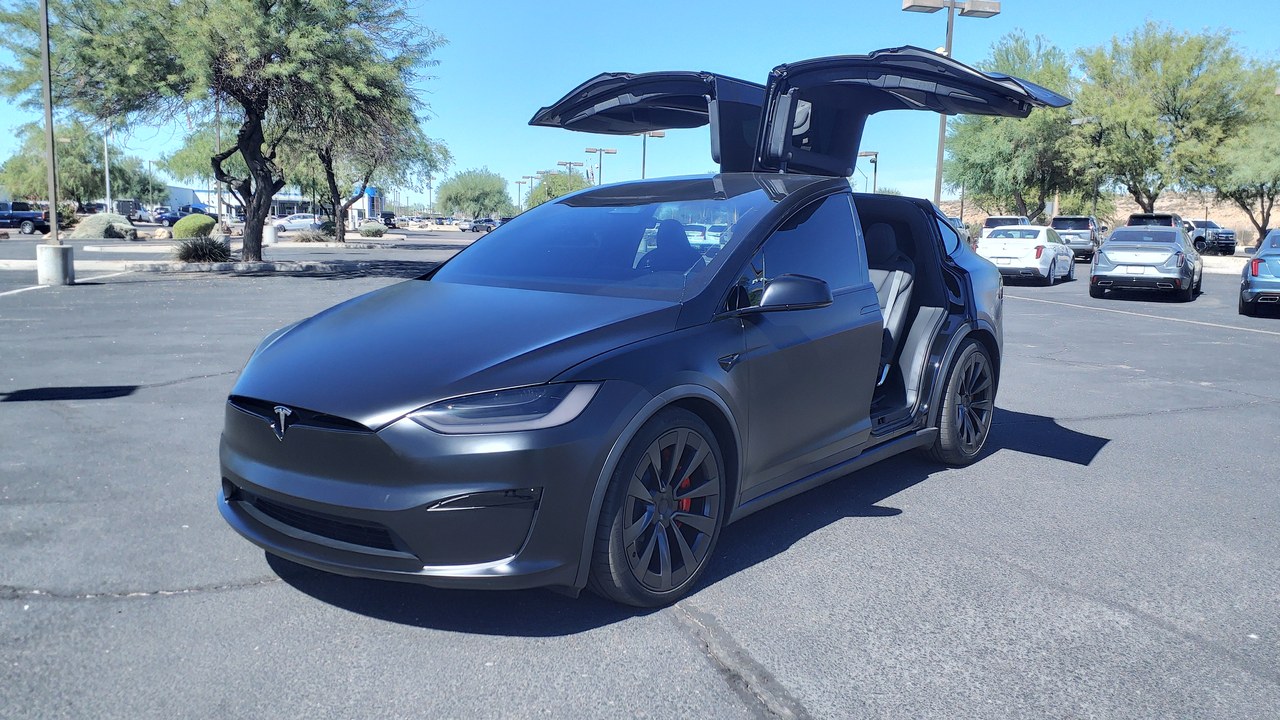
The same recall filing extends the eMMC wear pattern to the Model X, whose falcon-wing doors and dual touchscreens depend on the identical Media Control Unit architecture used in the Model S. When the chip degrades, the center display and instrument cluster can freeze mid-drive, along with the rearview camera feed.
Tesla’s regulator-driven replacement program covers the Model X alongside the Model S, since both share the first-generation MCU hardware built before the 2018 upgrade to a faster processor. Independent shops that don’t have access to Tesla’s parts network often quote thousands of dollars for a board-level repair.
3. Ford Edge with MyFord Touch: MyFord Touch Meltdown
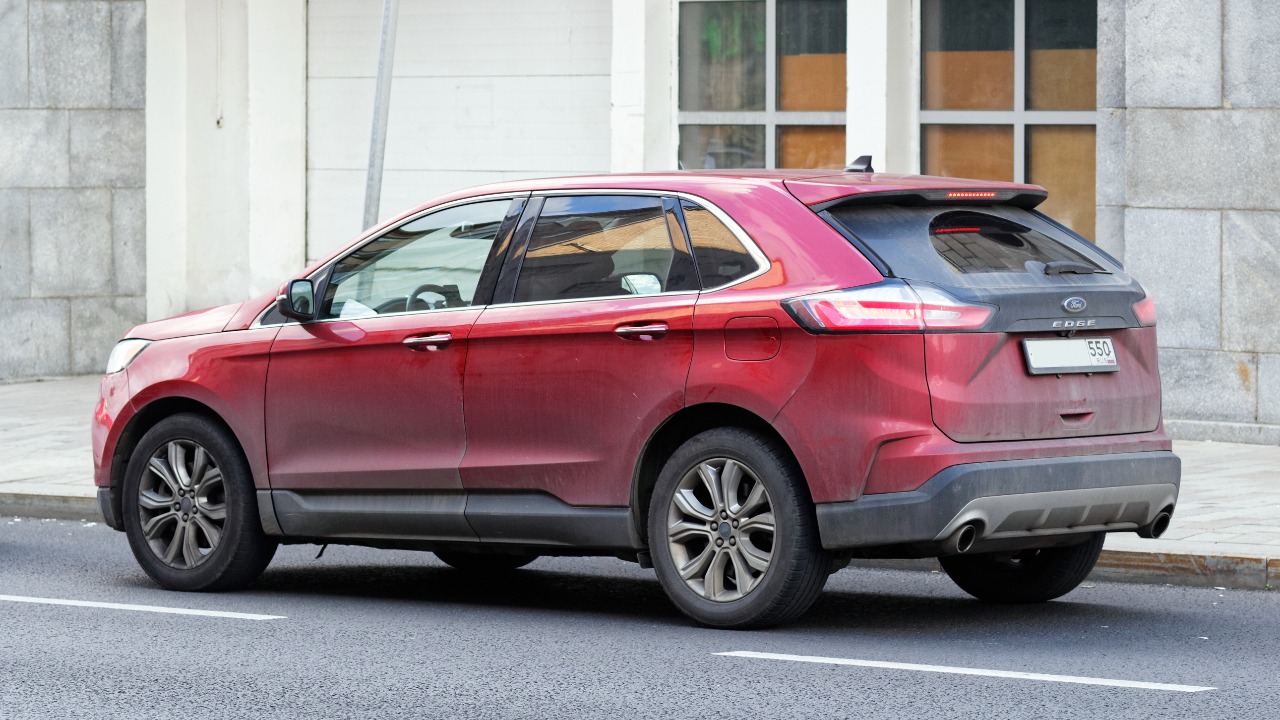
MyFord Touch launched as Ford’s answer to Sync in the early 2010s, but the capacitive touchscreen on the Edge became known for slow boot times, unresponsive presses, and full freezes that required a hard reset to restore. Ford’s own system history documents how widespread the complaints became before the company reworked the software.
A class-action settlement eventually covered owners who complained about the malfunctioning units, though many drivers had already paid to swap the head unit themselves. Replacement modules for the Edge’s version of the system remain hard to source now that Ford has moved on to newer Sync generations.
4. Ford Escape with MyFord Touch: Frozen Touch Screen
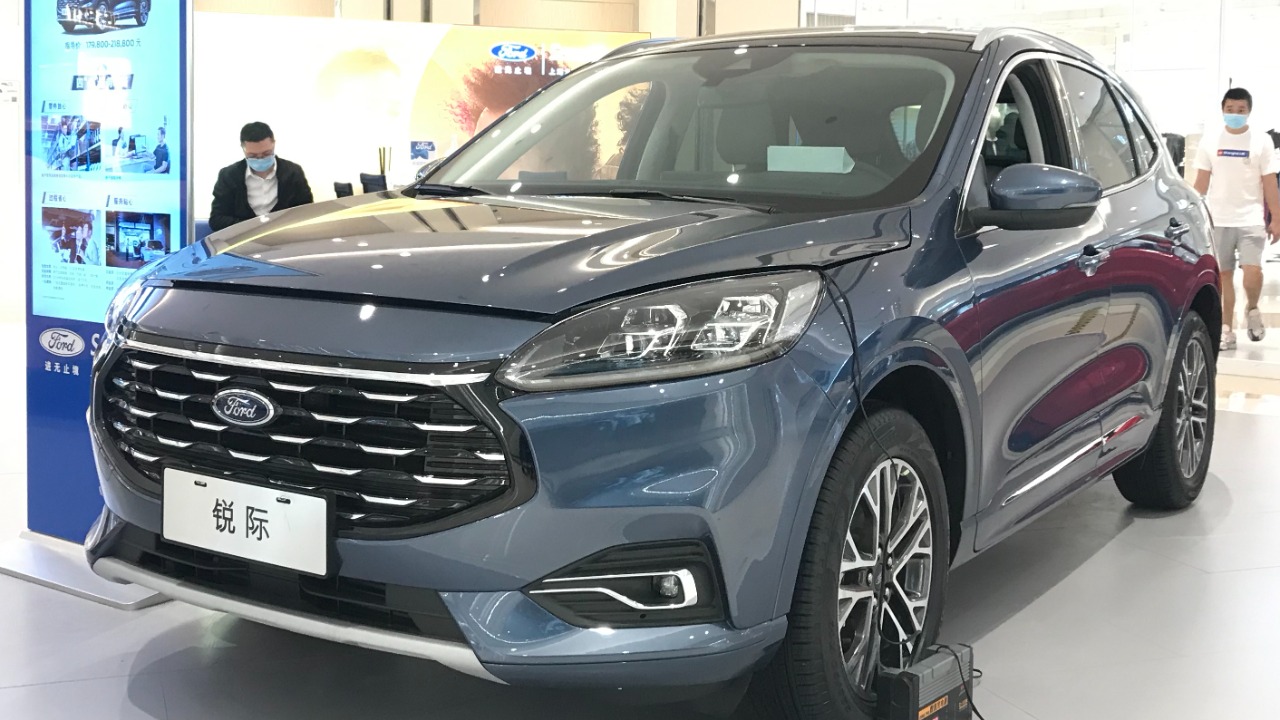
The Escape ran the same MyFord Touch platform as the Edge, and the third-generation SUV inherited an identical set of complaints: black screens, delayed climate response, and touch inputs that simply stopped registering. Car and Driver’s ownership coverage noted the system as a recurring sore point across model years.
Dealers often addressed the fault with a software flash rather than a hardware swap, but repeat failures pushed some owners toward aftermarket head units instead. A full dealer-installed replacement screen for the Escape’s setup can still run well over a thousand dollars.
5. Cadillac XTS with CUE: Peeling CUE Display
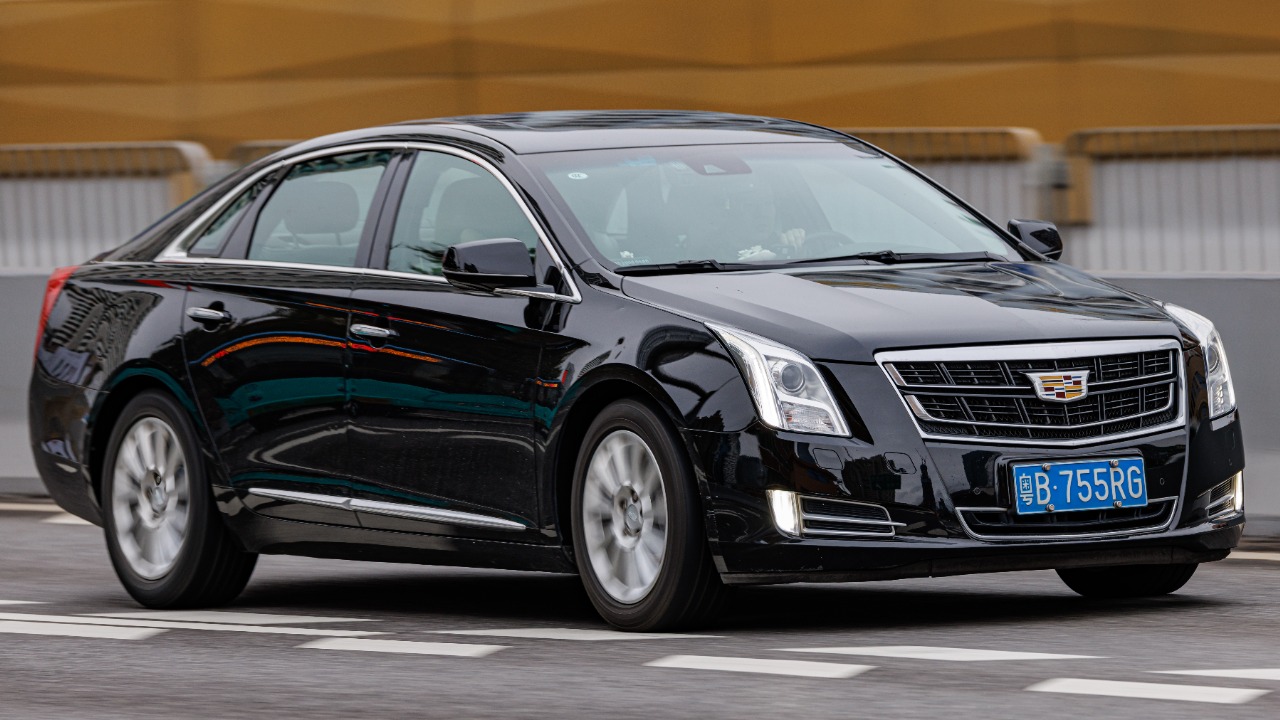
Cadillac’s CUE system paired a capacitive touchscreen with haptic-feedback buttons, and on the XTS the display panel became prone to delamination, where the outer glass layer separates from the screen beneath it and leaves a cloudy, unusable strip across the top. Cadillac’s model history for the XTS coincides with the years the fault was most common.
Owners reported the peeling starting at the edges and spreading inward until part of the navigation or climate display became unreadable. Dealer replacement units are not cheap, and independent CUE-specific repair shops have built a business around refurbishing the delaminated screens instead.
6. Honda Odyssey’s media unit: Lost Backup Camera
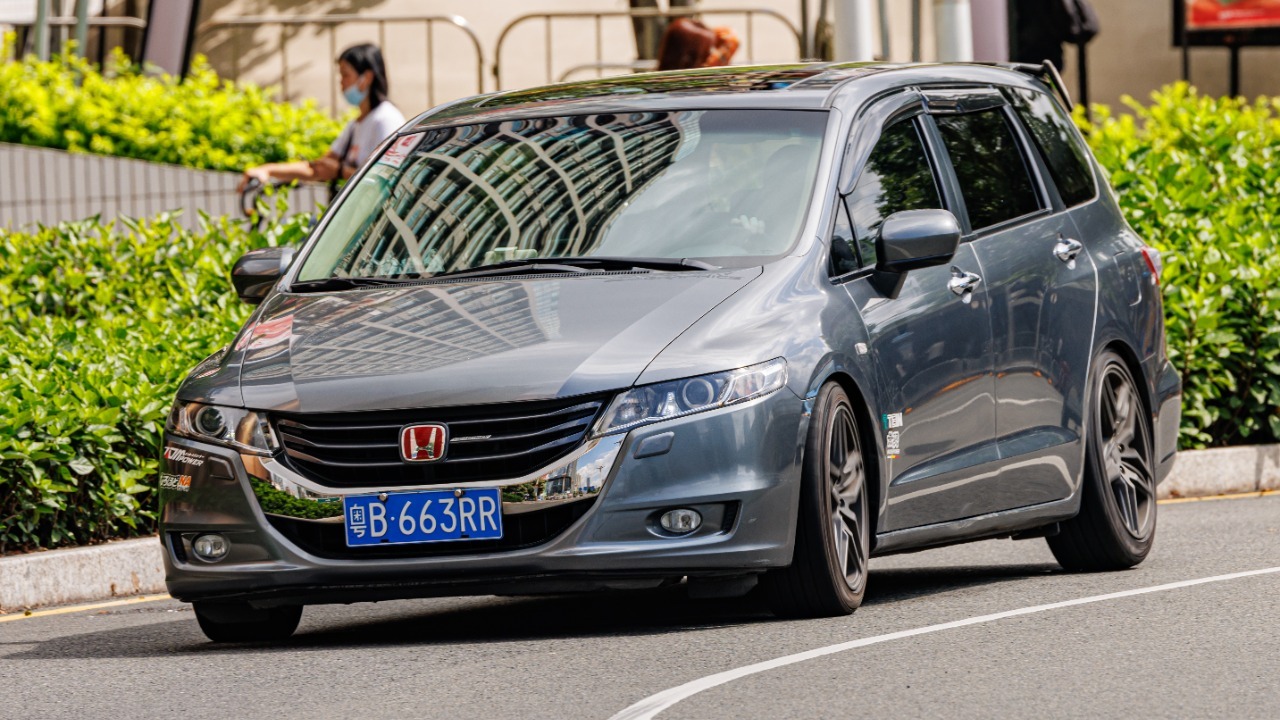
A faulty media oriented device in certain Odyssey minivans could distort or fully drop the rearview camera image at the exact moment a driver shifts into reverse, turning a safety feature into a blind spot. NHTSA’s recall filing ties the defect to the van’s multimedia control module rather than the camera itself.
Honda’s fix requires dealers to update or replace the control module rather than the screen glass, which keeps the repair cheaper than the delaminating-screen failures seen on other brands. Even so, owners who miss the recall notice can end up paying for a diagnostic before the free repair is applied.
7. Jeep Wrangler with Uconnect: Uconnect Radio Recall
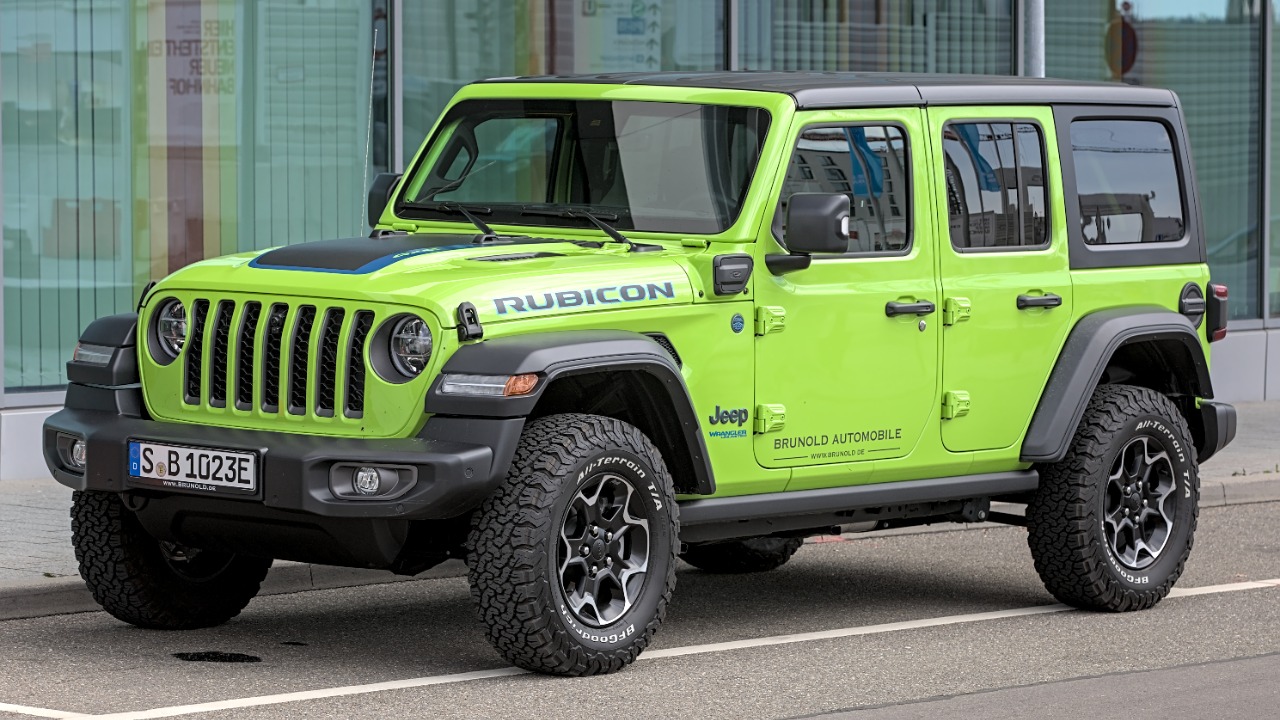
A software fault in the Wrangler’s Uconnect radio was enough to trigger a federal recall campaign, since the glitch could cause the touchscreen to reboot repeatedly or lose the backup-camera display entirely while the vehicle was moving. The federal recall notice classifies the defect as a safety issue rather than a simple annoyance.
Jeep dealers correct the flaw with a software update rather than a swapped unit, so the fix costs little once a Wrangler is brought in under the recall. Owners who bought the SUV used sometimes learn about the open recall only when the screen misbehaves.
8. Nissan Rogue’s camera display: Camera Display Recall

Nissan’s recall on the Rogue covers the camera and display module together, since a wiring or software fault could leave the screen blank or freeze the backup-camera feed exactly when a driver needed it most. The recall documentation lists the defect as a rearview-visibility risk rather than a cosmetic glitch.
The fix typically involves reprogramming or replacing the display unit at no charge under the recall, though owners outside the recall window have reported quotes running into several hundred dollars for the same part. The failure illustrates how a screen fault can escalate into a formal safety campaign rather than a minor complaint.
9. BMW with early iDrive: Retired iDrive Support

BMW introduced iDrive in the early 2000s as one of the first rotary-controller infotainment systems, and the earliest generations now sit outside factory software support, leaving failed units without an official replacement path. iDrive’s development history traces how many hardware and software revisions the system went through as BMW tried to fix its reputation for being confusing to use.
Owners of the earliest iDrive-equipped sedans now depend on secondhand control units or specialist rebuilders rather than dealer parts, since BMW no longer stocks the original hardware. A failed screen or controller on one of these early cars can mean months of searching for a working replacement instead of a same-day dealer fix.
More from Morning Overview
