
Aston Martin has built grand tourers, wedge-shaped saloons and, eventually, an SUV across more than seven decades of road cars. Each of these models marks a change in direction, whether through a new engine specification, a new factory or a new body style. Here are twelve cars that trace the company from its post-war sports cars to its modern hypercar.
Tech news worth reading: Get Techpresso, the daily email with the most interesting tech news and insights, read by 400,000+ professionals from Google, Apple and OpenAI.
We may earn a commission if you sign up.
1. Aston Martin DB2 (1950): Birth Of Vantage
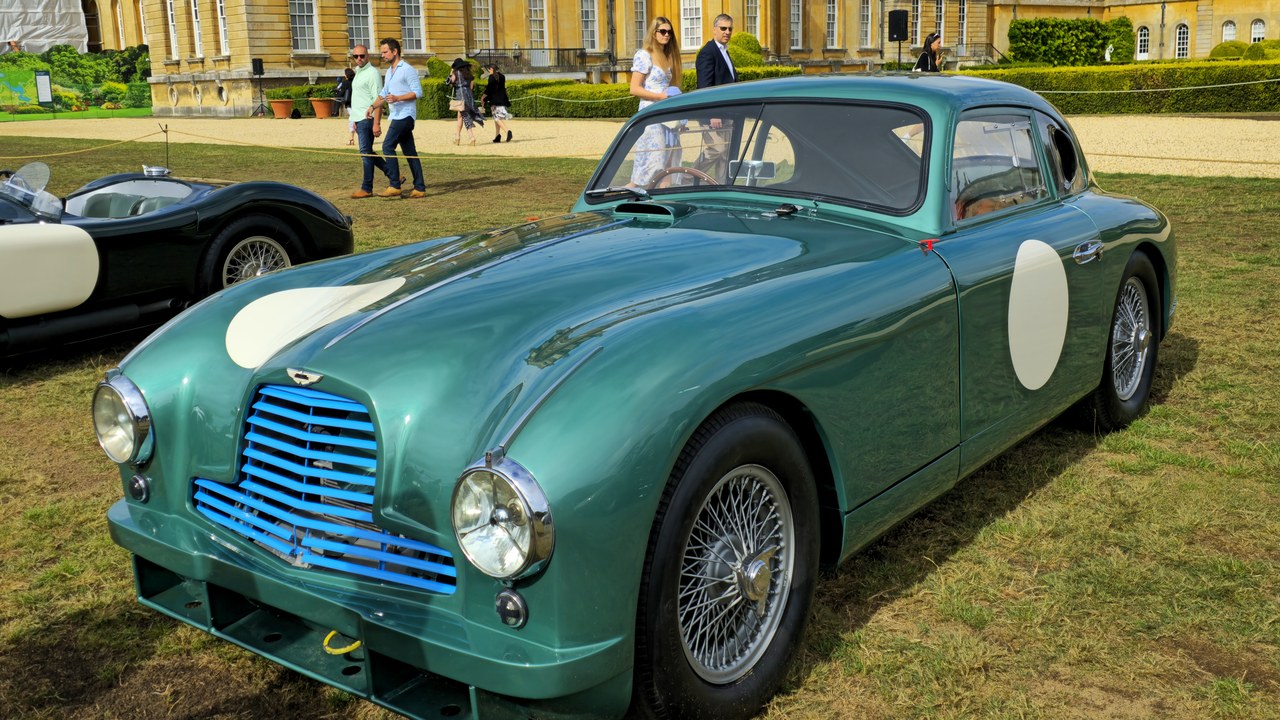
The 1950 DB2 is where the Vantage name began, as an engine specification with 125 hp from a 2.6-liter six, Hagerty’s Vantage history notes.
A badge now attached to an entire model line started as a performance option. Collectors of early Astons tend to look for that engine, since it links the car to the Vantage idea at its origin. Cars with documented engine specification are generally easier to value, so original paperwork carries real weight in the market.
2. Aston Martin DB4 (1959): Newport Pagnell Debut
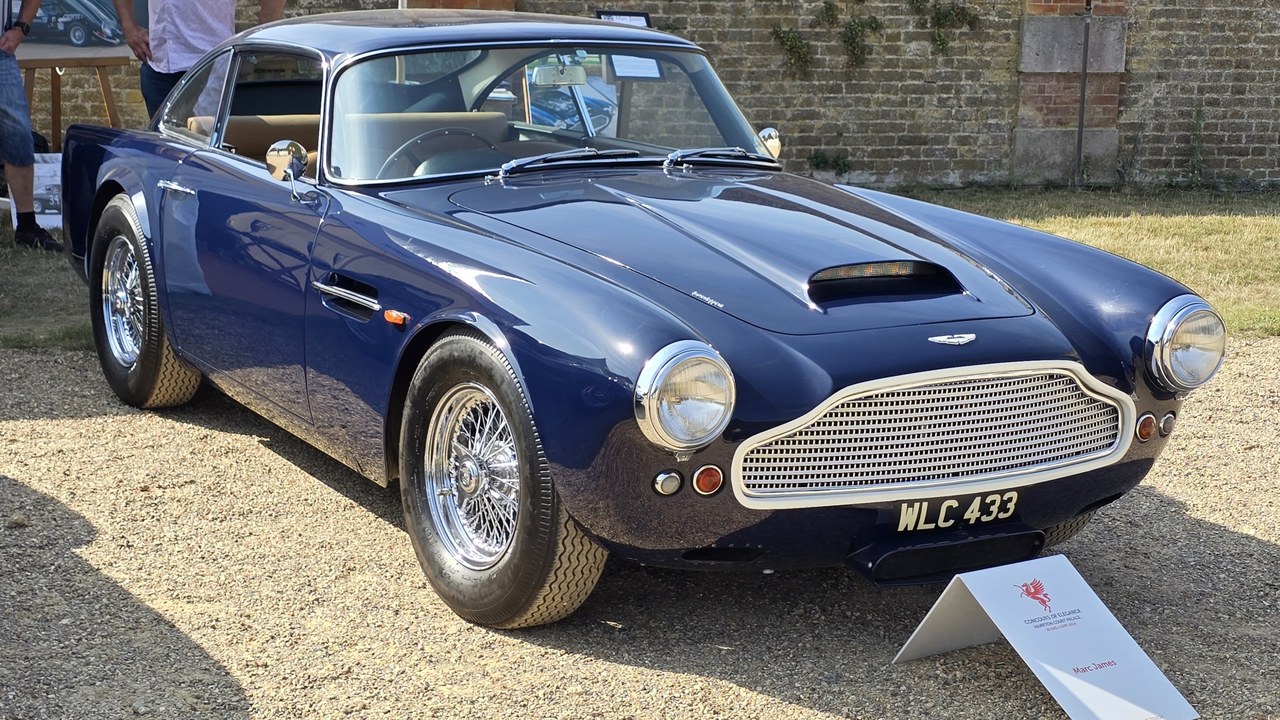
The DB4 was the first new Aston Martin produced at the Newport Pagnell site, according to the carscoops DB anniversary feature.
The move gave the company a dedicated production base for a new generation of grand tourers. The car forms the starting point of the lineage that led through the DB5 and DB6. Because it sits at the start of the DB family, the model attracts historians as well as drivers, and its place in the story is secure.
3. Aston Martin DB5 (1963): Goldfinger Icon
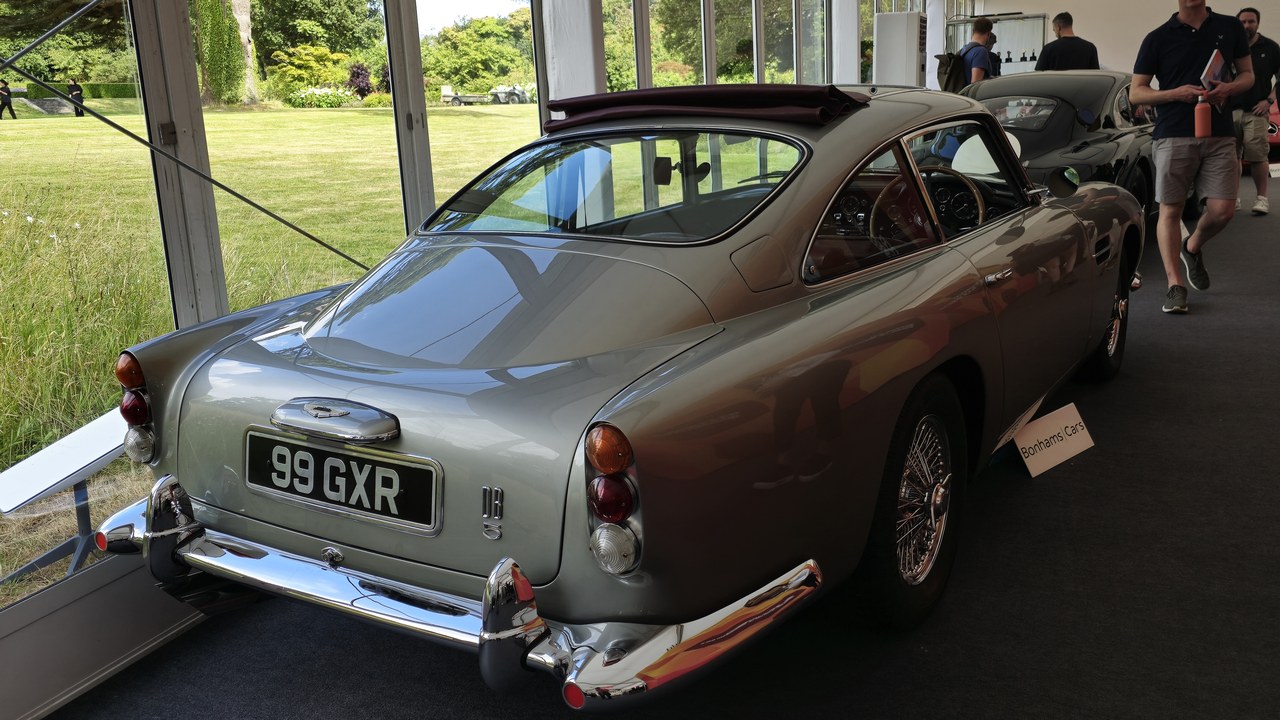
The DB5 appeared in Goldfinger in the year it launched, and Hagerty’s account of the Vantage models says the Vantage version made 325 hp against 288 hp for the standard car.
Film exposure turned a refined grand tourer into one of the best-known cars in the world. Buyers today pay for the screen connection as much as for the performance. Authentic examples are expensive, and many replicas exist, so provenance is the first thing a careful buyer examines.
4. Aston Martin DB6 (1965): Bigger And Better Liked

The DB6 was a bigger, more comfortable successor to the DB5, and the carscoops history says it was far more popular with customers than the DB4 and DB5.
More space and easier manners suited buyers who used their cars for long journeys. It shows that the company’s sales gains came partly from practicality rather than from glamour alone. Collectors sometimes overlook it for that reason, which can leave it a relatively accessible way into the classic DB range.
5. Aston Martin Lagonda (1976): Wedge Saloon
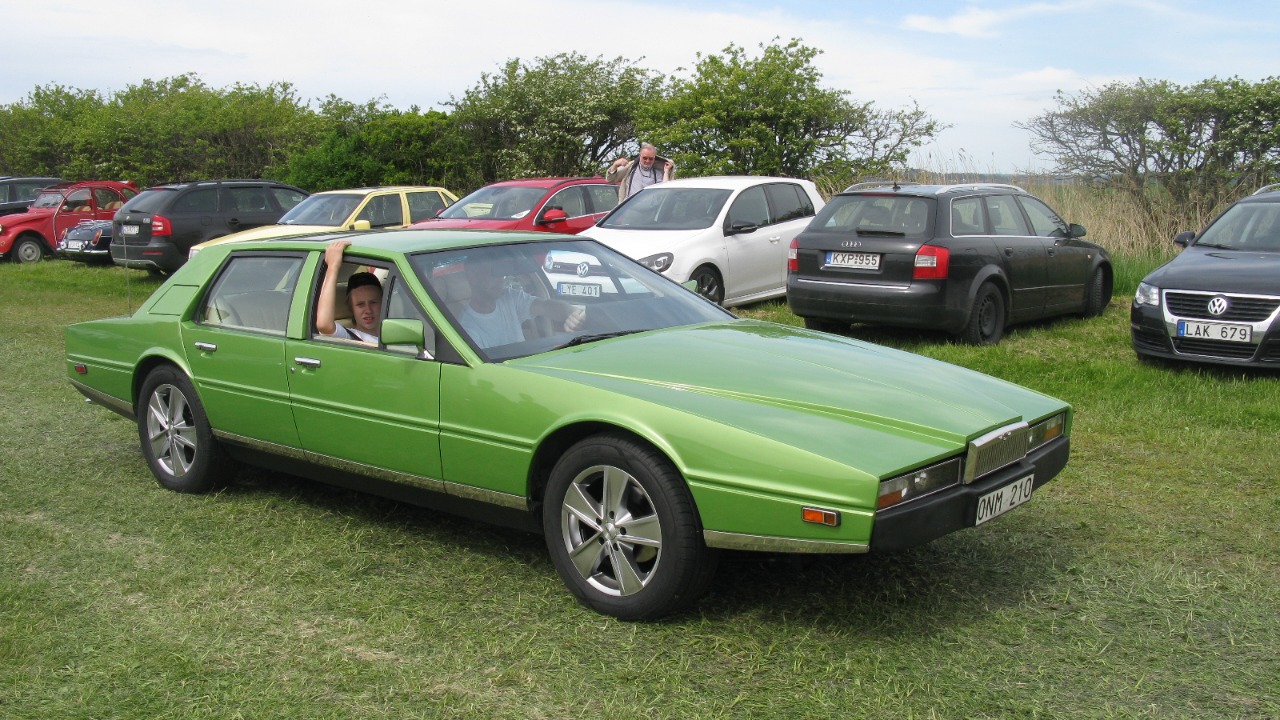
William Towns’ wedge saloon was built from 1976 to 1989 and was billed as the world’s fastest four-seater production car, per the company’s Wikipedia history.
Its sharp, angular styling split opinion then and still does. The Lagonda stands out as the most radical shape in an otherwise conservative catalogue. Few owners buy one for conventional practicality, and the electronic dashboard of the period adds maintenance complications for anyone who does.
6. Aston Martin V8 Vantage (1977): V8 Muscle
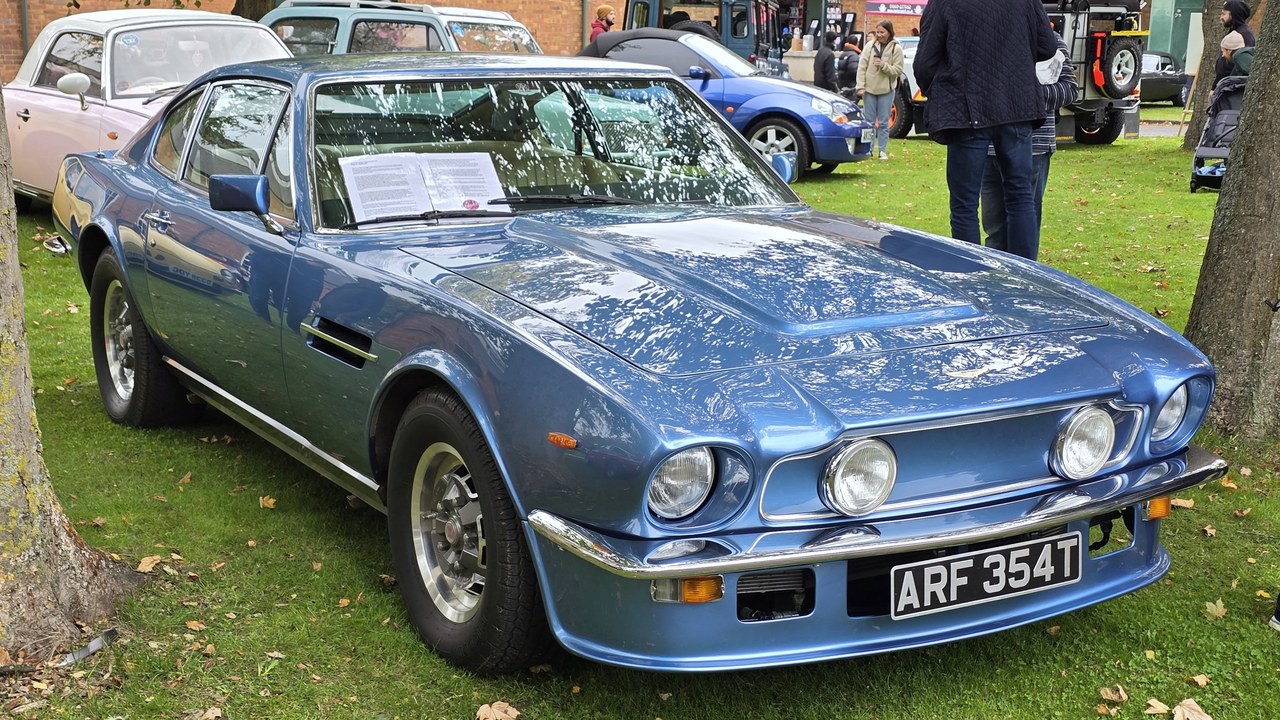
The V8 Vantage’s 5.3-liter V8 gained 80 hp over the standard car through high-performance cams and larger inlet valves, Hagerty explains.
The upgrade turned a large grand tourer into a genuine performance machine. It revived the Vantage name as a mark of extra power, a role the badge has kept. Owners of later cars often seek the performance version for its stronger engine, though condition and service history matter more than the badge alone.
7. Aston Martin DB7 (1994): The DB Returns
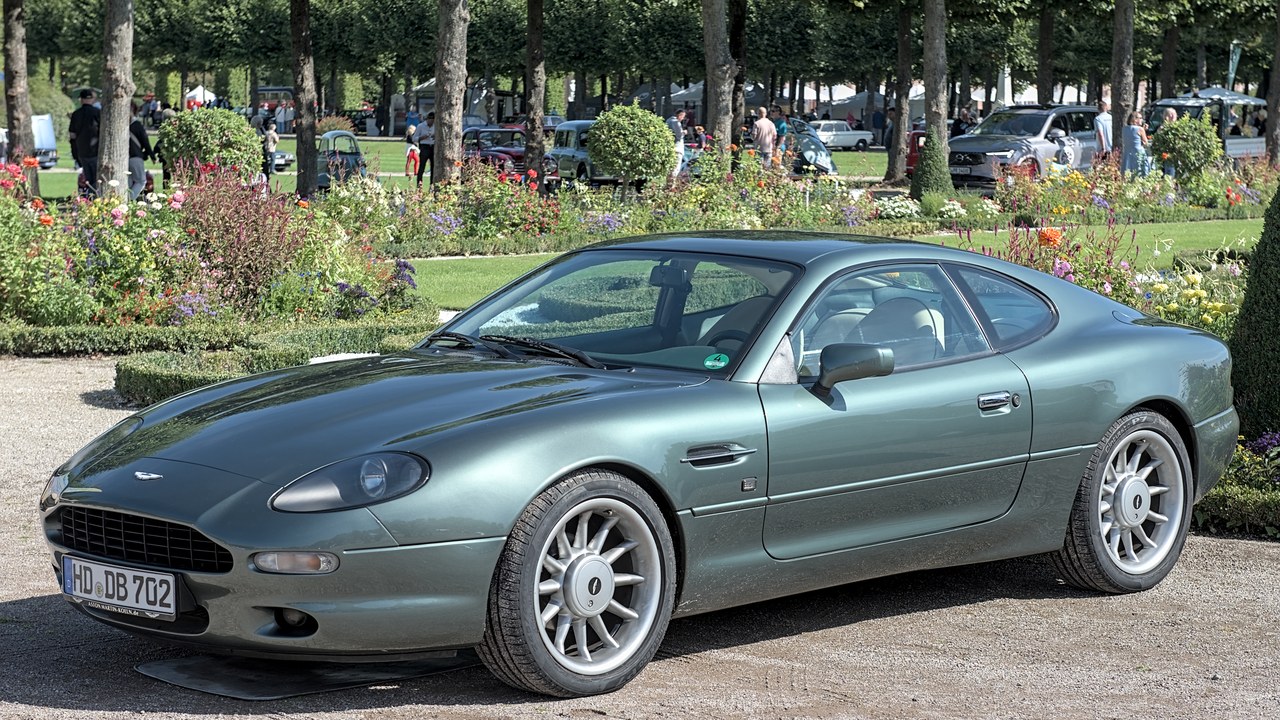
The DB7 returned the DB name to a sports car after a 23-year gap, as carscoops’ DB overview describes.
Reviving the initials signalled a fresh start for the company during the 1990s. The car’s more approachable pricing relative to earlier models helped broaden the brand’s audience. Used examples have become a popular entry to classic Aston ownership, though careful inspection remains important with any car of that age. Its place in the catalogue is that of a bridge between the classic era and the modern company.
8. Aston Martin Vanquish (2001): V12 Flagship
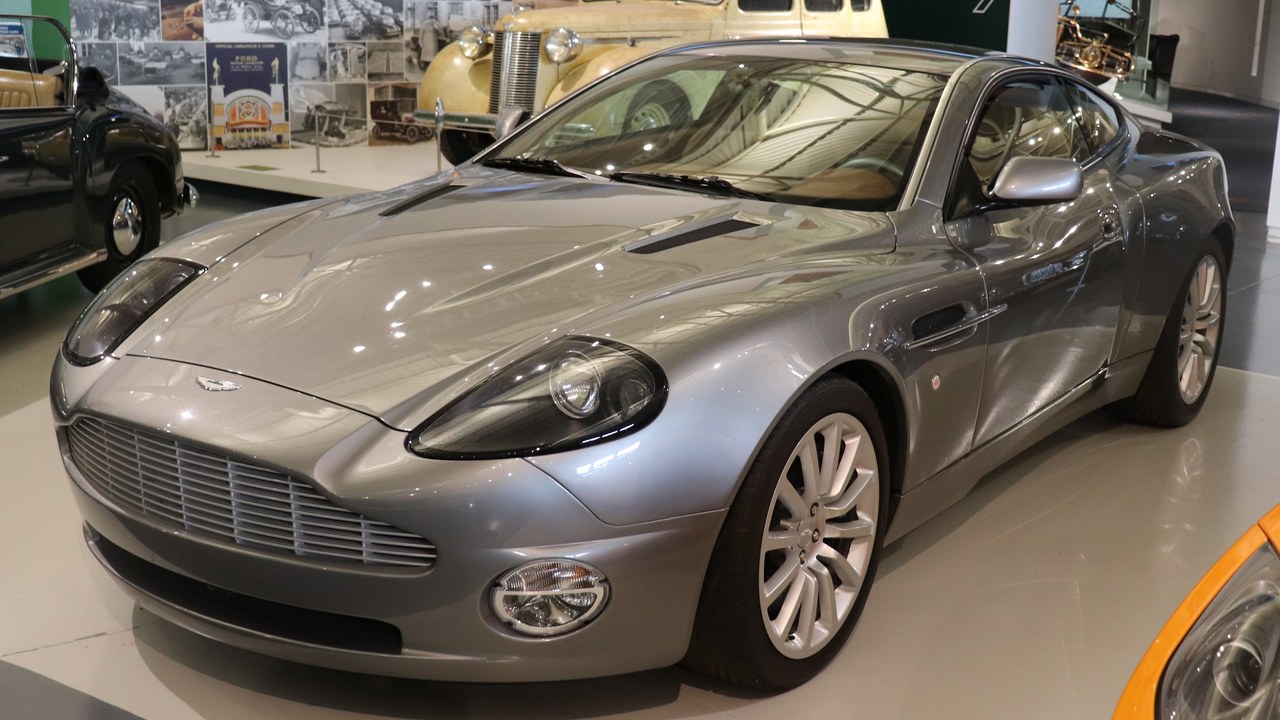
The Vanquish was introduced in 2001 as the V12-engined flagship, succeeding the Virage, according to the Aston Martin company history.
As the top model of its time, it set the performance and prestige standard for the range. Its arrival showed the company moving toward a new, more modern generation of cars. Buyers today find that the car offers a distinctive blend of grand touring comfort and traditional character, though servicing needs specialist care.
9. Aston Martin DB9 (2003): Gaydon Begins
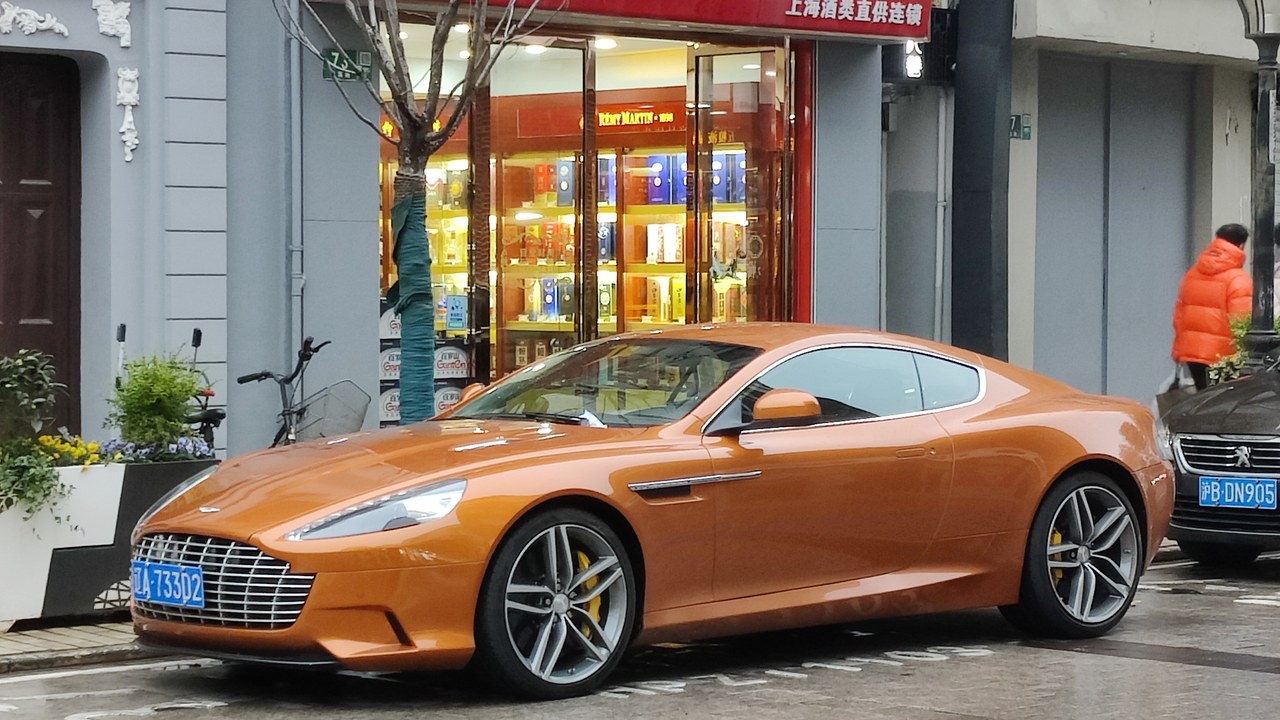
The DB9 was the first model built at the new Gaydon headquarters, carscoops reports.
A purpose-built home allowed the brand to modernise how it made its cars. The model carried the DB name into a new century and anchored the range for years. Used examples are widely seen as one of the more approachable ways to own a V12-era Aston, provided maintenance records are in good order. It remains one of the more recognisable modern Astons, and its long production life made it a familiar sight.
10. Aston Martin Vantage (2018): Turbo V8 Returns
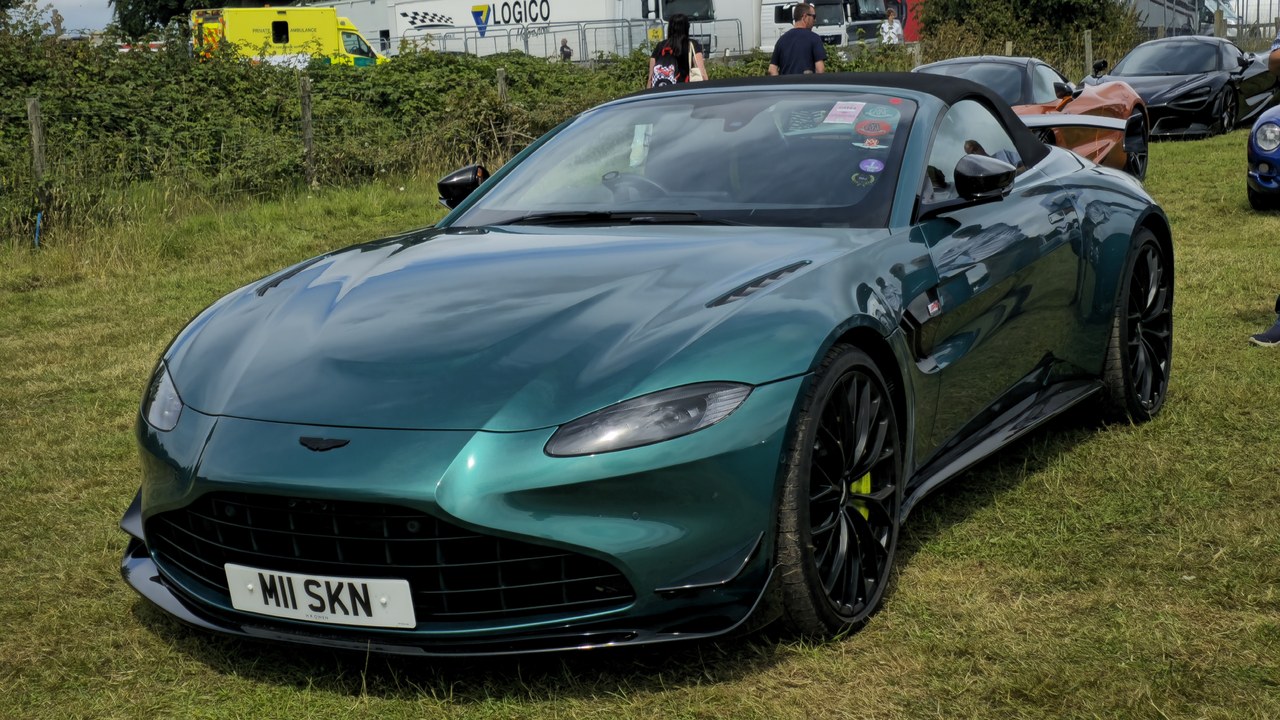
The 2020 Vantage makes 503 hp from a twin-turbo 4.0-liter V8 and reaches 60 mph in 3.5 seconds, Hagerty’s Vantage coverage states.
Forced induction gave the compact sports car sharp acceleration at a lower price than the flagships. It is the entry point to the modern range for those wanting a driver-focused Aston. For buyers comparing rivals, the figures place it firmly among serious sports cars, though its appeal rests as much on styling as on speed.
11. Aston Martin DBX (2020): First SUV
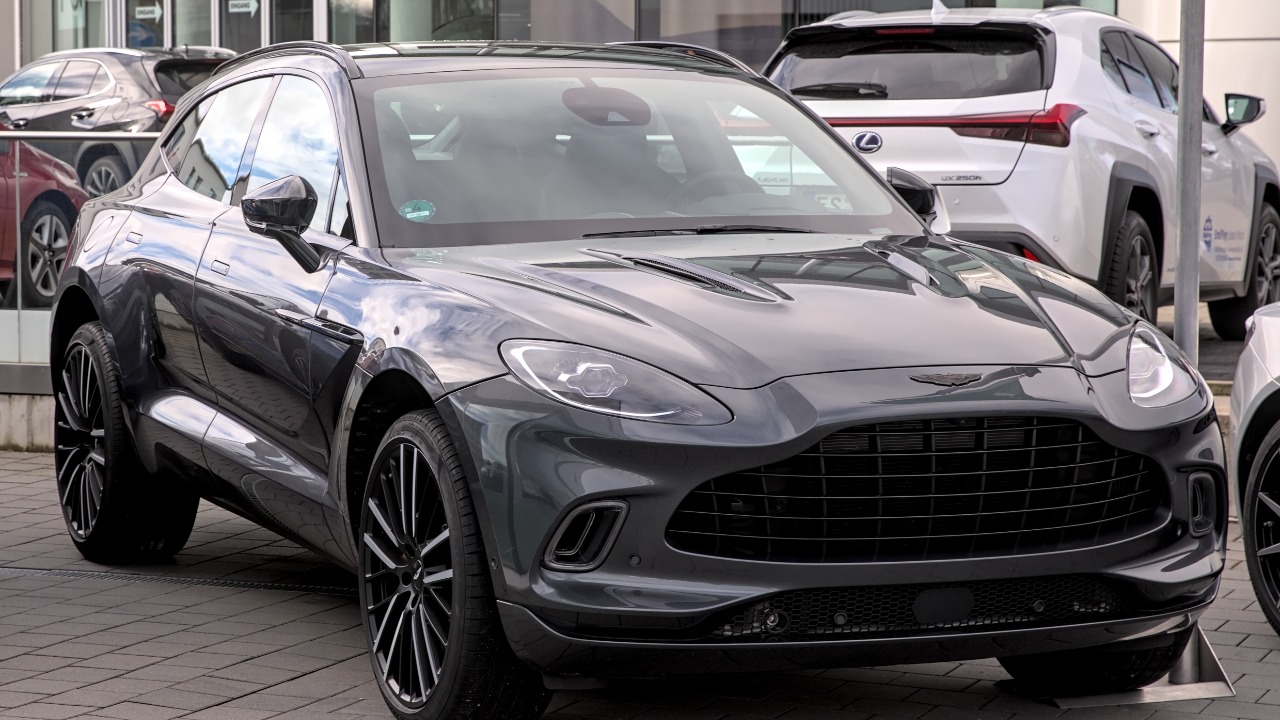
The DBX is the company’s first-ever SUV, built at a new St Athan factory opened in 2019, according to the Aston Martin Wikipedia entry.
The model extended the brand into the most popular segment in the market. It gave the company a vehicle practical enough for family use while keeping its performance image. The same platform strategy let the company spread development costs, which matters for a small manufacturer working in a competitive market.
12. Aston Martin Valkyrie (2021): Hypercar Rarity
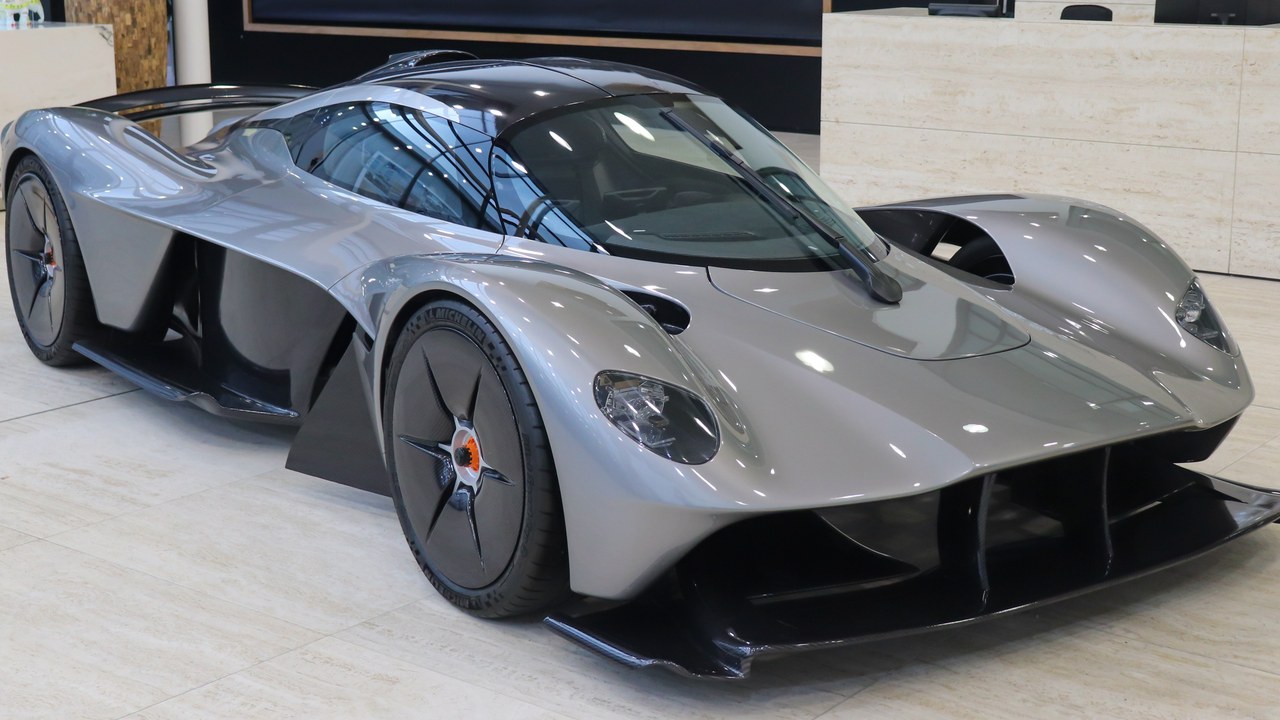
Only 275 Valkyries were built, made up of 150 coupes, 85 Spiders and 40 AMR Pro cars, each with 1,160 hp, according to the Valkyrie article.
Such low volume places the car among the most exclusive Astons ever sold. It represents the extreme end of the brand’s output, far removed from the grand tourers of the 1950s. Collectors treat such cars as investments as much as vehicles, so most are kept in climate-controlled storage and driven sparingly.
Tech news worth reading: Get Techpresso →
We may earn a commission if you sign up.
More from Morning Overview
- The FBI told the rest of ShinyHunters to surrender after a 24-year-old was arrested
- Two passengers died at an Ohio toll plaza, and the NTSB now wants the cash lanes shut
- Long use of a common prostate pill is tied to a higher chance of glaucoma
- Ford is recalling 223,472 F-150 pickups because the fuel tank can leak or detach
