
For most of its history Porsche has been defined by one rear-engined coupe, yet the company built plenty of cars that never wore that badge. Some rescued the balance sheet, others pushed the limits of speed, and a few opened entirely new markets. Here are twelve models that show how far the brand reached beyond its most famous silhouette.
AI, explained every day: The Deep View is the go-to daily newsletter for 600,000+ founders, knowledge workers and professionals who want to stay up to date with artificial intelligence.
We may earn a commission if you sign up.
1. Porsche 356 Speedster: McQueen’s First New Car
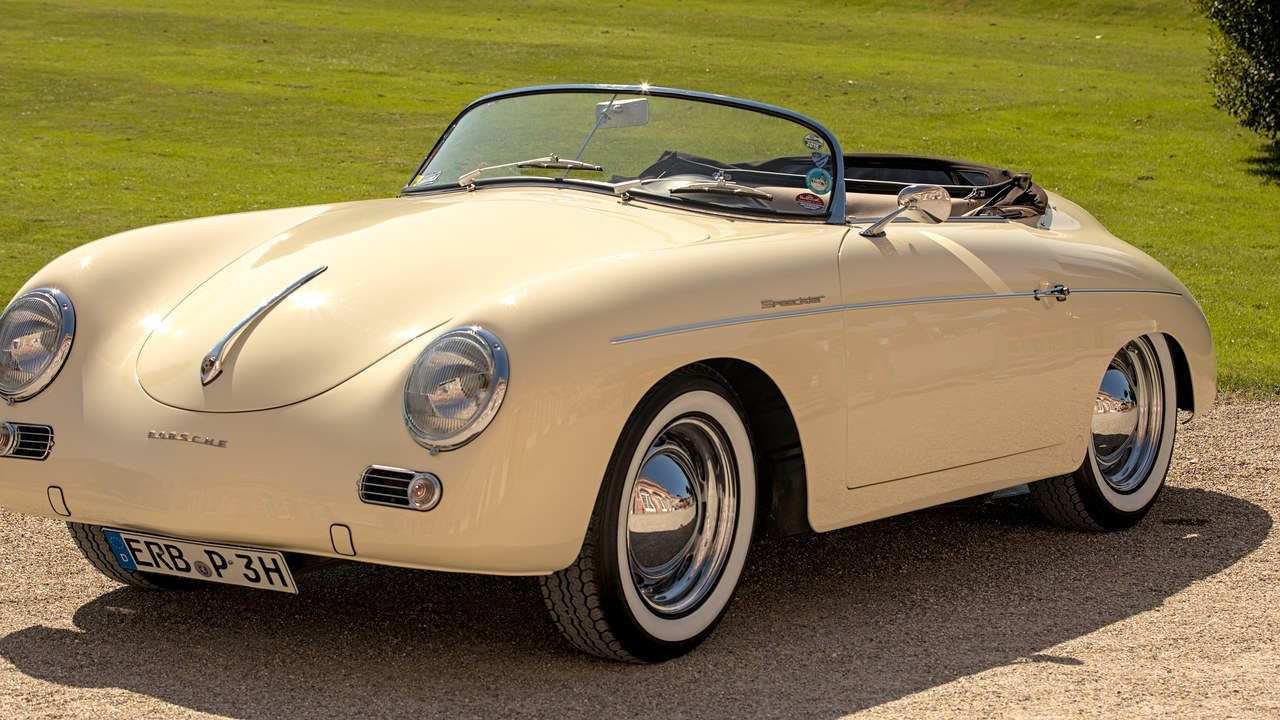
Steve McQueen bought a black 356 A Speedster as his first new car, and Porsche’s own history account records that he won the novice class in his first race, at Santa Barbara on May 31, 1959.
The open, lightweight Speedster helped introduce Porsche to American enthusiasts, and the McQueen connection keeps it among the best-known early cars from Stuttgart. Few vehicles of the period pair a celebrity owner so cleanly with genuine competition results. Restored examples and replicas remain popular, and the model’s simple mechanical layout makes it a favorite at club events.
2. Porsche 914: Mid-Engine Pioneer
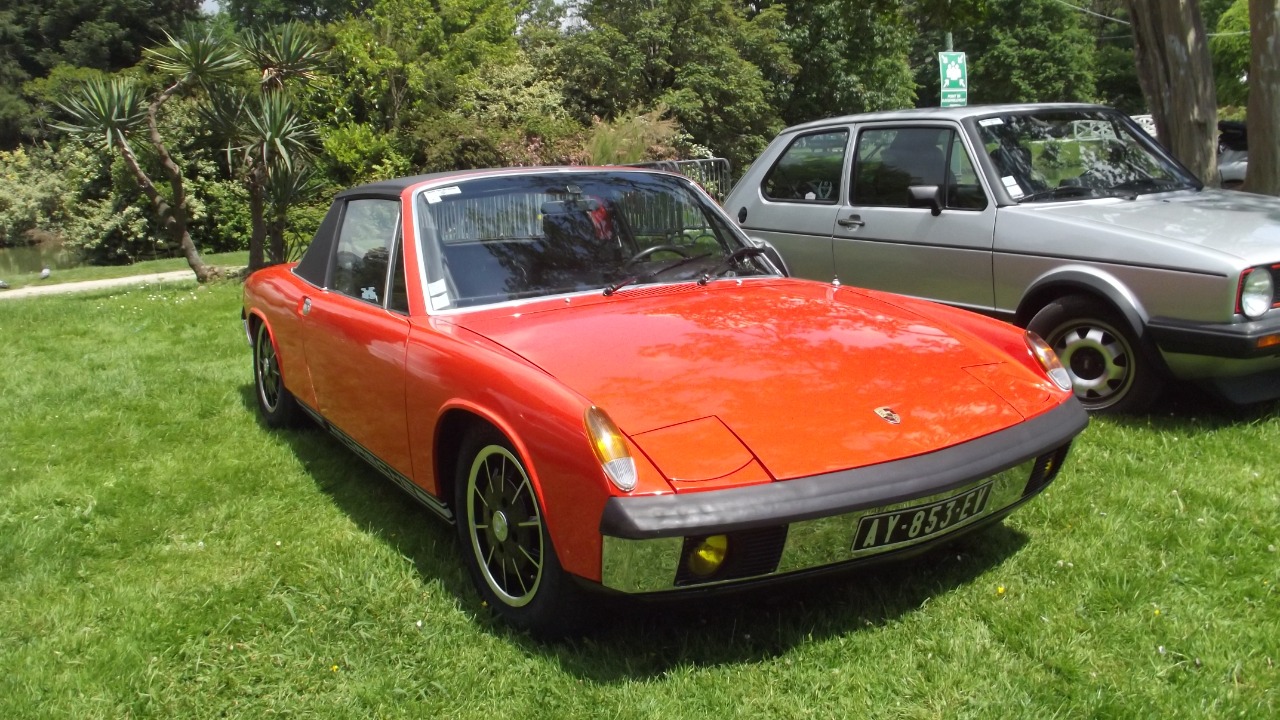
Porsche called the 914 the first German production mid-engined sports car, and the Porsche newsroom retrospective notes that 115,631 four-cylinder 914s were built from 1969 to 1975.
Placing the engine behind the seats gave the car a balance that rear-engined designs could not match. It sold as an affordable alternative to the 911 and remains an easy way into classic Porsche ownership. Enthusiasts often point to it as proof that the brand’s engineering ambition did not depend on a single layout, and the shape still draws attention today.
3. Porsche 924: The Front-Engine Gamble

The 924 entered production in 1976, and Porsche’s transaxle history describes it as a front-engine car with its gearbox at the rear.
That layout split weight between both axles and broke with the rear-engine formula the company was known for. Buyers who wanted a practical, approachable Porsche found one here, and the design set up the larger transaxle models that followed. Values for good cars have been rising, though its reputation for careful engineering means well-kept examples are still considered usable classics.
4. Porsche 928: Europe’s Car of the Year
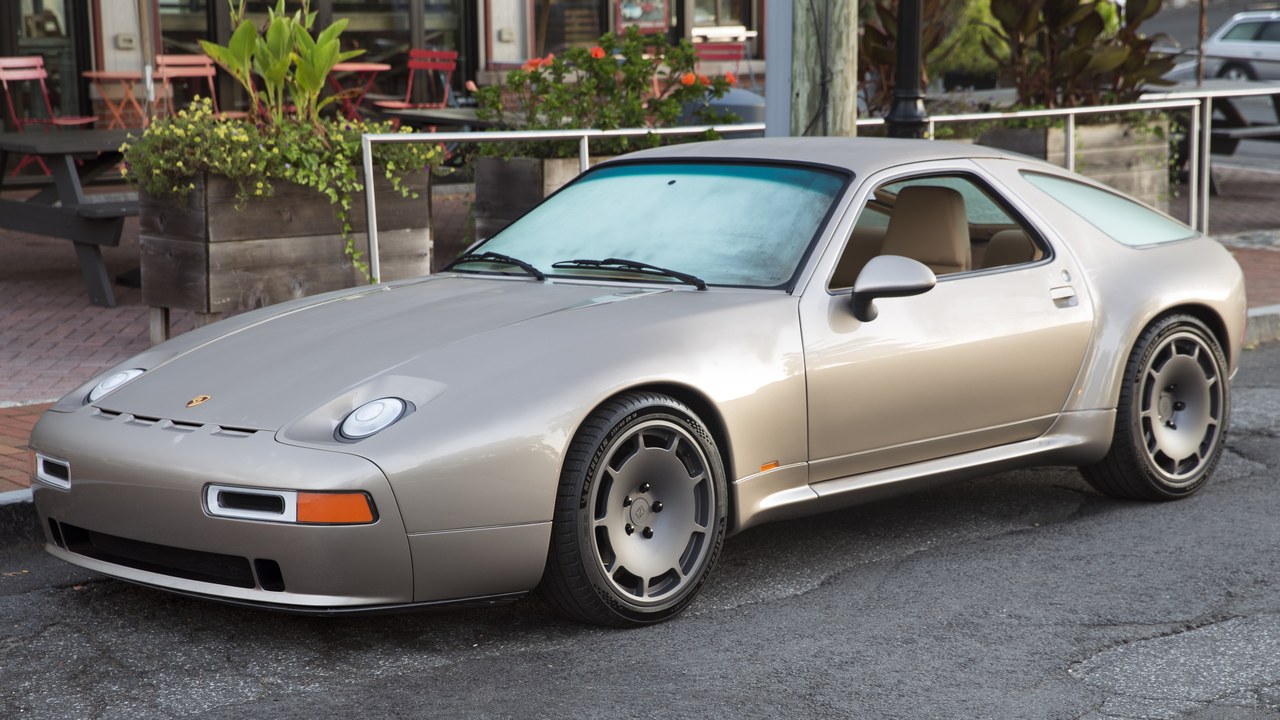
The 928 won the 1978 European Car of the Year award, the only sports car to do so, and its production record lists about 61,056 built through 1995.
Conceived as a grand tourer rather than a lightweight sports car, it showed that Porsche could build something comfortable and powerful without leaning on the 911. Its long production run suggests the concept found a steady audience. Rust protection and maintenance history matter greatly when assessing a surviving car, and the large V8 coupe rewards owners who pay attention to both.
5. Porsche 944: Handling Benchmark
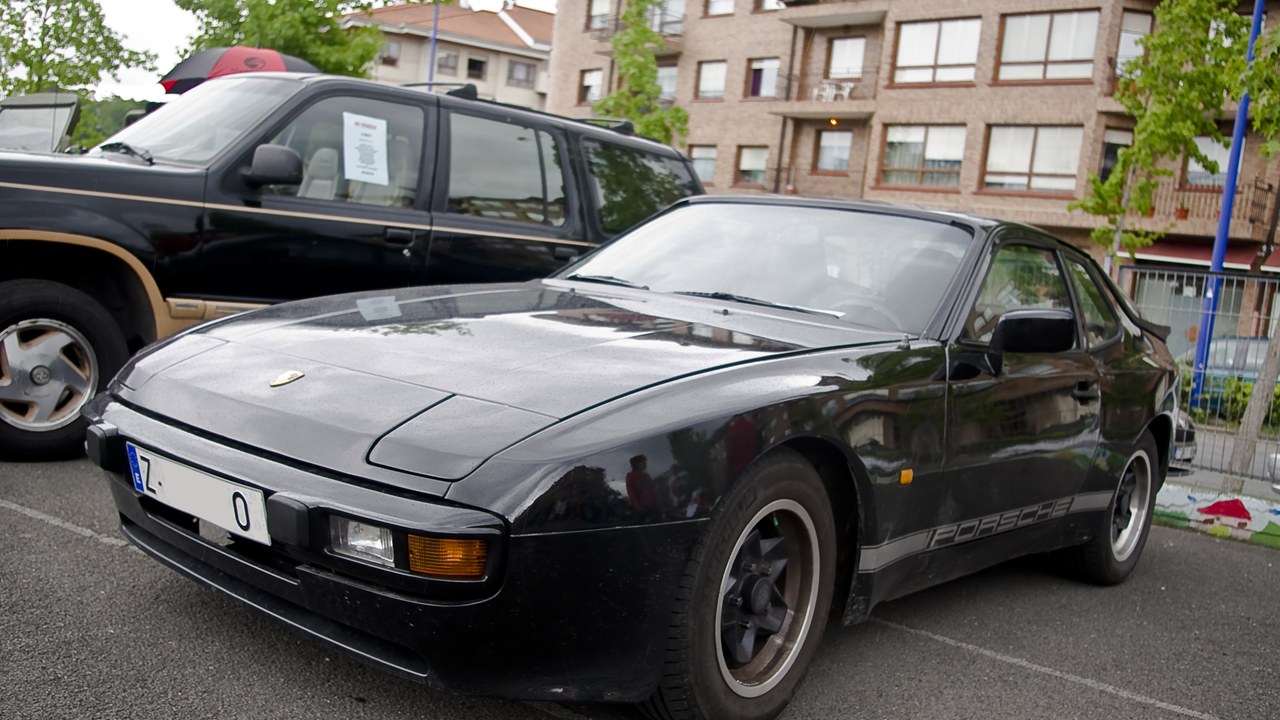
Car and Driver named the 944 Best Handling Production Car in America in 1984, and the model’s production history counts 163,192 cars in the 944 family from 1982 to 1991.
That volume made it a commercial mainstay for the brand during the transaxle years. For owners, the combination of praised handling and large numbers means parts and club support are generally easy to find. Its reputation for balance and approachable driving explains why many owners keep theirs for years, and the shape has aged well.
6. Porsche 959: Technology Showcase
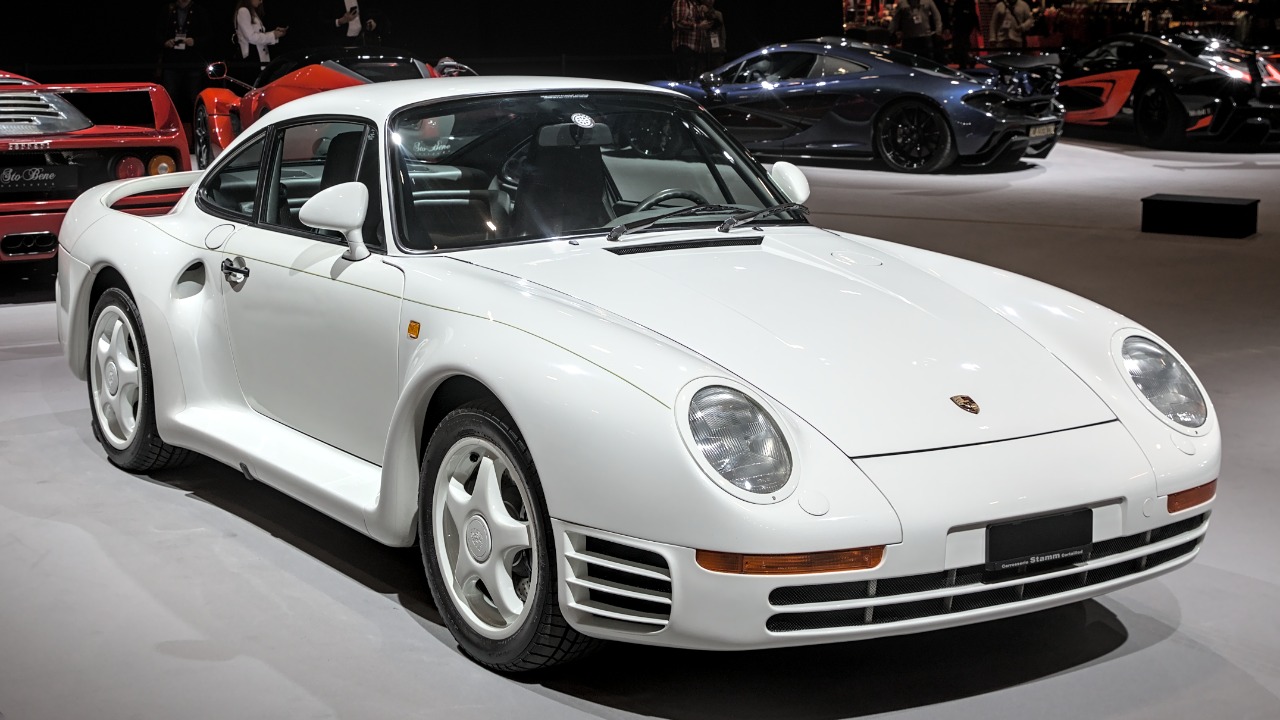
Only 292 were built, and Porsche’s super sports car history credits the 1985 959 with 450 bhp, electronically controlled all-wheel drive and a 315 km/h top speed.
The 959 served as a rolling laboratory for ideas that later reached ordinary road cars, particularly in traction and stability control. Its tiny production run keeps it firmly in collector territory. Anyone considering one should know that servicing the specialist systems requires expertise, so the car suits dedicated collectors more than casual drivers.
7. Porsche Boxster: The Car That Saved Porsche
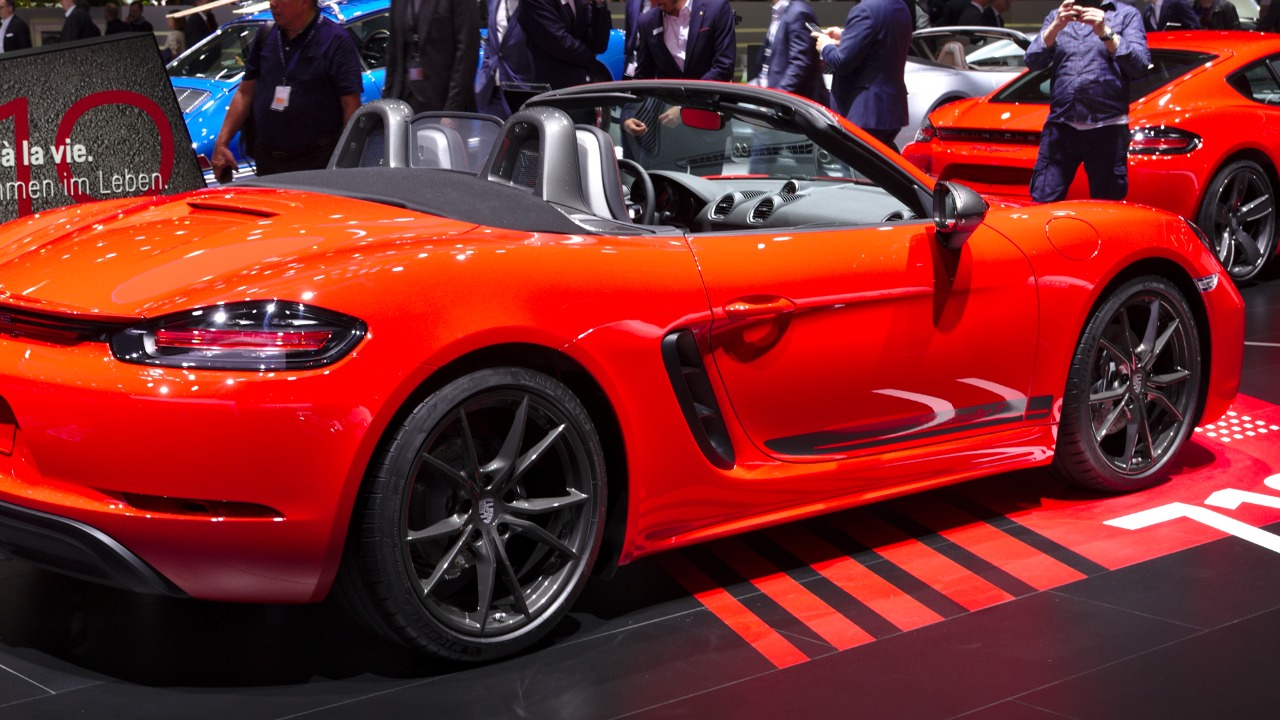
Global sales of the Boxster reached 146,874 by 2004, and Hagerty’s profile of the roadster credits it with returning Porsche to profit at the end of 1996.
As an entry point to the range, the mid-engine two-seater brought a new generation of buyers to the showroom. Used examples remain among the most accessible ways to own a modern Porsche. Buyers should still check service records carefully, since maintenance on an older mid-engine layout can be more involved than on a conventional front-engine car.
8. Porsche Cayenne: The SUV Lifeline
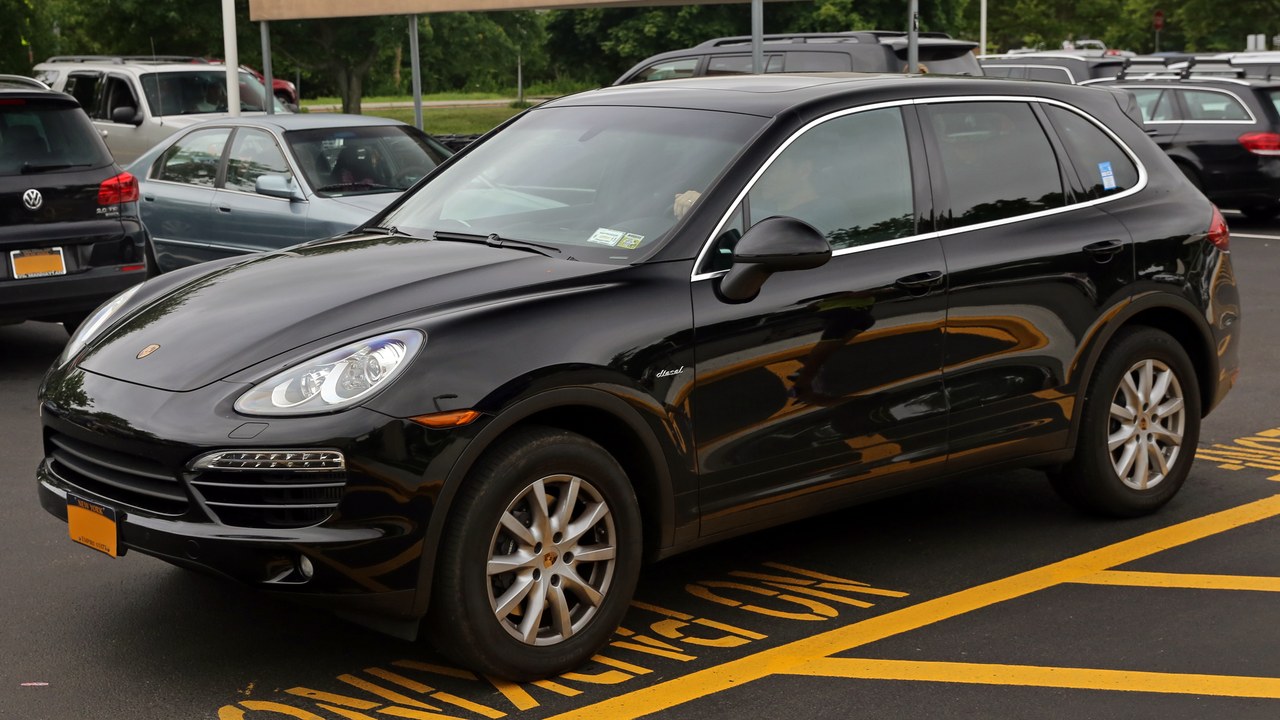
Launched in Paris in September 2002, the Cayenne rescued Porsche from crisis, and the company’s anniversary review records that production passed one million in December 2020.
The SUV drew purists’ criticism at first, yet its sales paid for the sports cars they preferred. It established a template that the brand has since extended with smaller and more varied models. Its success changed how the company was run and funded, and the model continues to be a regular sight on roads around the world.
9. Porsche Carrera GT: Carbon Supercar
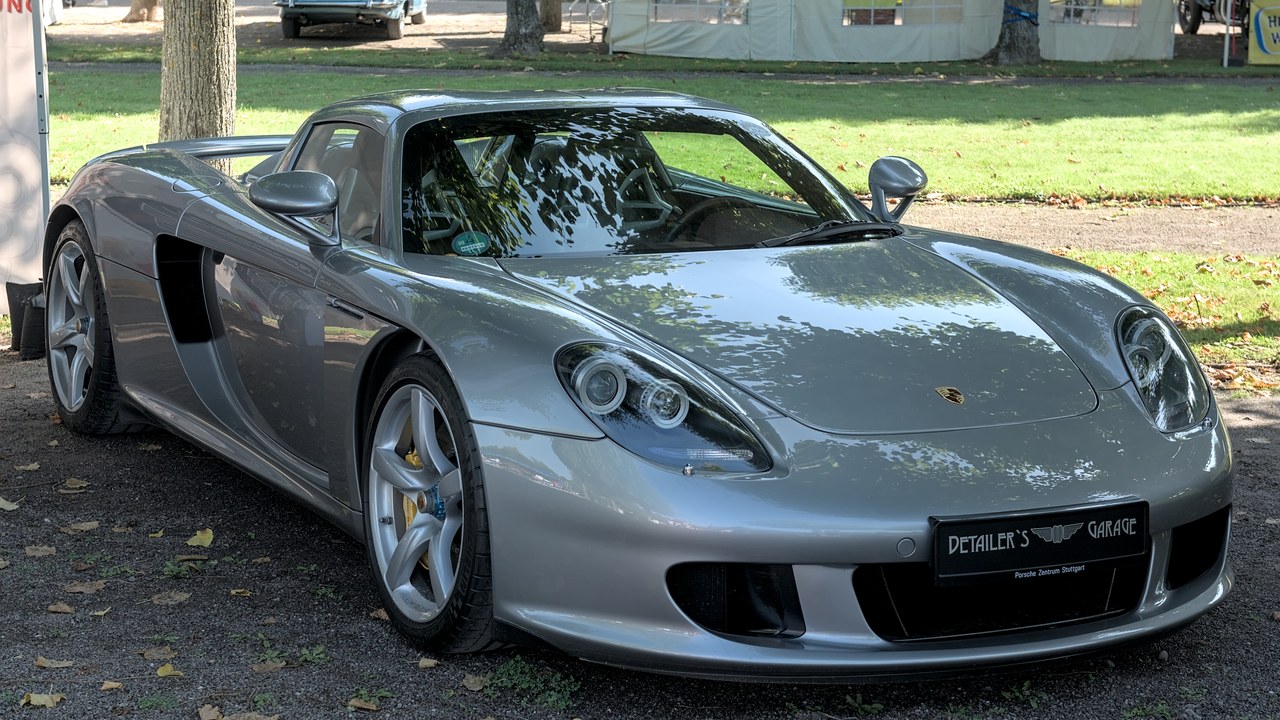
The 2003 Carrera GT made 612 bhp from a car built around a carbon-fibre monocoque, and Porsche’s history of its supercars notes a Nurburgring lap of 7:33 in 2004.
Its naturally charged character and demanding handling have made it one of the most revered Porsches of its era. Owners and enthusiasts tend to treat it as a benchmark for analogue supercar driving. Prices for good examples reflect that reputation, and ownership calls for specialist knowledge, particularly around the composite structure and its unusual clutch.
10. Porsche Macan: Leipzig Milestone

The 100,000th Macan, a blue Macan Turbo bound for the USA, came off the Leipzig line on June 24, 2015, according to the Porsche Leipzig announcement.
The compact SUV quickly became a core part of the range, giving the brand a high-volume model below the Cayenne. Its early sales pace showed how much demand existed for a smaller Porsche. Its Leipzig production line became a symbol of the shift toward everyday models, and the Macan has since remained central to the brand’s sales.
11. Porsche 918 Spyder: Hybrid Hypercar
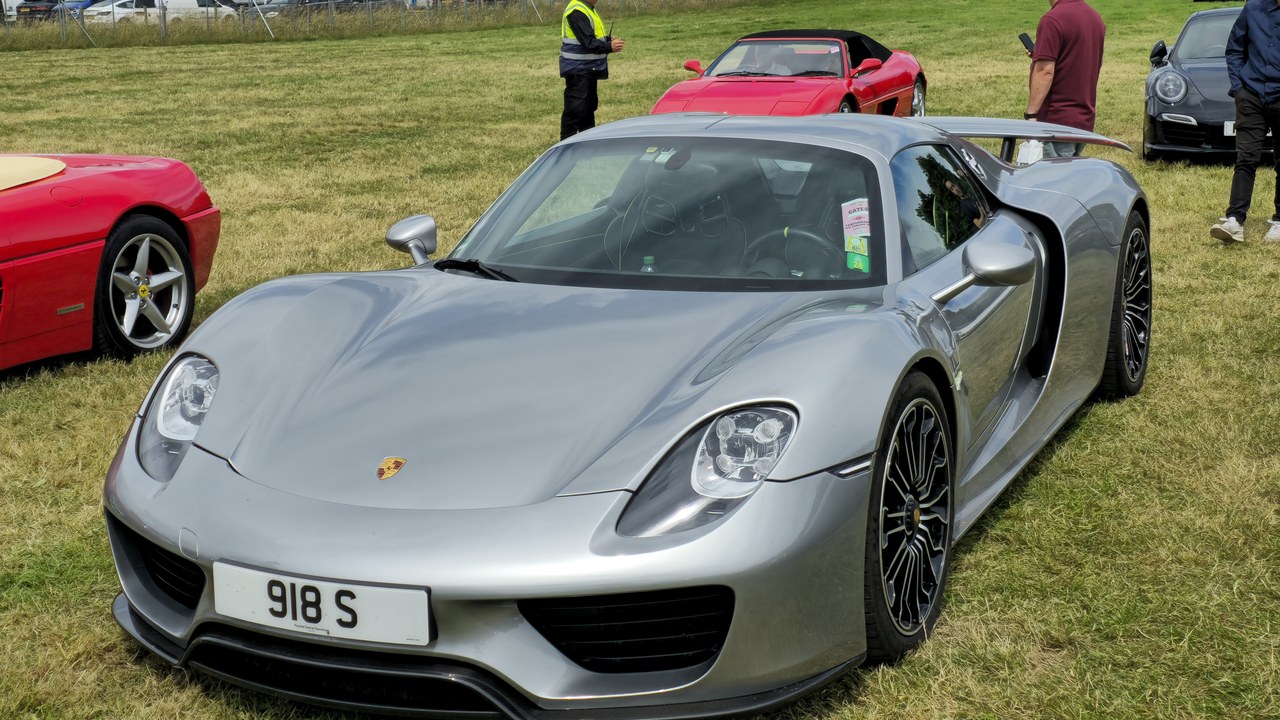
The 918 Spyder produced 887 hp of system output and lapped the Nurburgring in 6:57, Porsche’s supercar history reports.
Pairing a combustion engine with electric motors, it demonstrated that efficiency technology could raise performance rather than dilute it. The car stands as a bridge between the era of the Carrera GT and the brand’s electric models. Maintenance of a car this complex is a specialist matter, which is part of why surviving examples are typically cared for by dedicated owners.
12. Porsche Taycan: Electric Turning Point
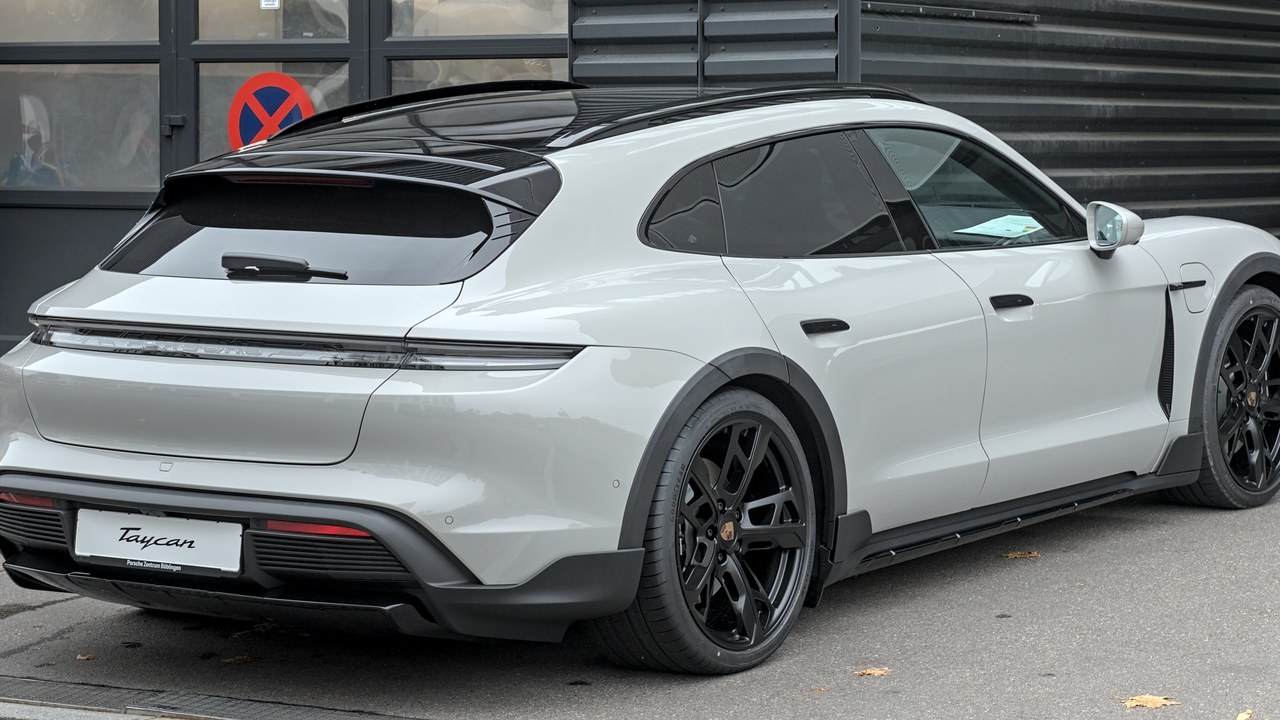
The Taycan, the first all-electric Porsche, supports DC fast charging of up to 320 kW, according to the manufacturer’s model page.
Rapid charging addresses the main practical worry of electric ownership, long stops on a road trip. The four-door sports car marked the moment Porsche committed its performance reputation to battery power. Buyers weighing one should consider charging access and real-world range alongside headline figures, since those shape daily use more than peak numbers do.
AI, explained every day: Get The Deep View →
We may earn a commission if you sign up.
More from Morning Overview
- Doctors warn a silent liver disease now affects one in three American adults
- The FBI told the rest of ShinyHunters to surrender after a 24-year-old was arrested
- Two passengers died at an Ohio toll plaza, and the NTSB now wants the cash lanes shut
- Long use of a common prostate pill is tied to a higher chance of glaucoma
