
Wild animals do not need to be predators to put people in the emergency room. Some of the species below are covered by official park warnings, while others come from shark attack records that separate fatal cases from non-fatal ones. Together, the eight animals show where the real risks sit and where reputation runs ahead of the numbers.
1. American bison: Yellowstone’s Top Injurer
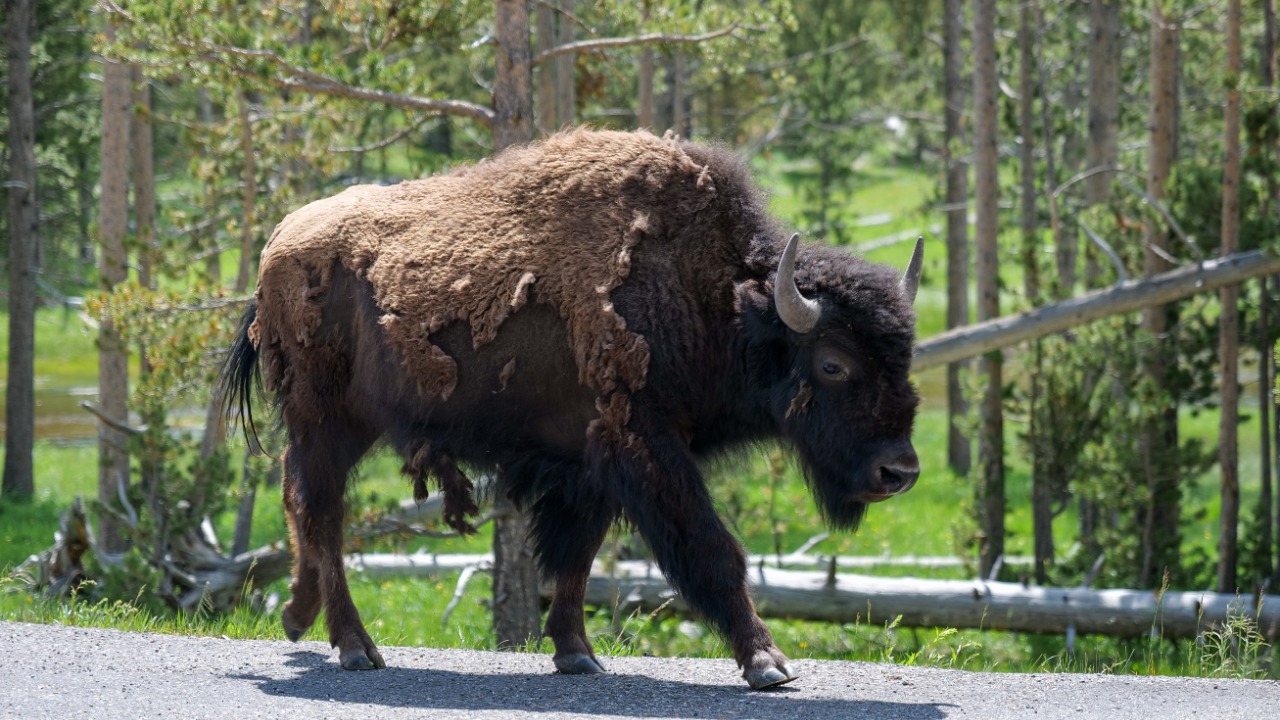
The Park Service says bison ‘have injured more people in Yellowstone than any other animal,’ and visitors must stay at least 25 yards back, according to the park’s own official Yellowstone safety guidance.
That warning applies even when a bison looks calm beside a road or boardwalk. Large size and sudden speed make a small misjudgment costly, and the 25-yard rule is the only buffer the park gives. The statement concerns one park, so it does not rank bison against every animal nationwide. Rangers repeat the warning because injuries keep happening to people who approach for photographs. Staying back remains the simplest way to avoid becoming another case.
2. Grizzly bear: Bears Get a Bigger Buffer
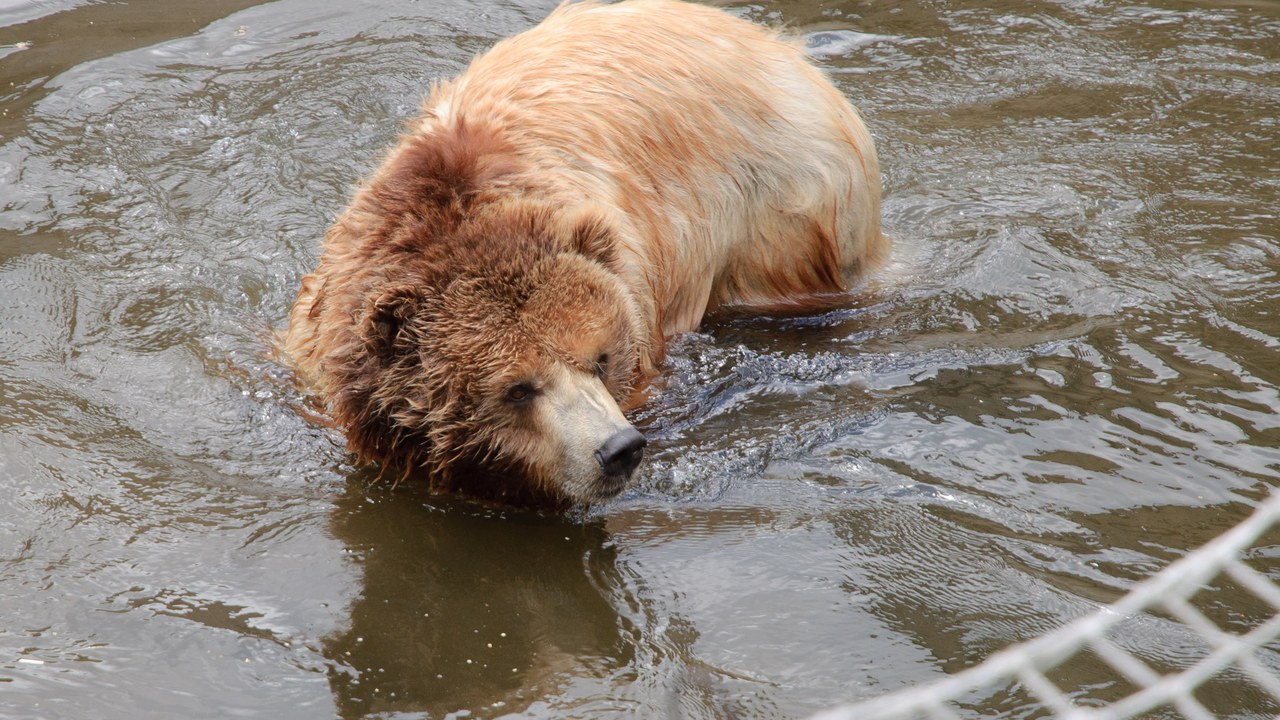
Yellowstone requires visitors to stay at least 100 yards from bears, carry bear spray and hike in groups of three or more, as laid out in the park’s safety page.
The distance is four times the margin set for bison and elk, which signals how seriously the park treats an encounter. Group hiking and spray are meant to prevent or end a surprise meeting at close range. These are park rules rather than injury statistics, so they show caution, not a ranking of danger. Rangers pair the distance rule with the gear advice because each measure covers a different failure. Carrying spray without keeping distance would defeat the purpose of the system.
3. Elk: Cows Count Too
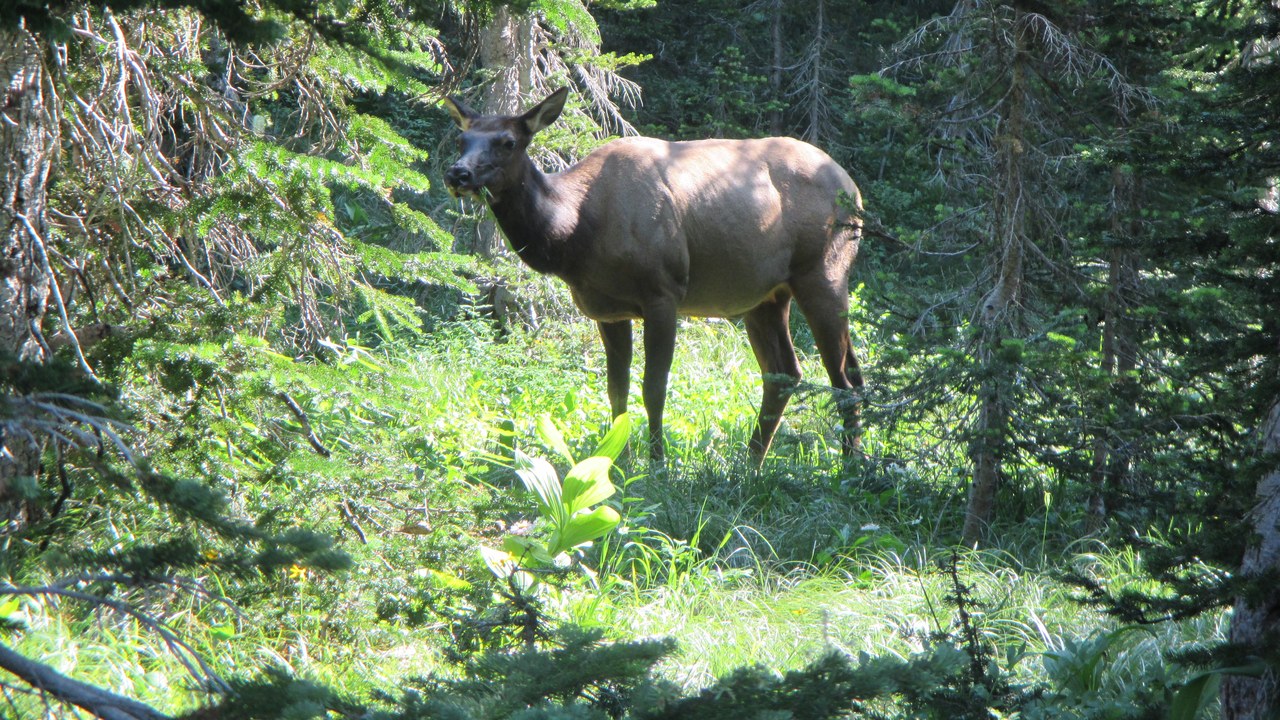
Both bulls and cows are treated as dangerous, with a 25-yard minimum and specific warnings for spring calving and the fall rut, per the Yellowstone safety guidance.
Many visitors assume only antlered males pose a threat, yet the guidance covers cows as well, especially when calves are nearby. The seasons named matter because behavior shifts sharply during calving and the rut. The warning describes risk during those periods and does not claim every elk encounter turns hostile. Park staff stress giving elk wide room on lawns, roads and trails, where the animals often graze near people. Treating them as scenery is the habit the guidance aims to break.
4. Great white shark: The Shark Named First
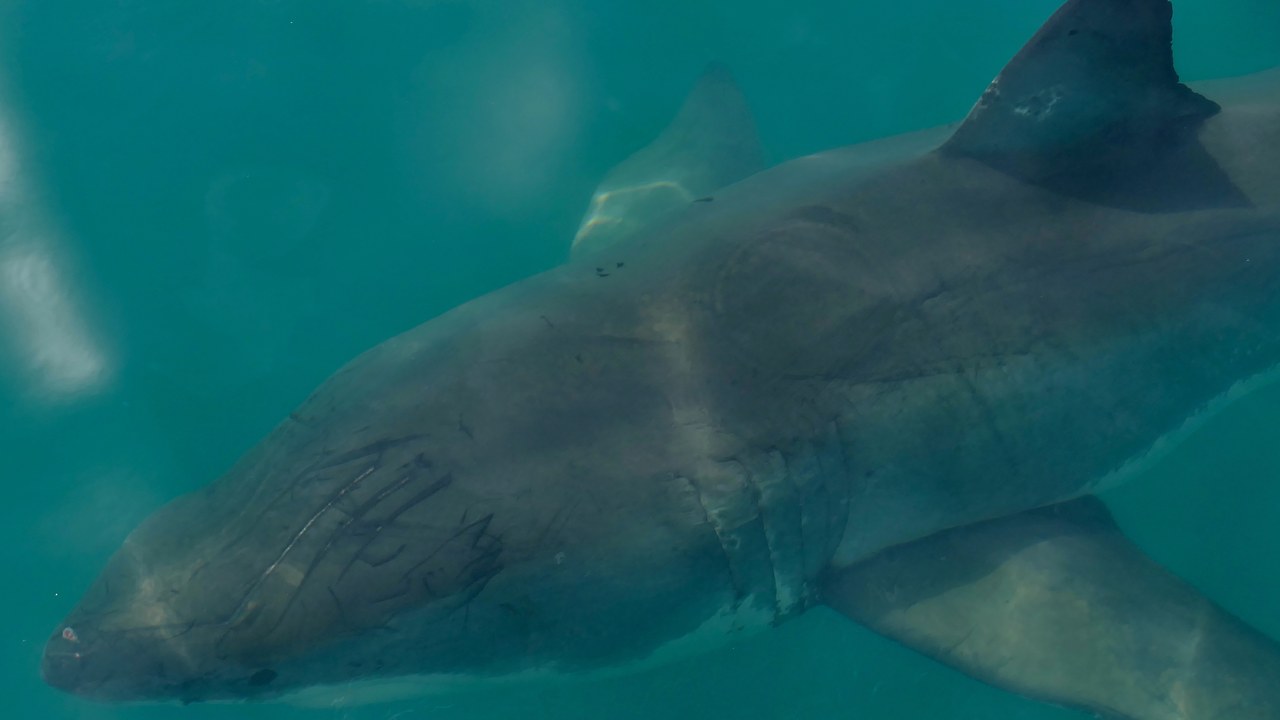
Named first among the only three shark species responsible for a double-digit number of fatal, unprovoked attacks on humans, according to the Wikipedia overview of shark attacks.
The placement reflects the long record behind the species rather than a typical encounter. Fatal attacks remain extremely rare compared with the number of people who swim in the ocean. The source also stresses unprovoked incidents, so bites from provoked or fed sharks fall outside that count. Readers should treat the ranking as context for ocean safety rather than a reason to avoid the water entirely. Local lifeguard advice remains the practical guide at any beach.
5. Tiger shark: The Middle of the Big Three
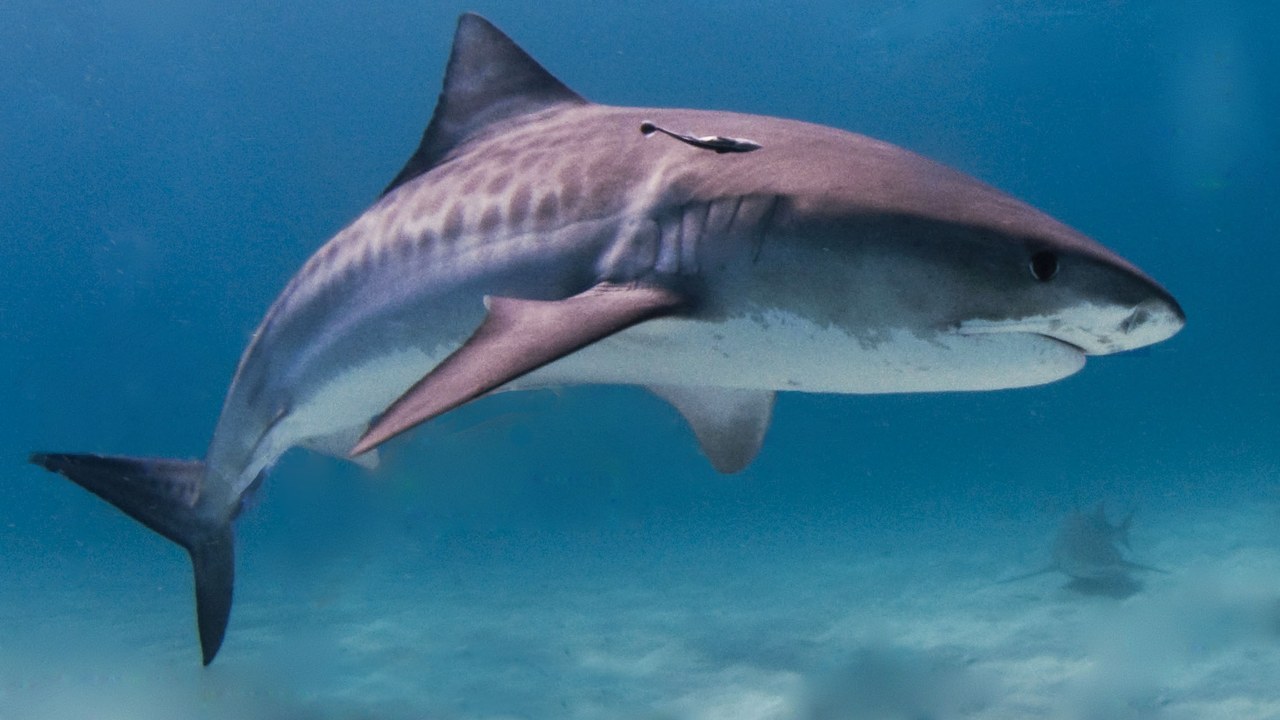
One of just three sharks, with the great white and the bull, behind a double-digit count of fatal unprovoked attacks on humans, as the shark attack article explains.
Being on that short list does not make a bite likely for any single swimmer. The three share the listing mainly because of size, range and the amount of time they spend near people. The count covers unprovoked fatalities only and says nothing about total bites. Beach safety groups generally recommend avoiding murky water, dawn and dusk swimming, and areas with schooling fish. Those habits cut risk more than knowing any species list.
6. Bull shark: Shallow Water Risk
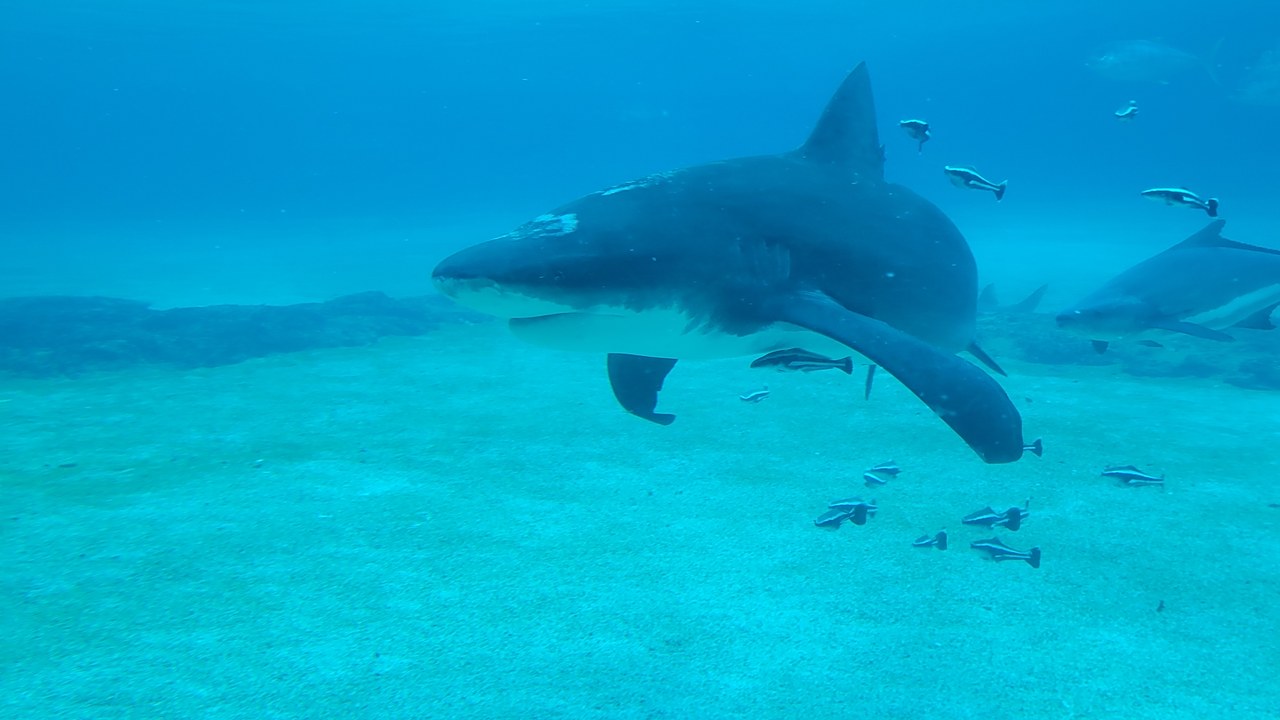
Named with the great white and the tiger as the only three sharks with a double-digit number of fatal unprovoked attacks on humans, per the shark attack reference article.
Bull sharks are often discussed alongside the other two because they tolerate shallow and brackish water close to shore. That habit puts them in contact with swimmers more than many larger species. The listing is a tally of fatal unprovoked cases, and it does not measure how often the species bites overall. Rivers, estuaries and harbors can therefore carry the same caution as open surf. Swimmers in murky coastal water are the group the listing most directly concerns.
7. Blacktip shark: Plenty of Bites, No Deaths
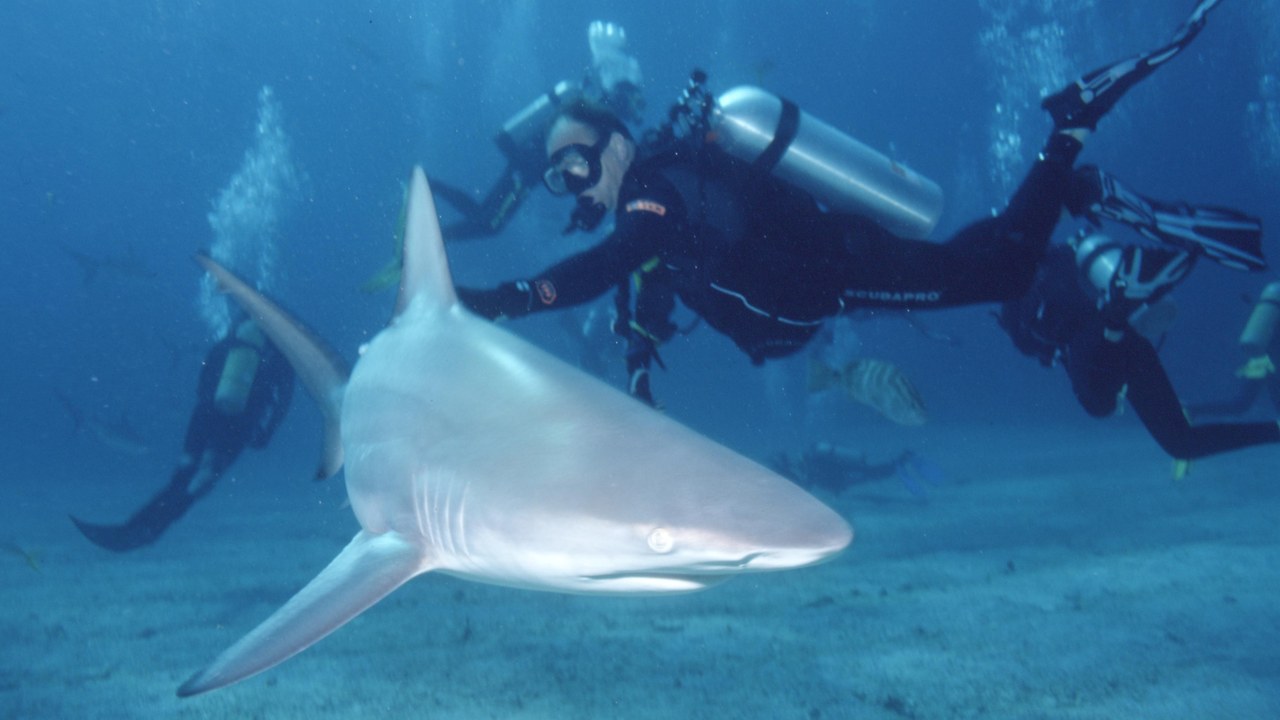
35 confirmed unprovoked attacks, zero fatal, making it a surf-zone biter that almost never kills, based on the Florida Museum species list.
The figure shows how a species can appear often in bite records without being deadly. Blacktips are typically small enough that a bite is painful and needs treatment but is rarely life threatening. The tally comes from one museum database, so counts elsewhere may differ, and zero fatalities is a historical record rather than a guarantee. Even so, a bite from any shark can cause serious tissue damage and calls for prompt medical care. Splashy surf-zone feeding frenzies are when most of these incidents happen.
8. Sand tiger shark: A Fearsome Look, A Clean Record
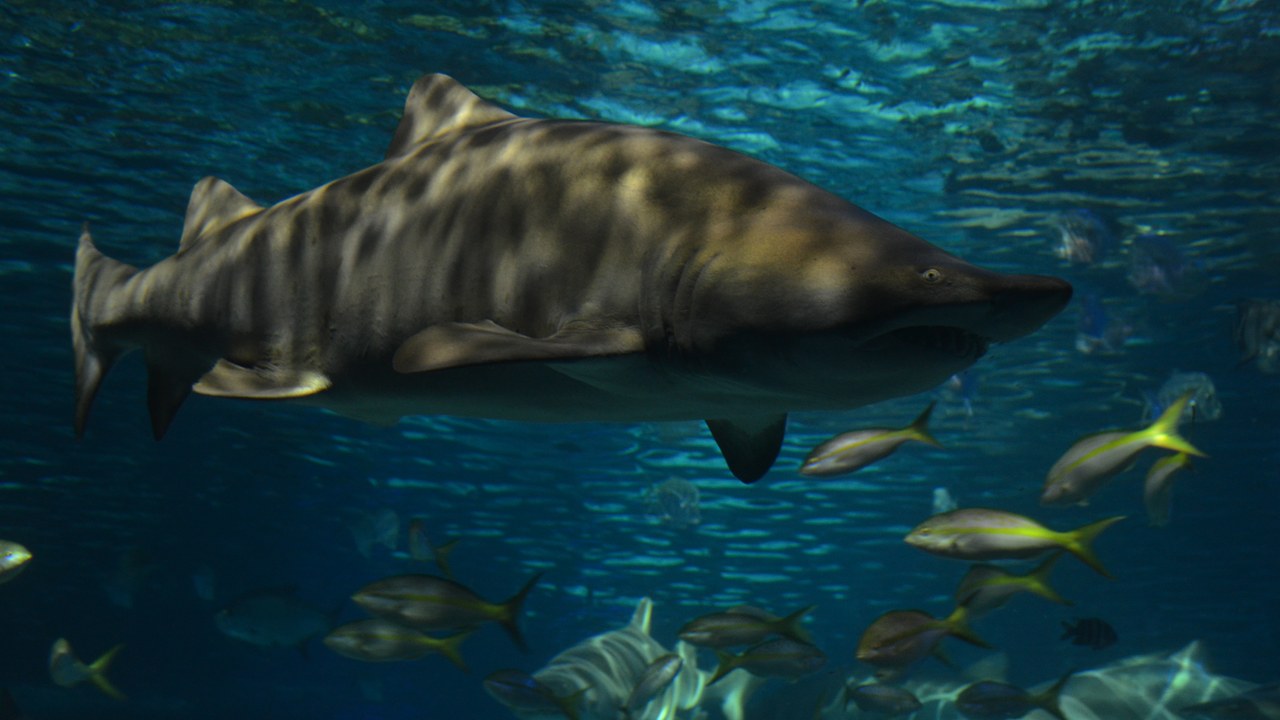
36 confirmed unprovoked attacks and not one of them fatal, according to the Florida Museum species list.
The species has a menacing set of teeth, which makes the clean record notable for anyone expecting the worst. Sand tigers tend to be sluggish and rarely bite without provocation, and that behavior helps explain the number. The data covers confirmed unprovoked cases only, so it does not speak to bites from provoked animals. Divers and aquarium visitors often see the species gliding slowly with its mouth open, a posture that is not a sign of aggression. Respecting distance still applies to any wild shark.
More from Morning Overview
- Comcast is shutting down its email service, and Xfinity customers must act to keep it
- Invisible volcanic gas at a California ski resort has killed three ski patrollers
- Verizon just moved to cut landline phone service in 9 states within weeks
- Tropical Storm Rachel is dumping up to 12 inches on four Mexican states on its way to major hurricane strength
