
Every console generation leaves behind machines that sold badly, shipped late or cost too much, and the industry moved on without them. Decades later the same failures are hunted down by collectors, because low production runs and short library lists are exactly what make hardware scarce. Here are eight consoles that flopped commercially and later became collector’s items.
1. Virtual Boy: Red Light, Short Life

Nintendo shipped the Virtual Boy in July 1995 as a tabletop headset that rendered games in monochrome red on twin LED arrays, priced at $179.95. Eye strain complaints, a library of only 22 titles and a stand that forced an awkward hunched posture sank it, and Nintendo halted production within roughly a year, having moved about 770,000 units. Consumer electronics of that era are now cataloged in institutional archives such as the Smithsonian’s collections catalog.
Scarcity flipped the failure into value: boxed systems and low-print releases such as Jack Bros. now command far more than their original retail prices among collectors.
2. Sega 32X: The Stopgap Between Generations
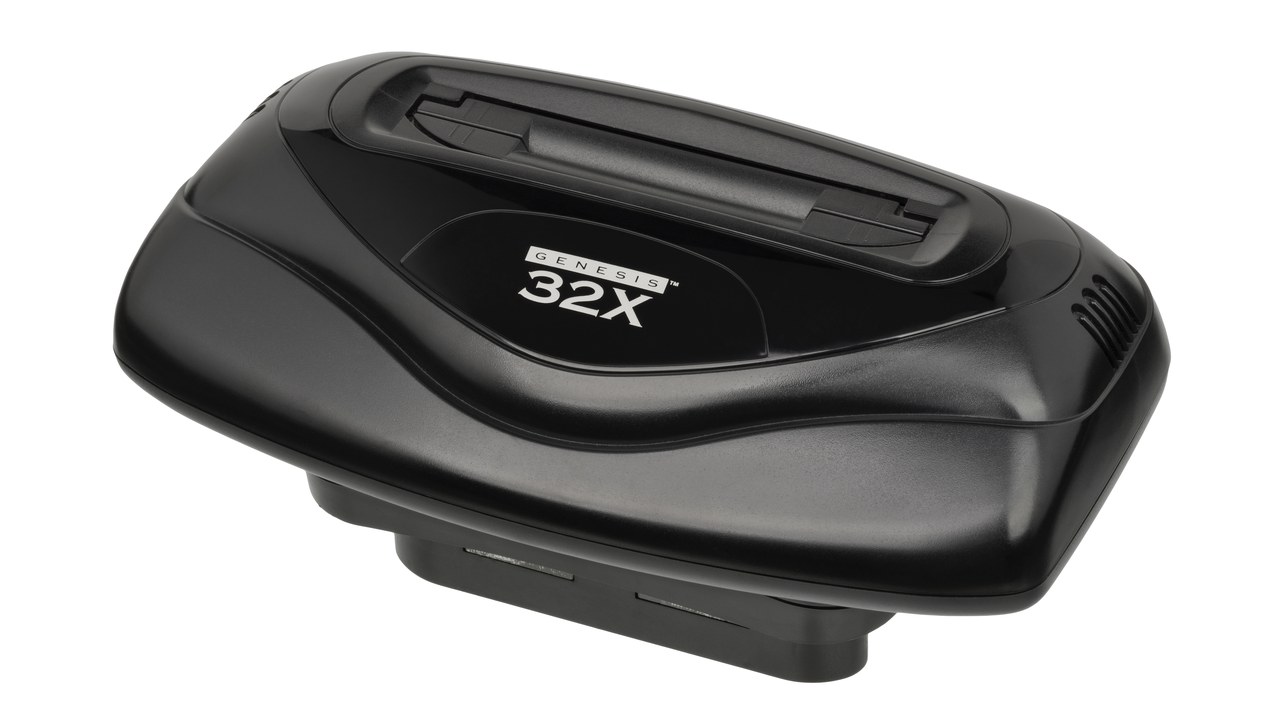
Sega answered the coming 32-bit generation by bolting one onto the machine it already had: the Genesis 32X plugged into the cartridge slot in November 1994 at about $159 and added a pair of SH-2 processors under a mushroom-shaped shell. It arrived just six months before the Saturn reached North American shelves, splitting Sega’s own developers and confusing retailers about which platform the company actually wanted to sell.
Support collapsed almost immediately, with only about 40 games released before Sega discontinued it in 1996 and cleared remaining stock at under $20. Roughly 800,000 units shipped, and complete boxed examples with the original sleeve now sell well above that clearance price.
3. Atari Jaguar: The 64-Bit Claim With No Games
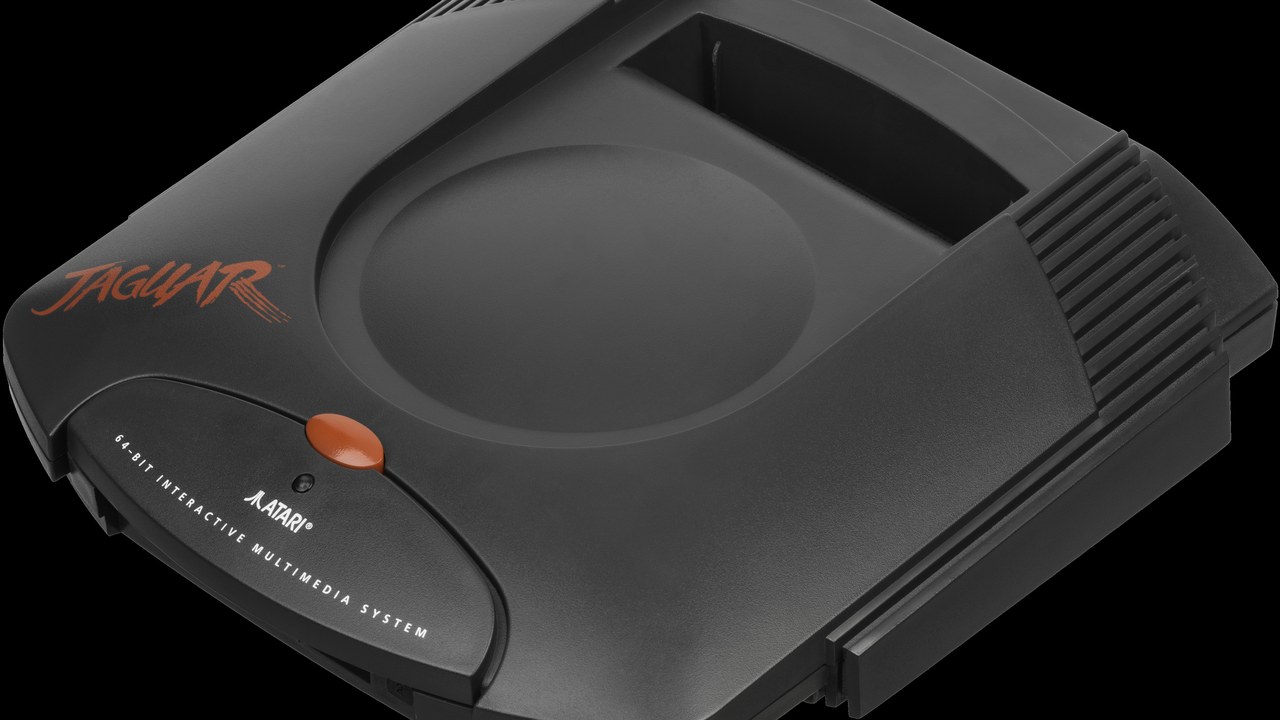
Advertising for the Jaguar leaned on a 64-bit claim built from two custom 32-bit chips working beside an aging Motorola 68000, a configuration developers found difficult to exploit. About 50 cartridge titles reached the market across its life, and Atari sold roughly 250,000 units before abandoning hardware entirely in 1996. Its controller carried three face buttons plus a twelve-key numeric pad covered by game-specific overlays.
Low production totals made the console and its short-lived CD add-on prizes for collectors, with sealed copies of the scarcest releases regularly selling for hundreds of dollars at auction.
4. 3DO Interactive Multiplayer: The $700 Standard Nobody Subsidized
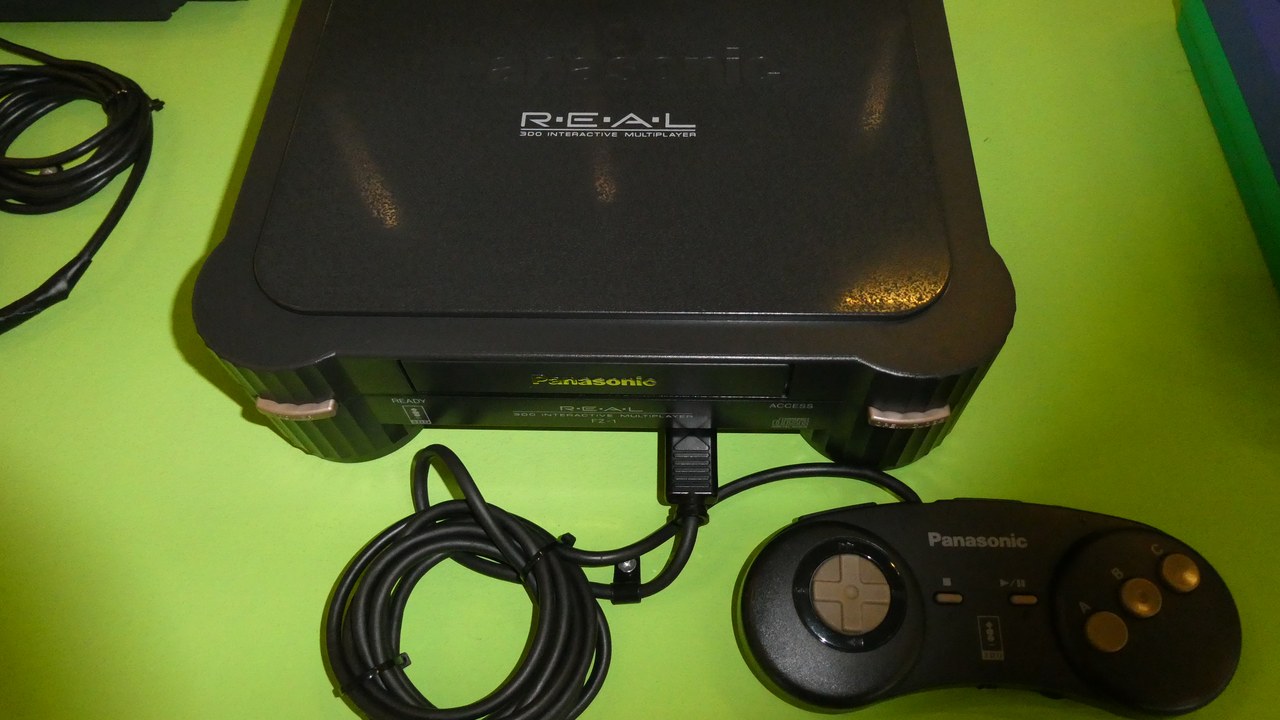
Trip Hawkins built the 3DO as a licensed standard rather than a product: Panasonic, Sanyo and GoldStar manufactured the hardware and paid a per-disc royalty, which meant nobody could subsidize the console the way Sega and Sony did. Panasonic’s FZ-1 landed in October 1993 at $699.99, roughly triple the price of its rivals. The 32-bit multimedia player was gone from production by 1996.
Magazines named it a product of the year before that price collapsed demand, and surviving units, particularly the Sanyo and GoldStar variants, now trade as scarce curiosities of the CD-ROM era.
5. Sega Dreamcast: Online First, Gone Too Soon
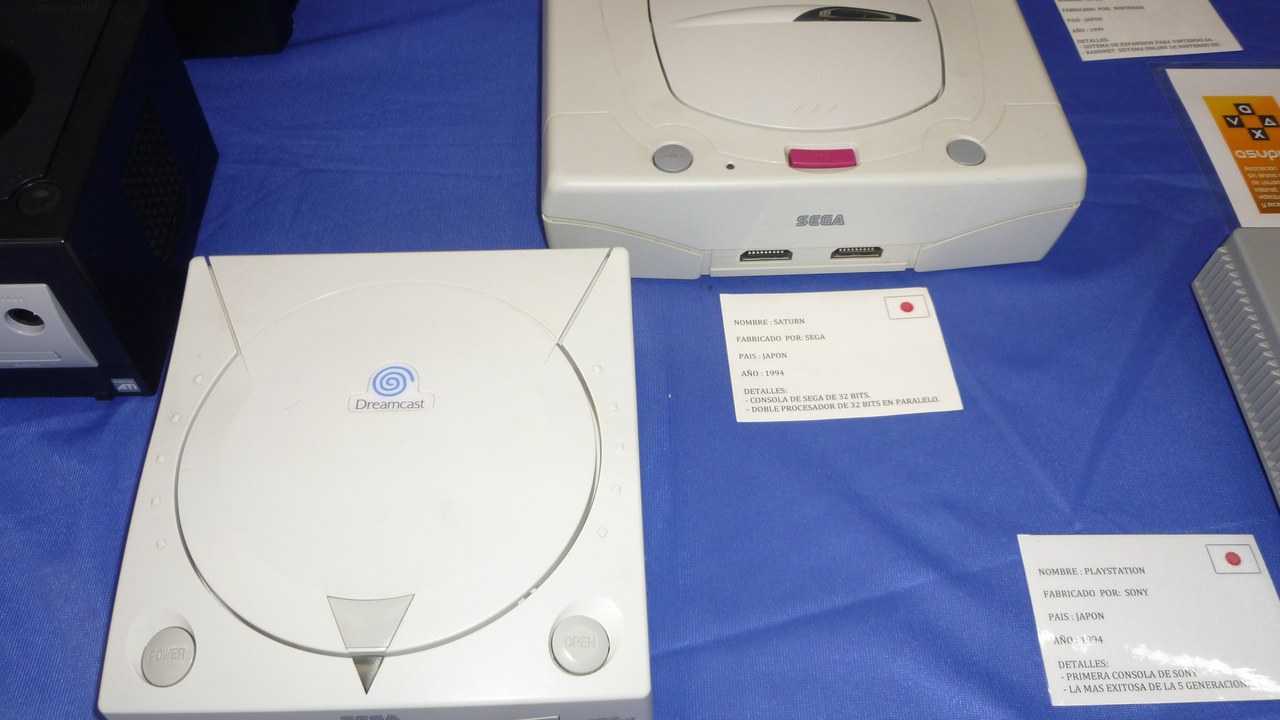
Sega’s final console reached North America on September 9, 1999 with a built-in 56k modem, a browser disc and online play years before rivals treated the internet as standard. Launch day moved more than 225,000 units, yet the PlayStation 2 announcement, weak third-party support and Sega’s exhausted finances ended it fast. The 128-bit Dreamcast was discontinued in March 2001 at about 9.13 million sold.
Sega left the hardware business permanently, and the machine’s cult reputation, aided by an unusually creative library and a long tail of independent releases, keeps boxed units in steady demand.
6. Neo Geo AES: Arcade Perfect at a Luxury Price
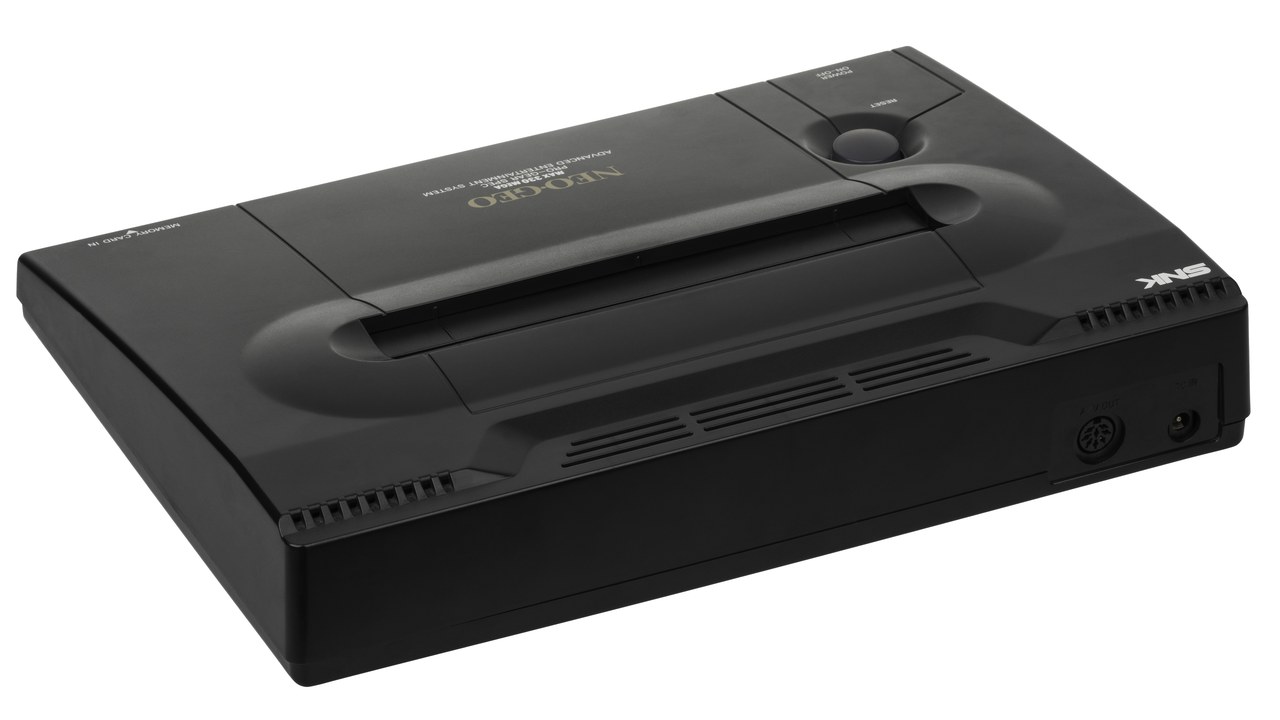
SNK put genuine arcade hardware in living rooms in 1990 and priced it accordingly: the Advanced Entertainment System listed at $649.99 while individual cartridges ran $200 or more, several times what a Genesis game cost. Because the AES shared its board with the coin-operated MVS, arcade ports were flawless conversions rather than compromises, but the home cartridge format stayed a niche luxury throughout its run.
Tiny print runs and that arcade-perfect reputation turned the library into the most expensive mainstream collecting category in gaming, where individual sealed cartridges cross four figures routinely.
7. Nokia N-Gage: The Phone Held Sideways
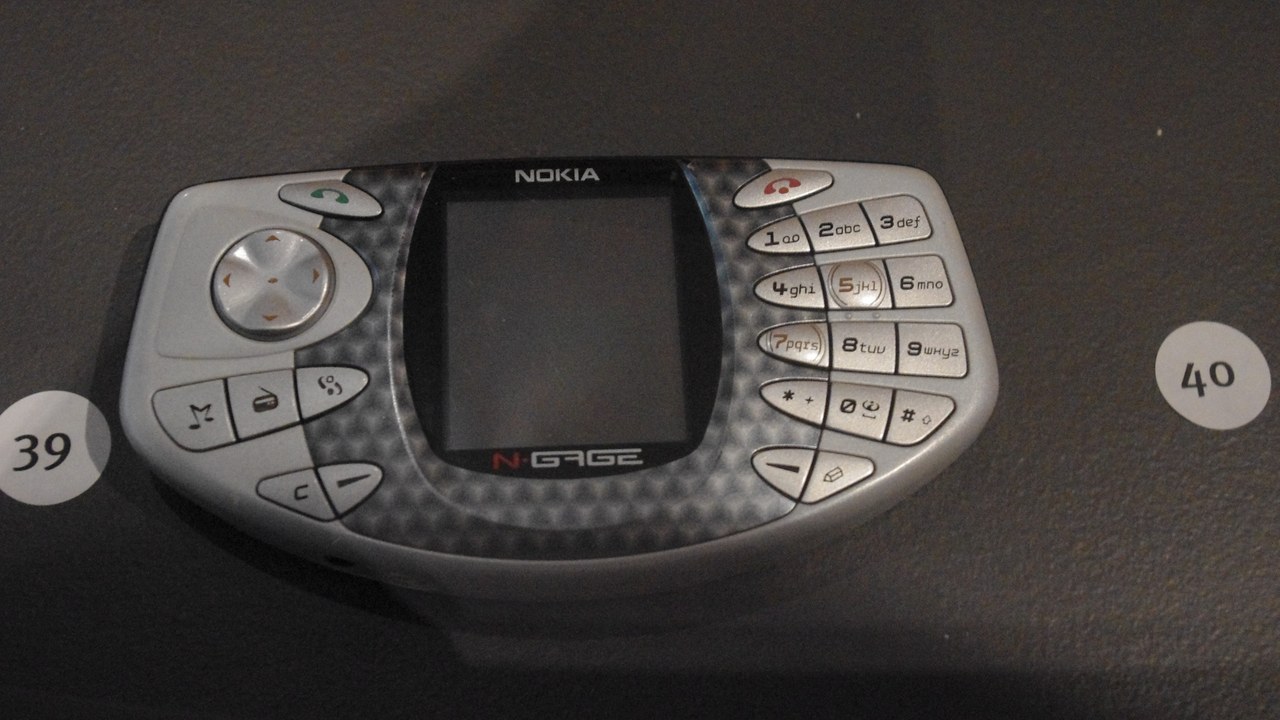
Nokia’s attempt to fuse a phone with a handheld arrived in October 2003 at $299 and immediately drew ridicule for its ergonomics: calls required holding the device edge-on against the cheek, a posture nicknamed sidetalking, and changing a game meant removing the back cover and the battery. A revised N-Gage QD model fixed both flaws in 2004, but the launch impression had already set.
Sales never approached Nokia’s projections against the Game Boy Advance, and the taco-shaped original now circulates as a design-failure landmark, valued by collectors precisely for how badly it was received.
8. Ouya: Crowdfunded and Quickly Abandoned
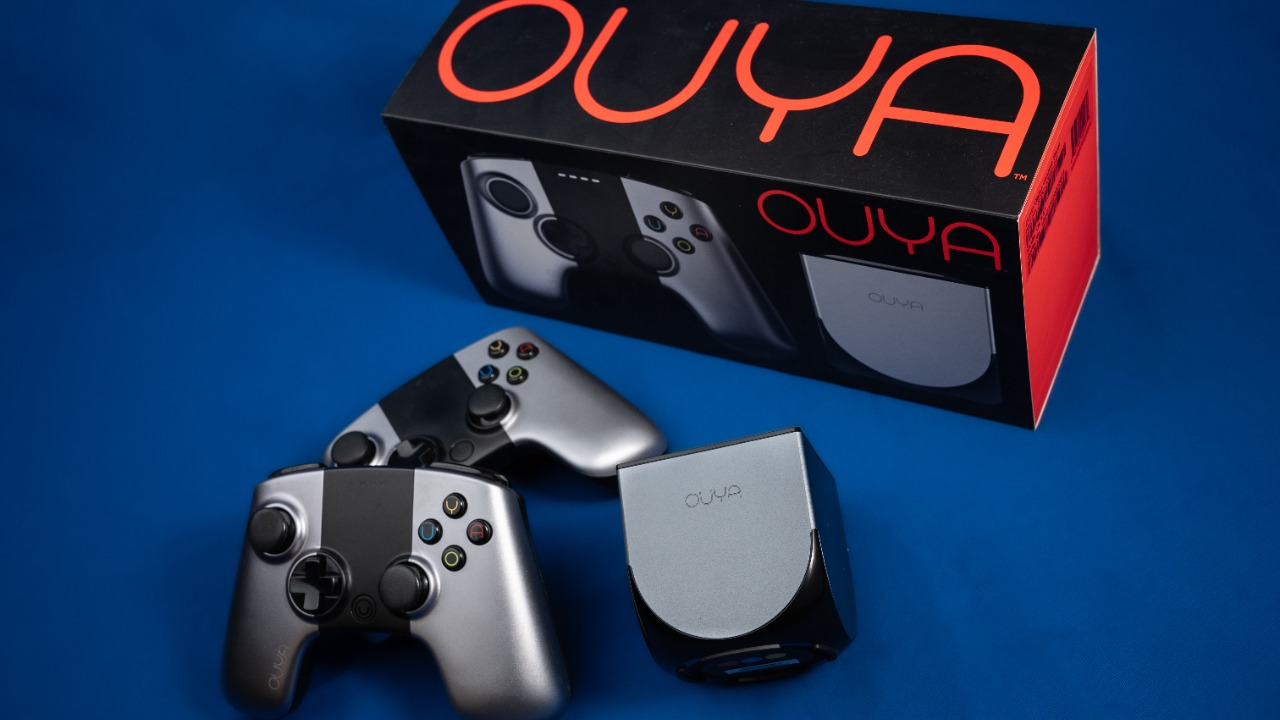
Crowdfunding gave the Ouya an extraordinary start, raising $8.5 million from about 63,000 backers on Kickstarter in 2012, a record for the platform at the time, and a $99 Android microconsole reached retail in June 2013. Build quality complaints, a controller with sticky buttons and a catalogue of mobile ports left the Android-based microconsole without a reason to sit under a television.
Razer bought the remains in 2015 and shut the servers down in June 2019, stranding purchases; complete boxed units survive as a compact artifact of the crowdfunding boom’s limits, and of how quickly a hyped platform can vanish.
More from Morning Overview
