
Supertall construction has turned from a novelty into a contest among cities with money, ambition and engineers willing to test what concrete and steel will do. Each of these towers solved a different structural problem on the way up, from wind to earthquakes to soft ground. Here are eight supertall skyscrapers reshaping the world’s skylines.
1. Burj Khalifa: The 2,717-Foot Benchmark
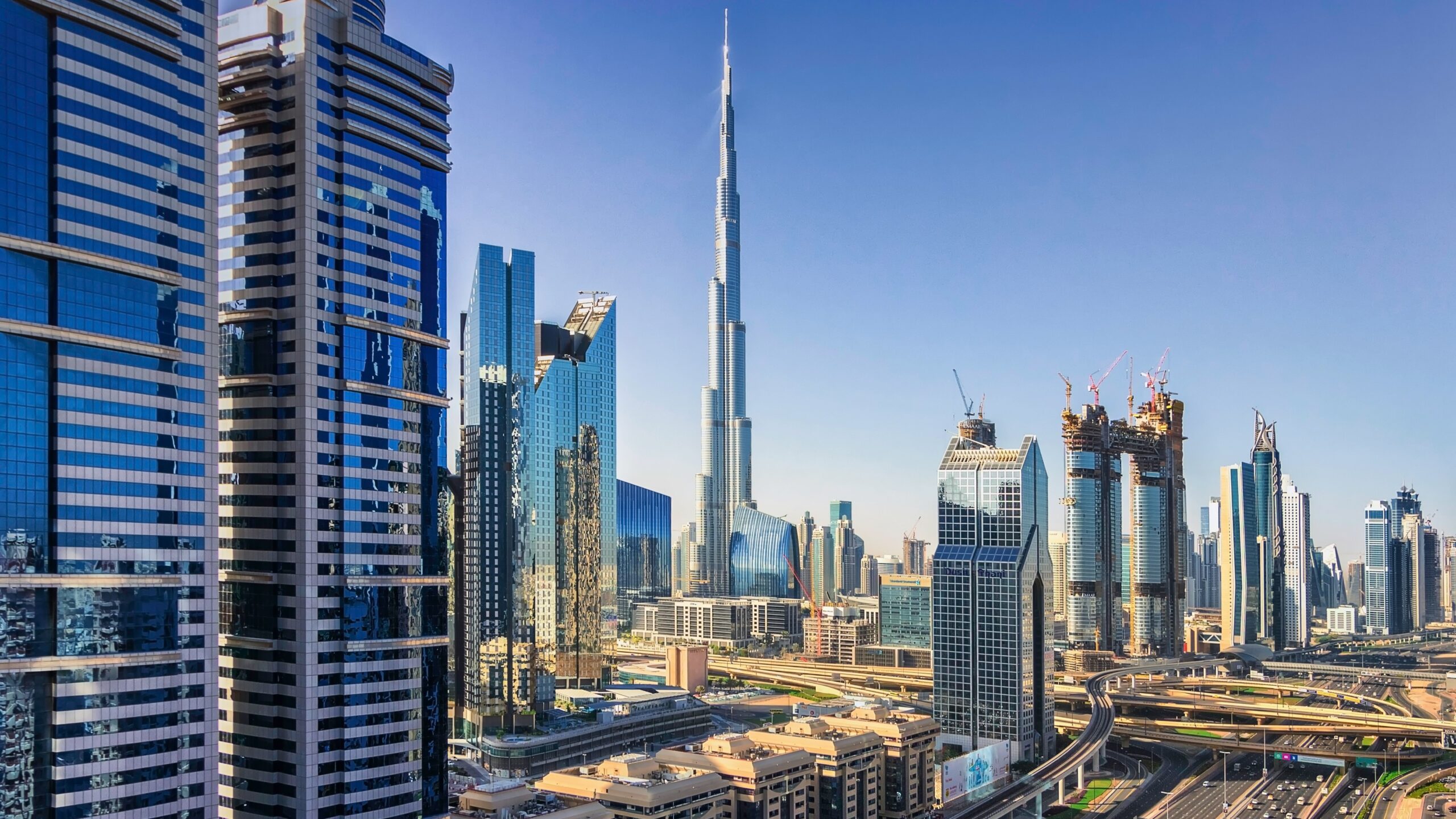
Dubai’s spire rises 2,717 feet, or 828 meters, and has stood as the tallest building on Earth since it opened in January 2010. Its architects worked from a buttressed core: a Y-shaped footprint whose three wings brace a central hexagonal shaft against wind. The shaft steps back in a spiral as it climbs, so gusts never organize into a single rhythm strong enough to rock the structure.
Height on that scale is a real-estate argument as much as an engineering one. Hundreds of feet above the highest occupied floor the spire is structure alone, and the payoff sits in the rents and room rates commanded by the address beneath it.
2. Merdeka 118: The Spire That Took Second
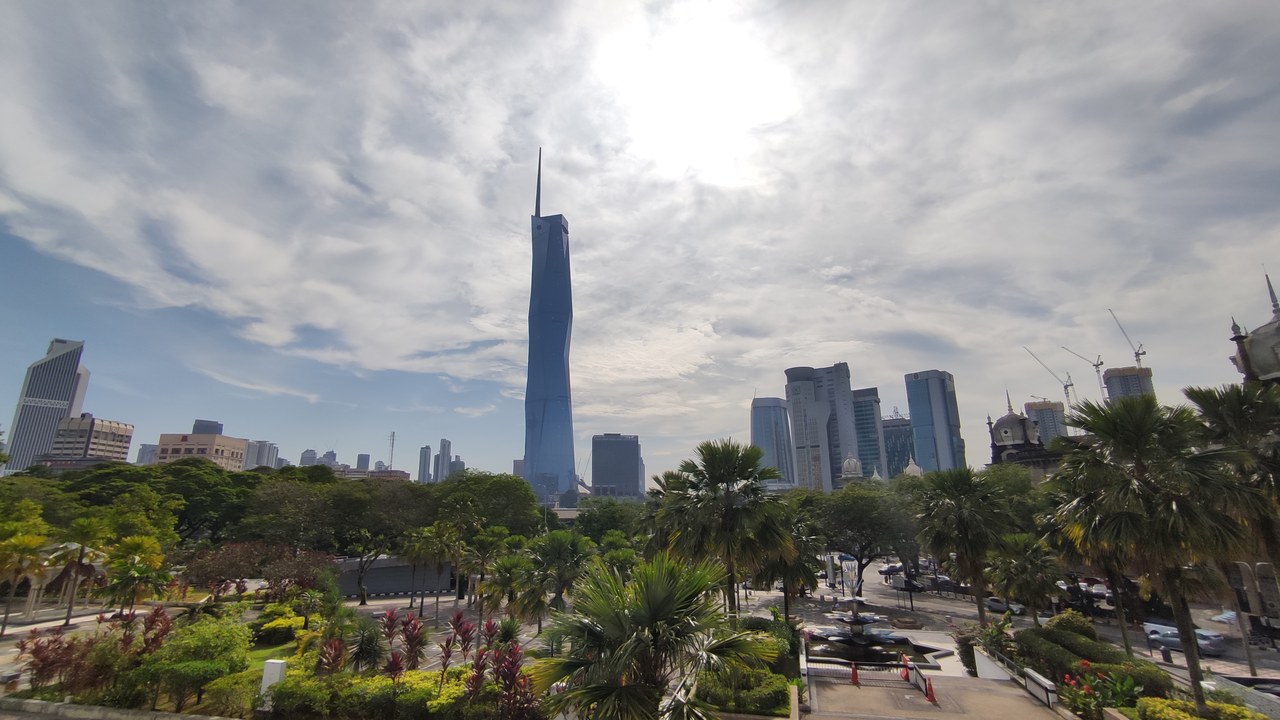
Kuala Lumpur answered with a 2,227-foot tower that now ranks second in the world, trailing only Dubai. Merdeka 118 topped out in late 2021 and opened in January 2024, carrying 118 floors of offices, a hotel and an observation deck. Its faceted glass skin was drawn from the raised hand of Malaysia’s first prime minister at the 1957 independence proclamation, and a slender crown accounts for a large share of the listed height.
That distinction matters, because the rankings measure to the architectural top rather than to the last occupied floor. A building can therefore climb the list on a steel needle that holds no tenants at all.
3. Shanghai Tower: A 120-Degree Twist
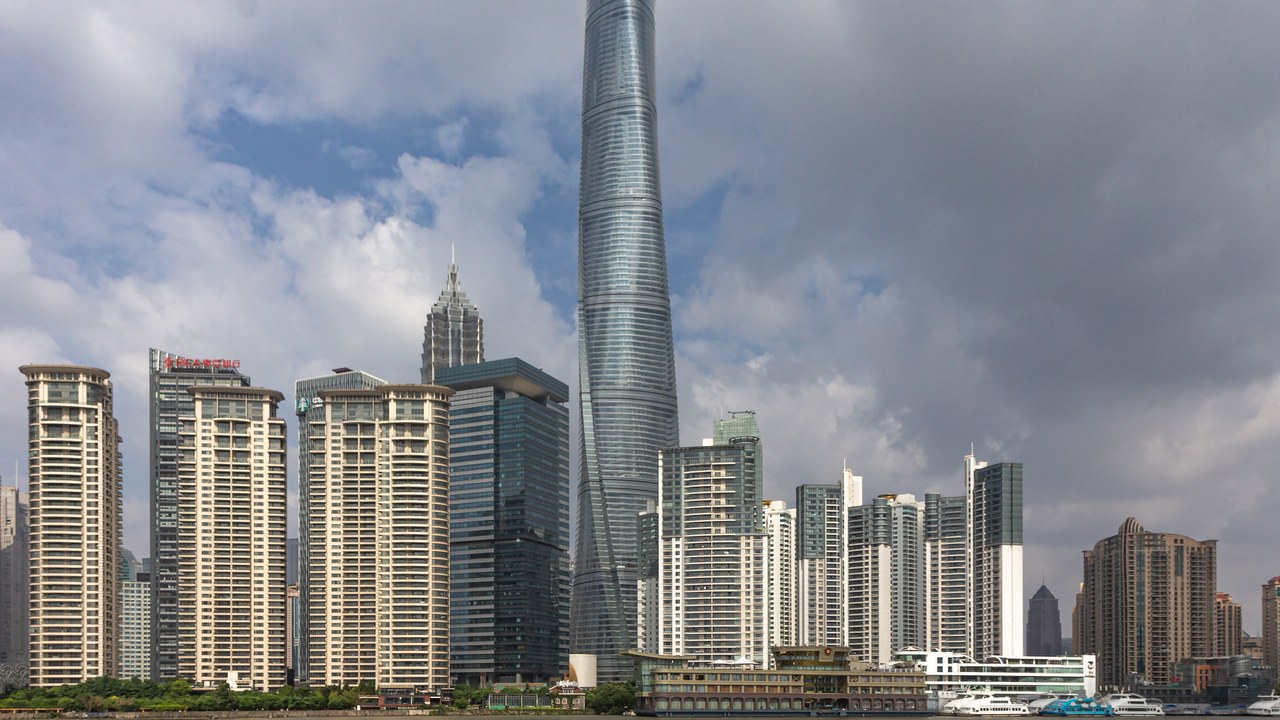
Rising 2,073 feet above Pudong, the twisting Shanghai Tower rotates roughly 120 degrees between base and crown, a shape its engineers credited with cutting wind load by about 24 percent and trimming the steel bill with it. A second glass skin wraps the inner tower, and the gap between the two forms nine stacked sky atria. Its elevators run among the fastest ever installed, climbing at about 20.5 meters per second.
The double facade does commercial work as well as structural work, giving each vertical neighborhood its own garden and lobby. Zoning a 128-floor building that way is how a tower avoids reading as one endless corridor.
4. Abraj Al-Bait: The Clock Above Mecca
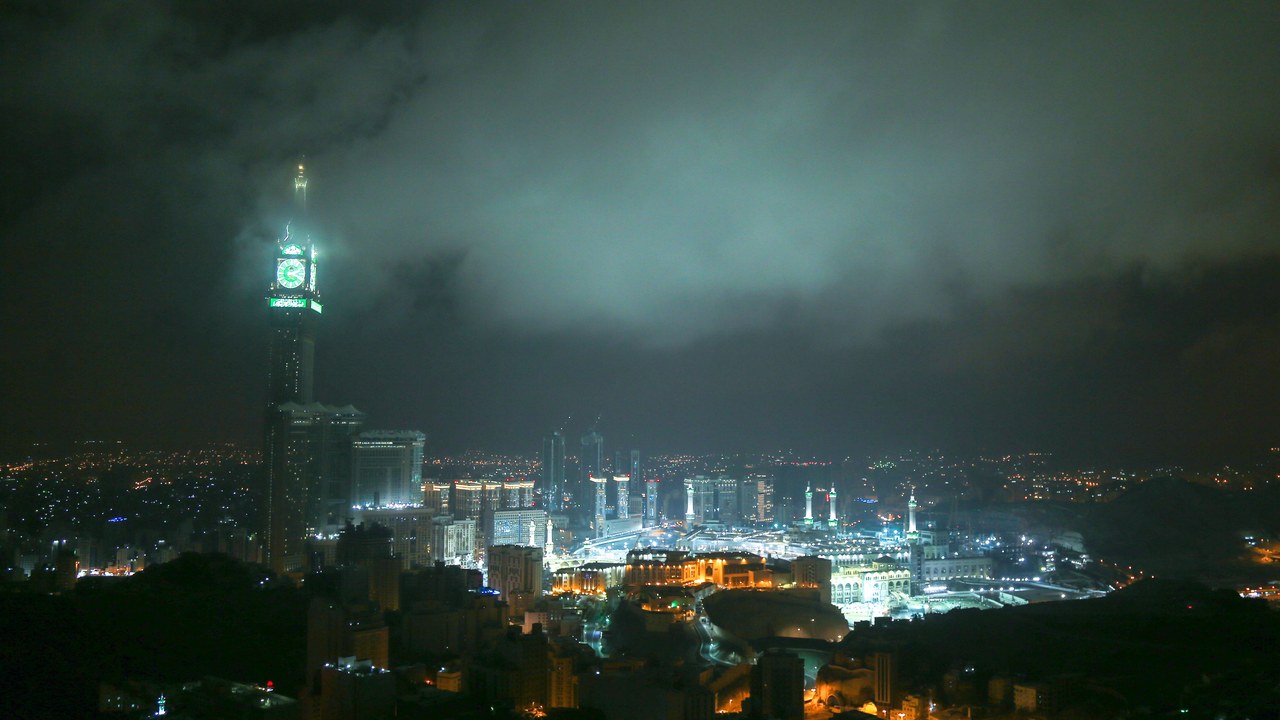
Overlooking the Great Mosque in Mecca, the Makkah Royal Clock Tower reaches 1,972 feet and anchors a complex of seven towers built to house pilgrims. Each of its four clock faces measures about 43 meters across, the largest ever constructed, and they are legible from miles away once lit at night. The development replaced an Ottoman-era fortress on the site, a demolition that drew sustained criticism from preservationists.
Function drove the scale here: the complex holds thousands of hotel rooms and a multi-story retail concourse serving the annual hajj. Few skyscrapers anywhere are sized so directly around a single recurring crowd.
5. Ping An Finance Centre: The Spire Aviation Denied
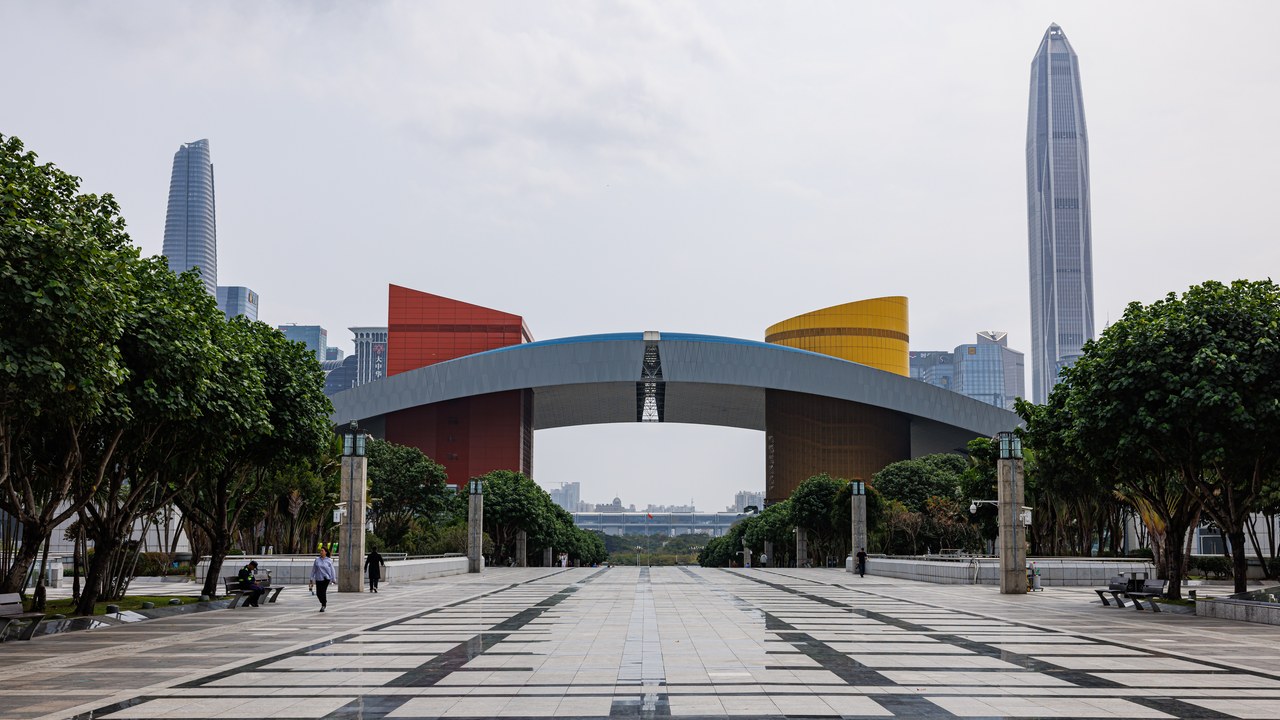
Shenzhen’s Ping An Finance Centre tops out at 1,965 feet across 115 floors and opened in 2017 as one of the largest office towers in the country. Stainless steel clads its exterior megacolumns, a finish chosen in part for durability in a humid subtropical climate. A tall antenna spire in the original design was dropped over air-traffic concerns, which cost the building several places in the global height rankings.
Rankings aside, the tower functions as a statement about Shenzhen itself, a city that went from manufacturing zone to finance and technology center inside a single working lifetime.
6. Lotte World Tower: Seoul’s Tapered Cone
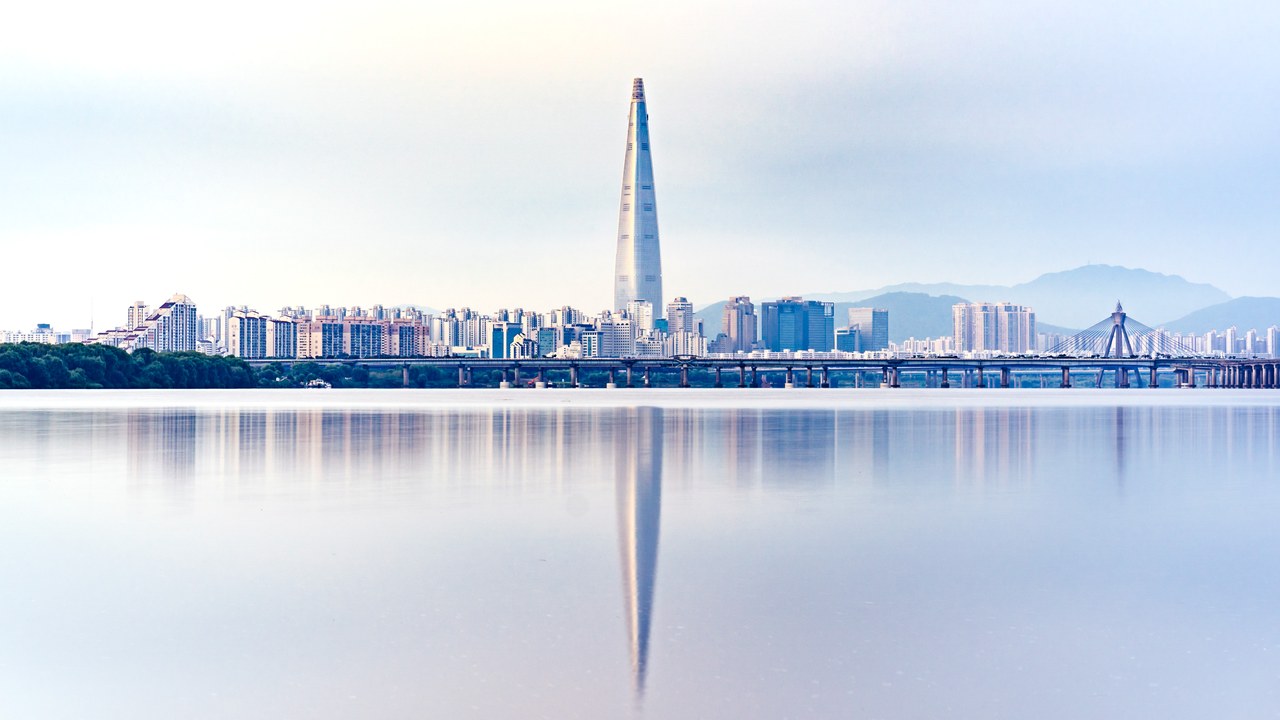
At 1,821 feet, Lotte World Tower is the tallest building in South Korea, opened to the public in April 2017 after years of delay tied to flight paths at a nearby air base. Its 123 floors taper into a cone split by a seam of glass running the full height, a form the designers traced to Korean ceramics and calligraphy. Foundations were driven into bedrock beneath soft riverside ground.
An observation deck with a glass floor occupies the upper levels, while the podium below holds a shopping and entertainment complex. That mixed program is the commercial logic funding most supertall projects.
7. One World Trade Center: 1,776 Feet, By Design
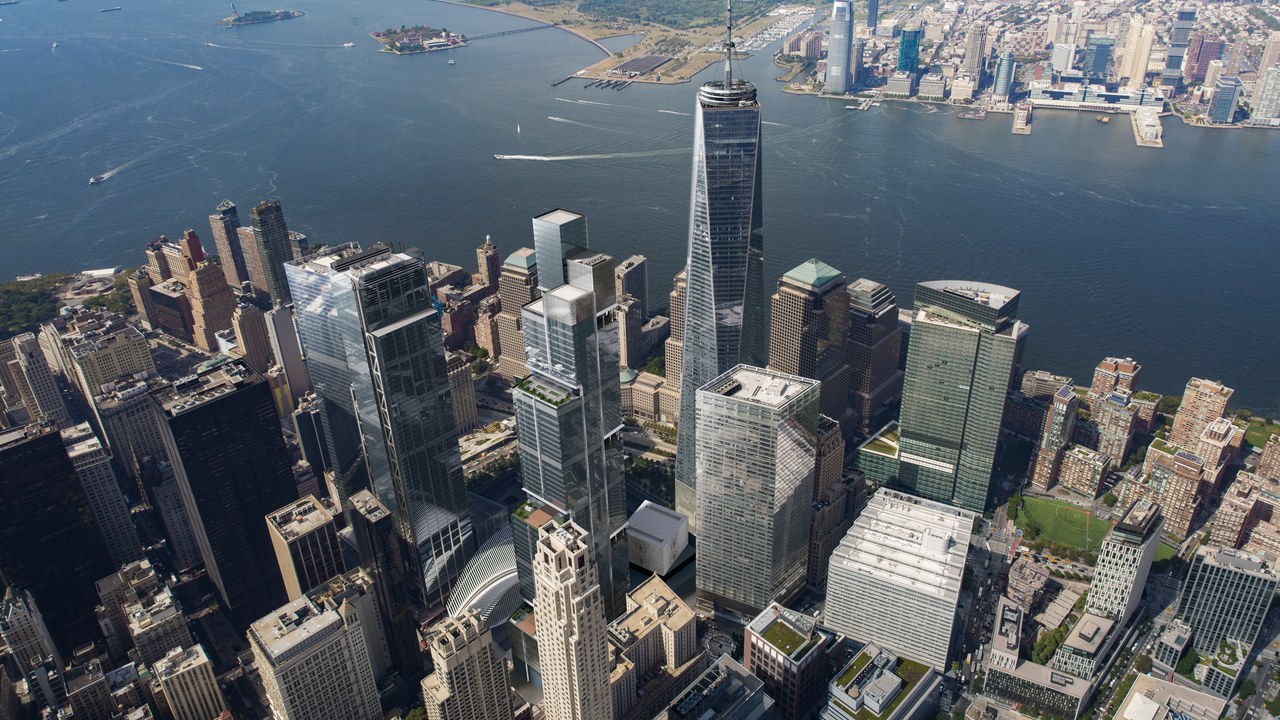
New York’s One World Trade Center reaches exactly 1,776 feet, a number chosen for the year of the Declaration of Independence, and it remains the tallest building in the Western Hemisphere. The tower opened in November 2014 with 104 floors above a windowless concrete base roughly 185 feet tall. Reinforced concrete rather than steel forms the core, wrapped around extra-wide pressurized stairwells and dedicated firefighter access.
Those choices were written after the 2001 attacks and the engineering reviews that followed them. The building is as much a code experiment as a landmark, and later towers borrowed its life-safety detailing.
8. Taipei 101: The 660-Ton Pendulum
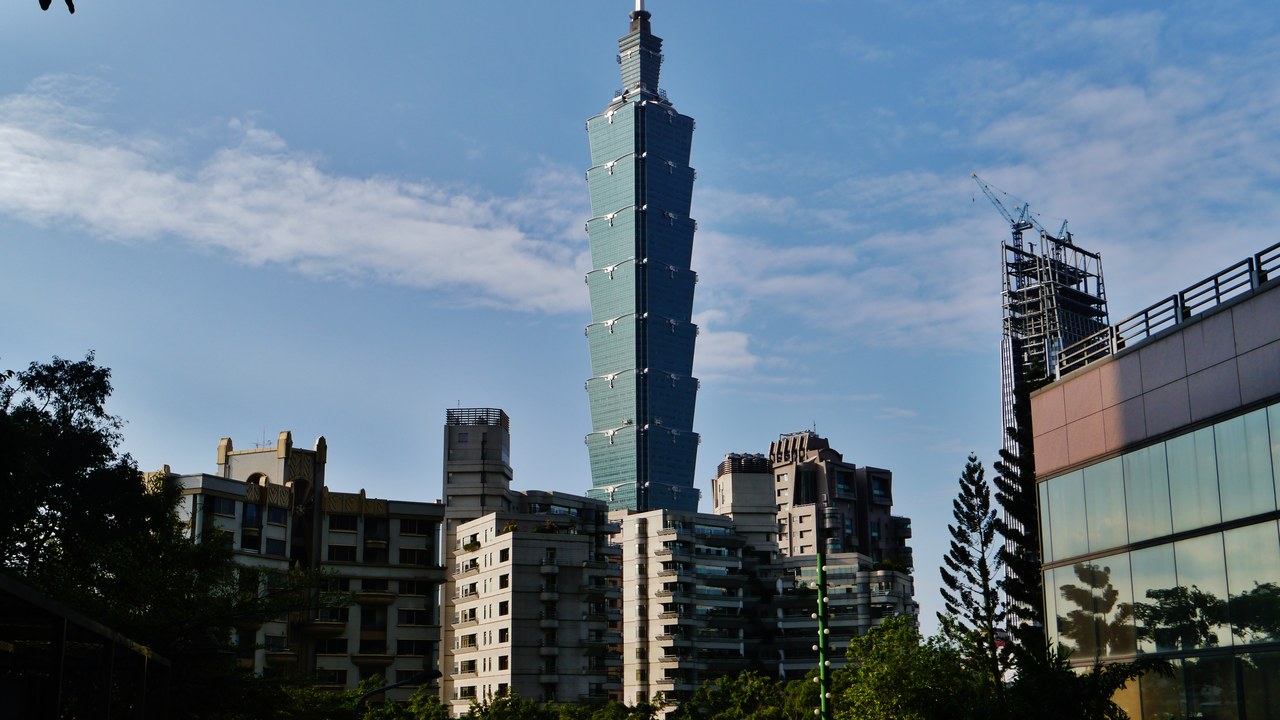
Between the 87th and 92nd floors of Taipei 101 hangs a golden steel sphere of roughly 660 metric tons, a tuned mass damper that swings against the building’s motion during typhoons and earthquakes. The 1,667-foot tower held the world height record from 2004 until the Burj Khalifa passed it in 2010. Segmented tiers give its profile the look of a bamboo stalk or a stack of ceremonial boxes.
Visitors can walk up and look at the damper, an unusual decision that turned structural hardware into an attraction. Standing in a typhoon corridor on a seismically active island, the tower had little reason to hide its bracing.
More from Morning Overview
- The Pentagon’s newest UFO files describe a fish-scaled, potato-shaped object on camera
- Scientists spotted a rare tusked whale alive at sea for the first time, then fired a crossbow at it.
- A Colorado wildfire forced level-three ‘leave now’ orders across Ouray County
- A skeleton beneath Petra’s Treasury was found clutching a chalice that resembles the Holy Grail
