
Not every safety recall ends with a mechanic bolting on a new part. In September 2026, federal campaigns for these models were resolved by software alone, delivered at a dealer or straight to the vehicle over the air. Eight recalled vehicles follow, each with the exact problem and the digital repair.
1. Cadillac Optiq: Express-Up Windows
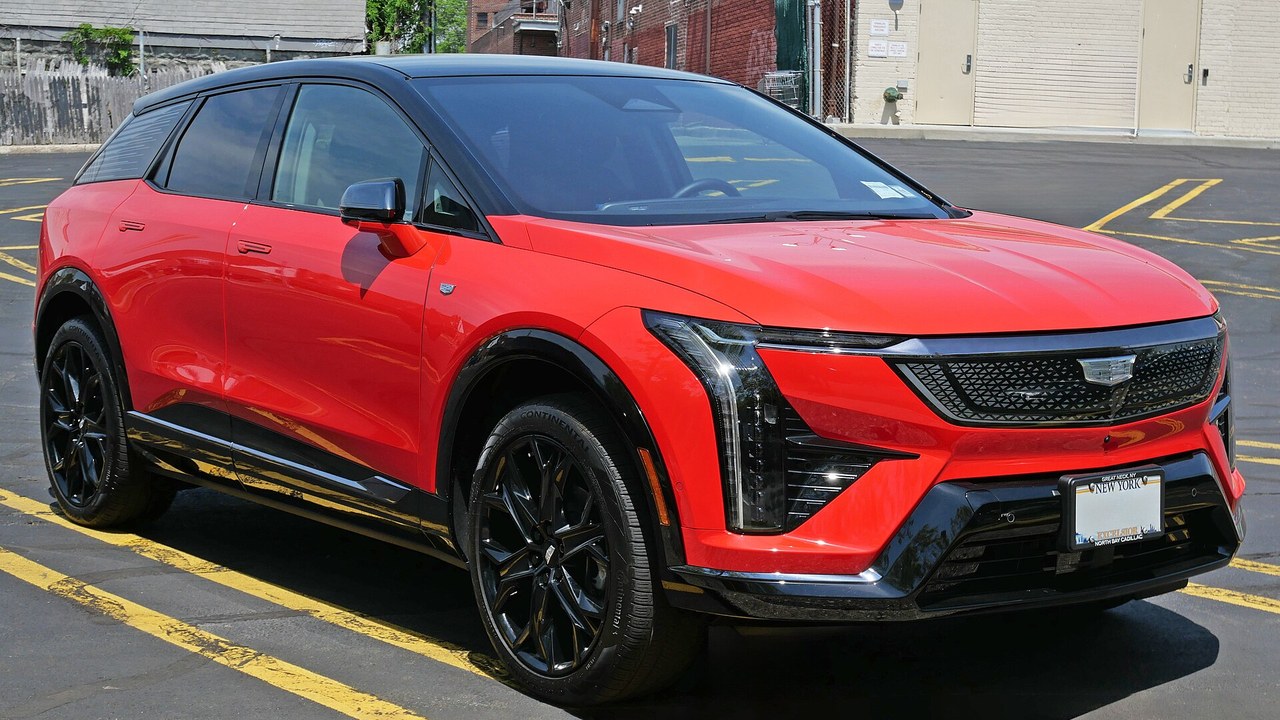
Cadillac’s compact electric SUV drew a recall covering 29,347 vehicles because the key-fob express-up front windows may fail to detect an obstruction and reverse. The NHTSA recall filing lists a body control module software update as the whole remedy, delivered by a dealer or over the air.
No hardware swaps are involved, so owners with over-the-air access may never need a service visit. Until the update lands, the risk centers on closing a window with a key fob while a hand or object is in the way. Cadillac’s electric lineup is still young, so a fix of this kind shows how quickly manufacturers can now correct a fault after it surfaces in the field.
2. Toyota C-HR: Battery Overcharge Reflash
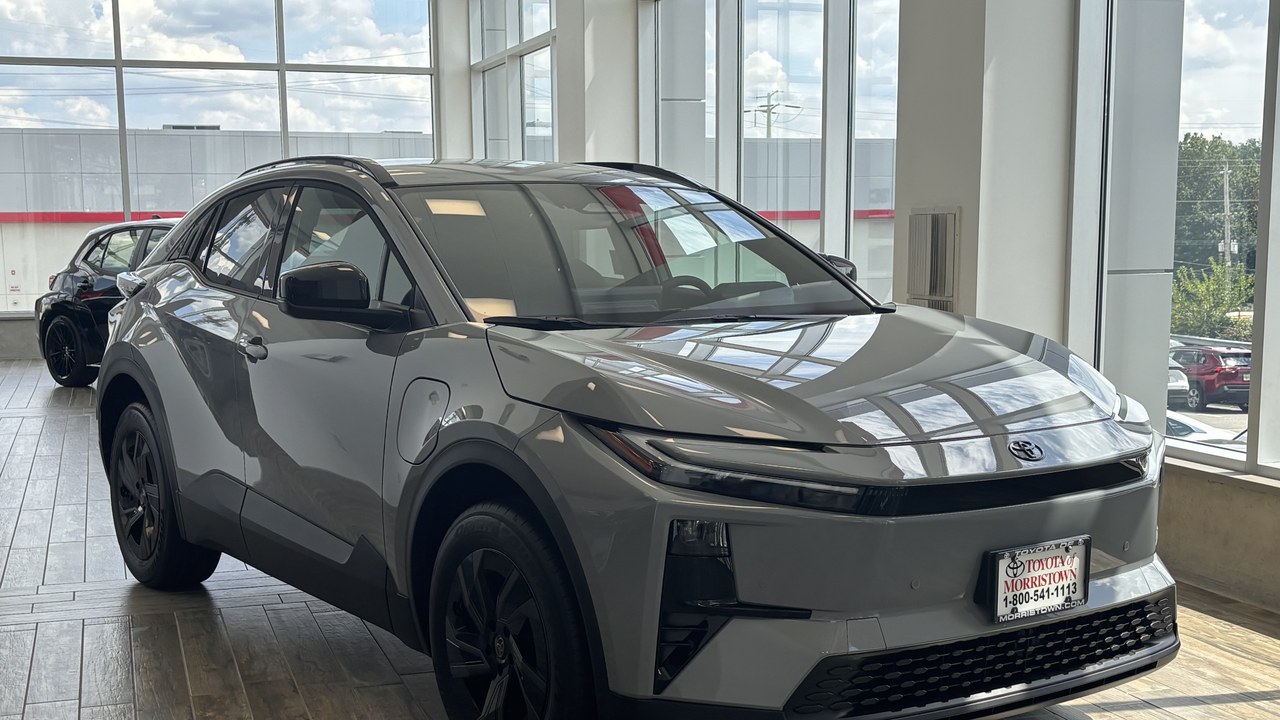
A software programming error can overcharge the drive battery and shut down the electric drive system, which prompted a recall of 8,521 Toyota C-HR electric models. According to the federal recall record, dealers fix it by reflashing the BEV ECU software.
The remedy involves no battery replacement, only new code on an existing control unit. A sudden loss of drive power is the safety concern, which explains why the campaign was filed despite the simple fix. Because the correction is only new software, it avoids the parts shortages and long dealer waits that often follow recalls involving battery hardware, at least on the evidence of the filing.
3. Mitsubishi Outlander PHEV: Blank Camera Screen

Infotainment software in 67,146 Mitsubishi Outlander plug-in hybrids may fail to display the rearview camera image when the vehicle is shifted into reverse. The NHTSA campaign report says dealers install a free software update to correct it.
The camera hardware itself is not blamed, so the repair is purely a matter of code on the A-IVI head unit. Drivers should rely on mirrors and a glance over the shoulder until the update is installed. Federal rules require a working rearview image whenever a vehicle is in reverse, so even a purely digital lapse counts as a safety defect worth a formal campaign and a free correction.
4. Ram 1500: Hidden Rearview Image
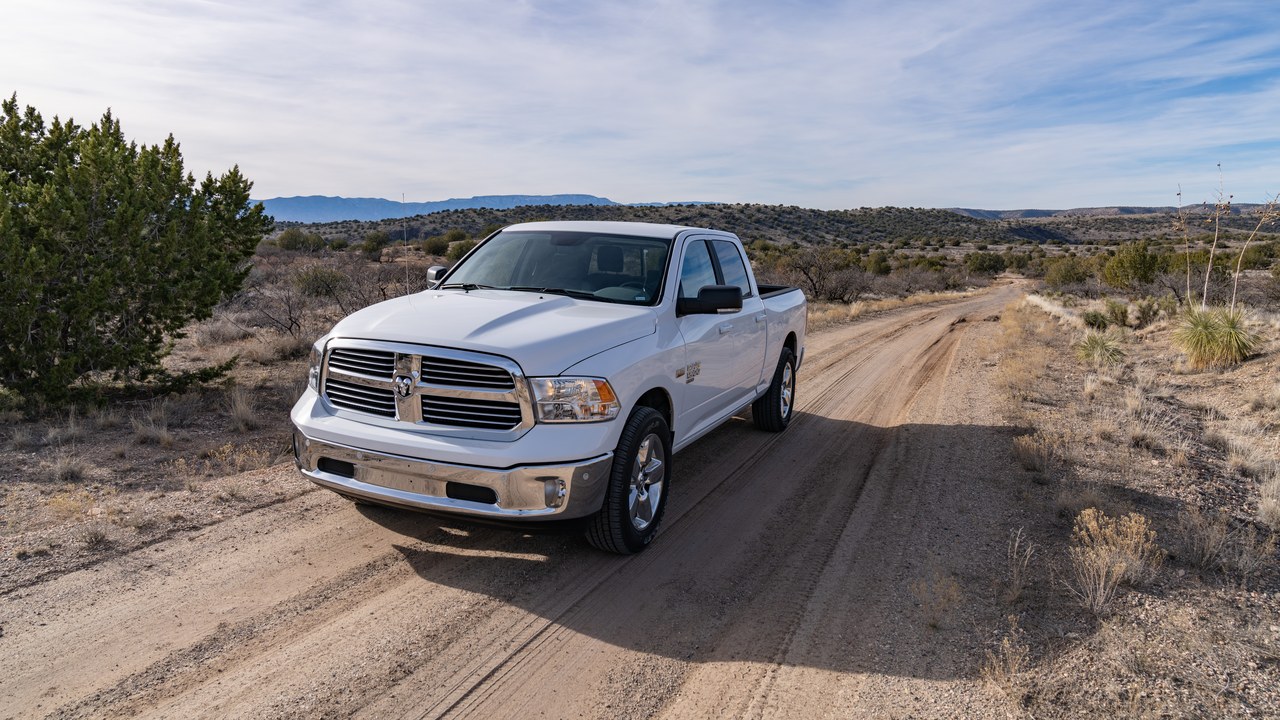
A radio software error that hides the rearview camera image triggered a recall of 239,130 Ram 1500 pickups. The recall documents describe an update delivered over the air or at a dealership as the fix.
That makes it the largest single-model campaign in this group by a wide margin. Because the remedy needs no parts, owners who accept the over-the-air update can finish the repair without ever visiting a service bay. Federal rules treat a missing rearview image as a safety defect whatever its cause, which explains why a code bug on the radio carried the same weight as a broken part.
5. Hyundai Ioniq 9: Child Detection Gap
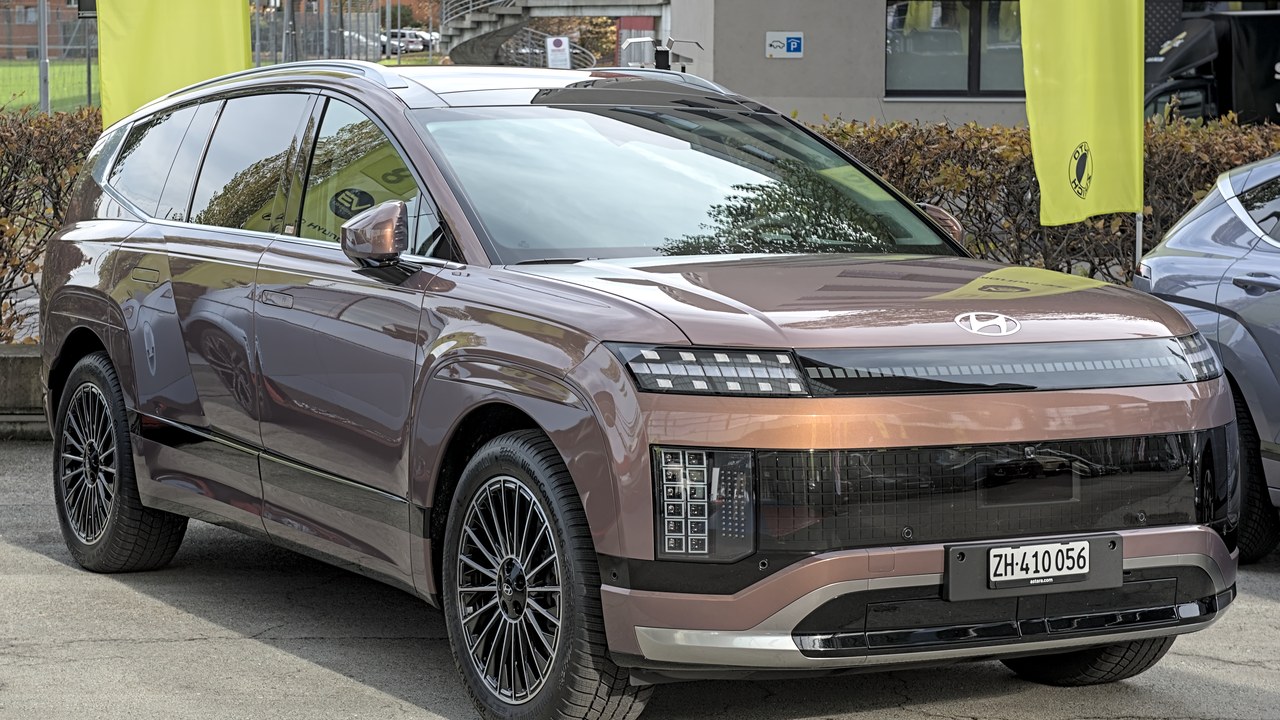
Second-row power seats in 5,360 Hyundai Ioniq 9 SUVs may fail to detect a person and can trap a child. The NHTSA filing lists a software update, offered over the air or at a dealer, as the remedy.
The campaign is small compared with its Stellantis counterparts, yet the hazard is among the most serious on this list. Parents are generally advised to keep children clear of moving seats until the update is confirmed. Seat-position software also illustrates how features once controlled by simple switches now depend on sensors and programming that can be corrected remotely, which the filing treats as sufficient here.
6. Jeep Grand Wagoneer L: Wagoneer Camera Fix
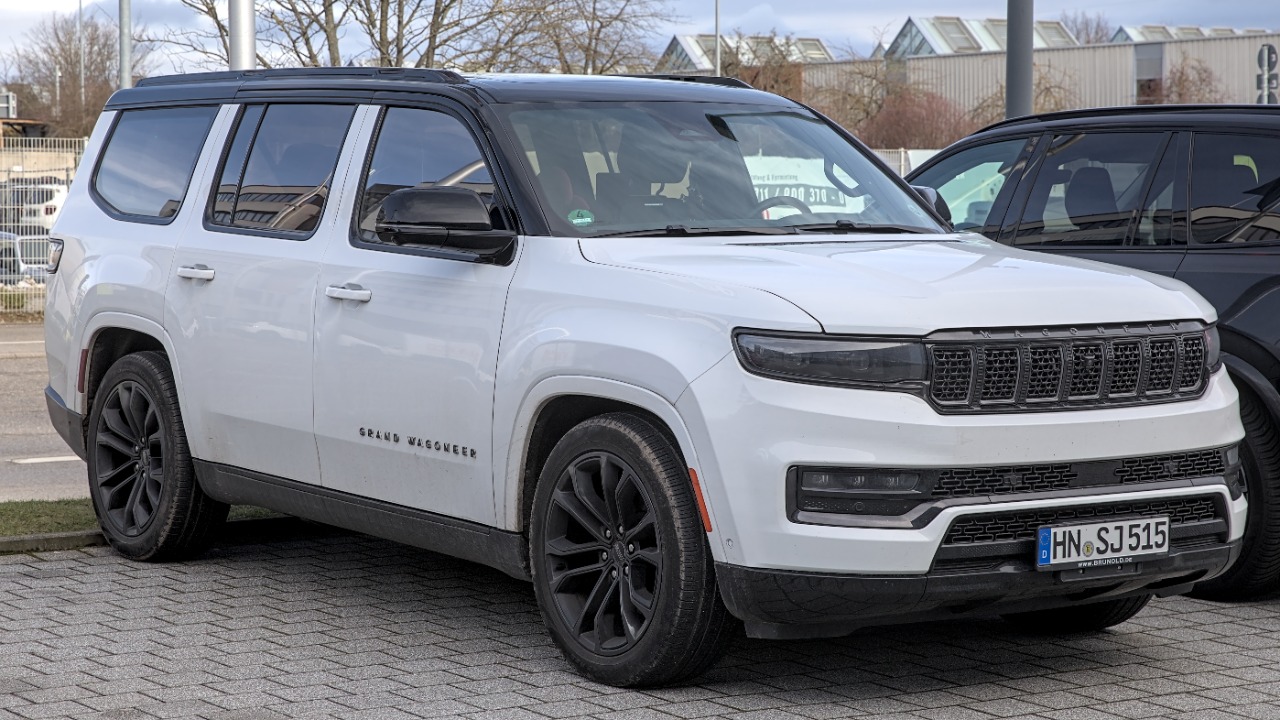
The Grand Wagoneer L belongs to a sprawling Stellantis camera campaign covering 844,027 vehicles, and the whole remedy is a radio software update delivered over the air or by a dealer. The federal campaign page groups it with several other models.
Luxury pricing does not change the repair, which is identical to that for a work van. Being one entry in a much larger population, the Wagoneer L accounts for only a fraction of the total. Readers checking a particular vehicle should confirm its identification number against the official campaign lookup, because the filing covers a long list of models and model years.
7. Ram ProMaster: Van With a Code Problem
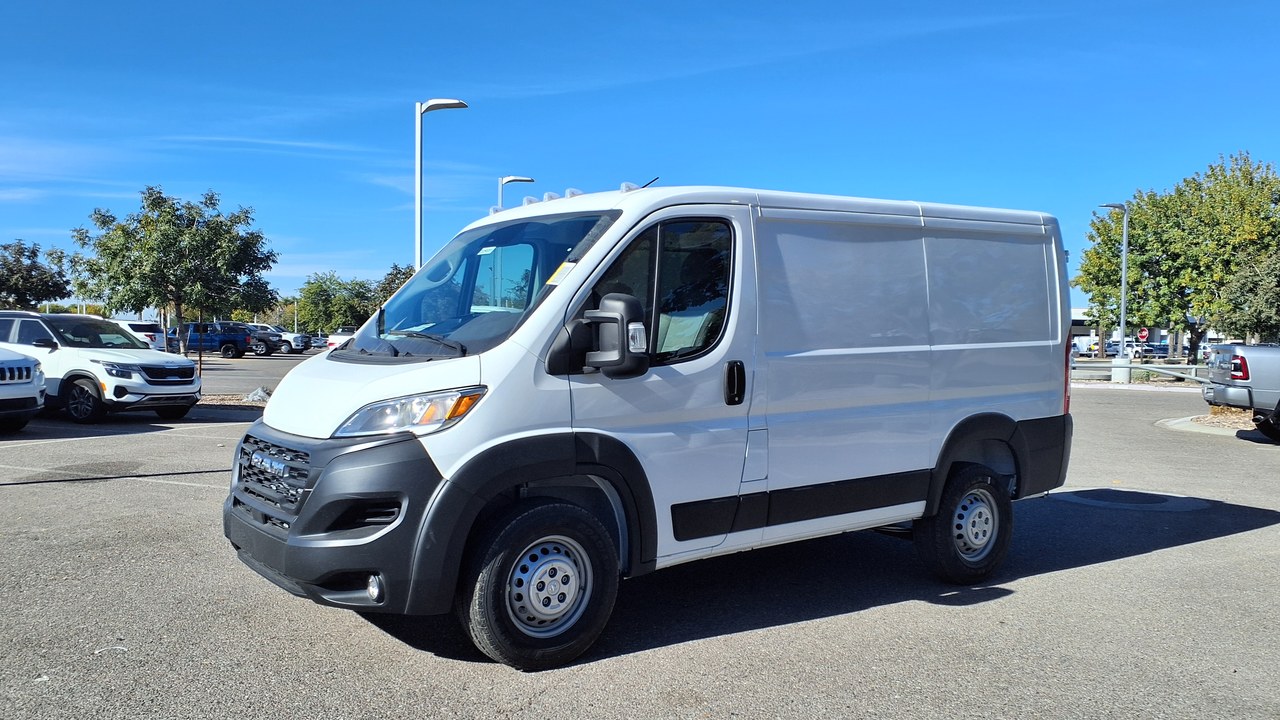
The Ram ProMaster is another model swept into the 844,027-vehicle Stellantis camera recall, where the entire remedy is a radio software update delivered over the air or by a dealer. The NHTSA campaign listing covers every affected nameplate together.
Commercial fleets may prefer the over-the-air route, since a van that never visits a dealer keeps earning. The recall shows how one shared radio program can reach cargo vans as readily as family SUVs. Readers who own a different Stellantis model should not assume it is excluded, since the filing spans many nameplates, and the campaign lookup by identification number is the reliable check.
8. Jeep Gladiator: Gladiator Joins the List
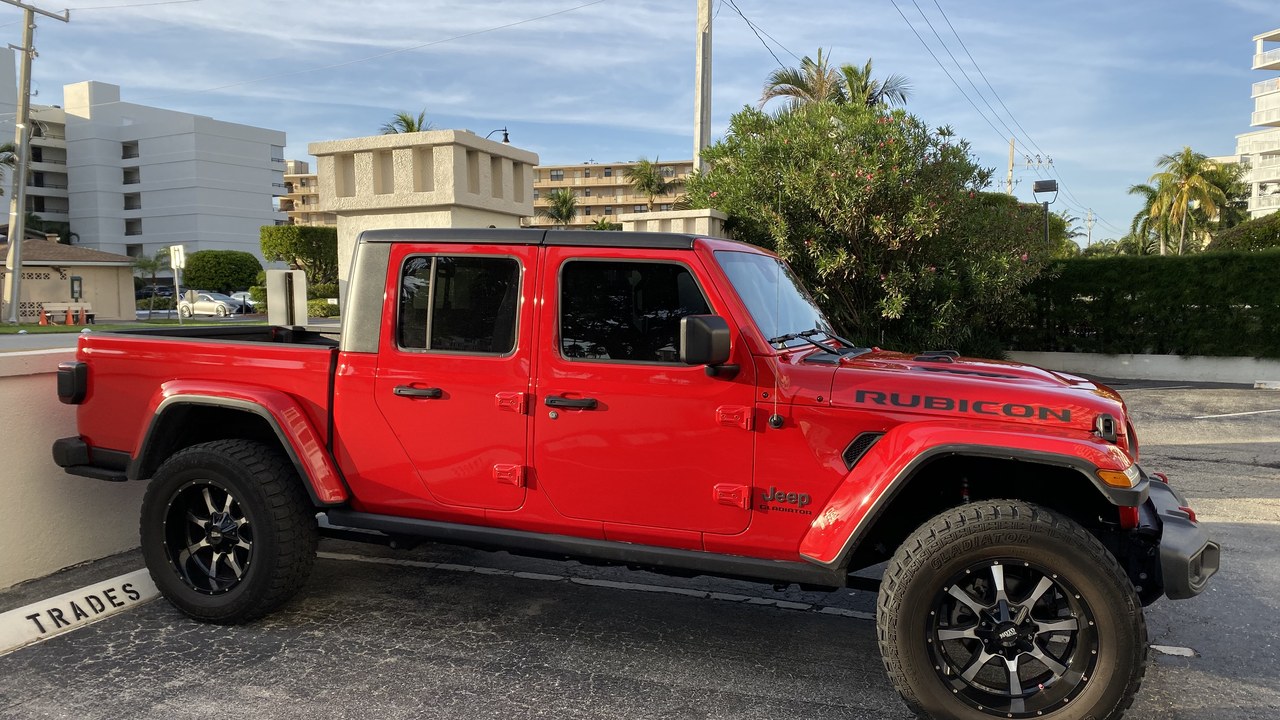
Jeep’s Gladiator pickup also sits inside the 844,027-vehicle Stellantis camera recall, and its whole remedy is a radio software update delivered over the air or by a dealer. The recall notice treats it the same as its siblings.
That a mid-size truck and a full-size van share one fix underlines how much of a modern vehicle’s behavior lives in software. Nothing in the filing points to a physical defect in the camera itself. Owners can confirm coverage by entering a vehicle identification number into the federal lookup tool, which remains the dependable way to learn whether a specific truck is part of the campaign.
More from Morning Overview
- The FBI warns a new phishing trick can hijack your account without your password
- The NSA says three phone features should be off whenever you aren’t using them
- Hawaii’s magnitude 6.0 Kona earthquake is now a federal major disaster
- Comcast is shutting down its email service, and Xfinity customers must act to keep it
