
Walter Chrysler founded his company in 1925 and quickly made it one of Detroit’s Big Three. Over the next century the brand built streamlined pioneers, Hemi-powered muscle, a jet-turbine experiment and a retro hatchback that became a hit. Here are fifteen Chryslers that defined a century of the brand, from the first six-cylinder car to the 300 sedan.
Read next on Morning Overview: Winter weather advisories cover I-80, I-70 and the Bighorns with up to 15 inches of snow
1. Chrysler Six: A Record-Setting Start
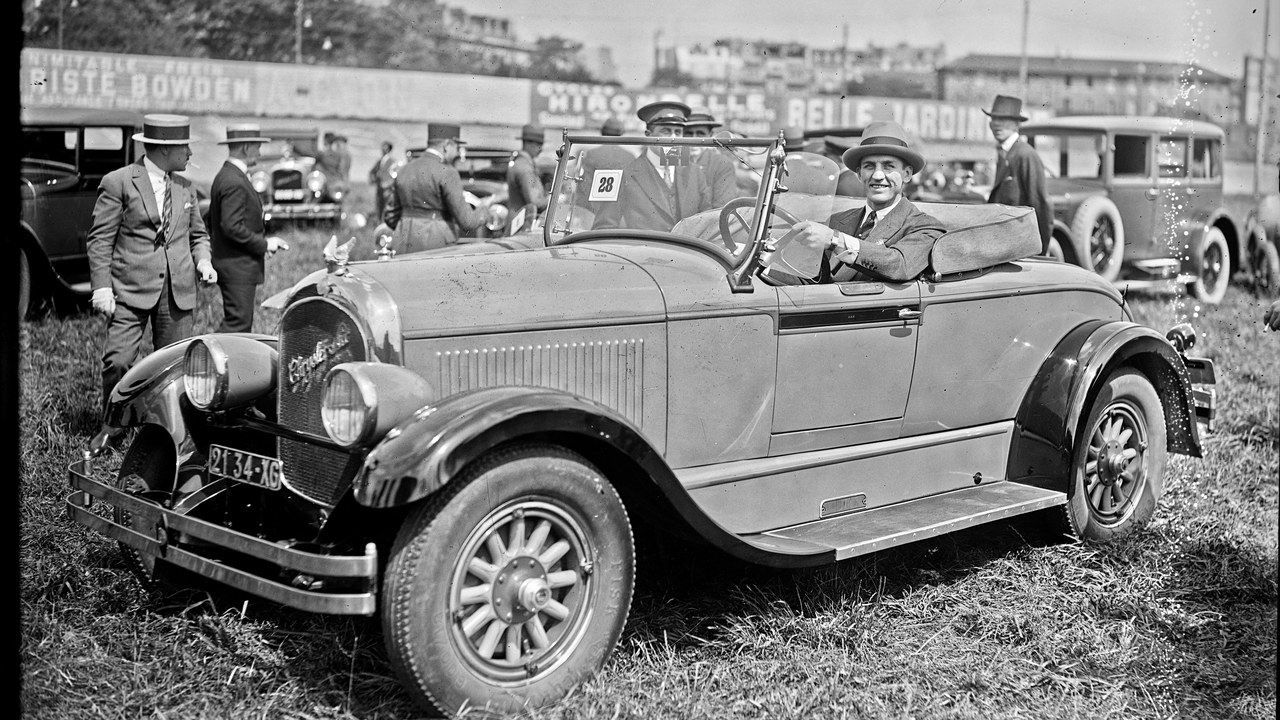
The first Chrysler, the six-cylinder Model B, debuted at New York’s Commodore Hotel and sold 32,000 examples by the end of the year, a first-year sales record. It was innovative and attractively priced.
Its high-compression engine made 68 bhp and gave a top speed of 70 mph, and it had four-wheel hydraulic brakes. It also set national records and led Chrysler to become the first American maker to race at Le Mans, in 1925.
2. Chrysler Airflow: Too Far Ahead of Its Time
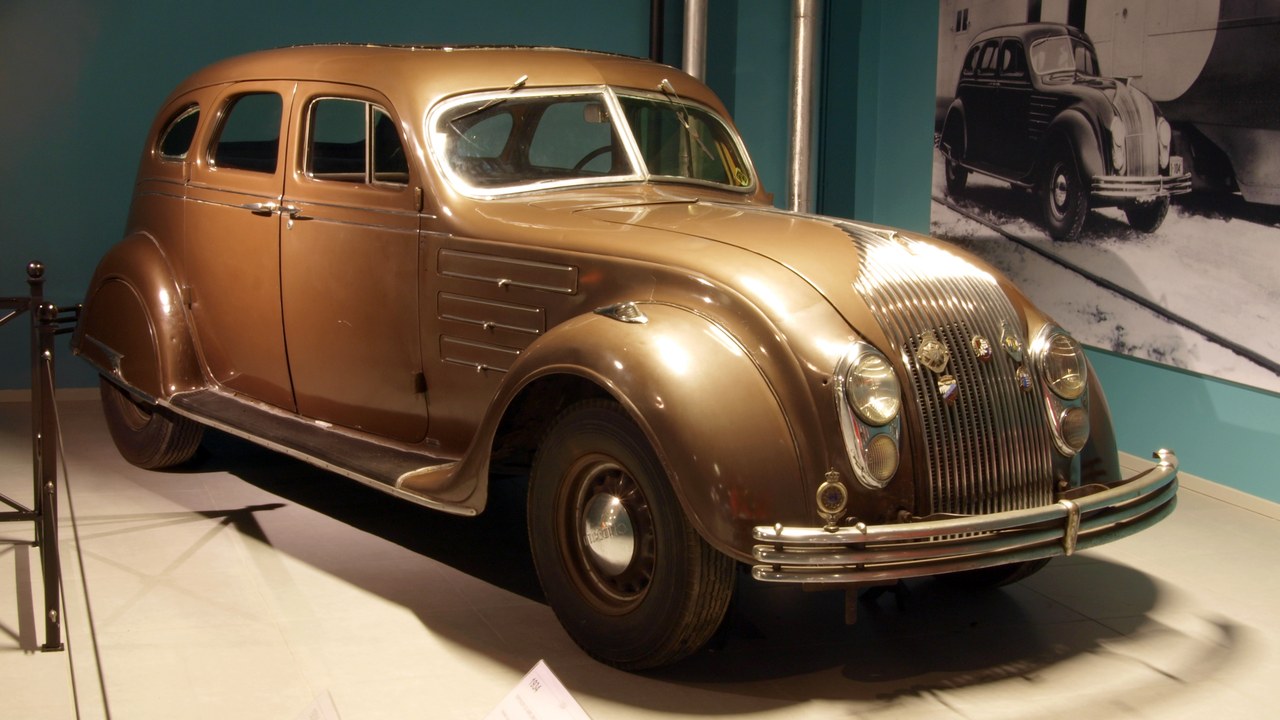
The 1934 Chrysler Airflow was one of the first cars designed in a wind tunnel and used unibody construction, joining body and chassis into a single structure. Its engine sat forward, with both rows of seats between the axles.
The press praised its engineering, but the public found its styling too radical, and the Airflow was gone by 1937. Its unibody approach, AutoTrader notes, is common in cars today.
3. Chrysler Town & Country: The Original Woodie
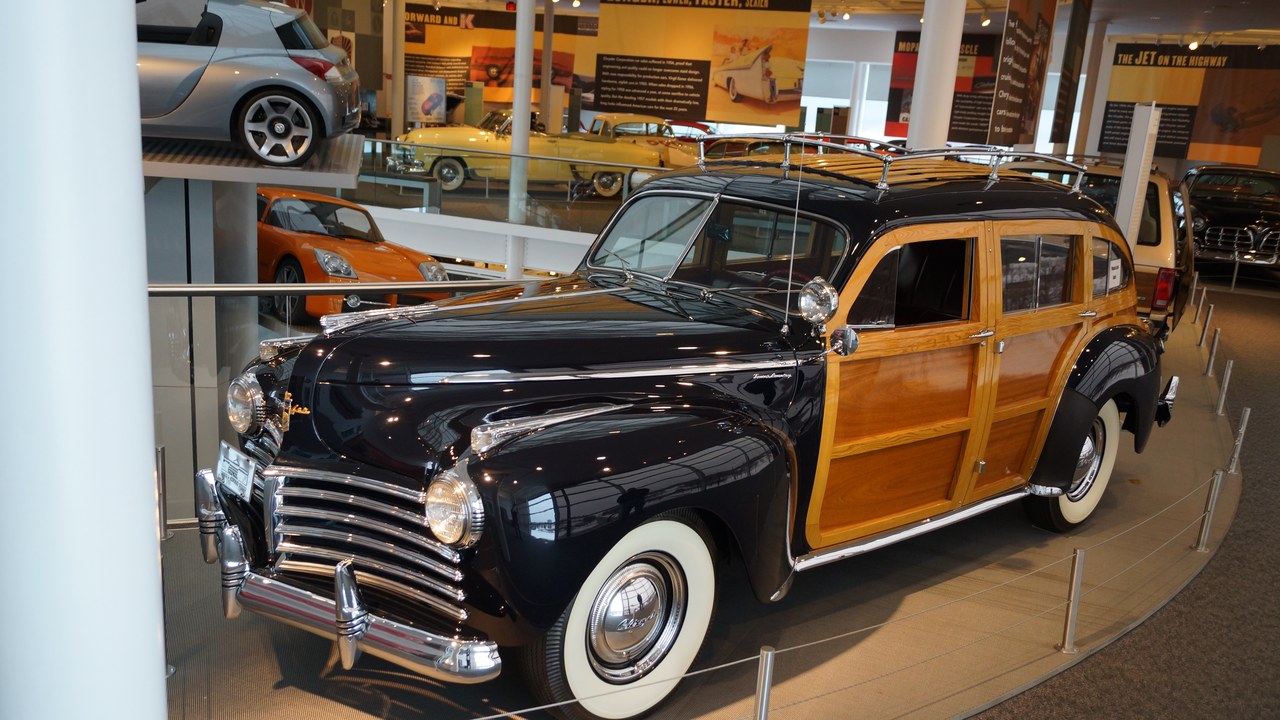
Introduced just before World War II, the 1941 Town & Country wagon wore real white ash framing and Honduran mahogany panels. It was one of the first wagons with an all-steel roof and had distinctive barrel-back double doors.
Because the war halted civilian production in February 1942, fewer than 1,000 were built. The name later returned on wagons, convertibles and coupes, and in 1990 on Chrysler’s luxury minivan.
4. Chrysler New Yorker: The Long-Running Flagship

The Chrysler New Yorker was built from 1940 until 1996. For decades it served as either the brand’s flagship or the step below the Imperial.
A trim called the New York Special appeared in 1938, and the New Yorker name debuted in 1939. It helped define Chrysler as a maker of upscale cars aimed at the best from Buick and Oldsmobile.
5. Chrysler C-300: The First Muscle Car?
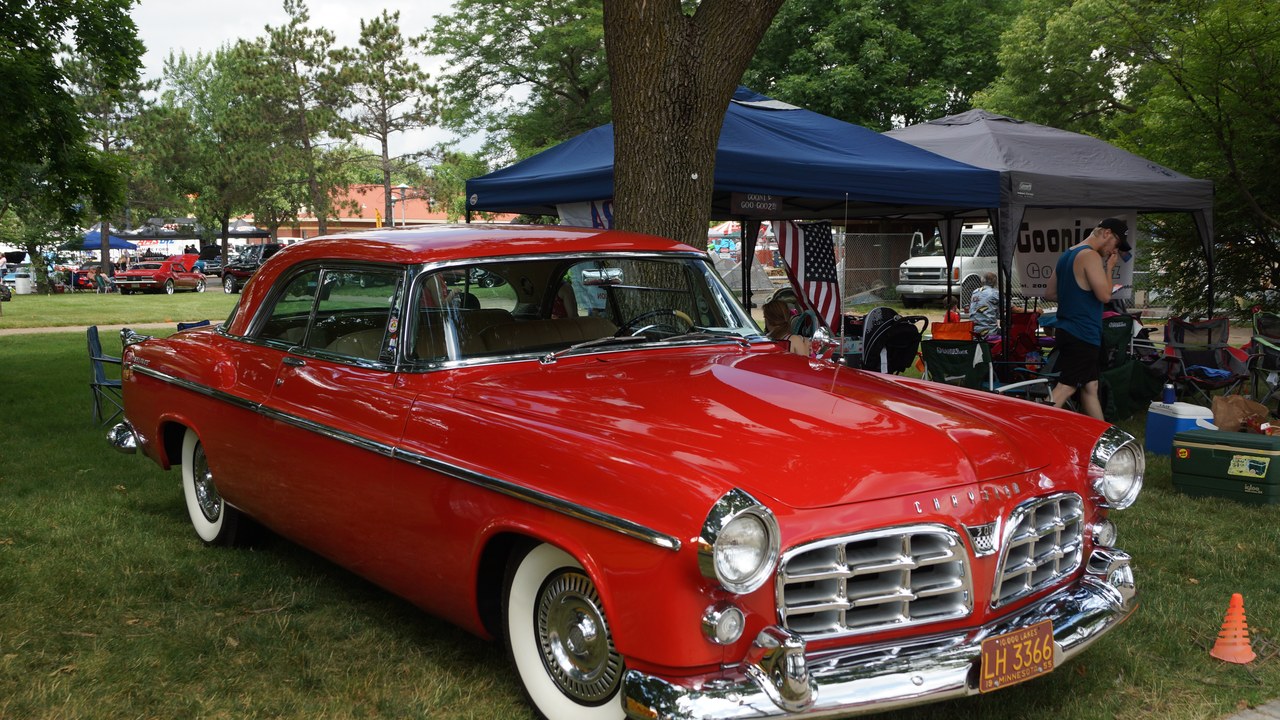
Many regard the 1955 Chrysler C-300 as the first American muscle car. Its 5.4-liter Hemi V8, with two four-barrel carburetors, made 300 bhp, a remarkable figure for the time.
Just 1,725 were built, in black, red and white, all as two-door coupes with leather upholstery. It won championships in NASCAR and AAA stock car racing and launched the line of Chrysler “Letter Cars.”
6. Chrysler 300F: Sixth in a Famous Line
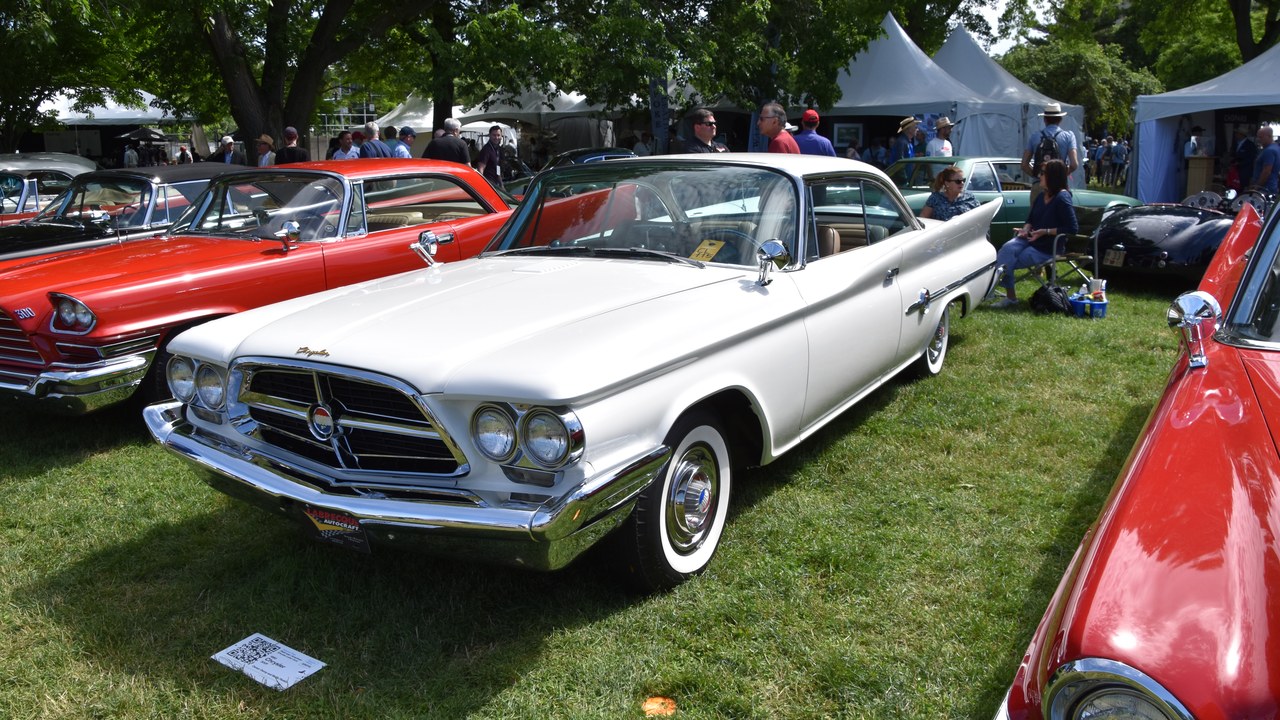
Announced in January 1960, the 300F carried a 6.7-liter V8 making 375 bhp, fed by a ram-induction system with long intake pipes snaking across the engine bay. A few 400-bhp versions were built.
Some got a rare four-speed manual borrowed from the French Facel Vega. With its tailfins, boomerang taillights and new welded monocoque body, it was among the most performance-focused American cars of its day.
7. Chrysler Imperial: Freestanding Headlights
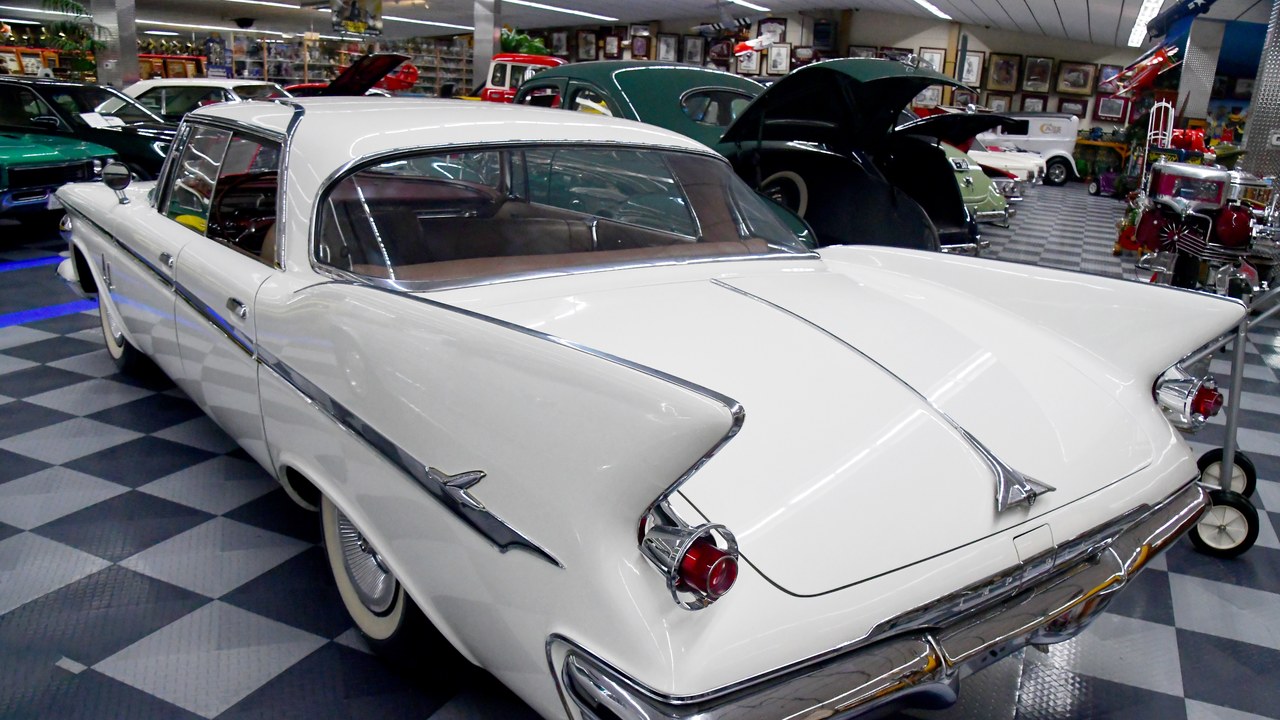
The Imperial was Chrysler’s top model from 1926 to 1954 and a separate brand from 1955 to 1975. The 1961 Imperial stood out for its aggressive and unique design, with freestanding headlights set in concave fenders and tall fins.
As rivals downsized, it became the largest car in America. But sales fell below 13,000 a year, partly because it was sold through the same dealers as cheaper brands.
8. Chrysler Turbine Car: The Jet-Age Experiment
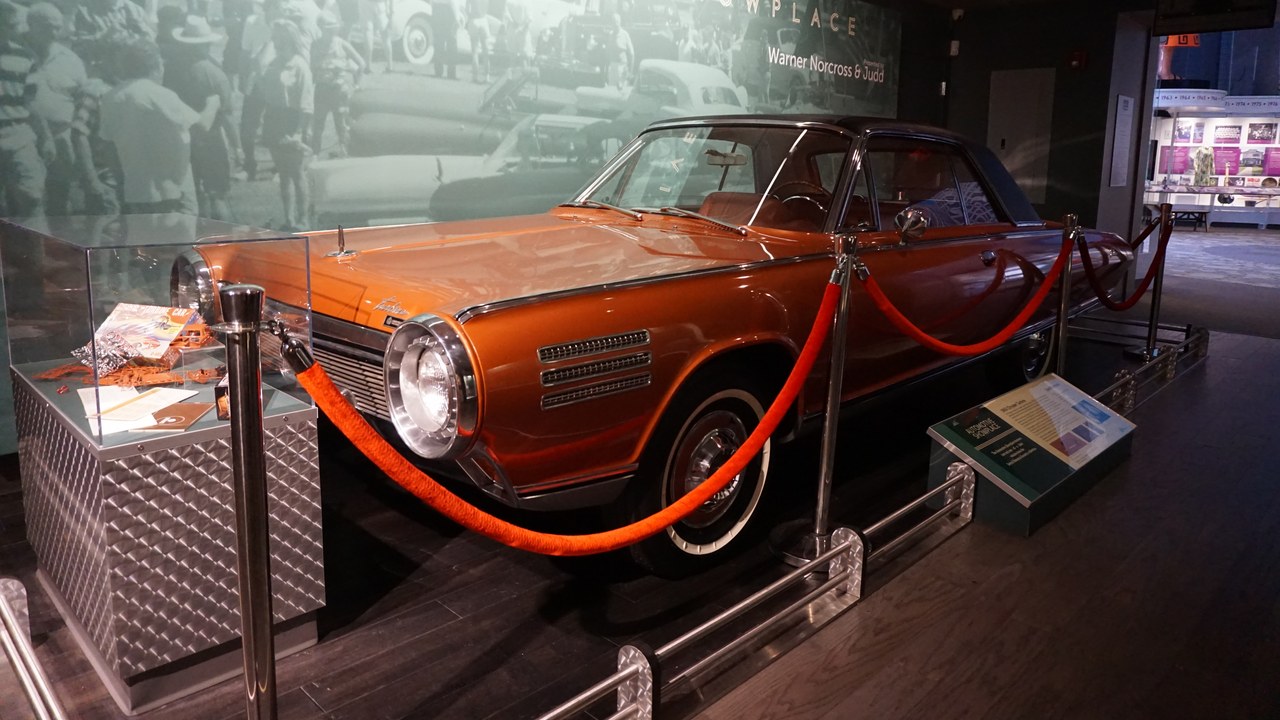
The Chrysler Turbine Car came from 15 years of gas-turbine research, and Chrysler built 50 of the Ghia-bodied coupes to lend to ordinary drivers for three months in exchange for detailed reports. Its engine could run on almost anything from diesel to perfume.
It made 130 bhp with 425 lb-ft of torque at stall and reached 60 mph in 12 seconds. Plans to sell turbine cars were dropped, and just five of the 50 escaped the scrapyard.
9. Chrysler Cordoba: Rich Corinthian Leather
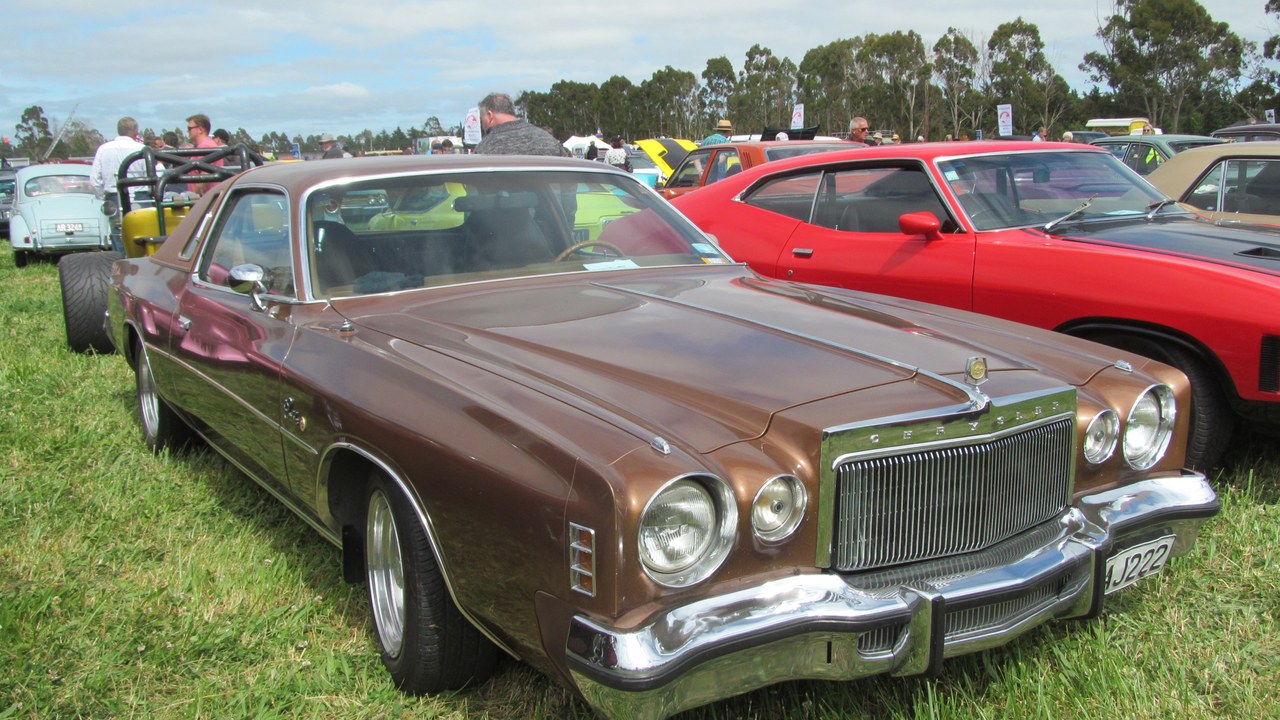
The 1975 Cordoba was Chrysler’s first personal luxury coupe, aimed at the Ford Thunderbird and Chevrolet Monte Carlo. Ricardo Montalbán’s ads praising its “rich Corinthian leather” became famous.
It sold over 150,000 units in its first year, about 60 percent of Chrysler’s total volume, and helped rescue the brand during a time of financial distress. It was built on Chrysler’s mid-size B-body platform, shared with the Dodge Charger, and had a well-appointed, comfortable interior.
10. Chrysler LeBaron: Bringing Back the Convertible
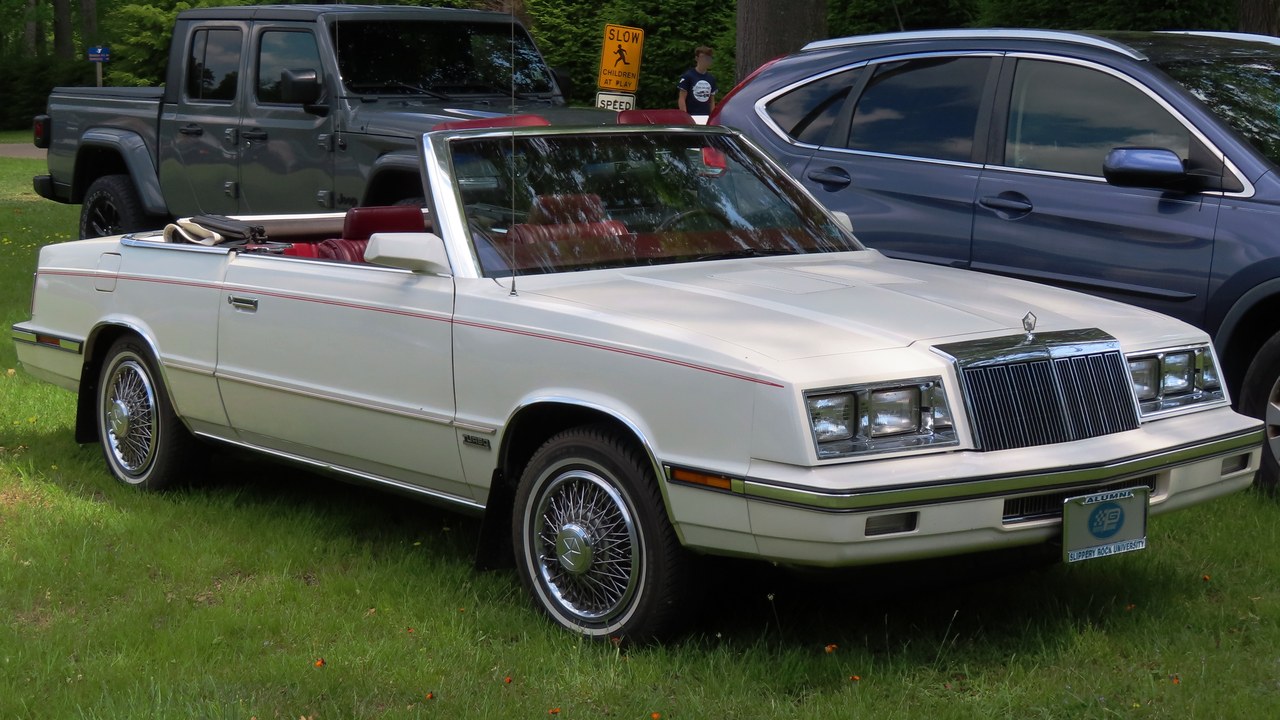
The 1982 LeBaron Convertible marked the return of factory-built open-top cars to the North American market after a six-year gap. Its popularity came from its sleek design, comfortable interior and advanced features. It rode on the front-wheel-drive K-car platform, which also underpinned the Dodge Aries and Plymouth Reliant.
It received thousands of orders before production began. The K-cars, including the LeBaron, pushed Ford and GM toward front-wheel-drive designs.
11. Chrysler TC by Maserati: Lee Iacocca’s Italian Job
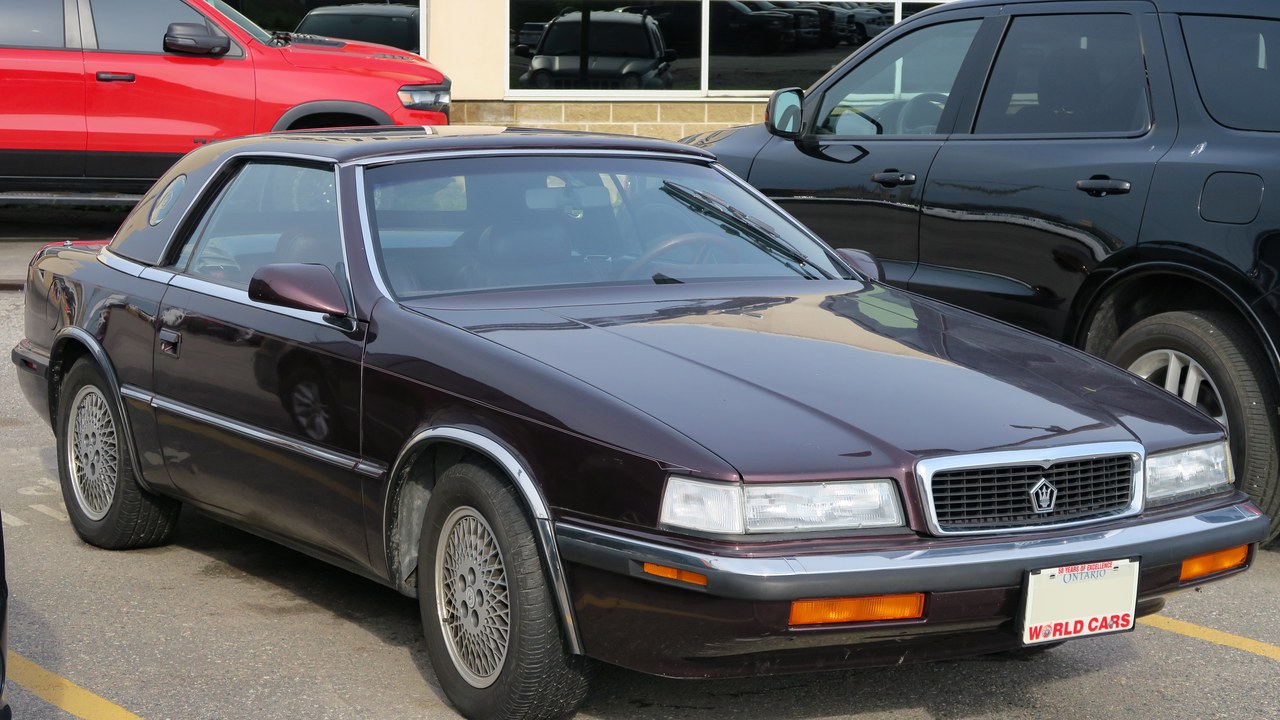
The Chrysler TC by Maserati was a two-seat convertible developed jointly with Maserati and introduced at the 1986 Los Angeles Auto Show. It was a grand tourer built on a modified K platform.
After two years of delays it reached buyers in late 1988. Exactly 7,300 were made in Milan through 1990, the minimum required under the contract between the two companies.
12. Chrysler Concorde: Ten Best Two Years Running
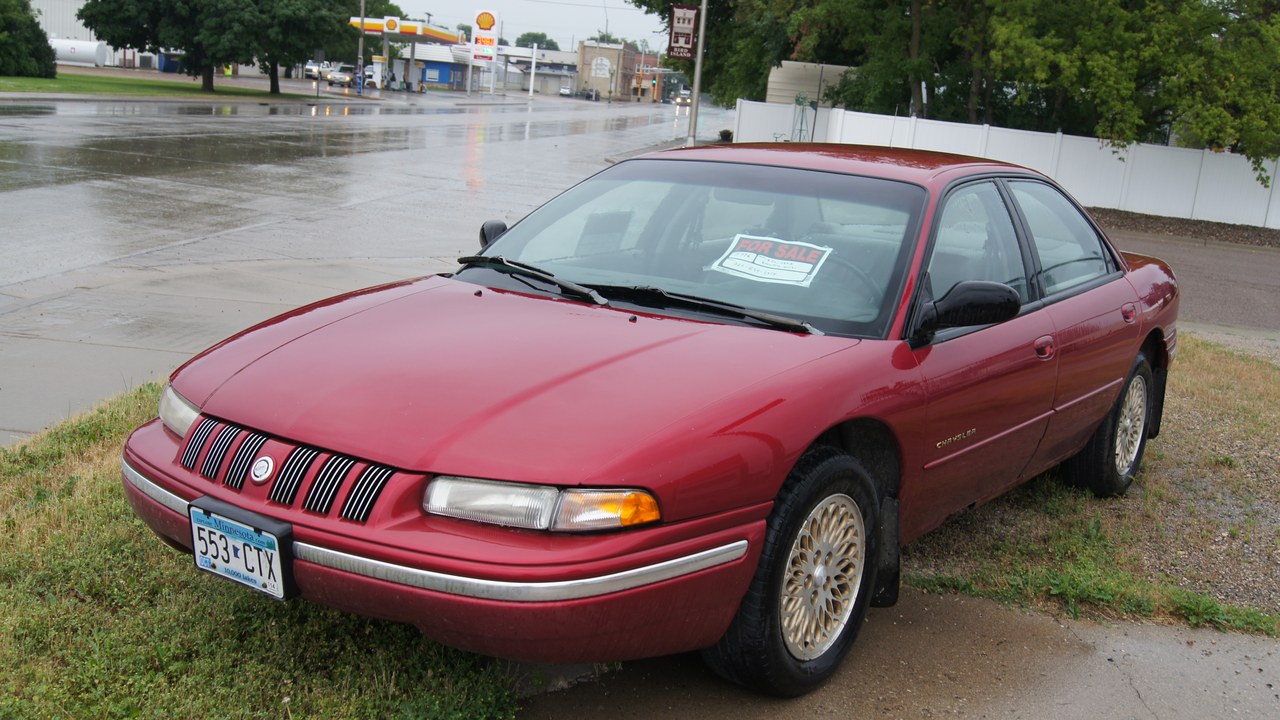
The Chrysler Concorde was a full-size, front-wheel-drive sedan built from 1992 to 2004 and one of Chrysler’s three original LH platform models. It took over as the brand’s entry-level full-size sedan.
It was related to the Dodge Intrepid, Eagle Vision, Chrysler 300M and LHS. Car and Driver named it to its Ten Best list for 1993 and 1994. It was later succeeded by the rear-drive Chrysler 300.
13. Chrysler PT Cruiser: Retro Hit
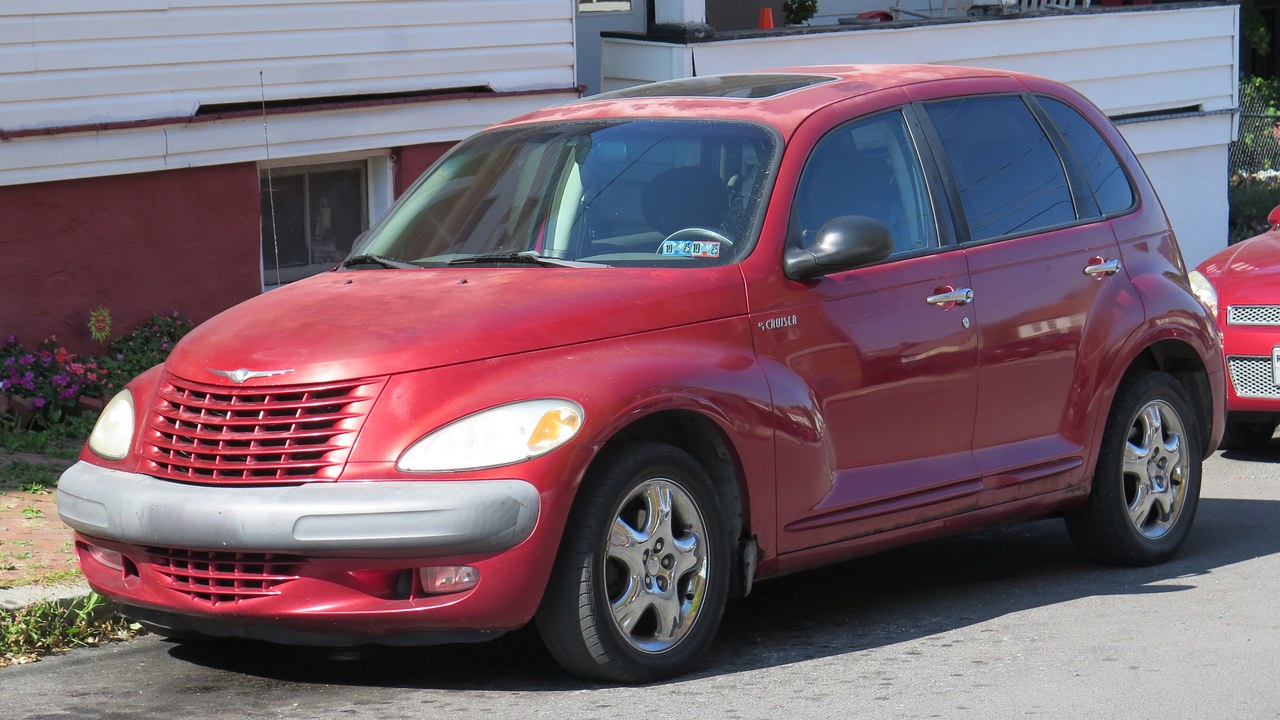
The Chrysler PT Cruiser was built from 2001 to 2010 as a five-door hatchback wagon, with a convertible version from 2005 to 2008. Its exterior, designed by Bryan Nesbitt, was meant to evoke the 1930s.
It was originally planned as a Plymouth but became a Chrysler when Plymouth was discontinued. Its high roof and high seating gave it notably roomy interior packaging.
14. Chrysler Crossfire: A Mercedes Underneath
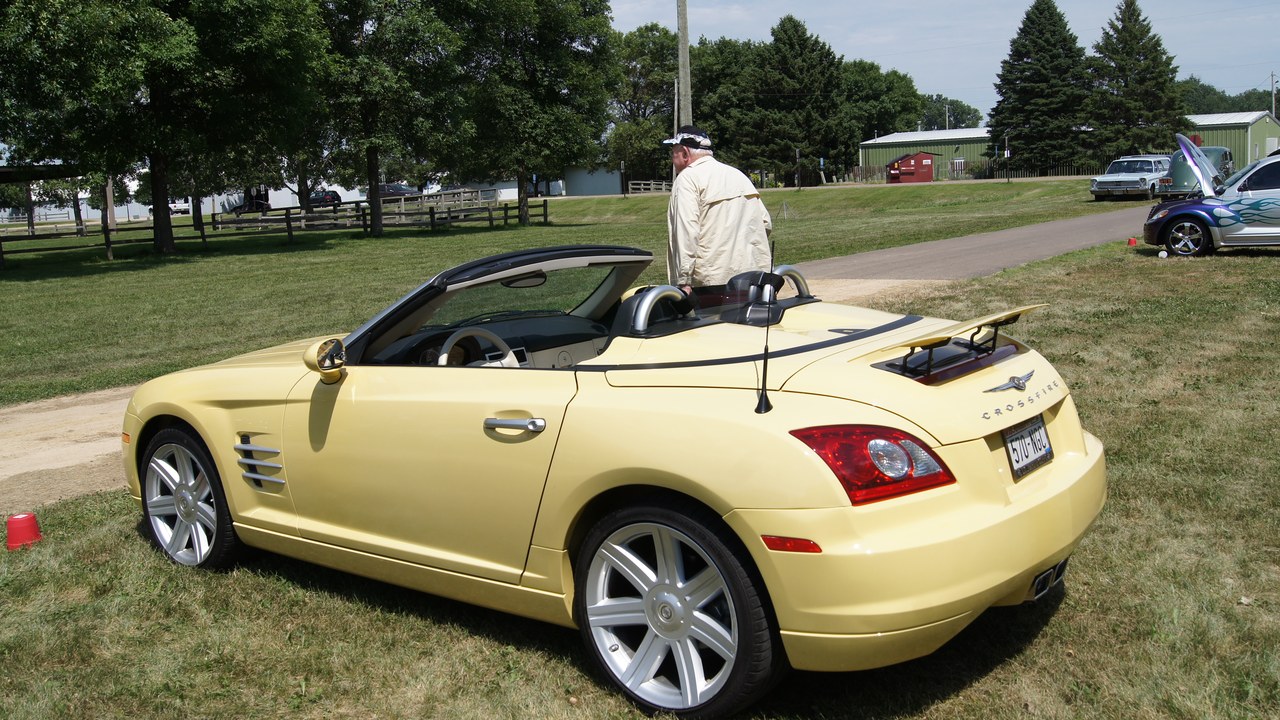
The Chrysler Crossfire was a rear-drive two-seat sports car built in Germany by Karmann for the 2004 to 2008 model years. It was developed during the DaimlerChrysler merger.
It used the Mercedes-Benz R170 platform and shared 80 percent of its parts with the first-generation SLK. It began as a 2001 concept car styled by Eric Stoddard and was refined by Andrew Dyson before production started in 2003.
15. Chrysler 300: The Big Sedan Returns
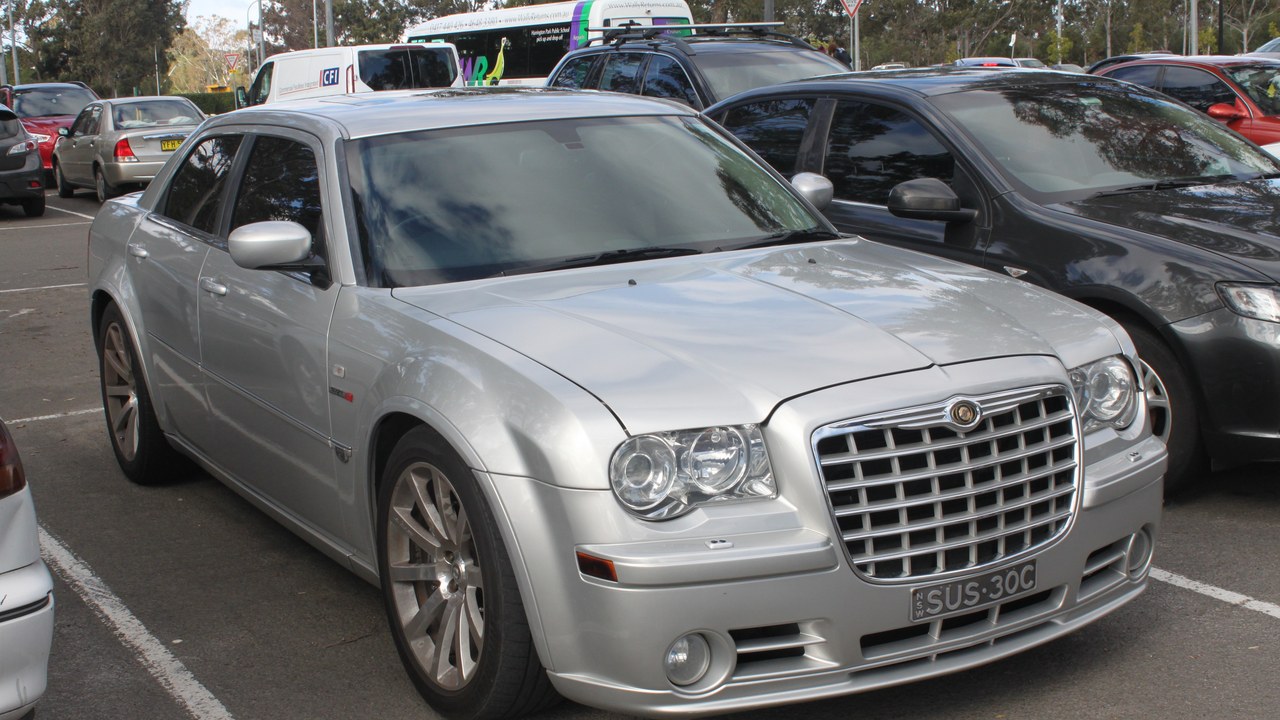
The Chrysler 300 was a full-size sedan built for the 2005 through 2023 model years, with a station wagon in the first generation. It revived Chrysler’s tradition of big rear-drive, V8-powered luxury sedans.
Chrysler had revived the 300 name in 1999 for the 300M, and the new 300C brought back a Hemi V8. In much of Europe, the second generation was sold as the Lancia Thema.
More from Morning Overview
- Two Kentucky residents died when a small plane crashed at Missouri’s Lake of the Ozarks, and the NTSB is investigating
- A handful of car transmissions are so tough that mechanics say they almost never die
- Melting permafrost is setting off a newly identified kind of catastrophic landslide, scientists say
- Cadillac cut the price of its cheapest EV, which goes up to 317 miles on a charge
