
Where a carmaker puts the engine shapes how a car grips, wobbles and feels at the limit. Placing it behind the rear axle loads the driven wheels but brings handling quirks of its own. Here are eight cars, from several countries, that made the rear-engine layout famous.
1. Volkswagen Beetle: The Original Rear-Engined Icon
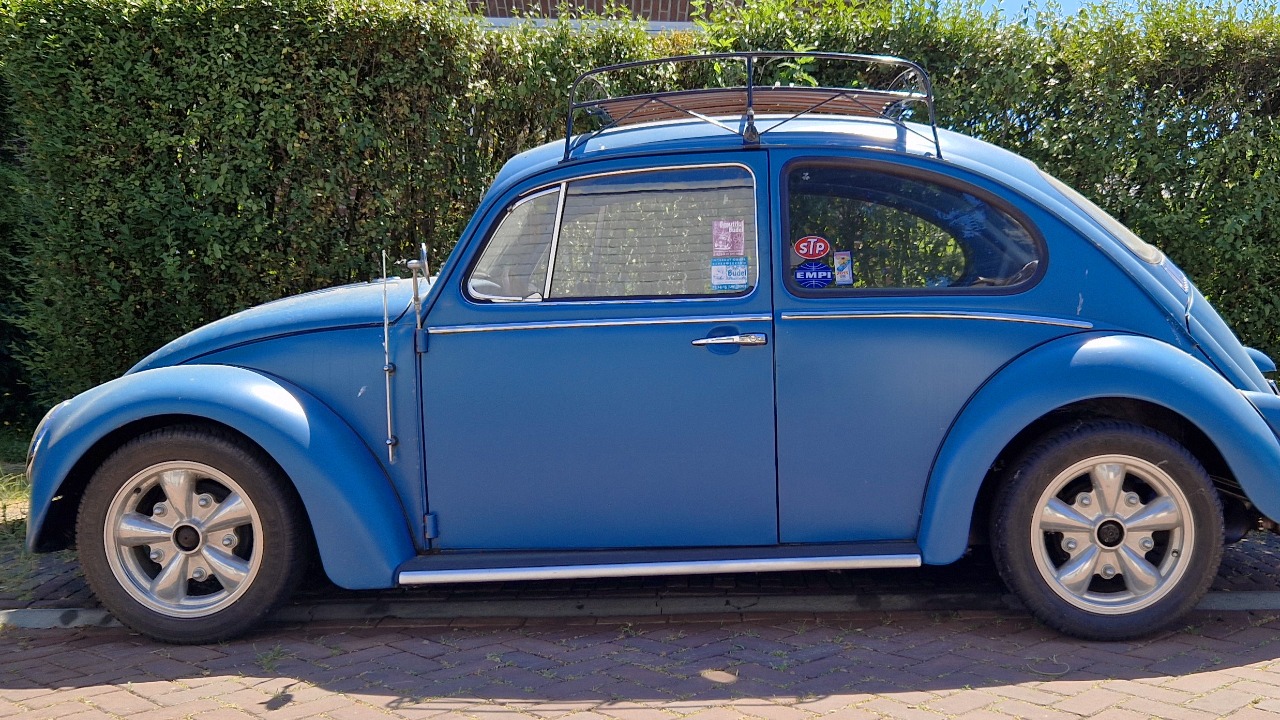
Putting the motor behind the rear axle defined the original Beetle. Its air-cooled flat-four sat at the back and drove the rear wheels, and the Type 1 production run reached 21,529,464 cars between 1938 and 2003. Swing-axle rear suspension completed a layout that stayed essentially unchanged for decades.
The arrangement kept the drivetrain compact and put weight over the driven wheels, which helped traction on poor surfaces. It also gave the car handling traits that rear-engined designs are known for, and the sheer production total explains why so many people first met a rear engine through this model. That legacy still shapes how the car is remembered.
2. Porsche 911: Weight Over The Driven Axle
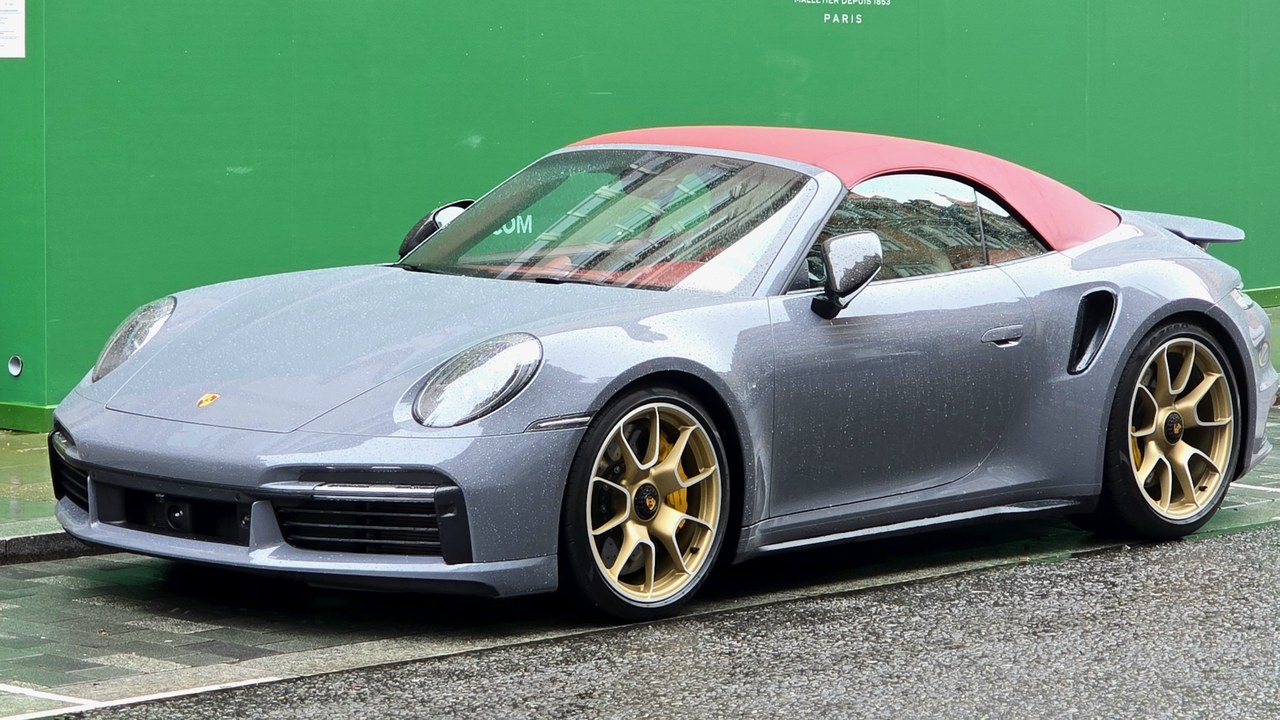
Porsche itself explains the logic in its rear-engine feature story. The engine sits over the rear wheels, which places its weight on the driven axle and improves traction in winter conditions. That layout has run since 1963 and carried through eight generations of the sports car.
Few manufacturers have stayed with an unconventional configuration for so long. Owners and enthusiasts treat the rear engine as the defining trait of the car, shaping both its sound and its handling, and the maker has kept refining the design rather than abandoning it for a more conventional front-engined layout. That consistency is rare in the industry.
3. Chevrolet Corvair: Detroit’s Flat-Six Experiment
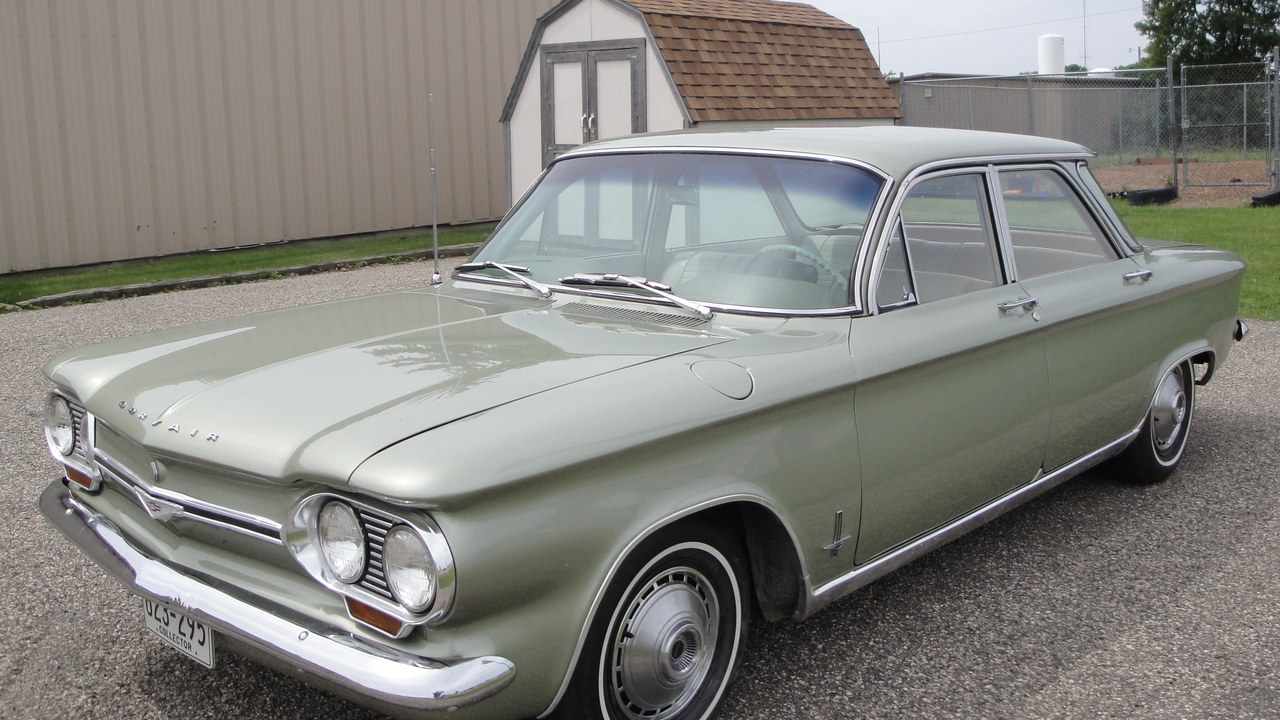
Chevrolet’s answer to the compact-car boom put an air-cooled flat-six at the back. The Corvair compact was built from 1960 to 1969, and the engine displaced 140 cubic inches and made 80 horsepower at 4,400 rpm in the figures recorded by the Henry Ford collection.
An American manufacturer building a mass-market rear-engined car was unusual, and the Corvair remains the best-known example from Detroit. The rear placement set it apart from the front-engined rivals of its era, and it stays a talking point for anyone comparing engine layouts on four wheels. The details make it a useful case study.
4. Porsche 356: Where The Layout Took Hold
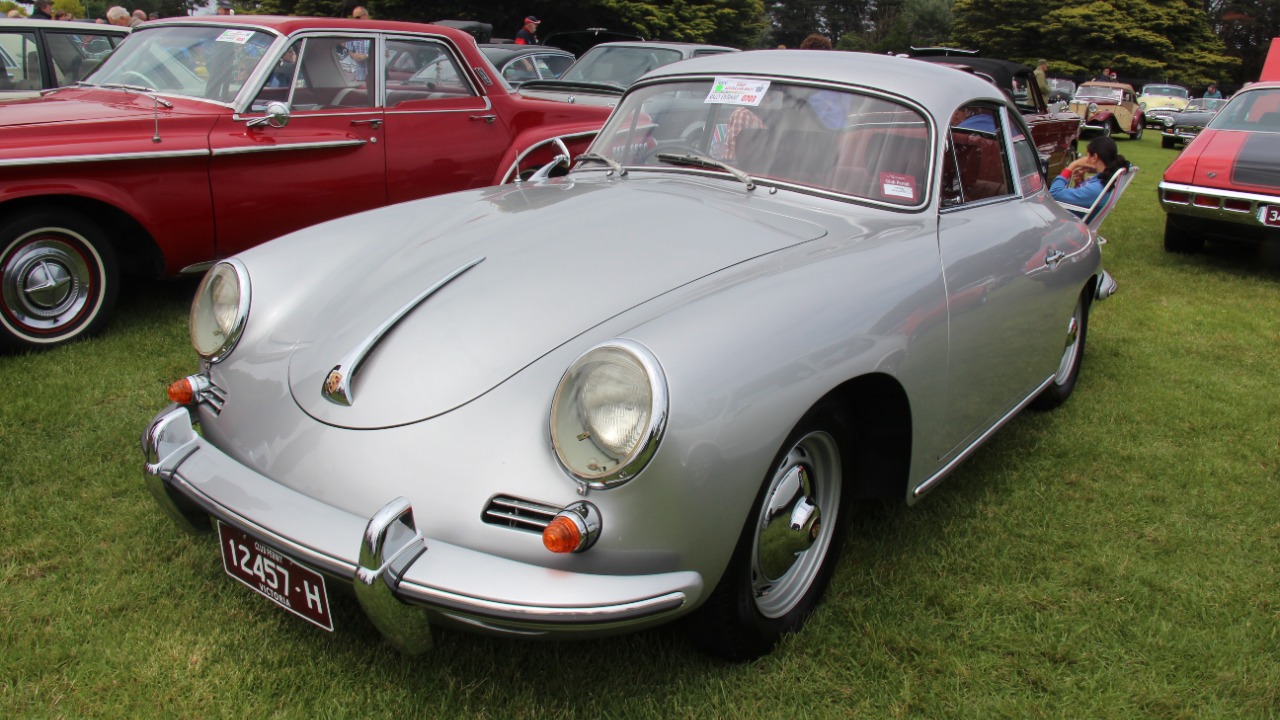
The earliest Porsche shows how the layout evolved. The one-off 1948 No. 1 carried its engine ahead of the rear axle, according to the Porsche Museum press kit, but series production of the 356 from 1950 moved to a rear-mounted engine.
That shift set the template for the company’s later sports cars. The 356 therefore marks the point where the rear-engine arrangement became a production fixture instead of a prototype choice, and it links the early Porsche story directly to the cars that followed it, including the 911 elsewhere on this list. That continuity is the point of including it.
5. Volkswagen Type 2: Four Decades Behind The Driver
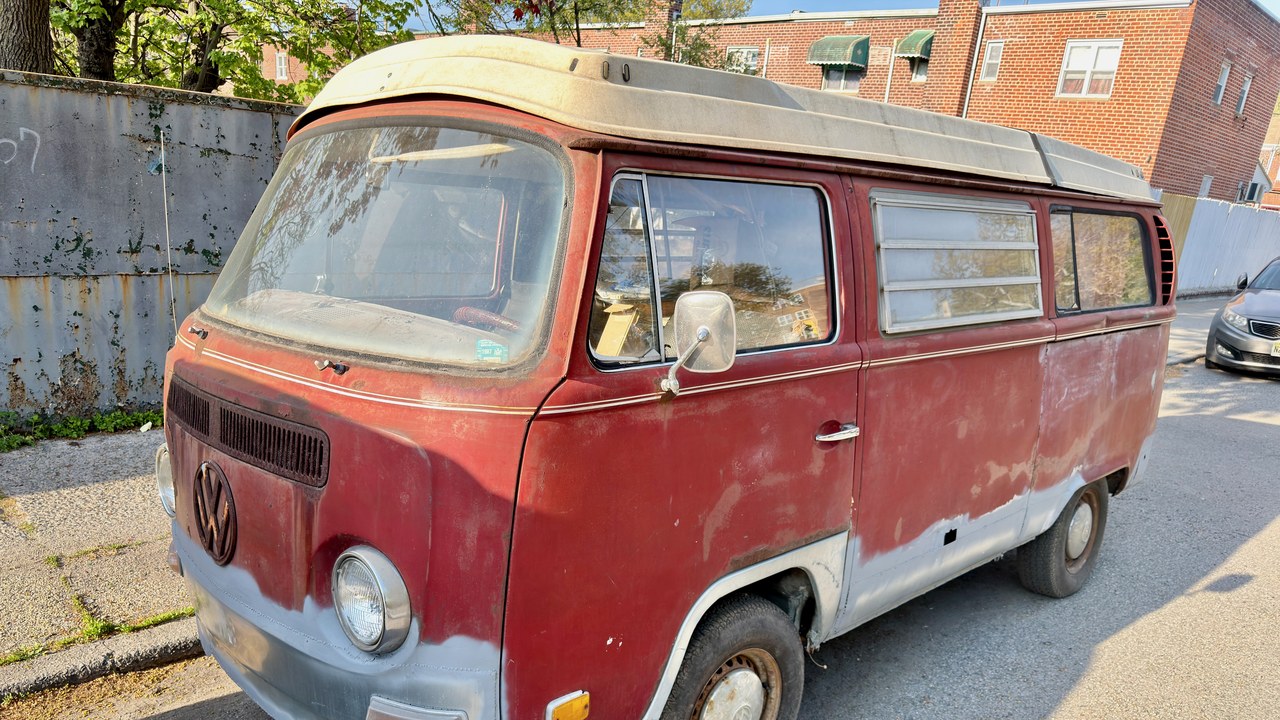
Launched on 8 March 1950, the Type 2 borrowed the Beetle’s engine and gearbox and mounted them at the rear, leaving the driver sitting far forward. Volkswagen’s commercial vehicles history notes that the rear engine stayed until the T4 of 1990.
Over four decades the van therefore kept the configuration that made it distinctive, with the engine behind and the load space ahead of it. The long run gave the model one of the longest production lives of any transporter, and the rear layout is central to its familiar proportions. Few commercial vehicles have matched that longevity.
6. Fiat 500: Tiny Car, Tail-Mounted Motor
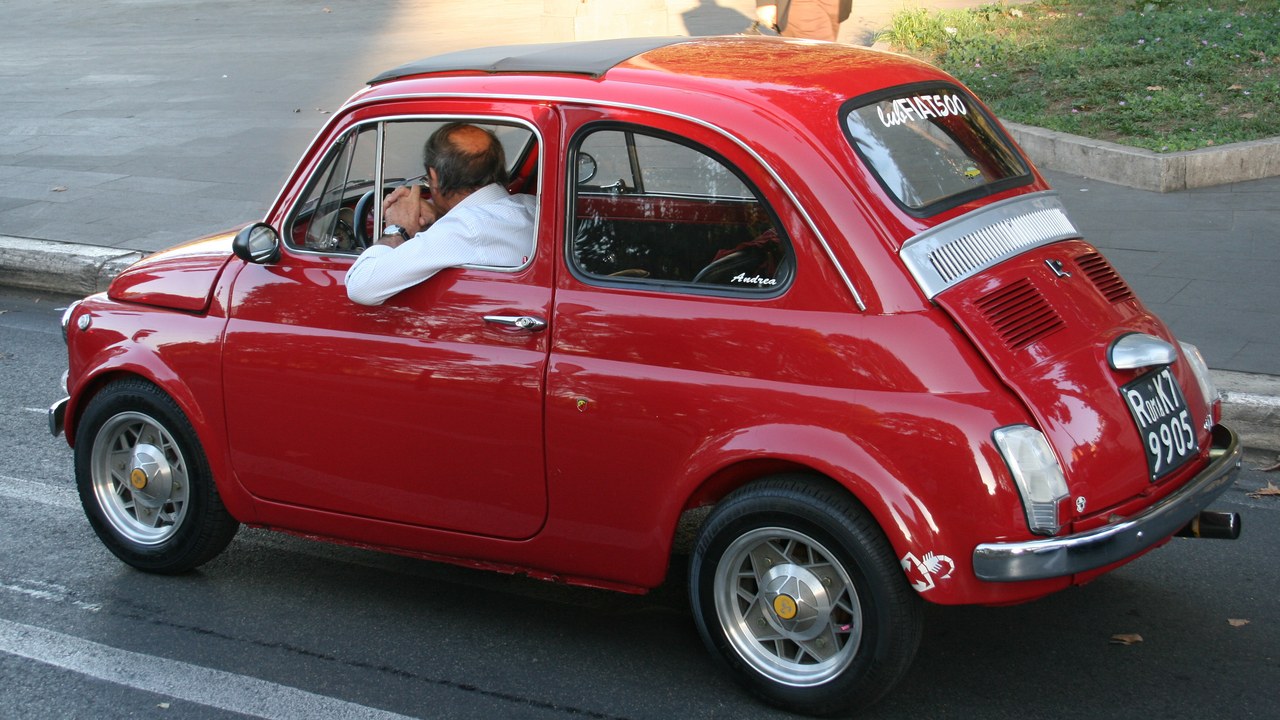
Small Italian city cars suited the rear-engine layout well. The Fiat 500 appears in the list of rear-engined designs on Wikipedia, which says rear placement puts weight over the driven wheels for grip but can make a car prone to oversteer.
For a tiny two-door built for crowded streets, the packaging advantage mattered as much as the traction. The motor tucked under the back deck freed room in the cabin, while the oversteer caveat applies to the layout generally and is a reminder that grip and stability do not always arrive together. Its small size makes the trade-off easy to picture.
7. Renault Dauphine: A French Family Saloon
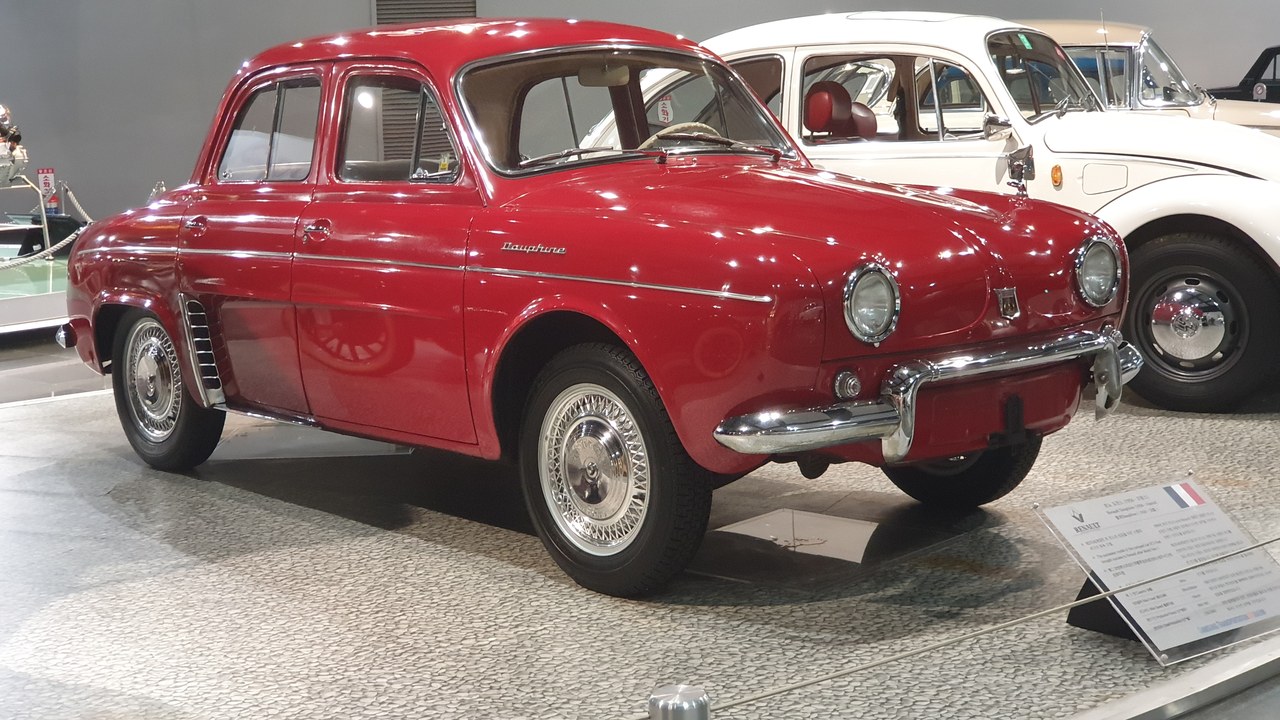
France contributed its own rear-engined saloon. The Renault Dauphine is named among rear-engined cars in the rear-engine design article, which says rear placement puts weight over the driven wheels for grip but can be prone to oversteer.
The Dauphine shows that the layout was not limited to Germany or to sports cars. A family car with the motor behind the rear axle faced the same trade-off as the rest, with useful traction on one side and a tendency to step out in corners on the other, depending on how it was driven. It is a useful counterpoint to the sportier examples.
8. Hillman Imp: The British Contender
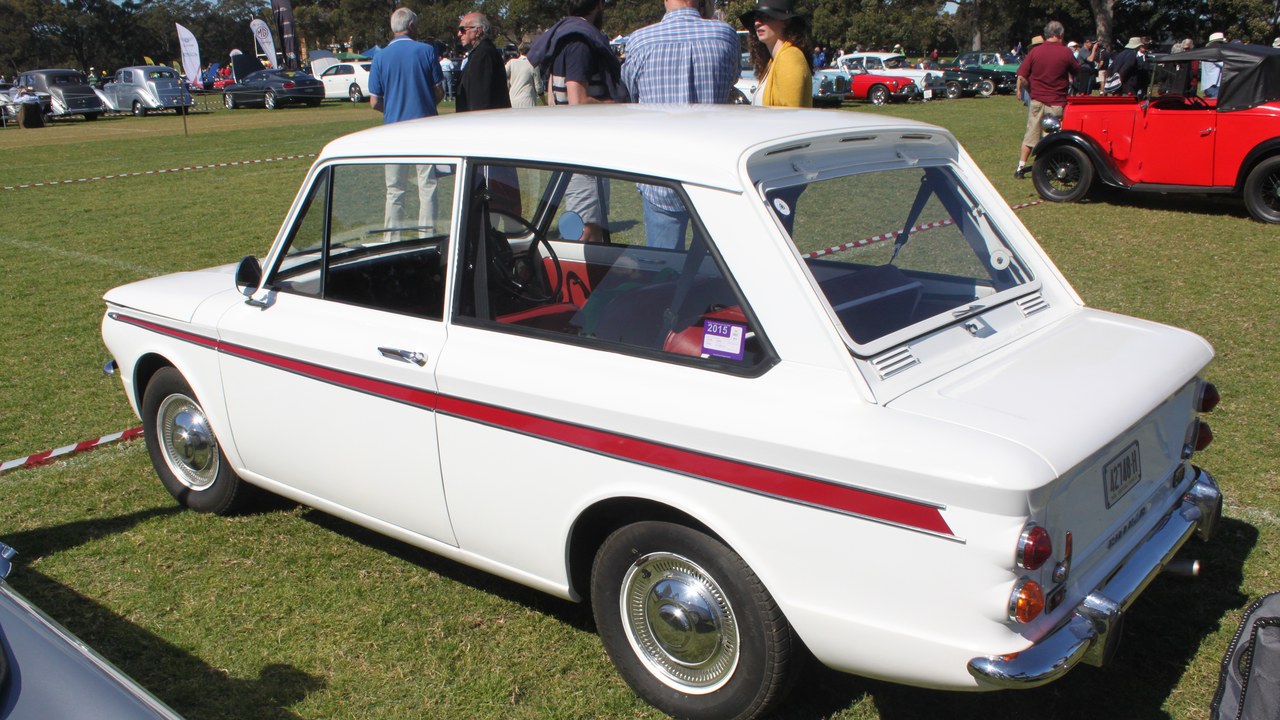
Britain’s entry in the group was the Hillman Imp. The Wikipedia rear-engine list includes it among rear-engined cars and notes that rear placement puts weight over the driven wheels for grip, though such cars can be prone to oversteer.
The Imp completes a spread of nationalities that runs from Germany to the United States, Italy, France and Britain. Its inclusion underlines how widely the rear-engine idea was adopted by small-car makers, and how the same strengths and the same caveat followed it from country to country. Its inclusion rounds out the list neatly.
More from Morning Overview
- Long use of a common prostate pill is tied to a higher chance of glaucoma
- Ford is recalling 223,472 F-150 pickups because the fuel tank can leak or detach
- Hybrids have 15% fewer problems than gas cars, while EVs and plug-in hybrids have about 80% more, Consumer Reports finds
- Regulators cleared the first U.S. small modular reactor, 4 months early
