
Putting the engine behind the seats was once the preserve of exotic racing machinery. Over the decades a surprising number of ordinary road cars adopted the layout, trading front-engine convention for balance and sharper handling. Here are eleven of them, from budget two-seaters to modern supercars.
1. Toyota MR2: The Four-Cylinder Sandwich
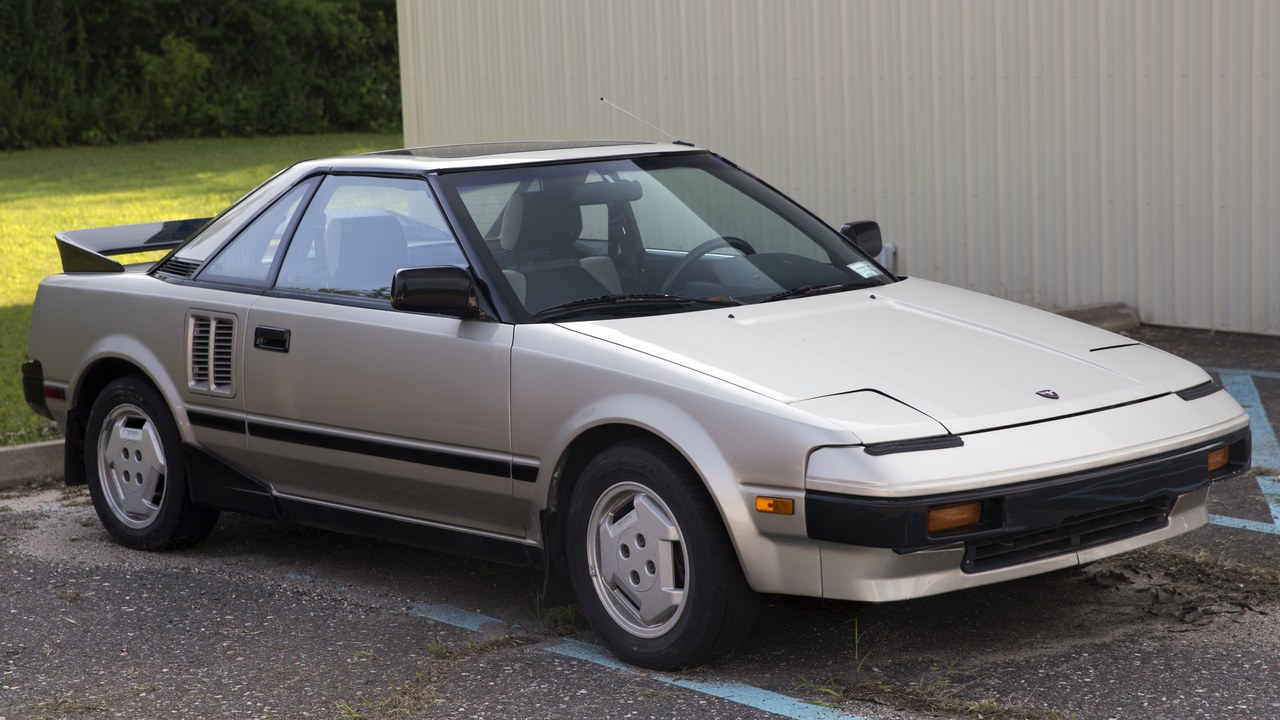
Toyota placed the MR2’s four-cylinder engine between the driver and the rear axle, and kept it there through supercharged, turbocharged and naturally aspirated generations. The setup is described in a roundup of affordable mid-engine sports cars of affordable mid-engine sports cars that predate the modern Corvette, where the MR2 stands as the budget entry point to the layout.
Sitting the heavy engine low and close to the middle of the car gives quick turn-in and sharp balance. The same geometry also means the rear can step out abruptly when a driver lifts mid-corner, so the car rewards smooth inputs and punishes sloppy ones.
2. Pontiac Fiero: Plastic Panels, Rear Power
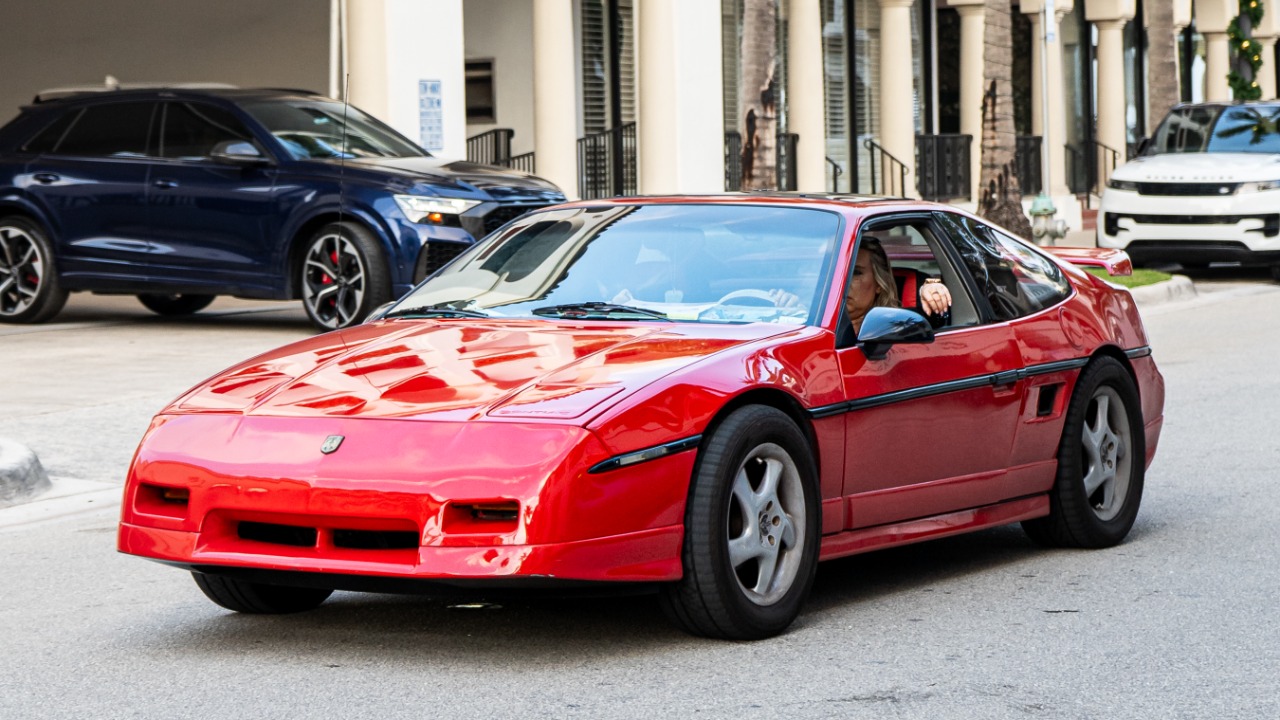
General Motors parked an Iron Duke four-cylinder behind the cabin of the Fiero, a commuter-priced two-seater that brought the mid-engine layout to American showrooms. The engine was later swapped for a V6, a change recorded in the same driving roundup covering cheap mid-engine cars.
The Fiero shows both sides of the formula. Placing the weight amidships gave a small coupe handling a front-engine rival could not match, yet the modest four-cylinder undercut the sporting promise until the V6 arrived. Used examples remain a cheap way into the layout.
3. Lotus Elise: A Corolla Heart In A Featherweight
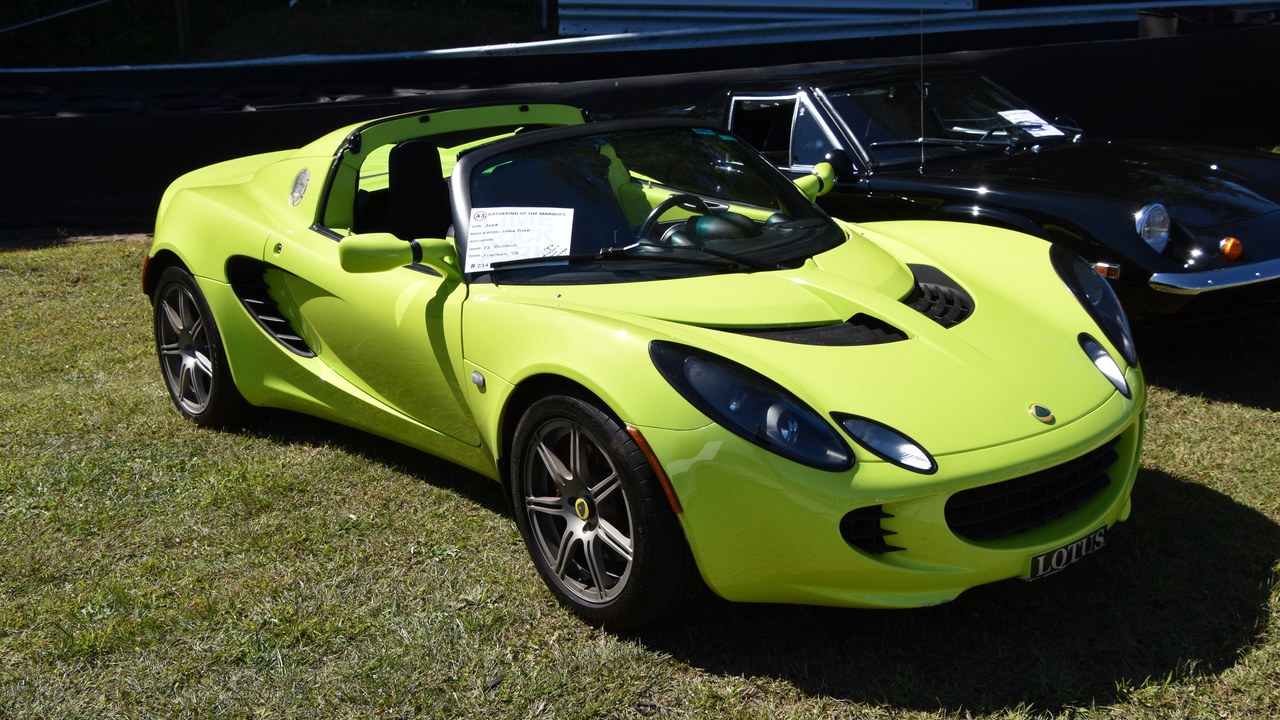
Lotus mounted a four-cylinder sourced from the Toyota Corolla amidships in the Elise, later adding forced induction to the formula. The small-car engine is mentioned in the affordable mid-engine list, which places the Elise among the more accessible mid-engine choices.
Borrowing a mass-produced Japanese engine kept the car attainable and dependable, while the placement behind the seats supplied the poise that made the Elise a reference for steering feel. The trade is a tight cabin and a mid-engine car’s snap-oversteer behaviour at the limit.
4. Fiat X1/9: Italy’s Pocket Mid-Engine
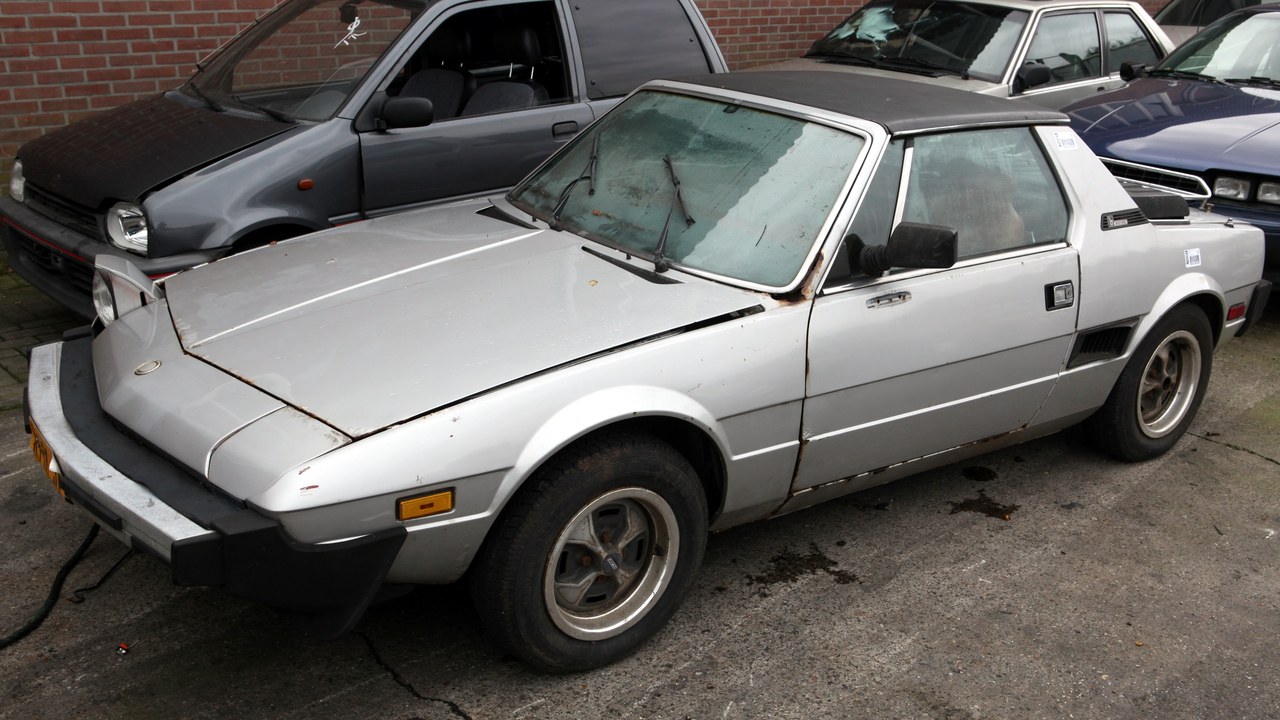
Fiat sold the X1/9 from the early 1970s to the mid-1980s, pitching it as an inexpensive way to sample mid-engine design. That long production run is noted in the pre-C8 roundup of cars that came before the C8.
The little targa-style two-seater proved that rear-of-cabin weight did not require a supercar budget. Its age now matters more than its layout, since survivors from that era demand careful inspection for rust and tired components before the mid-engine handling can be enjoyed.
5. Chevrolet Corvette C8: The Layout Break
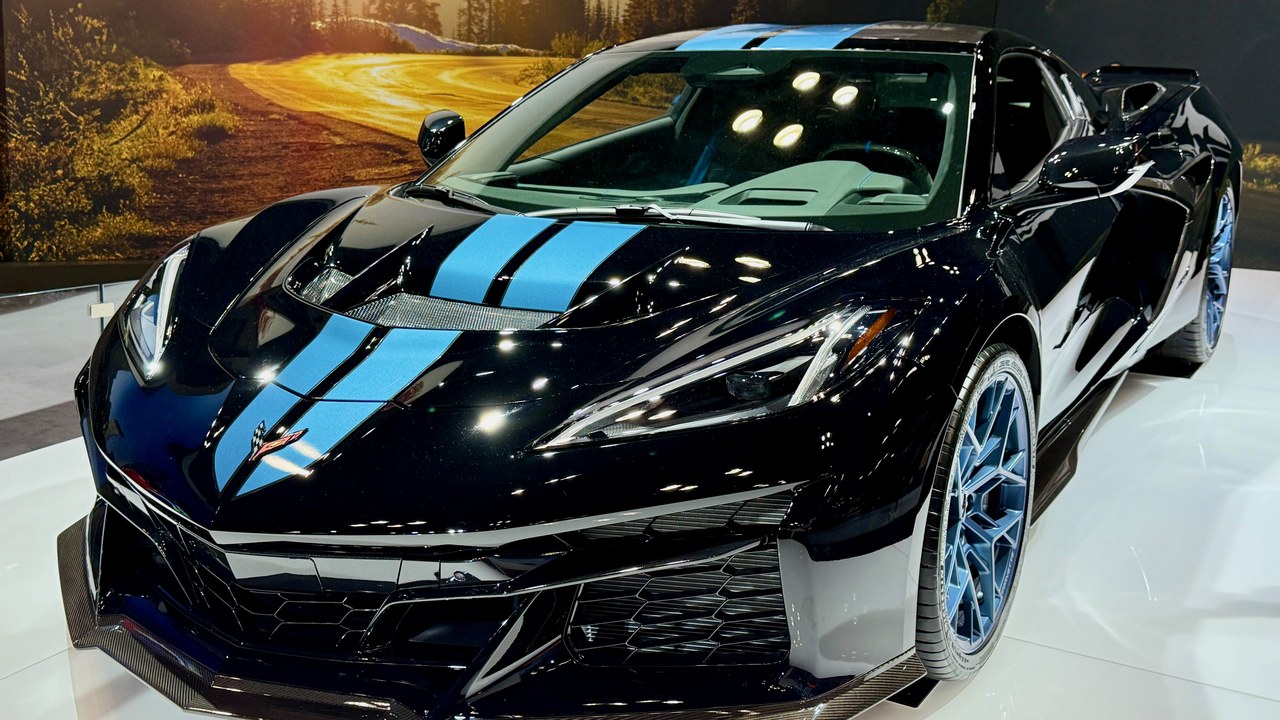
Chevrolet’s C8 is the generation that moved the Corvette’s V8 behind the seats for the first time, ending decades of front-engine tradition for the nameplate. The change is documented in the encyclopedia entry for the eighth-generation car.
Moving the engine rearward brought the Corvette into territory once reserved for exotic European machinery while keeping an American badge and V8 power. For owners the shift means different weight distribution, different limit behaviour and a fresh set of packaging compromises compared with earlier Corvettes.
6. Acura NSX: Honda Builds A Supercar
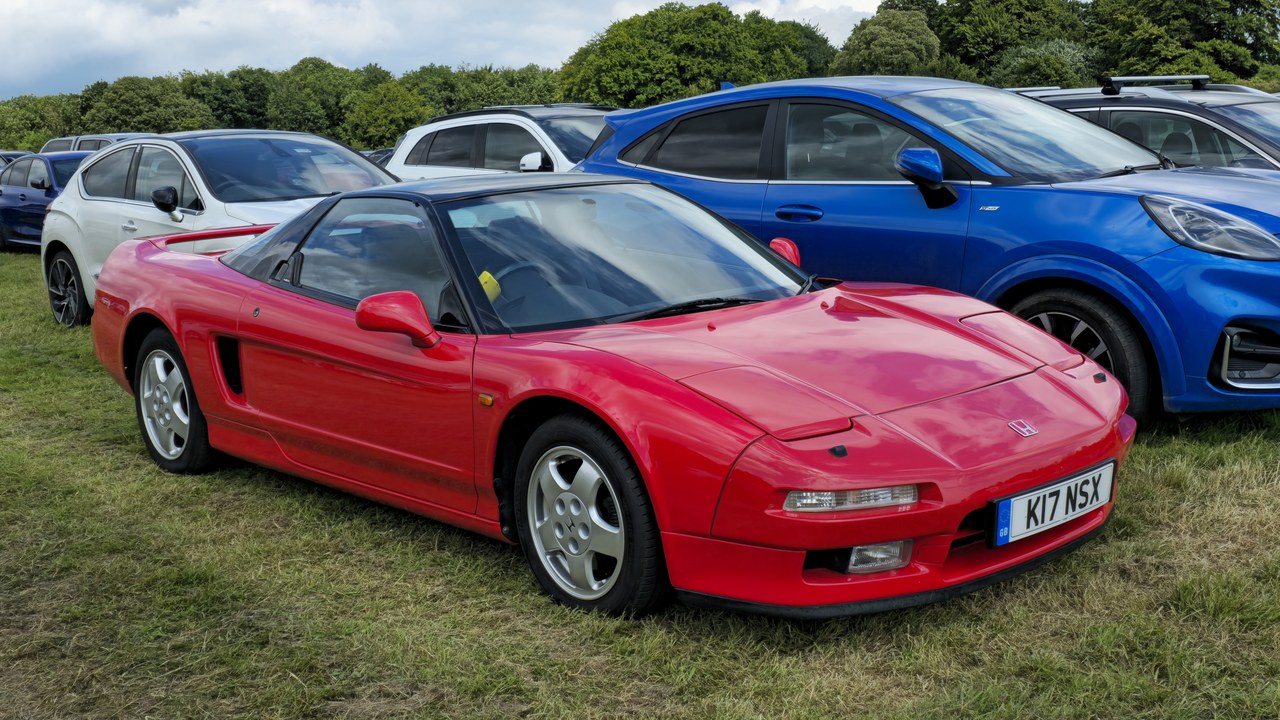
Honda’s first supercar, sold in North America as the Acura NSX, was built around a mid-mounted V6 and an aluminium body. The Honda NSX history describes the car as the company’s entry into exotic-car territory.
The NSX showed that a mid-engine car could be built with everyday reliability in mind rather than the temperamental reputation of its Italian rivals. Its light aluminium structure and rear-biased layout shaped how later performance cars were judged, and clean examples remain sought after.
7. Porsche Boxster: The Other Porsche Layout
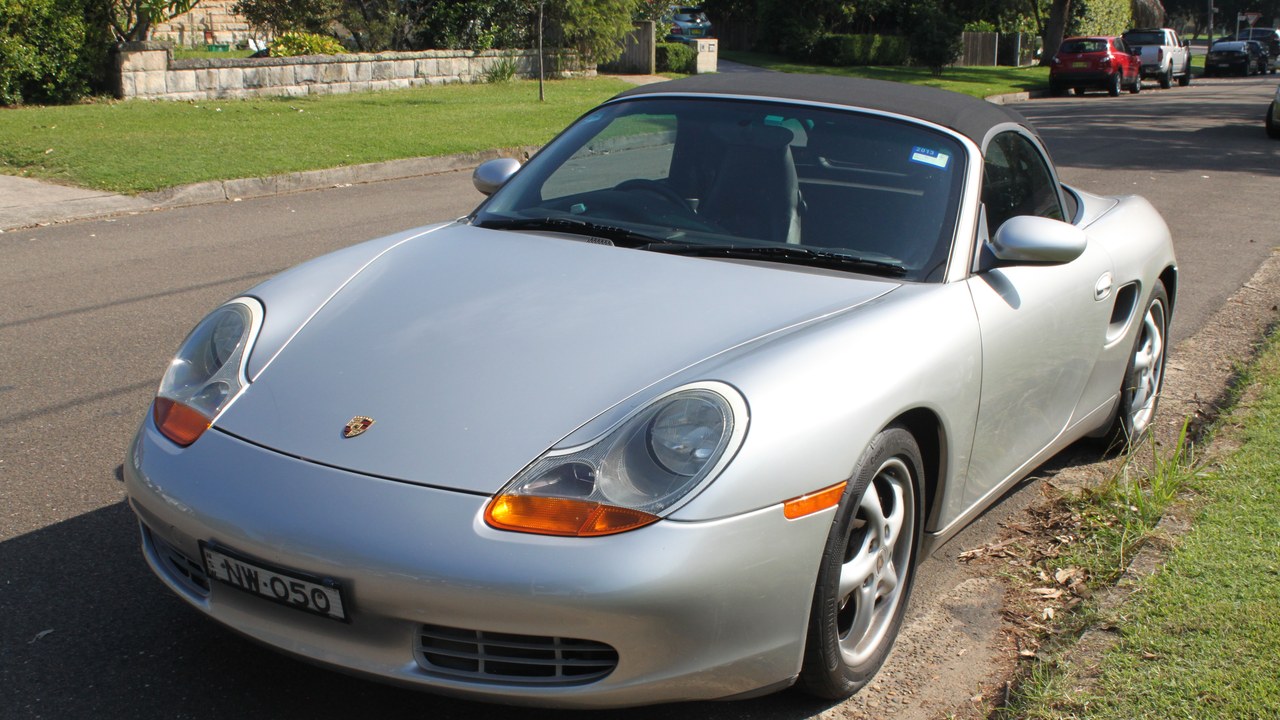
Porsche built the Boxster as a mid-engine roadster alongside its rear-engine 911, giving the company two different engine placements in one showroom. The Porsche Boxster entry covers the model that brought a lower entry price to the brand’s open-top range.
The mid-engine roadster layout gives the Boxster balance that the rear-engine 911 has to engineer around. For buyers it created a genuine choice within a single marque, with the Boxster offering neutral handling and the 911 retaining its traditional shape.
8. Porsche 914: Targa Top, Engine Amidships
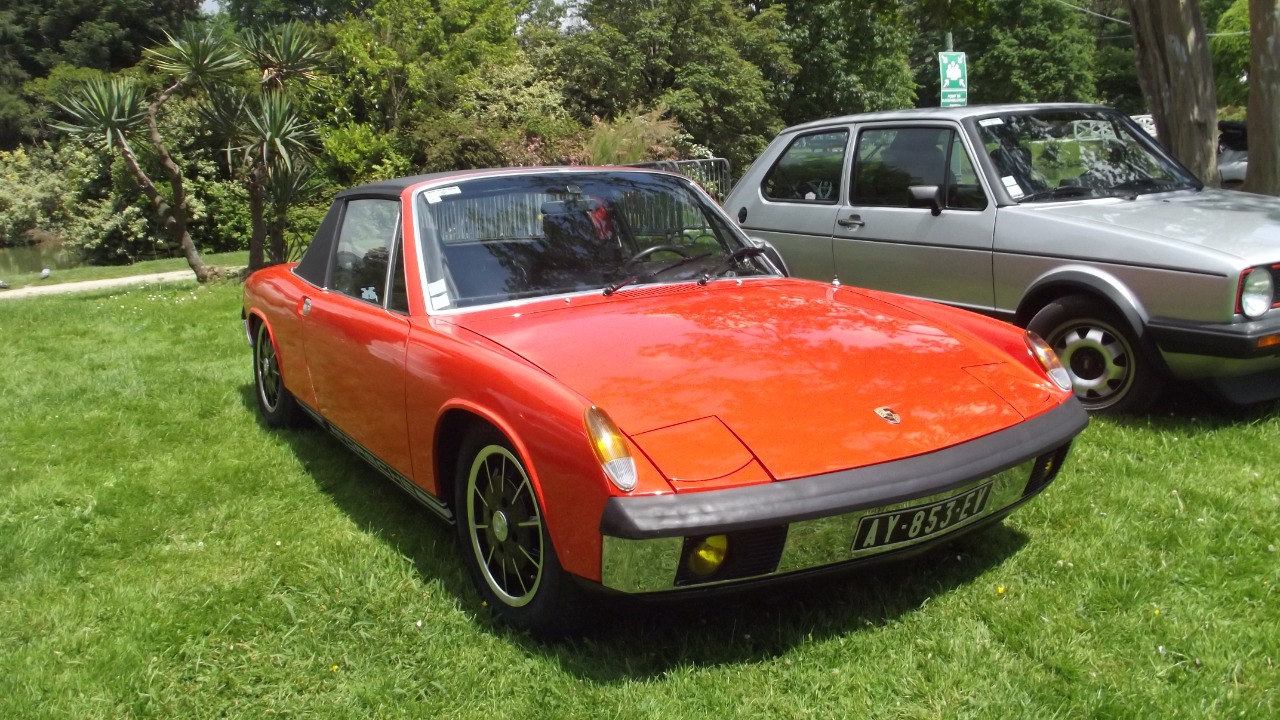
The 914 was a 1970s mid-engine targa that Porsche developed with Volkswagen, pairing the two companies’ engineering and parts. Its development partnership is outlined in the Porsche 914 article for the model.
The joint venture put a mid-engine Porsche within reach of buyers who could not stretch to a 911, at the cost of a reputation that took years to improve. Today the removable-roof two-seater is appreciated as an early, honest example of the layout.
9. Ferrari 348: Maranello’s Late-Eighties V8
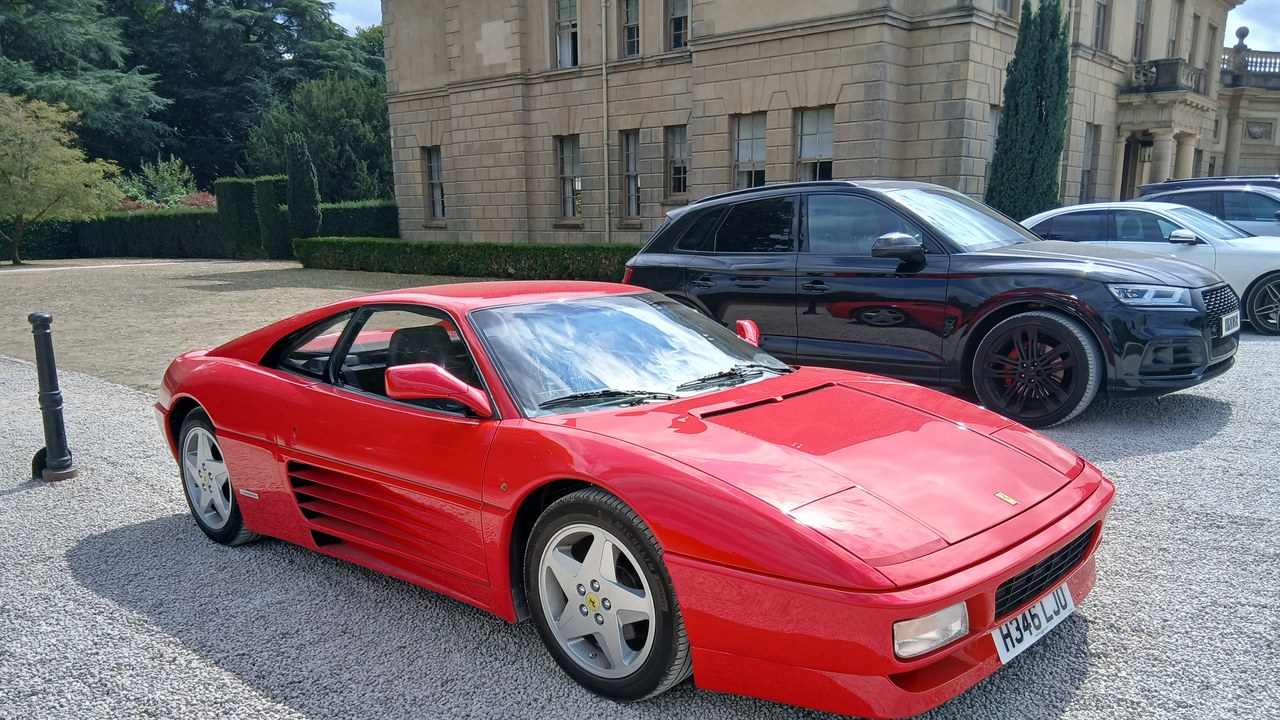
Ferrari’s 348 was the mid-engine V8 model of the late 1980s and early 1990s, placing the eight-cylinder behind the cabin in the manner of the brand’s sports cars. The Ferrari 348 profile sets out the car’s place in that period.
It sits at the accessible end of classic Ferrari ownership, with the engine placement delivering the sharp response the badge promises. Buyers should treat it as an exotic rather than an appliance, since age and maintenance history matter far more than mileage.
10. Ford GT: A Le Mans Homage
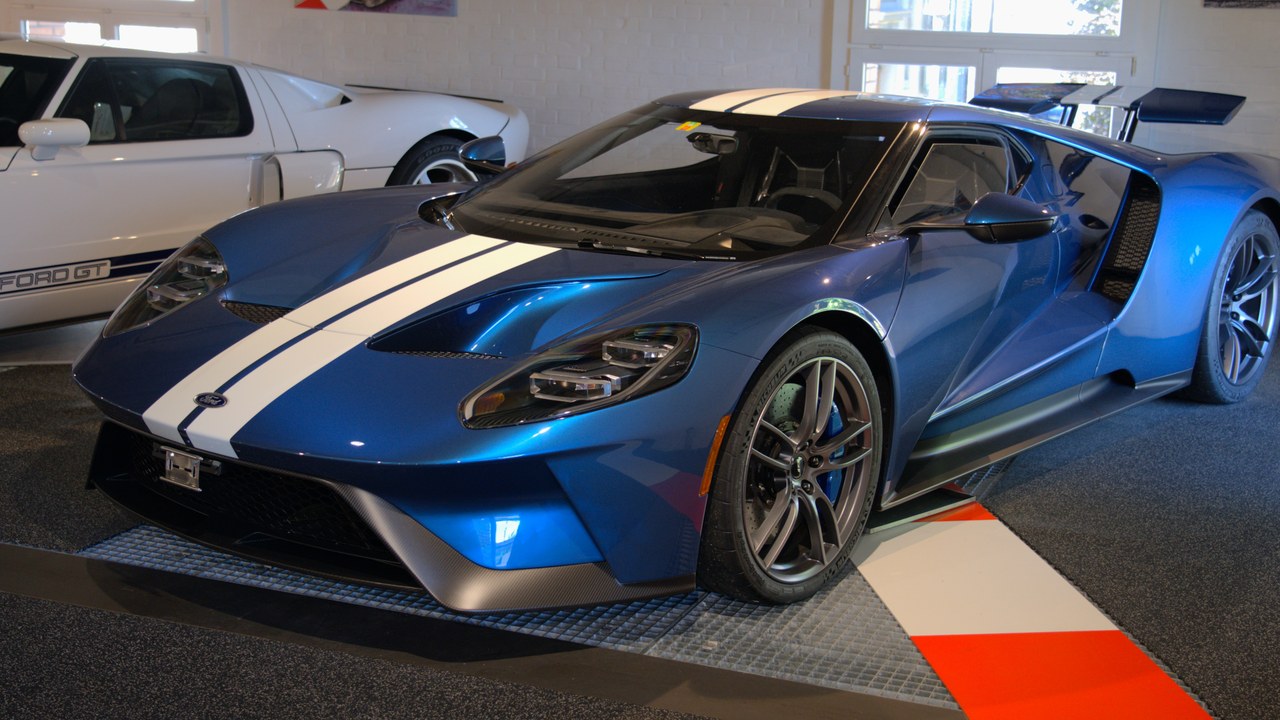
Ford’s mid-engine supercar was built in homage to the GT40 that won Le Mans, carrying the layout of the racing original into a road-going car. The Ford GT article traces the car back to that motorsport heritage.
The Ford GT shows how the mid-engine format moved from the racetrack to the showroom. It is far from an everyday buy, but the layout and the racing lineage place it firmly in the story of the arrangement.
11. Lamborghini Huracan: V10 Behind The Cabin
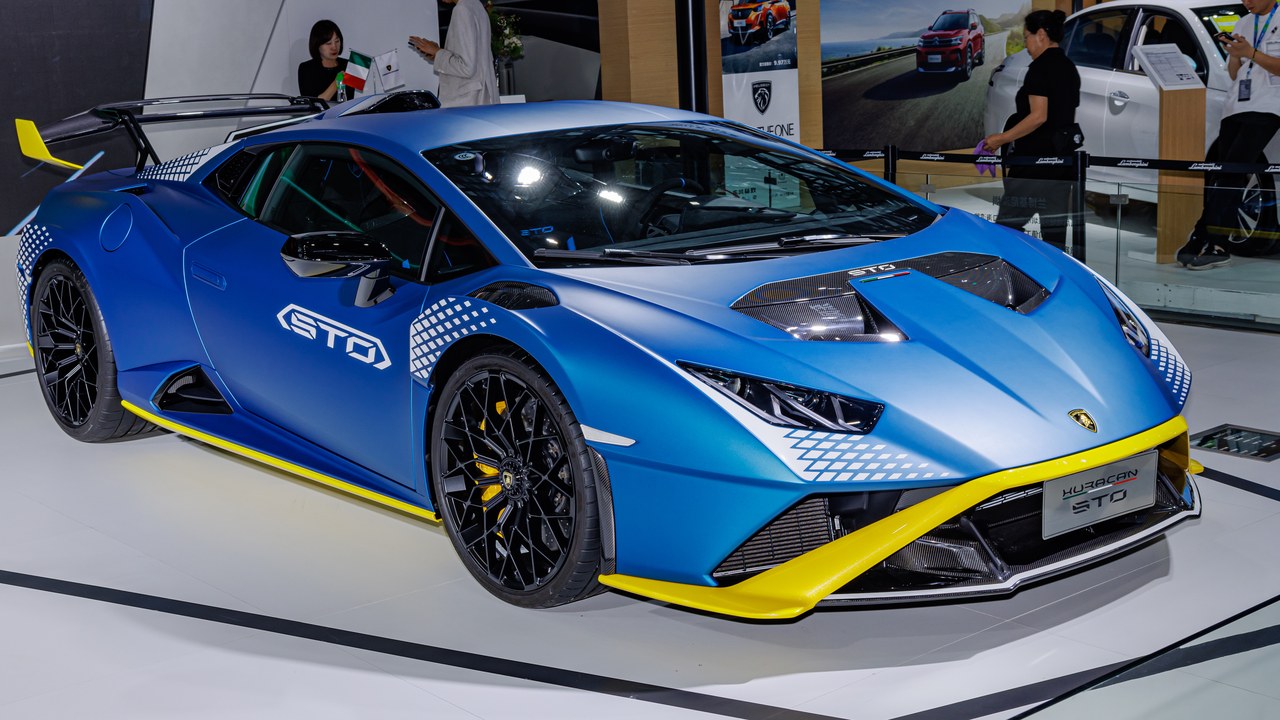
The Huracan carries a mid-mounted V10 behind the cabin, the layout that defines Lamborghini’s modern sports cars. The Lamborghini Huracan entry describes the model and its engine placement.
The Huracan sits at the far end of this list on price, but it makes the point plainly. The same engine-behind-the-seats geometry that the cheapest cars on the list borrowed is here executed at its most dramatic. Owners of such a car accept the mid-engine trade-offs of limited luggage space and a cabin pushed forward.
More from Morning Overview
- Common allergy, bladder and sleep pills tied to sharply higher dementia odds
- NOAA now gives this winter a 75% chance of the strongest El Nino since 1950
- Doctors warn a silent liver disease now affects one in three American adults
- The FBI told the rest of ShinyHunters to surrender after a 24-year-old was arrested
