
Forced induction has been a factory option for decades, from fifties coupes to modern four-door muscle sedans. The power figures attached to each car show how far the supercharger has travelled in that time. Here are twelve production cars that left the factory with one.
1. Dodge Challenger SRT Hellcat: The First Supercharged HEMI
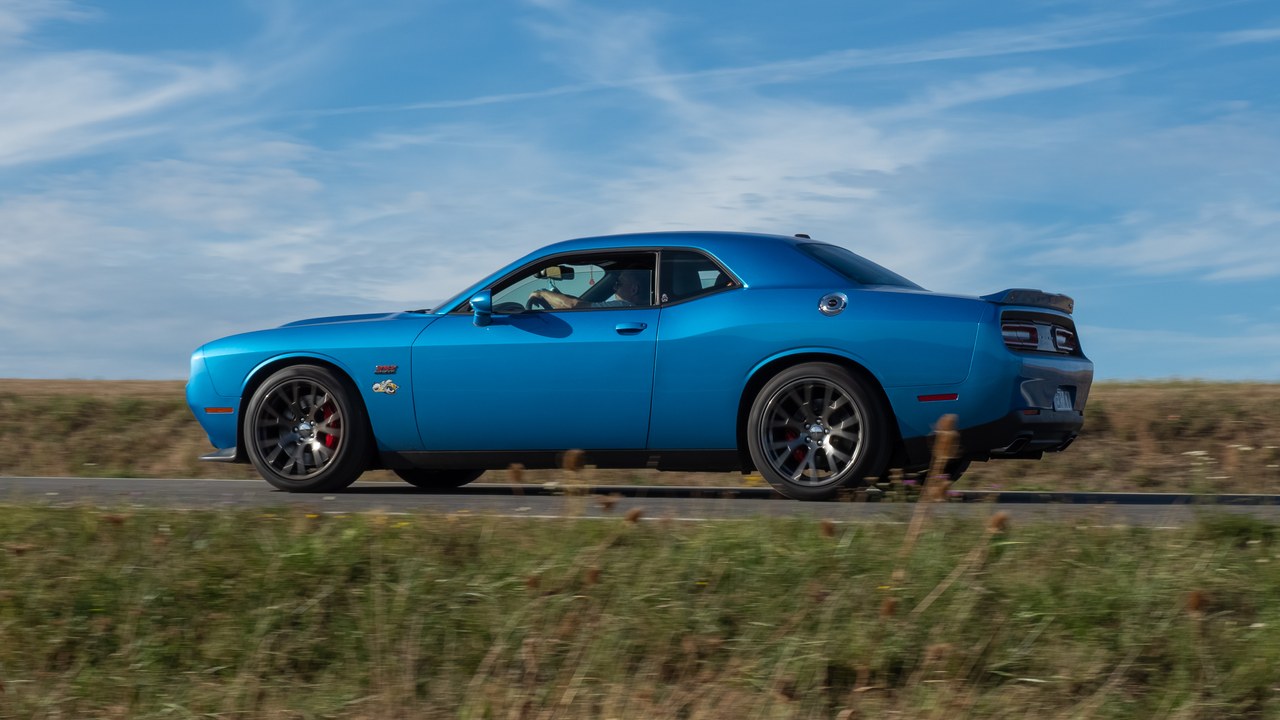
The 2015 Challenger SRT Hellcat carried the first factory supercharged HEMI, and the Stellantis media release gave its output as 707 horsepower and 650 lb-ft of torque from a 6.2-liter V8. At launch, those figures reset expectations for what an American muscle coupe could deliver straight from a dealership.
The supercharger is what made the Hellcat name matter. A forced-induction V8 sold with a full factory warranty changed what a buyer could reasonably expect, and every later Hellcat model traces its lineage back to this single engine.
2. Dodge Charger SRT Hellcat: Four Doors, 797 Horsepower
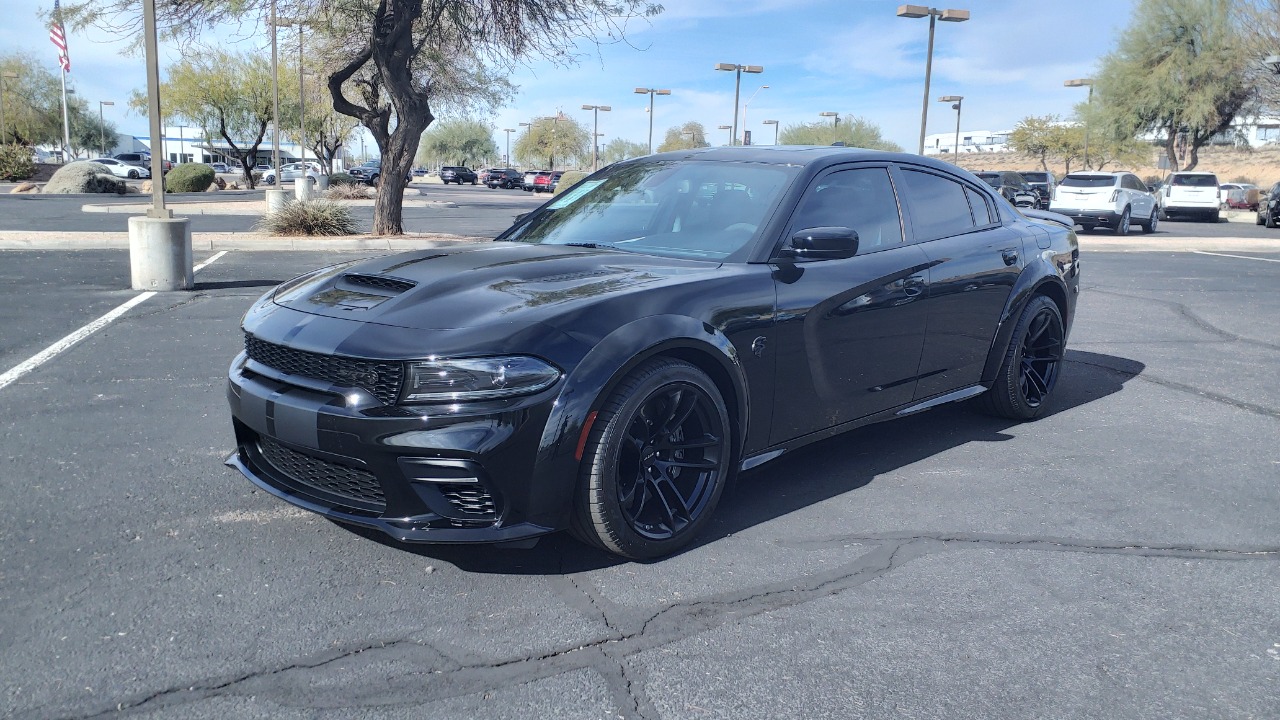
For 2021, the Charger’s supercharged 6.2-liter V8 was rated at 797 horsepower, according to the Charger Hellcat ranking. The sedan took the coupe’s formula and pushed it further, placing a rear-drive four-door among the most powerful production sedans ever built.
For a buyer, the number shows how quickly the supercharged HEMI grew across only a few model years. A car with usable rear seats and a real trunk now carries more output than many dedicated exotic cars of earlier decades.
3. Ford GT: Blower In The Valley
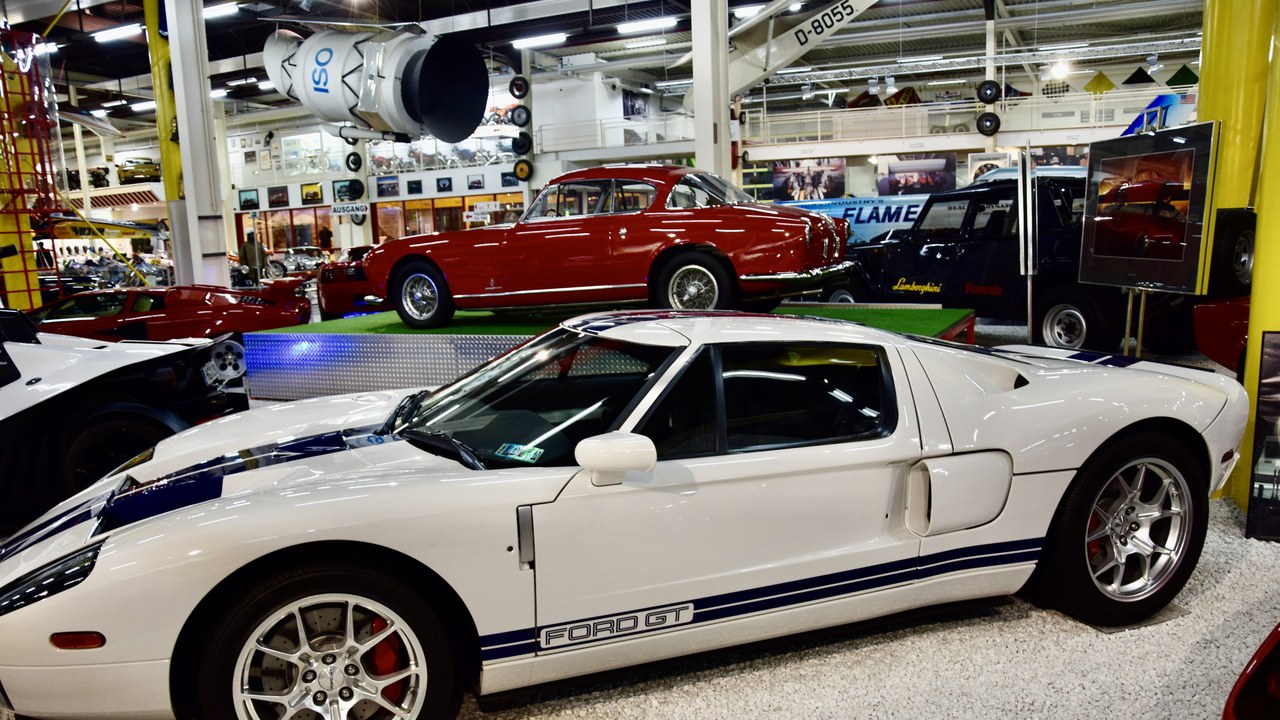
Debuting in 2005, the Ford GT punched out 550 horsepower, with a supercharger nestled between the cylinder banks of its V8, as SlashGear describes. Mounting the blower in the valley kept the engine package compact inside a mid-engine car conceived as a tribute to the GT40 racers.
The result was a road-going supercar whose power came from forced induction rather than sheer displacement. Its place on this list shows that a factory supercharger has powered halo cars as well as everyday performance models.
4. Cadillac CT5-V Blackwing: A Super-Sedan With Teeth
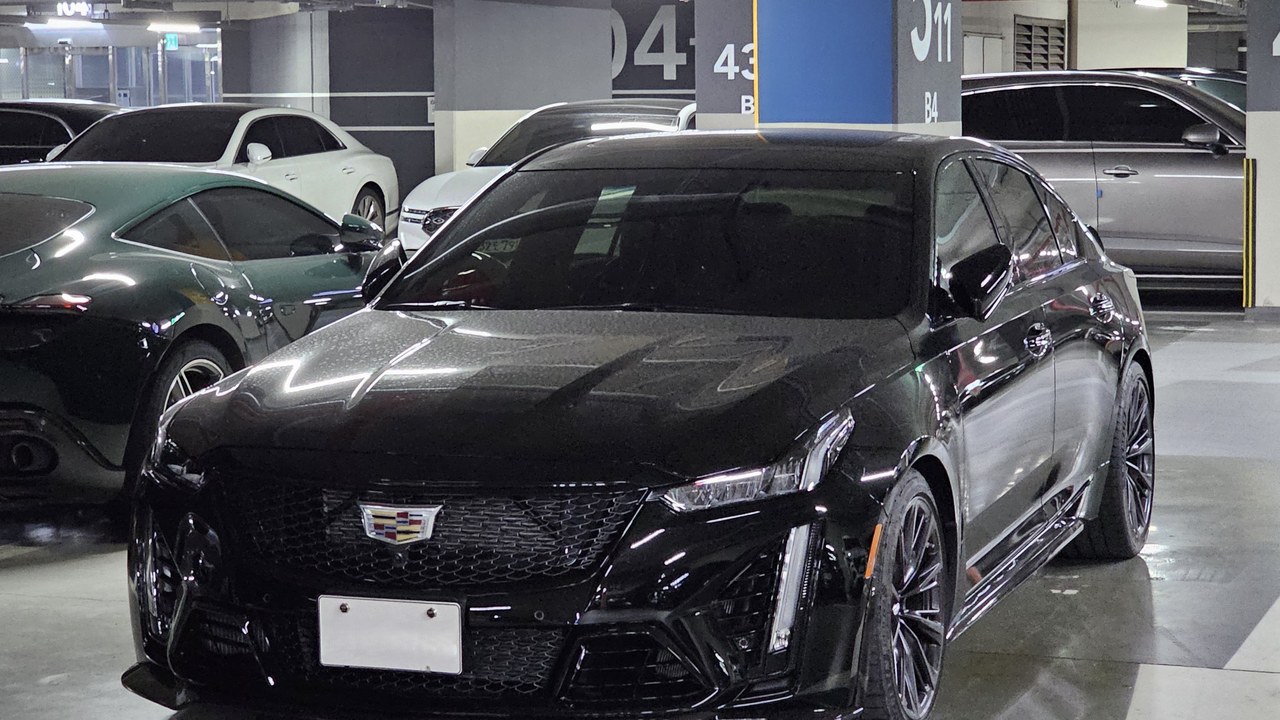
Cadillac’s CT5-V Blackwing cranks out 668 horsepower, thanks in part to its supercharger, according to the SlashGear list. Its output sits far above what the typical midsize four-door offers, and it arrives from a luxury brand rather than a specialist tuner.
The Blackwing demonstrates that the technique remains current rather than a relic of past decades. Buyers get a factory-warranted sedan with serious power, though the fuel and tire costs that follow such performance are part of the ownership picture.
5. Studebaker Golden Hawk: The Fifties Pioneer
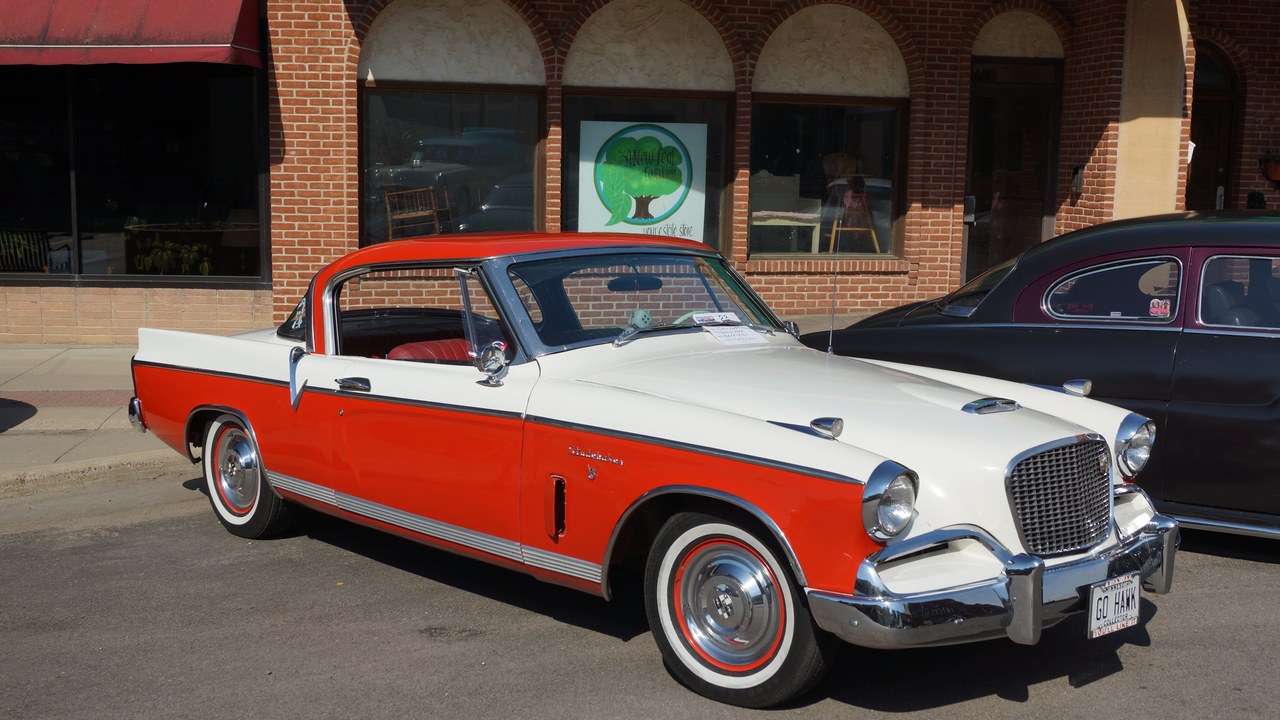
The oldest car here is also the most modest in its numbers. A centrifugal supercharger helped the Studebaker Golden Hawk match 275 horsepower for 1957, the earliest model year on the list and a reminder that factory boost long predates the muscle-car era.
Collectors treat the Golden Hawk as an early example of a manufacturer fitting a blower at the factory and standing behind it. Its output looks small beside modern figures, yet it anchors the story of how far supercharging has come.
6. Cadillac CTS-V: Supercharged Sports Sedan
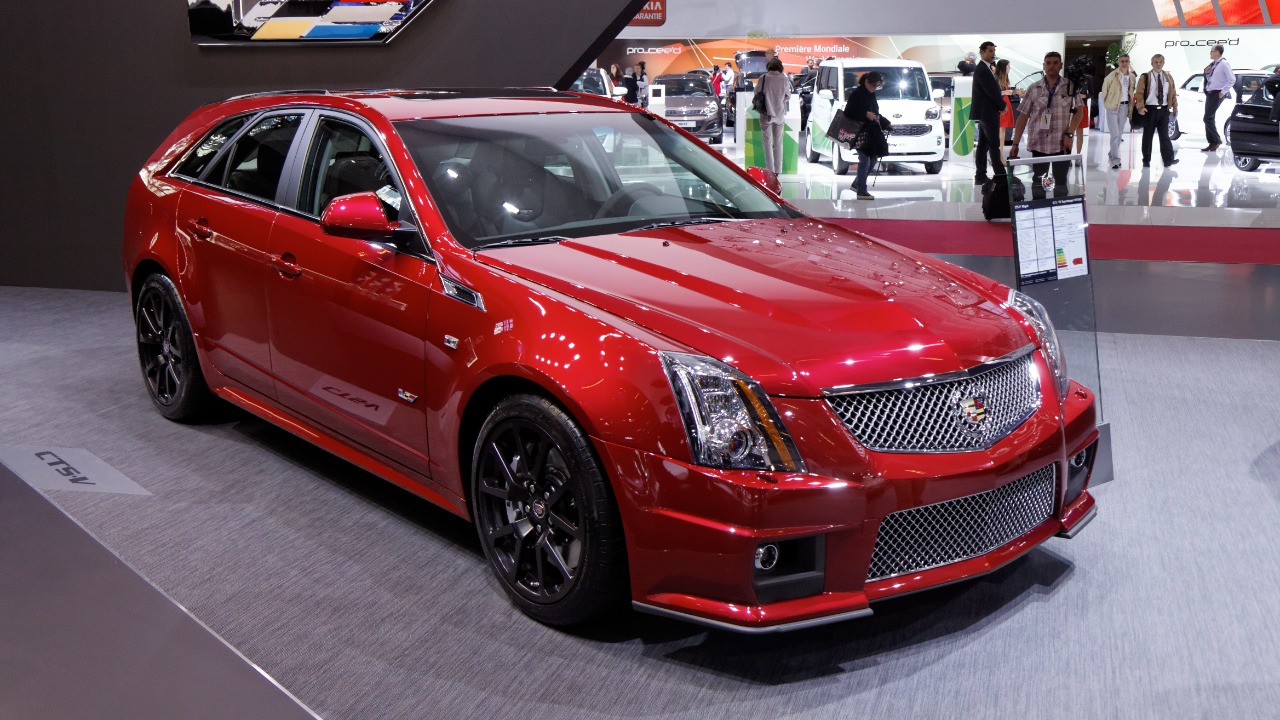
The CTS-V earns its place among the supercharged sports sedans catalogued by iSeeCars, which groups it with other factory-boosted performance cars. Cadillac’s V-series badge marks the high-performance version of the ordinary CTS.
The listing is brief, but it places the CTS-V in a long-running supercharged line rather than a one-off experiment. Used buyers should review service history carefully, since cars like this are often driven hard and maintenance matters, and parts and repairs cost more than on a standard CTS.
7. Cadillac Escalade-V: A Supercharged Luxury Truck
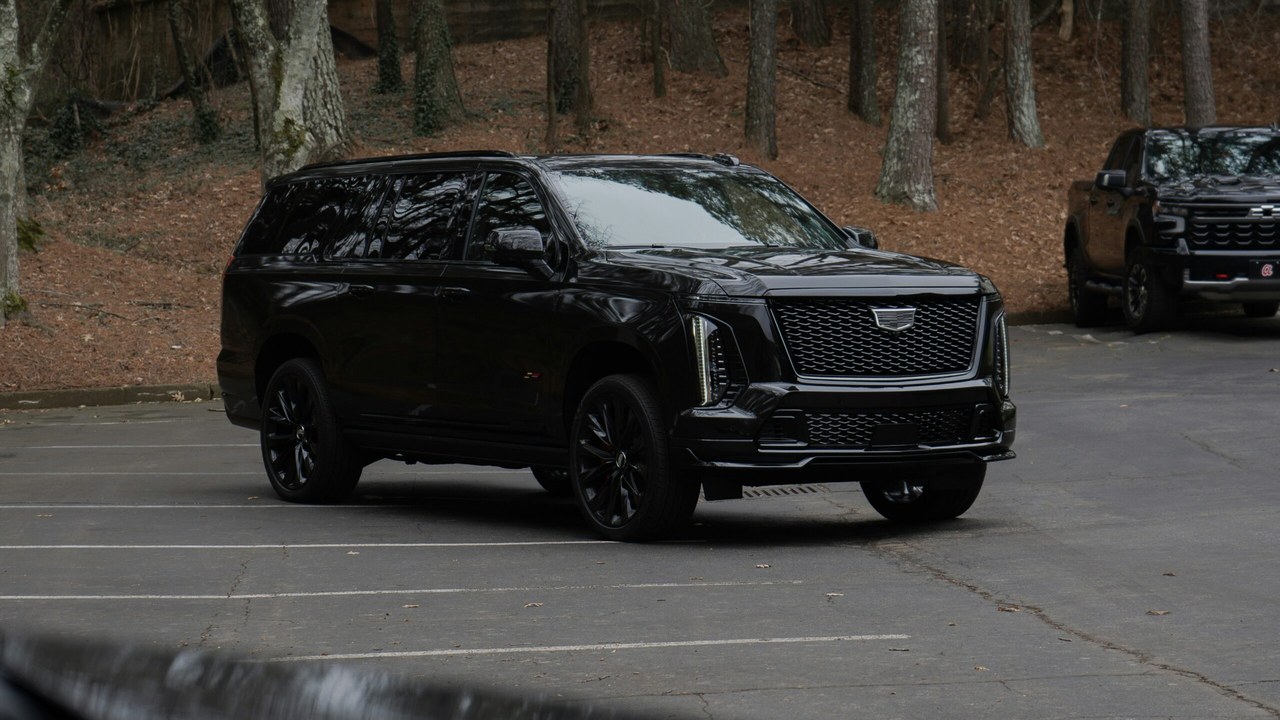
Large luxury utility vehicles joined the supercharged club as well. The Escalade-V appears in iSeeCars’ list of SUVs and trucks “featuring supercharged V8 engines,” placing a three-row Cadillac in the same company as performance coupes.
Adding a blower to a full-size SUV says something about priorities. The Escalade-V treats big-truck bulk as a platform for sports-car power, and owners should expect the fuel consumption, tire wear and running costs that come with that choice, along with a very quick vehicle for its size.
8. Mini Cooper S: Small Car, Whining Blower
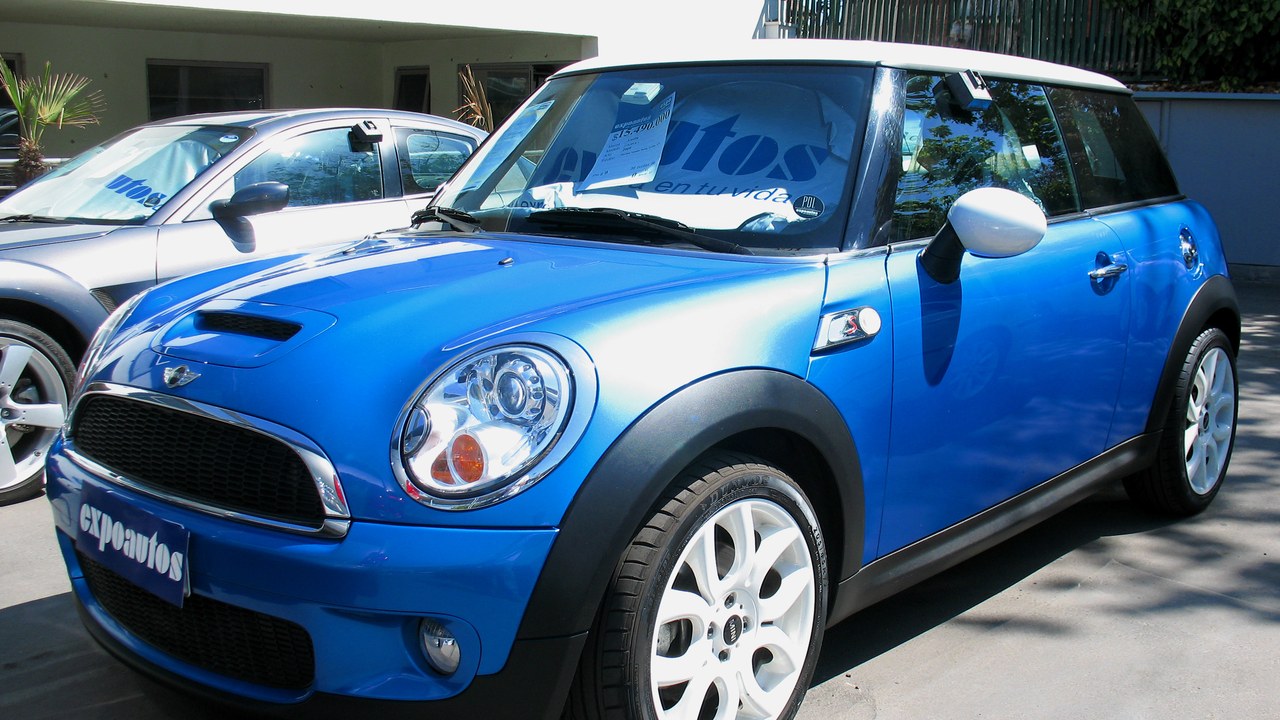
The early-2000s Mini Cooper S used an Eaton supercharger, a detail covered by iSeeCars, which gave a compact hatchback a forced-induction kick that suited its small engine and light weight.
The setup proved that a supercharger works as well in a small car as in a large V8 machine. Owners often cite the distinctive whine as part of the appeal, and used examples remain a relatively affordable way into factory boost, though age-related wear deserves a careful inspection.
9. Chevrolet Corvette ZR1: The 640-Horsepower Vette
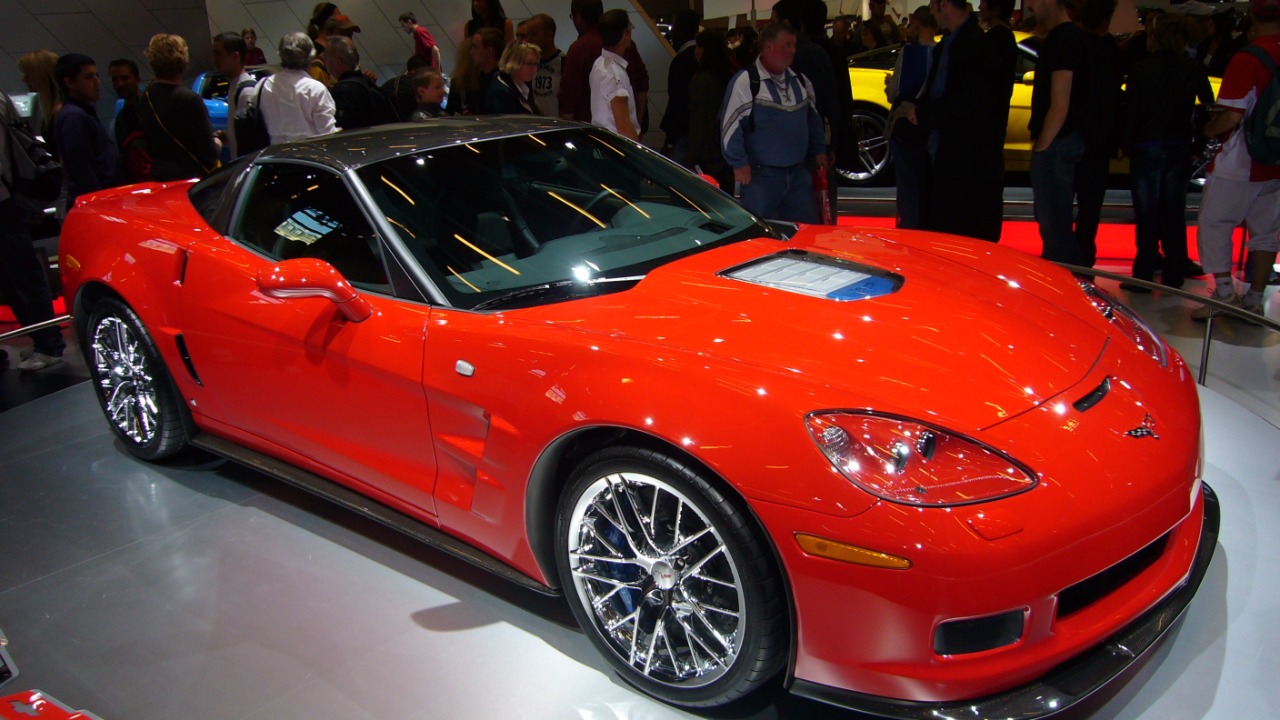
The C6 Corvette ZR1 packed a supercharged 6.2-liter LS9 V8 making 640 horsepower, as Mighty Car Mods notes. It put Chevrolet’s flagship near the top of the performance ladder using a blower rather than a larger engine.
The LS9 became a reference point for later supercharged Chevrolet and Cadillac V8s. For collectors, the ZR1 stands out as a supercharged Corvette that delivered supercar-level output with the practicality of a front-engine American sports car.
10. Ford Mustang Shelby GT500: Predator Under The Hood
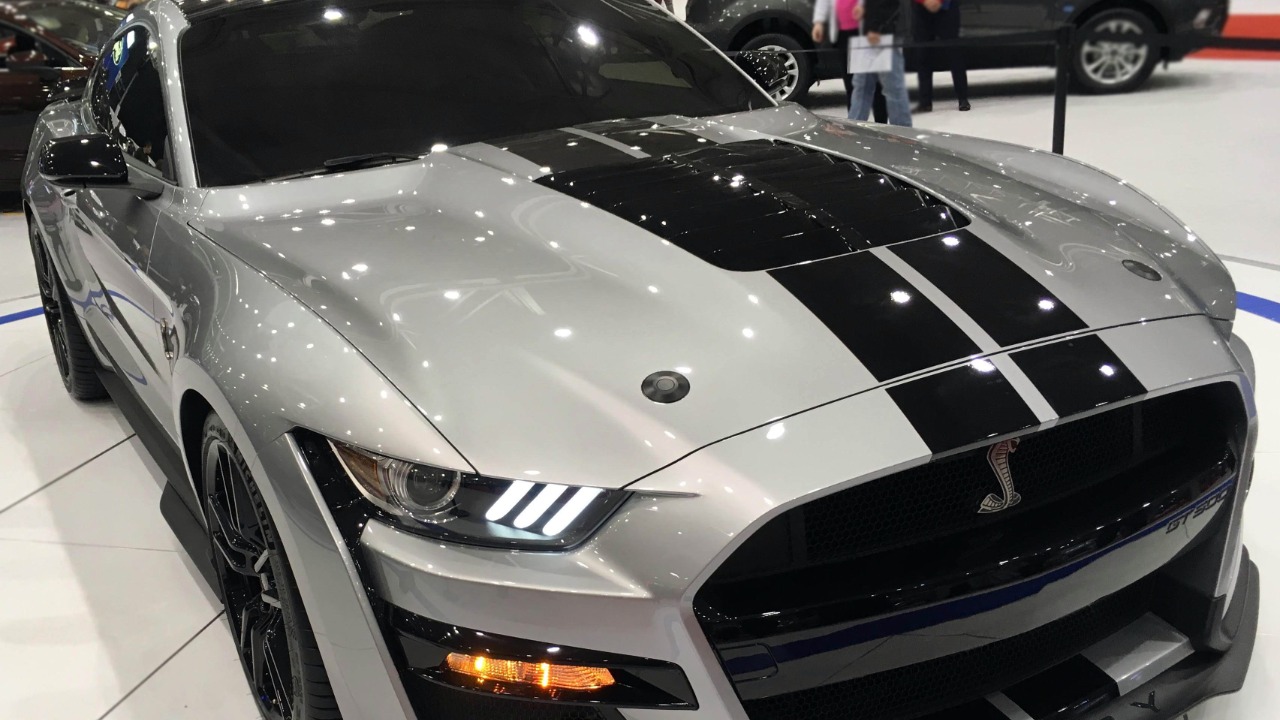
Ford’s Shelby GT500 pairs a supercharged 5.2-liter quad-cam V8 known as ‘Predator’ with 760 horsepower, a pairing that Mighty Car Mods includes among the best factory-supercharged cars.
That output made the GT500 one of the most powerful Mustangs ever sold. The Predator nickname suits a car whose character depends on its blower, and the figure shows how far the Mustang’s top performance trim has moved over the years, well beyond what earlier GT500 buyers could expect.
11. Mercedes-Benz E55 AMG: Hand-Built Boost
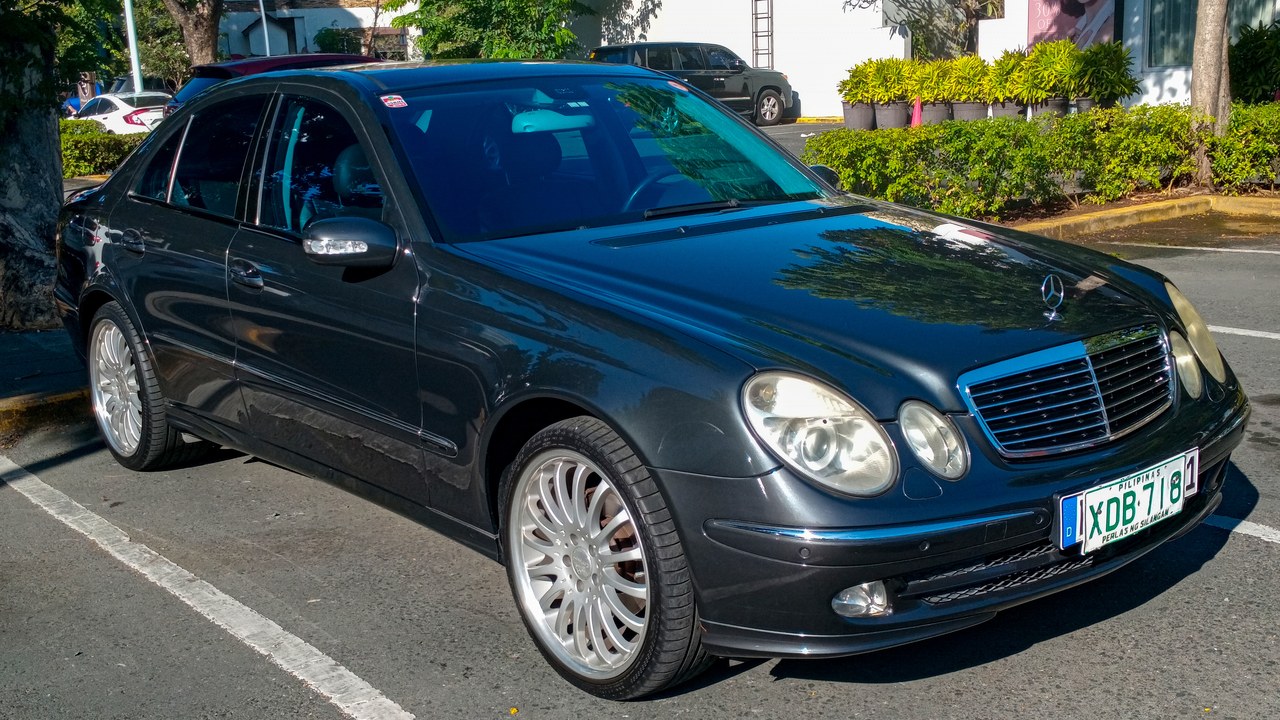
Mercedes-Benz gave the E55 AMG a hand-built supercharged 5.5-liter V8 in the early 2000s, a combination that Mighty Car Mods picks out as a standout. The engine sat inside an otherwise conservative executive sedan.
That mix made the E55 a classic sleeper, quick enough to surprise sports cars while looking like ordinary business transport. Used buyers should expect specialist maintenance, since a hand-assembled blown V8 is far from an ordinary parts-counter engine.
12. Jaguar XJR: Jaguar’s Eaton-Blown V8
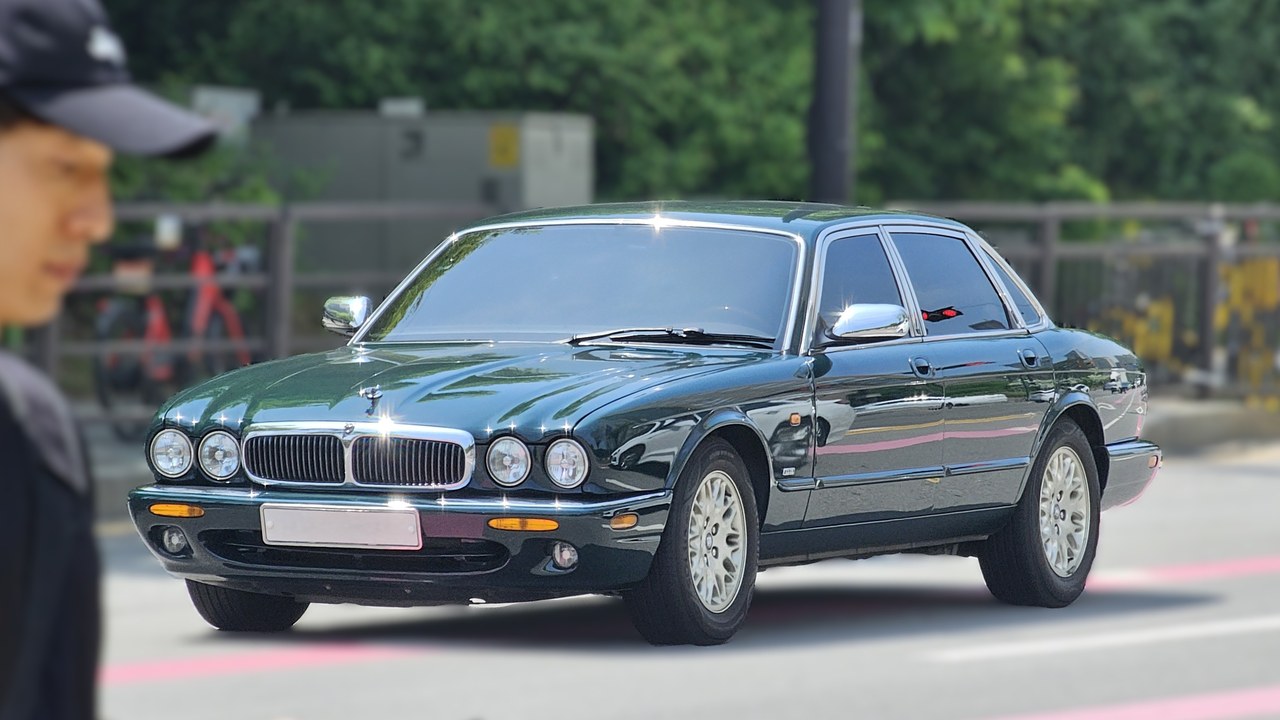
The Jaguar XJR carried an Eaton-supercharged V8 making 375 horsepower from 4.0 liters, rising to 420 horsepower from 4.2 liters, as Mighty Car Mods reports. The supercharger gave a refined luxury saloon genuine sports-car pace.
The step up in displacement and output shows Jaguar refining the formula across successive models. Owners get a quiet luxury car paired with an engine that delivers its power through a blower rather than a turbocharger, which gives the XJR a distinct character among its rivals.
More from Morning Overview
- Hurricane Hunter radar shows four warning signs that a tropical cyclone is about to strengthen, a University of Miami study found
- Tropical Storm Rachel is dumping up to 12 inches on four Mexican states on its way to major hurricane strength
- The FTC says Lens.com doubled the price shoppers saw in Google ads
- Common allergy, bladder and sleep pills tied to sharply higher dementia odds
