
Hidden headlamps shaped the look of sports cars for decades, from wedge-nosed exotics to small Japanese roadsters. The feature faded as safety rules and aerodynamics changed what designers could do. Here are eleven cars that carried the look in full, each tied to a published source.
1. Lotus Esprit: The Last Of The Line
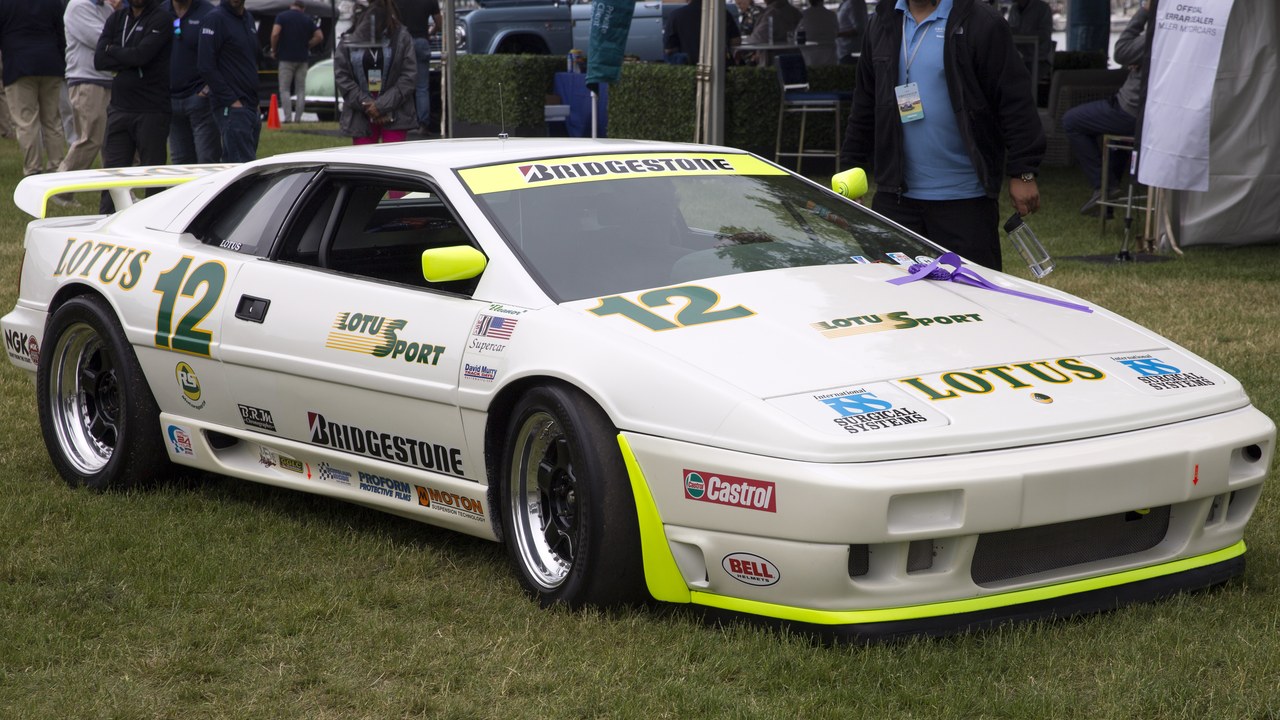
The final pop-up headlamps on a volume-production car appeared in 2004, and the Lotus Esprit was one of the two cars that ended that year. Wikipedia’s account of pop-up headlamps records that the Esprit and the Chevrolet Corvette C5 both left production in 2004, closing a design chapter that had run for decades across sports cars of every price.
The Esprit therefore marks the end of the road for a feature that once defined the wedge-shaped sports car. Buyers of new cars can no longer specify lamps that flip up from the bonnet, which makes surviving Esprits a direct link to the final years of the style.
2. Chevrolet Corvette C5: Corvette Says Goodbye
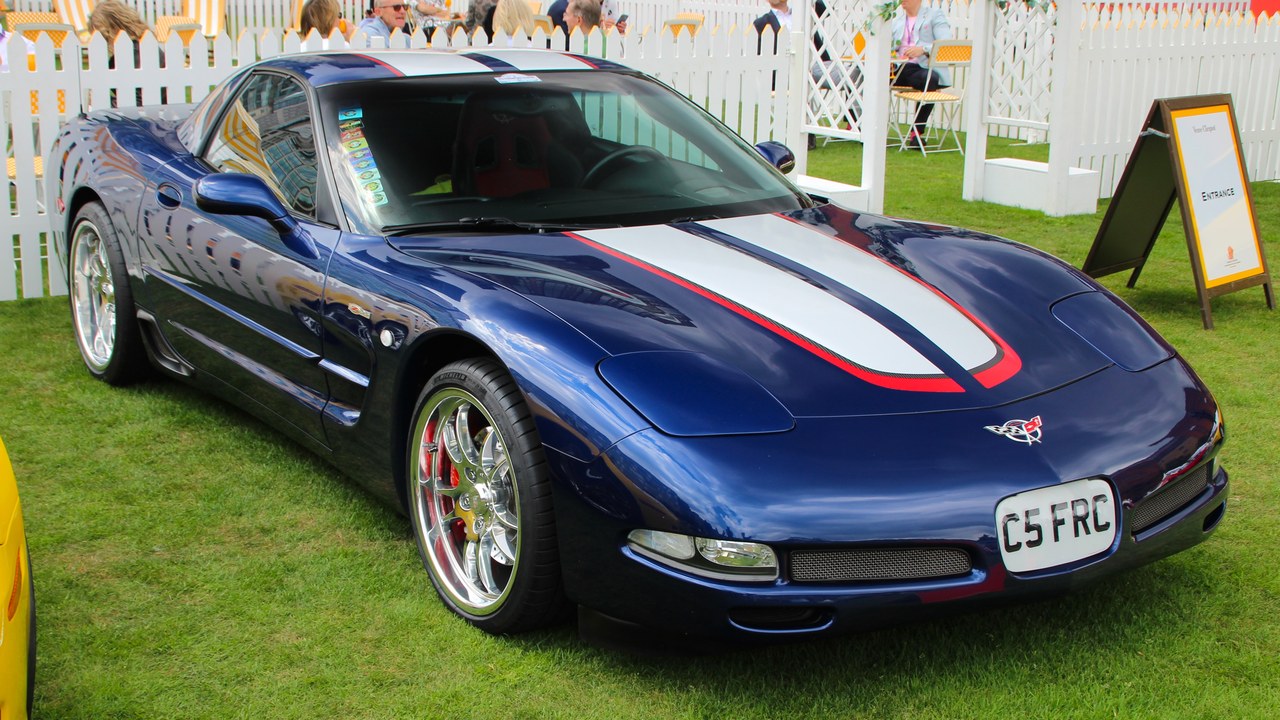
Sold from 1997 to 2004, the C5 was the last Corvette to carry pop-up headlights, according to a Canadian insurance broker’s list. Its run ended in the same year as the Lotus Esprit, which is why the two cars share the closing slot in the history of the feature.
Later Corvettes moved to fixed lamps, so the C5 stands as the final point at which an American sports car lifted its lights into the airstream. For collectors, that makes the model a convenient dividing line between the old look and the modern one.
3. Toyota MR2: Mid-Engine Pop-Up Pioneer
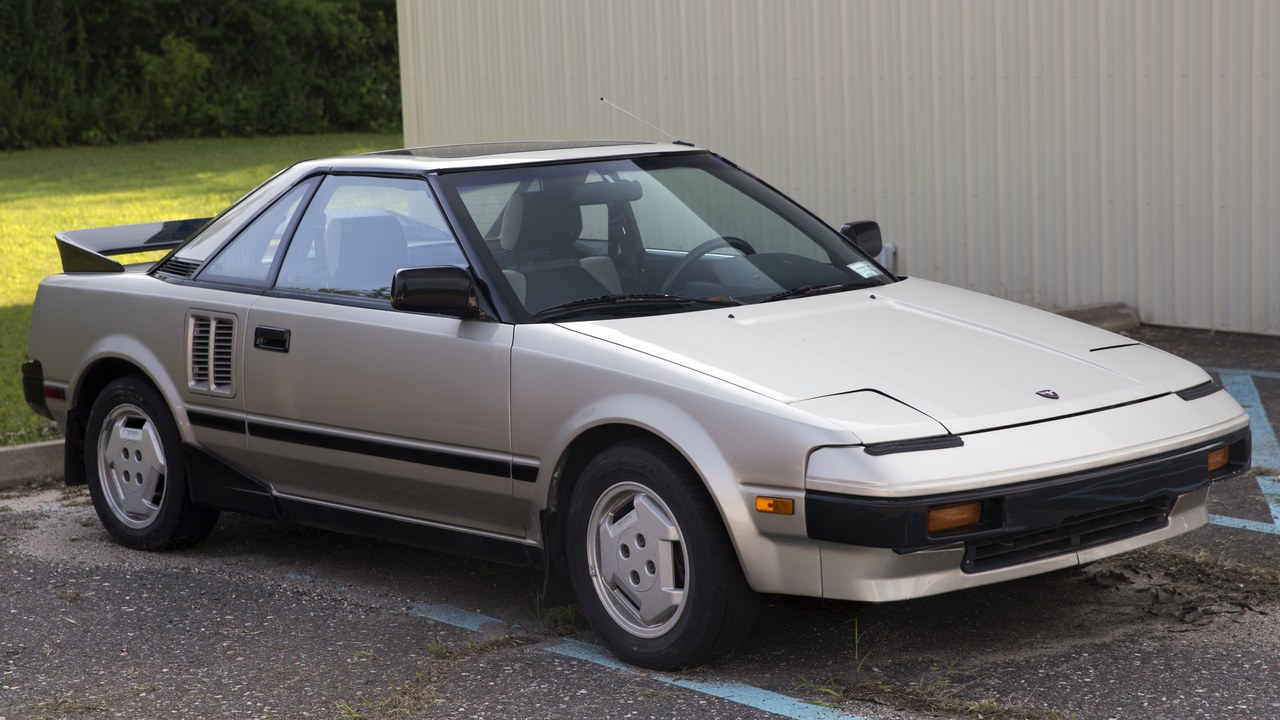
Toyota’s MR2 appears among the pop-up headlamp cars catalogued by Wikipedia’s pop-up headlamp entry, with the listing dating the feature from 1986. The small mid-engined coupe joined a long line of Japanese sports cars that hid their lamps in a low, sloping nose.
The hidden lights allowed a nose that sat very low to the road, a shape that suited the car’s compact proportions. Owners of early examples should expect the lamp mechanisms to be worth checking, since moving parts add one more item to an older car’s maintenance list.
4. Porsche 928: Headlamps That Rotate
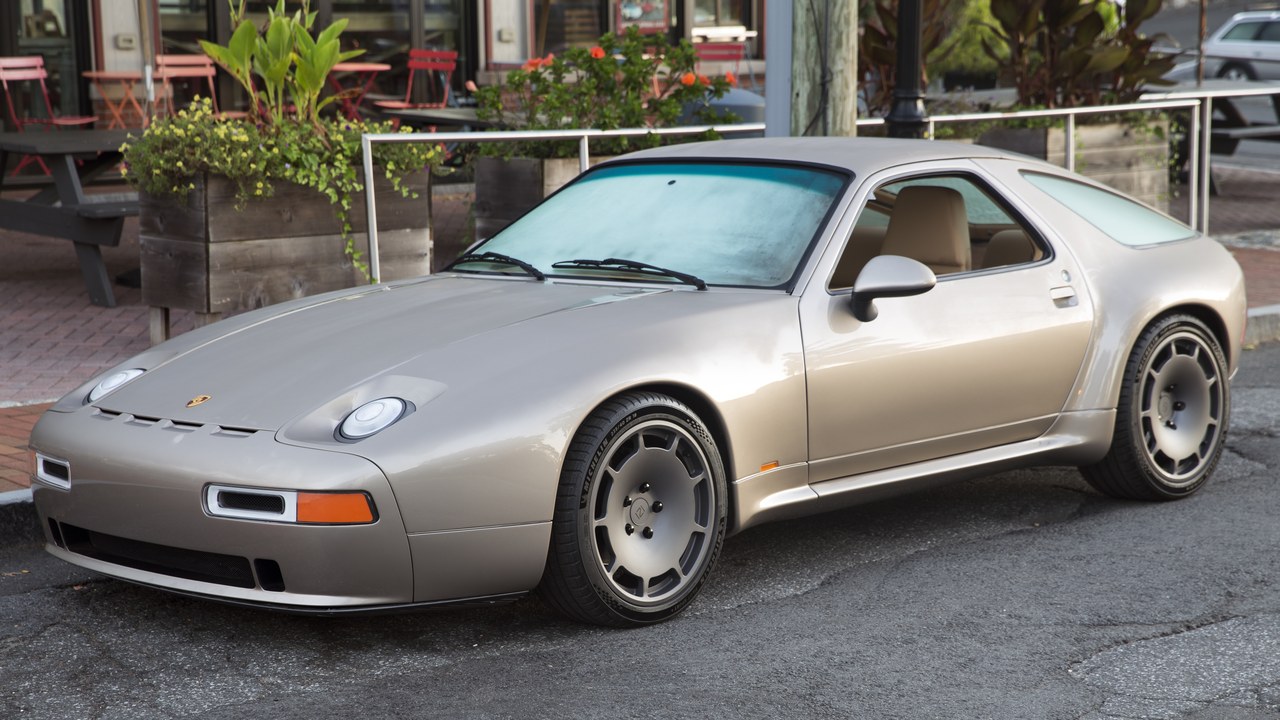
Unlike most cars on this list, the Porsche 928 does not flip its lamps up from the bonnet. Its headlamps sit in a rotating housing that lies flush with the front end when switched off, as Wikipedia’s description of the arrangement explains.
The result is a smooth, rounded nose with no visible lamp openings until the lights are called for. It is a distinct take on the hidden-headlamp idea, and it shows that the technique was not limited to a single mechanism or a single look.
5. Lamborghini Countach: Wedge With Hidden Eyes
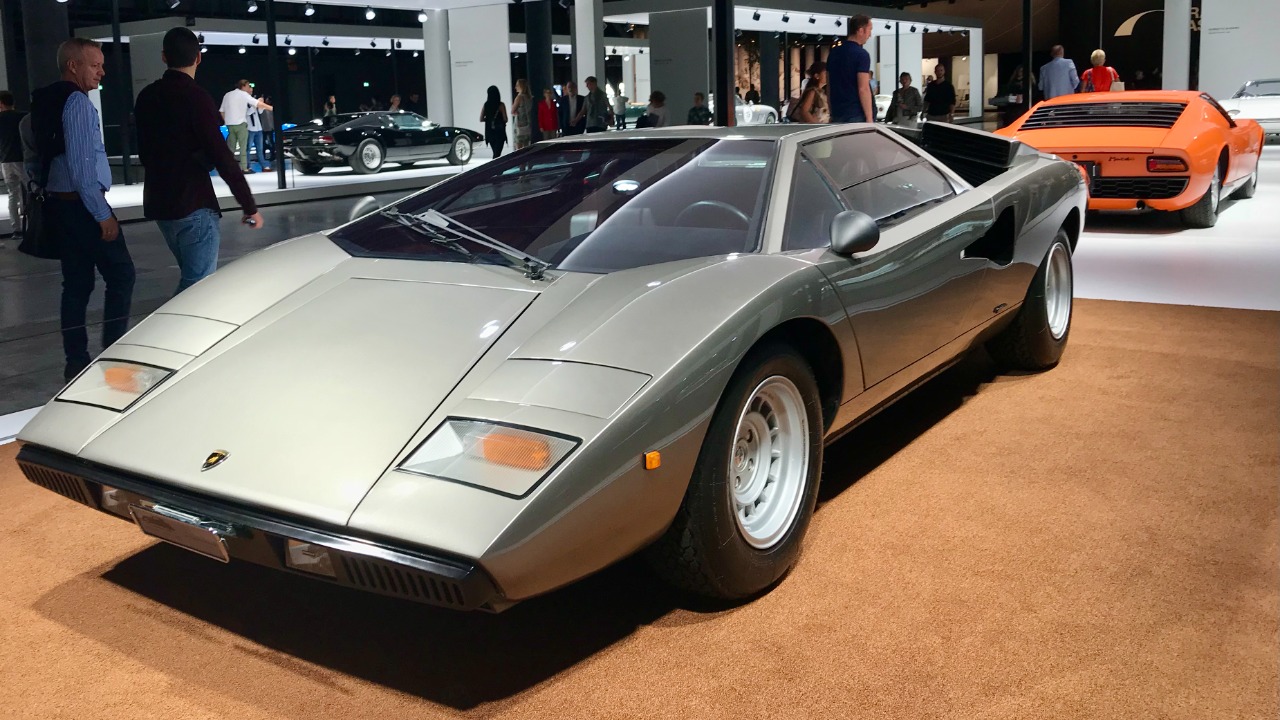
Built from 1974 to 1990, the Lamborghini Countach is one of the best-known cars to hide its headlights, as noted in the broker’s pop-up headlight roundup. The long production run means the style carried through more than a decade and a half of one of the most dramatic shapes ever put on a road.
Its low, flat nose left little room for exposed lamps, so retractable units were a natural fit. The Countach remains a reference point for how pop-ups and wedge styling became linked in the public imagination.
6. Mazda RX-7: Two Generations Of Pop-Ups
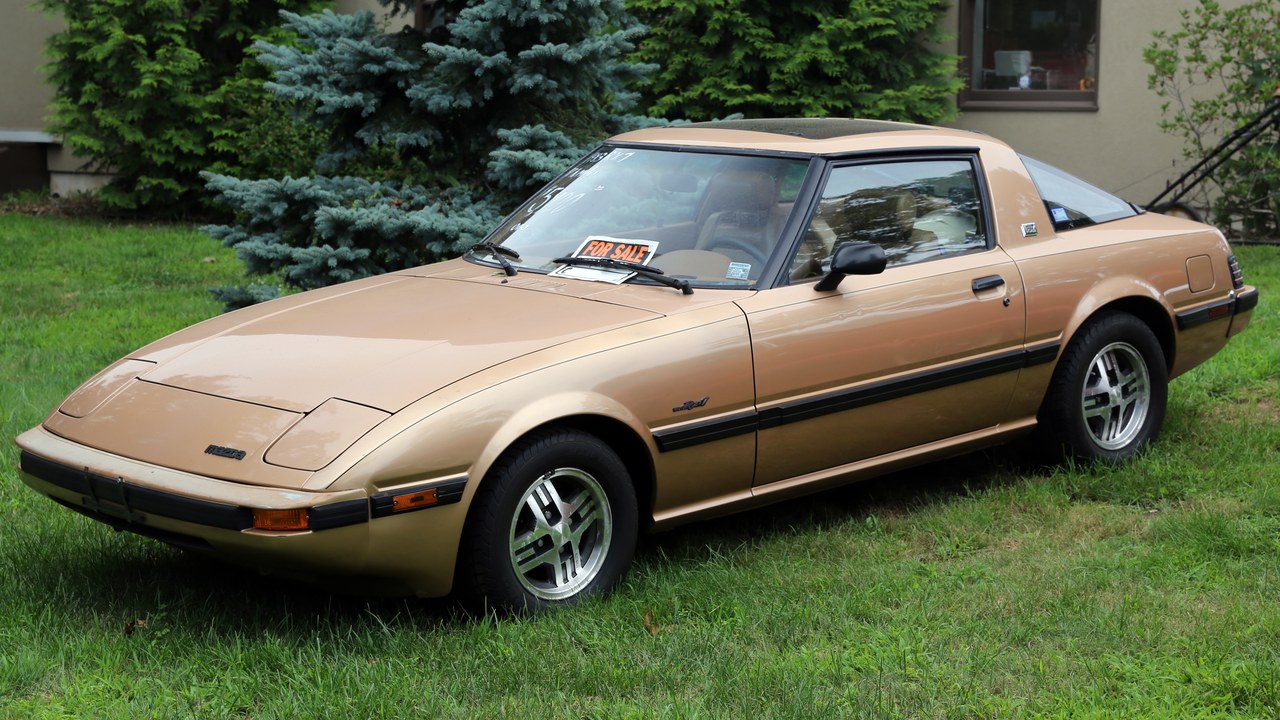
Mazda’s rotary sports car used pop-up headlights for its first two generations, covering 1978 to 1992, according to the same broker’s guide. The RX-7 thus spent well over a decade with lamps that disappeared into the bodywork when not in use.
The later third-generation car is a different story, and buyers shopping for the pop-up look should confirm which generation is on offer. The first and second cars are the ones that belong to this list, and they remain a popular entry point to rotary ownership.
7. Mazda MX-5 Miata: Only The First Generation
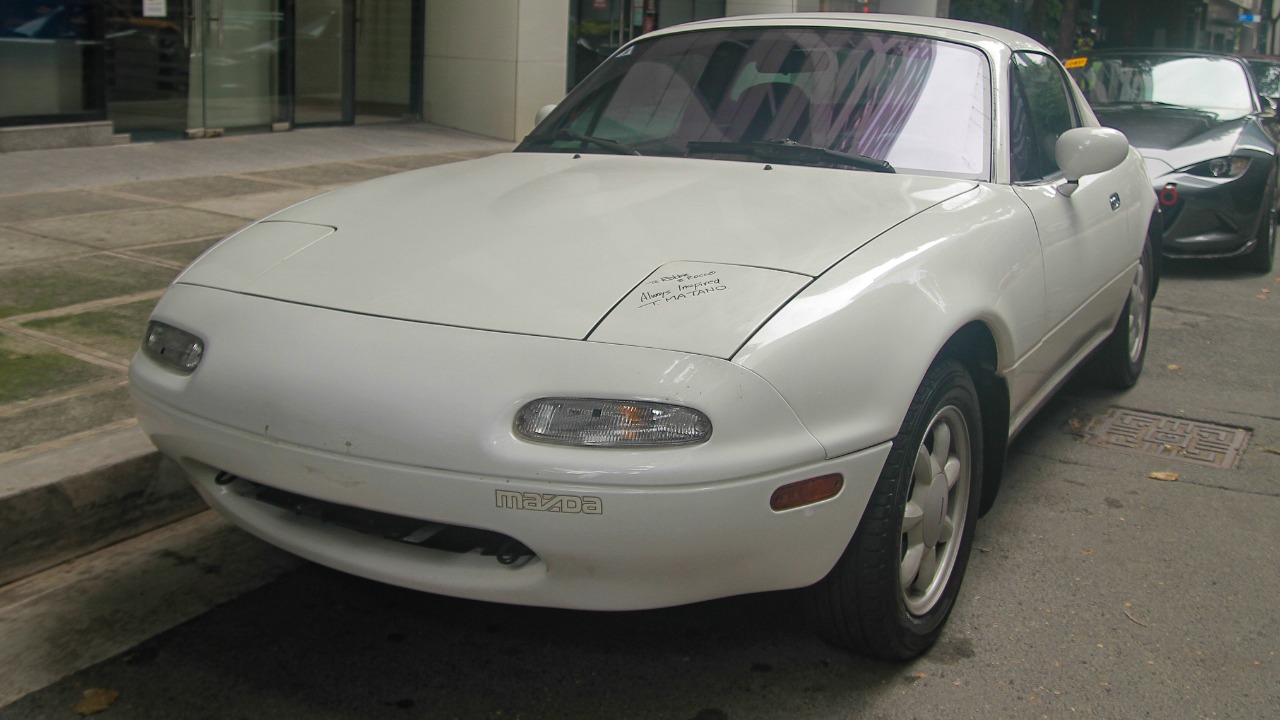
The Mazda MX-5 Miata offers a clear generational split. Per the broker’s list of pop-up cars, the first-generation model sold from 1989 to 1997 had pop-up headlights, while second-generation cars do not.
That detail matters to anyone searching for the classic small roadster look, because the later car swapped to fixed lamps. Shoppers who want the winking headlights need an early example, and the 1997 cutoff gives a firm date for where that feature ended.
8. Pontiac Firebird: A Muscle Car Footnote
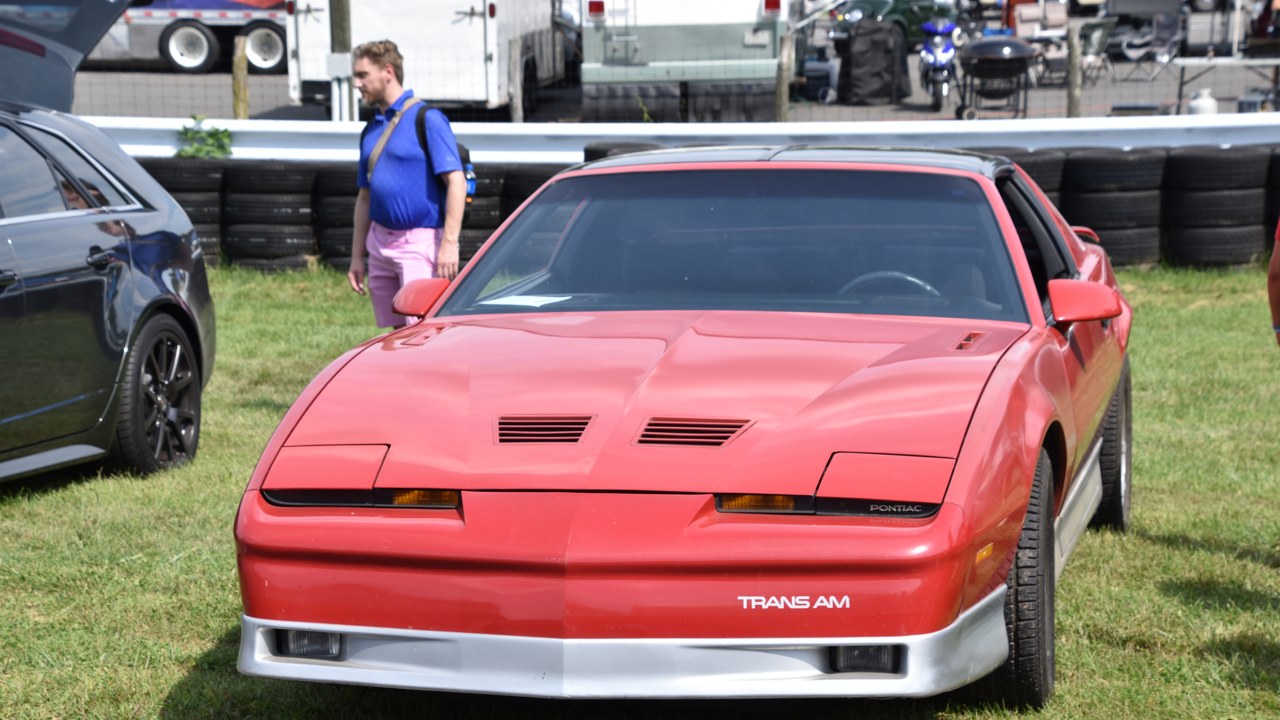
The Pontiac Firebird is cited by Motoring Research’s pop-up gallery, which also makes a broader point about the technology. It says the cost of developing a pair of pop-up lamps that meets strict pedestrian-safety tests makes a return of the feature unlikely.
That puts the Firebird in company with other cars whose hidden lamps now belong to history. The practical reading is that new cars are unlikely to bring the feature back, so the older examples remain the only way to experience the style.
9. Honda Prelude: Low Nose, Hidden Lamps
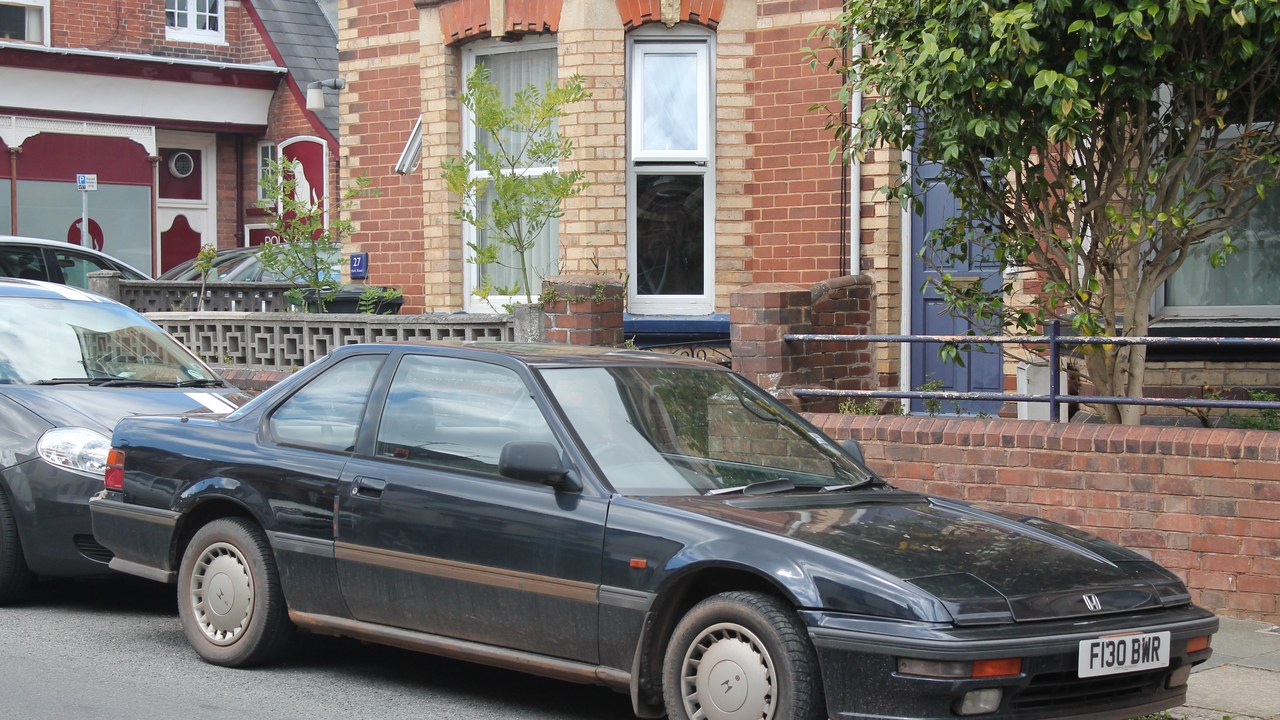
Honda’s Prelude earns its place in the pop-up story through its low nose, which is featured in Motoring Research’s gallery of pop-up cars. The coupe was part of a wave of Japanese sports models that used retractable lamps to keep the front end sleek.
Because the Prelude changed over its life, a buyer interested in the hidden-lamp look should check the generation before purchase. The styling advantage of a low bonnet line was the main attraction, and it explains why designers kept using pop-ups for so long.
10. Ferrari F40: Supercar With Lids
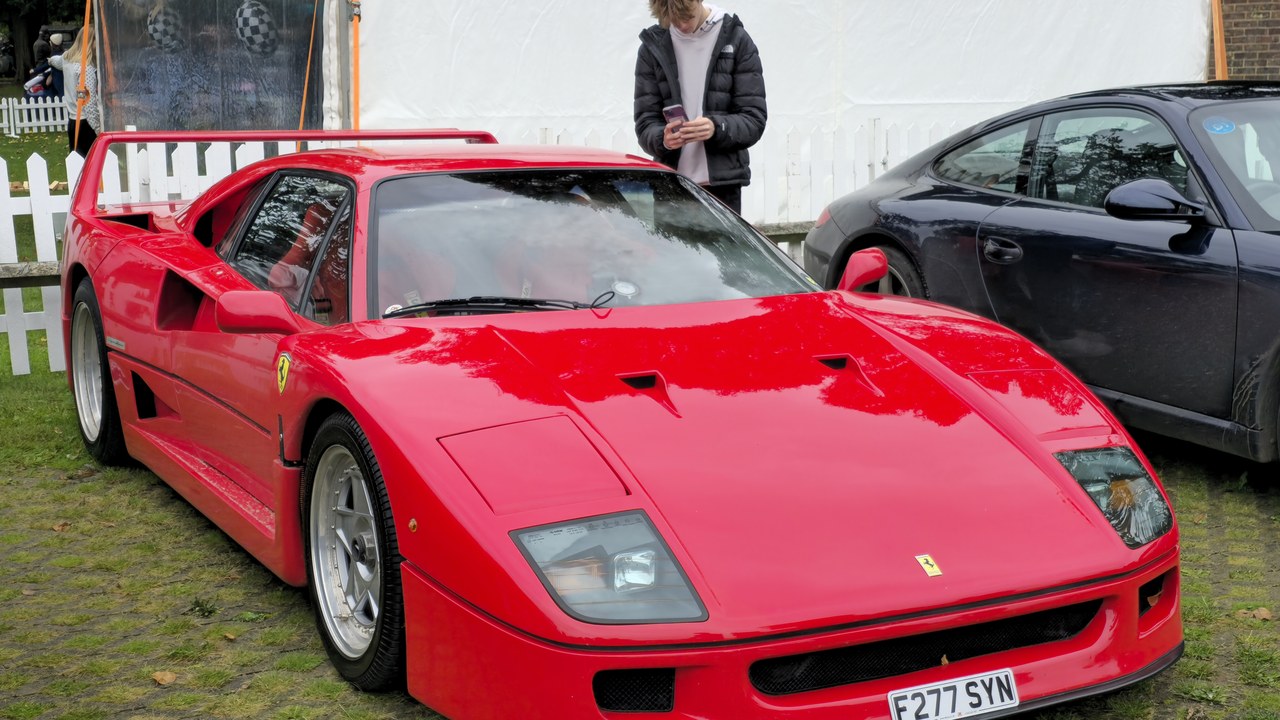
The Ferrari F40 appears among the pop-up headlight cars in the Motoring Research slideshow, which also names the Ferrari 456 as the last Ferrari with pop-up lights. The F40 sits well before that cutoff, in the period when Maranello routinely hid its lamps.
The pairing shows that the feature ran at the top of the market as well as in affordable coupes. Ferrari’s later move to fixed lamps matches the wider industry shift, and it leaves the F40 as an emblem of the pop-up supercar.
11. Honda NSX: A Cracked Eyelid
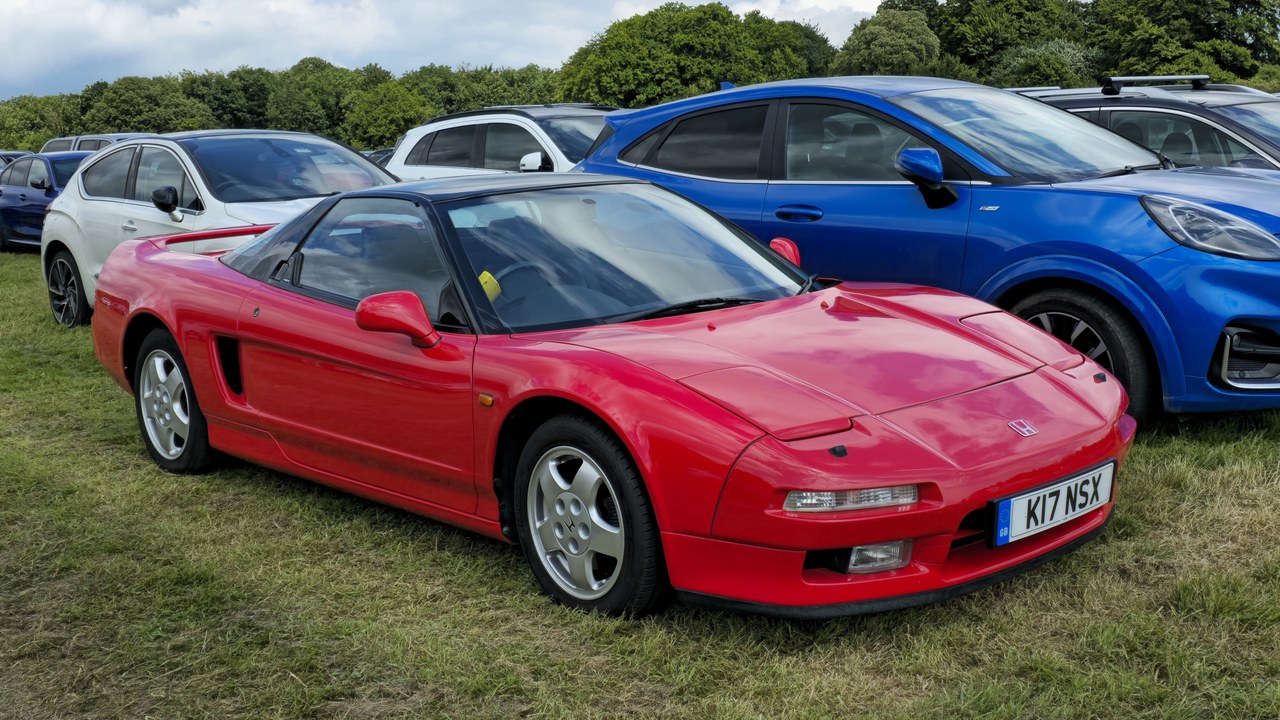
The Honda NSX is the final entry in Motoring Research’s pop-up list, and its lamps work slightly differently from the usual flip-up type. They “open just a little, helping to maintain the vehicle’s aerodynamics”, in the gallery’s words.
That small opening kept the nose smooth while still giving the lamps room to work. It is a reminder that engineers valued pop-ups for airflow as well as appearance, and the NSX shows the idea refined near the end of its era.
More from Morning Overview
- Tropical Storm Rachel is dumping up to 12 inches on four Mexican states on its way to major hurricane strength
- The FTC says Lens.com doubled the price shoppers saw in Google ads
- Common allergy, bladder and sleep pills tied to sharply higher dementia odds
- NOAA now gives this winter a 75% chance of the strongest El Nino since 1950
