
Before the 1980s, a turbocharger was something found on race cars and a few rare road models. Within a few years, manufacturers from Detroit to Maranello were fitting boost to everything from family coupes to supercars. Here are ten cars that show how that turbo wave unfolded.
1. Ford Mustang SVO: Four Cylinders, Big Ambitions
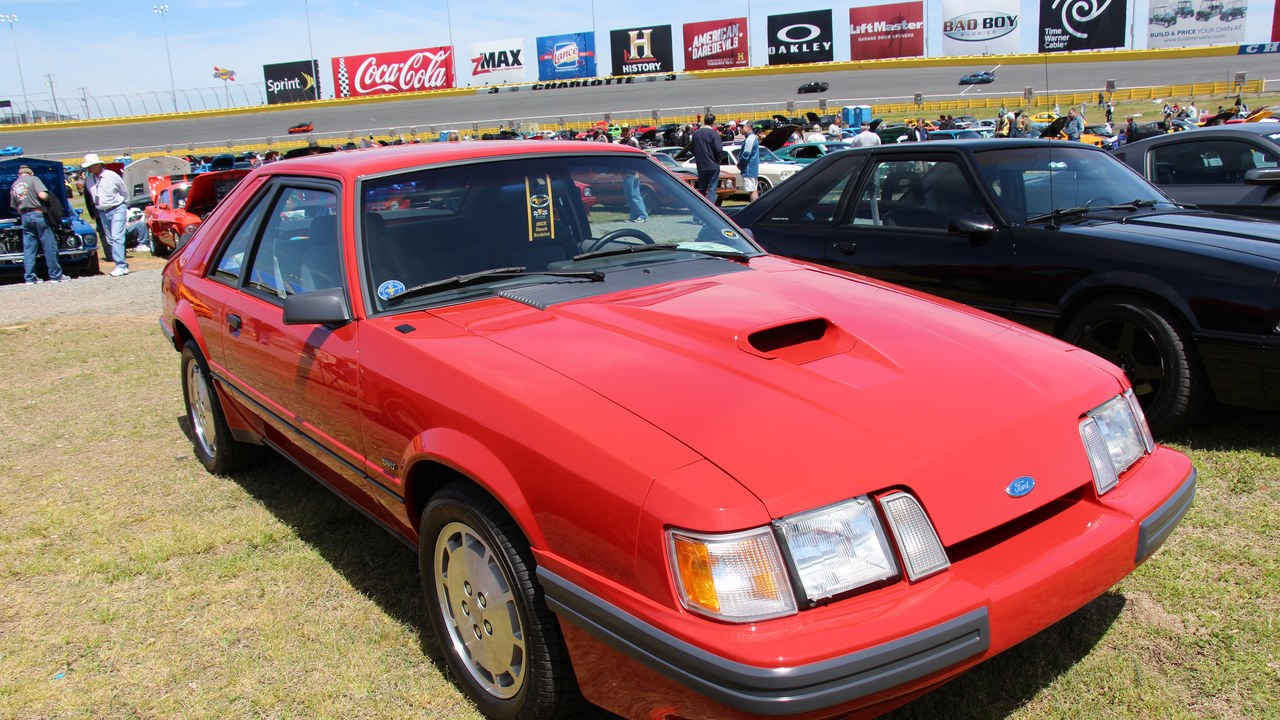
Ford packed a turbocharged, intercooled 2.3-liter four into the Mustang SVO, which made 175 horsepower in 1984 and rose to 200 for 1986. The car arrived when a boosted four-cylinder in an American pony car was a genuine novelty, and it pointed toward the small-turbo engineering that later became routine across the industry.
Production stayed tiny, with Ford selling just 9,844 of them. That scarcity, together with the unusual hood scoop and the hardware beneath it, is why the SVO is remembered as a performance experiment rather than a volume seller.
2. Ford Thunderbird Turbo Coupe: The Quiet Cruiser With Boost
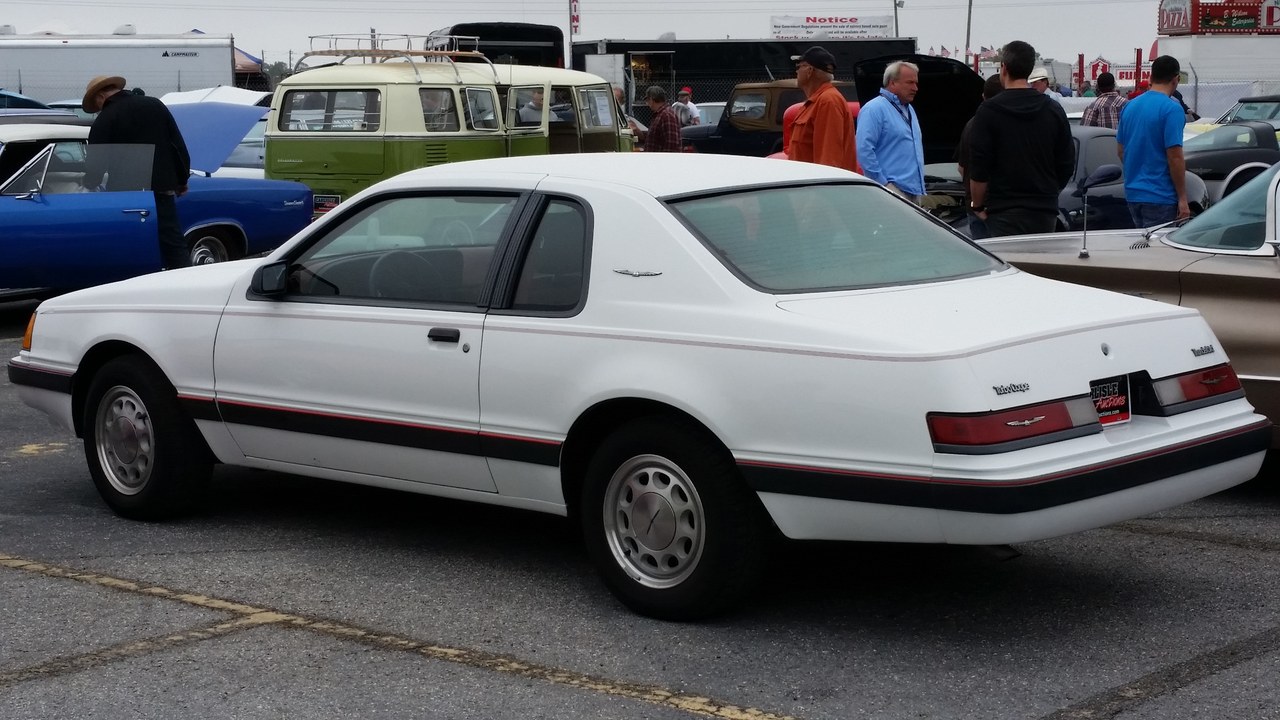
Introduced for 1984, the Thunderbird Turbo Coupe gave Ford’s personal-luxury coupe a turbocharged engine and a sportier attitude. After the 1987 redesign, the manual-transmission version made 190 horsepower, and roughly 60,000 were sold across those two model years.
The Turbo Coupe shows how widely makers spread turbo power in the decade, reaching beyond lightweight sports cars into comfortable, mainstream coupes. For collectors, the later cars with the manual gearbox carry the strongest performance credentials. Buyers drawn to a quiet, comfortable cruiser with real urgency under the hood found the combination appealing, and the car remains a useful reminder of how varied the turbo field became.
3. Mitsubishi Starion: Badge Engineering, Japanese Style
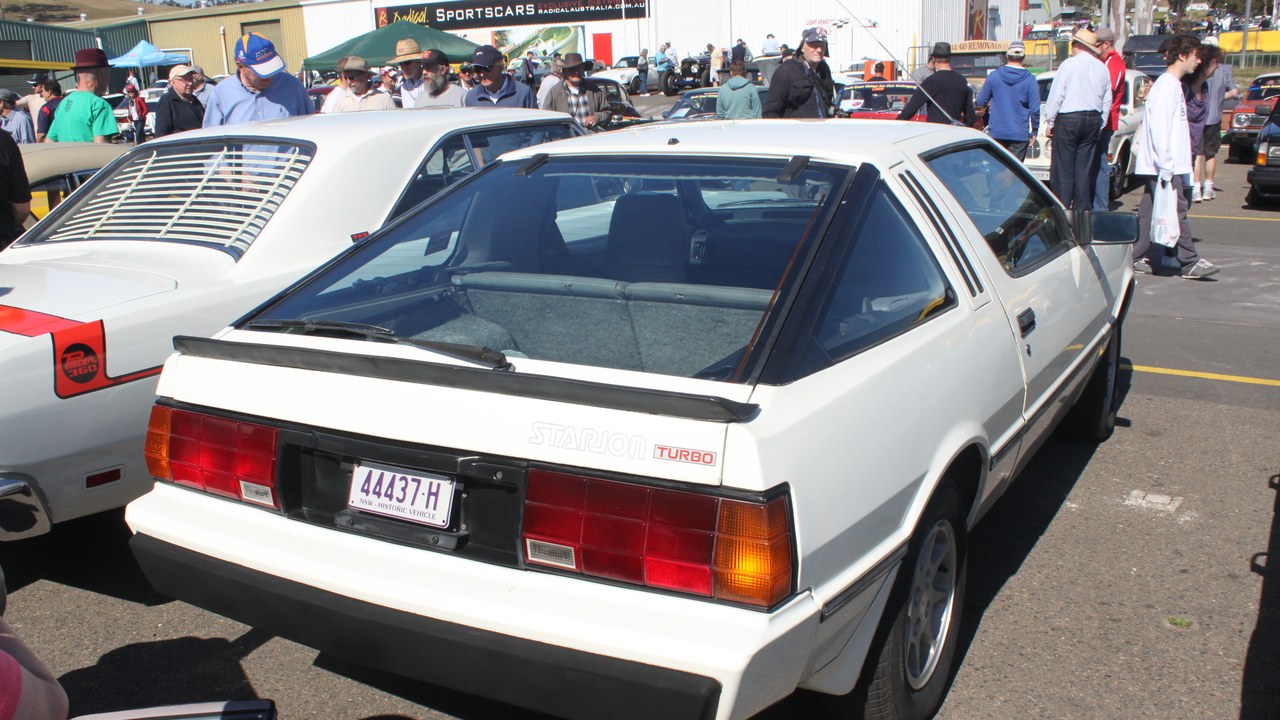
Mitsubishi’s turbocharged sports coupe debuted in 1983 with a turbo 2.6-liter four rated at 145 horsepower. An intercooler arrived in late 1985 and lifted output to 170 horsepower, a notable jump for the era.
American buyers could find the same car under other names, because Dodge and Plymouth sold it as the Conquest. The rear-drive layout and visible turbo badge made it an early example of Japanese makers bringing boost to affordable, enthusiast-minded coupes. For collectors today, the car is a reminder that the turbo era was global, and that the Starion and Conquest are two names for one ambitious design.
4. Pontiac Trans Am 20th Anniversary: Pace Car Edition
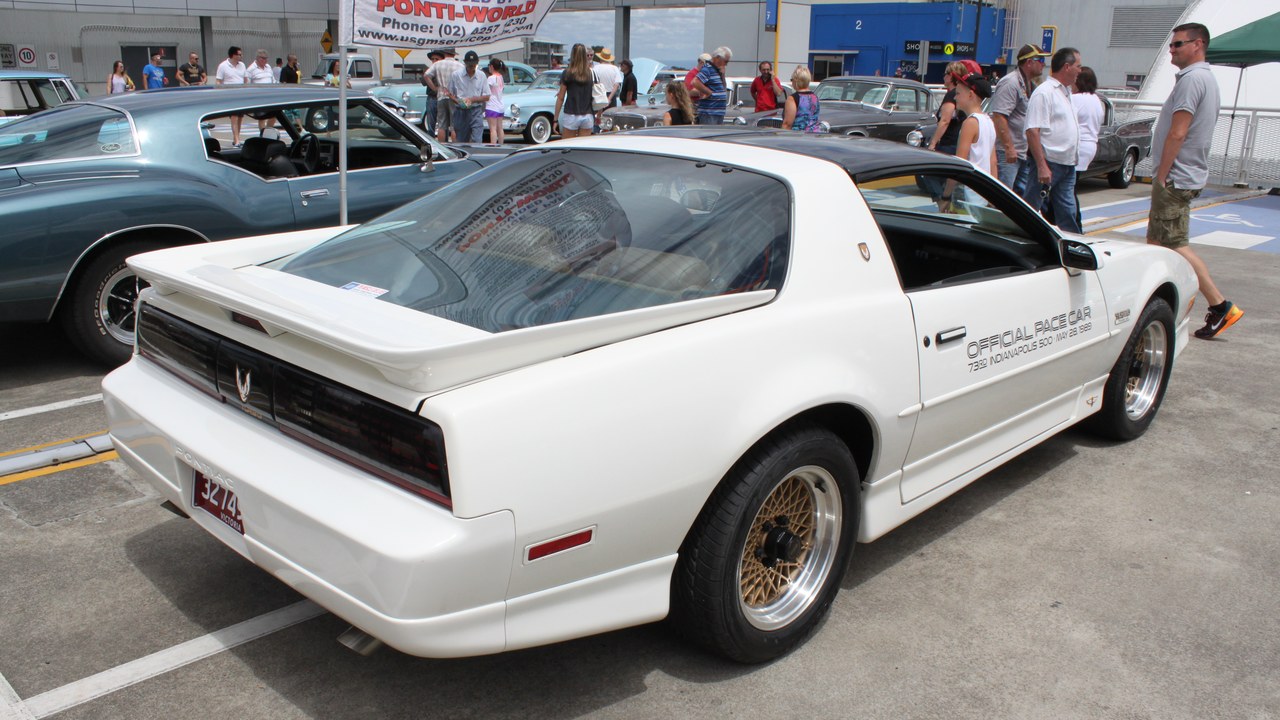
Pontiac marked the Trans Am’s anniversary in 1989 by borrowing Buick’s intercooled turbo V6, rated at 250 horsepower. The model served as the Indianapolis 500 pace car, and only 1,555 were built, which made it a rare and visible showcase for turbo power in a brand famous for big V8s.
The choice of a six-cylinder turbo over a V8 for such a celebratory model underscored how seriously General Motors treated forced induction late in the decade. Its low production run keeps the 20th Anniversary edition a sought-after piece among Firebird collectors.
5. Renault 5 Turbo: Mid-Engine Hot Hatch
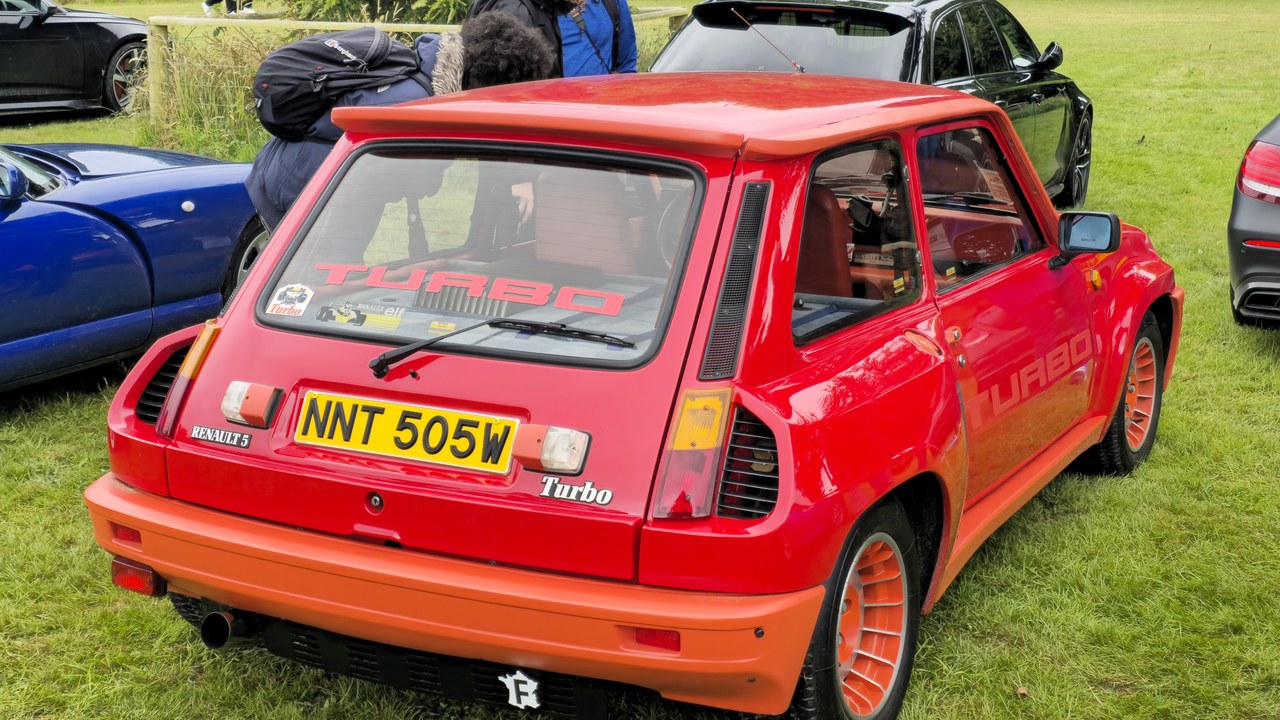
Renault turned a humble supermini into something wild for 1980. Its Garrett T3 turbocharger sat on a 1.4-liter four that produced 158 horsepower, and the engine was mounted behind the seats, driving the rear wheels.
Few small cars of the period were so radically reconfigured. The 5 Turbo kept the everyday shape of the original while discarding its front-drive layout, which gave it rally-bred character and made it one of the decade’s most distinctive turbocharged road cars. Its mid-engine layout and compact size make it a favorite among enthusiasts who value unusual mechanical engineering over outright speed.
6. Ferrari F40: The Flagship of Boost
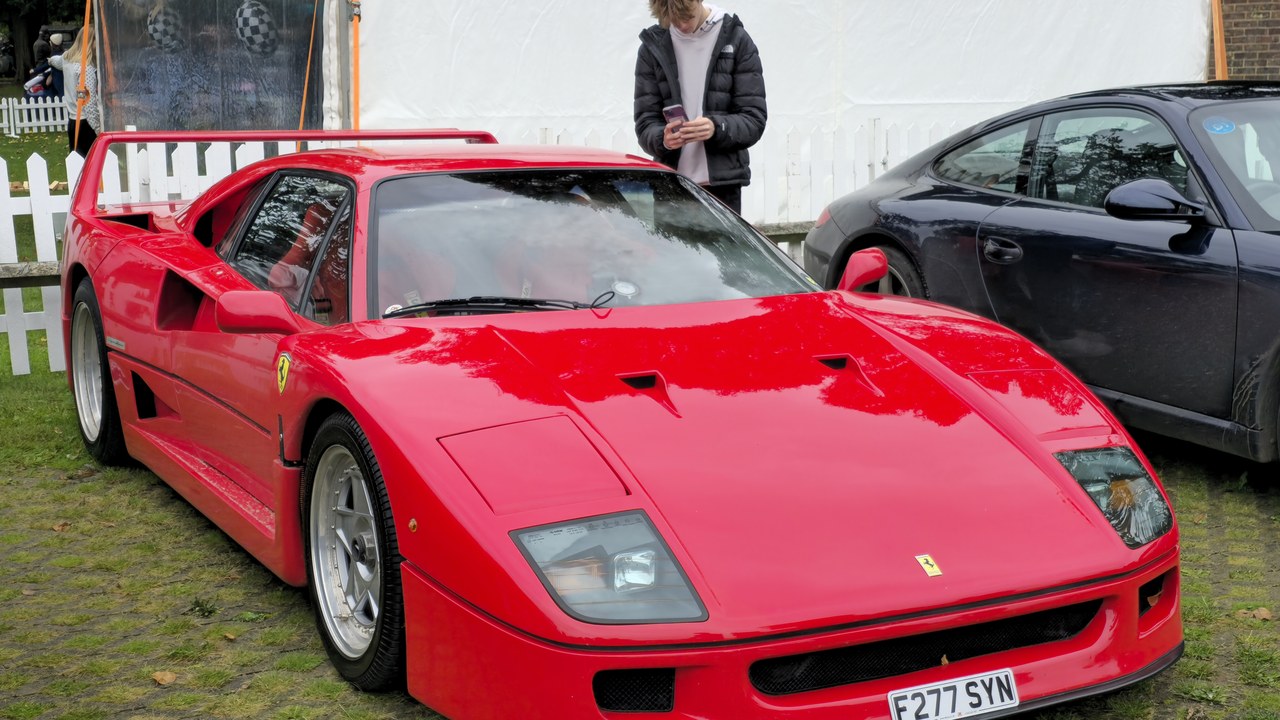
Ferrari’s twin-turbo V8 in the F40 made 471 horsepower in Europe and 477 in the American market when the car appeared in 1987. It stood at the top of a decade in which turbochargers moved from exotic oddity to supercar centerpiece.
The F40 is widely treated as the high-water mark of 1980s turbo engineering, and its sparse, race-inspired character helps explain the lasting reputation. Among the cars in this group, it sets the ceiling for what boost could deliver in the period.
7. Buick GNX: The Black Regal That Beat Supercars
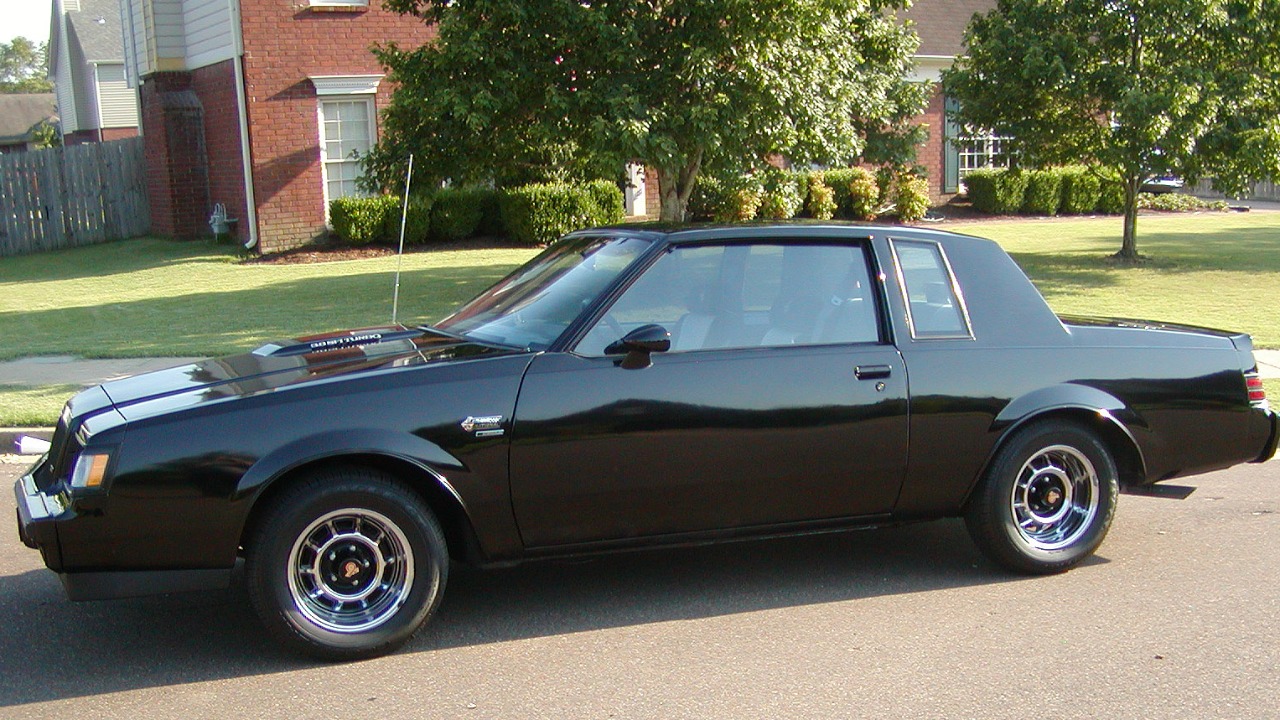
Buick’s GNX carried a 3.8-liter turbo V6 rated at 276 horsepower in 1987. The conservative, all-black coupe looked like an ordinary Regal, yet its output placed it well beyond most muscle-era expectations for a car from a mainstream American division.
That contrast between plain styling and serious force is the GNX’s appeal. It also shows how Buick’s turbo V6 gave a family brand a performance image, with the car now ranking among the most prized American models of the decade. Few cars of the era pair such an unassuming look with such outsized output.
8. Porsche 944 Turbo: Transaxle Balance, Turbo Punch
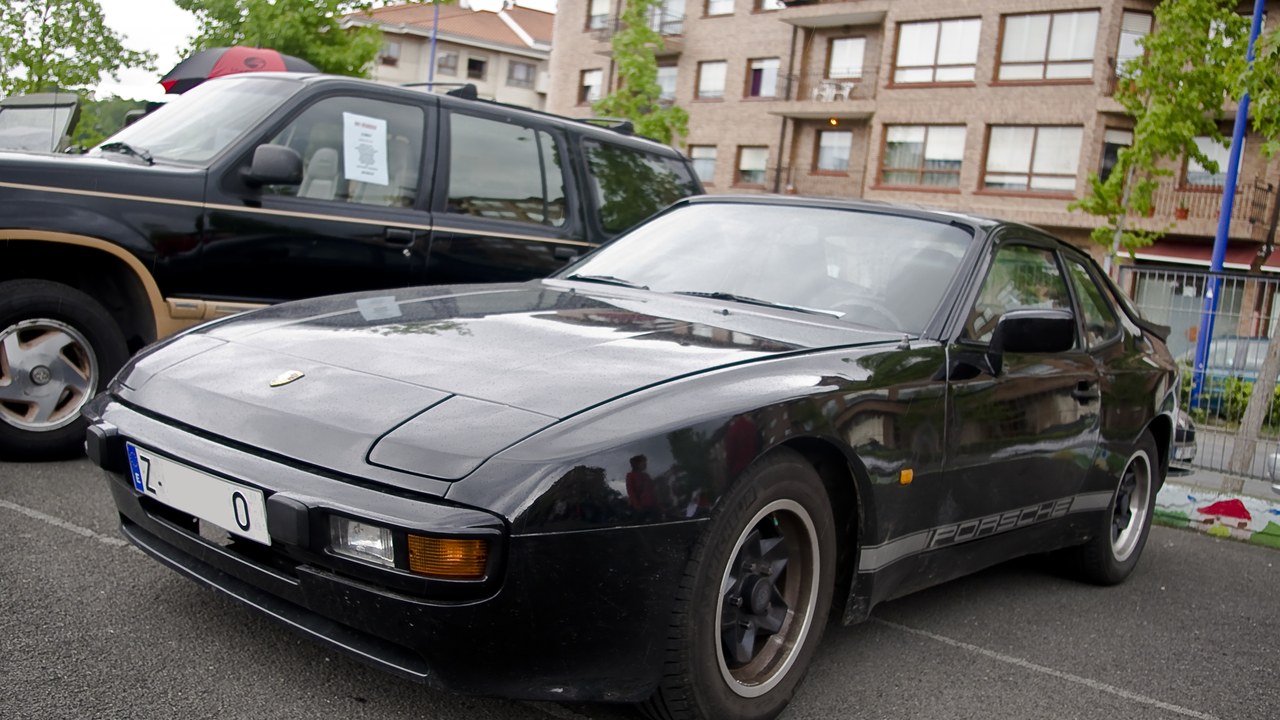
Porsche’s front-engine four-cylinder gained boost with the 944 Turbo in 1985, producing 217 horsepower. The 1987 Turbo S raised that figure to 247, reached 60 mph in 5.5 seconds and topped out at 160 mph.
Those numbers put the 944 Turbo among the quicker sports cars of its time while keeping the balanced front-engine, rear-drive layout that made the model popular. The Turbo S is the most potent version and the one collectors tend to value most. The car also illustrates how a well-balanced chassis can make added power more usable, which helped the Turbo earn a strong reputation among drivers of the period.
9. Shelby Charger GLH-S: Shelby Tunes the Omni
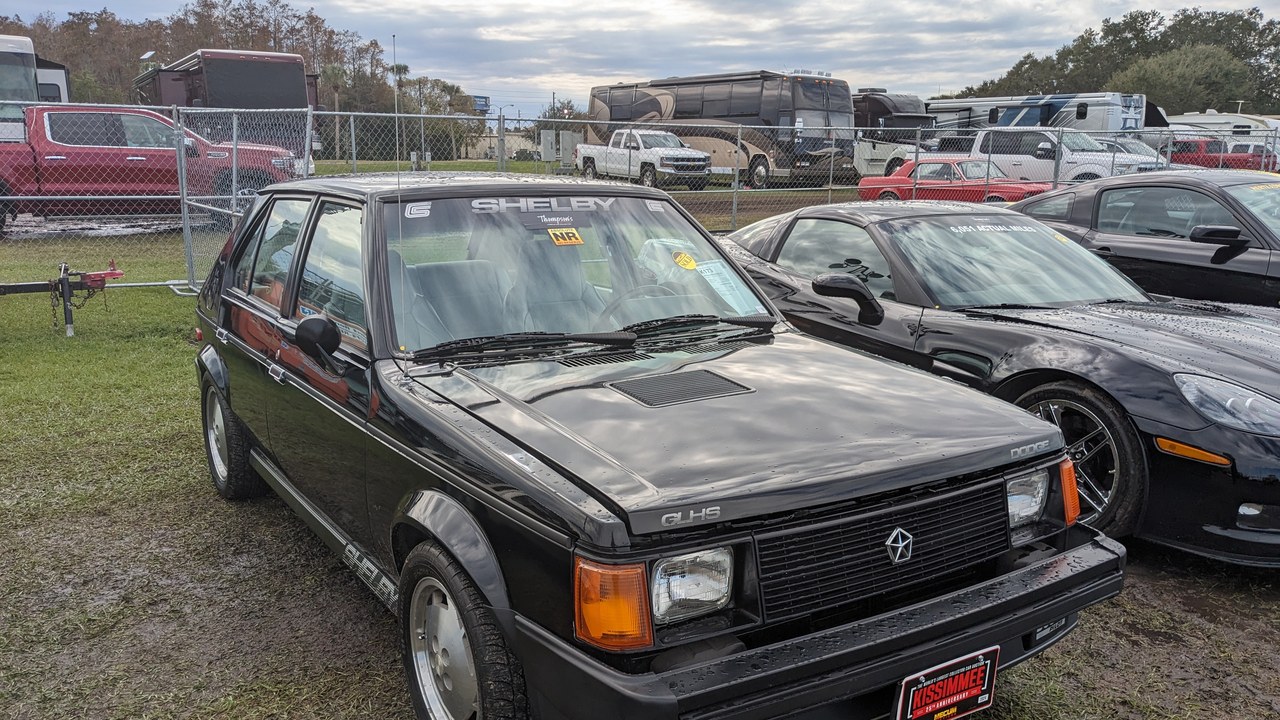
Carroll Shelby’s team took the Omni GLH Turbo and extracted 175 horsepower from it. The resulting GLH-S ran 0 to 60 mph in 6.5 seconds, and 500 were built in the first run between 1986 and 1987.
A small, front-drive Dodge hatchback with that kind of acceleration was a surprise in showrooms of the period. The modest production total makes the Shelby Charger GLH-S a collectible oddity from the decade of turbocharged underdogs. Its Shelby tuning shows how performance specialists applied turbo power to economy cars, turning an inexpensive hatchback into a memorable little rocket.
10. Datsun 280ZX Turbo: Beating Ferrari On Paper
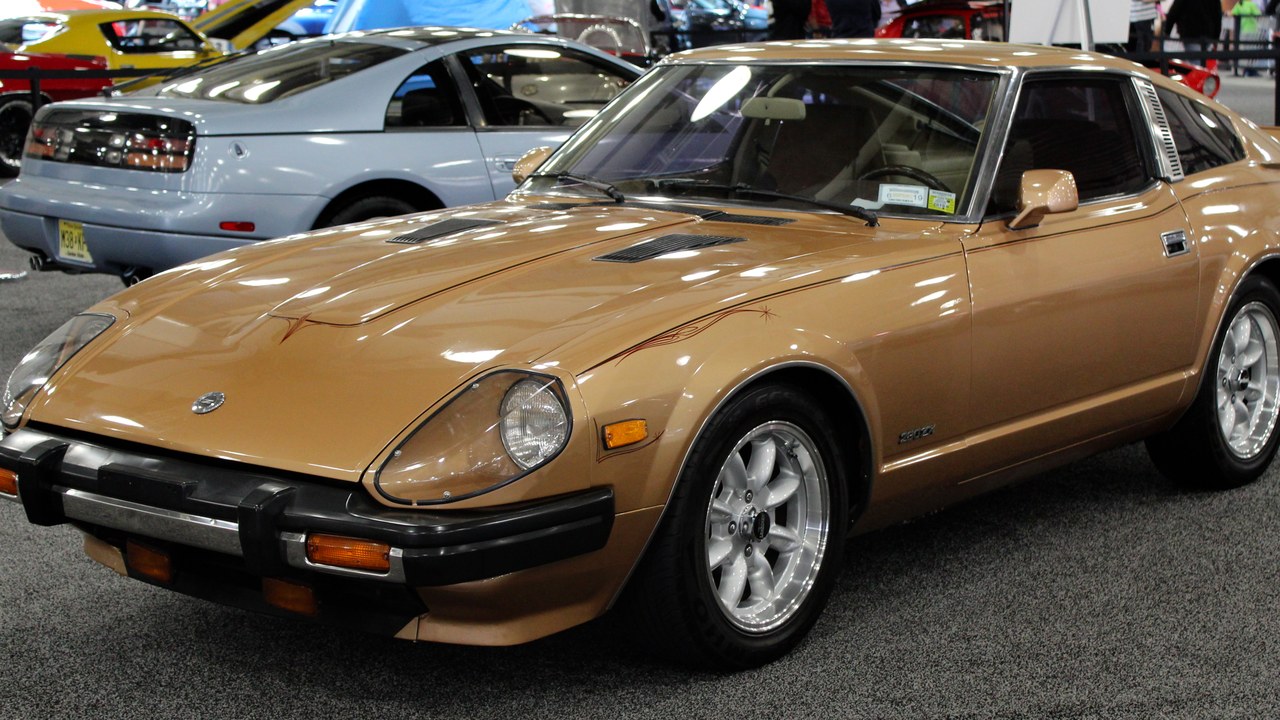
The 1981 turbo six in the Z car made 180 horsepower, and Car and Driver found it matched a Corvette and beat a Ferrari 308 GTSi. That result gave the Japanese grand tourer a credibility few expected from a Datsun.
The comparison captured the decade’s shifting hierarchy, in which forced induction let a relatively affordable coupe challenge established performance names. The 280ZX Turbo remains a landmark in how Japanese turbo cars rose to prominence. For readers weighing a classic Z, the turbo version marks the point where the nameplate first paired its familiar long-hood shape with forced induction.
More from Morning Overview
- The FBI told the rest of ShinyHunters to surrender after a 24-year-old was arrested
- Two passengers died at an Ohio toll plaza, and the NTSB now wants the cash lanes shut
- Long use of a common prostate pill is tied to a higher chance of glaucoma
- Ford is recalling 223,472 F-150 pickups because the fuel tank can leak or detach
