
Car brands can vanish while their vehicles stay on the road for decades. Each badge below was retired by a parent company, leaving owners to sort out parts and service on their own. Here are eight cars that outlived the makers who named them, from a Pontiac to a Saab.
1. Pontiac G8: The Last Muscle Sedan
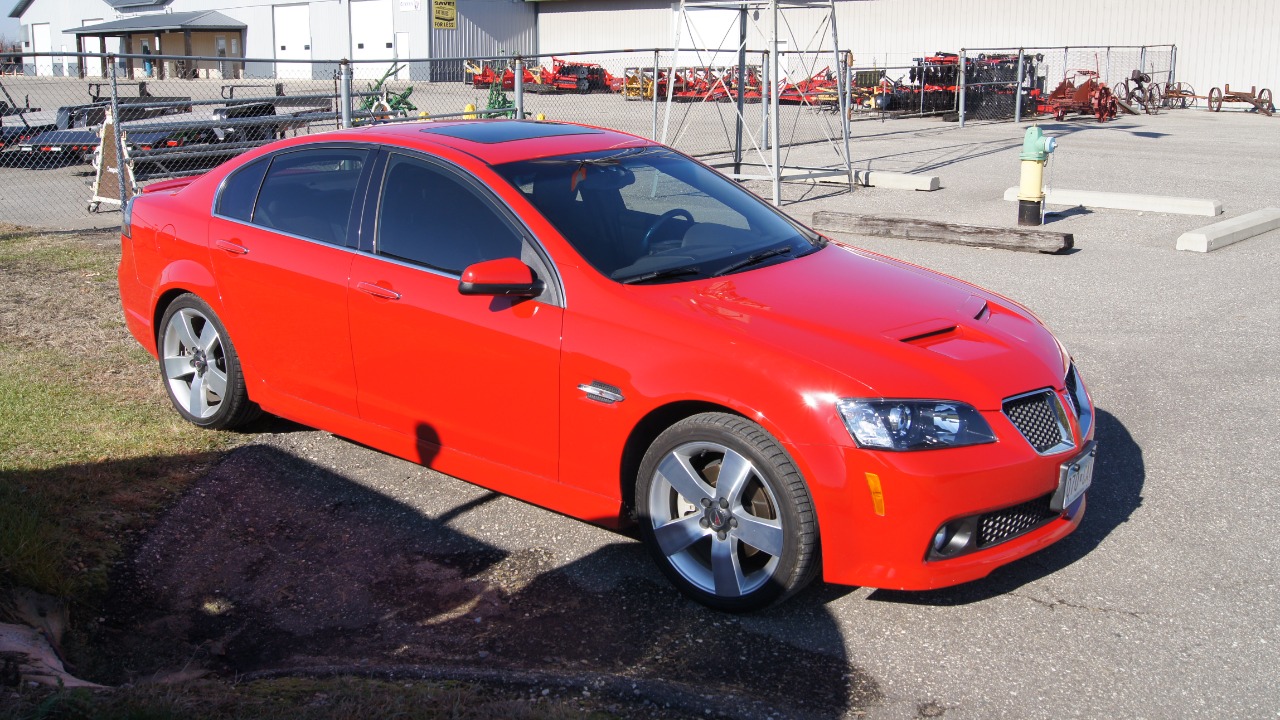
Pontiac sold the G8 under a badge that General Motors dropped in 2010, a decision reported by General Motors discontinued brands as a response to struggling sales. The brand that once defined American performance cars ended while this rear-drive sedan was still a recent arrival on showroom floors.
Owners of a G8 now rely on shared General Motors parts and independent specialists. The Pontiac name on the grille, however, no longer has a factory behind it, and that fact shapes every resale and repair conversation. Anyone weighing a purchase should budget for the extra effort that an unsupported marque demands, since the usual dealer network is not available for guidance or warranty work.
2. Oldsmobile Alero: A Compact From A Lost Brand
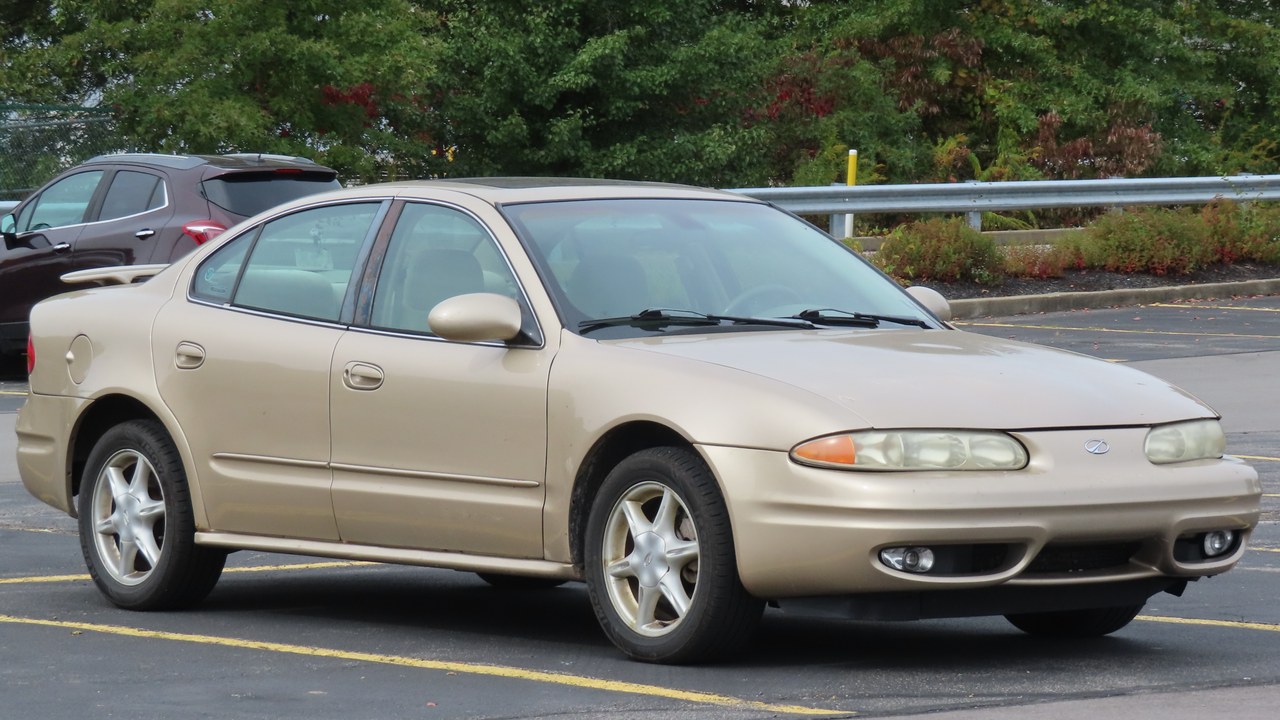
The Alero carried the Oldsmobile name, one of the oldest in the industry, and it was built under a General Motors brand that was discontinued in 2004. Oldsmobile among the retired marques lists Oldsmobile among the company’s retired marques, which makes the Alero a late chapter in a long story.
Because the badge disappeared more than two decades ago, an Alero today is a used-car proposition with no brand-backed support. Buyers are left to hunt for components through salvage yards, enthusiast forums and generic suppliers. Prospective buyers are better served by a clean, documented car than by a bargain, because replacing worn trim or interior pieces can be slow and uncertain.
3. Hummer H3: Hummer’s Final Chapter
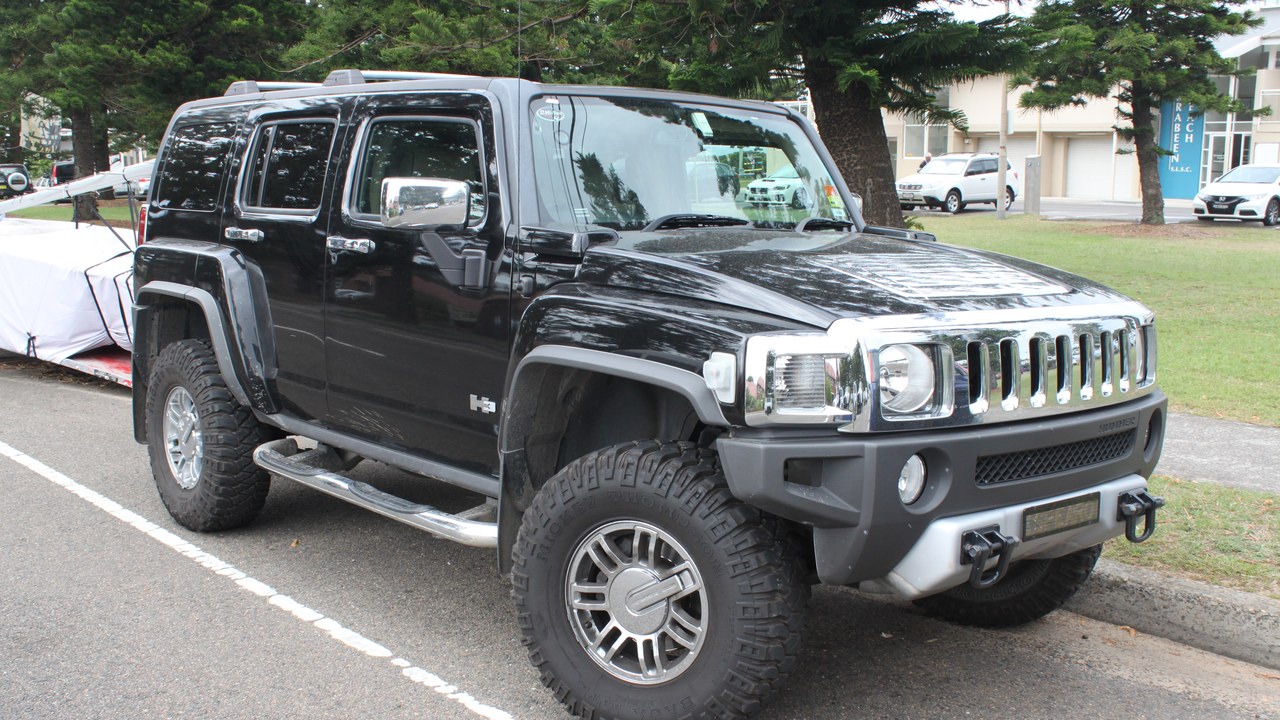
General Motors killed Hummer in 2010, and Autotrader names the H2 and H3 as the brand’s final models, as summarised in the final Hummer models. The H3, the smaller of the two, was the more approachable truck in the lineup that closed out the marque.
An H3 owner faces the usual hazards of an orphaned brand, including thinning dealer knowledge and parts that increasingly come from shared General Motors catalogues. The boxy styling still draws attention, though the maker behind the badge is gone. A thorough inspection matters, since a vehicle with no manufacturer behind its badge is harder to restore, insure or sell if something goes wrong.
4. Mercury Grand Marquis: Ford’s Full-Size Farewell
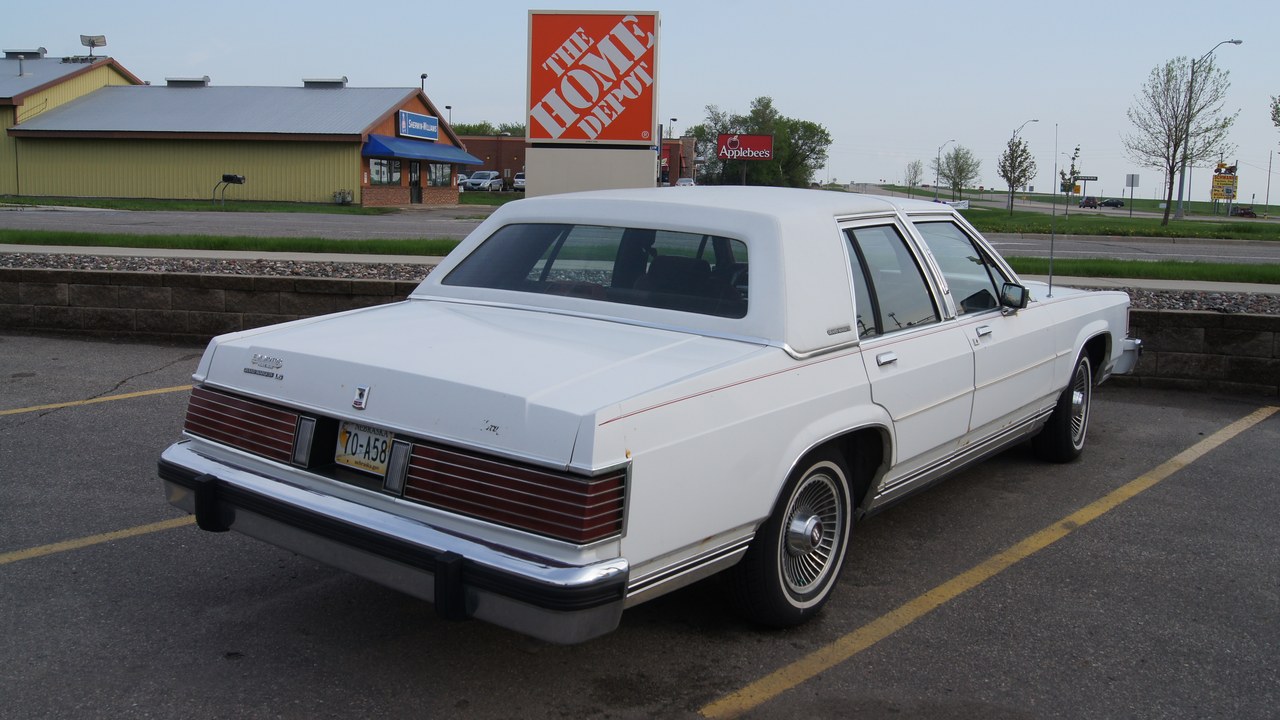
The Grand Marquis was Mercury’s full-size sedan, built until Ford shut the Mercury brand down in 2011. Its long run, documented on Mercury Grand Marquis history, ended with the marque rather than with a planned replacement.
Many examples survive thanks to simple rear-drive mechanicals shared with Ford products, which eases the search for parts. Even so, the Mercury badge is a closed chapter, and nobody at a dealership can offer brand-specific support. Shoppers should still check the body and frame carefully, because condition matters far more than the badge once the original brand has vanished.
5. Saturn Sky: The Roadster That Outlived Its Maker
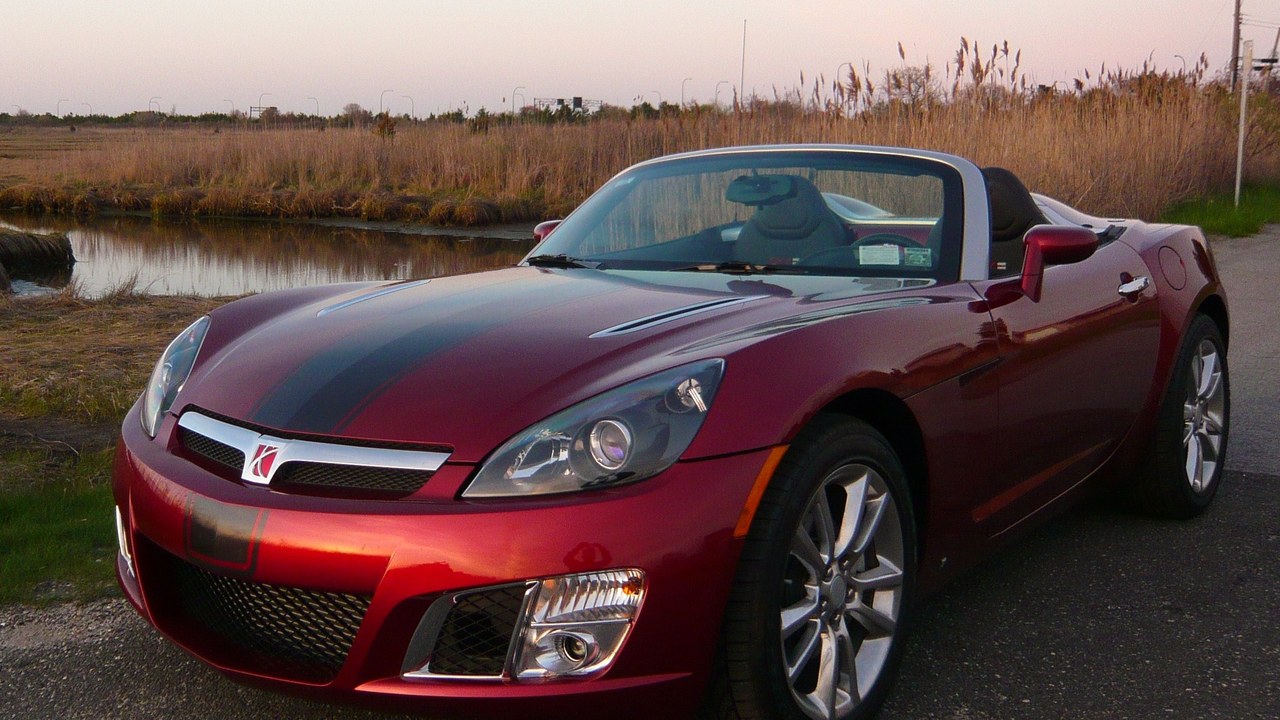
Saturn’s rear-drive roadster, the Sky, was sold until General Motors wound the brand down after its 2009 bankruptcy. The two-seater, outlined on Saturn Sky history, was among the more enthusiast-oriented products from a company known for sensible small cars.
With the brand gone, Sky owners depend on Pontiac-era sibling parts and a dedicated community for service. The orphaned badge makes a clean survivor the most valuable kind to own. Prospective buyers should expect a small market, patient searching and a car whose appeal rests on character rather than on any continuing support from its maker.
6. Scion tC: Toyota’s Youth Brand, Folded
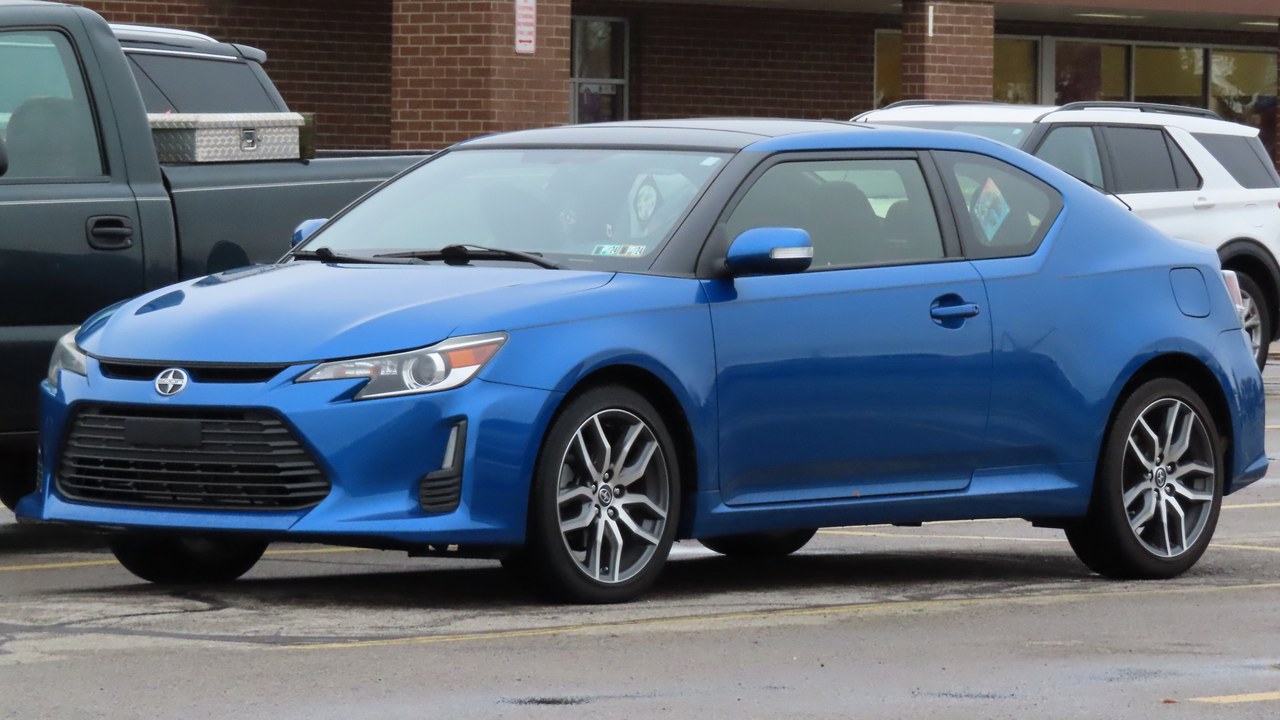
Toyota launched Scion in 2003 to reach younger American buyers, and the tC coupe quickly became its volume model. The front-wheel-drive two-door carried a panoramic glass roof as standard and sat on Toyota mechanicals, sold at a single posted price instead of a negotiated one. The tC coupe ran through two generations before Toyota wound the brand down in 2016.
The engineering was Toyota’s throughout, so parts and service never became the trouble that orphaned marques usually bring. What vanished was the showroom idea around it: fixed pricing, a short option list and a deliberately young dealership. The car stayed on the road; the badge did not.
7. Saab 9-5: Last Of The Swedish Saabs
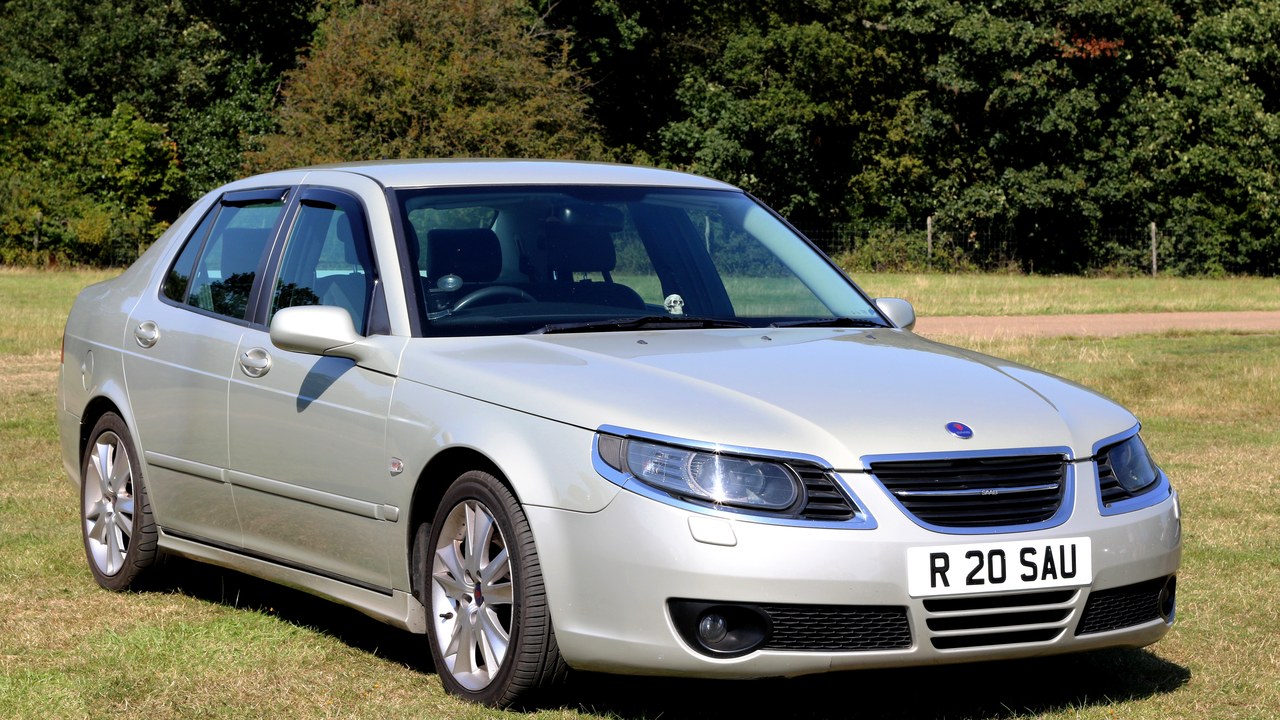
Saab Automobile was officially killed off in 2011, according to Saab’s 2011 demise, which counts the brand among those lost in the past 50 years. The 9-5 was the large executive sedan that carried the marque near its end.
A 9-5 owner copes with scarce Saab-specific components and a shrinking pool of mechanics familiar with the car. The enthusiast network is active, but the factory support that once stood behind the badge has not returned. Shoppers considering one should favour a well-documented example, since neglected cars from a maker that has disappeared become expensive to bring back.
8. Saturn Outlook: The Three-Row Crossover
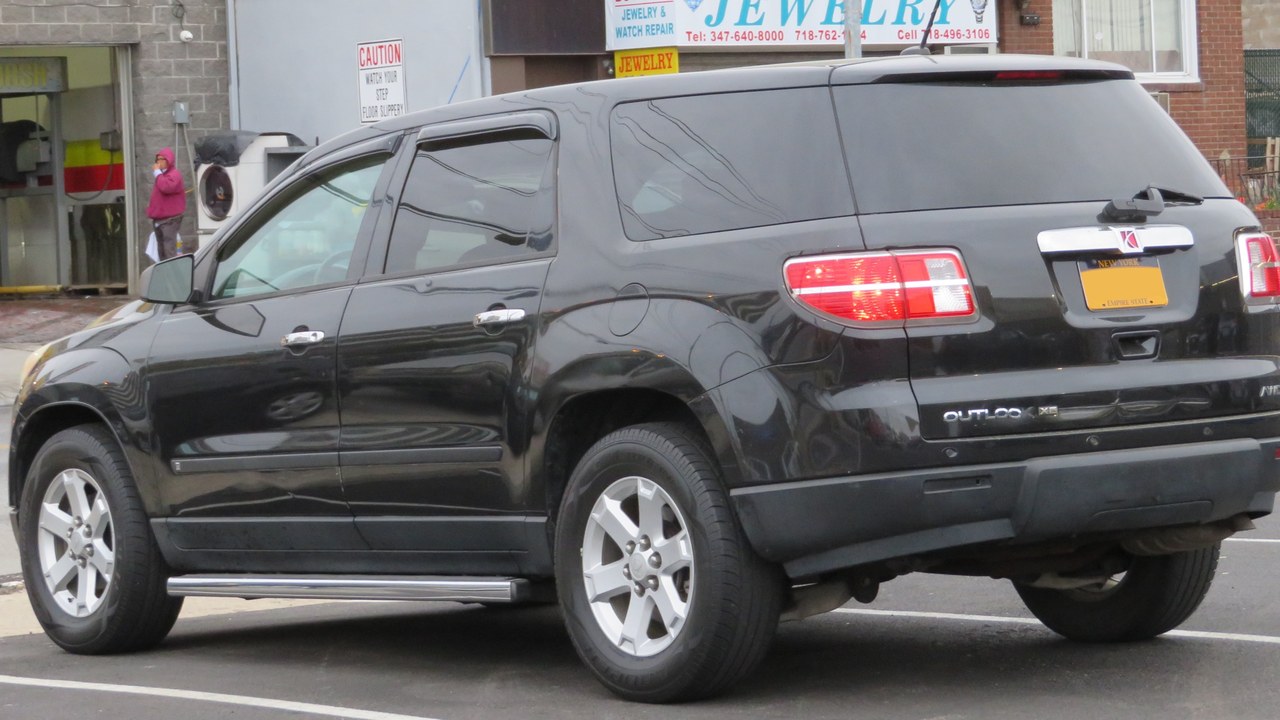
The Outlook was a three-row Saturn crossover from a brand General Motors decided to drop in 2010. As Saturn Outlook details explains, the family-oriented utility vehicle arrived late in the company’s Saturn experiment.
Mechanically related to other General Motors crossovers, the Outlook remains serviceable through shared parts. The Saturn name itself, though, is gone, so resale value reflects a badge with no manufacturer behind it. Prospective buyers should treat condition and service history as the deciding factors, since the brand offers no lingering reassurance of its own to a later owner.
More from Morning Overview
- Two passengers died at an Ohio toll plaza, and the NTSB now wants the cash lanes shut
- Long use of a common prostate pill is tied to a higher chance of glaucoma
- Ford is recalling 223,472 F-150 pickups because the fuel tank can leak or detach
- Hybrids have 15% fewer problems than gas cars, while EVs and plug-in hybrids have about 80% more, Consumer Reports finds
