
Most modern SUVs share their underpinnings with ordinary cars, trading heavy-duty capability for a smoother ride and lighter weight. A smaller group of full-size and luxury models still rides on the older body-on-frame layout, the same basic construction used under pickup trucks, prized for towing strength and long-term durability. Here are eight SUVs that still stick with that rugged, old-fashioned approach.
1. Chevrolet Tahoe: Truck Frame Under A Family Hauler
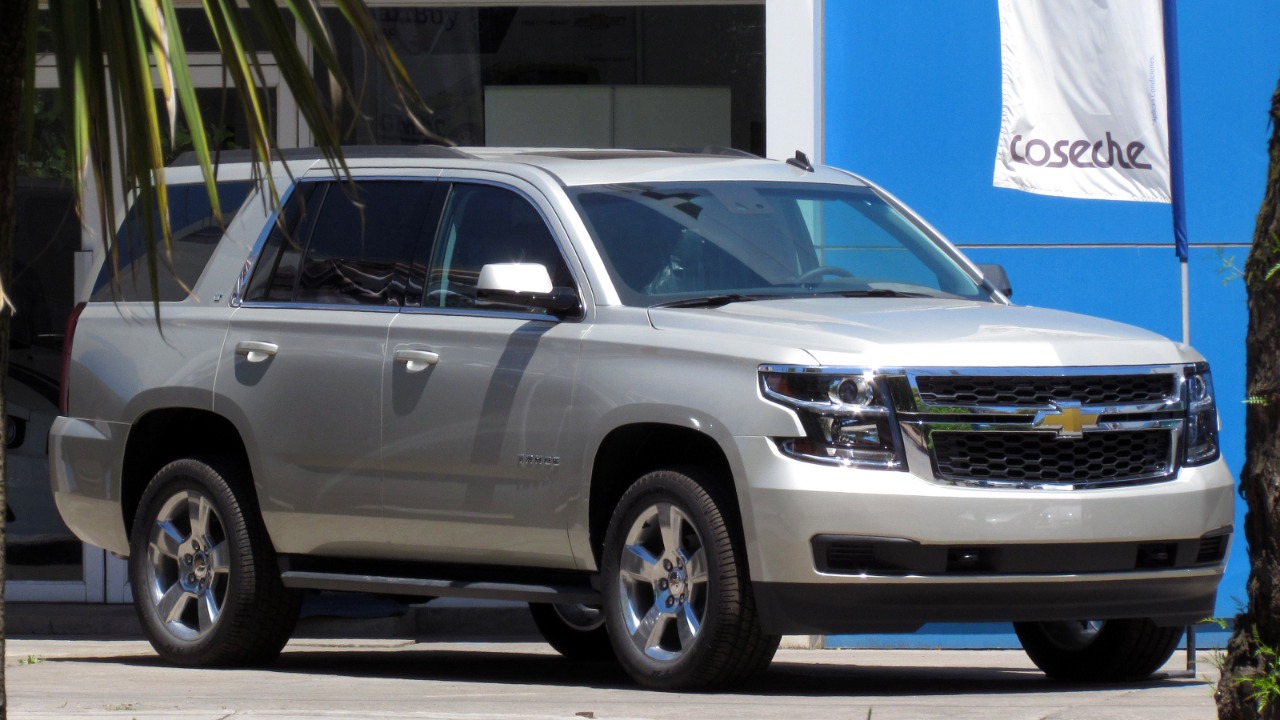
The Chevrolet Tahoe remains a full-size hauler that still rides on a genuine truck frame instead of a car-style unibody, a layout the model has carried through generation after generation. Chevrolet builds the full-size SUV’s chassis alongside its pickup trucks, giving the Tahoe a stiffer foundation for towing and rough roads than most crossover-based rivals can match.
Sharing a frame and much of a drivetrain with Chevrolet’s truck lineup also means parts, service knowledge, and aftermarket support are unusually widespread for the Tahoe. Fleets, tow-heavy families, and off-road shoppers keep gravitating toward that setup even as most competitors have shifted to lighter, car-based platforms.
2. Chevrolet Suburban: The Nameplate That Just Keeps Stretching
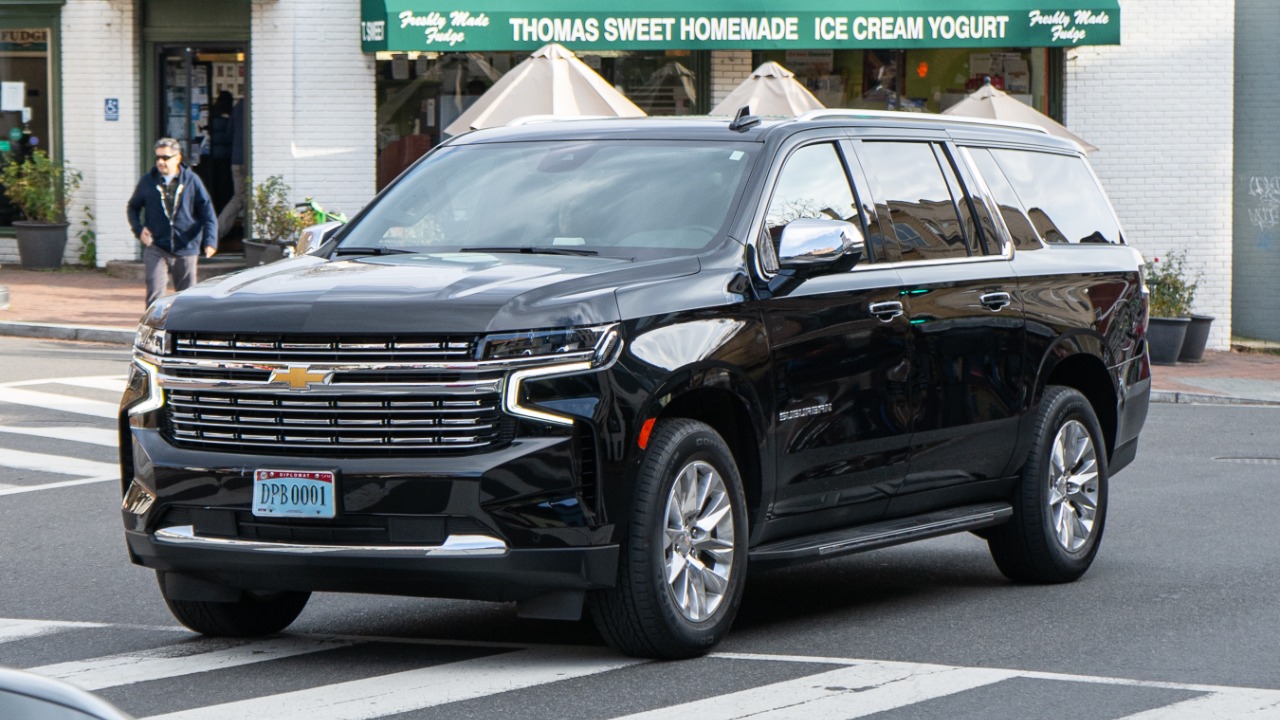
Few nameplates have stayed on the road as long as the Chevrolet Suburban, a stretched, body-on-frame SUV built for families who need three rows and serious cargo space without giving up truck-grade towing hardware. The longest-running SUV nameplate shares its ladder frame with the shorter Tahoe, just extended for extra room.
That added length turns the Suburban into a favorite for large families, outfitters, and organizations hauling gear over long distances. Its enduring popularity is a big reason General Motors has never pushed the model toward a unibody redesign the way many rivals eventually did.
3. GMC Yukon: Same Bones, Nicer Trim
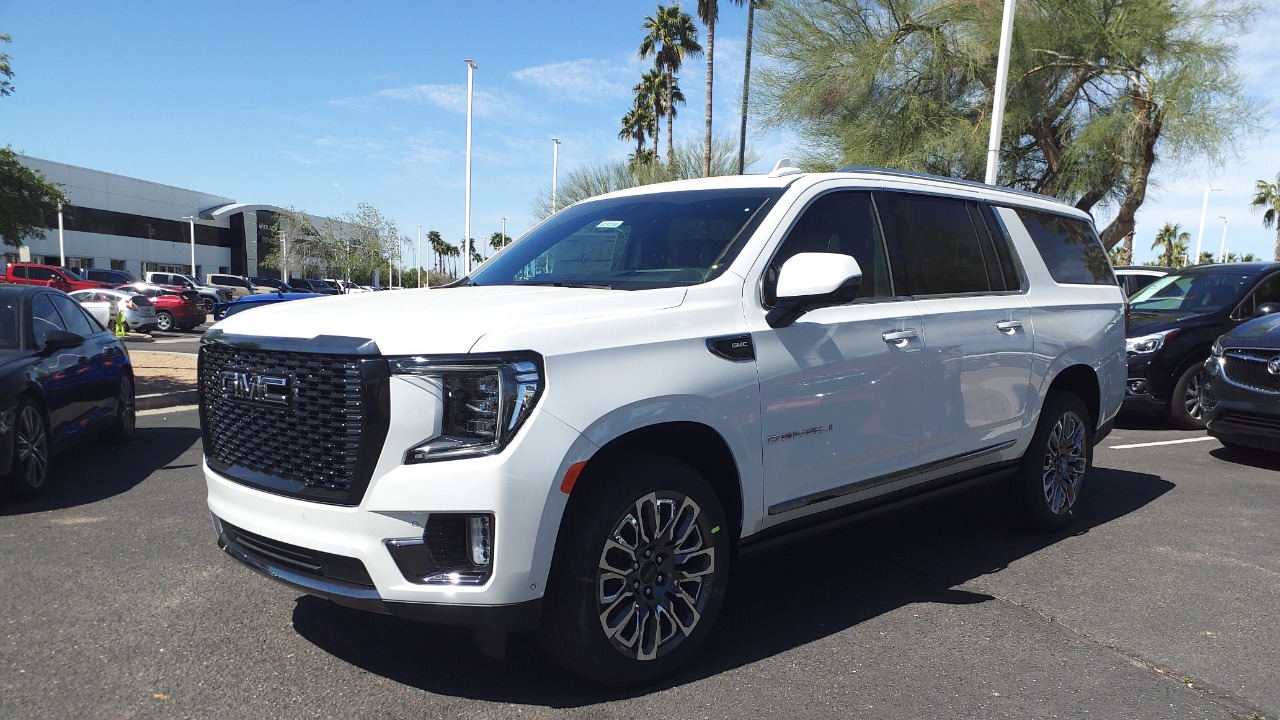
The GMC Yukon is essentially the Chevrolet Tahoe’s upscale twin, built on the identical truck frame but dressed with GMC’s own styling, trim levels, and interior finishes. Riding on that shared body-on-frame platform gives the Yukon the same towing-friendly stiffness as its Chevrolet sibling.
GMC leans into that shared toughness by marketing the Yukon toward buyers who want truck-based capability wrapped in a more premium package with extra sound insulation and richer interior trim. The badge-engineering approach lets General Motors offer nearly identical hardware at multiple price points without developing a second structural platform from scratch.
4. Ford Expedition: Ford’s Truck-Based Answer
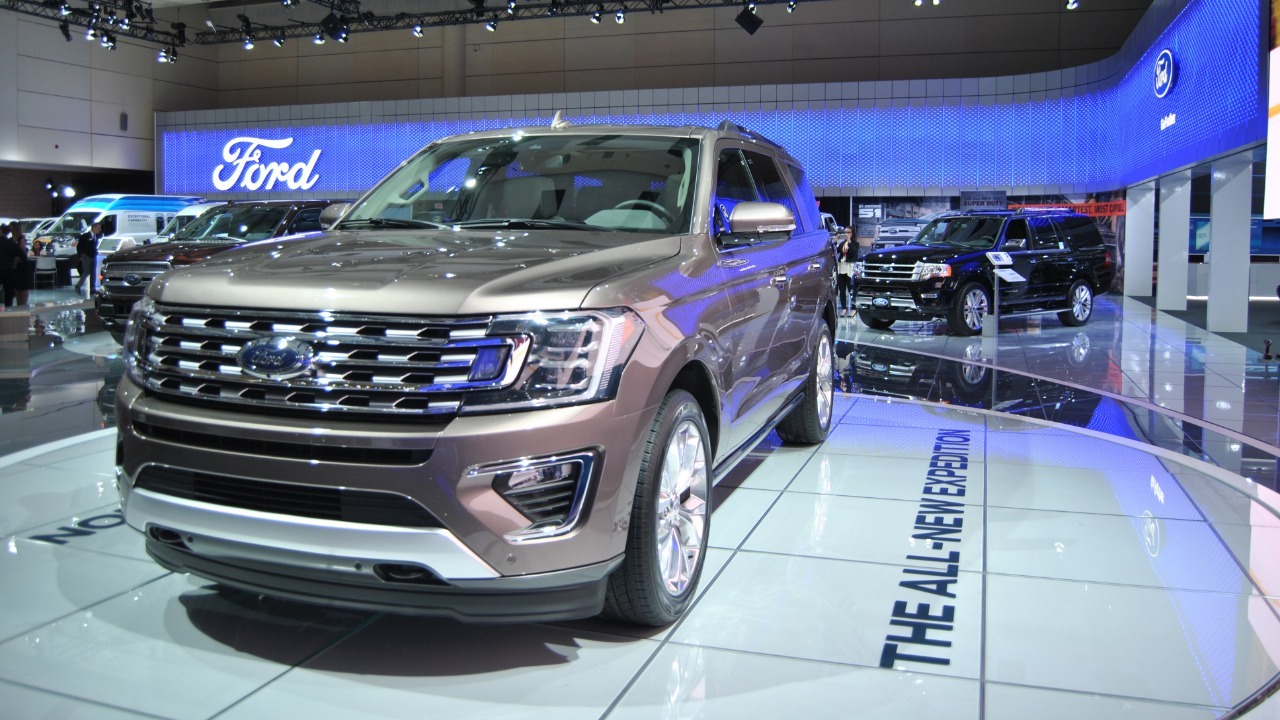
Ford has kept the Expedition on a body-on-frame layout even as many family SUVs abandoned the format, giving the truck-based hauler more room for towing packages and heavy-duty axles. That structure lets the Expedition’s chassis handle large trailers and cargo loads that softer, car-based crossovers typically aren’t rated for.
The frame also lets Ford offer the Expedition alongside its F-150 pickup with meaningful mechanical overlap, simplifying production and parts support across dealerships. Buyers cross-shopping big three-row SUVs for serious towing routinely point to that shared truck DNA as the deciding factor over softer, car-based alternatives.
5. Toyota Sequoia: Borrowing A Pickup’s Backbone
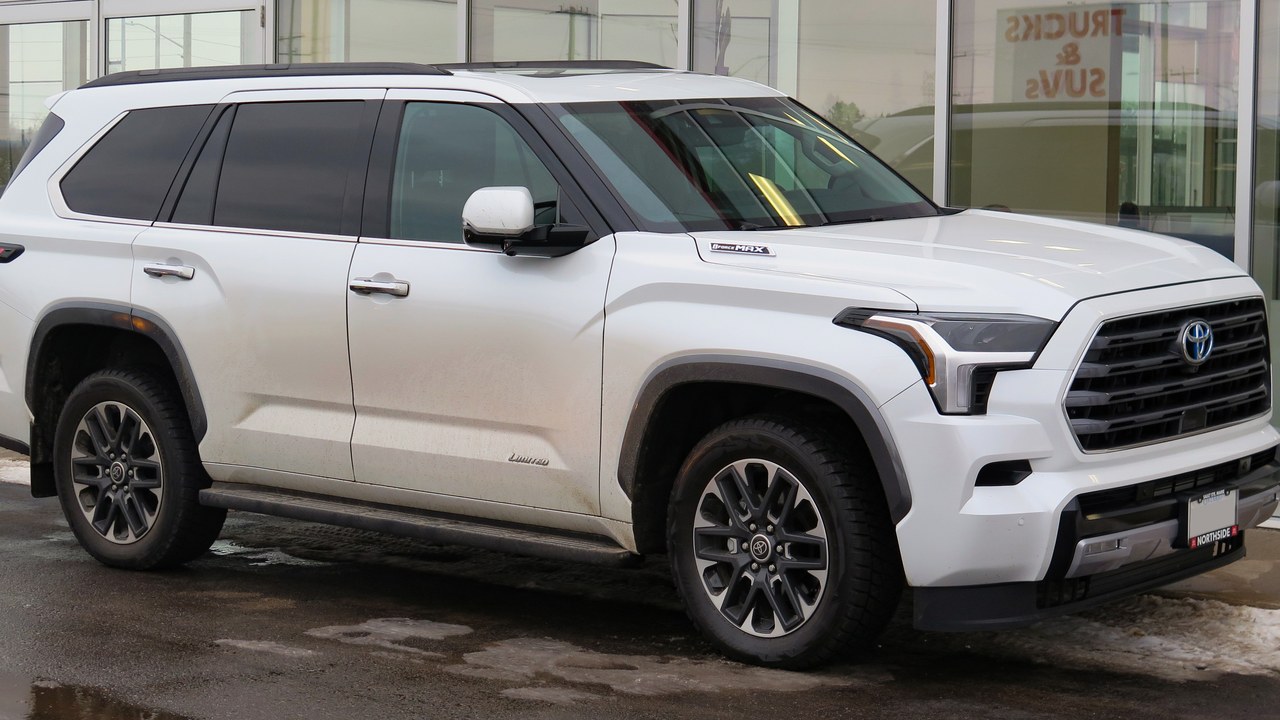
Toyota builds the Sequoia on the same frame that underpins the Tundra pickup, carrying that truck’s long-haul durability reputation into a three-row SUV body. The Tundra-based platform gives the Sequoia the kind of stiffness and towing capability that has made Toyota’s truck lineup a favorite for high-mileage owners.
That shared underpinning also means the Sequoia benefits from parts and mechanical familiarity across Toyota’s truck dealer network. Owners who plan to keep an SUV for a decade or more often cite that durability pedigree as the reason they chose a Sequoia over a car-based alternative.
6. Nissan Armada: A Global Truck Underneath
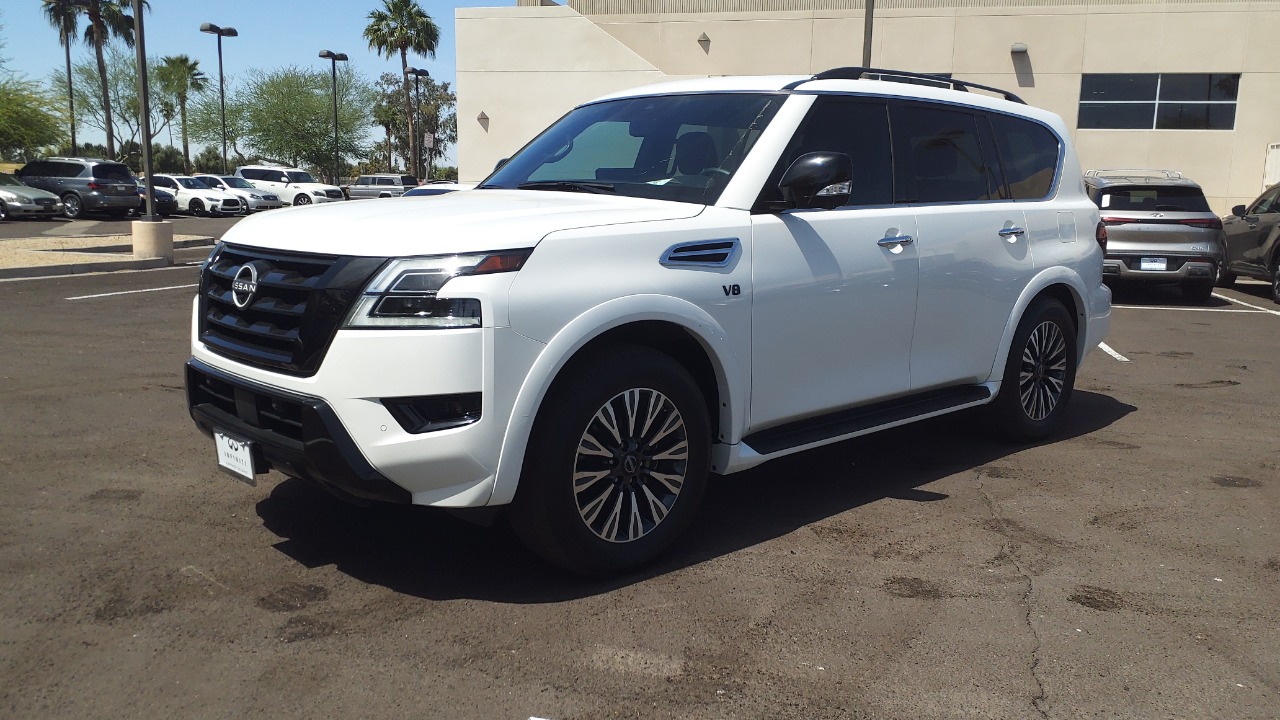
The Nissan Armada is built on a truck-based platform it shares with the globally sold Nissan Patrol, giving the American-market SUV the same rugged, body-on-frame foundation. That underpinning, detailed on the Armada’s own reference page, lets Nissan offer heavy-duty towing figures more typical of a pickup than a crossover.
Because the Patrol has a long history in demanding markets overseas, the Armada inherits engineering built around durability rather than just comfort. That global pedigree is part of why the Armada keeps a following among large families and towing-focused shoppers despite lighter-weight competition.
7. Jeep Wagoneer: Jeep’s Flagship Comes Back Frame-First
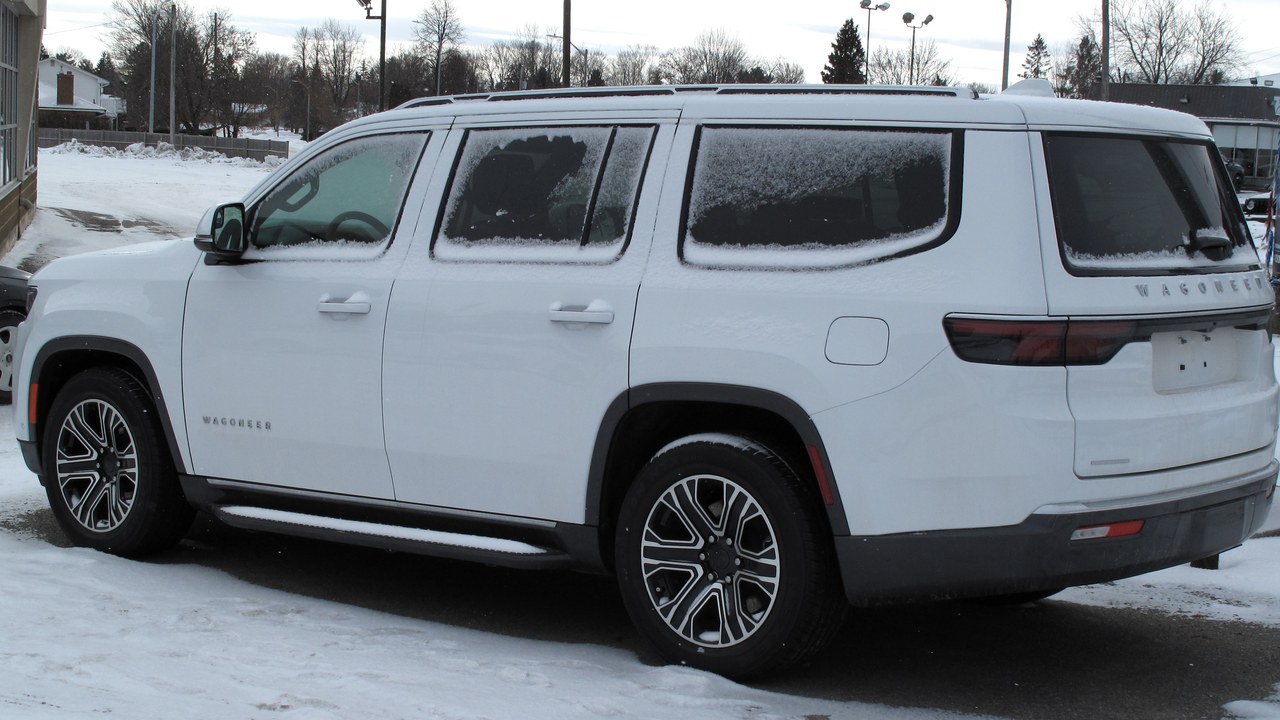
Jeep revived the Wagoneer name on a full-size, body-on-frame platform meant to return the brand to the large-SUV segment it once helped define. The modern Wagoneer’s chassis gives the flagship the truck-grade strength Jeep needed to compete with other frame-built haulers rather than car-based crossovers.
That frame also lets Jeep position the Wagoneer as a genuine towing and off-road competitor, not just a badge revival trading on nostalgia and a familiar grille. The approach signals Jeep’s bet that a meaningful slice of large-SUV buyers still want truck architecture underneath a comfortable family-hauler body.
8. Lexus LX: Luxury Layered Over A Land Cruiser
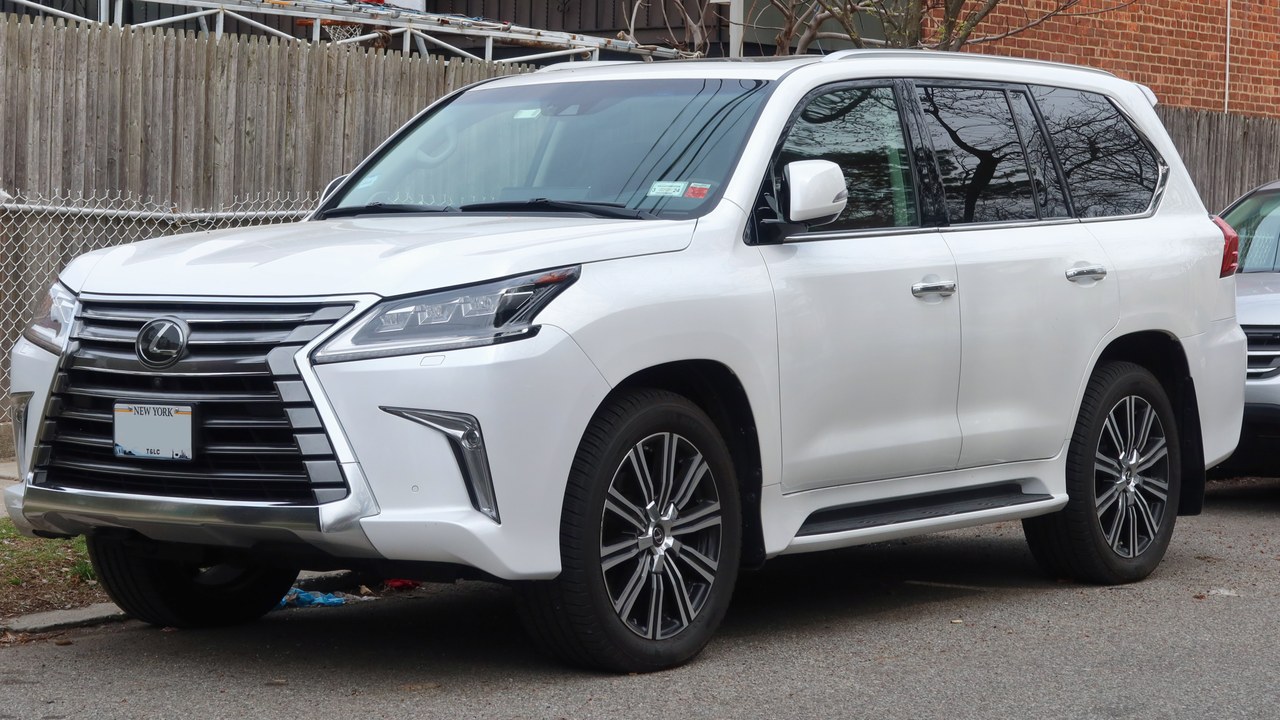
The Lexus LX is a luxury-trimmed version of Toyota’s Land Cruiser, carrying over the same body-on-frame toughness beneath considerably more upscale materials and features. That shared foundation, outlined on the LX’s model page, gives Lexus’s flagship SUV real off-road and towing credibility rather than styling alone.
Building the LX on Land Cruiser architecture lets Lexus court buyers who want genuine truck capability without stepping down to a plainer Toyota interior. That combination has kept the LX relevant among luxury SUV shoppers even as most premium rivals moved to softer, unibody platforms.
More from Morning Overview
- The FTC is warning about a scam quietly draining thousands from victims
- The NSA is again telling phone owners to switch off one location setting
- A handful of car transmissions are so tough mechanics say they almost never fail
- A handful of SUVs keep hitting 300,000 miles, and they share one engine trait
