
Cargo space is the number that decides many large-SUV purchases, yet the differences between models are bigger than most shoppers expect. The iSeeCars rankings measure maximum volume with the rear seats folded, and the spread runs from a stretched truck-based giant to a compact crossover. Here are twelve SUVs ordered from the largest cargo hold down to the smallest.
Stay ahead on AI: Join 600,000+ professionals who read The Deep View, the daily newsletter that keeps you up to date with artificial intelligence.
We may earn a commission if you sign up.
1. Chevrolet Suburban: Cargo Champion
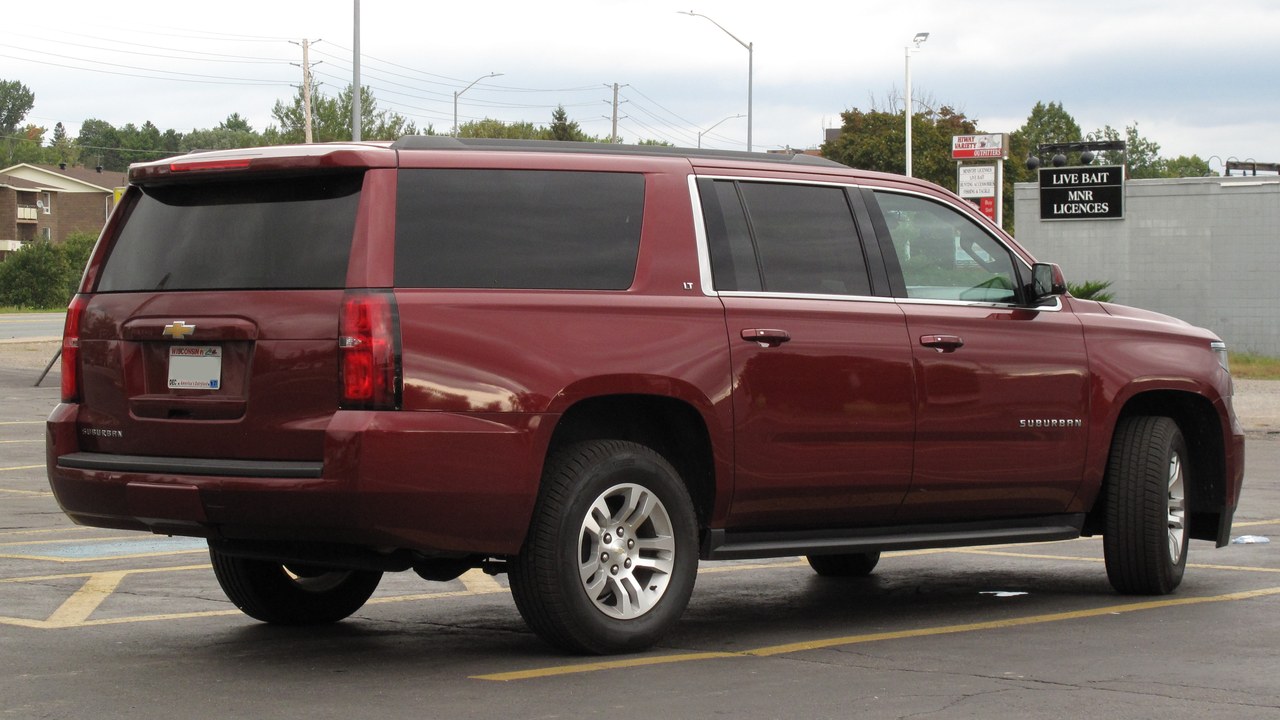
iSeeCars lists the Suburban first among three-row models, with maximum cargo volume of 144.5 cubic feet once the second and third rows are folded flat. Only 41.5 cubic feet remains behind the upright third row, so the headline number depends on stowing every rear seat. That figure is the largest of any SUV on sale in the ranking.
Families hauling lumber, hockey gear or a household move gain the most from the long body. Buyers who keep all seats occupied should plan around the far smaller space behind the third row instead, since the 144.5 figure appears only with the seats down.
2. GMC Yukon XL: Suburban’s Twin
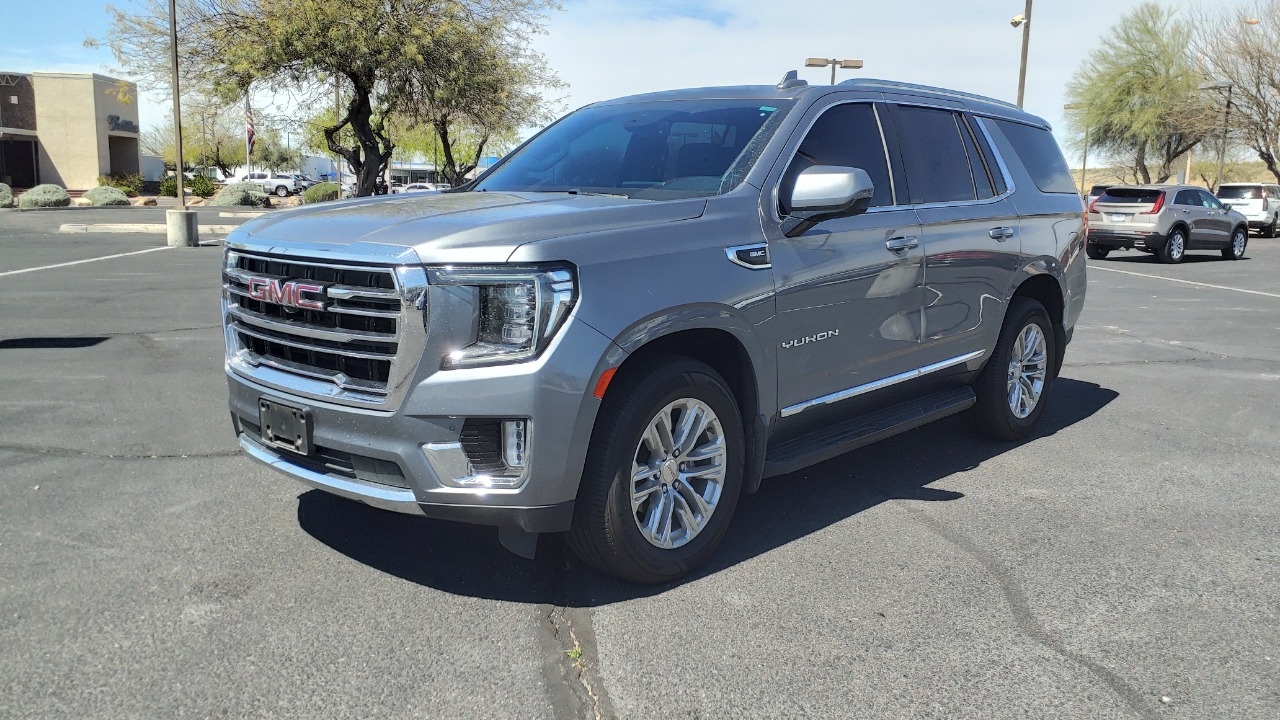
The Yukon XL ties the Suburban at 144.5 cubic feet, according to the eight-seat SUV ranking on iSeeCars. The two trucks share a stretched body and platform, which explains the identical result when the rear seats are folded away. The GMC version trades Chevrolet badging for squarer styling and a more upscale cabin.
Shoppers can treat the choice as one of trim and price rather than capacity, because neither long-wheelbase model gains an edge on volume. As with all such listings, iSeeCars cautions that automakers do not measure cargo space identically.
3. Jeep Wagoneer L: Stretched Jeep
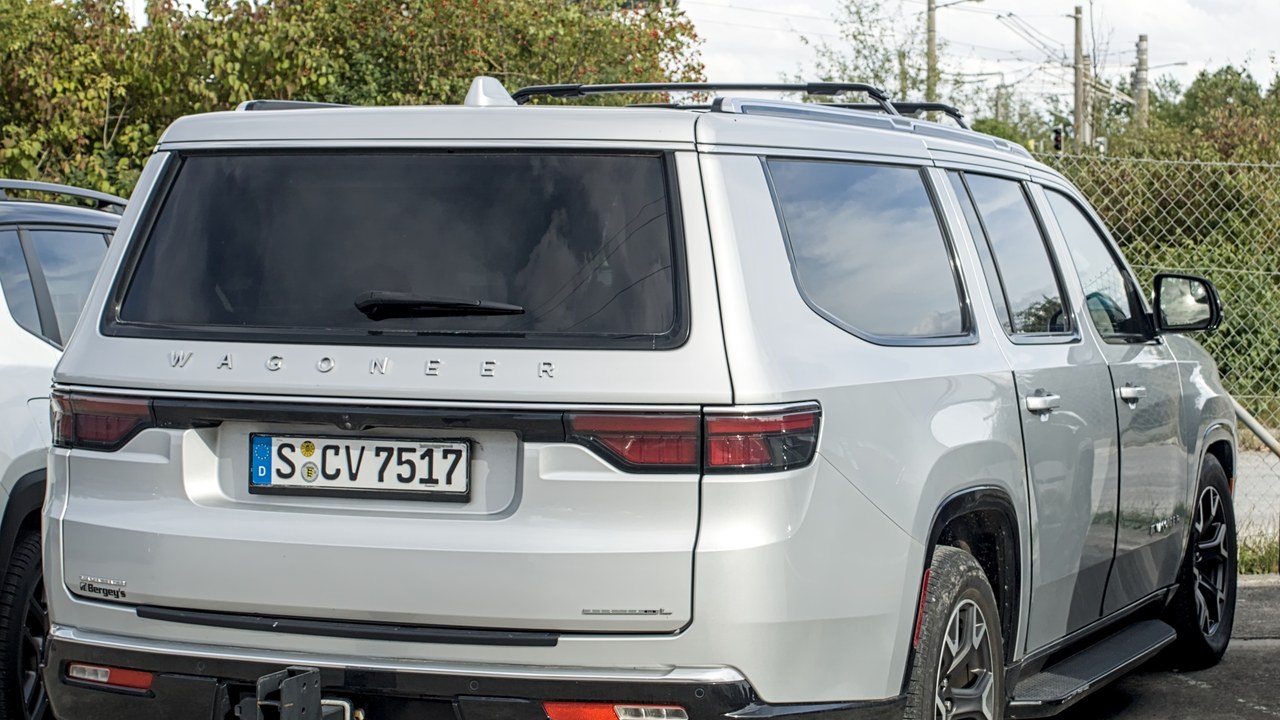
Jeep stretched the full-size Wagoneer into the Wagoneer L, and the longer body holds 130.9 cubic feet with the seats folded, based on the three-row SUV ranking. That total puts it third overall, ahead of the standard-wheelbase Chevrolet Tahoe by a wide margin. The extra length behind the rear axle accounts for most of the difference.
The gain comes at the cost of a larger turning circle and a harder fit in ordinary garages and parking spaces. Buyers who tow or carry gear regularly may accept that trade, while city dwellers could find the shorter Wagoneer easier to live with.
4. Chevrolet Tahoe: Standard-Length Hauler
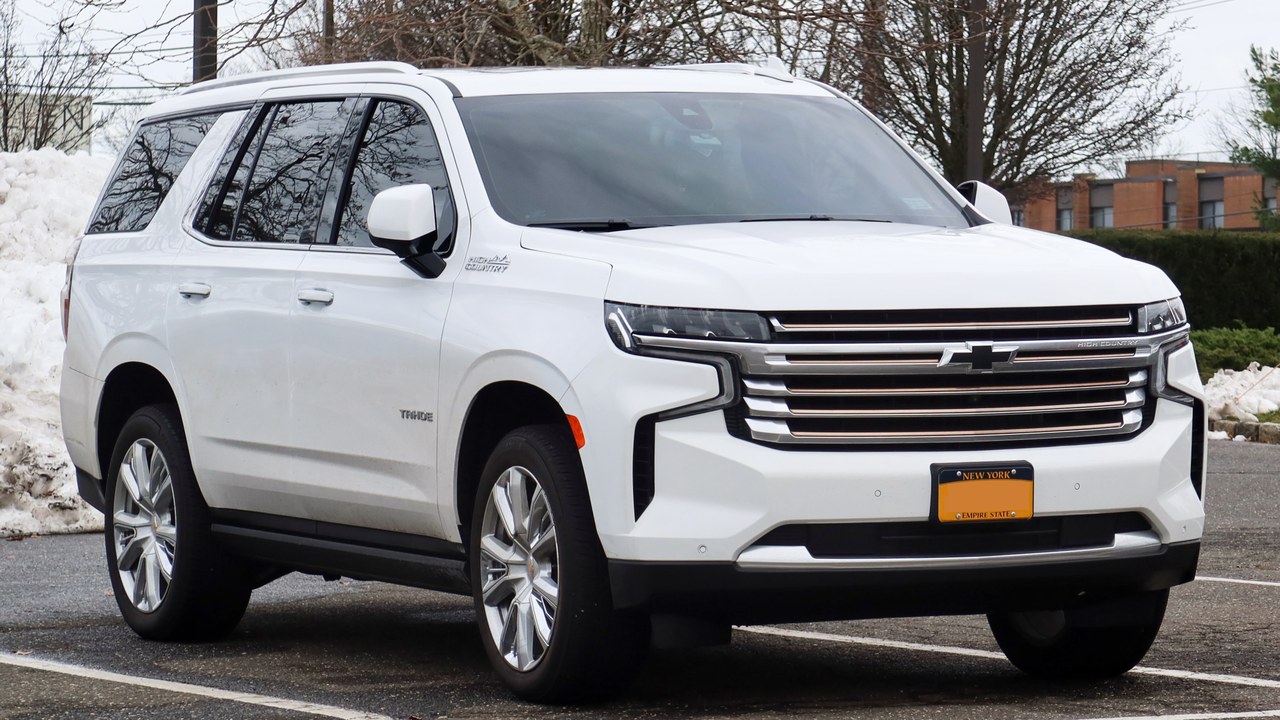
The regular-length Tahoe offers 125.9 cubic feet of maximum cargo space in the iSeeCars three-row list, a large number for a vehicle that is shorter than its Suburban sibling. Folding both rear rows creates a long, flat floor that swallows bulky items. It sits fourth in this ranking of the biggest haulers.
Its appeal is the balance between volume and manageable size, since the Tahoe fits more easily into everyday parking than the stretched models above it. The gap to the Suburban is roughly nineteen cubic feet, which matters mainly to buyers who carry unusually large loads.
5. Cadillac Escalade IQL: Electric Heavyweight
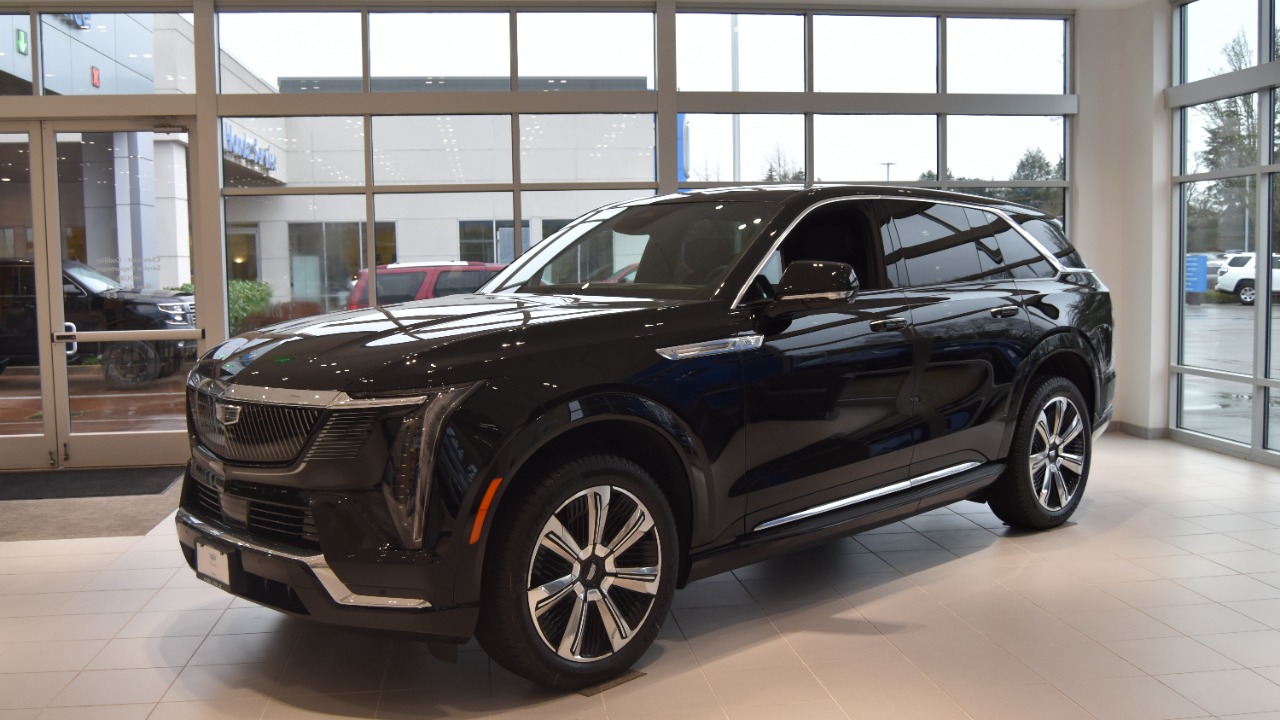
The all-electric Escalade IQL tops the EV SUV field with 125.2 cubic feet of maximum cargo space, according to iSeeCars cargo rankings. That result puts the battery-powered Cadillac close to the gasoline Chevrolet Tahoe on volume. The L designation refers to the extended-length body that creates the extra room behind the seats.
For buyers weighing a switch to electric power, the figure shows that a long-wheelbase body can preserve full-size utility. The ranking measures volume only, so range, charging speed and price still require separate comparison before a purchase decision.
6. Ford Expedition MAX: Long-Wheelbase Ford
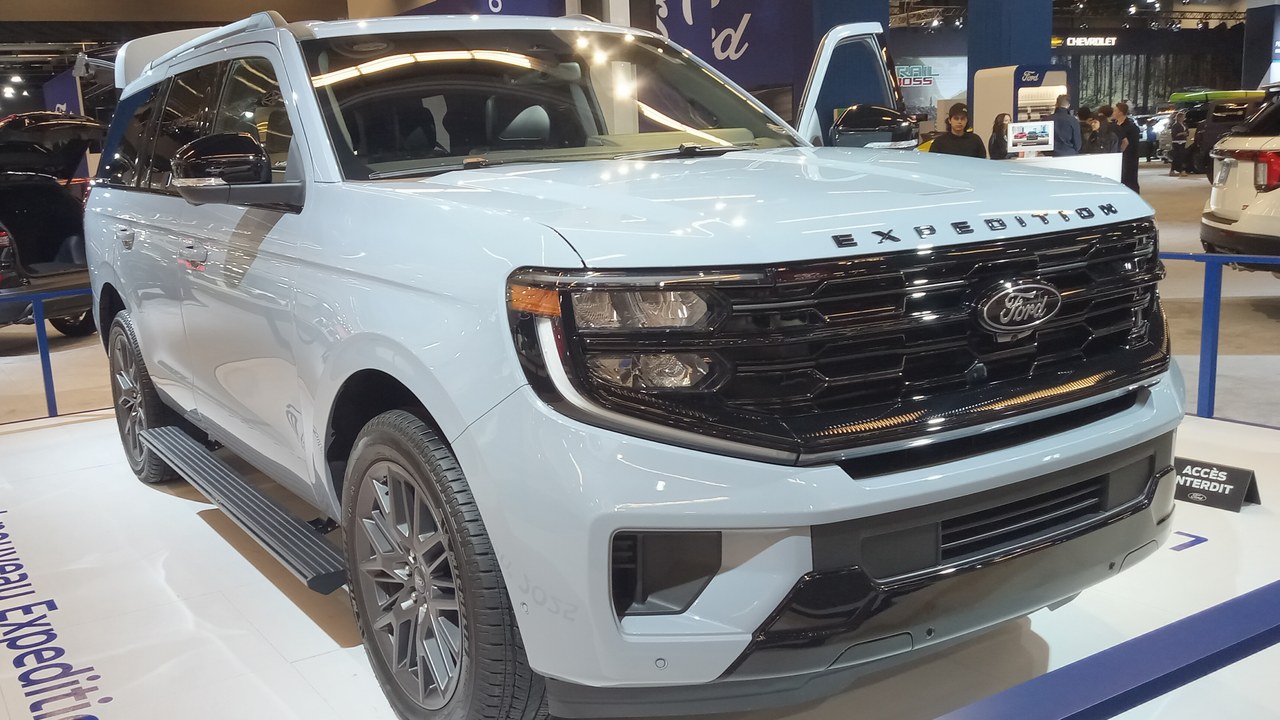
Ford’s long-wheelbase Expedition MAX holds 123.1 cubic feet with the seats folded, per the eight-seat SUV list. That makes it the leading Ford in the field and a direct rival to the General Motors trio ahead of it. The MAX body adds length behind the rear axle, which supplies most of the extra floor area.
The shortfall to the Suburban is about twenty-one cubic feet, but the Expedition MAX stays within reach of the class leaders. Shoppers cross-shopping the big Ford against its rivals should check seat-folding ease as well as the raw number.
7. GMC Yukon: Standard Yukon
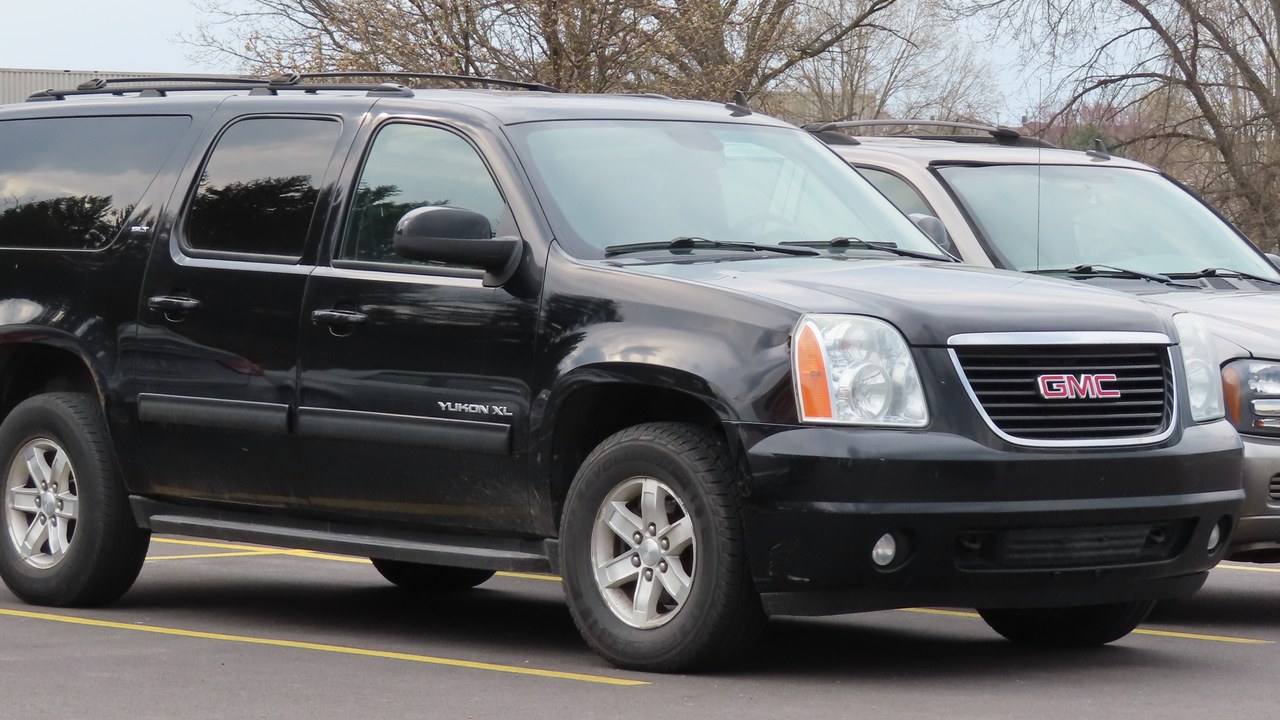
The standard-wheelbase Yukon offers 122.8 cubic feet of maximum cargo space, as shown in the iSeeCars eight-seater ranking. That is about twenty-two cubic feet less than the Yukon XL, a direct measure of what the longer body adds. The shorter truck still outscores many rivals that carry the full-size label.
The regular Yukon suits drivers who want large-SUV capacity without the length of the XL. Parking and garage fit improve with the shorter body, while the ranking shows that the cargo penalty is real but not crippling for most households.
8. Toyota Sequoia: Toyota’s Big Entry
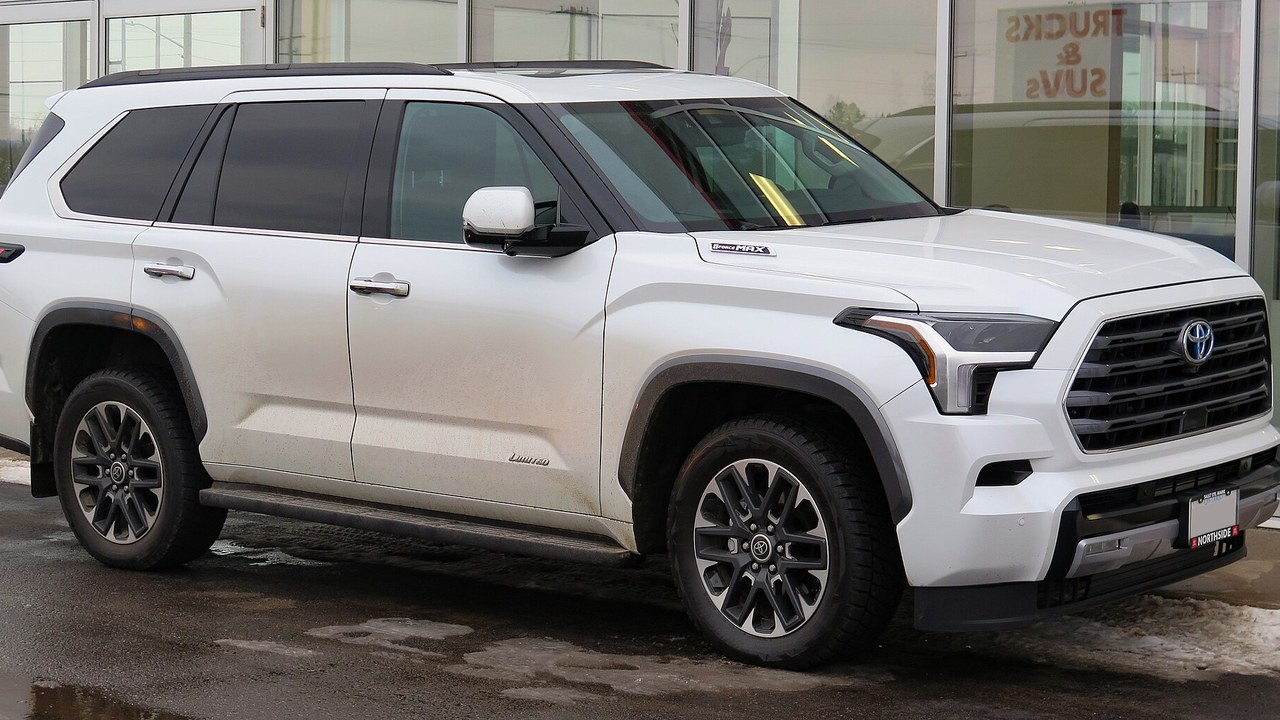
The Toyota Sequoia holds 120.1 cubic feet with its seats folded, according to the eight-seater cargo table. That figure places the Japanese full-size SUV just behind the standard Yukon and ahead of the Jeep Grand Wagoneer L. It is the highest result for a Toyota in a list otherwise dominated by American brands.
Buyers drawn to the Sequoia for reliability or hybrid power can take comfort that cargo room remains competitive. The gap to the leaders is wide, though, so anyone regularly moving very large items may find the stretched General Motors models more practical.
9. Jeep Grand Wagoneer L: Luxury Wagoneer
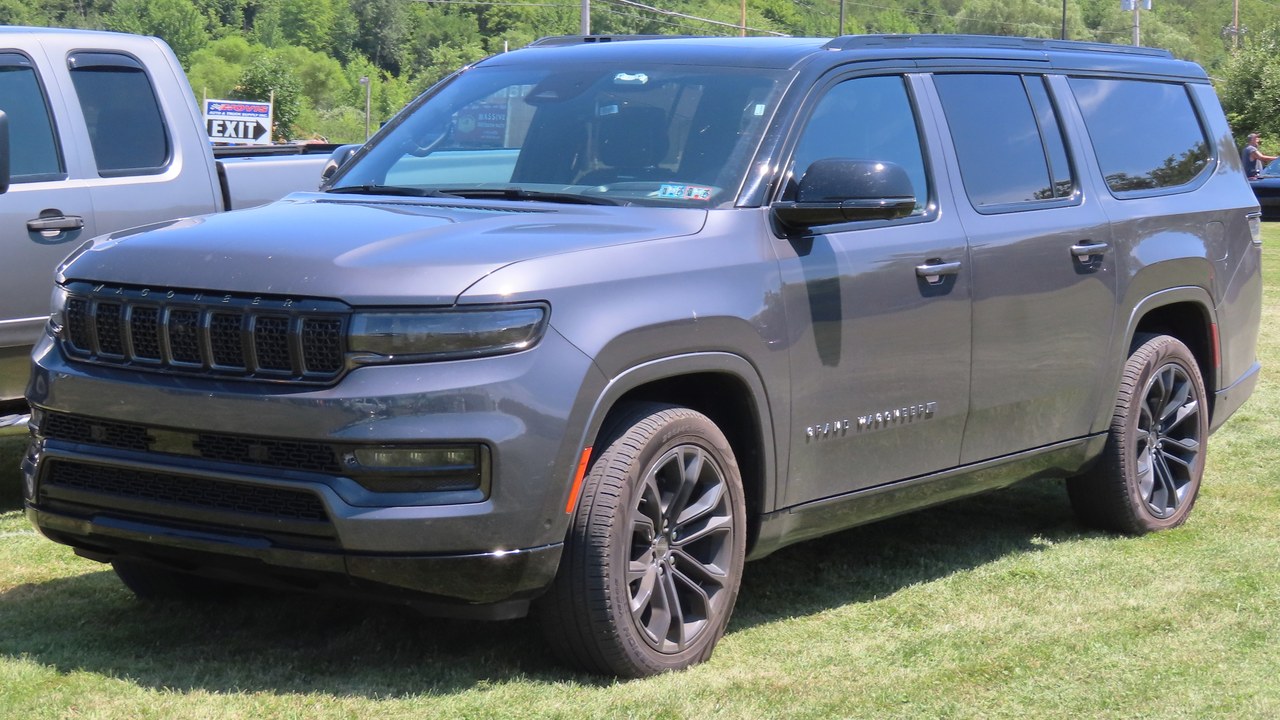
The Grand Wagoneer L holds 116.7 cubic feet of maximum cargo space in the three-row SUV table. Jeep positions the model above the Wagoneer as a luxury flagship, yet its capacity falls well short of the lesser Wagoneer L at 130.9 cubic feet. The difference reflects its richer interior packaging rather than a smaller footprint.
Shoppers who value space above all might therefore choose the cheaper sibling, while those who want premium materials accept a visible loss of volume. It is a useful reminder that price and capacity do not always rise together in this class.
10. Chevrolet Traverse Limited: Midsize Surprise
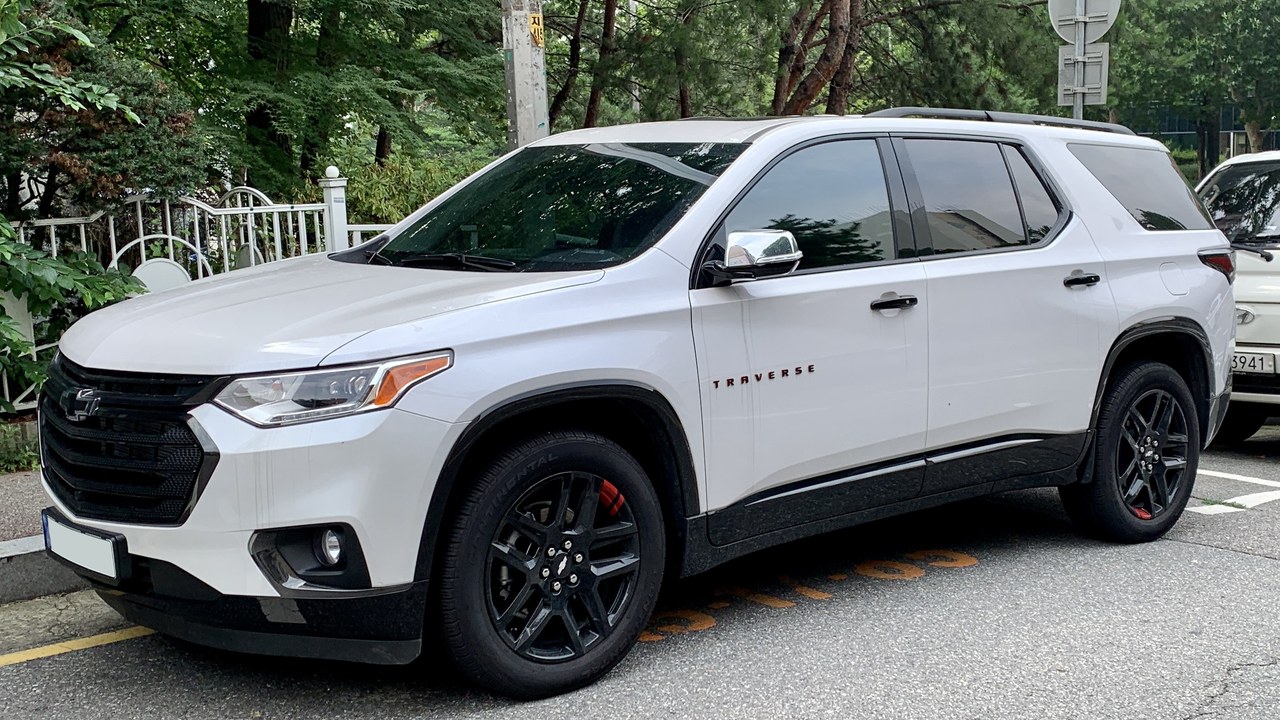
The Traverse Limited offers 98.2 cubic feet with the seats folded, according to the iSeeCars SUV ranking. The figure is notable because the model is a midsize crossover, not one of the body-on-frame giants that fill the top of the list. It shows how far a well-packaged unibody design can go.
Families that rarely tow can capture much of the benefit of a full-size SUV with lower running costs and an easier parking footprint. The loss to the Tahoe is roughly twenty-eight cubic feet, a gap that many households may never notice.
11. GMC Acadia: Acadia’s Space
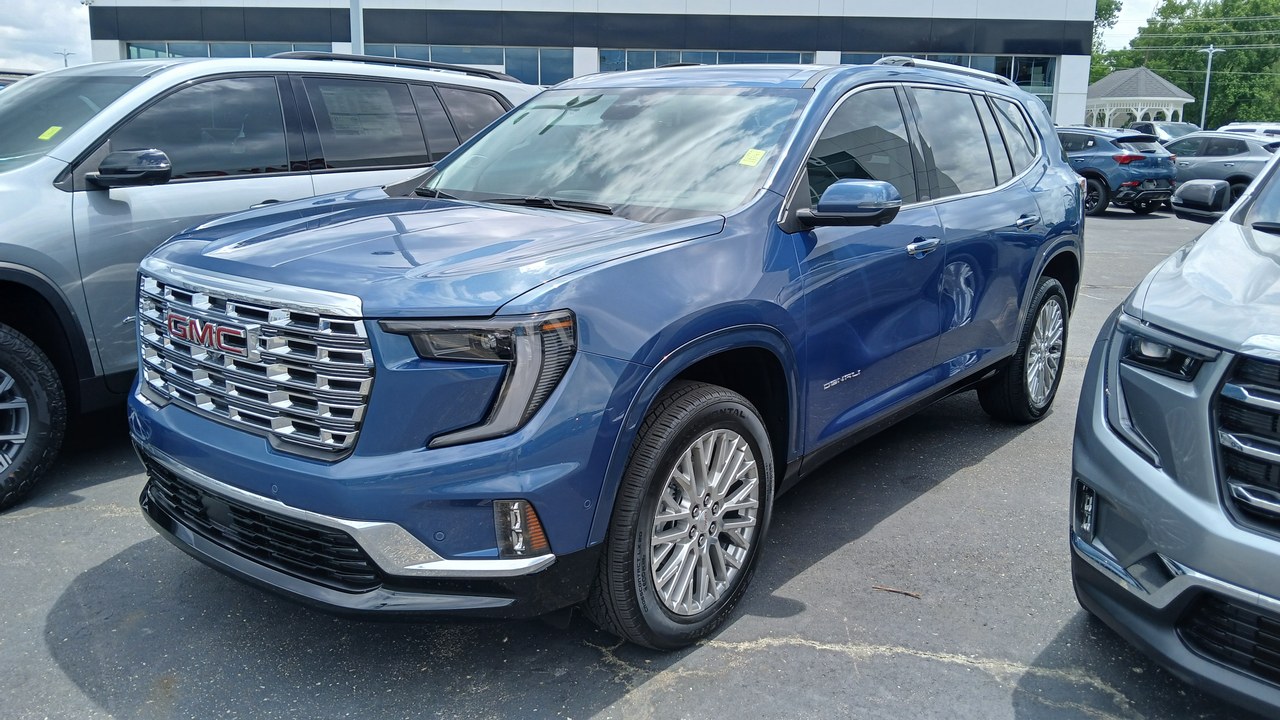
The GMC Acadia offers 97.5 cubic feet of maximum cargo space, according to the iSeeCars cargo rankings. That total is only slightly below the Chevrolet Traverse Limited and well above most rivals in the midsize segment. The result places a mainstream three-row crossover within reach of vehicles that are far larger and thirstier.
Buyers who want a GMC badge without the bulk of a Yukon can accept a drop of about twenty-five cubic feet. The gain is easier maneuvering, and the Acadia still handles bulky loads once the rear seats are folded down.
12. Honda CR-V: Small-SUV Standout
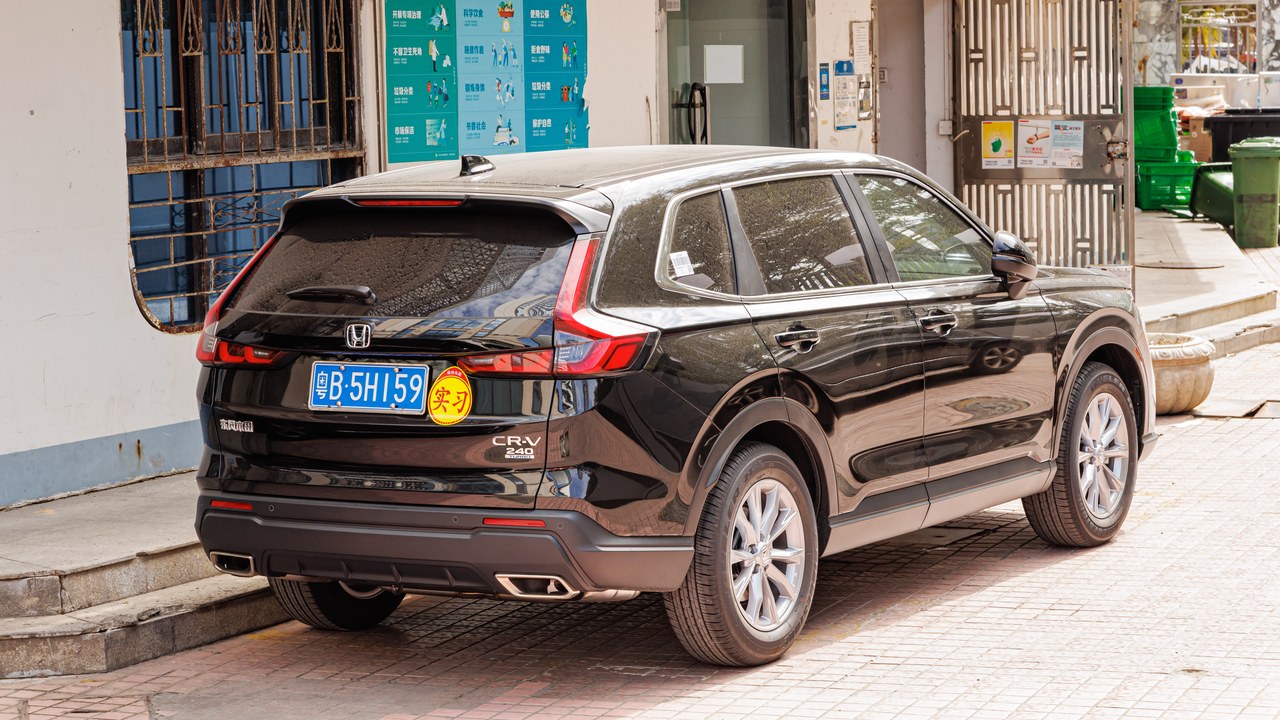
Among small SUVs the Honda CR-V ranks near the top with 76.5 cubic feet of maximum cargo space, per the small-SUV cargo ranking. That compact-class figure is well below the full-size leaders, yet it exceeds what many larger-looking vehicles manage. The CR-V reaches it by folding the rear bench, which opens a deep and wide load floor.
For buyers who do not need three rows, the number shows that a compact body can still carry large items. The ranking compares volume only, so fuel economy and price remain separate reasons to shortlist the Honda.
Stay ahead on AI: Subscribe to The Deep View →
We may earn a commission if you sign up.
More from Morning Overview
- Ford is recalling 223,472 F-150 pickups because the fuel tank can leak or detach
- Hybrids have 15% fewer problems than gas cars, while EVs and plug-in hybrids have about 80% more, Consumer Reports finds
- Regulators cleared the first U.S. small modular reactor, 4 months early
- Lake Powell sank to a record 3,517 feet, nearing the level that stops Glen Canyon Dam’s turbines
