
Tanks first lumbered across the trenches of World War I as a desperate answer to a stalemate. Over the next century they grew into some of the most complex and heavily armored machines ever built. These nineteen tanks, from the first turreted design to today’s front-line giants, changed how wars were fought.
Read next on Morning Overview: GM’s big V8 trucks keep blowing engines after the recall fix, and NHTSA is digging deeper
1. Renault FT: The First Modern Tank
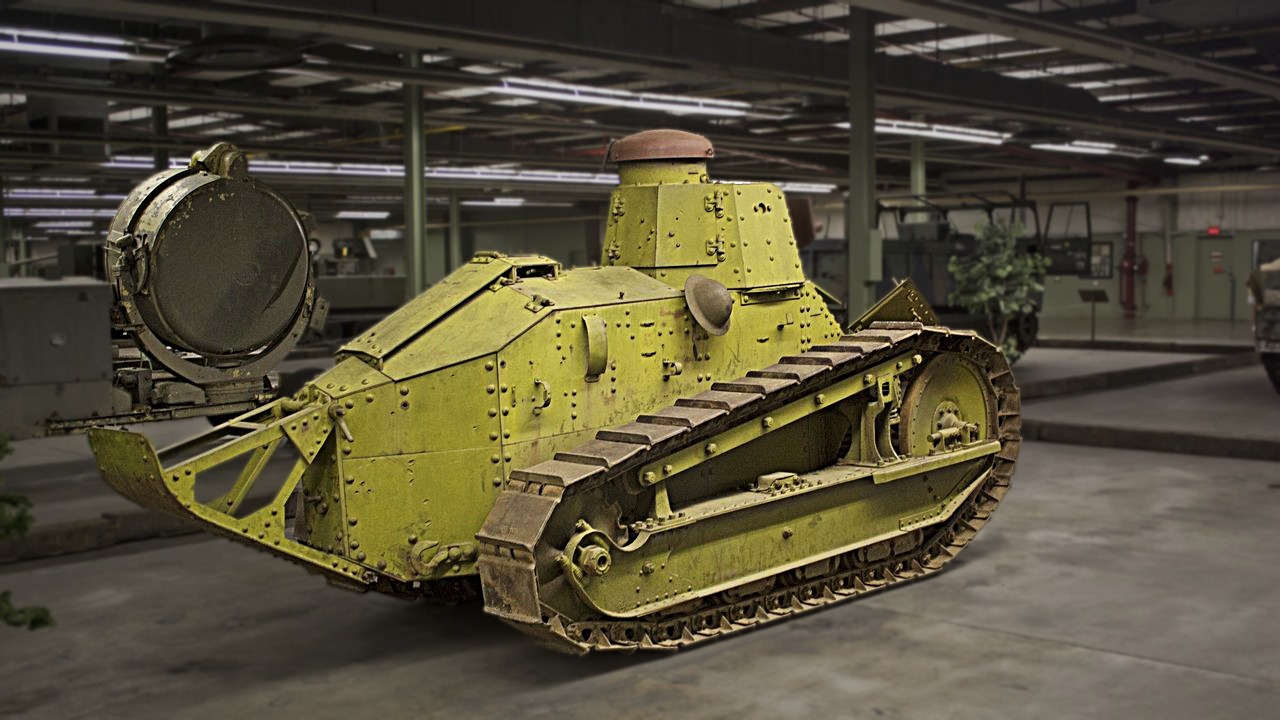
The Renault FT was the first tank to carry a rotating turret, and it is widely hailed as the first modern tank. According to SlashGear, the U.S. Army adopted it as its first tank, and nearly 3,000 had been made by the World War I armistice.
Weighing just over 7 tons, it carried a two-man crew and ran on a 39-horsepower four-cylinder engine. Its armor was thin and the interior cramped, but used in large groups it helped overcome German defenses.
2. Mark IV: Britain’s Trench Crosser
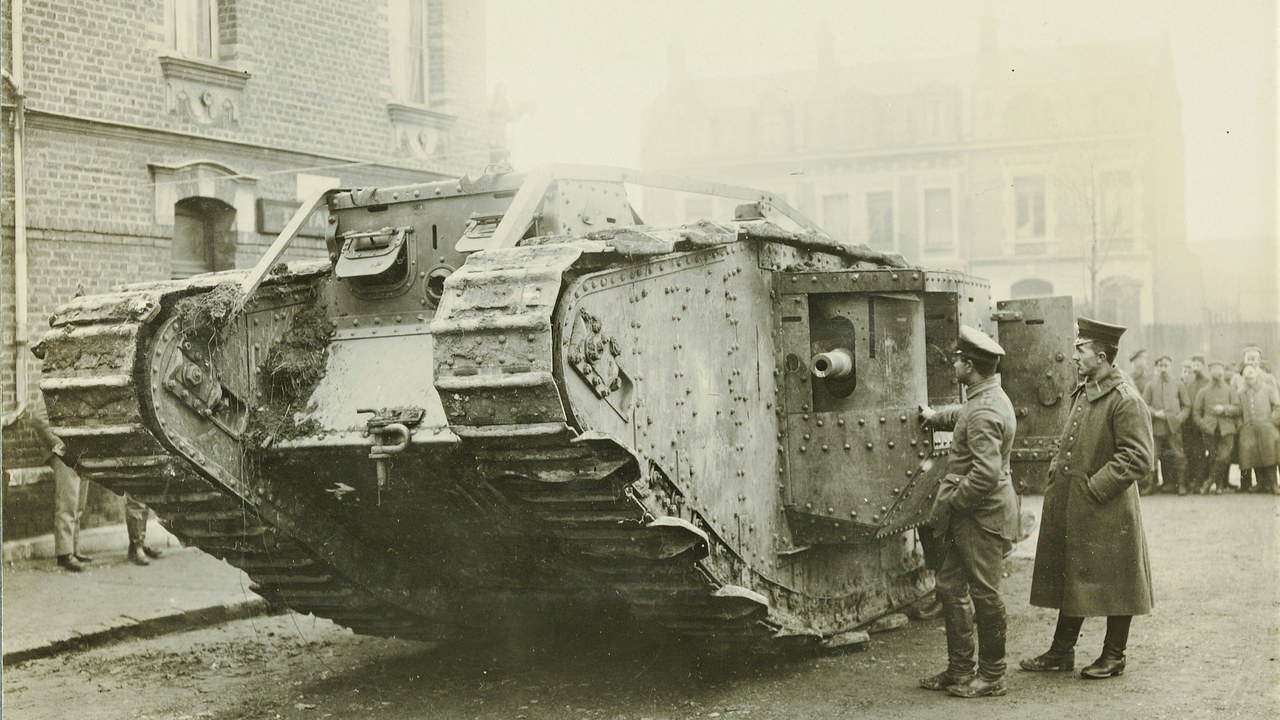
The Mark IV was the first tank mass-produced and sent to the field in substantial numbers. As SlashGear explains, these landships were called tanks so it would look as though the army was shipping water tanks to the front.
It carried four machine guns and two six-pounder cannons inside an armored shell, with long tracks running around both sides so it could cross open trenches. It was slow and cumbersome, but it showed the world what armor could do.
3. Panzer IV: The Only Tank to Fight the Whole War
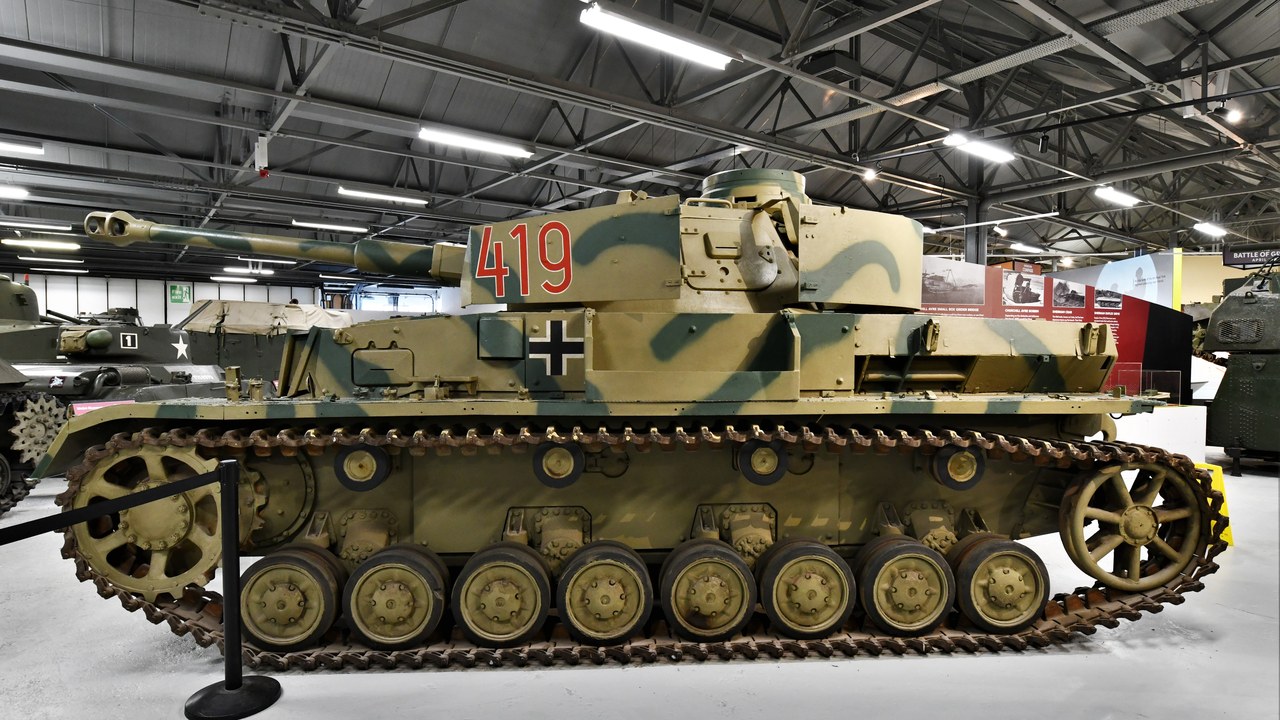
The Panzer IV was the only tank in combat for the entire war in Europe, according to TheCollector. Production began in 1936 and continued into the final months of the war.
It started with a short 7.5cm gun as a support tank. After meeting British Matildas in 1940 and Soviet T-34s in 1941, it was steadily upgraded, and by mid-1942 it carried 80mm of frontal armor and a long-barreled gun.
4. T-34: The Tank That Shocked Germany
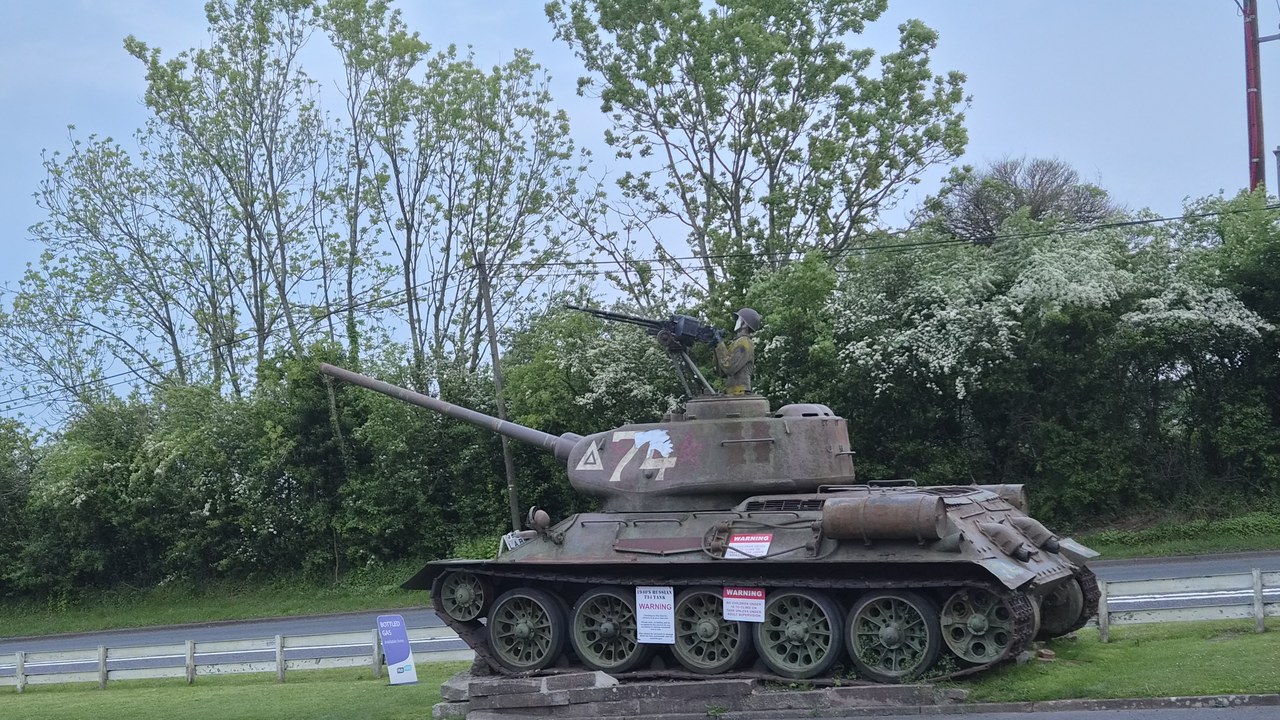
The T-34 combined an excellent, innovative design with overwhelming mass production, and TheCollector calls it one of the strategic weapons of World War II. It fought through the entire Soviet-German war.
When German forces met it at the start of Operation Barbarossa in 1941, it was a complete shock. German generals admitted it was superior to all their tanks and anti-tank guns. The Soviets built about 58,000 of them.
5. M4 Sherman: The Allied Workhorse
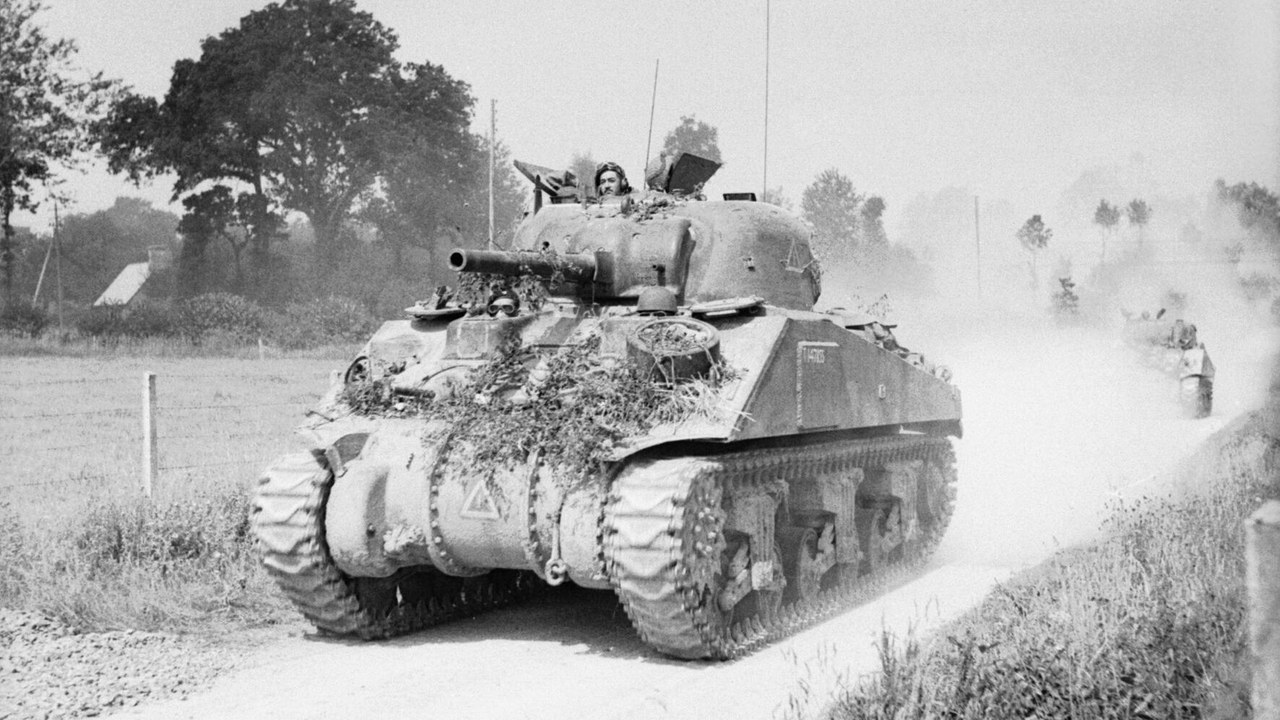
The M4 Sherman was one of the most iconic American medium tanks of World War II. As SlashGear notes, one of its greatest strengths was ease of manufacturing, which made it quicker and cheaper to build than other medium tanks.
Thousands went to the Western Allies, and in this case quantity also meant quality: the Sherman earned a reputation as a versatile and reliable workhorse. Later versions added armor panels and a more powerful 76mm gun.
6. Tiger I: Germany’s Feared Heavyweight
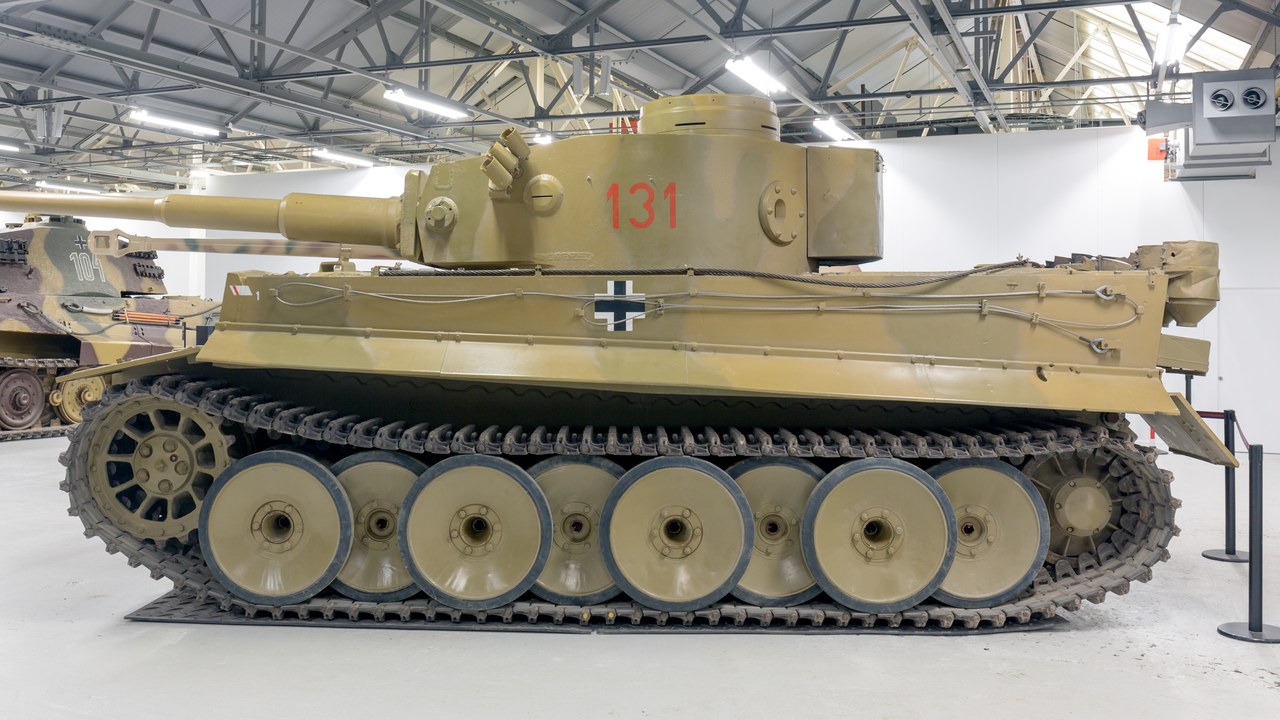
The Tiger I was probably the most capable and technically advanced heavy tank of World War II, according to SlashGear. It did not enter service until 1942.
A 700-horsepower Maybach V12 pushed the nearly 60-ton tank to a top speed of 28 mph. With armor up to 120mm thick and an 88mm main gun, it outperformed Allied tanks by most measures and was approached with great caution.
7. Panther: The Finest Tank of the War
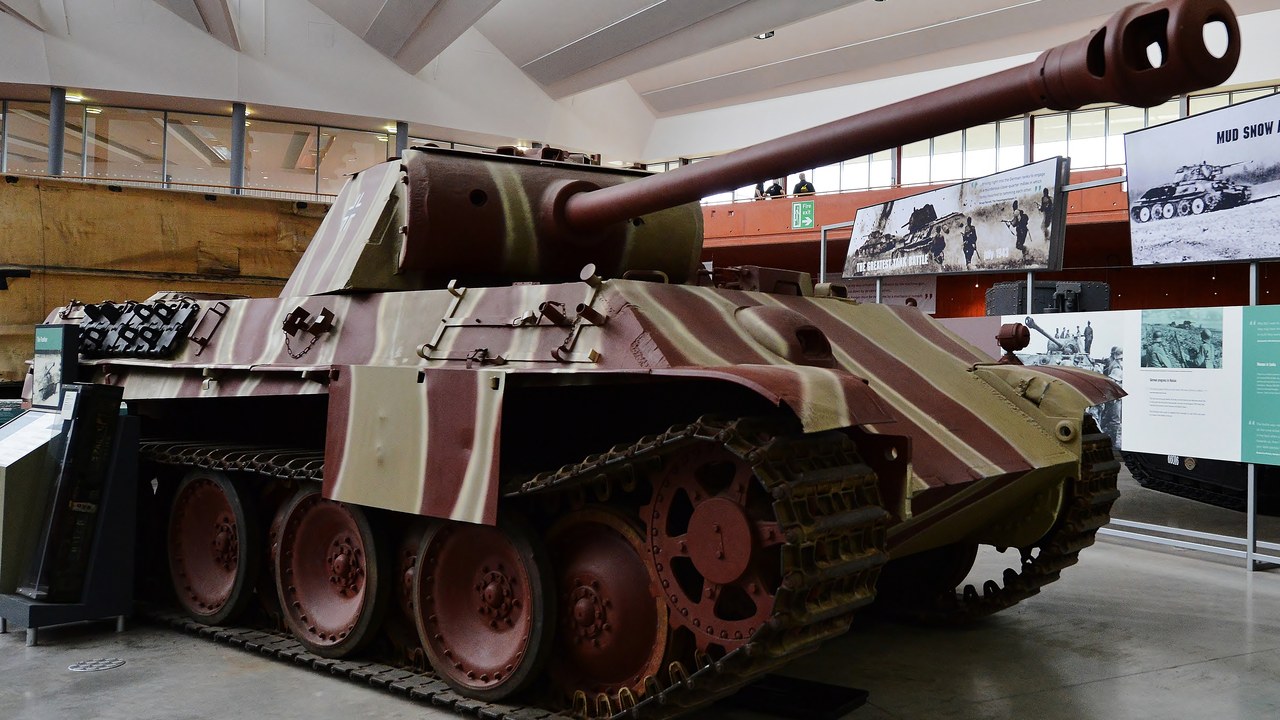
The Panther was developed after the German army met the T-34 in 1941, and it borrowed the Soviet tank’s sloping armor. TheCollector calls it the finest individual tank of the war.
Its most outstanding feature was an extremely accurate, high-velocity 7.5cm gun, the best armor-piercing gun on any tank at the time. Introduced in July 1943, it was more powerful than any Allied or Soviet tank then in service, though only about 5,500 were built.
8. IS-2: Stalin’s Tiger Killer
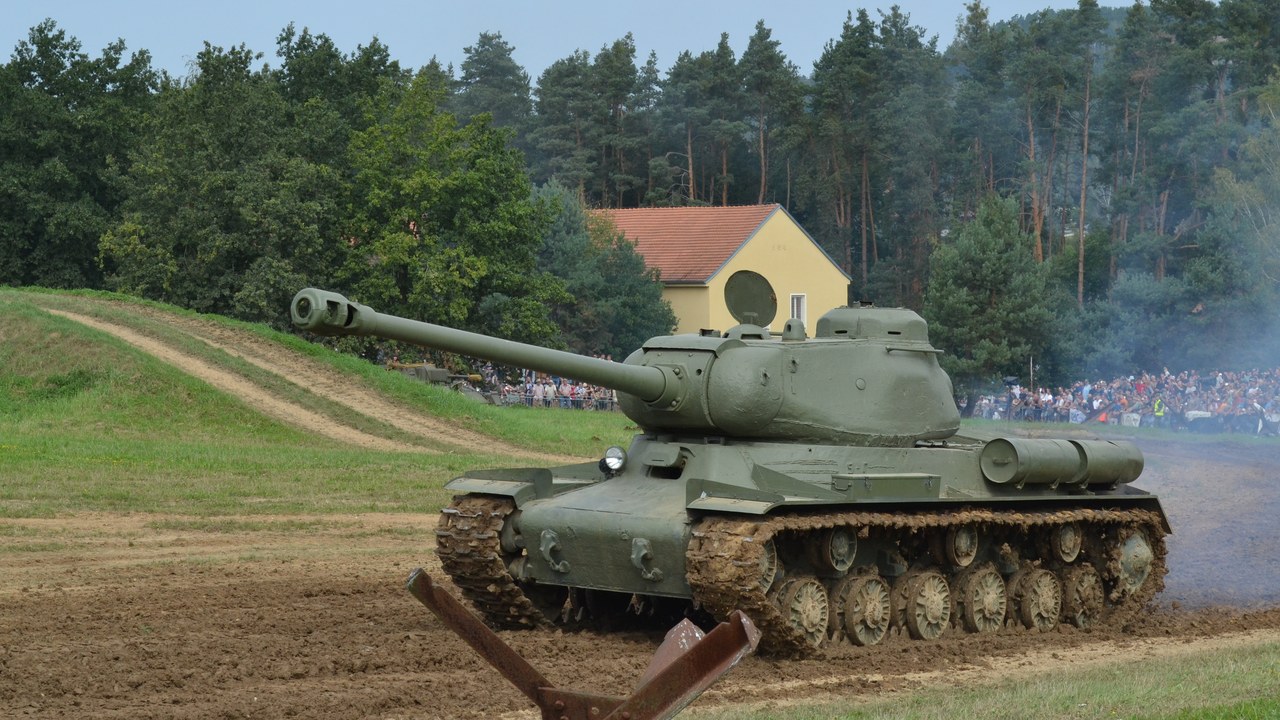
The IS-2 was the first tank that could engage the Tiger I or Panther on equal terms, according to TheCollector. It was developed in direct response to the Tiger and carried an excellent 122mm gun.
It was ten tons lighter than the Tiger, with slightly better armor protection. Its main weaknesses were a small magazine of only 28 rounds and a slow rate of fire, because its shells and charges had to be loaded separately.
9. M3 Lee: The Odd Design That Saved Egypt
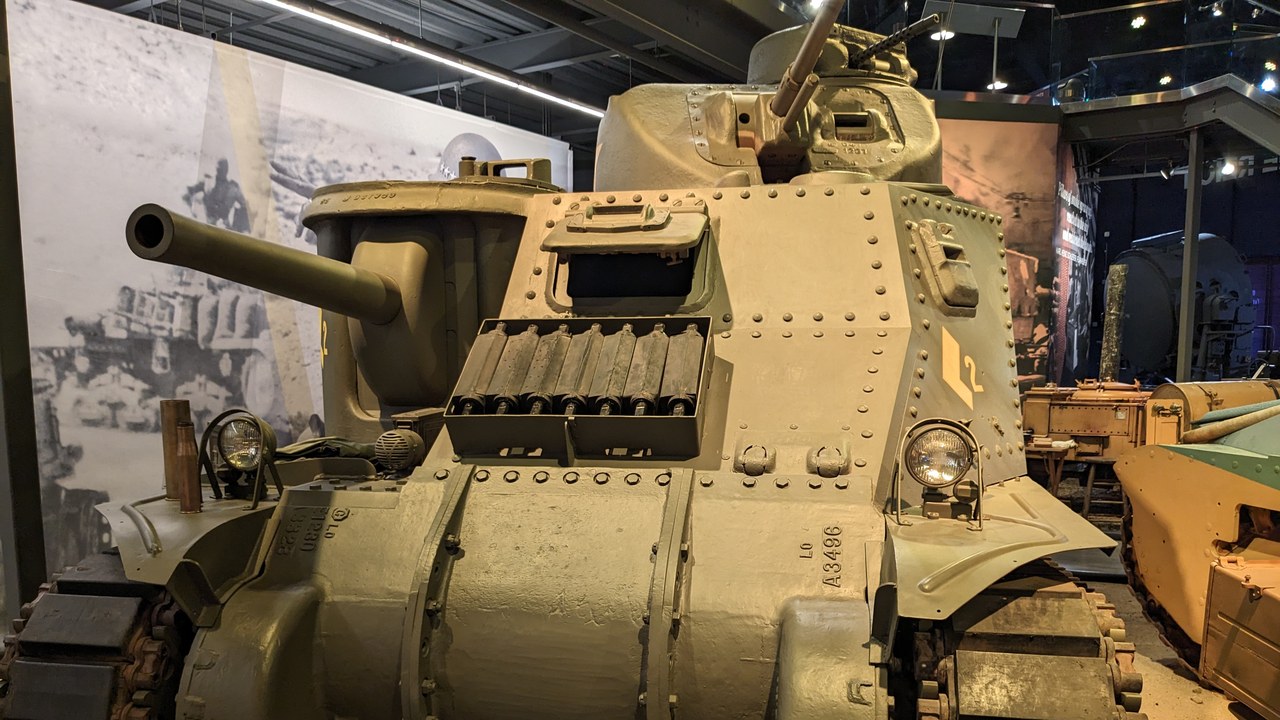
With its hull-mounted main gun, high silhouette and riveted construction, the M3 looked like a throwback to the 1930s. Yet TheCollector notes its arrival in early 1942 helped stem the Axis advance toward Egypt at the Battle of Gazala.
The M3 mounted a 75mm gun in the hull and a 37mm gun in the turret. It was well armored for its day and as fast as German medium tanks. The British called their version the Grant.
10. Churchill: The Base for the Funnies
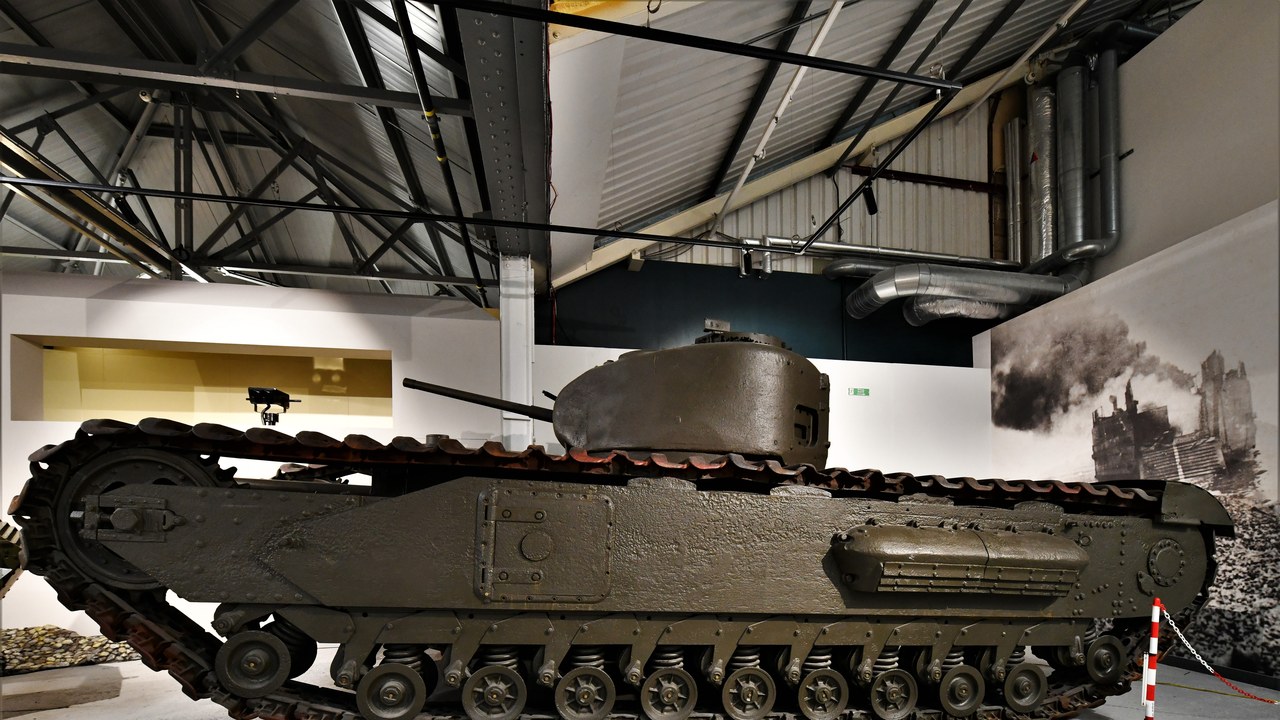
The Churchill earned its place as the basis for the Funnies, specialist armored vehicles built for Allied assault troops. As TheCollector explains, the British decided after the 1942 Dieppe raid that such vehicles would be needed to make the Normandy landings succeed.
The Churchill’s armor of up to 152mm and good cross-country ability made it ideal for assault work. Versions included the Crocodile, a flame-throwing tank.
11. M3 Stuart: The Fast Scout
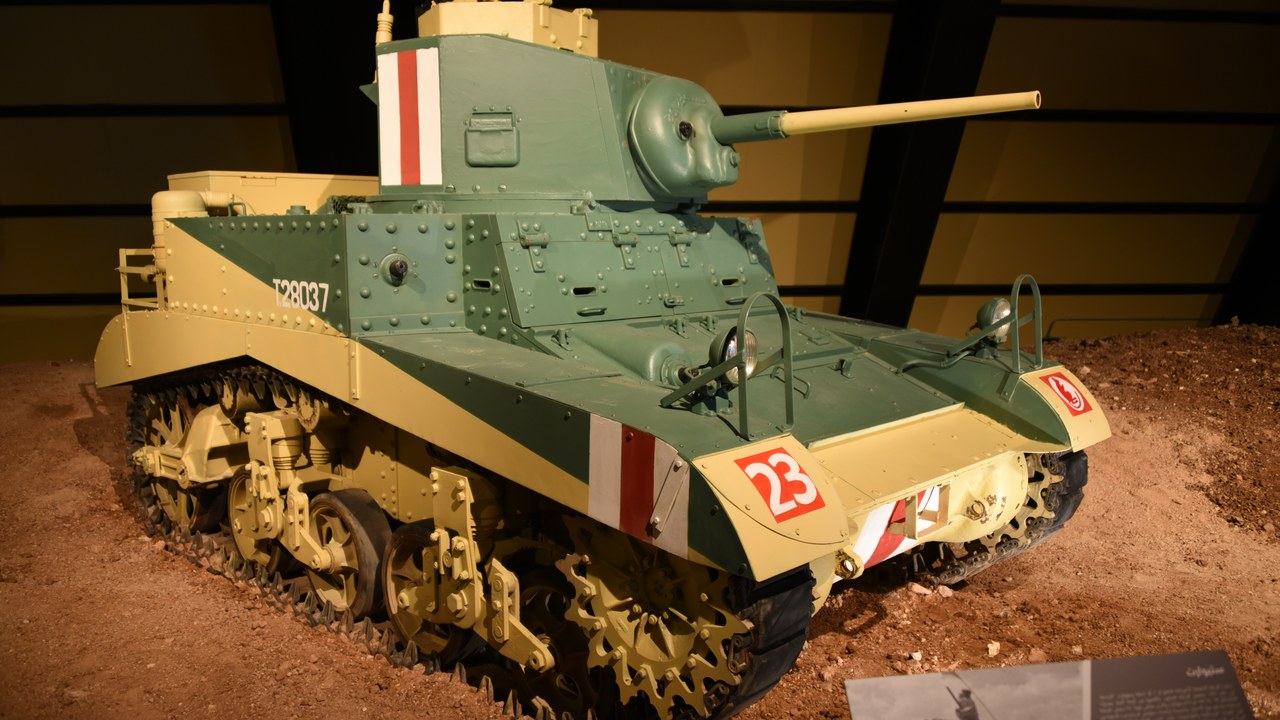
The M3 Stuart was a quick, agile light tank used widely by the United States and its allies in World War II. SlashGear notes that with a top speed of 36 mph, it was one of the fastest tanks on the battlefield.
It was built for scouting, hit-and-run tactics and flanking maneuvers. A crew of four operated it, and its 37mm gun handled infantry and lightly armored vehicles well but struggled against heavier German armor.
12. M24 Chaffee: The Stuart’s Successor
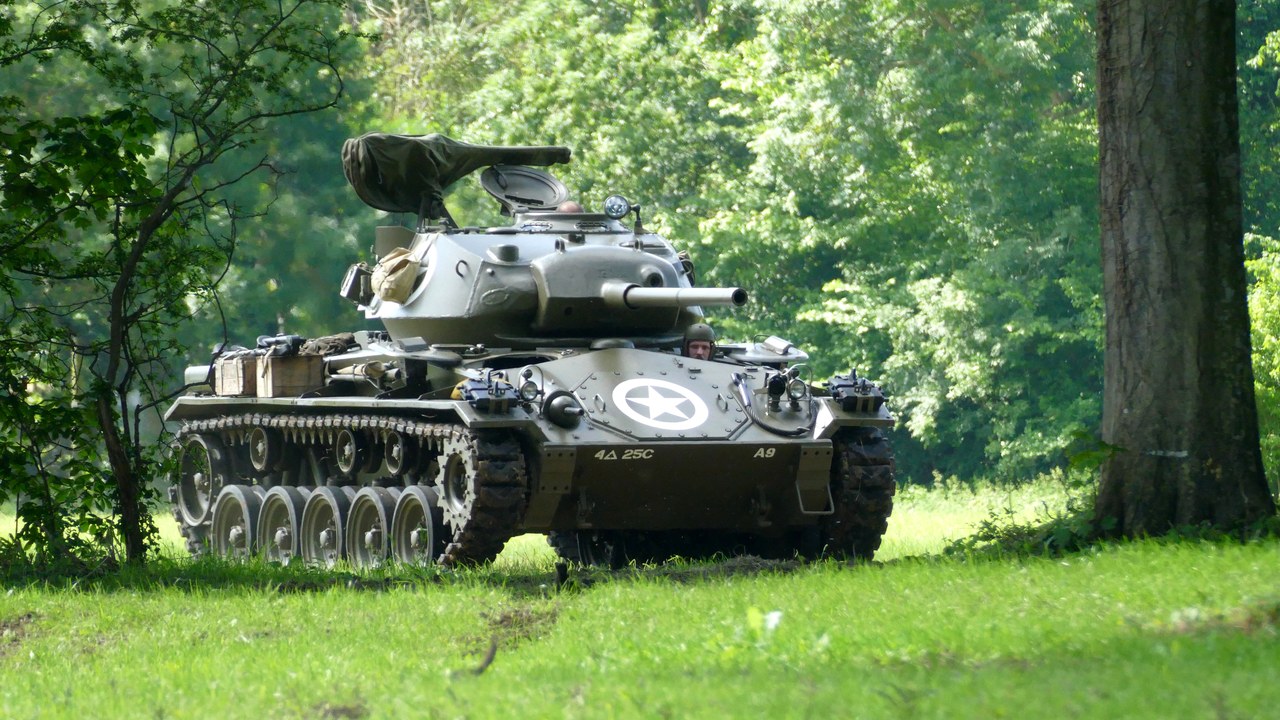
The M24 Chaffee arrived late in World War II to replace the M3 Stuart. According to SlashGear, it offered better armor, more firepower and greater mobility.
Designed to be as light as possible, it carried a five-man crew and a 75mm gun backed by machine guns. It became one of the most impactful light tanks of its time and kept serving in Allied operations well beyond World War II.
13. M26 Pershing: The Sherman Fix
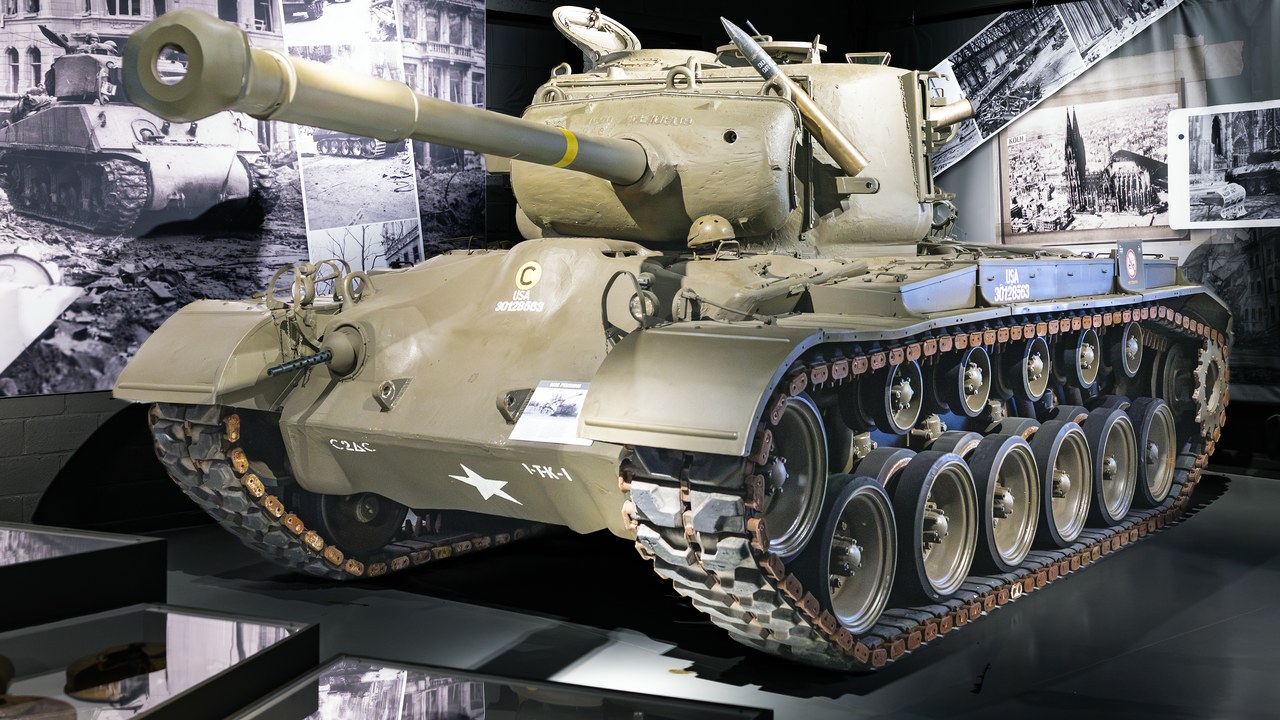
The M26 Pershing was a heavy medium tank designed to fix the M4 Sherman’s shortcomings. SlashGear reports that it weighed more than 40 tons and carried a powerful 90mm gun.
Thick frontal armor was a major improvement over the Sherman, and the extra firepower and protection let the Pershing take on heavily armored German tanks. It was withdrawn in 1951 in favor of newer designs such as the M48 Patton.
14. M48 Patton: The Cold War Mainstay
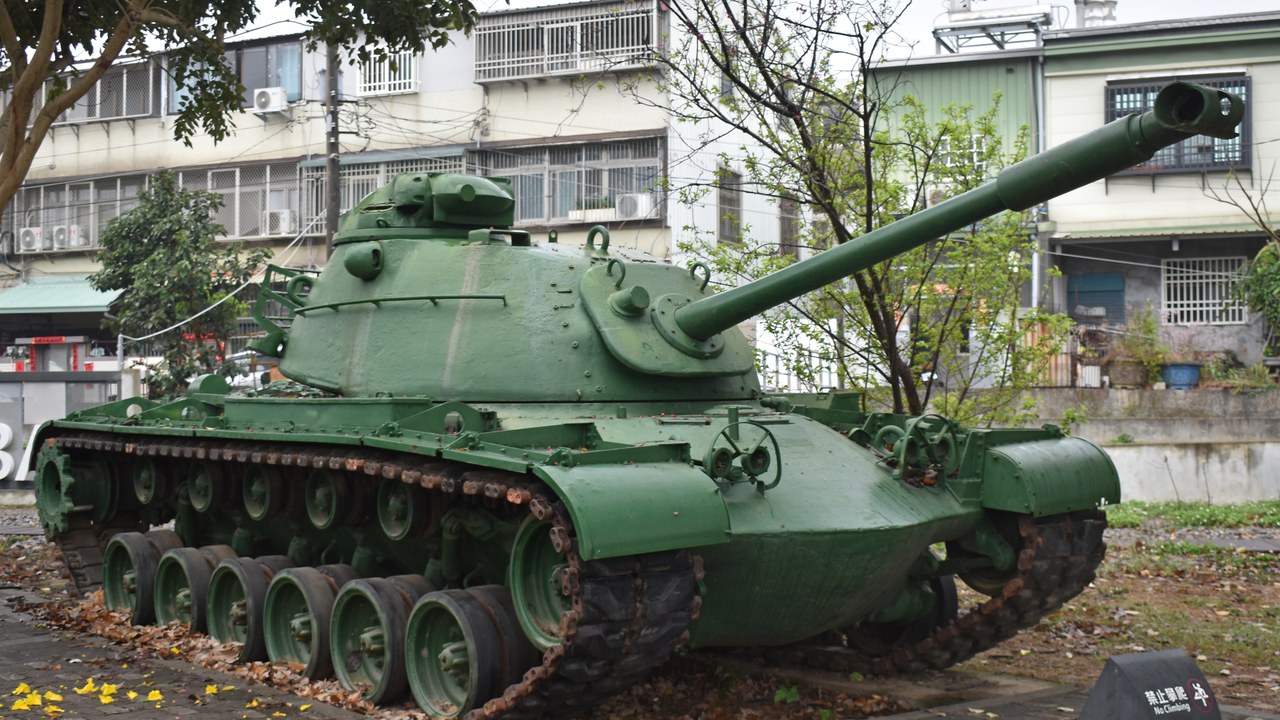
The M48 Patton replaced the Pershing and earlier Patton tanks. As SlashGear explains, it looked familiar but used an entirely new hull, turret and improved suspension.
It was the first American medium gun tank with a centerline driver’s compartment, which eliminated the hull machine gunner. Early versions carried a 90mm gun, while later ones were upgraded to the British-designed Royal Ordnance L7 105mm gun.
15. M60: 15,000 Built
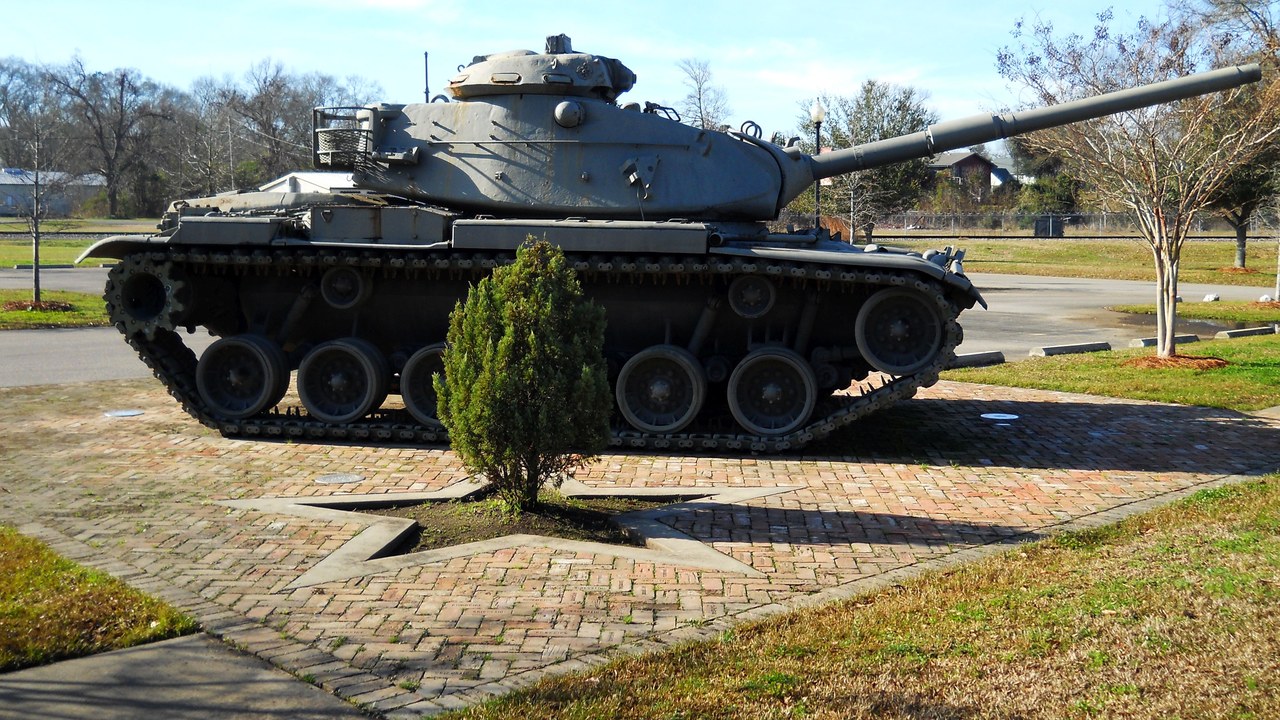
The M60 was developed in the early 1960s to replace the M48 Patton. According to SlashGear, about 15,000 were produced during the Cold War, making it one of the most successful tanks of all time.
It brought better firepower, mobility and armor, and it served in conflicts from the Vietnam War to the Gulf War. The M1 Abrams eventually replaced it as America’s main battle tank.
16. M1 Abrams: America’s Modern Fortress
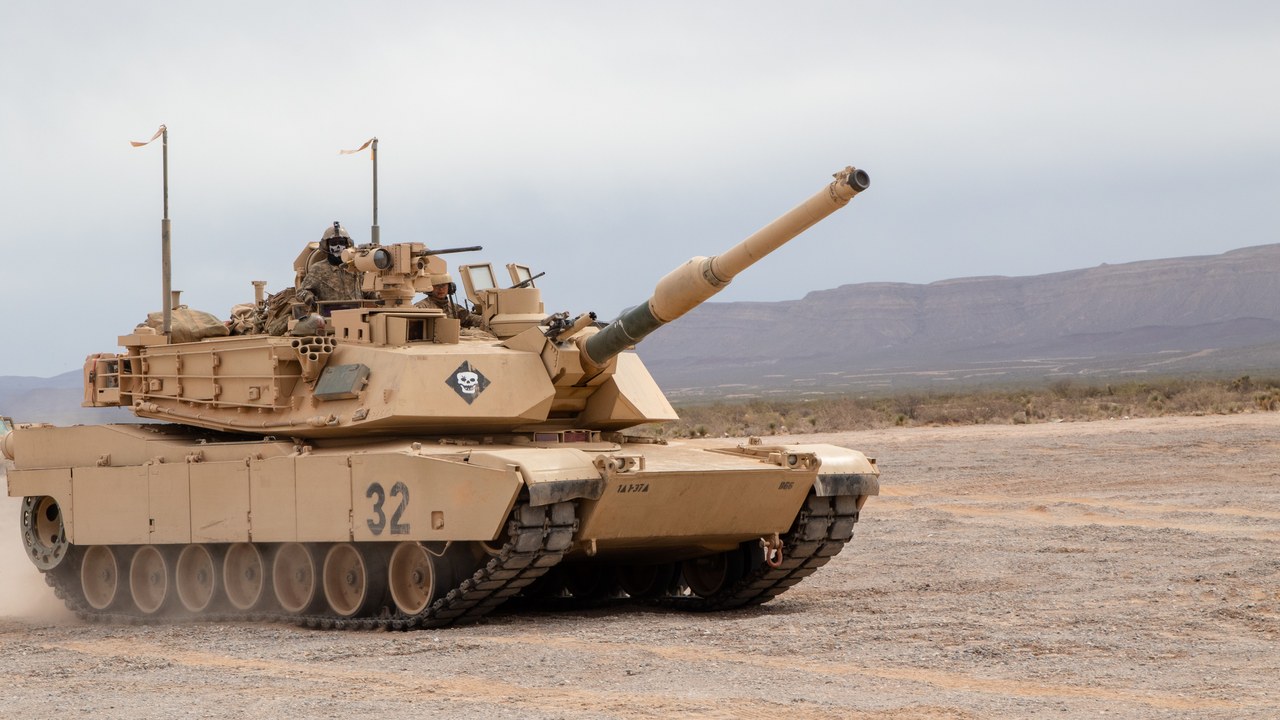
The M1 Abrams is built for superior protection. SlashGear notes its thick armor can withstand enemy fire and explosive rounds, as well as chemical, biological and nuclear conditions.
Its fuel and ammunition sit in separate compartments, giving the crew a better chance of surviving an internal explosion. It debuted in the 1991 Gulf War, and more than 10,000 have been built across several versions.
17. Leopard 2: Germany’s Technology Bet
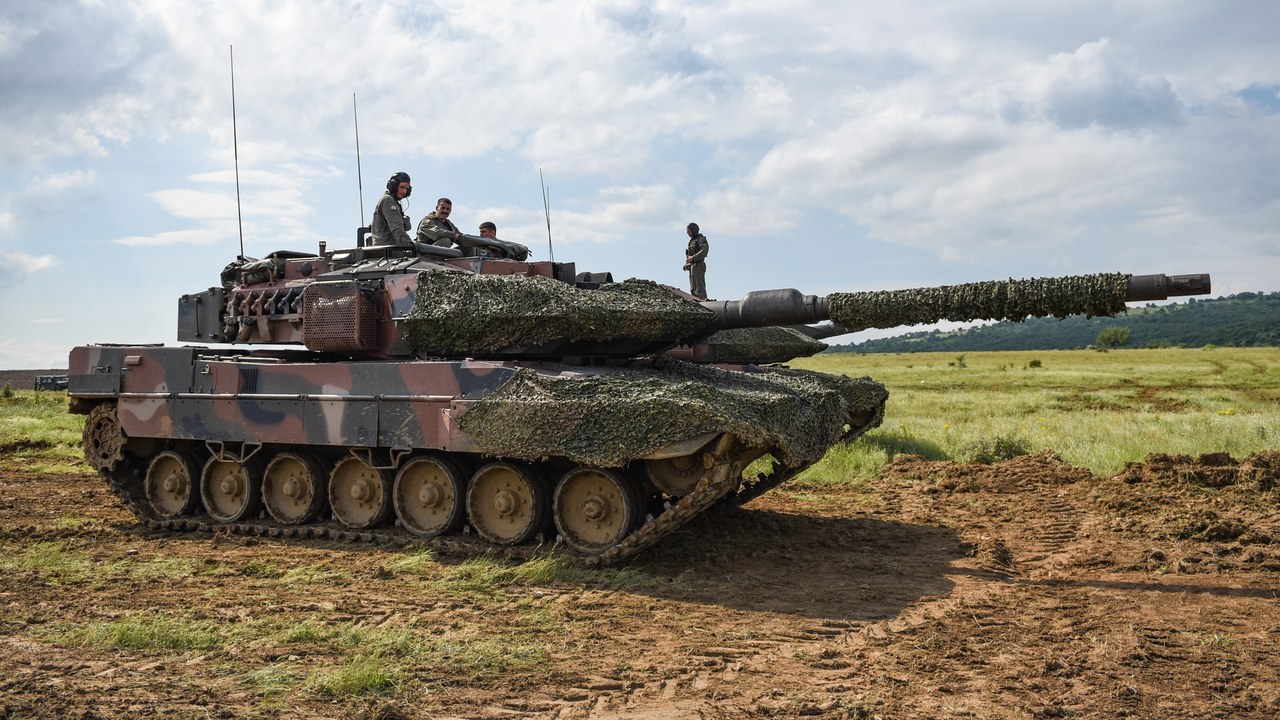
West Germany knew the Warsaw Pact held the advantage in numbers, so it chose to win on technology. The result, as SlashGear explains, was the Leopard 2, which arrived in 1979 and remains the German Army’s main battle tank.
A 1,500-horsepower Mercedes-Benz diesel pushes it to 42 mph. It carries a 120mm main gun and a fire-control system with a laser rangefinder, ballistic computer and thermal night vision.
18. Challenger 2: The Record-Setting Shot
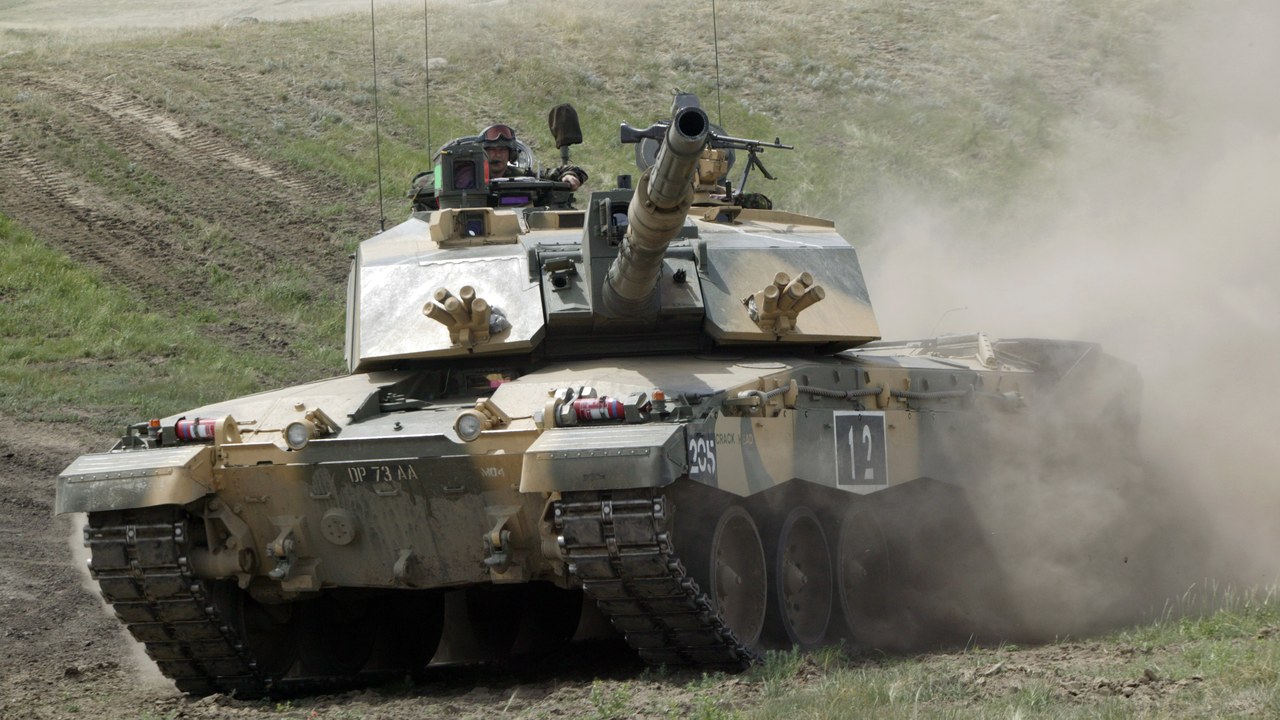
Britain’s Challenger 2 was created to destroy other tanks. According to SlashGear, a 1,200-horsepower V12 diesel moves it at up to 37 mph despite a total armored weight of 75 tons.
Advanced composite armor makes it one of the best-protected tanks in the world. A Challenger is credited with one of the longest tank-killing shots on record, destroying an Iraqi tank about 4 kilometers away during the Gulf War.
19. Merkava IV: Built for Close Quarters
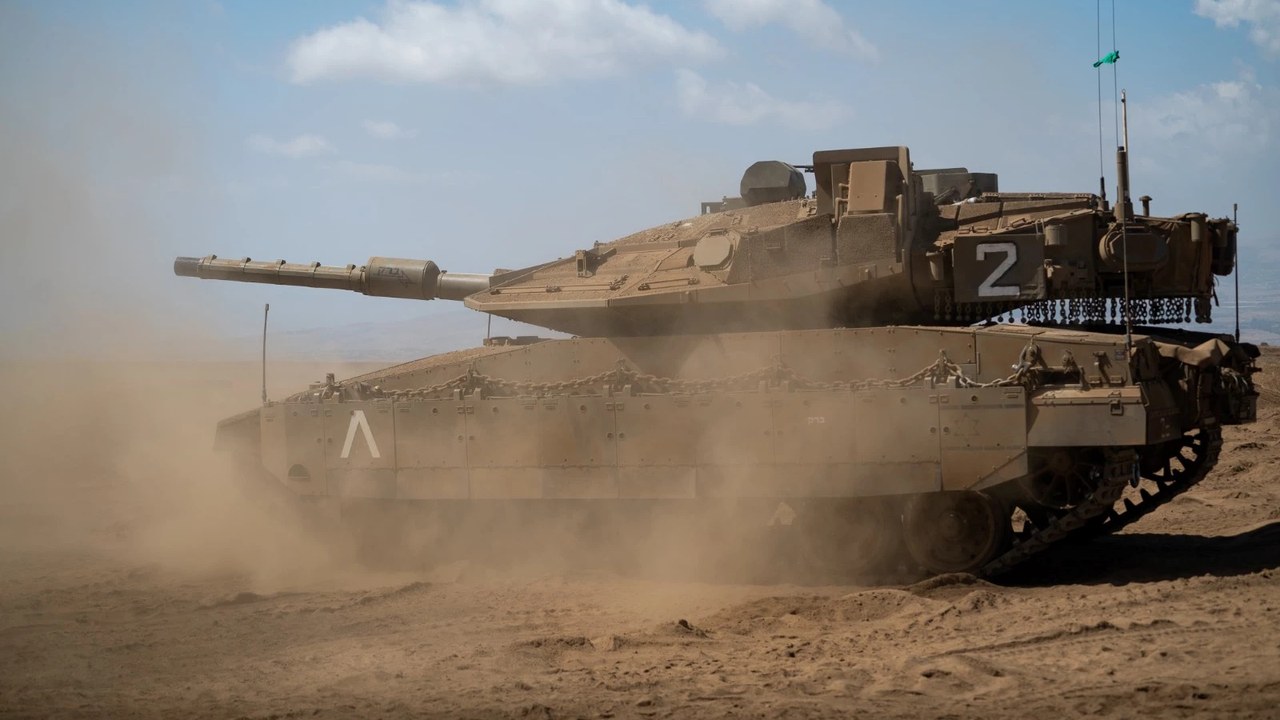
The Merkava IV entered service with the Israel Defense Forces in 2004 and is not offered for export, according to SlashGear. It was designed for front-line fighting at close quarters.
Its 120mm main gun is similar to other Western tanks, but it also carries a remotely fired mortar and machine guns. Israel’s program puts crew safety first, making the Merkava one of the safest places to be on a modern battlefield.
More from Morning Overview
- The FCC cut eight phone companies off the network for ignoring robocall traces
- Three atmospheric rivers are lining up to drench the Pacific Northwest this week
- A dangerous unpatched Windows exploit is now public and can hand attackers full control
- Thousands of bottles of a combination blood pressure pill are recalled nationwide
