
Missiles now decide how far a conflict can reach, from sea-skimming anti-ship weapons to shoulder-fired tank killers. The thirteen systems below span cruise missiles, ballistic missiles and infantry weapons, each tied to a published range or combat record. Here are thirteen missiles shaping today’s wars and how far they reach.
Read next on Morning Overview: Monster waves battered California, flooding streets and closing piers along the coast
1. Tomahawk: Long-Range Workhorse
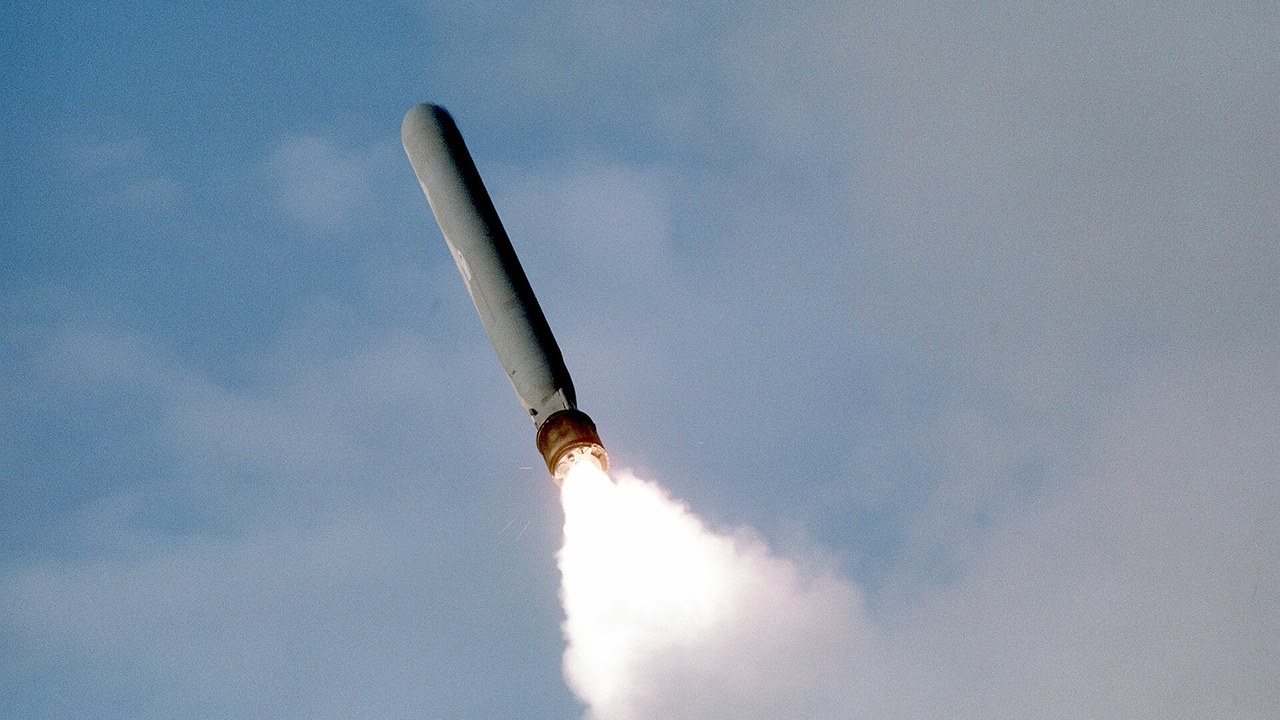
The Tomahawk is a subsonic cruise missile, and its current Block IV and V versions reach 900 nautical miles, about 1,035 miles (1,667 km), according to an aviation blog’s range figures. It has been used in every major US campaign since 1991, which makes it the reference point for what a sea-launched strike weapon can do from far outside defended airspace.
For anyone judging modern conflicts, the practical lesson is that range lets a navy hit inland targets without risking aircraft. The trade-off is speed, since a subsonic missile gives defenders more time to react.
2. Storm Shadow: Black Sea Strike
![Storm Shadow — Image Credit: [[User:Ad Meskens|Ad Meskens - CC BY-SA 4.0/Wiki Commons](https://morningoverview.com/wp-content/uploads/2026/11/9-western-weapons-ukraine-fights-with-from-himars-to-patriot-03.jpg)
Storm Shadow is a British-French cruise missile carrying a 400 kg warhead, and this cruise missile overview lists its range at 155 to 250 miles (250 to 400 km). It hit the Black Sea Fleet headquarters in Sevastopol in 2023, a strike that put the weapon in news coverage far beyond defence circles.
The reach is shorter than that of the largest cruise missiles, yet it is enough to threaten command posts and ports behind a front line. Its fame comes from that single, widely reported attack.
3. 9K720 Iskander: Russia’s Road-Mobile Ballistic Missile
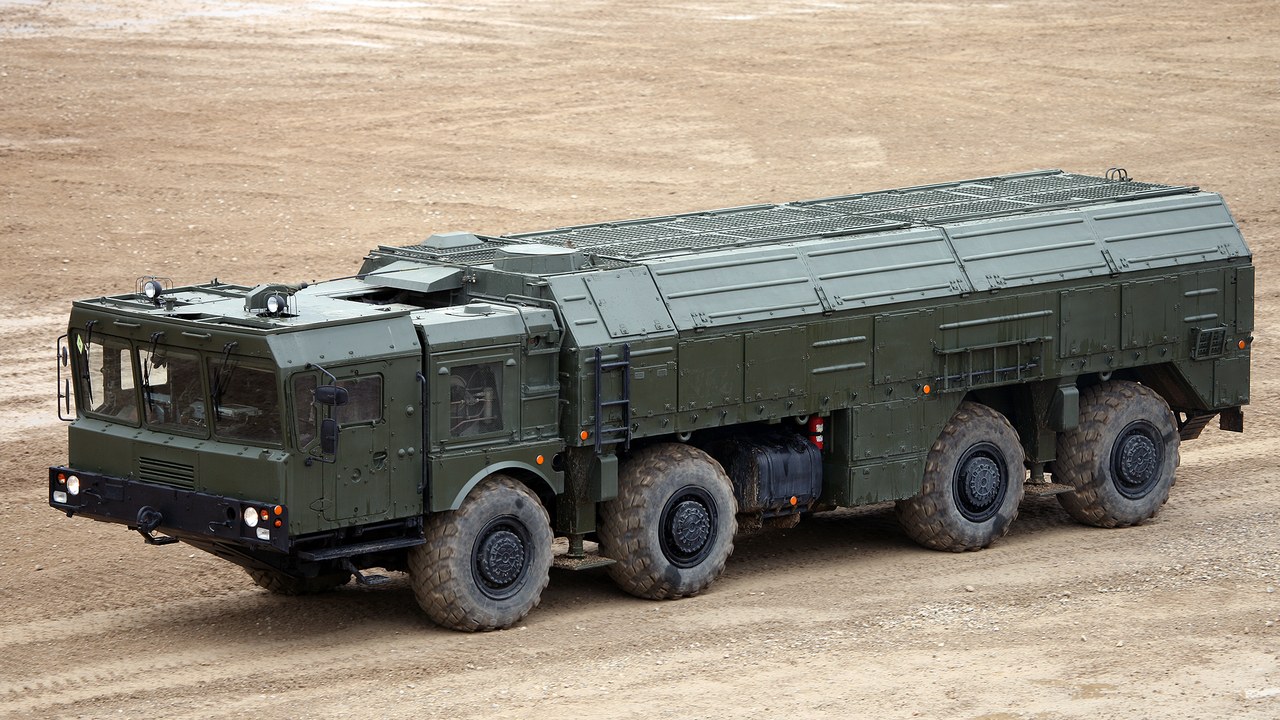
The CSIS Missile Threat profile describes the 9K720 Iskander as a road-mobile short-range ballistic missile with a range of up to 500 kilometers and a payload of 480 to 700 kilograms. Its launcher vehicle carries two missiles and can also fire the 9M728 and 9M729 cruise missiles.
Russia first used the system in combat against Georgia in 2008, according to the same profile, and has repeatedly deployed it to Kaliningrad, within reach of NATO forces in Poland and the Baltic states. The missile flies a depressed trajectory and can maneuver in flight, traits that complicate interception and keep it central to Russian military pressure.
4. R-360 Neptune: Ukraine’s Sea Hunter
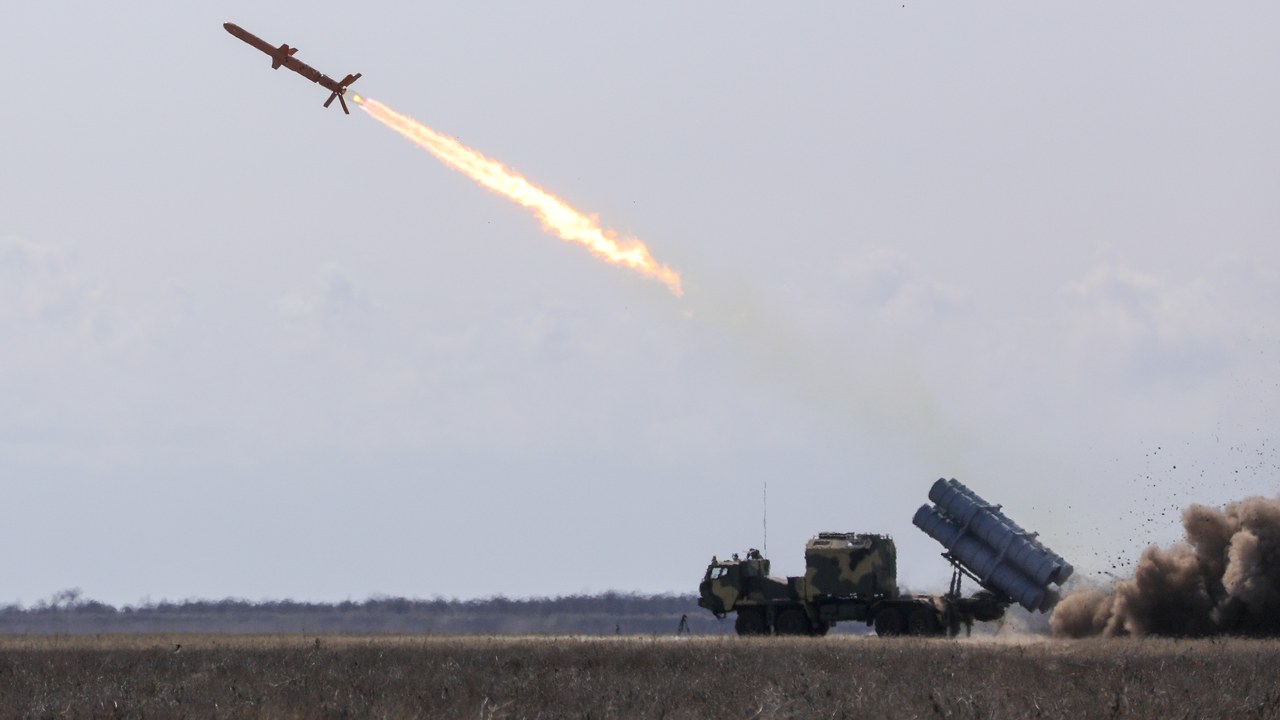
The R-360 Neptune is a Ukrainian anti-ship missile with a range over 175 miles. According to the aviation blog’s account, Ukraine said two Neptunes hit the Russian cruiser Moskva, a claim that made the missile one of the best-known weapons of the war.
The attribution matters here, because the hit is credited by Ukraine and is not an independently measured result. Even so, the episode shows how a domestically built coastal missile can change how a larger navy operates.
5. AGM-158 JASSM: Stealth From Afar
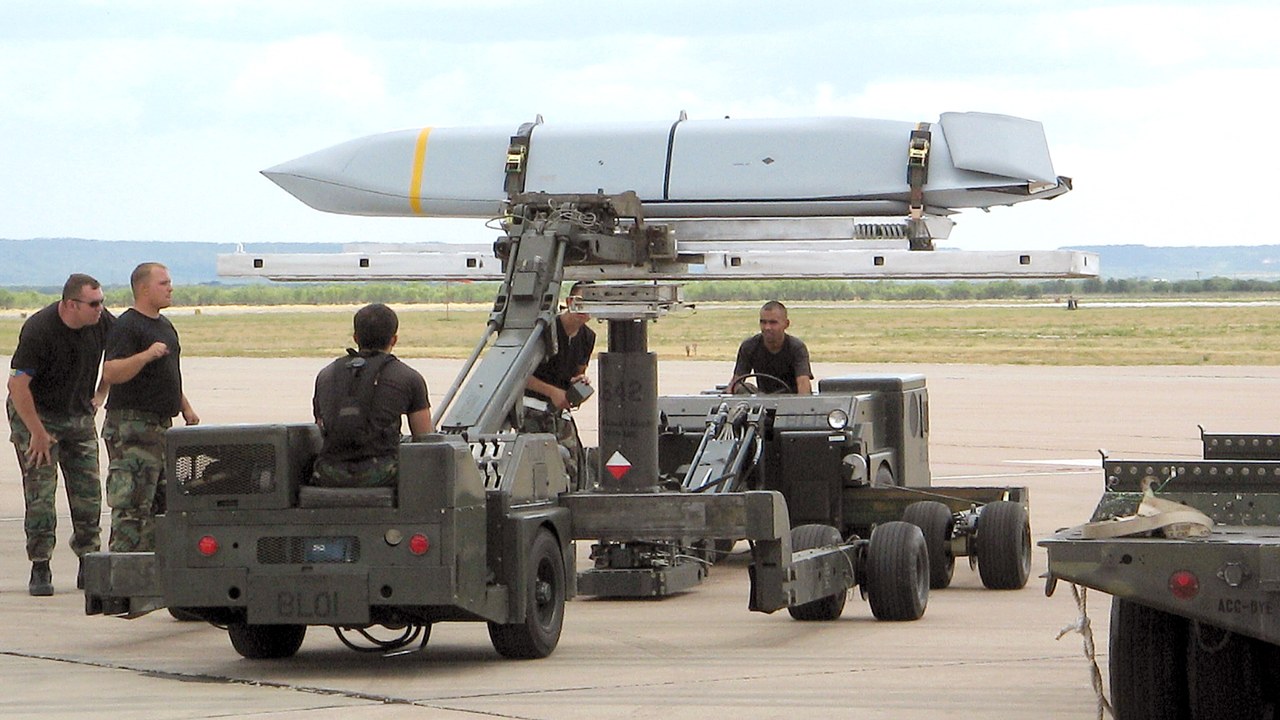
AGM-158 JASSM is, in the words of this CSIS missile profile, a conventional, stealthy, air-launched ground attack cruise missile. Its standard range is 370 km, the ER version reaches about 1,000 km, and it was first used in combat on Syria in April 2018.
Launching from that distance keeps crewed aircraft outside the worst of an air-defence belt. Published warhead figures for the missile conflict between sources, so weight is left out of this entry.
6. Taurus KEPD 350: Bunker Buster
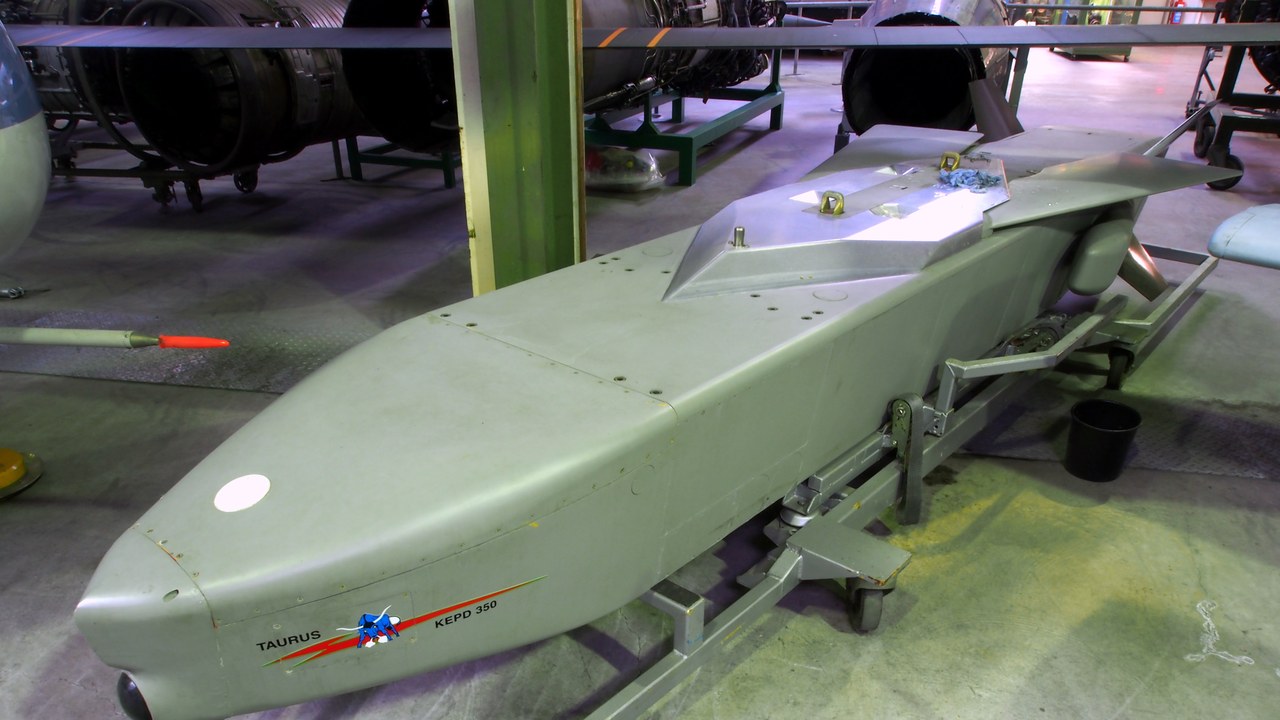
The Taurus KEPD 350 is a German-Swedish cruise missile built to destroy hardened targets such as bunkers, flying at Mach 1.2 with a 500 km range. this equipment listing states plainly that the system has not seen confirmed combat use.
That absence of combat record sets it apart from most missiles in this list. Its inclusion rests on capability and on how much public debate a weapon can attract without having been fired in anger.
7. DF-21: Carrier Killer
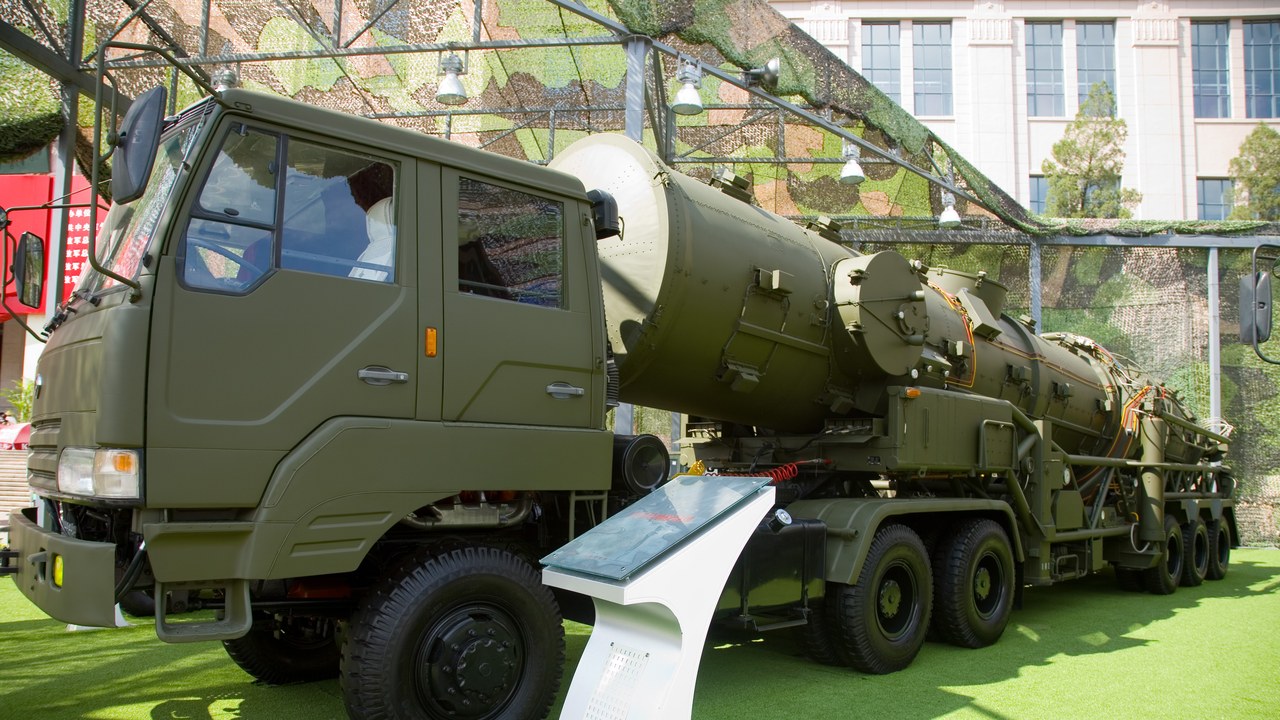
The DF-21 is, according to this CSIS profile, a medium-range, road-mobile ballistic missile, with a maximum range of 2,150 km. Its DF-21D anti-ship version has earned the nickname carrier-killer, a label that reflects its intended role against large warships.
Because the launcher moves by road, it is harder to find and target in advance. The nickname describes design intent, and the entry makes no claim that the missile has sunk a carrier.
8. DF-17: Hypersonic Glide
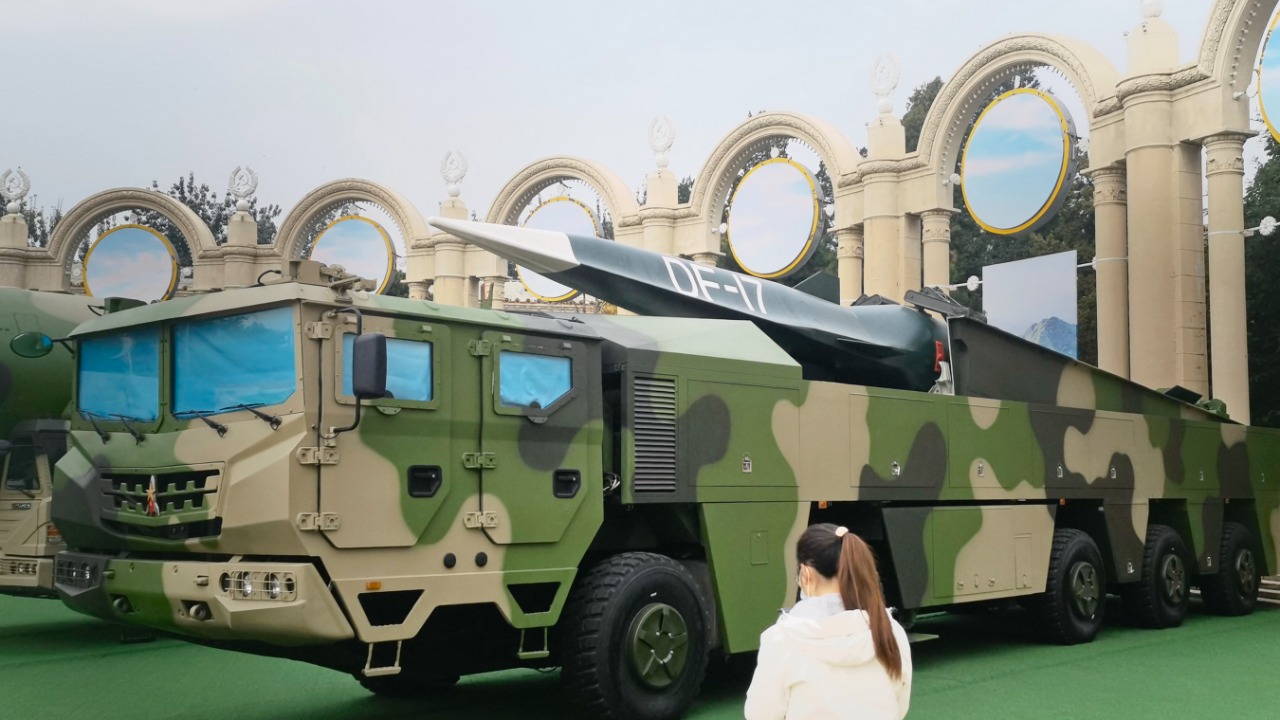
China’s DF-17 is described by this CSIS entry as a medium-range missile system equipped with a hypersonic glide vehicle. Reported figures put its speed at Mach 5 to 10 and its range at 1,800 to 2,500 km, though such numbers are estimates.
A glide vehicle can maneuver after separation, which complicates interception compared with a fixed ballistic arc. For regional planners, that combination of speed and unpredictability is the main concern.
9. Harpoon: Ship Killer Since 1977
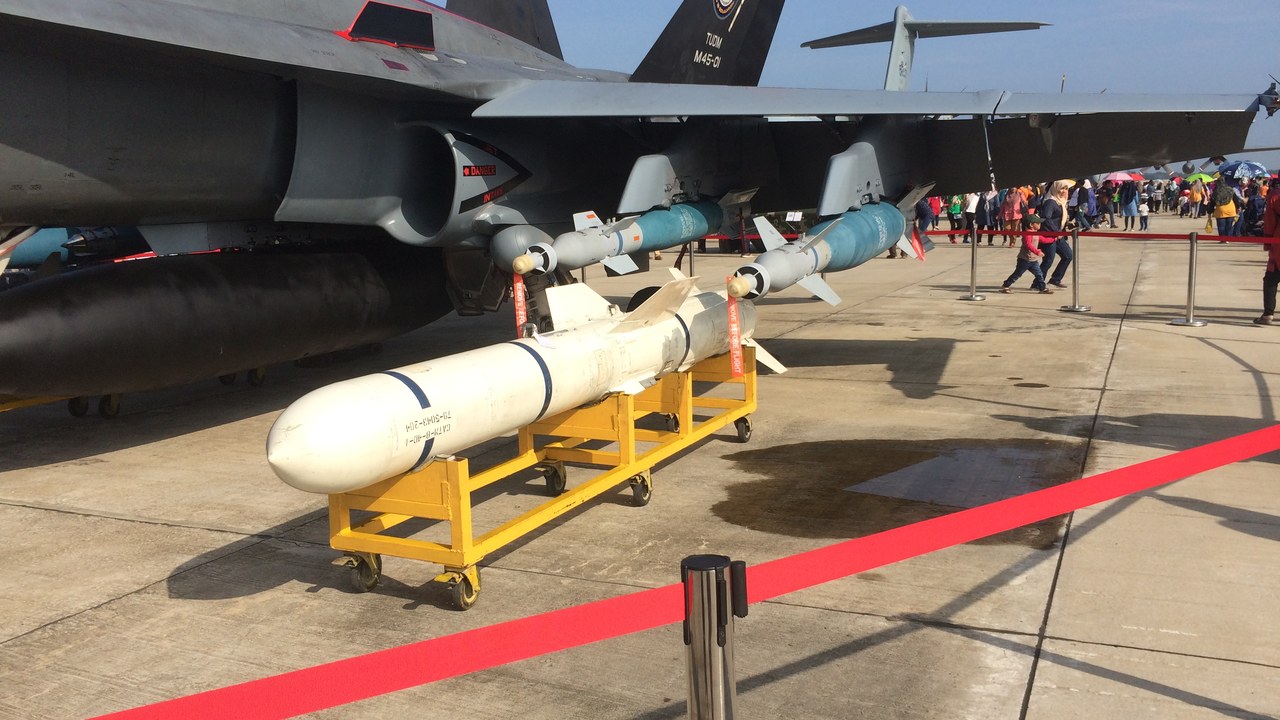
Harpoon is, in the wording of this CSIS profile, a U.S.-designed subsonic antiship cruise missile that has been in service since 1977. It flies at Mach 0.85 with a 224 kg warhead, and it helped sink the Iranian frigate Sahand in 1988.
Few missiles have such a long service record, and many navies still operate it. That longevity is also why newer designs are now being chosen to replace it.
10. AGM-114 Hellfire: Predator’s Partner
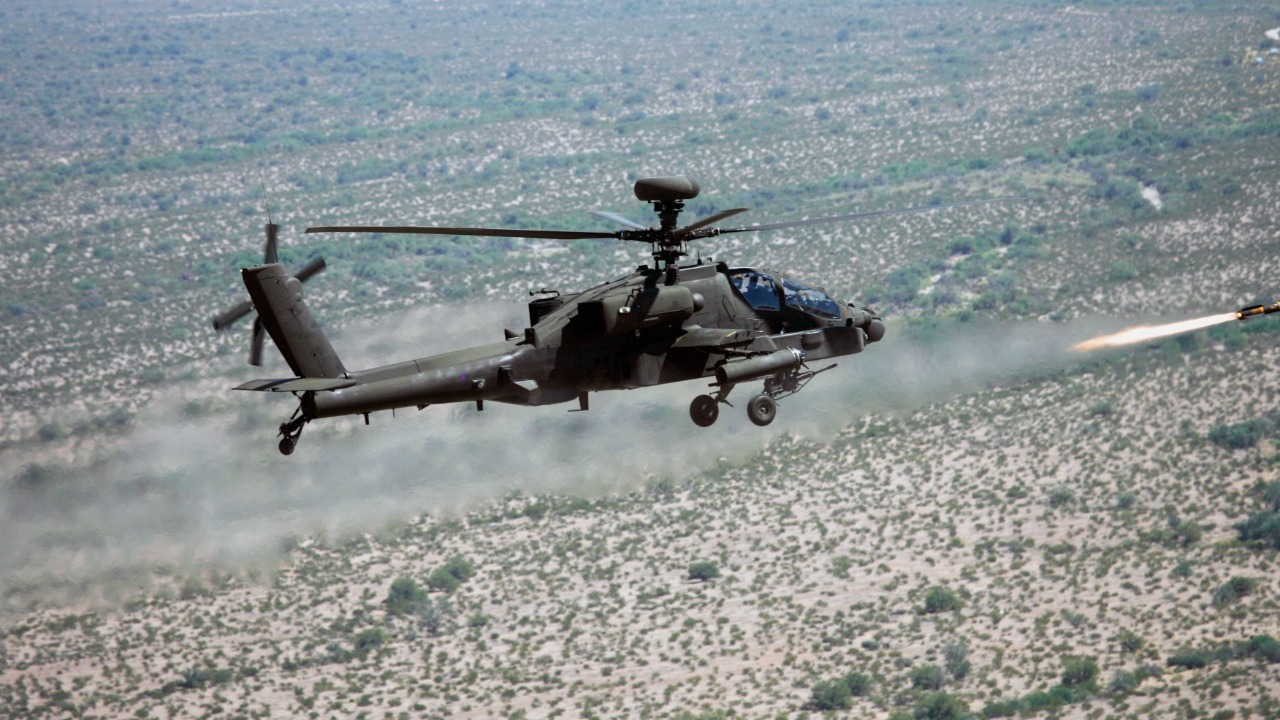
The AGM-114 Hellfire is, per this CSIS profile, a short-range tactical missile in use by over two dozen countries. Its range is 7 to 11 km, and it was first fired in combat from a Predator in October 2001.
The Hellfire shows that a missile does not need long reach to shape a war. Launched from drones and helicopters, it gives small platforms a precise strike option at close range.
11. FGM-148 Javelin: Shoulder-Fired Tank Stopper
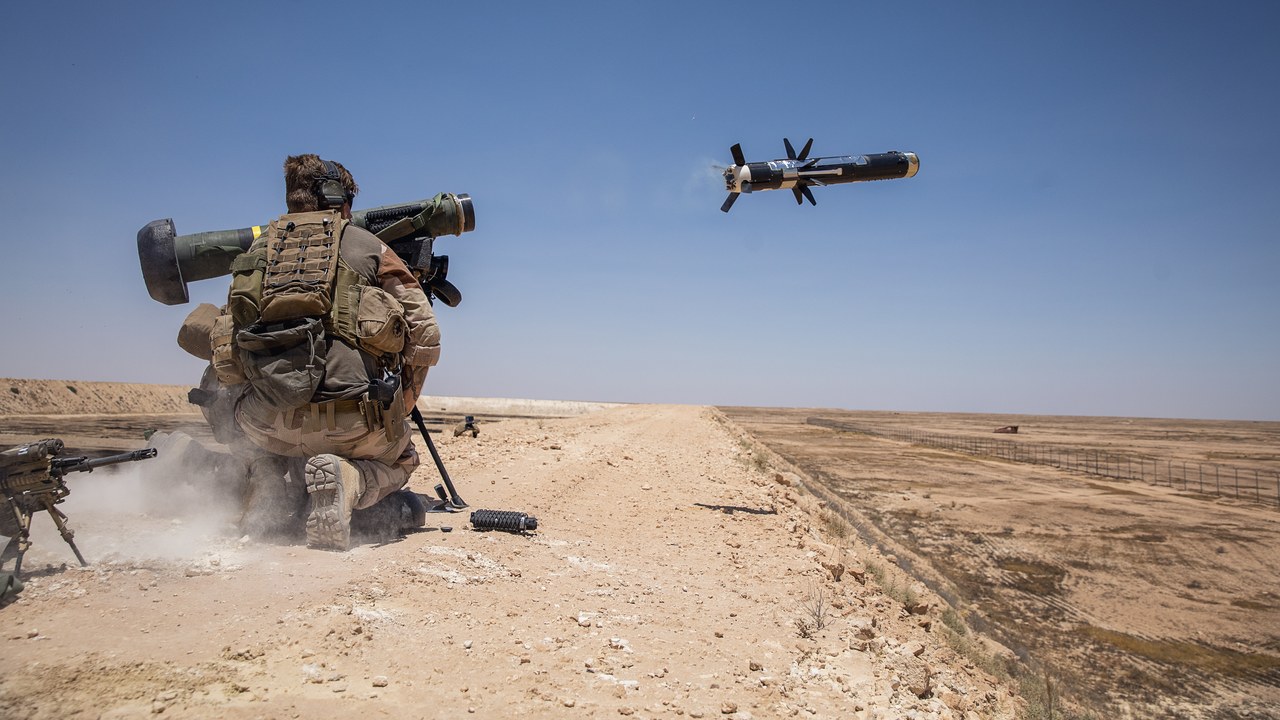
The FGM-148 Javelin is a shoulder-fired anti-tank missile, and the UK Army page gives it a maximum range of 2,500 m. It is designed to defeat tanks and light armoured vehicles, putting infantry on more even terms with armour.
Its range is tiny beside the cruise missiles above, yet it matters because it can be carried and fired by a small team. The figures come from an undated UK Army page.
12. NLAW: Strike From Above
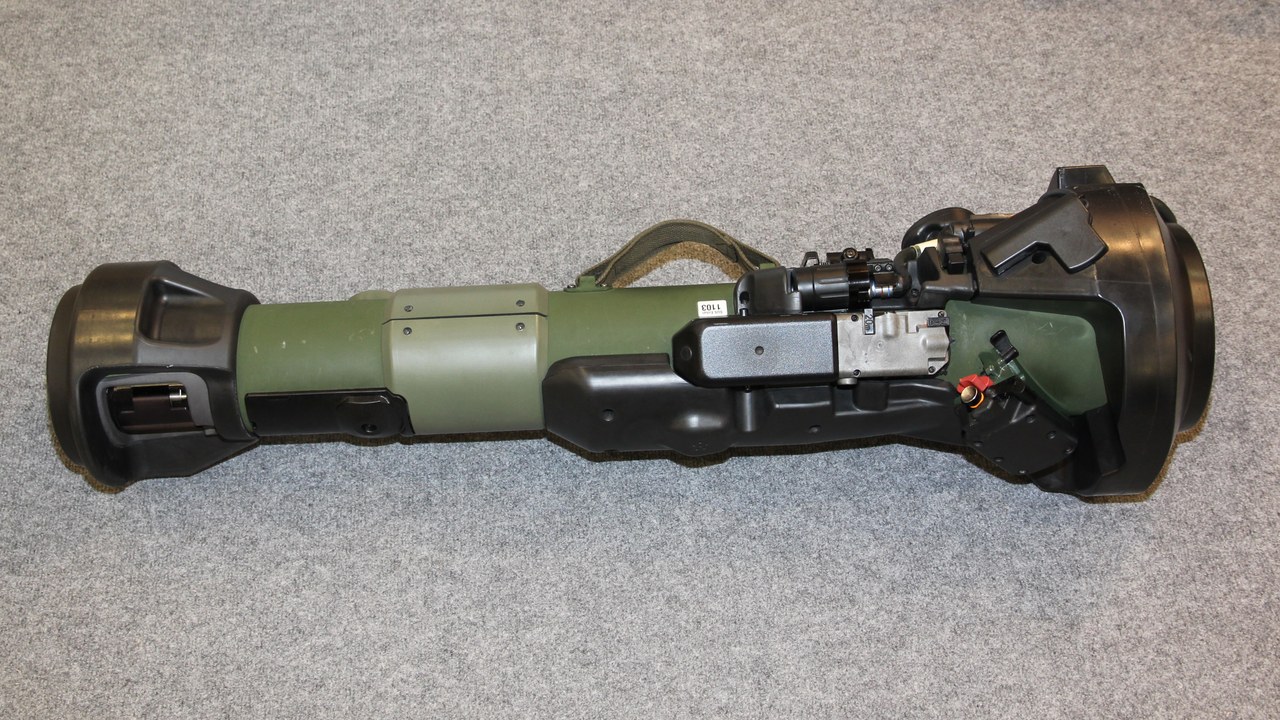
NLAW weighs just 12.5 kg and has a 600 m range, figures from the UK Army page. The same page says it rapidly knocks out any main battle tank in just one shot by striking it from above.
The very low weight and short range define its role as a close-in infantry weapon, not a standoff system. As with the Javelin entry, the figures come from an undated UK Army page.
13. Naval Strike Missile: Replacing Harpoon
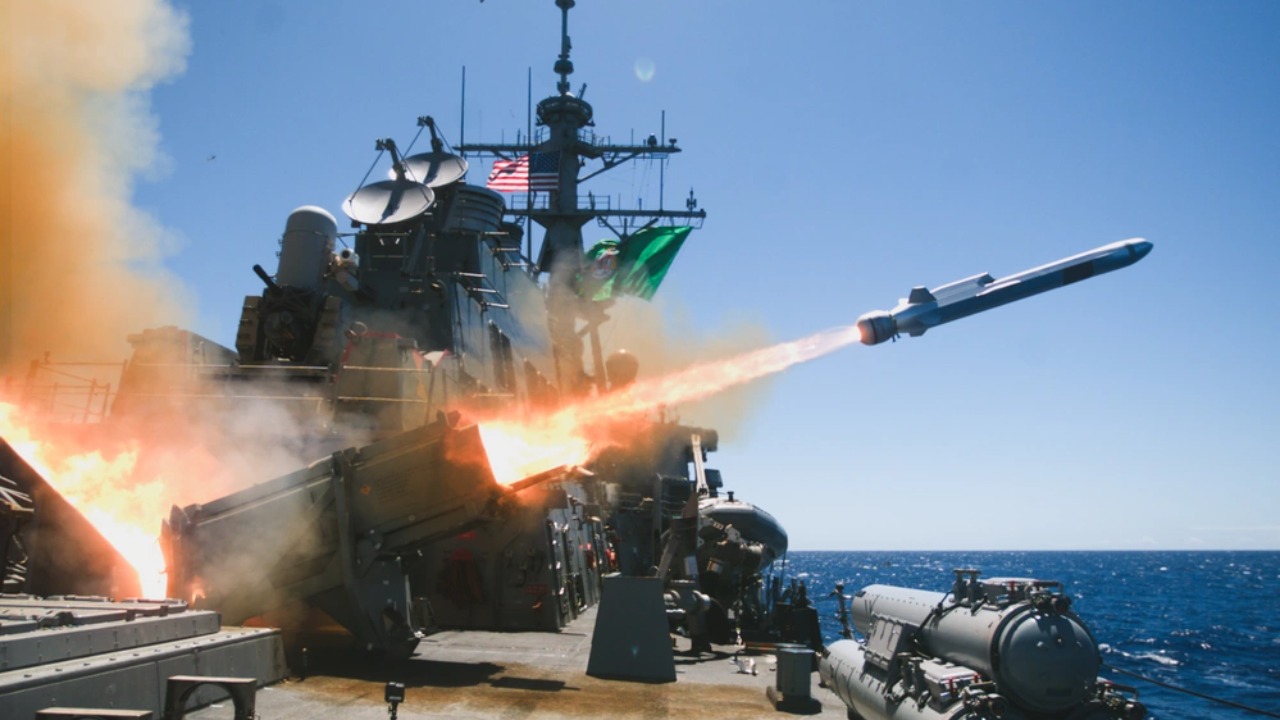
The Naval Strike Missile flies at Mach 0.93 with a range of over 185 km. Australia chose it to replace Harpoon, and the Royal Australian Navy page says it provides the Royal Australian Navy with a significantly enhanced maritime strike capability.
The choice signals how navies are renewing anti-ship stocks as older designs age. A procurement decision like this says as much about expected sea threats as any range figure does.
More from Morning Overview
- A magnitude 5.0 quake rattled the coast off Northern California’s Petrolia
- USS Michael Murphy is finally home after a grueling 346-day deployment
- Michigan’s shut-down Palisades nuclear plant is supposed to restart within weeks, the Energy Secretary says
- USS Colorado will be the first U.S. submarine in AUKUS’s new Australian rotation
