
Air power decided battles across Europe, North Africa and the Pacific between 1939 and 1945. A small group of aircraft earned reputations that still draw crowds to air shows eight decades later. These sixteen planes, from the Spitfire to the first jet fighter, shaped the air war more than any others.
Read next on Morning Overview: Thousands of bottles of a combination blood pressure pill are recalled nationwide
1. North American P-51 Mustang: The Bomber Escort That Won Europe
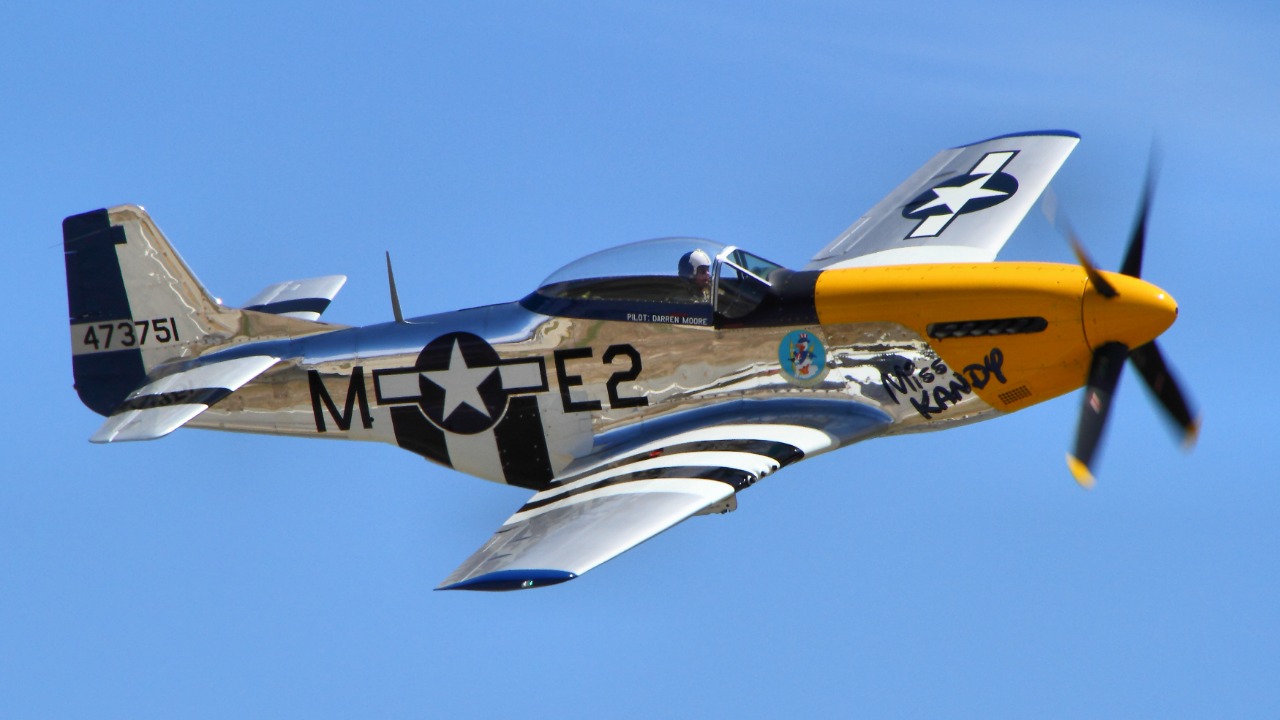
The P-51D Mustang paired a top speed of 437 mph with the range to escort American bombers deep into Germany. By the end of the war, AeroCorner notes, Mustangs had destroyed 4,950 enemy aircraft in the air over Europe.
That was more than any other U.S. Army Air Forces fighter in the European theater. More than 15,000 were built, and the Mustang remains one of the most recognizable airplanes ever made.
2. Supermarine Spitfire: Britain’s Icon
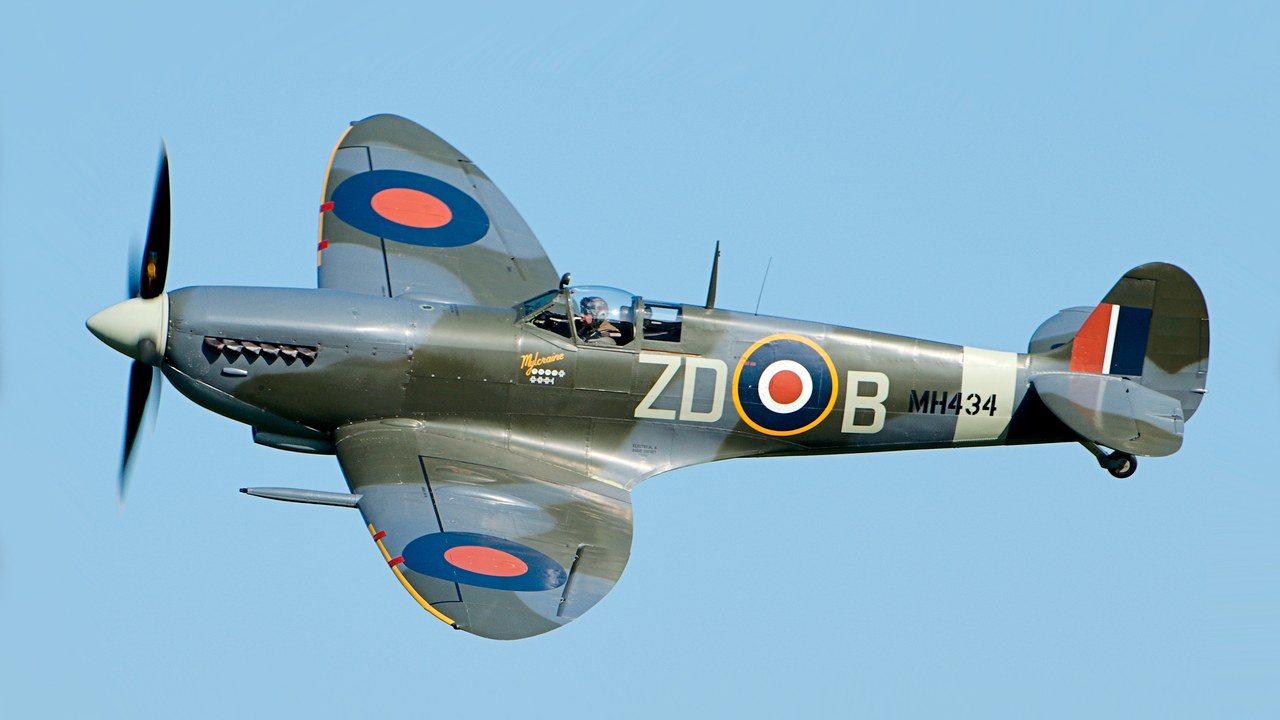
The Supermarine Spitfire became a symbol of the Royal Air Force and is by far the most famous British fighter of the war. According to TheCollector, more than 20,000 were built.
Designed as a short-range, high-performance interceptor built to eliminate enemy fighters quickly, it was adopted as the RAF’s main fighter after the Battle of Britain. Many still consider it one of the most beautiful fighters ever designed.
3. Hawker Hurricane: The Real Hero of 1940
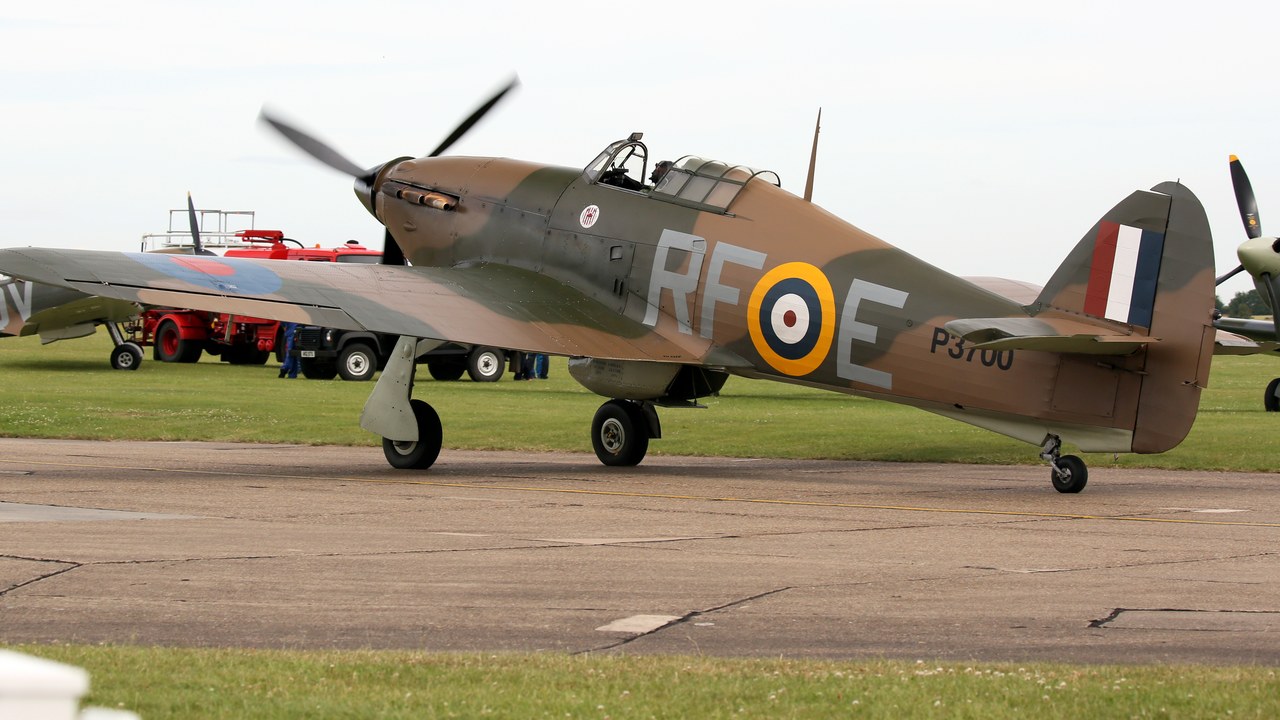
The Hawker Hurricane lived in the Spitfire’s shadow, yet it inflicted 60% of all German losses during the Battle of Britain, according to TheCollector.
It first flew as a prototype in 1935, and 14,487 were eventually built. Its light frame used a wooden box girder supported by steel and duralumin, which made it inexpensive to produce. It formed the bulk of the RAF’s fighter fleet in the war’s early years.
4. Messerschmitt Bf 109: The Most-Built Fighter Ever
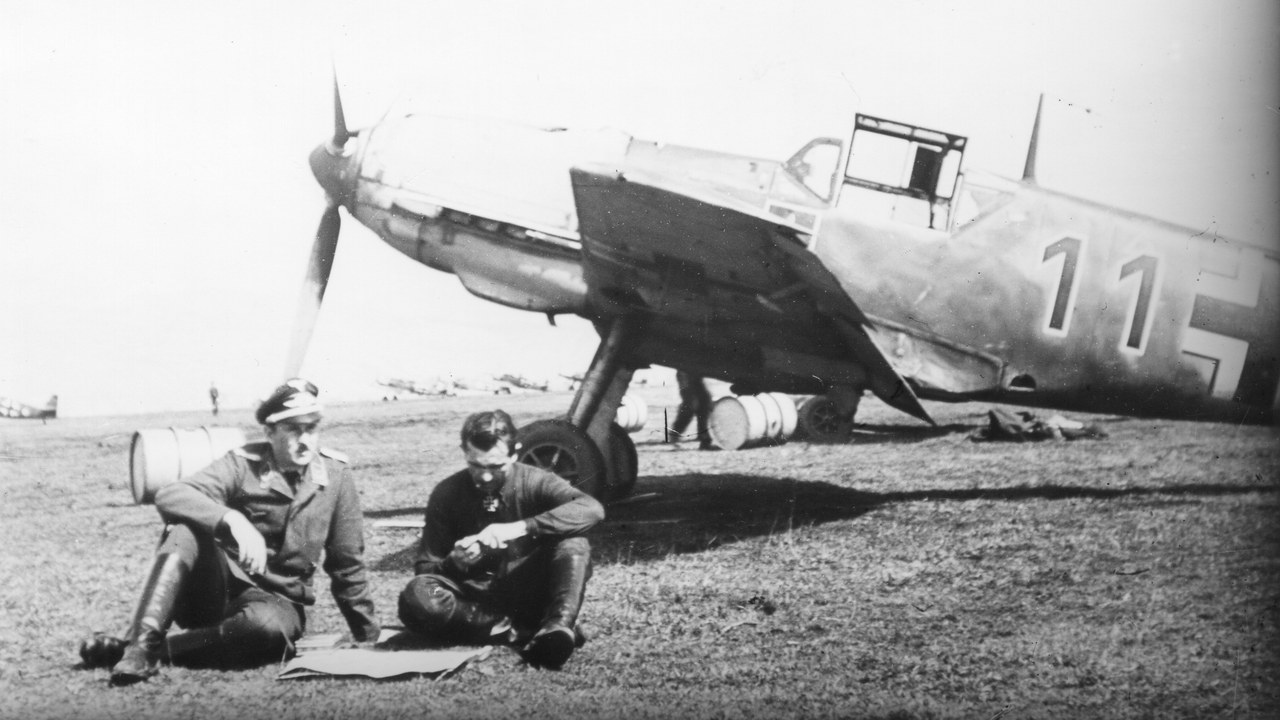
Germany built 34,248 Messerschmitt Bf 109s up to April 1945. As TheCollector notes, more than 20,000 kills have been attributed to the type, more than any fighter in history.
Those include all 352 victories of Erich Hartmann, one of the most prolific aces of all time. The Bf 109 entered service in 1937 and first saw combat in the Spanish Civil War with the German Condor Legion.
5. Focke-Wulf Fw 190: The Spitfire’s Nightmare
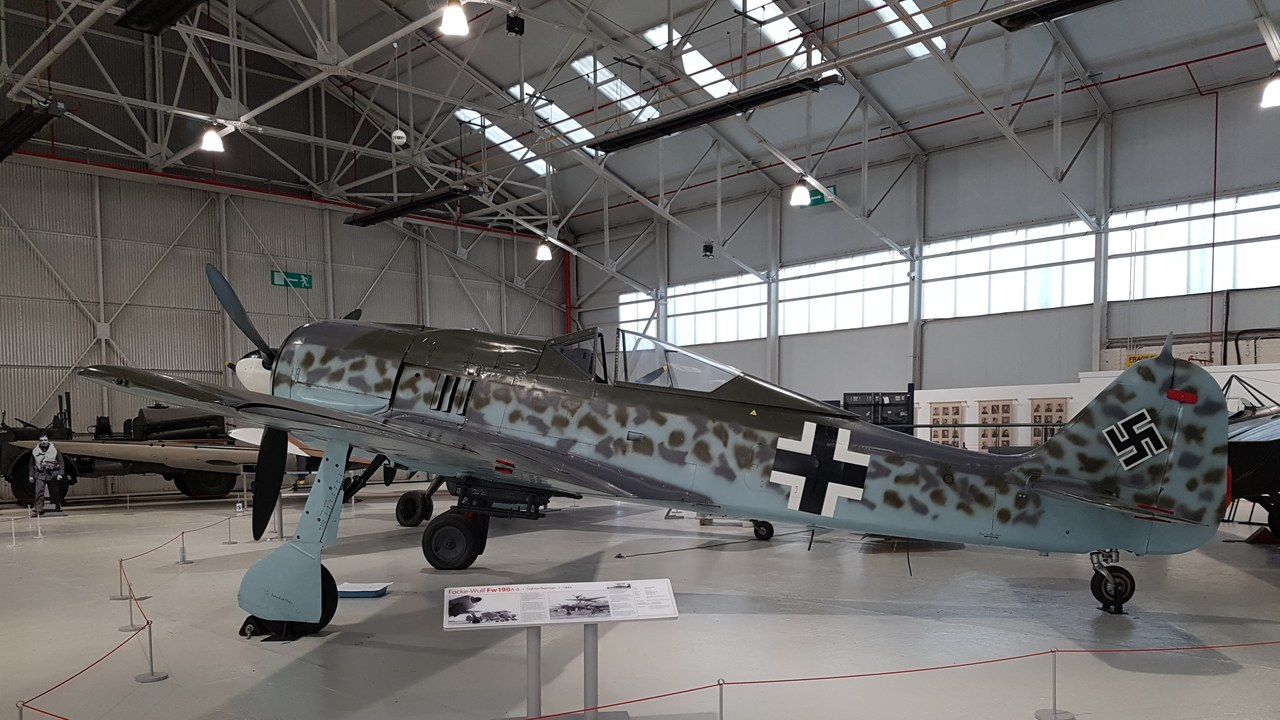
The Focke-Wulf Fw 190 was the only German fighter powered by a radial engine. SlashGear reports its BMW 801 produced 1,776 horsepower, pushing it to 426 mph.
That speed and its excellent agility proved too much for early Spitfires when the Fw 190 first met British fighters. Continued development made it even more powerful, and more than 20,000 were eventually built.
6. Mitsubishi A6M Zero: Japan’s Early Terror
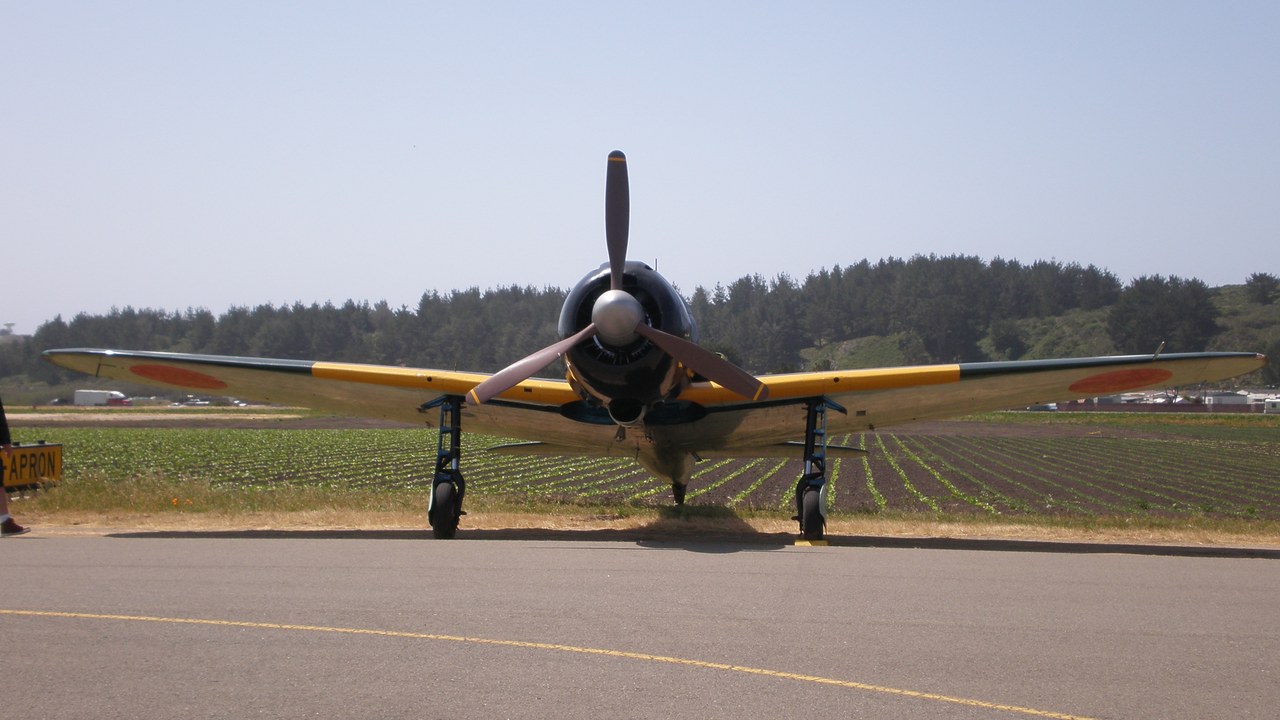
In the opening battles of the Pacific war, American pilots found their planes highly vulnerable to the Mitsubishi A6M Zero, according to SlashGear.
Its 950-horsepower engine pushed the lightweight fighter to 331 mph, and it could climb to 32,810 feet. A fast rate of climb and exceptional maneuverability let it outfight American planes early on, until American pilots learned to bait it into dives, where its engine could stall, and turned the tables.
7. Grumman F6F Hellcat: Built Fast, Fought Hard
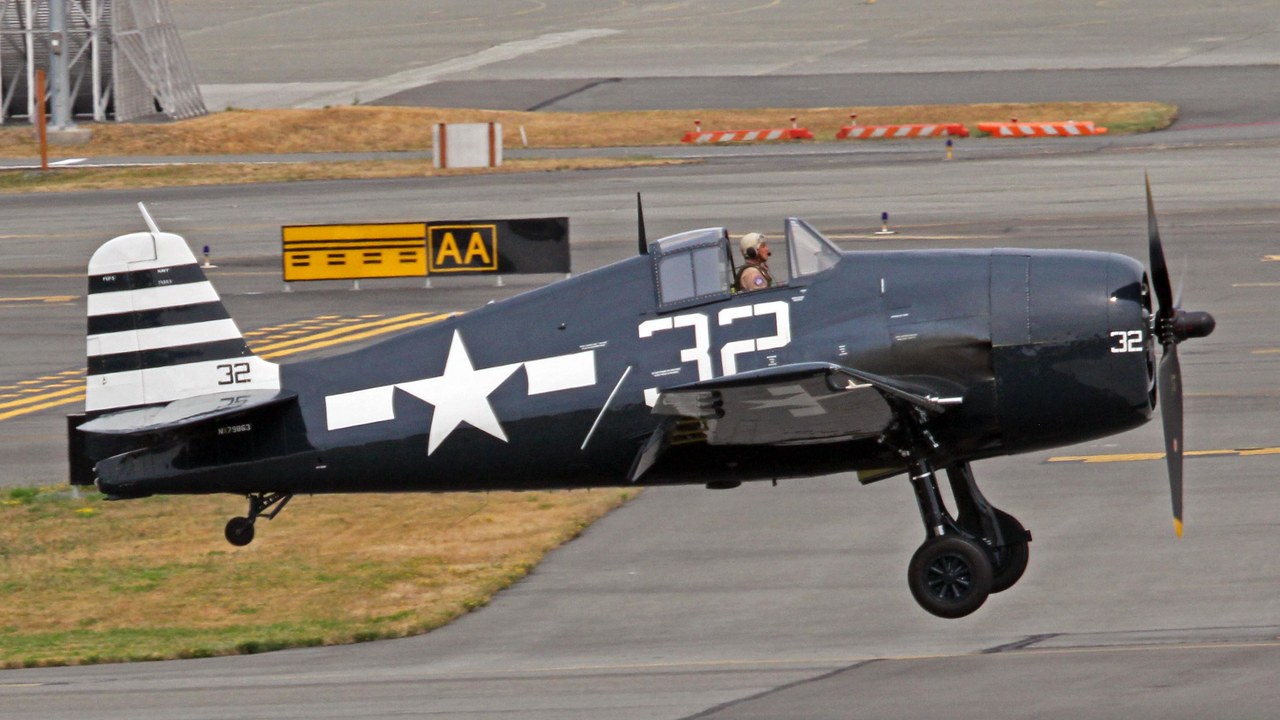
Grumman built 12,275 F6F Hellcats, 11,000 of them in just two years, according to SlashGear. It entered the war later than many rivals, which shortened its service.
Its 2,000-horsepower Pratt and Whitney Double Wasp engine and six .50-caliber guns made it a strong platform for winning air superiority. Design and assembly got underway in 1940, before the United States had even entered the war.
8. Vought F4U Corsair: The Ensign Eliminator
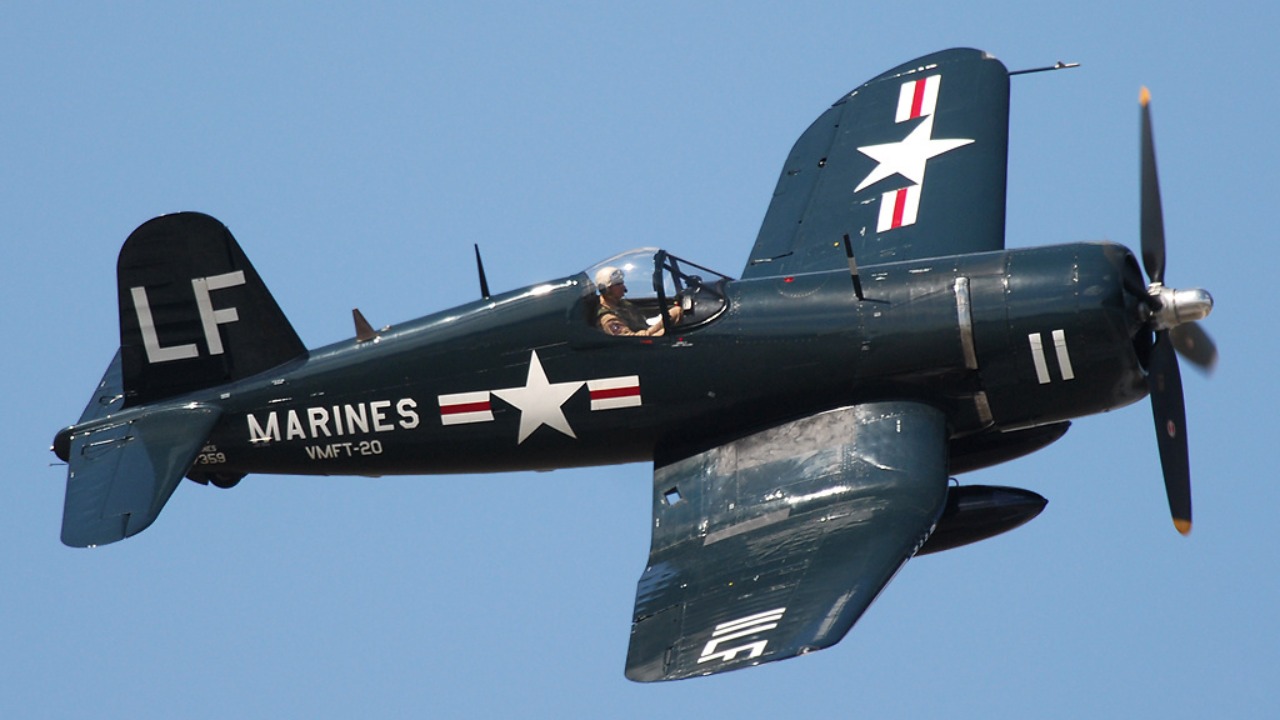
Navy pilots nicknamed the Vought F4U Corsair the ensign eliminator because of how many inexperienced aviators it killed. Yet as AeroCorner notes, Corsair pilots were credited with 2,140 kills by V-J Day at better than 11 to 1.
The Corsair first flew on May 29, 1940, but the Navy did not clear it for carrier operations until late 1944. Flown mostly from land bases, it became one of the deadliest fighters of the war.
9. Republic P-47 Thunderbolt: The Jug
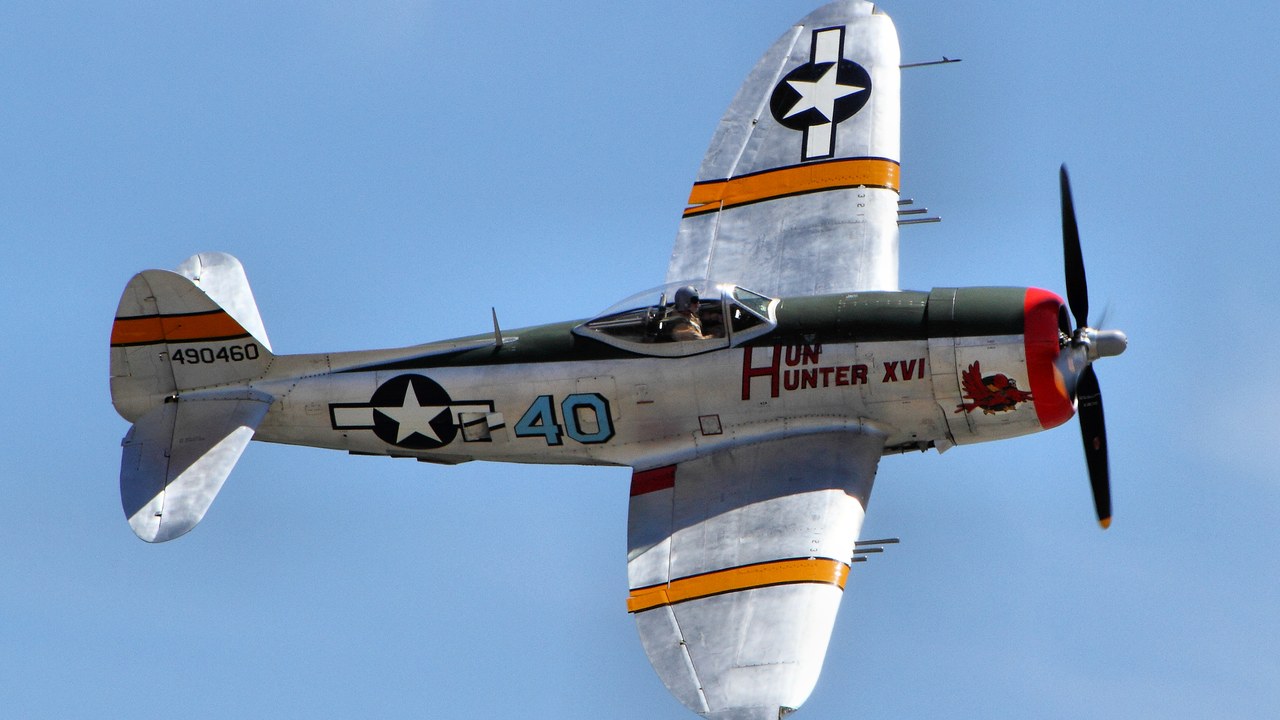
The P-47 Thunderbolt was the heaviest single-engine fighter used in the war, according to SlashGear, yet it stayed versatile and highly capable across many roles.
It carried a 2,000-horsepower engine and eight .50-caliber machine guns. A turbocharger let it fight at high altitude, and its robust airframe brought badly damaged planes home. It was often considered the best American ground-attack aircraft, and more P-47s were built than any other American fighter.
10. Lockheed P-38 Lightning: The Plane That Got Yamamoto
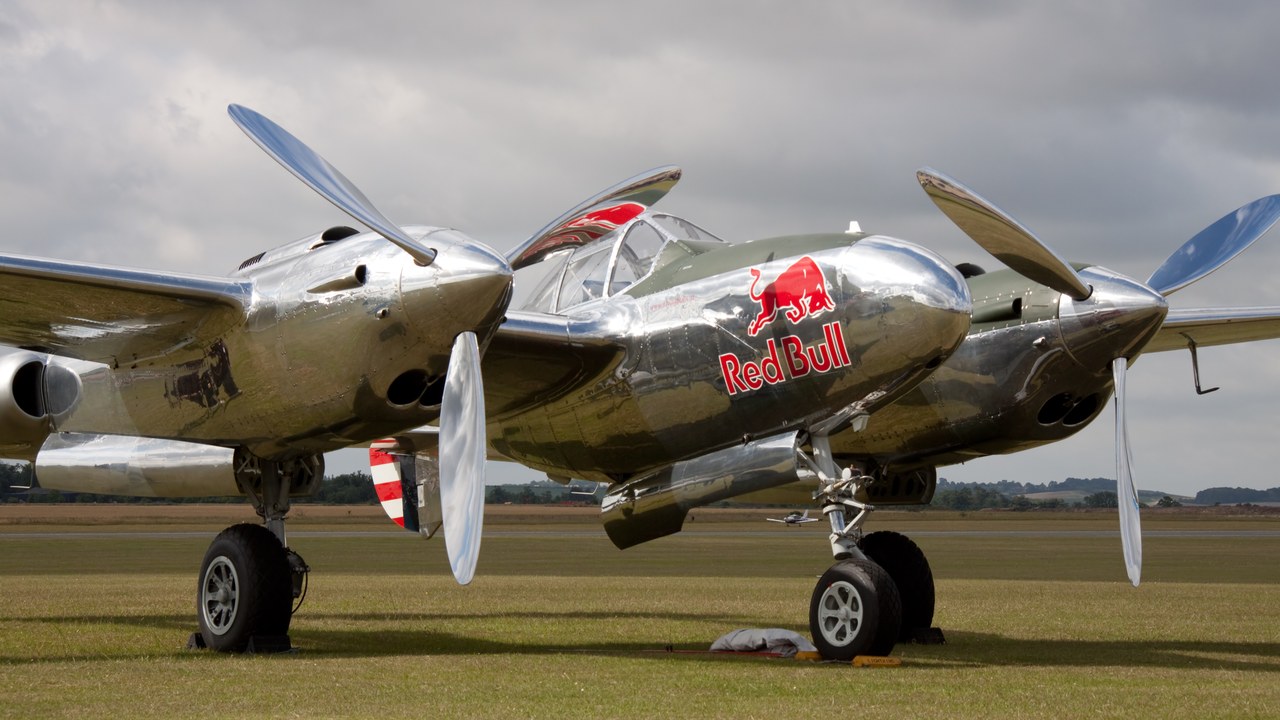
On April 18, 1943, P-38 Lightning pilots ambushed and shot down the plane carrying Admiral Isoroku Yamamoto, the planner of the Pearl Harbor raid. AeroCorner credits that mission to the P-38’s exceptional range.
America’s top ace of the war, Richard Bong, scored all 40 of his victories in a P-38, and Thomas McGuire added 38 more in the type. Lockheed built 10,038 of the distinctive twin-boom fighters.
11. Curtiss P-40 Warhawk: The Unsung Workhorse
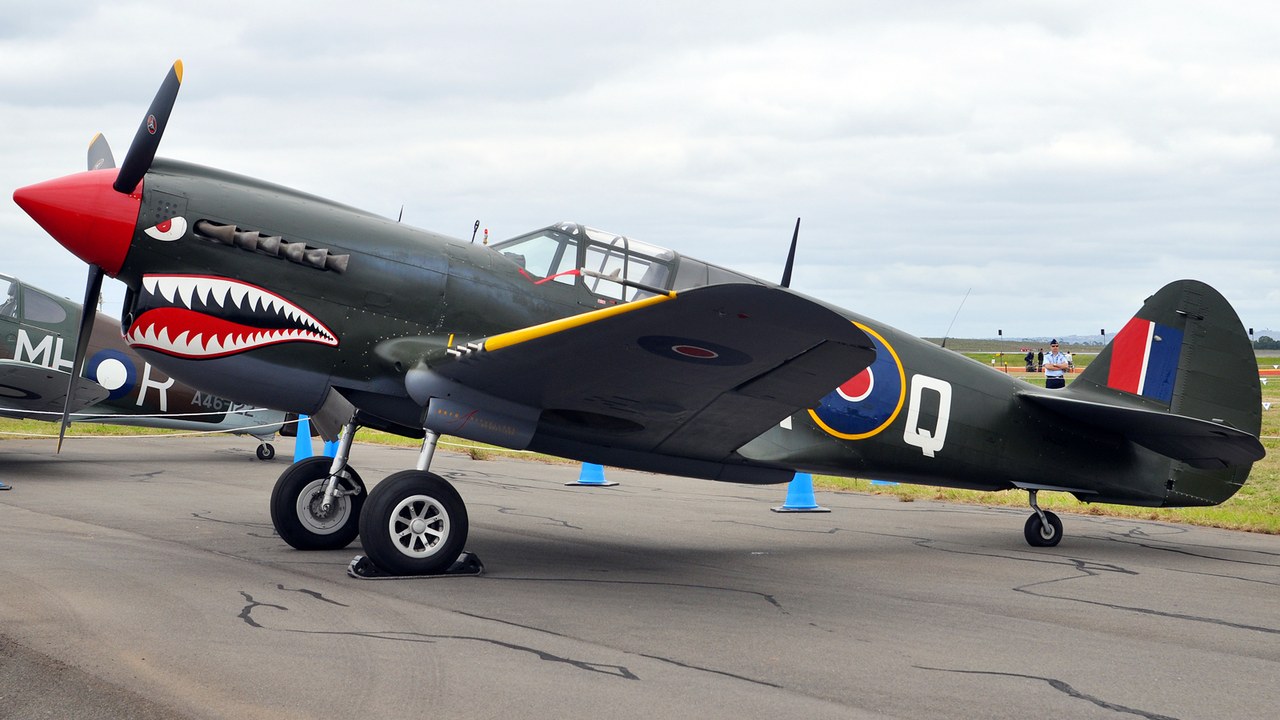
The Curtiss P-40 went by Warhawk, Tomahawk or Kittyhawk depending on who flew it. As SlashGear notes, it is one of the lesser-known Allied planes even though 13,737 were built.
It grew out of the slower Curtiss P-36 and saw its heaviest use in Burma, China and India. Early in the war, the American Volunteer Group in China downed nearly 300 Japanese aircraft while losing only 12.
12. Ilyushin Il-2: Stalin’s Flying Tank
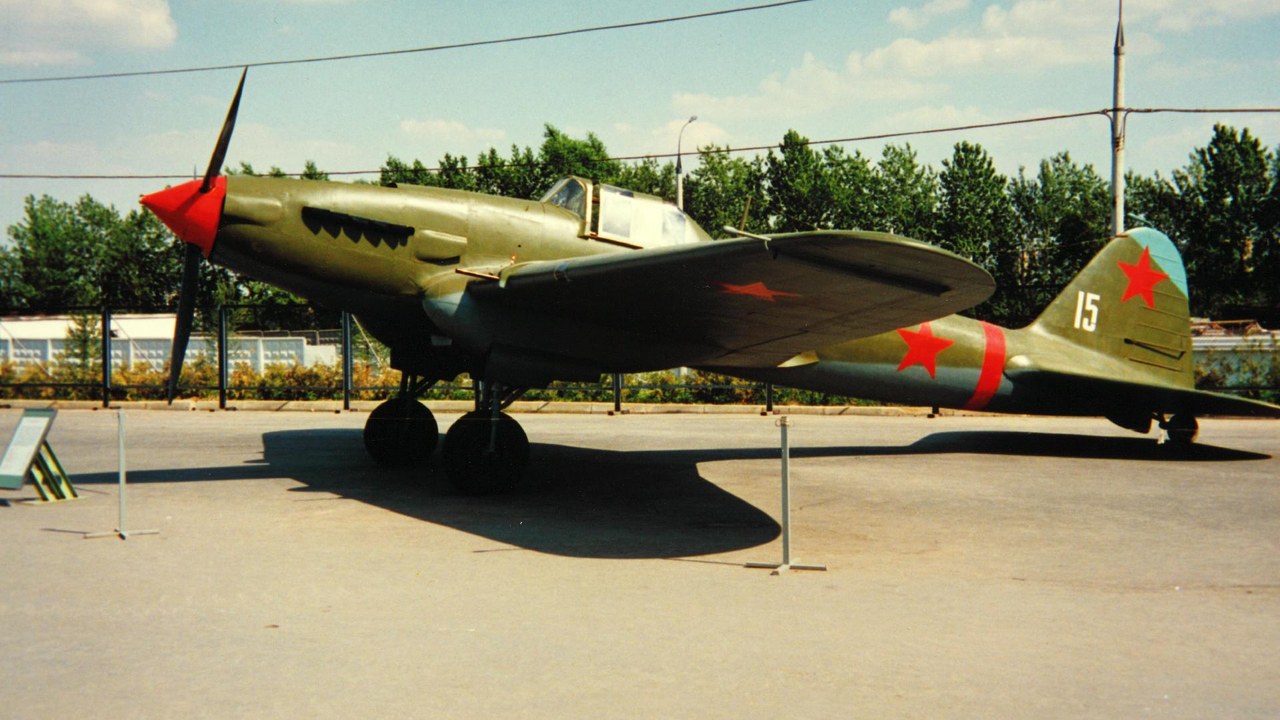
When Stalin ordered a new plane, he envisioned a flying tank. According to SlashGear, the Ilyushin Il-2 became the Soviet Air Force’s key plane in beating back the Germans.
It was built to swoop in and destroy ground forces, combining a robust armored airframe, firepower and a 1,770-horsepower V12 engine. It became the primary combat plane of the Soviet Air Force on the Eastern Front.
13. Yakovlev Yak-3: Light, Fast and Lethal
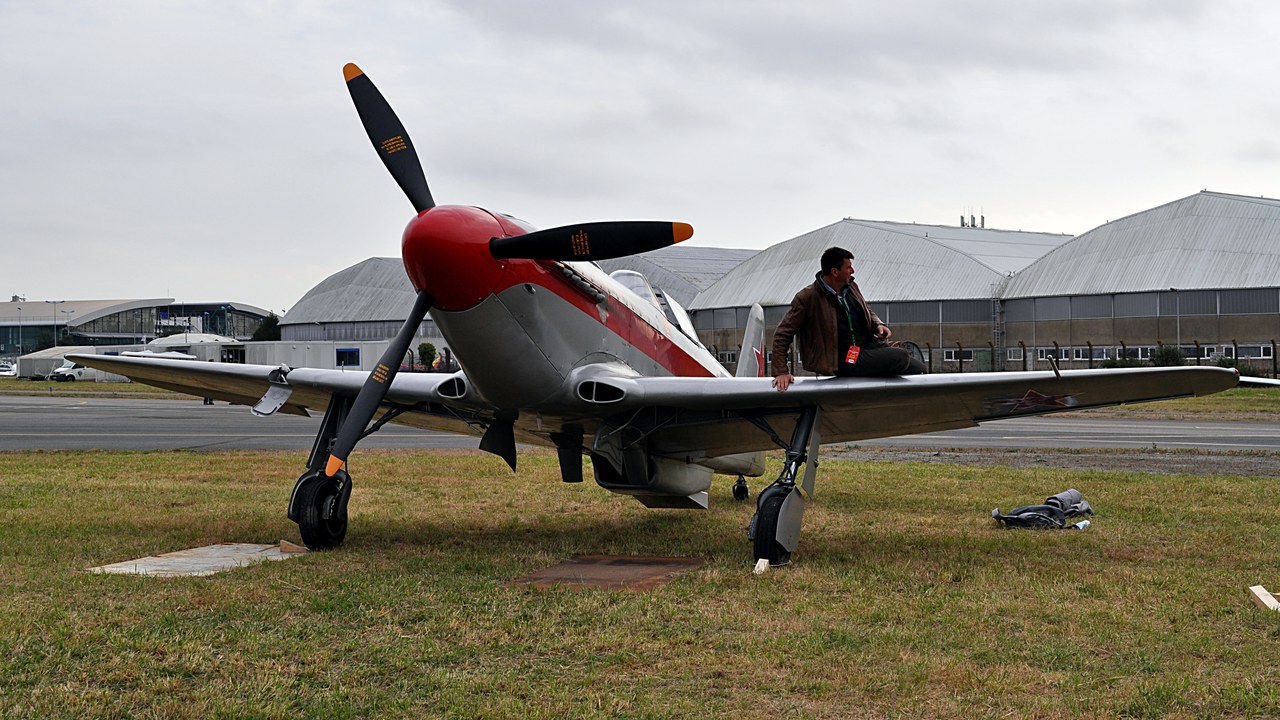
On June 16, 1944, 18 Yak-3s took on 24 German aircraft and destroyed 15 of them, losing only one Yak-3, according to TheCollector.
The Soviet Union had been heavily outclassed in the air through 1942 and into 1943. The very light and exceedingly fast Yak-3 helped change that. The next day, eight Yak-3s attacked a formation of 60 German aircraft and shot down seven without losing one.
14. Douglas SBD Dauntless: Slow But Deadly
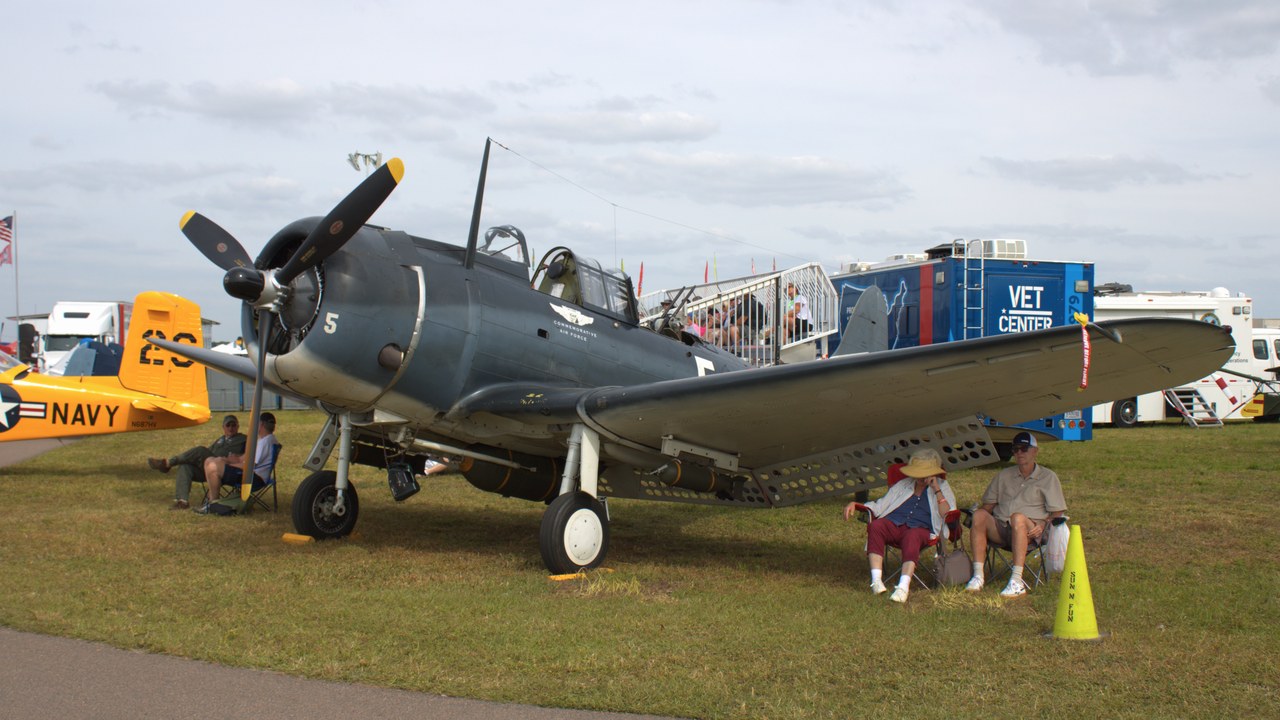
Pilots joked that SBD stood for Slow But Deadly. As TheCollector explains, the Navy scout and dive bomber could make steep dives and hit targets with remarkable accuracy.
Its most important day came at the Battle of Midway, where Dauntless crews sank four Japanese aircraft carriers and turned the tide of the Pacific War. It was well-armed, with forward guns and a rear gunner, and had good range for naval operations.
15. Nakajima Ki-84 Hayate: Japan’s Best, Built Too Late
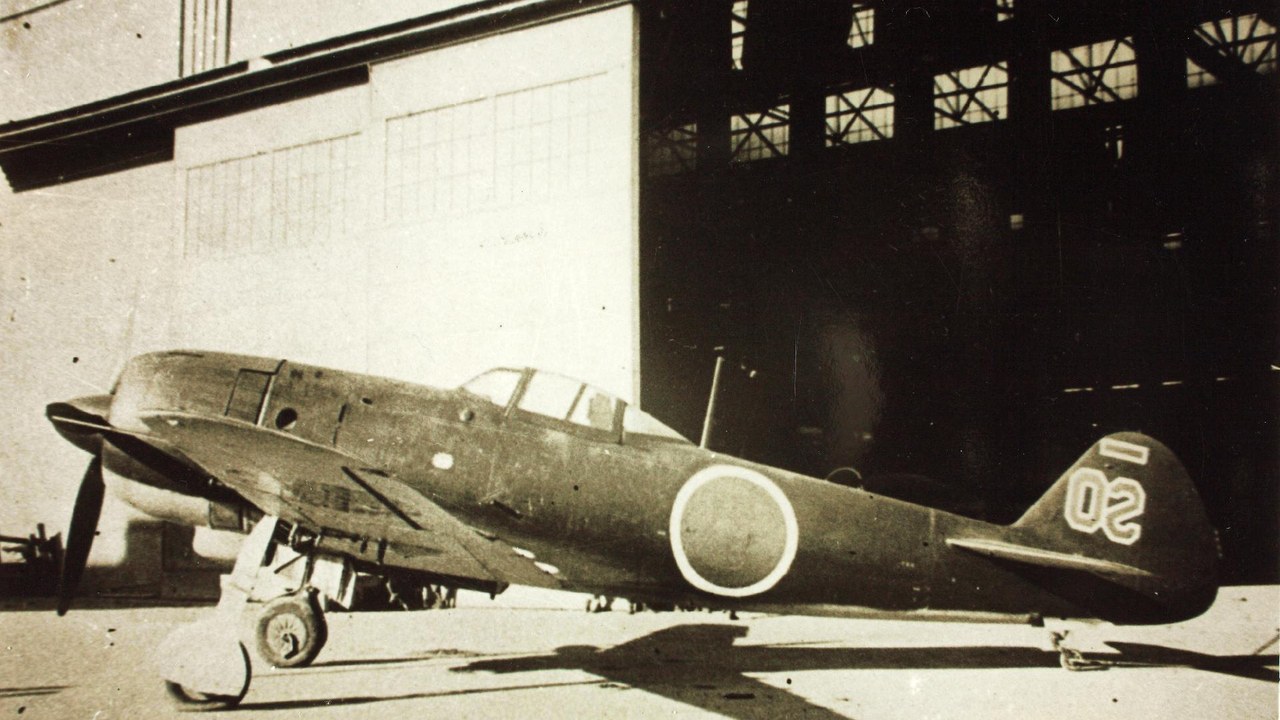
The Nakajima Ki-84 Hayate, codenamed Frank by the Allies, is generally considered the best Japanese fighter built in large numbers. AeroCorner reports that 3,514 were made.
It first flew in April 1943. Japanese trials recorded 388 mph, while its published specification lists 427 mph. Either way, it had the best performance of any Japanese aircraft ready for mass production, but it reached combat too late to change the war.
16. Messerschmitt Me 262: The First Jet Fighter
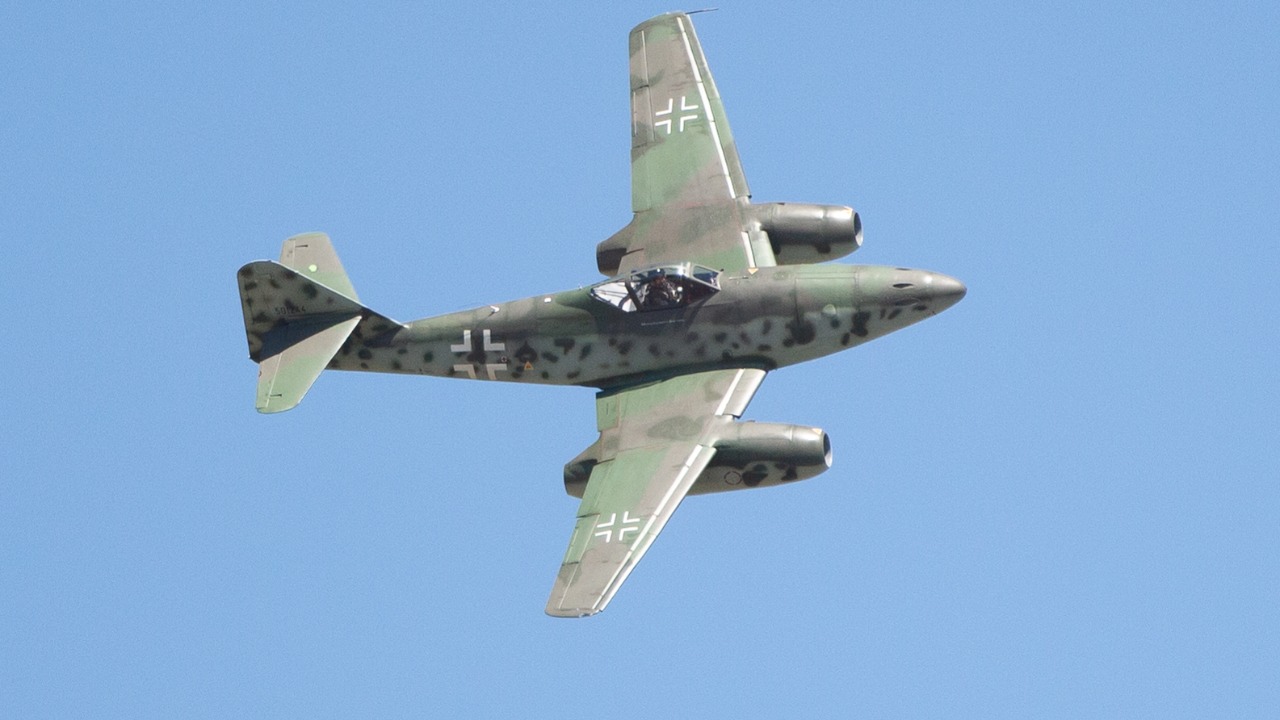
The Messerschmitt Me 262 was the world’s first operational jet fighter. It entered service in April 1944 and reached 540 mph, according to AeroCorner.
That made it faster than any piston fighter of the war. But it came too late and in too few numbers: about 1,430 were built, and fewer than 300 ever saw combat. It first flew under jet power on July 18, 1942.
More from Morning Overview
- The Honda Pilot has quietly overtaken every model in blown-engine complaints
- The FCC cut eight phone companies off the network for ignoring robocall traces
- Three atmospheric rivers are lining up to drench the Pacific Northwest this week
- A dangerous unpatched Windows exploit is now public and can hand attackers full control
