
Volkswagen arrived in America with two cars on a freighter and became the country’s leading import brand within about a decade. Its lineup grew from a humble Beetle and a boxy bus to sports coupes, hot hatches and luxury sedans. Here are fifteen Volkswagens from the Beetle to the Touareg, and the part each one played in the brand’s American story.
Read next on Morning Overview: A $1 billion gas plant planned for Superior, Wisconsin, has been abandoned
1. Volkswagen Beetle: Two Cars on a Freighter
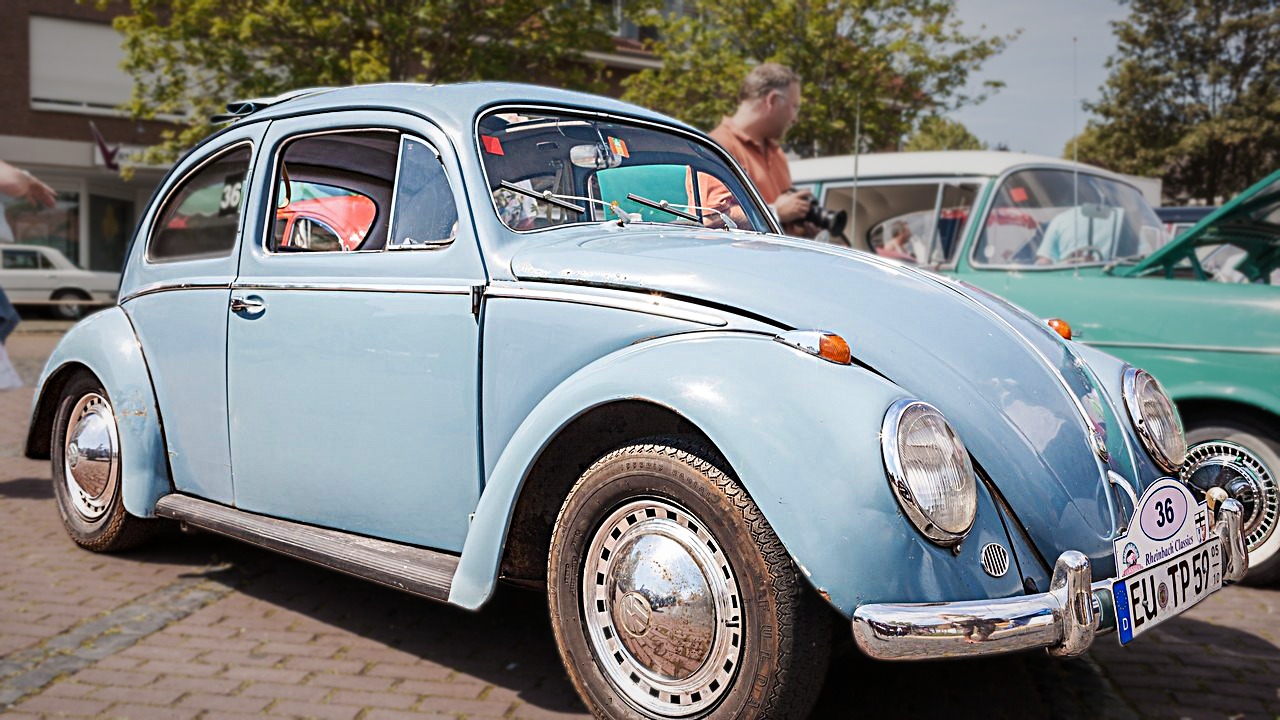
The first two U.S.-bound Volkswagen Beetles arrived in New York by freighter on Jan. 17, 1949. At first Americans barely noticed the little car, already nicknamed Kafer, or Beetle, in Germany.
That changed after the famous 1959 “Think small” ad campaign by Doyle Dane Bernbach, which touted the Beetle’s size, efficiency and easy upkeep. By 1960, VW was the largest import brand in the United States.
2. Volkswagen Type 2: The Bus
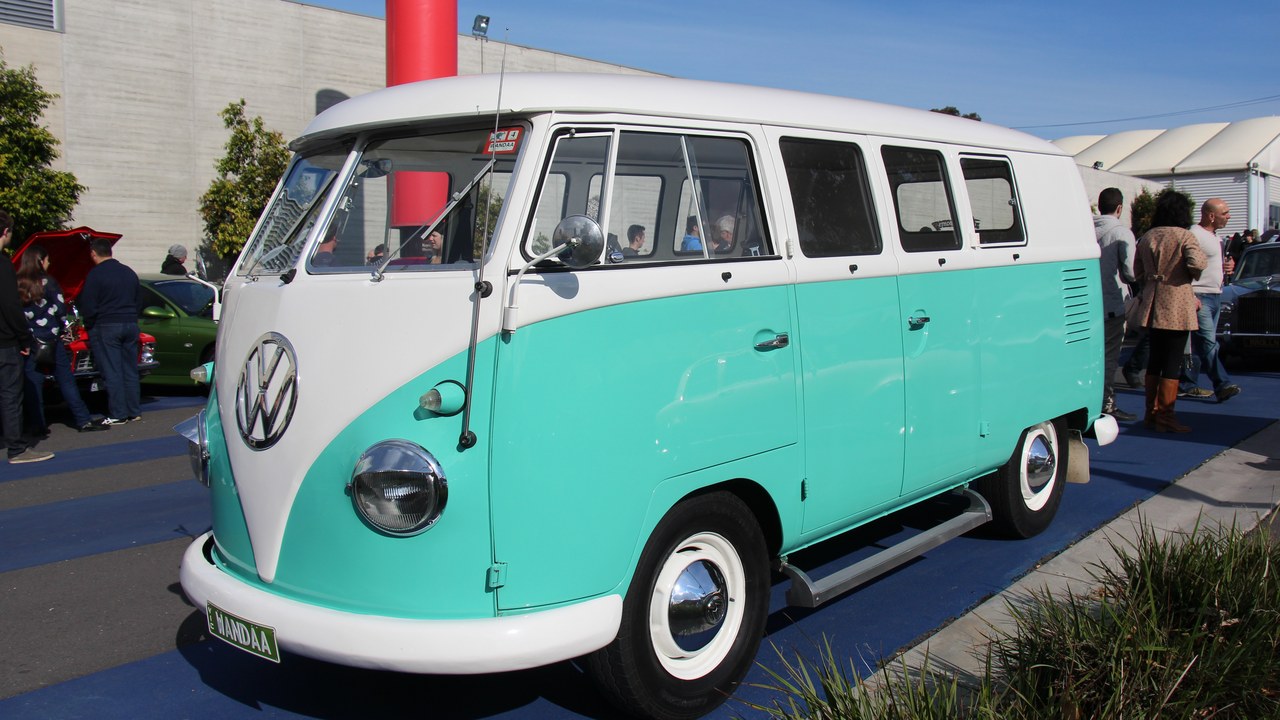
The Volkswagen Type 2, introduced in 1950, was Volkswagen’s second mass-production vehicle and grew from an idea by Dutch VW importer Ben Pon. Officially a Transporter, Kombi or Microbus, Americans simply called it the Bus.
It shared the Beetle’s rear-engine layout and came as a van, pickup and camper. Along with the Beetle, it became a symbol of affordability, youth and nonconformity in the 1960s.
3. Volkswagen Karmann Ghia: Italian Style, Beetle Bones
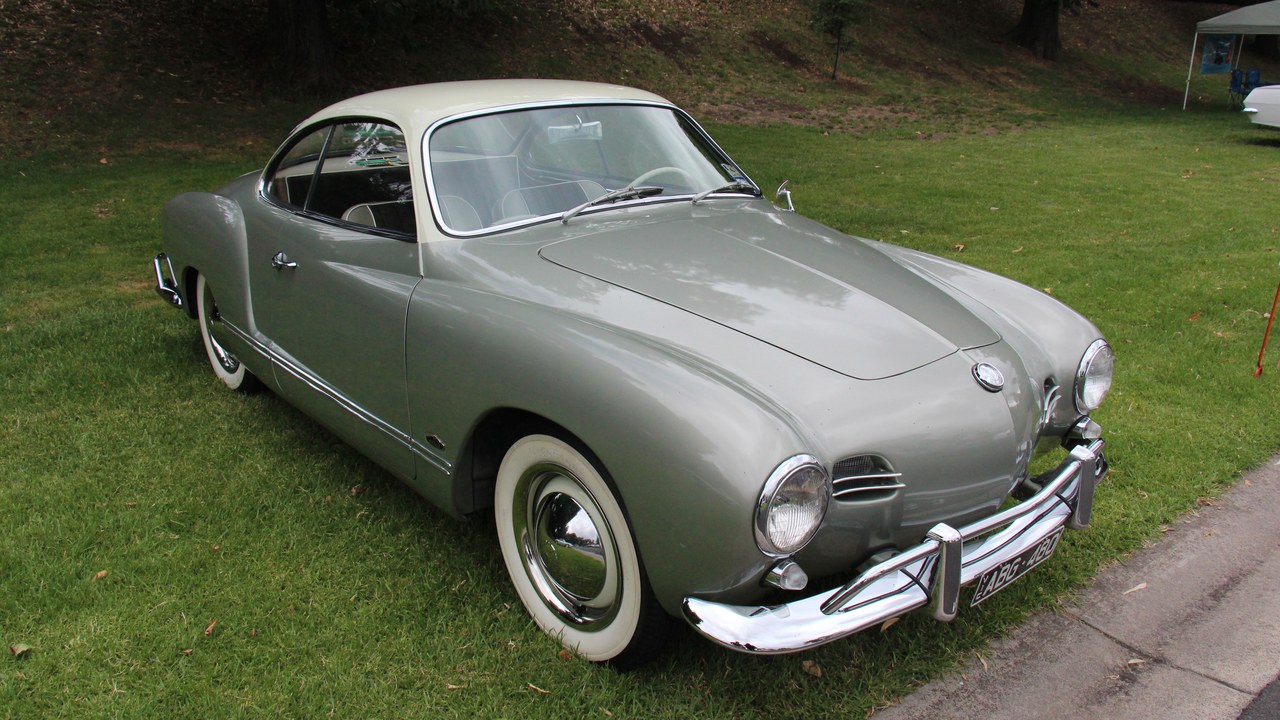
From 1955 to 1974, Volkswagen barely changed a door handle on the Karmann Ghia, the masterpiece of Italian design firm Ghia, built by the German coachbuilder Karmann. It came as a coupe and a convertible.
It was no performance car, making just 43 to 60 horsepower from its rear-mounted engine and topping out at 93 mph. Its shape, though, showed off the playful side of Volkswagen.
4. Volkswagen Type 3: The Squareback
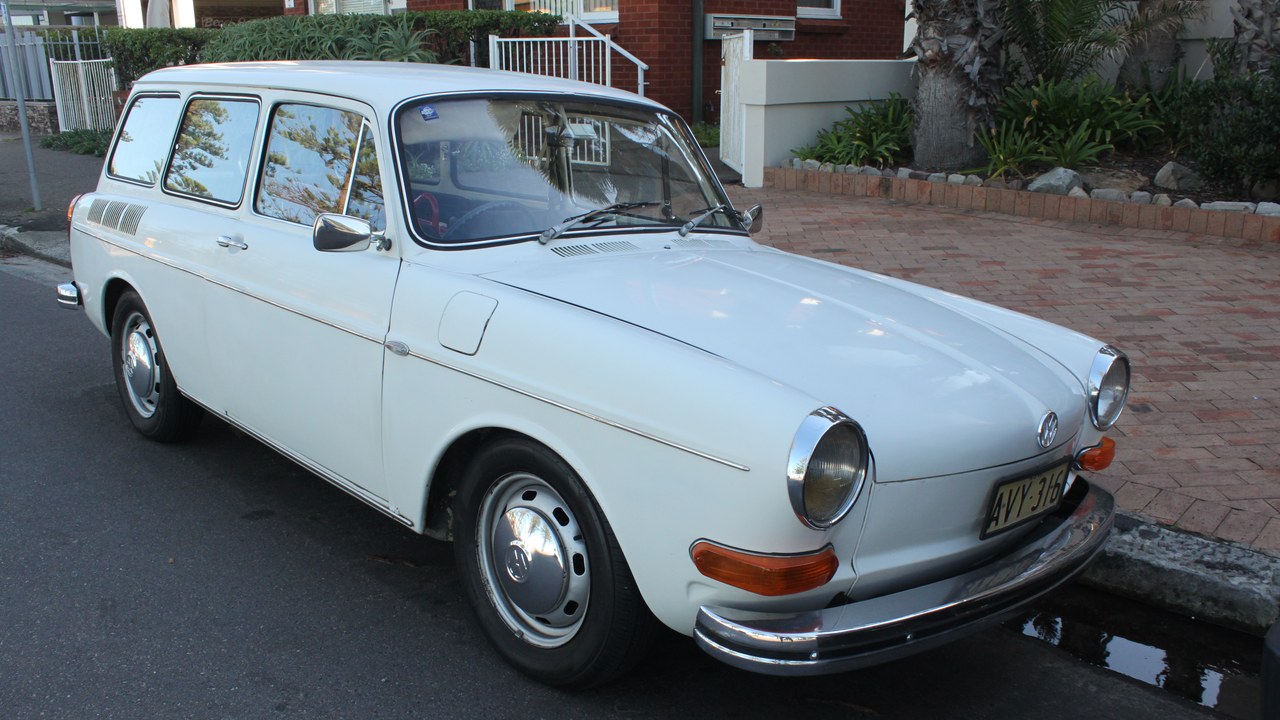
The Volkswagen Type 3 was built from 1961 to 1973, introduced at that year’s Frankfurt motor show and sold as the VW 1500 and later the 1600. It came as a notchback, a fastback and a station wagon.
In the United States, that wagon was marketed as the Squareback. The Type 3 broadened VW’s range beyond the Beetle, Karmann Ghia and Bus while keeping the air-cooled, rear-engine layout.
5. Volkswagen Thing: The Army Car Called the Thing
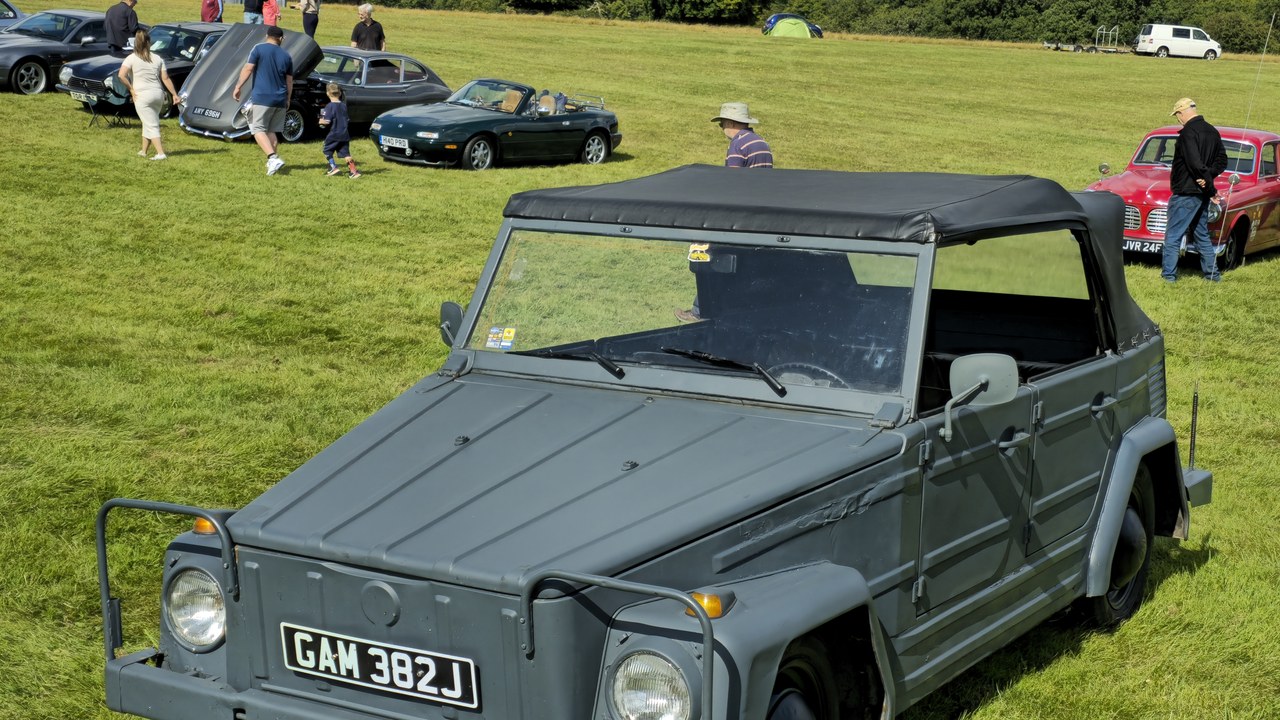
The Volkswagen Type 181 was a four-door convertible built from 1968 to 1983, originally developed for the West German Army to replace the DKW Munga.
It also reached civilian buyers under different names around the world, including the Kurierwagen in West Germany and the Safari in Mexico. In the United States and Canada, it was sold as the Thing in 1973 and 1974.
6. Volkswagen Scirocco: The Racing Volkswagen
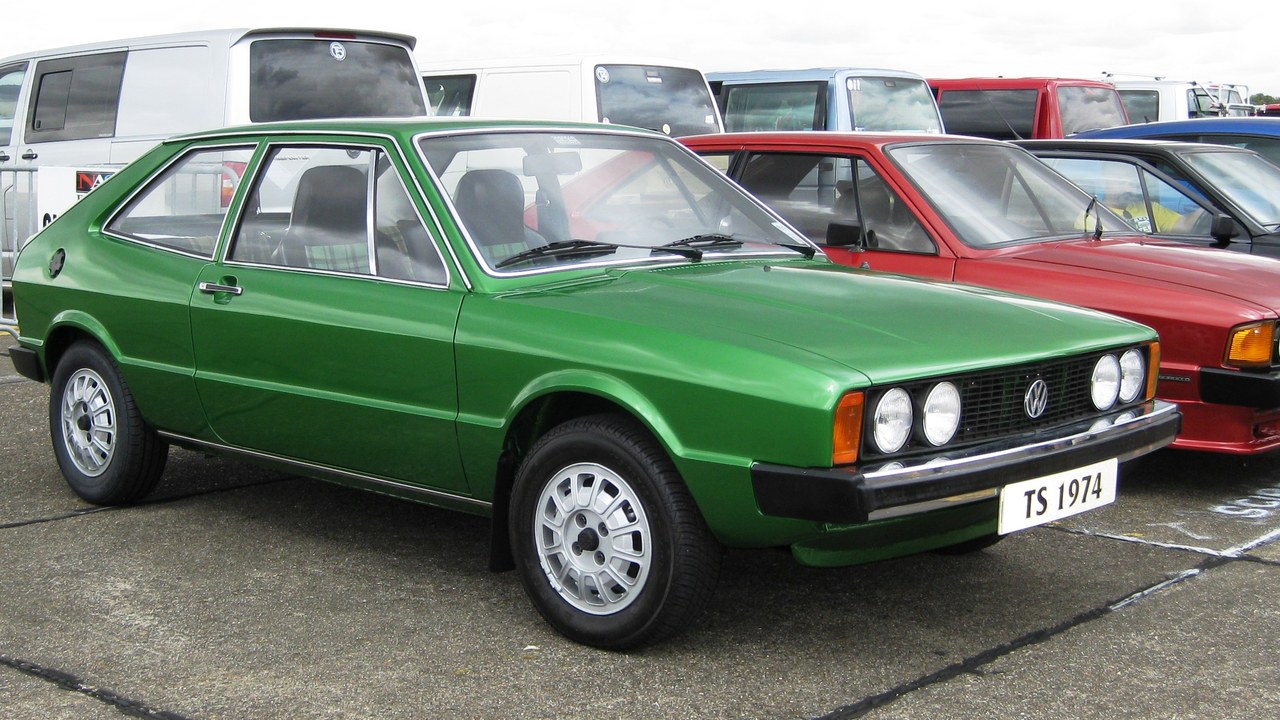
From 1974, the Scirocco was sold as “The Racing Volkswagen” in the United States, a name earned in its own Scirocco/Bilstein Cup series. It later raced successfully in Trans-Am.
Cheapism notes it helped Volkswagen move from air-cooled to water-cooled engines. It paved the way for the GTI by getting people to think of VW as a sporty brand. It was never as lovely as the Karmann Ghia, Cheapism admits, but it gave Volkswagen a real sports coupe.
7. Volkswagen Passat: The Dasher and the Quantum
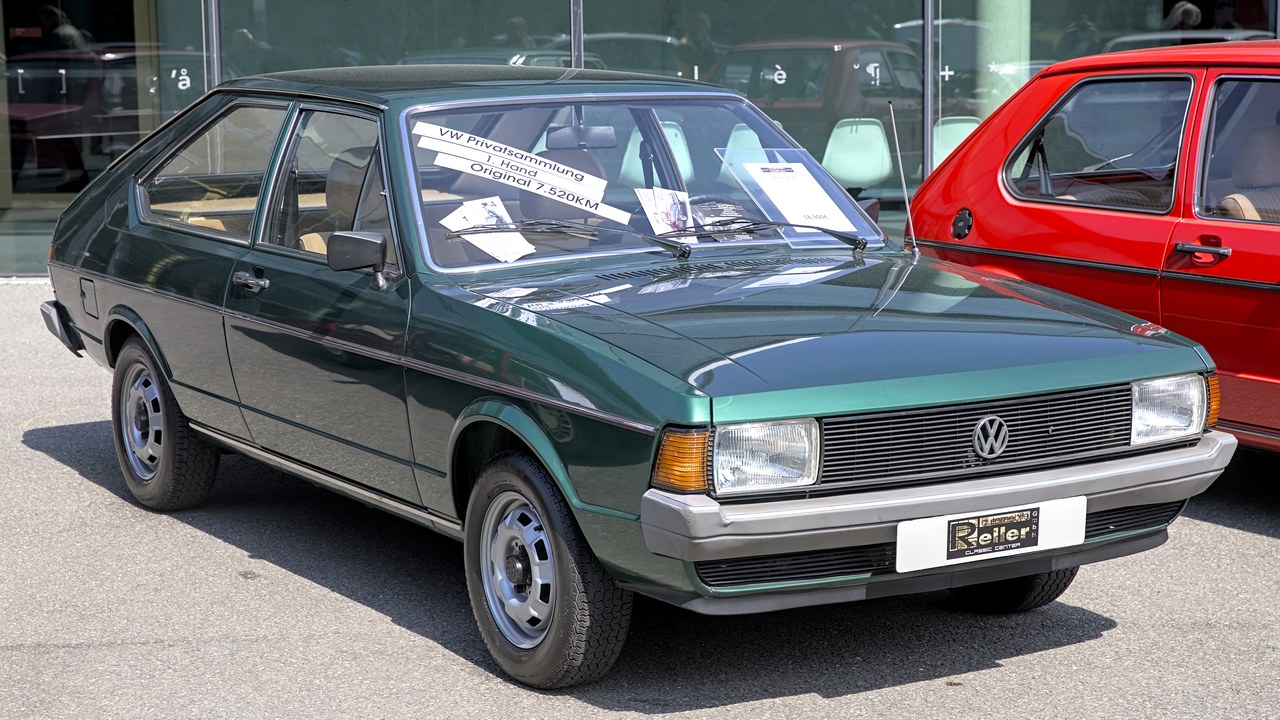
First sold in 1973, the Passat has been known as the Dasher, Quantum and CC in the United States. The original version was sold in America under the Dasher name.
Today the Passat is built in Chattanooga, Tennessee, and it has held on in the U.S. market while selling more than 16 million units worldwide, helped by a strong presence in China. Few Volkswagen nameplates have lasted as long.
8. Volkswagen Rabbit: Made in Pennsylvania
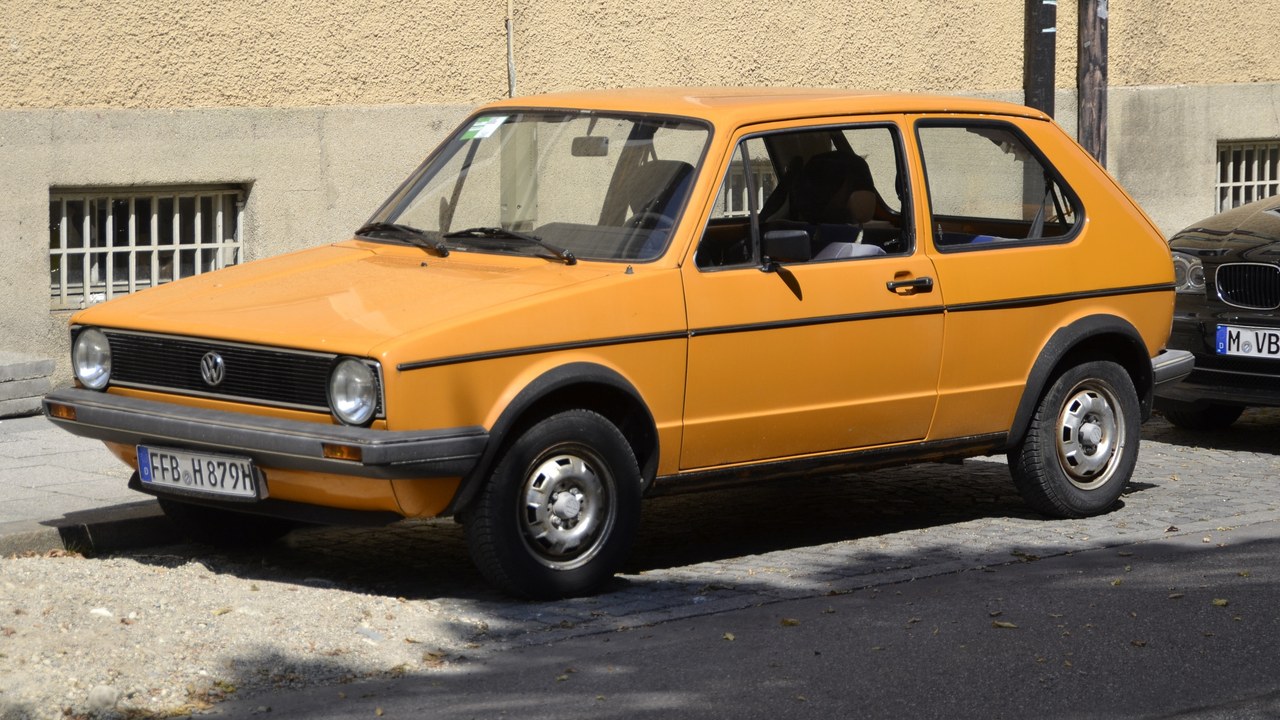
U.S. sales of the Rabbit, VW’s name for the Golf, began in February 1975. When Volkswagen opened its Westmoreland, Pennsylvania, plant in 1978, the Rabbit was its first product, years before any Japanese assembly plant opened in America.
The functional, well-engineered hatchback was a big change from the Beetle. Westmoreland built 1.1 million vehicles, including a Rabbit-based pickup, before it closed in 1988.
9. Volkswagen Jetta: A Golf With a Trunk
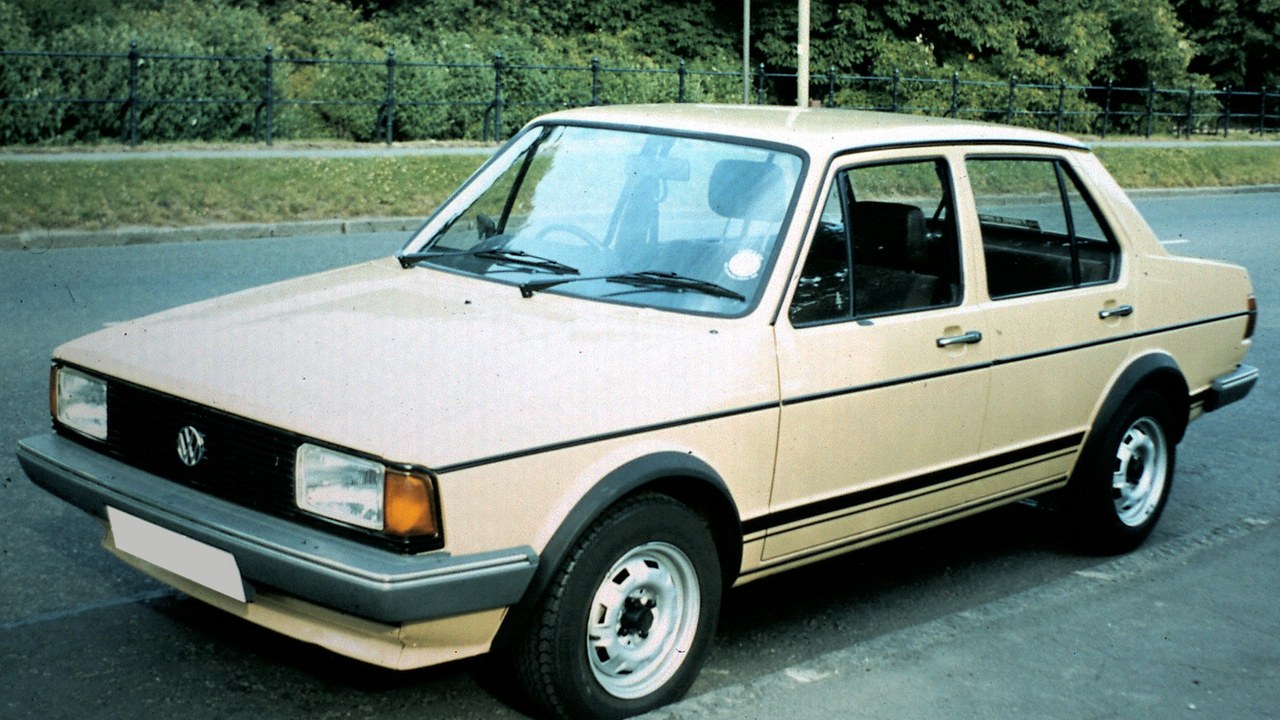
The Volkswagen Jetta was essentially a Golf without the hatchback when it debuted in 1979. The first U.S.-made Jetta followed in 1980.
Cheapism reports the sporty little sedan found a global following and has sold 10 million vehicles worldwide by being fun, affordable and stable. Cheapism adds that when the GTI arrived in the 1980s, many American buyers still preferred the Jetta, mostly because of its trunk.
10. Volkswagen GTI: The Original Hot Hatch
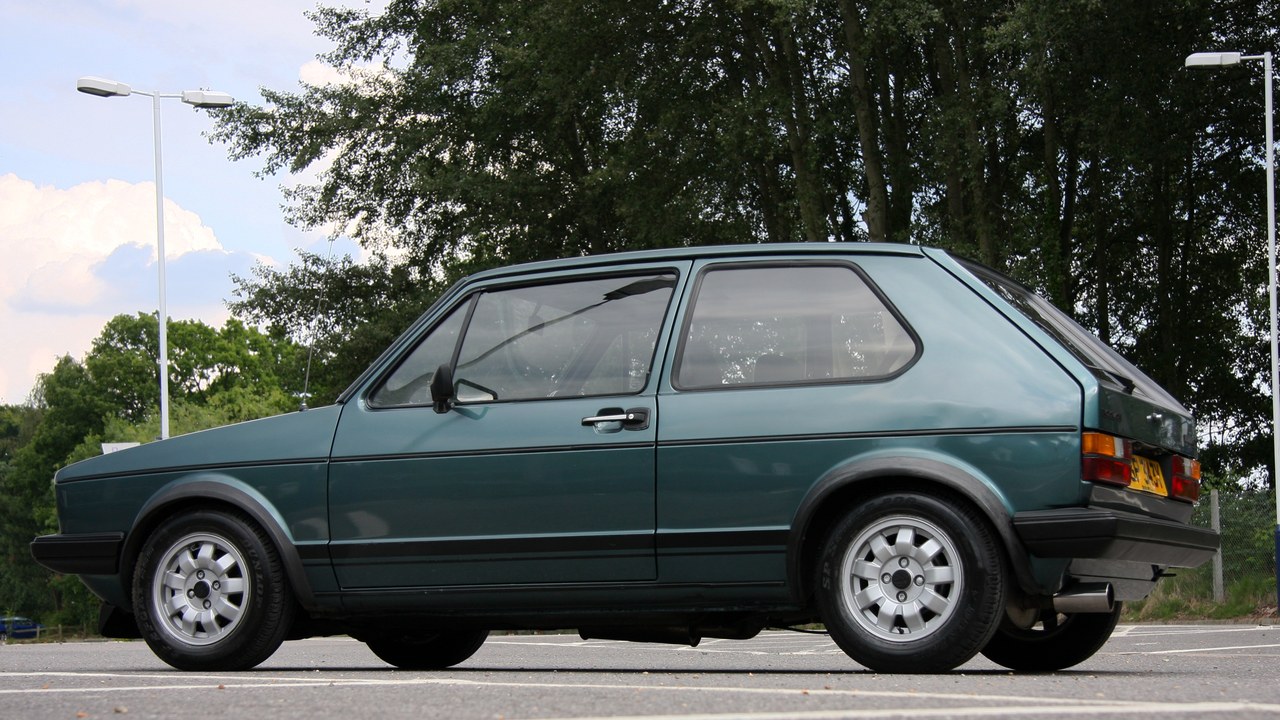
The early U.S. GTI was a boxy two-door compact with a 1.8-liter, 110-horsepower four-cylinder engine. Motor Trend named it Car of the Year in 1985.
Its performance became legendary in Europe and among American tuners, and it grew more beloved among fans of the hot hatch over the years. Cheapism calls it a boxy, roomless car at first, launched while the country was coming out of a decade of oil crises, yet the hot hatch has only grown more popular since.
11. Volkswagen Vanagon: The Factory Camper
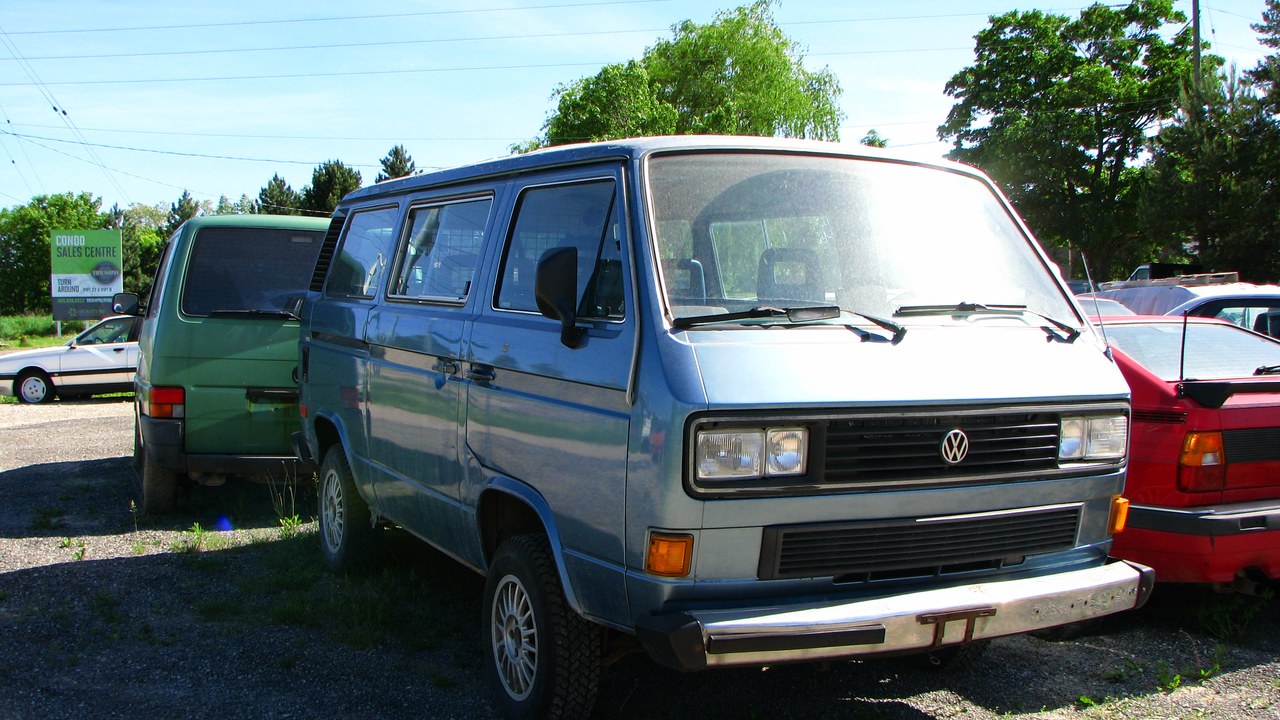
The Vanagon has not been sold new in the U.S. since the early 1990s. Some factory models were flat-out campers with a refrigerator, a two-burner stove, a stainless steel sink, cabinets and heaters.
Cheapism notes that versions still turn up on used-car sites, and replacement parts such as the Westfalia pop-up top remain available. These vans, Cheapism says, were built for conversion from the start.
12. Volkswagen Corrado: The Coupe Fans Remember
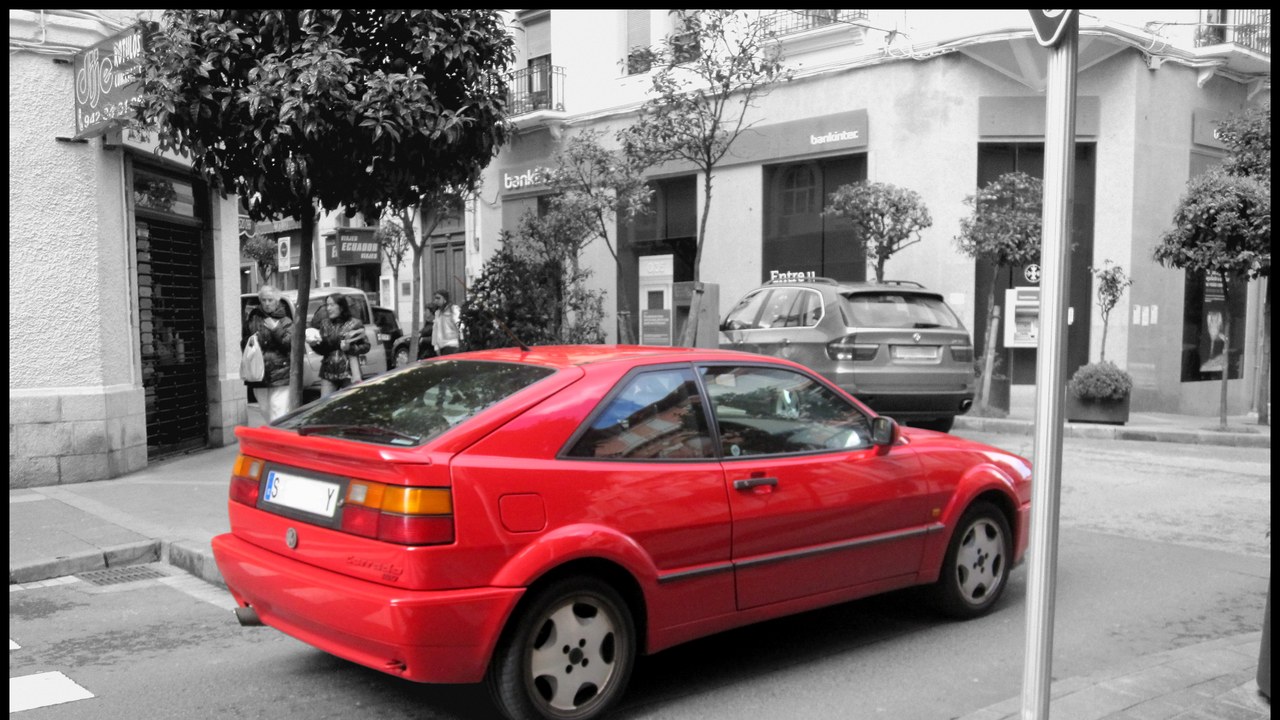
The Volkswagen Corrado was a sport compact built by Karmann in Osnabrück, Germany, and sold from 1988 to 1995. Designed by Herbert Schäfer, it overlapped with and eventually replaced the Scirocco.
The 2+2 coupe rode on the Golf Mk2 platform. Except for VR6 versions, it used the Golf’s subframes, suspension, steering and brakes. Only 97,521 were built over its seven-year run.
13. Volkswagen New Beetle: The Beetle Reborn
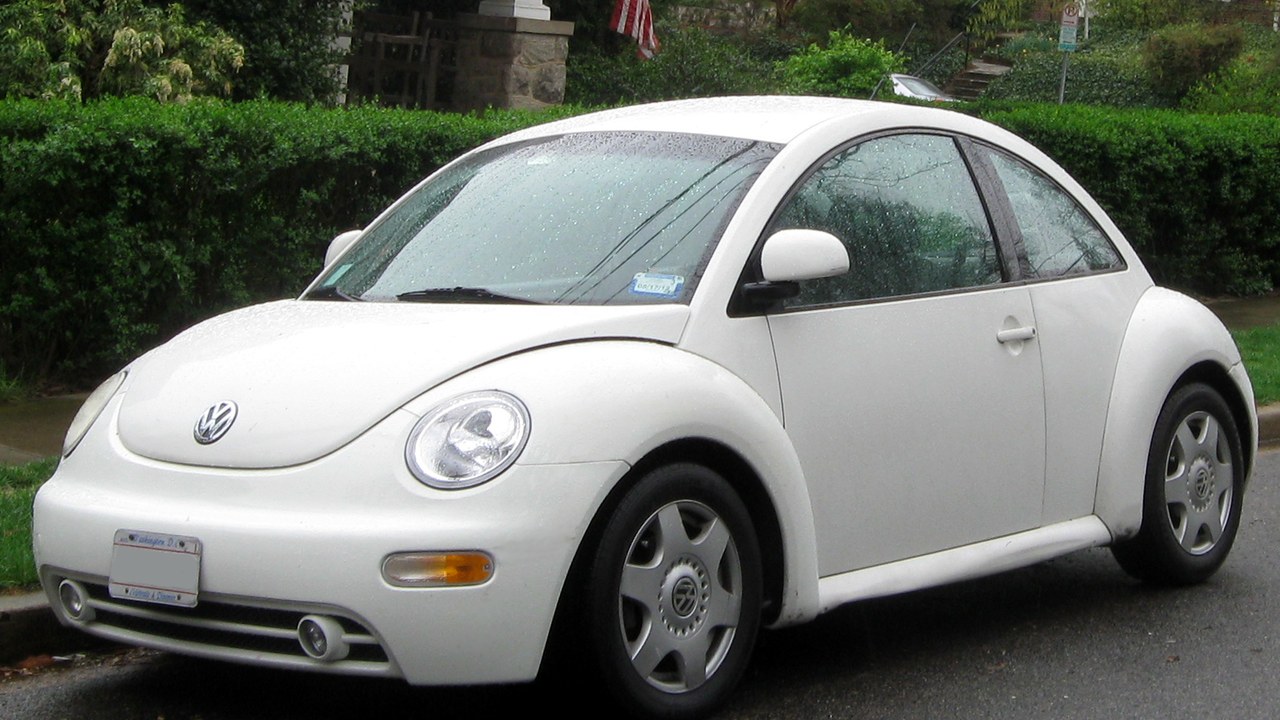
The Beetle came to VW’s rescue again in the 1990s. A retro concept called Concept 1 inspired tears in the audience at the 1994 North American International Auto Show in Detroit.
Rushed into production as the New Beetle, it was a sensation when sales began in 1998 and rekindled America’s love affair with VW. It remained a mainstay of the lineup through 2019.
14. Volkswagen Phaeton: VW Goes Upscale
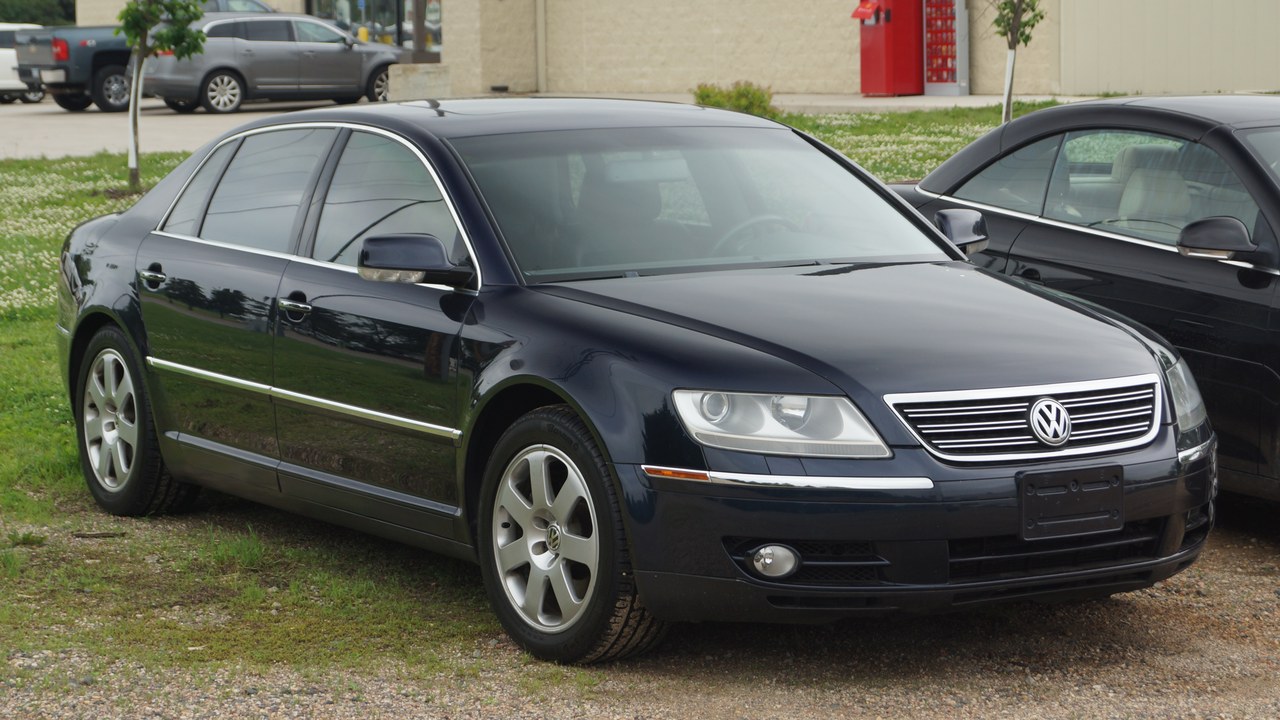
The Volkswagen Phaeton, described by VW as its “premium class” vehicle, was a full-size luxury sedan introduced at the 2002 Geneva Motor Show. Its name comes from Phaeton, son of the sun god Helios.
It was conceived by Ferdinand Piëch, then chairman of Volkswagen Group. The Phaeton was marketed worldwide, but North American sales ended in 2006, and production ended in March 2016, after which its Dresden factory switched to the e-Golf.
15. Volkswagen Touareg: The SUV Built With Porsche
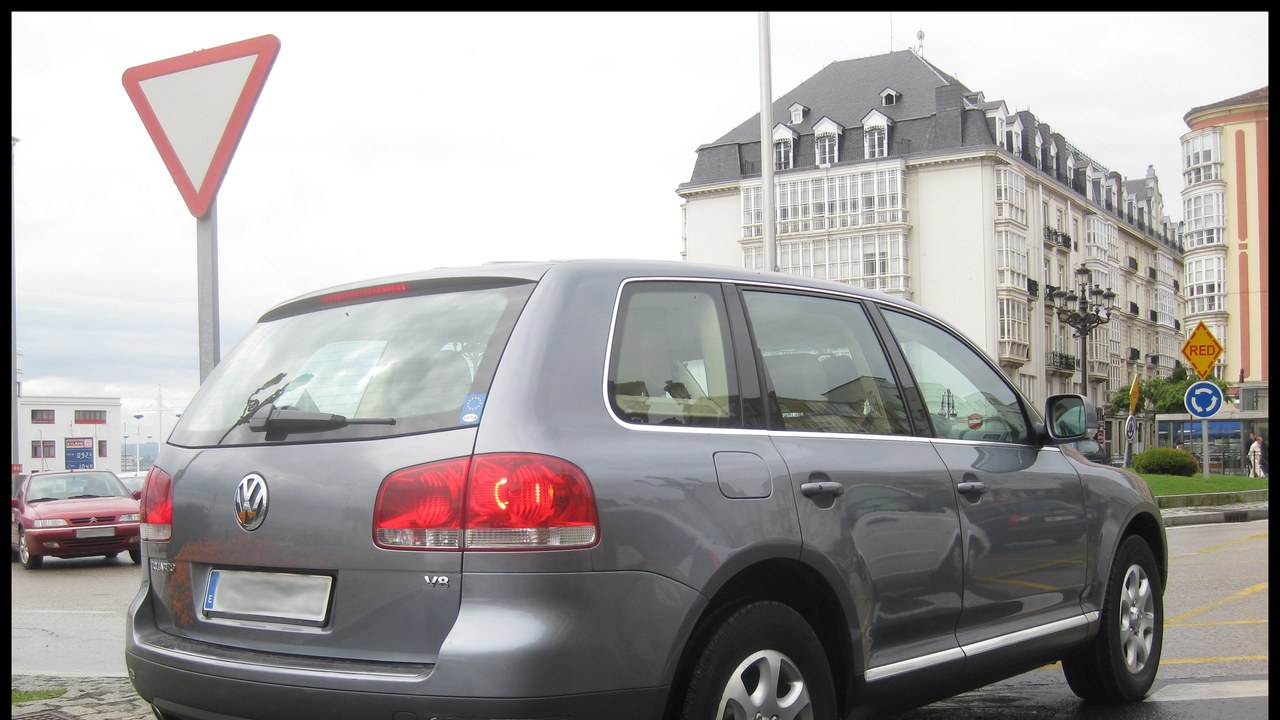
The Volkswagen Touareg was developed jointly with the Porsche Cayenne and Audi Q7, all three sharing a platform in the first generation from 2002 to 2010. It served as VW’s flagship SUV.
The first generation was notable for engines with five, six, eight, ten or even twelve cylinders. The second generation added a full hybrid, and every Touareg was built at Volkswagen’s plant in Bratislava, Slovakia.
More from Morning Overview
- Zero Motorcycles unveiled an electric motorcycle targeted at under $8K and a street-legal dirt bike at EICMA
- New FCC rules on how people can stop robocalls and texts take effect Nov. 25
- Neanderthals in Spain carved a wooden object that matches nothing archaeologists have ever found
- The FAA wants $2.39 million from a flight school it says flew a Cessna about 280 times with an unapproved part
