
Tunnels carry American traffic beneath rivers, harbors, and mountain ridges, and each solves a different problem of depth, length, or altitude. The entries range from a shared road-and-rail bore to paired tubes beneath waterways. Here are twelve tunnels, each paired with the measurement or milestone that sets it apart.
1. Anton Anderson Memorial Tunnel: A Road Built on a Railroad
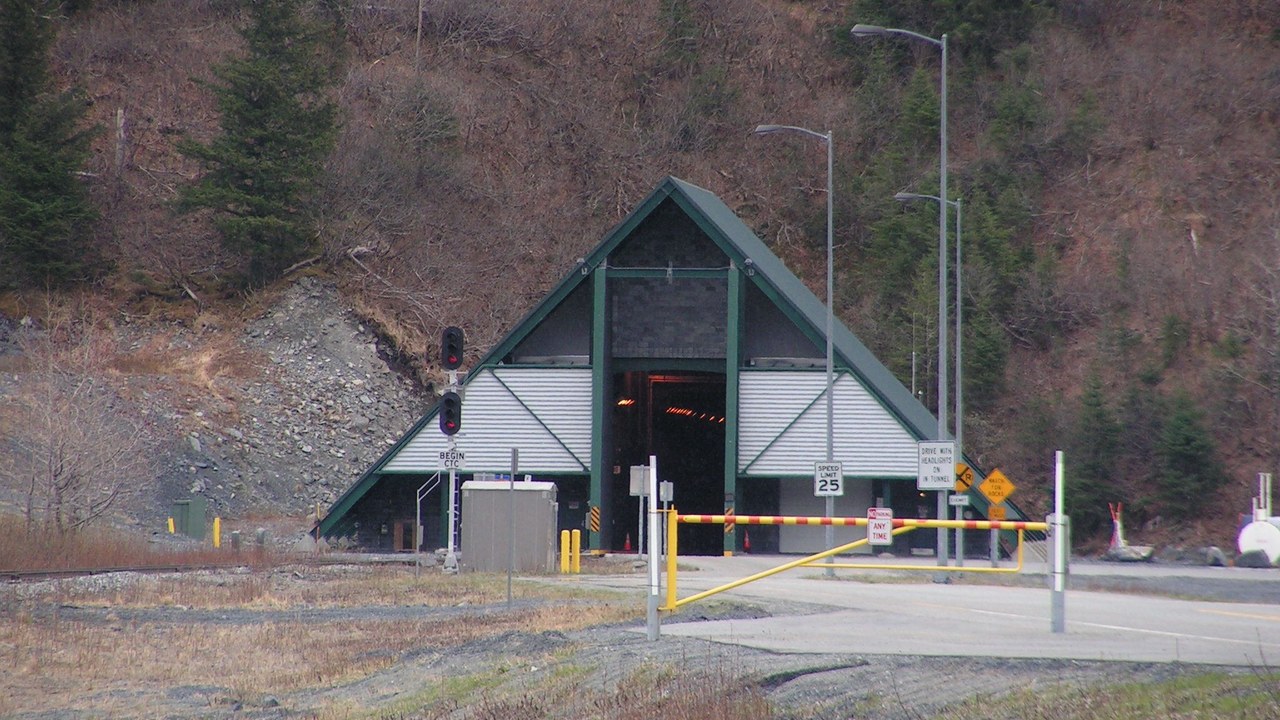
Workers completed the Maynard Mountain tunnel on April 23, 1943, a 2.5-mile bore that formed part of a spur linking Whittier to the Alaska Railroad’s main line at Portage. A separate 1-mile tunnel passes through Begich Peak.
Cars and trains now share the Maynard Mountain bore, with vehicles using the lane over the track. The structure is therefore a road tunnel that began its life as a railroad one, and its length is the 2.5-mile figure.
2. Moffat Tunnel: Under the Divide
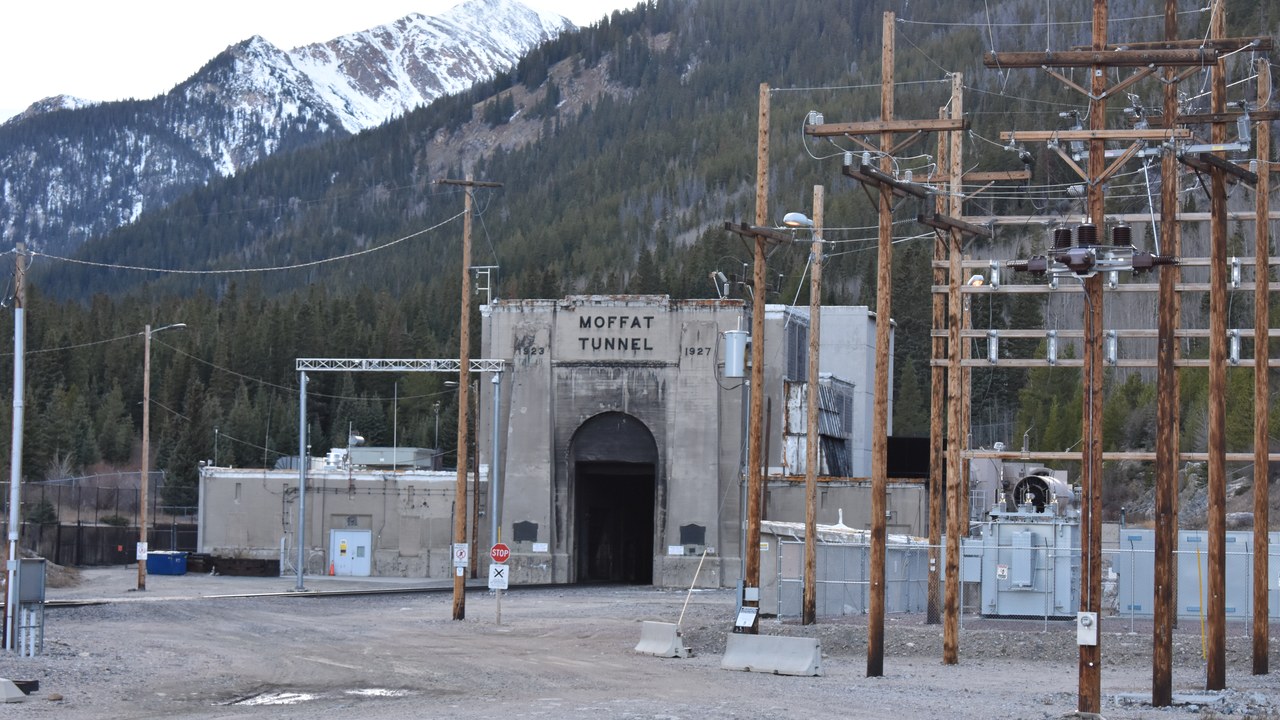
The Moffat Tunnel is a railroad bore 6.2 miles, or 10.0 kilometers, long, passing under the Continental Divide. Its cross-section measures 24 feet high and 18 feet wide, dimensions the Wikipedia entry gives alongside the length of the bore.
At 6.2 miles it is longer than the 2.5-mile Maynard Mountain bore on this list. It is a railroad tunnel, so the dimensions describe a rail corridor and not a roadway designed for cars, and the Continental Divide setting is what makes the 6.2-mile length notable.
3. Eisenhower Tunnel: Highest in the World, Once
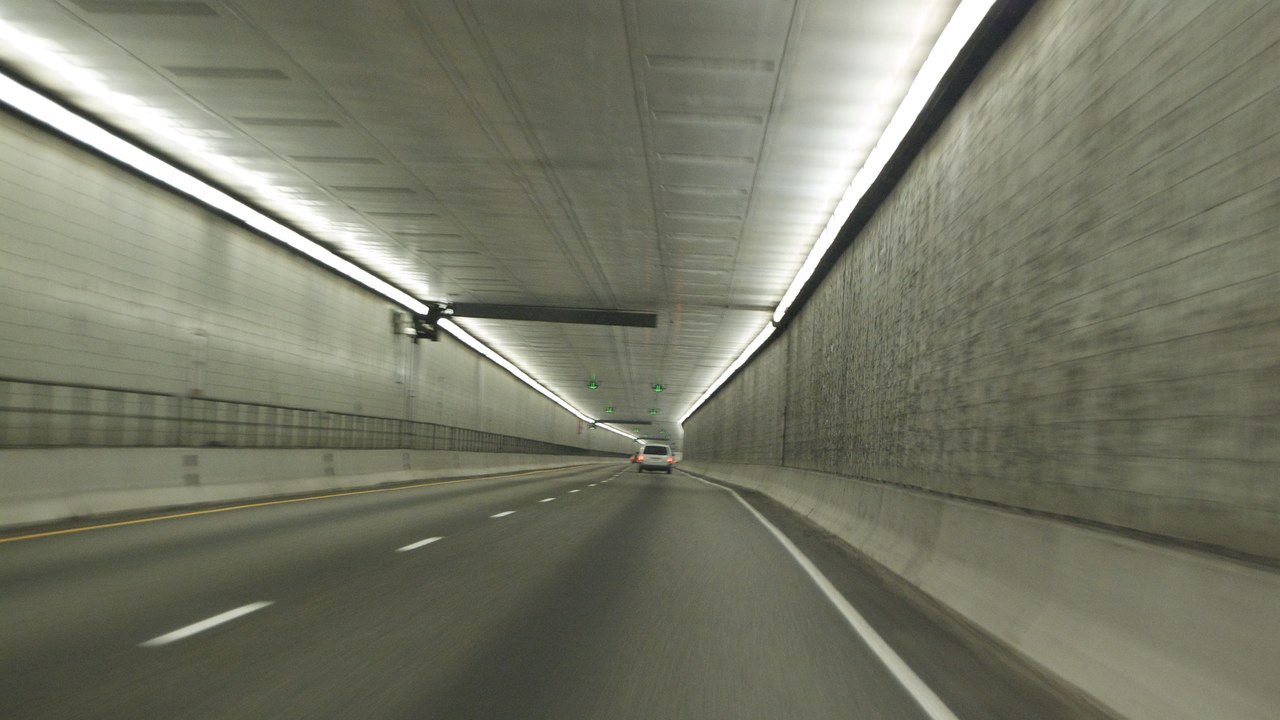
The Eisenhower Tunnel carries traffic across the Continental Divide at an average elevation of 11,112 feet. When it opened in the 1970s, the Colorado Department of Transportation says, it was the highest vehicular tunnel in the United States and in the world.
The superlative is stated in the past tense and applies to its opening era, so it should be read as a historical distinction. The altitude figure, an average of 11,112 feet along the bore, is the detail that sets the tunnel apart.
4. Holland Tunnel: Portal to Portal
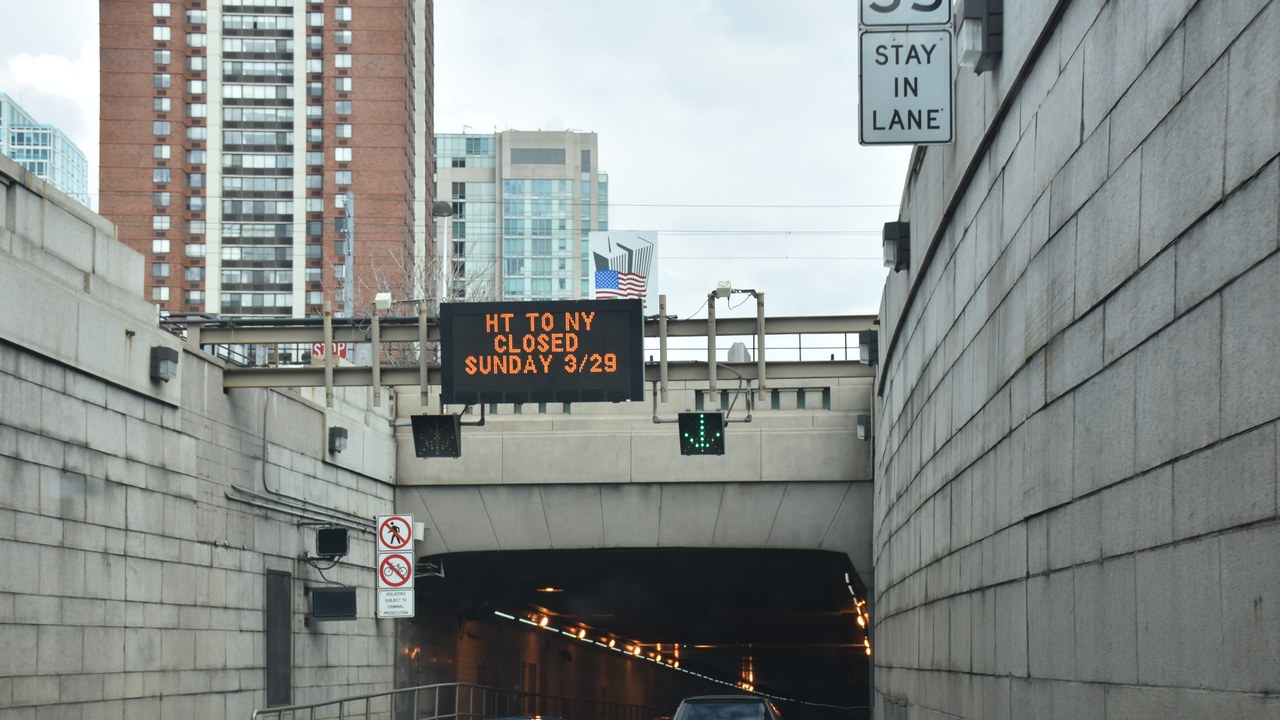
The north tube of the Holland Tunnel measures 8,558 feet, or 2,608 meters, between portals, while the south tube is slightly shorter at 8,371 feet, or 2,551 meters. The tubes run beneath the Hudson, and its Wikipedia entry lists the two lengths separately.
The two tubes are not the same length, a reminder that a tunnel’s published figure depends on which tube and which measuring points are used. Portal-to-portal distance is the basis for the numbers given here.
5. Lincoln Tunnel: Three Tubes, Three Lengths
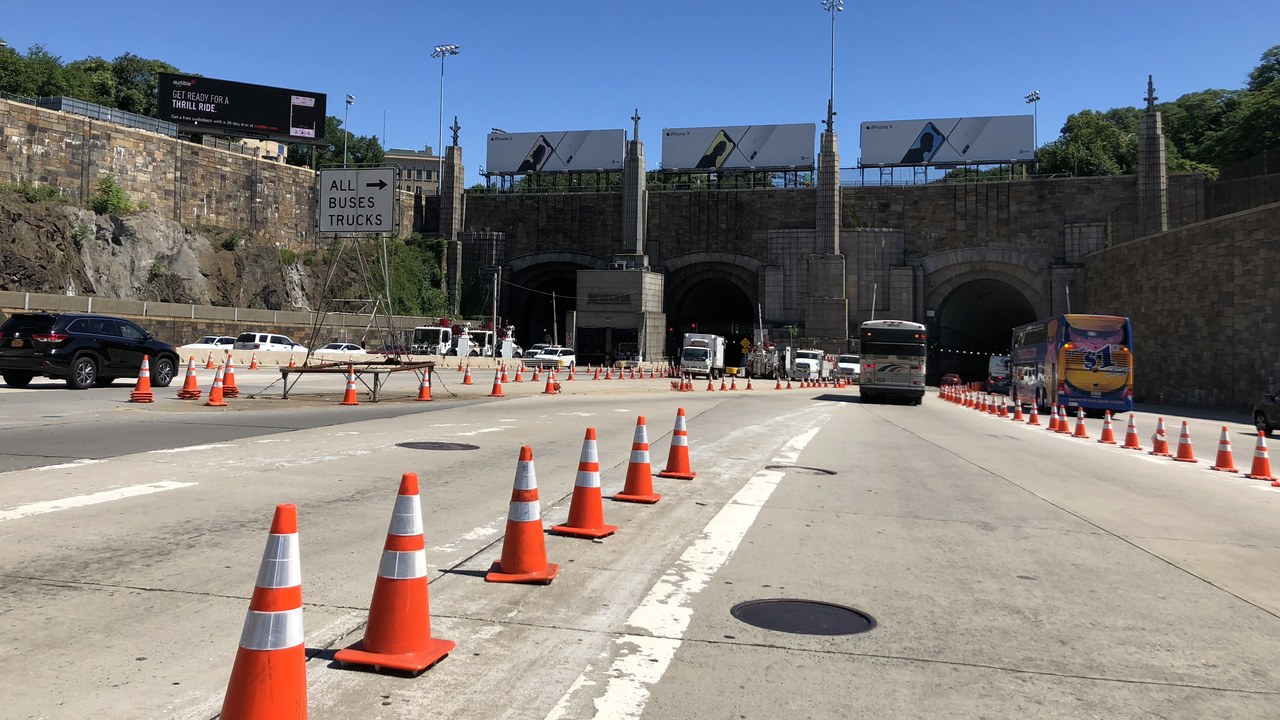
The longest of the Lincoln Tunnel’s three tubes is the center tube, at 8,216 feet, or 2,504 meters. It runs parallel to the 8,006-foot, or 2,440-meter, southern tube, and the tunnel has three tubes in all.
Because the tubes differ in length, a single number for the tunnel can mislead. The center tube is the figure that gives the Lincoln Tunnel its longest dimension, and the southern tube is shorter by a few hundred feet.
6. Ted Williams Tunnel: Deepest Under the Harbor
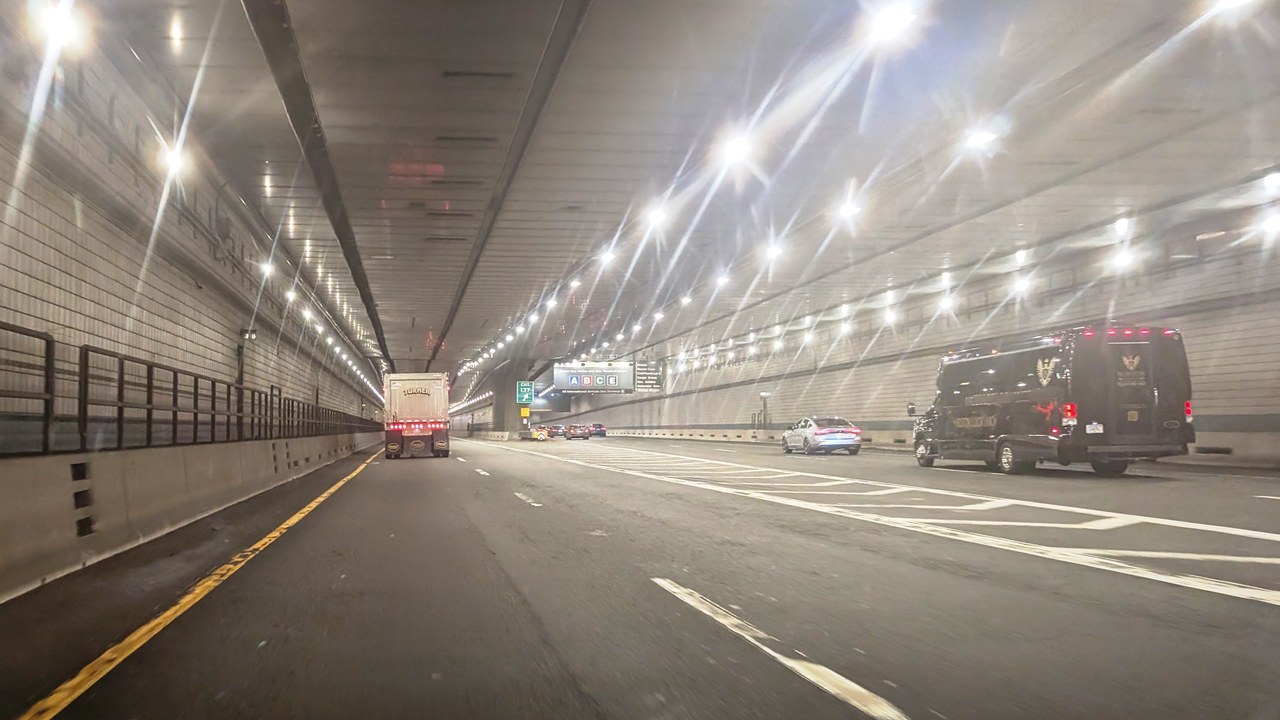
The Ted Williams Tunnel is 8,448 feet long, and roughly 3,960 feet of it are underwater. At 90 feet down beneath Boston Harbor, it is described as the deepest such connection in North America.
Only part of the total length lies under water, a share a little under half of the tunnel. The depth claim refers to the harbor crossing itself, and the 90-foot figure is the number behind it. The 8,448-foot figure is the full length, and the underwater figure is the portion beneath the harbor.
7. Baltimore Harbor Tunnel: A Pair Beneath the Patapsco
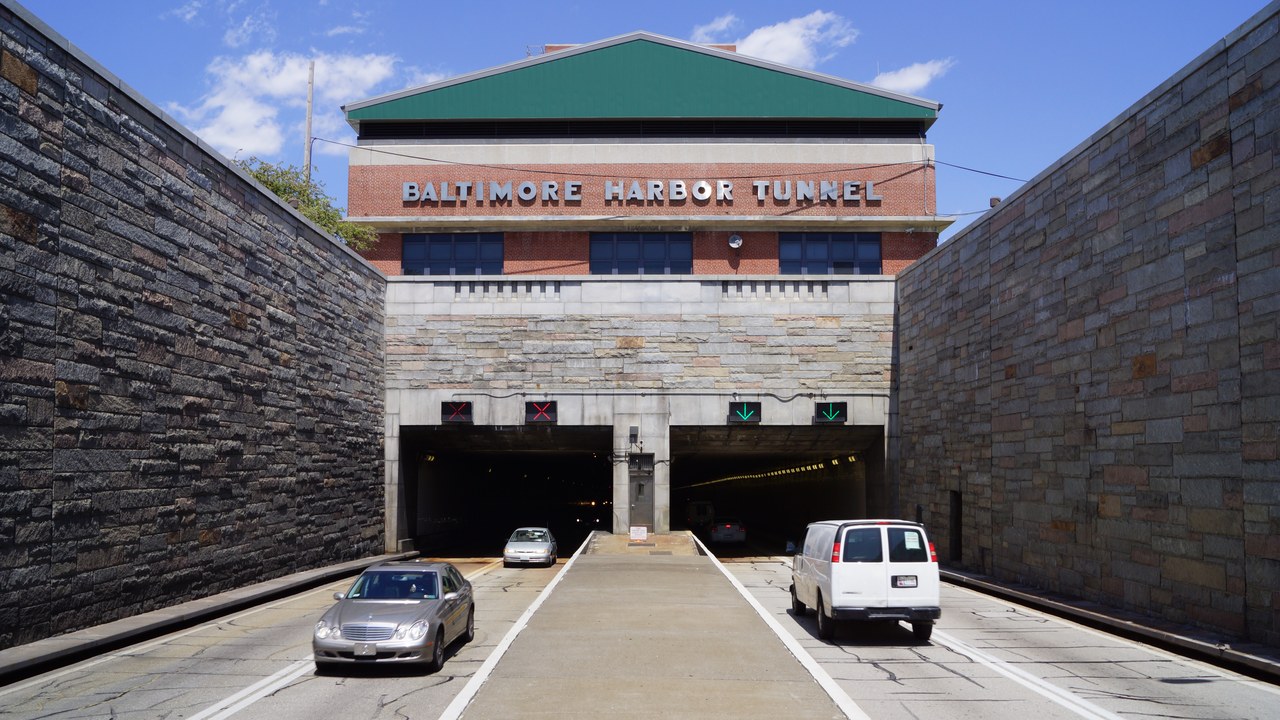
A pair of two-lane tubes make up the Baltimore Harbor Tunnel, each 7,650 feet, or 1.45 miles, long. They stretch from the south shore of the Patapsco River to the north shore near Dundalk.
The tunnel is built as twin tubes, each carrying two lanes, which is the arrangement behind its length figure. The 1.45-mile measure is for the pair of tunnels as given, running shore to shore under the river. The length applies to each tube in the pair.
8. Fort McHenry Tunnel: Widest of Its Kind
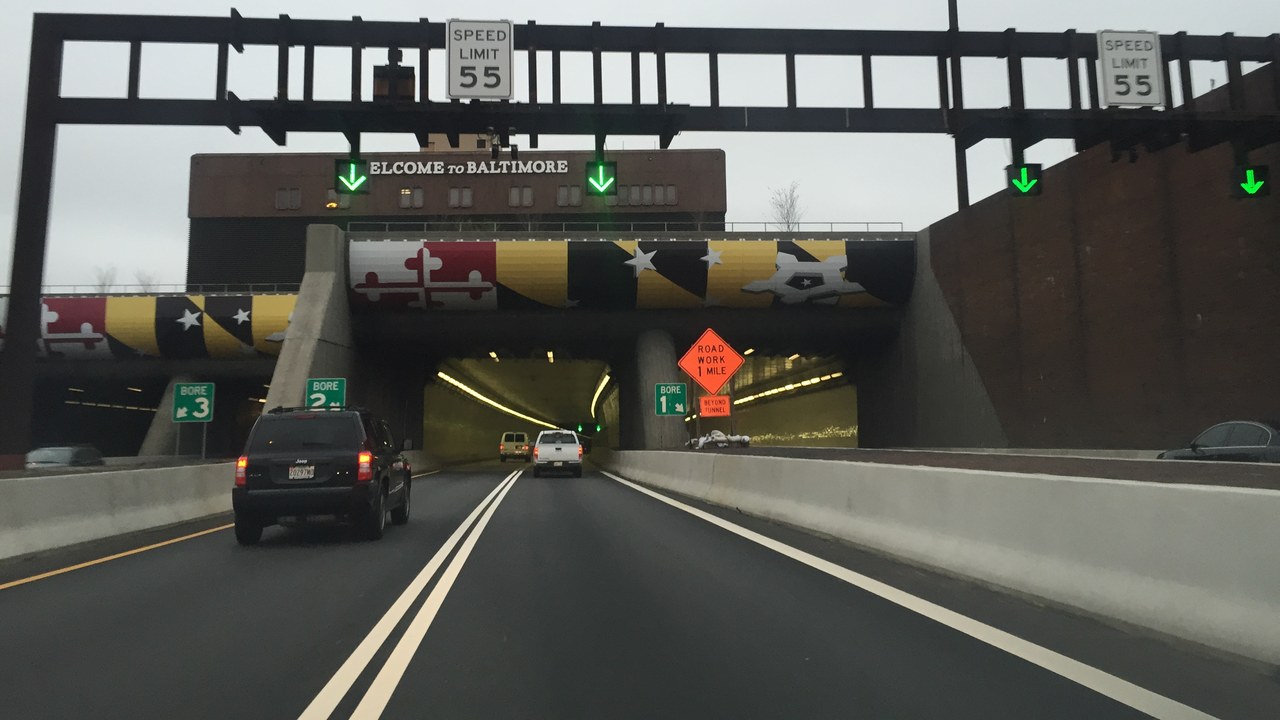
When it opened in November 1985, the Fort McHenry Tunnel was the largest underwater highway tunnel in the world, according to the Maryland Transportation Authority, and the widest vehicular tunnel built by the immersed tube method. It carries eight lanes and is nearly 1.4 miles long.
Those superlatives describe the tunnel at its opening, so they are best read as historical distinctions. The eight lanes and the length of nearly 1.4 miles remain the practical measures of the tunnel’s scale.
9. Brooklyn-Battery Tunnel: Formerly Brooklyn-Battery
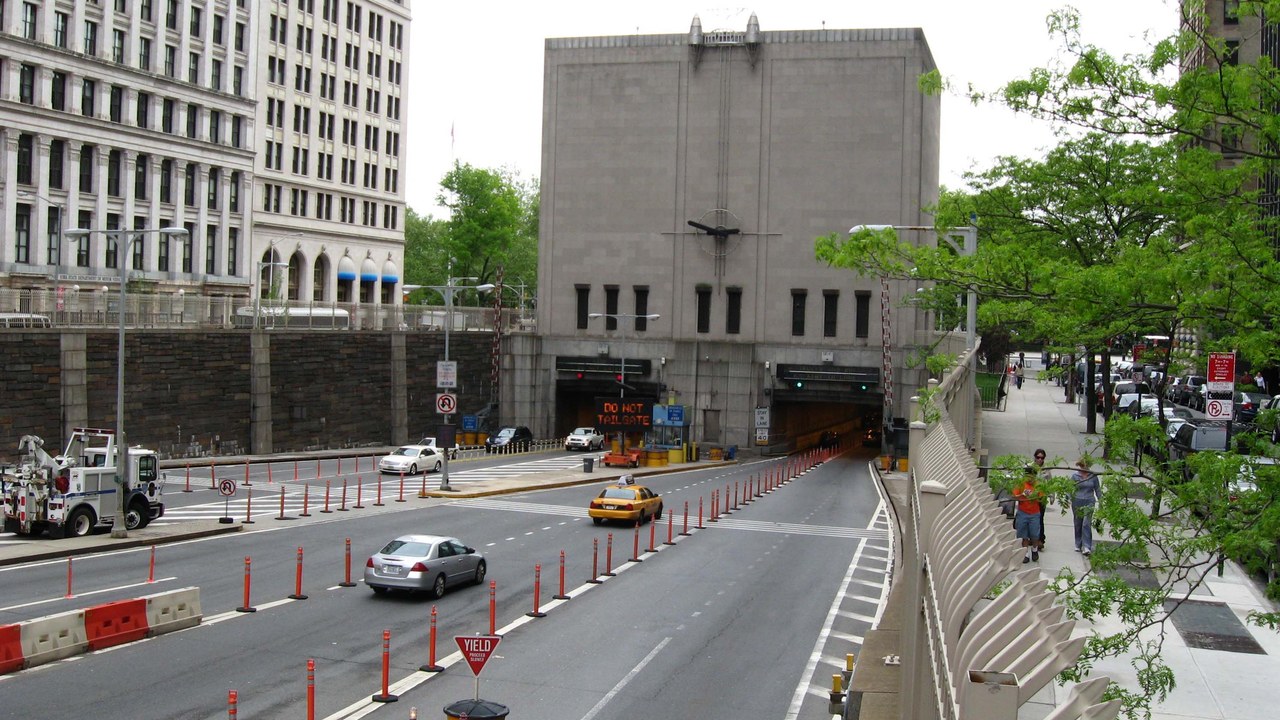
Opened in 1950, the tunnel now called the Hugh L. Carey Tunnel was the longest continuous underwater vehicular tunnel in North America, the MTA states. It was formerly known as the Brooklyn-Battery Tunnel, which is the name that appears in many older references.
The distinction is stated for its opening year of 1950 and is not a current ranking. The change of name is the practical point, since the same crossing appears in older references under the Brooklyn-Battery title.
10. Queens-Midtown Tunnel: Slightly Uneven Tubes
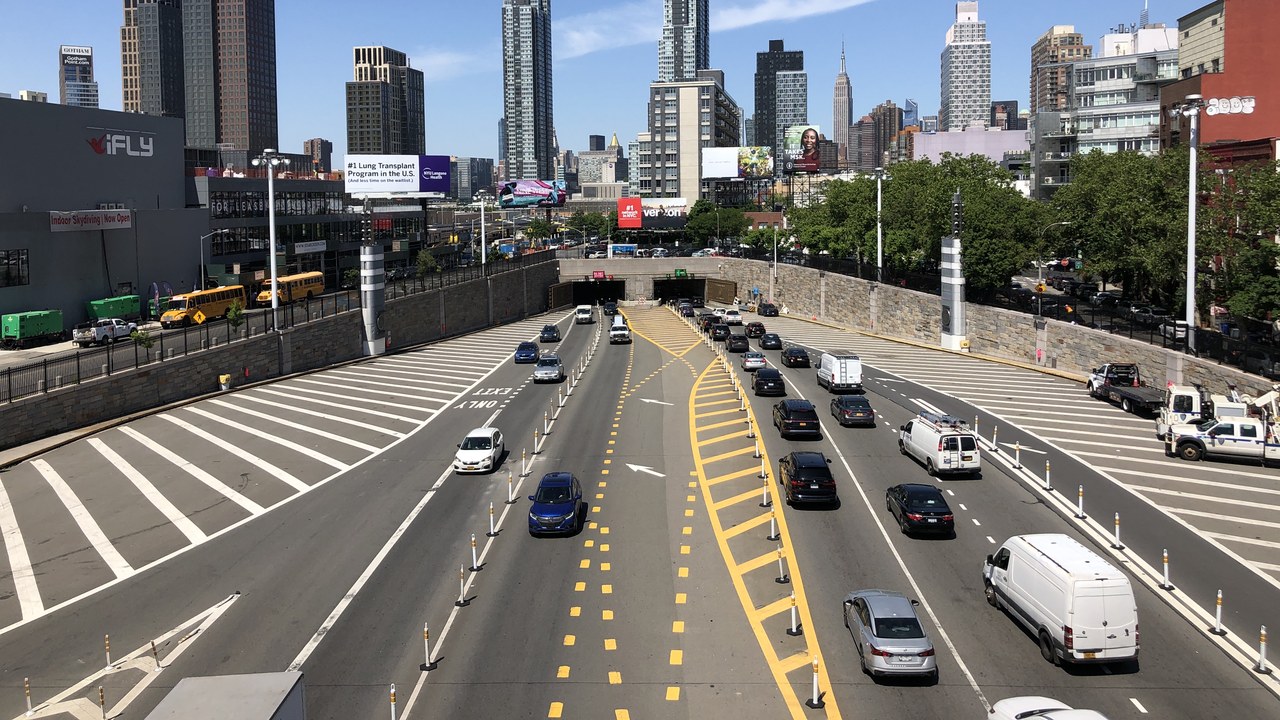
The Queens-Midtown Tunnel’s northern tube runs 6,414 feet, or 1,955 meters, which is slightly longer than the 6,272-foot, or 1,912-meter, southern tube. Both are given as separate figures in the tunnel’s Wikipedia entry, with the northern tube the longer of the two.
The tunnel therefore has no single length, only a separate length for each tube, and the difference between them is small. Any comparison with other crossings on this list is best made using the matching tube, northern or southern, and not a loose average.
11. Zion-Mount Carmel Tunnel: Built for Lighter Vehicles
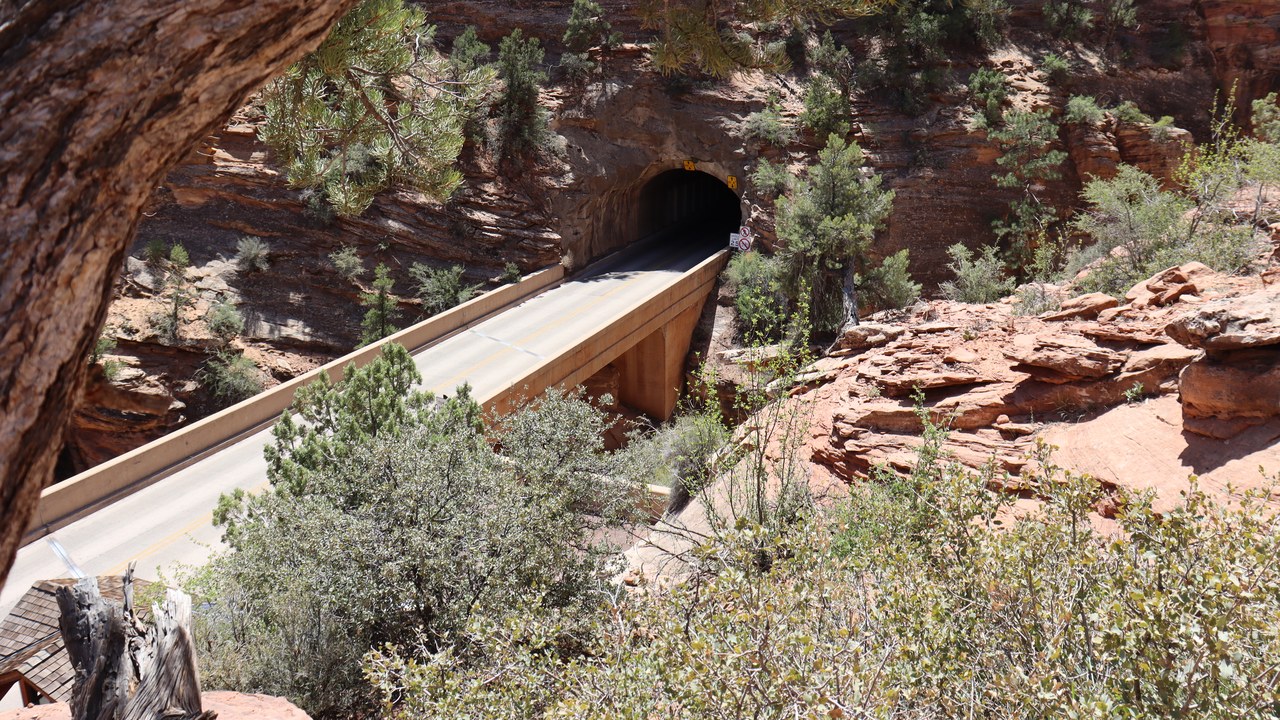
Completed in 1930, the Zion-Mount Carmel Highway is listed on the National Register of Historic Places and is a Historic Civil Engineering Landmark. The National Park Service notes that it was engineered for smaller, lighter vehicles.
That design basis is the caveat for anyone planning a visit, since the passage dates to 1930 and was built around vehicles smaller and lighter than many of those on the road today. The historic designations are the reason the structure is treated as a landmark.
12. Hampton Roads Bridge-Tunnel: Dropping Beneath a Channel
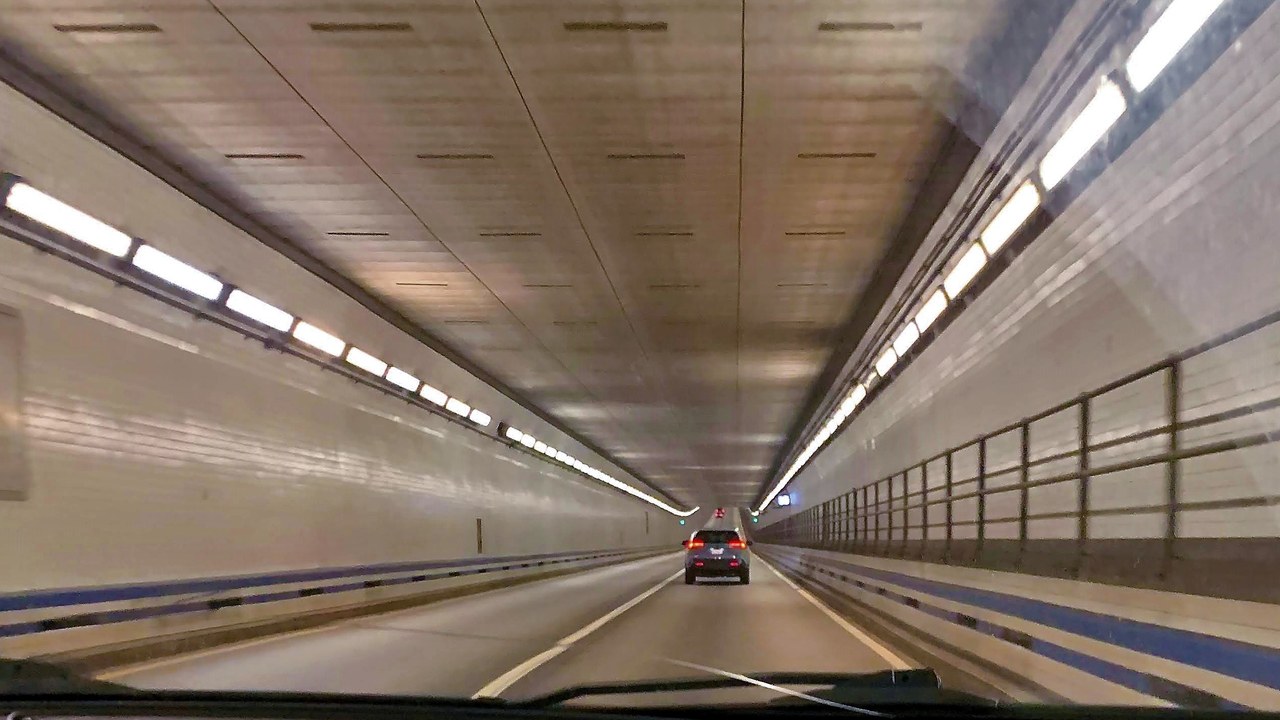
The Hampton Roads Bridge-Tunnel is a 3.5-mile crossing carrying Interstate 64 and Route 60. Its tunnel portion passes beneath a channel 50 to 60 feet deep and 1.5 miles wide.
The 3.5-mile length covers the whole bridge-tunnel crossing and not the tunnel segment alone, as the name itself indicates. Part of the route is therefore on a bridge, and the underwater portion is only the section that dives beneath the channel. The channel’s depth and width are the figures given for that stretch.
More from Morning Overview
- Herbal supplements are landing Americans in the hospital with liver damage, doctors warn
- General Motors is switching on cameras that record inside your vehicle by update
- A geomagnetic storm is forecast to hit Earth today, pushing the northern lights unusually far south
- A recalled pill hid a stimulant dose linked to heart attacks and death
