
School bus fleets draw on a handful of manufacturers whose designs have stayed in production for decades. Several of those makers’ lines have ended, while others keep evolving through new generations. Here are nine yellow school buses that show how those makers and designs fit together.
1. Blue Bird All American: Longest-Running Line
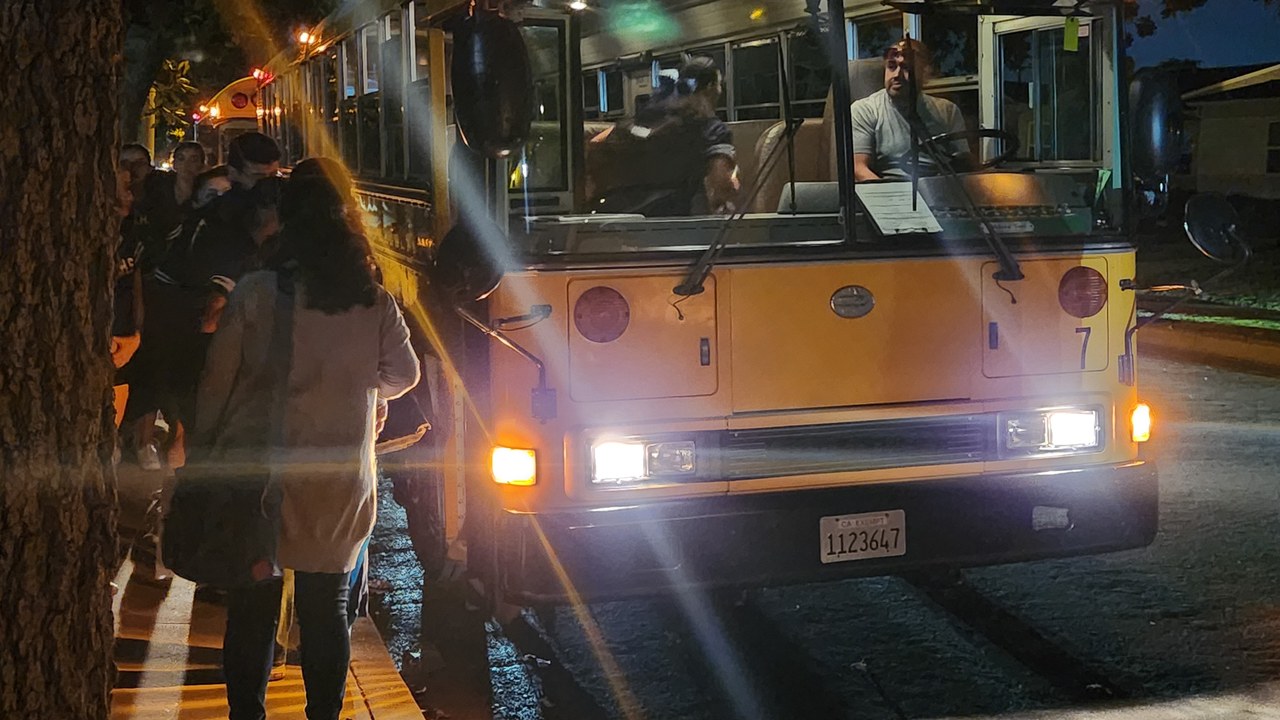
In production since 1949, the All American model line is the longest-assembled commercial vehicle line in the world. It is currently in its sixth generation, which was introduced for 2014.
A line assembled from 1949 through a sixth generation shows how often a basic school bus layout is refined rather than replaced. The All American is also the transit-style bus alongside which Blue Bird later introduced the TC/2000 as a second range, so it anchors the maker’s whole transit-style family. The sixth-generation label also marks the model as one that has been redesigned several times while staying in production.
2. Blue Bird Vision: First of Its Kind
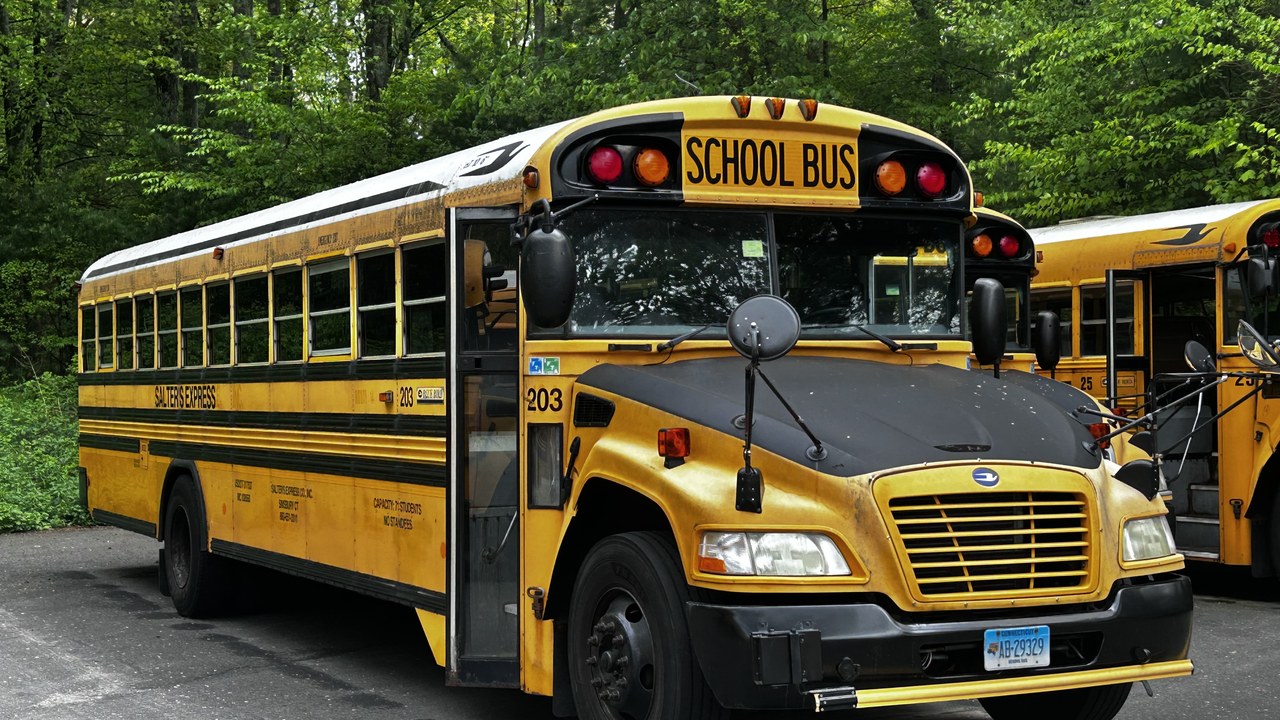
Launched in 2003, the Vision became the first cowled-chassis bus built on a proprietary chassis designed and manufactured by the same company. The milestone belongs to Blue Bird and is tied to the chassis and not to the body.
The distinction is about who makes the chassis. The same company designed and built the chassis underneath the bus, instead of adapting one from another maker. The Vision has been in production since 2003, the same year the TC/2000 ended, so one Blue Bird range closed as the next began. That overlap places the Vision’s launch at the moment the TC/2000 left production.
3. Blue Bird TC/2000: Second Transit-Style Range
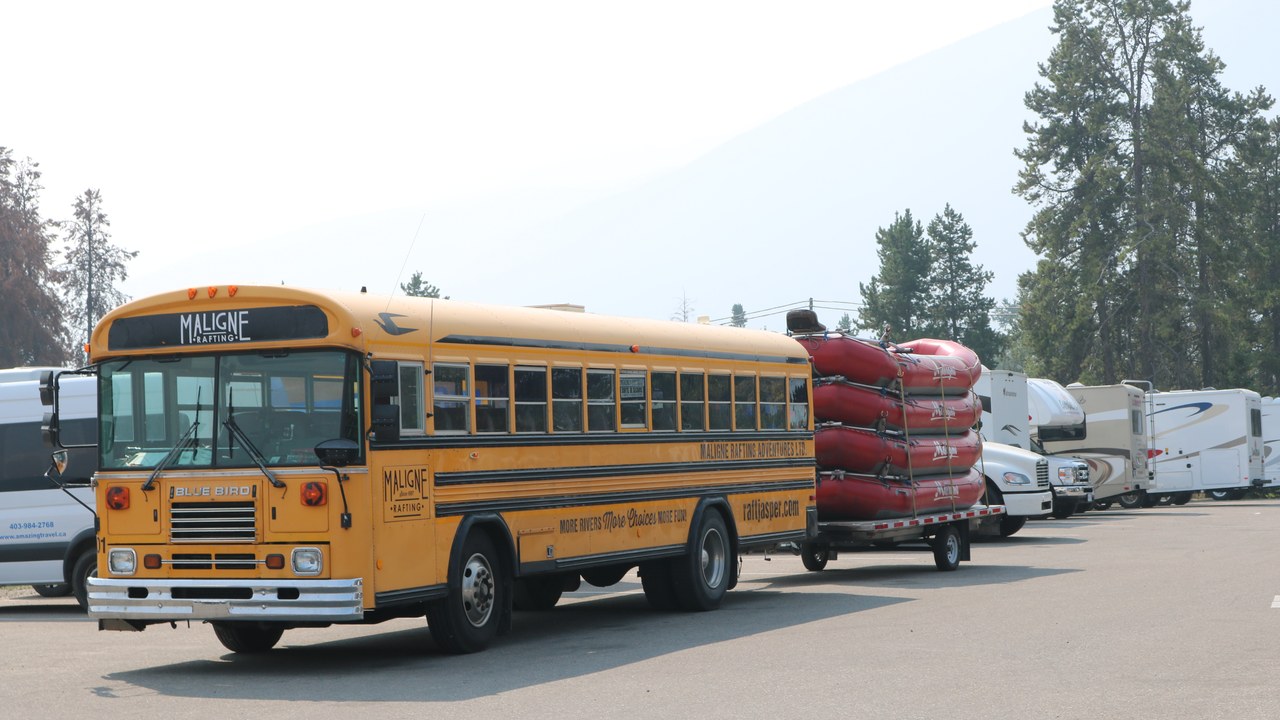
Blue Bird built the TC/2000 line from 1987 to 2003, when the maker was still called the Blue Bird Body Company. It was introduced as a second transit-style product range alongside the All American.
The TC/2000 was produced in both front-engine and rear-engine layouts, so a single model name covered two different engine placements. Production ended in 2003, a run of sixteen years that closed in the same year the Vision entered production. The dates alone show a range that overlapped the All American for its entire run. A 1987 start also means the TC/2000 arrived thirty-eight years after the All American’s 1949 debut.
4. Crown Supercoach: The West Coast Bus
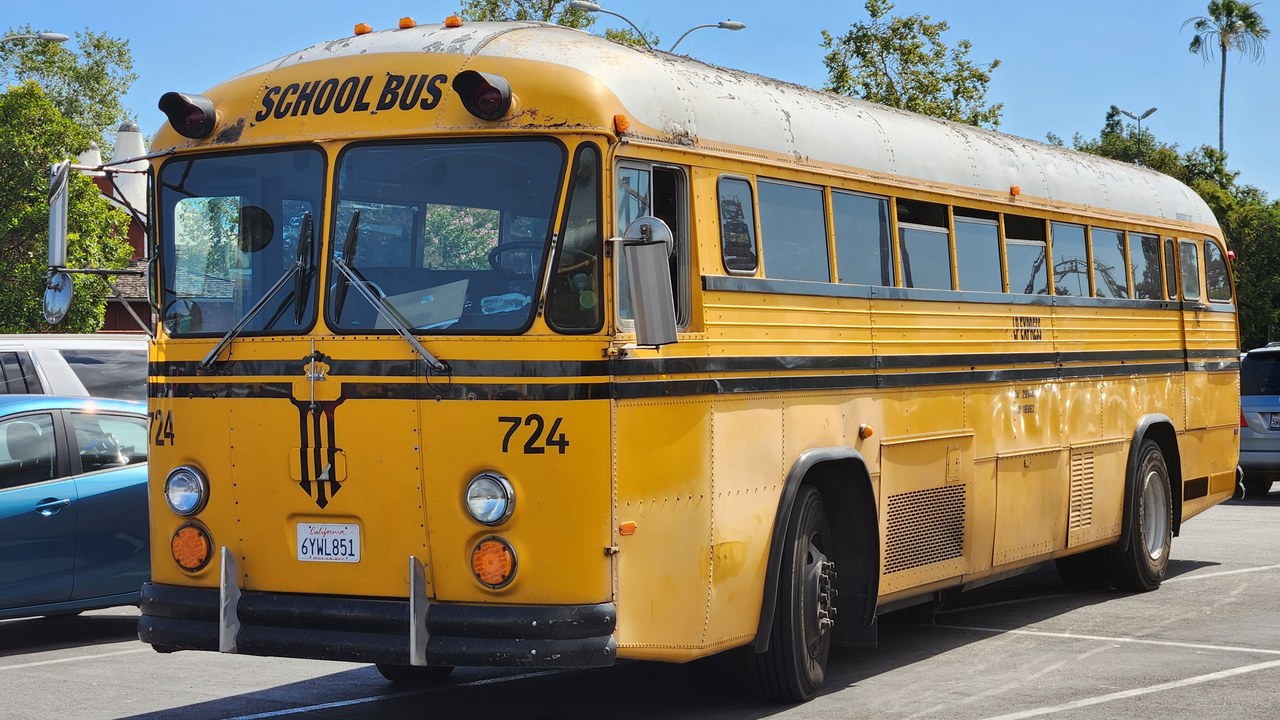
Crown Coach Corporation built the Supercoach from 1948 to 1991, and it became the West Coast school bus. The bus was manufactured and marketed by Crown itself across that entire stretch.
The 1948 to 1991 run covers 43 years of production. The West Coast label ties the bus to one region and not the whole country. Its run was shorter than the All American’s, which began in 1949 and is still being built, yet the Supercoach started a year earlier than that Blue Bird line and was manufactured and marketed by Crown itself throughout.
5. AmTran: Born of a Bankruptcy
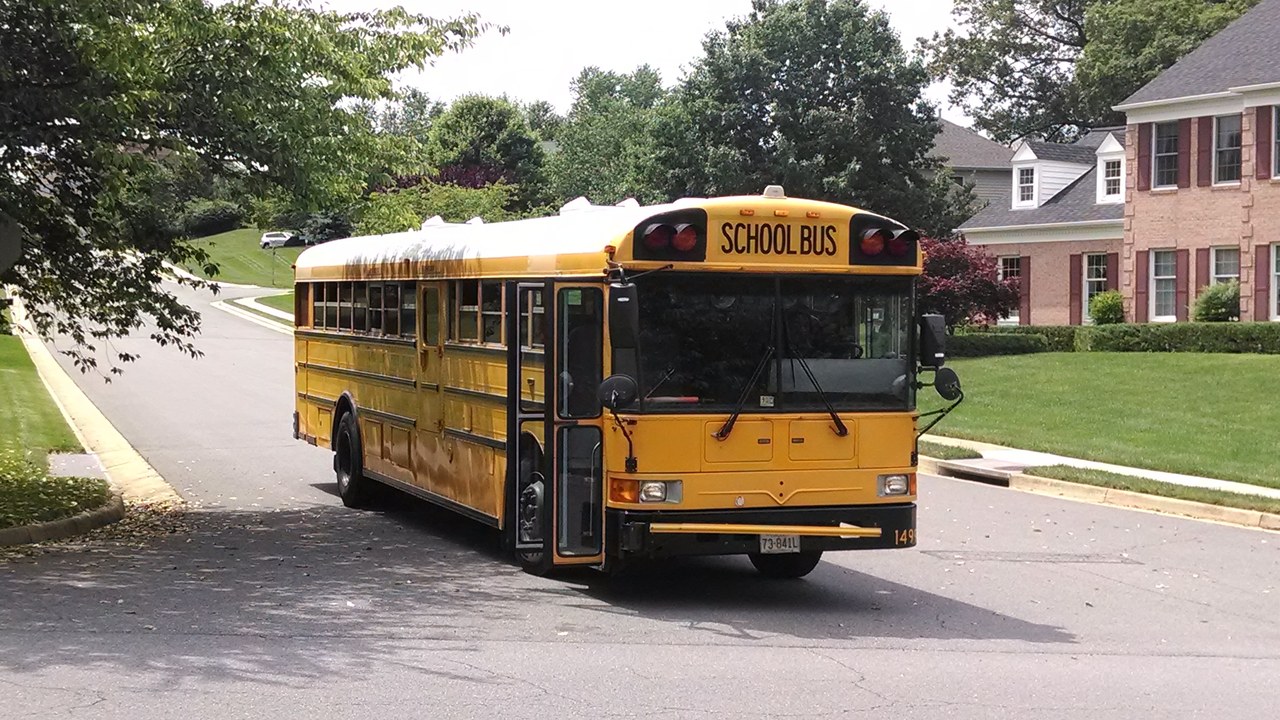
AmTran traced its roots to Ward Body Works, established in 1933. The company was formed in 1980 following the bankruptcy of Ward, in order to continue bus production.
The name therefore marks a handoff and not a clean start, with the Ward bus-building business carried on under a new company. The span from 1933 to 1980 covers 47 years of Ward history before AmTran began. The stated purpose of the new company was to continue bus production, so Ward’s 1933 start is the beginning of the lineage that the 1980 company inherited.
6. Thomas Saf-T-Liner HDX2: A Stronger Shell
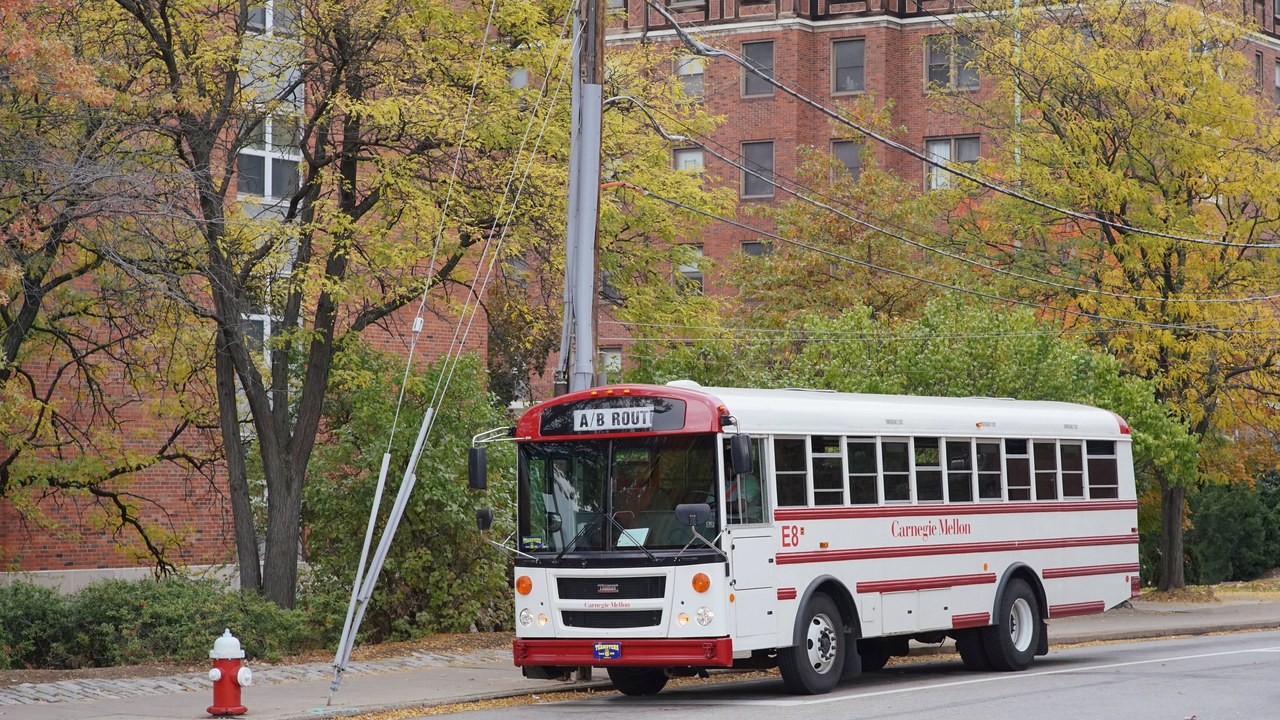
Thomas Built says the Saf-T-Liner HDX2 uses materials, features and manufacturing processes from its Saf-T-Liner C2. The result is a Type D bus that is easier to maintain and built with an even stronger body construction.
The claim comes from the manufacturer, so ‘stronger’ is a marketing comparison and not a measured result. The practical takeaway for a fleet is the shared materials and processes with the C2, which the maker presents as the reason for easier maintenance. As a Type D bus, the HDX2 sits in the same class as the IC RE Series elsewhere on this list.
7. Thomas Minotour: Small Bus, Full Standards
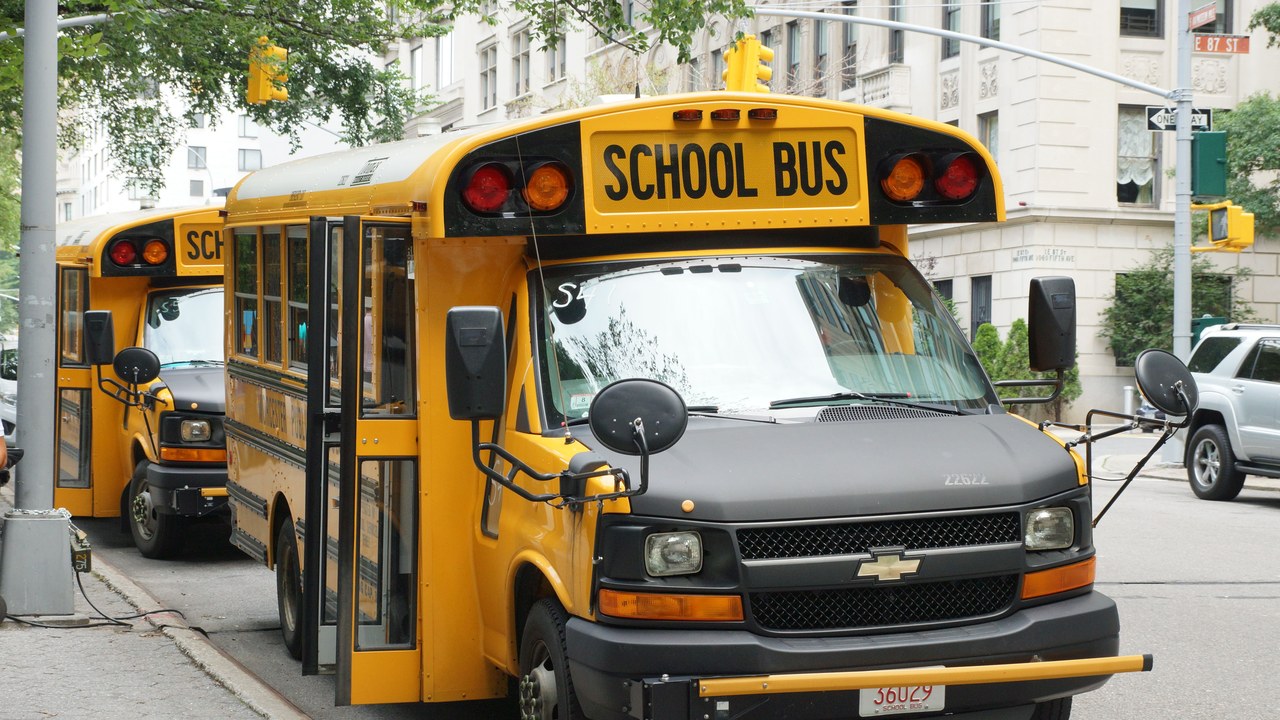
The Minotour is the smallest Thomas bus, and unlike most passenger vans it meets and exceeds all FMVSS and CMVSS standards for school buses. The standards named are both the U.S. and Canadian sets.
The comparison is to passenger vans, most of which do not meet the school bus standards, so a vehicle’s size alone does not settle which rules it was built to. The claim is the manufacturer’s. Because the Minotour is the smallest bus in the Thomas range, it shows the school bus standards reaching the small end of the lineup, while the HDX2 on this list is a full Type D bus.
8. IC Bus CE Series: Up to 83 Passengers
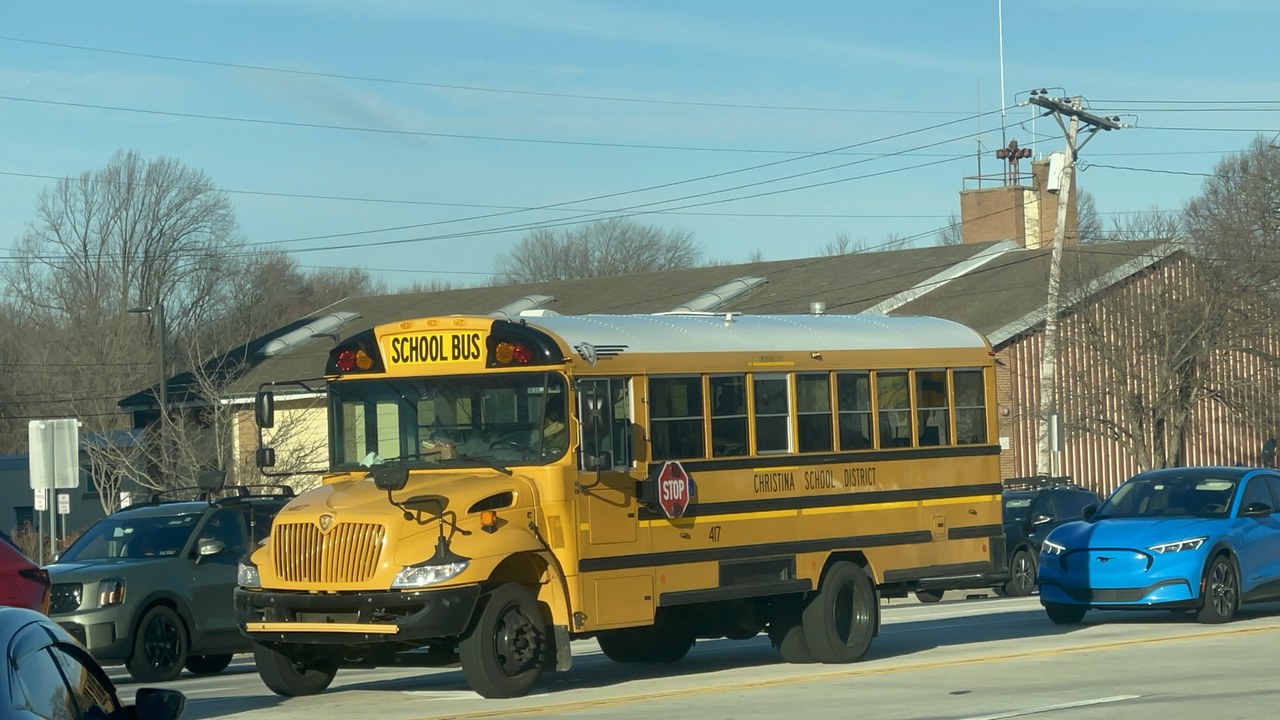
IC Bus lists the CE Series as a Type C school bus carrying up to 83 passengers. That figure is a ceiling for the model and not a fixed seating count.
The number is the top of the range, as ‘up to’ signals, so a specific bus may carry fewer depending on how it is configured. For a district comparing models, capacity is the figure the manufacturer leads with. Type C is the class label for the CE Series, whereas the RE Series on this list is a Type D, as is the Thomas HDX2.
9. IC Bus RE Series: Cummins Power
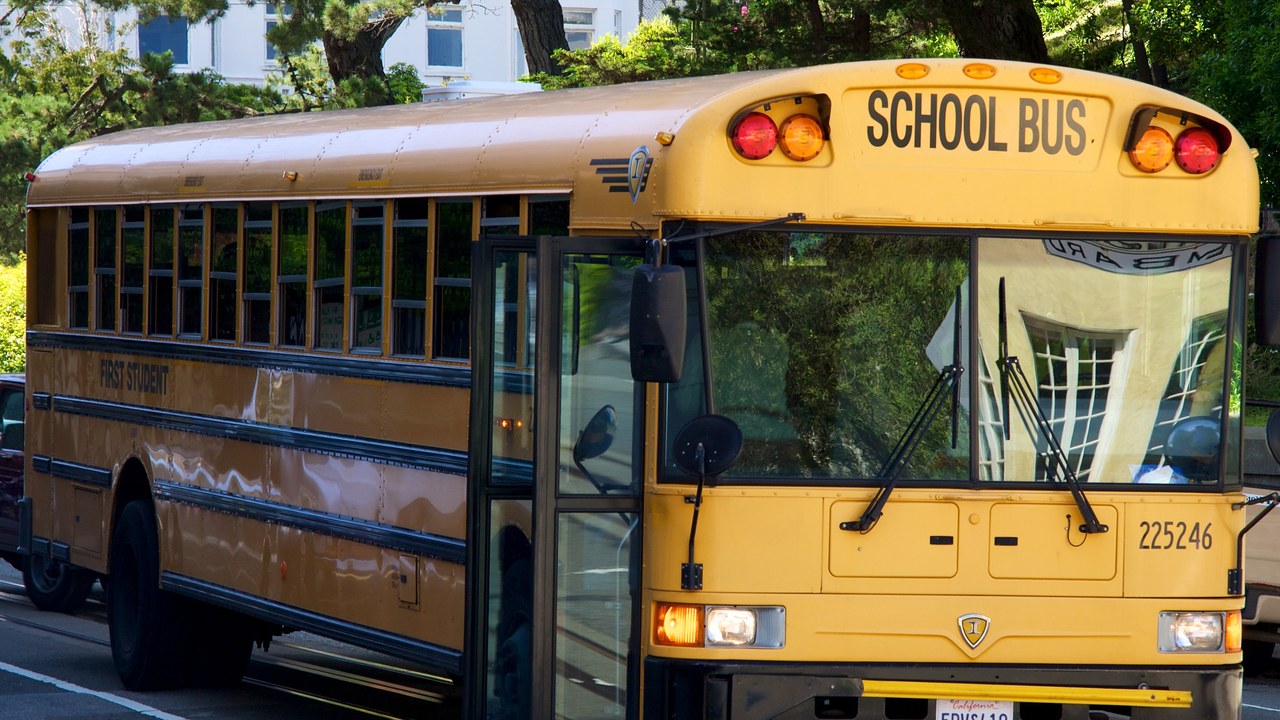
The Type D RE Series offers up to 300 hp and 860 lb-ft of torque from its Cummins L9 engine. IC describes this as industry-leading power and says the L9 has the best power-to-weight ratio in its class.
The class ranking is a manufacturer’s claim. Both figures are stated as up to values, so they describe the maximum output of the engine rating and not what every bus delivers. The L9 is a Cummins engine, so the power figures come from the engine supplier’s unit as installed. As a Type D bus, the RE Series shares its class with the Thomas HDX2 listed earlier.
More from Morning Overview
- A handful of car engines are so tough mechanics say they almost never wear out
- The NSA is again telling phone owners to switch off one location setting
- Supplements now rank as the fifth-leading cause of death from liver disease.
- Herbal supplements are landing Americans in the hospital with liver damage, doctors warn
