
Three-cylinder engines are usually linked with small, frugal cars, yet American showrooms have also carried them in crossovers and a plug-in BMW. The federal ratings below show how the layout has appeared across decades and price points. Here are twelve cars sold in America with just three cylinders.
1. Honda Insight: Original Insight
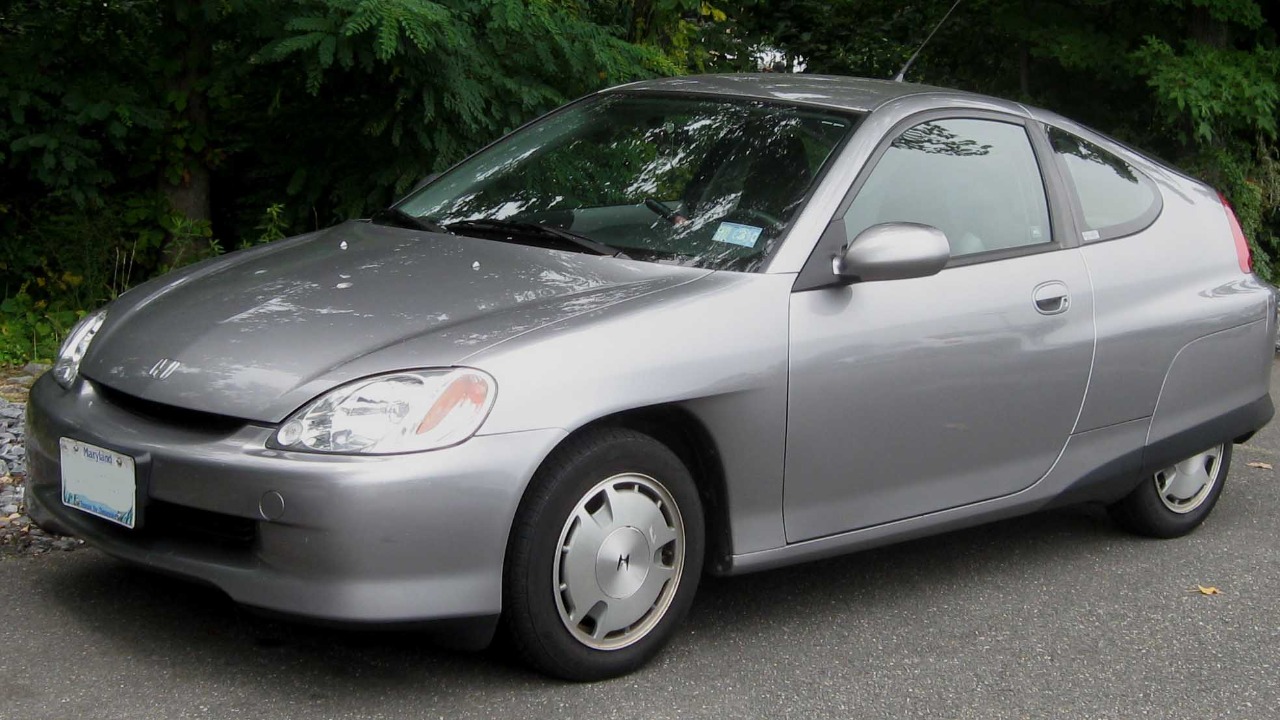
Honda’s first Insight used a 1.0-litre three-cylinder, and 2000 Honda Insight sheet lists 53 mpg combined, 49 city and 61 highway. The five-speed manual car ran on regular gasoline and consumed 1.9 gal/100mi.
Both the combined and highway figures are the highest in the gallery, and the 49 mpg city rating is higher than the combined number of any other car here. The listing carries a caution that estimates for 2016 and older vehicles may have been revised.
2. Geo Metro: Metro XFI
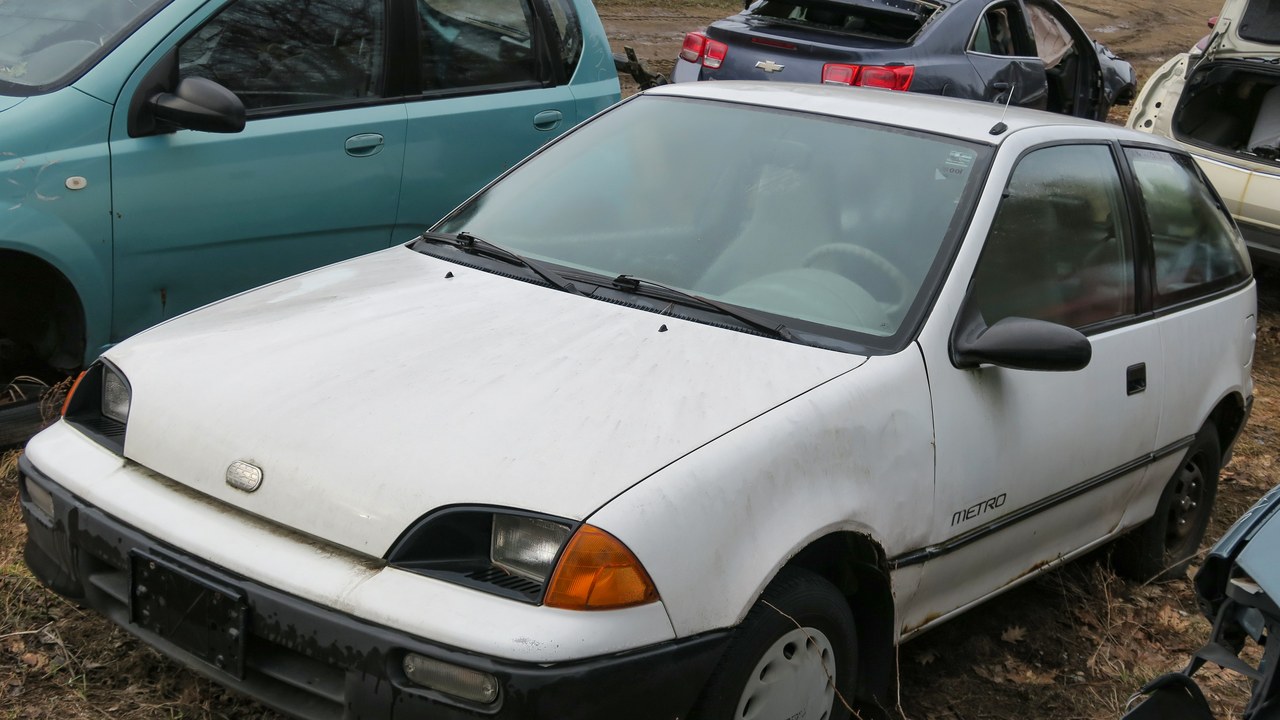
The Geo Metro XFI used a 1.0-litre three and a five-speed manual, and 1994 Metro XFI figures rates it at 47 mpg combined, 43 city and 52 highway on regular gasoline.
That puts consumption at 2.1 gal/100mi, only slightly higher than the Insight’s 1.9. The listing carries the same note that estimates for 2016 and older vehicles may have been revised, so the figures reflect the testing method in use when the car was sold.
3. Mitsubishi Mirage: Twelve-Ninety-Five
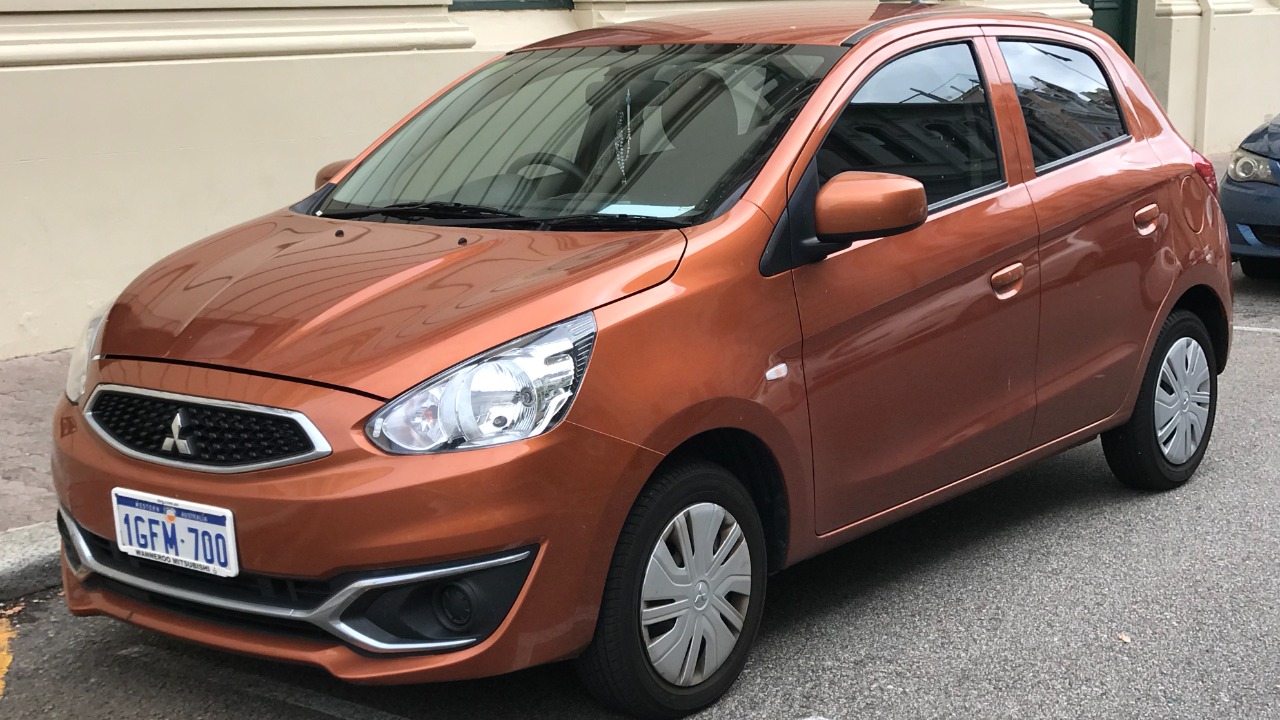
With a 1.2-litre three-cylinder and an automatic with variable gear ratios, the Mitsubishi is rated at 2014 Mirage ratings of 39 mpg combined, 36 city and 42 highway. The 2014 sticker ran from $12,995 to $15,195.
That entry price is the lowest on this list. The listing shows 2.6 gal/100mi and a 359-mile total range, so the Mirage pairs a very low price with moderate consumption and a modest distance between fill-ups.
4. Smart Fortwo: Premium For Small
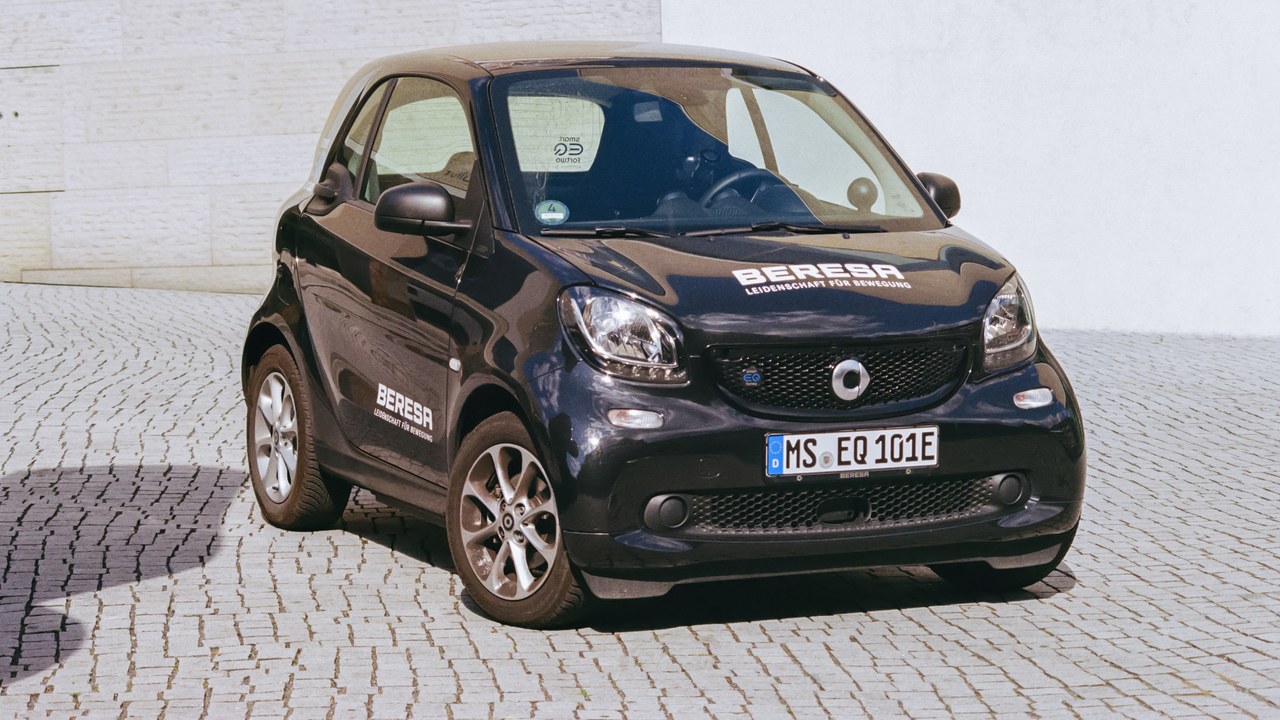
The 2008 smart fortwo convertible pairs a 1.0-litre three with a five-speed automatic, and 2008 fortwo convertible listing gives it 36 mpg combined, 33 city and 41 highway. The EPA entry lists premium gasoline as the fuel.
Premium fuel is an added running cost for such a small car, and the listing shows a 313-mile total range, the shortest range figure in this gallery. Consumption is shown at 2.8 gal/100mi, the same as the Ford Fiesta that follows.
5. Ford Fiesta: Turbo Three Arrives
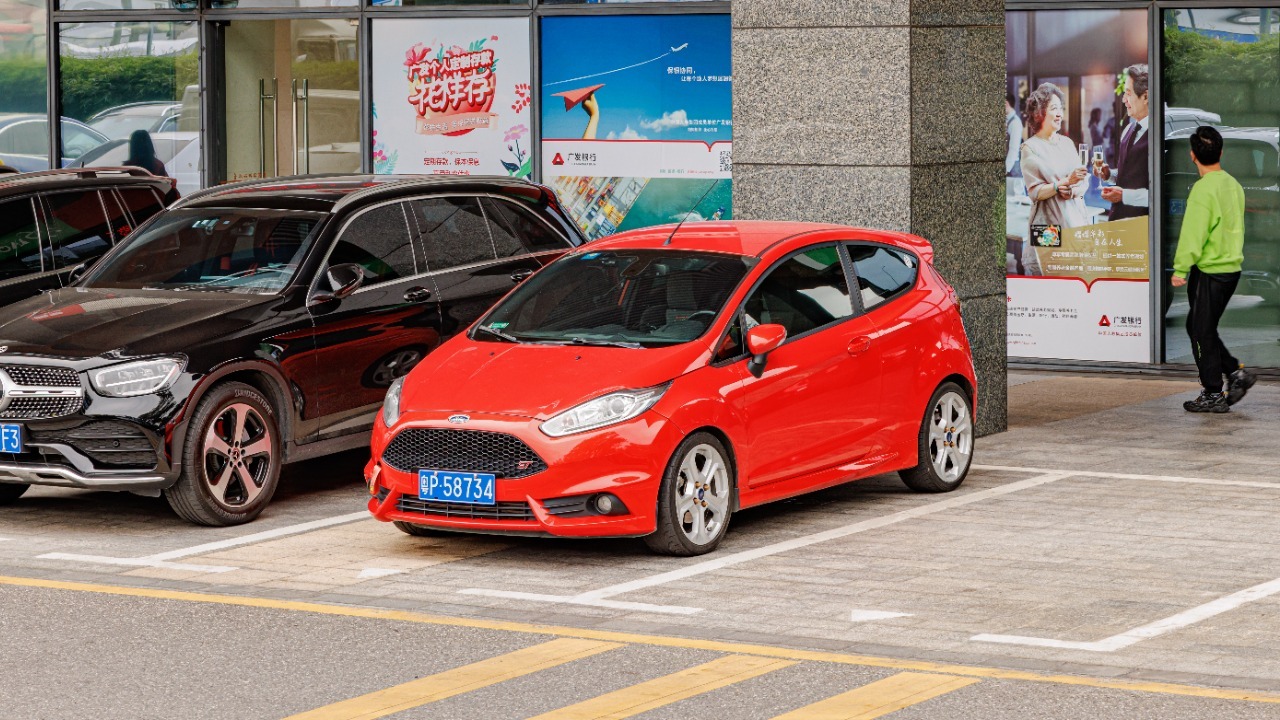
Ford dropped a 1.0-litre turbocharged three-cylinder into the front-drive Fiesta SFE, and 2014 Fiesta SFE page shows 35 mpg combined, 31 city and 41 highway with a five-speed manual on regular gasoline.
The listing shows 2.9 gal/100mi and a 10 mpg gap between city and highway ratings. The same 1.0-litre turbo three reappears in the Focus next, with a six-speed manual in place of the five-speed, so the Fiesta serves as the starting point for that pairing.
6. Ford Focus: Bigger Body, Same Engine
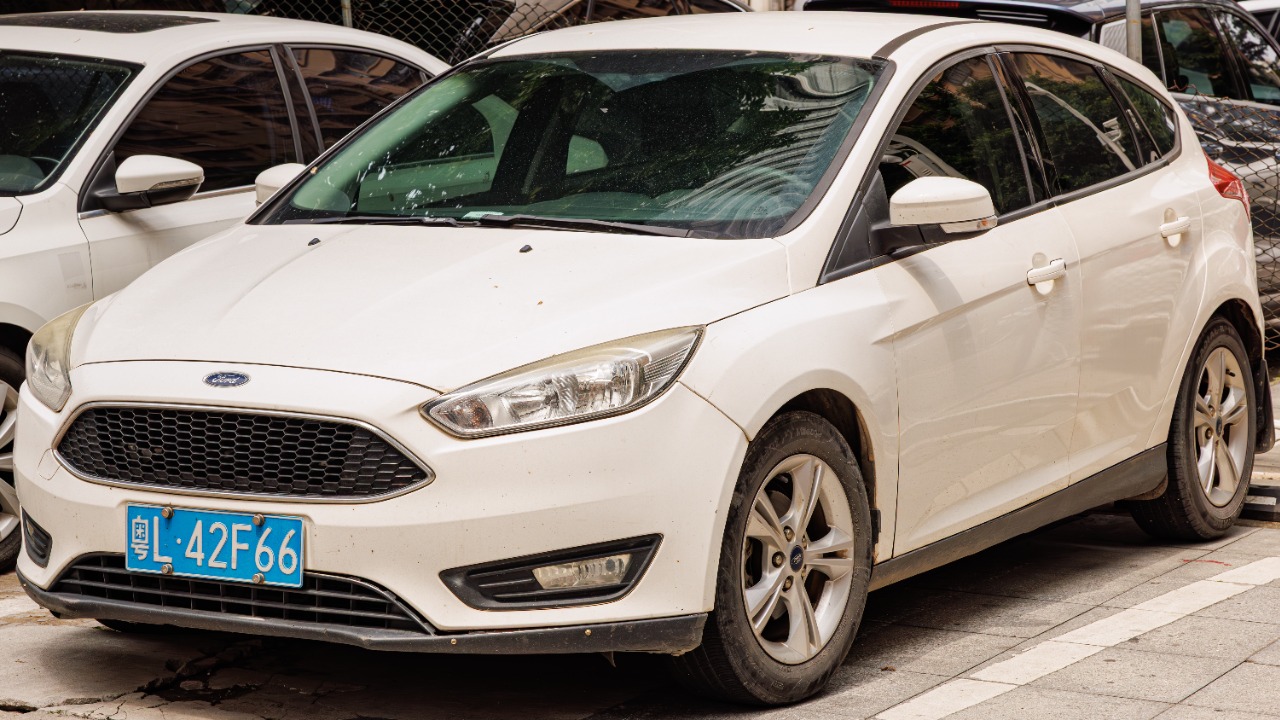
The compact Focus SFE took the same 1.0-litre turbo three, now with a six-speed manual, and 2015 Focus SFE entry lists 34 mpg combined, 30 city and 41 highway. Prices began at $17,170 and reached $24,370.
The highway rating of 41 mpg matches the smaller Fiesta, and the listing shows a 422-mile total range and 2.9 gal/100mi. Moving the engine into the larger Focus cost a single mpg combined, a small penalty for the extra size.
7. Mini Cooper: Three Doors, Turbo
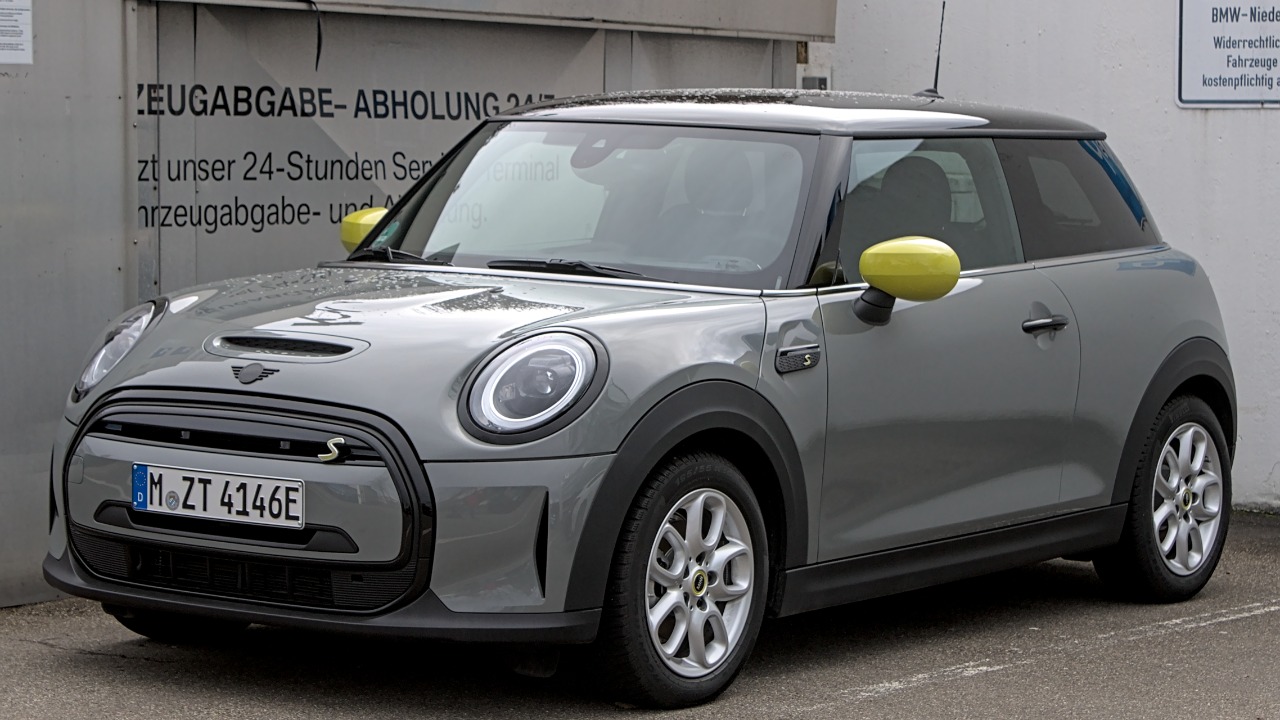
For 2014, the three-door Mini Cooper switched to a 1.5-litre turbo three with a six-speed manual, and 2014 Mini Cooper listing shows 33 mpg combined, 29 city and 39 highway. The EPA entry lists premium gasoline.
The premium requirement adds to running costs, and consumption of 3.0 gal/100mi trails the Ford Fiesta and Focus, both of which run on regular. The listing carries the standard caution that estimates for 2016 and older vehicles may have been revised.
8. Nissan Rogue: Family Crossover

Nissan’s front-drive Rogue uses a 1.5-litre turbo three with an automatic, and 2022 Rogue FWD sheet lists 33 mpg combined, 30 city and 37 highway. Prices ran from $27,150 to $28,840.
The listing shows 3.0 gal/100mi and a 478-mile total range, solid figures for a family crossover on regular gasoline. The engine layout, once found mostly in the smallest cars on this list, appears here in a mainstream model sold at crossover prices.
9. Chevrolet Trax: Small SUV, Small Price
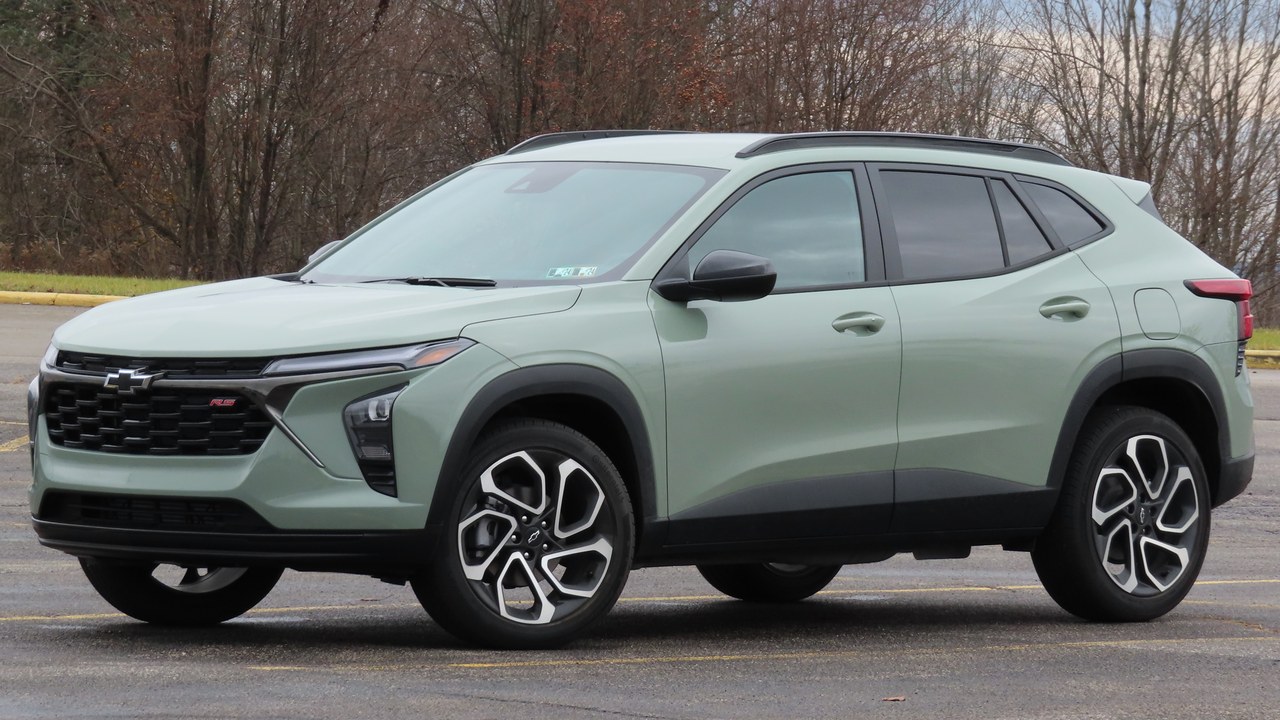
The 2024 Chevrolet Trax pairs a 1.2-litre turbo three with a six-speed automatic, and 2024 Trax listing shows 30 mpg combined, 28 city and 32 highway. It starts at $20,400 and rises to $23,900.
That starting price is the lowest among the crossovers on this list. The four-point gap between city and highway means mileage holds up reasonably well in town, and consumption is listed at 3.3 gal/100mi on regular gasoline.
10. Ford Escape: Escape To Three
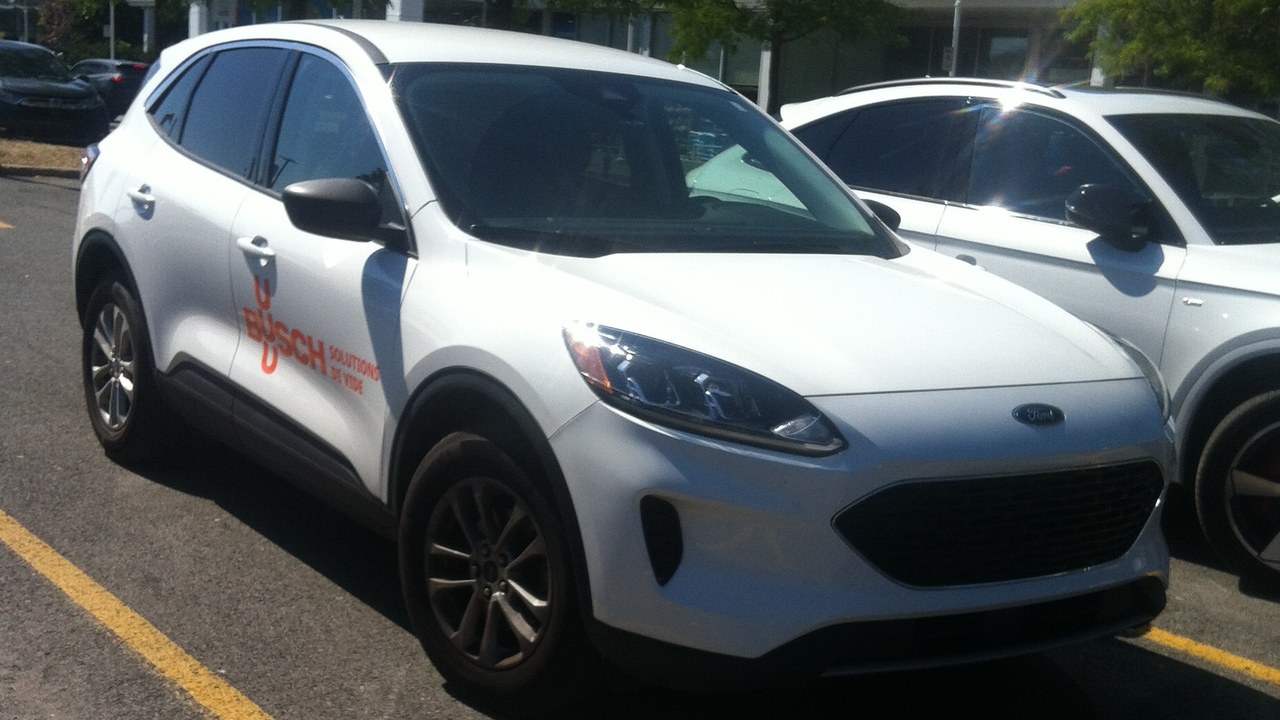
Ford gave the front-drive 2020 Escape a 1.5-litre three-cylinder with an eight-speed automatic, and 2020 Escape FWD page lists 30 mpg combined, 27 city and 33 highway. Pricing began at $24,885 and ran to $29,265.
The Escape matches the Trax’s 30 mpg combined rating but with a six-point gap between its city and highway figures, against the Trax’s four. Consumption is shown at 3.3 gal/100mi, and the engine runs on regular gasoline.
11. BMW i8: Plug-In Three
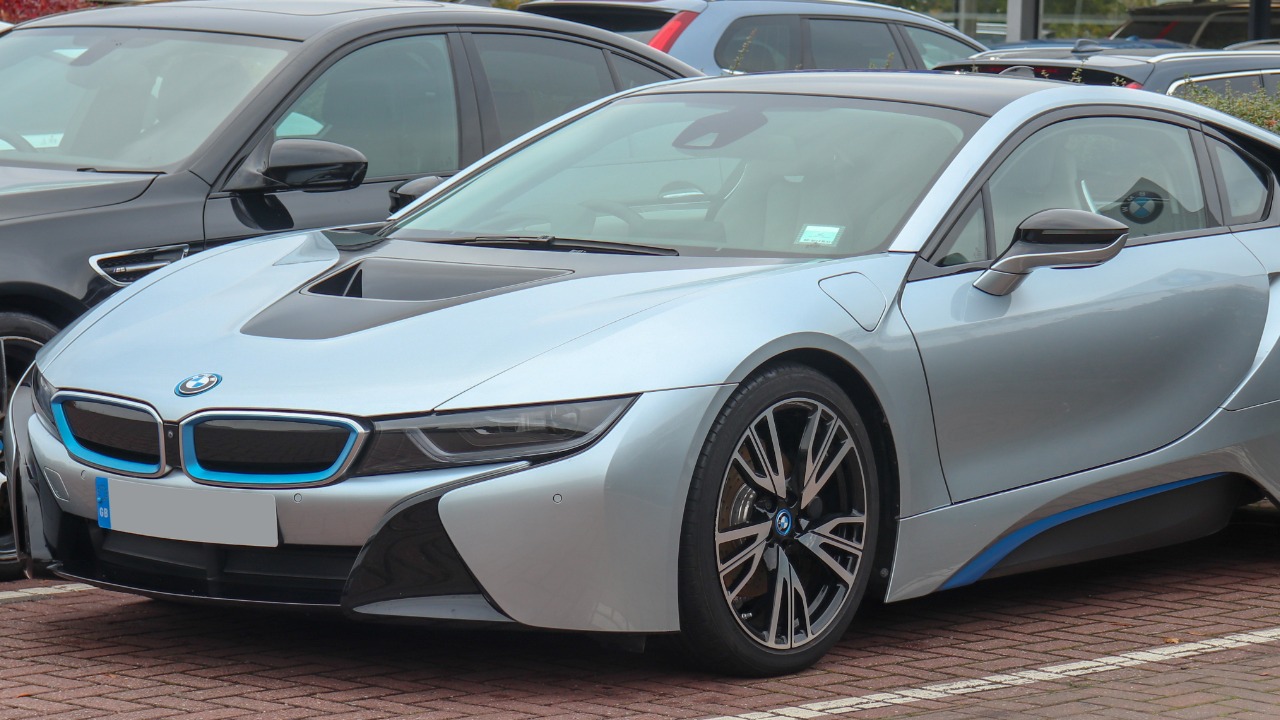
The 2014 BMW i8, priced at $135,700, pairs a 1.5-litre turbo three with a six-speed automatic and plug-in power, and BMW i8’s EPA entry lists 76 MPGe on electricity and 28 mpg on gasoline alone.
The sheet notes that one gallon of gasoline equals 33.7 kWh, which is how MPGe is derived. The $135,700 price is far above any other figure listed in this gallery, and the entry lists premium gasoline.
12. Toyota GR Corolla: Hot Hatch Three
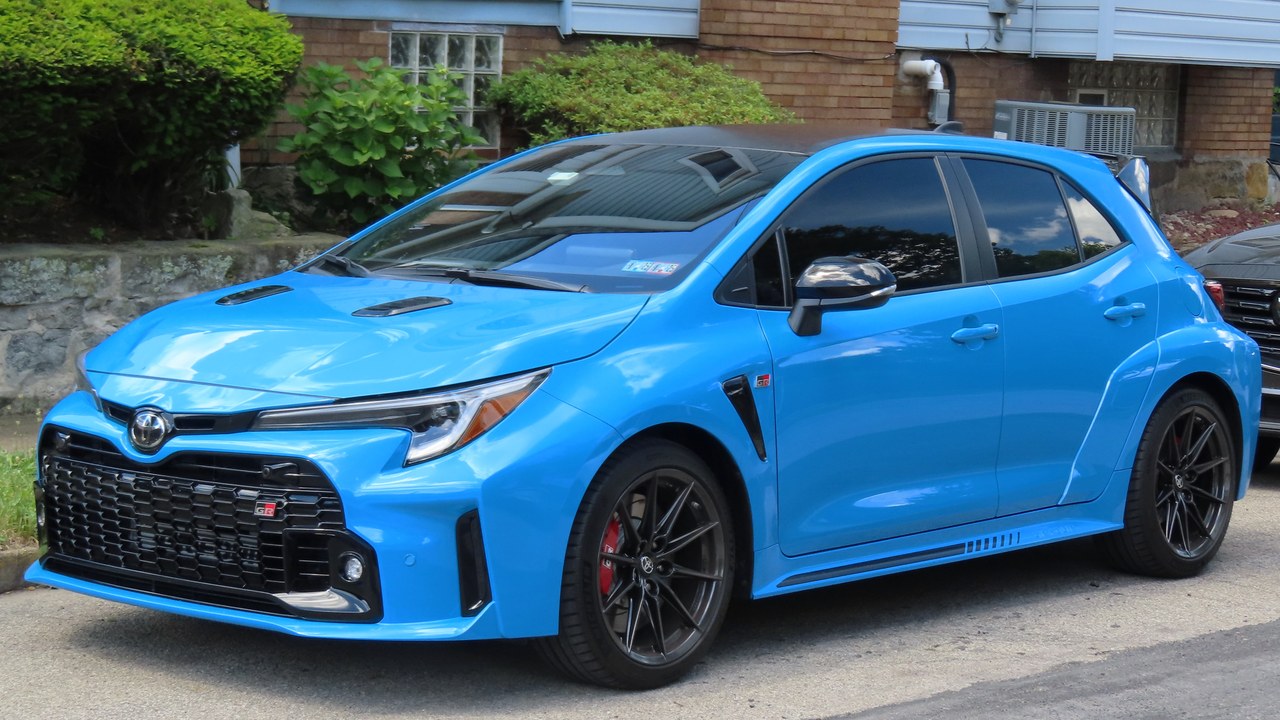
Toyota’s GR Corolla uses a 1.6-litre turbo three with a six-speed manual, and 2023 GR Corolla ratings lists 24 mpg combined, 21 city and 28 highway on premium gasoline. The 2023 MSRP runs from $35,900 to $49,900.
That is the lowest combined rating in the gallery. The 4.2 gal/100mi figure and 317-mile total range show how far this three-cylinder sits from the Insight’s 53 mpg, and premium gasoline adds to the running cost.
More from Morning Overview
- Doctors warn a silent liver disease now affects one in three American adults
- Hackers are hijacking outdated home routers, and the FBI named the models to check
- Older Teslas are wearing out in ways early owners never saw coming
- Early electric-car owners are hitting battery and screen failures no one warned them about
