
Placing the engine behind the driver reshapes everything from cooling to cargo space. American buyers could find that layout in economy sedans, in a Detroit compact, and in sports cars with the engine amidships. Here are twelve cars that did it, each with the detail that earned its spot on the list.
1. Chevrolet Corvair: Detroit’s Air-Cooled Gamble
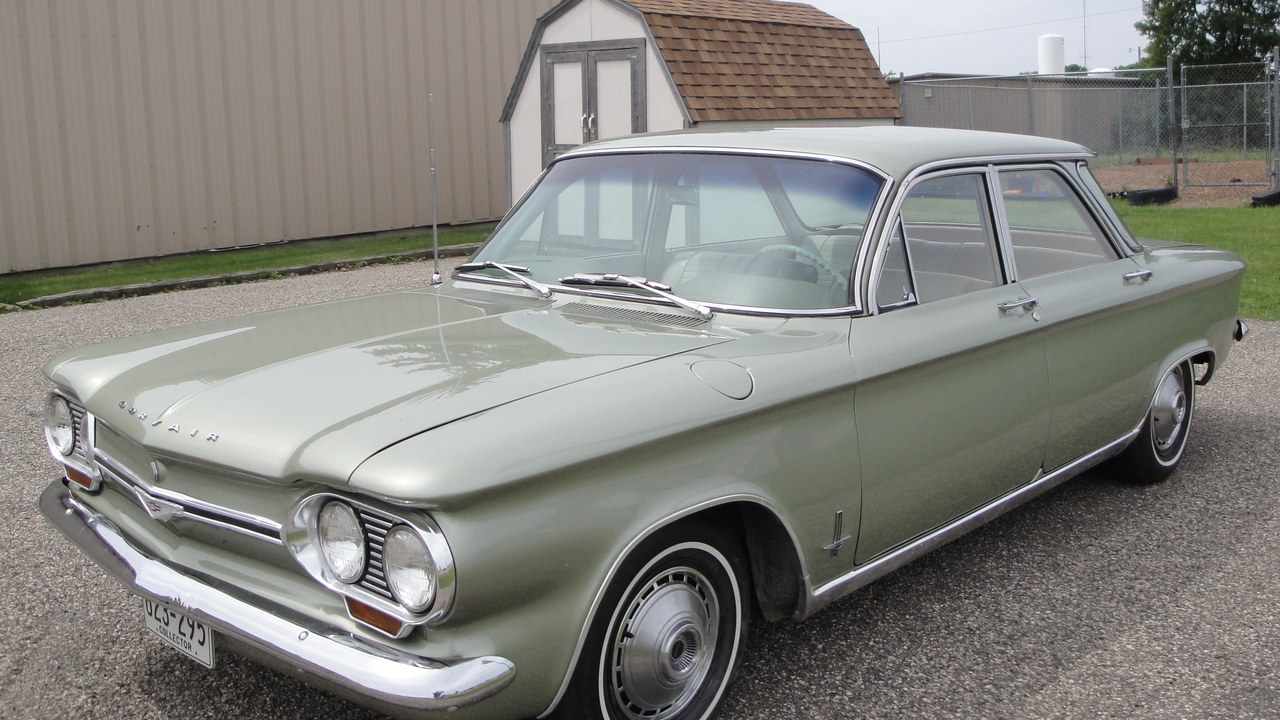
Chevrolet built the rear-engined, air-cooled compact over two generations, from the 1960 through 1969 model years. That ten-model-year run made it Detroit’s own rear-engine experiment rather than an import’s.
For anyone sorting rear-engine cars by origin, the Corvair is the domestic entry. Air cooling meant no radiator or coolant plumbing, so the whole drivetrain sat behind the passengers, a layout that shaped where the compact carried its weight. The compact’s two generations, spanning 1960 through 1969, mark the full length of the experiment, and Chevrolet marketed it as a compact car throughout.
2. Volkswagen Beetle: The Platform Record
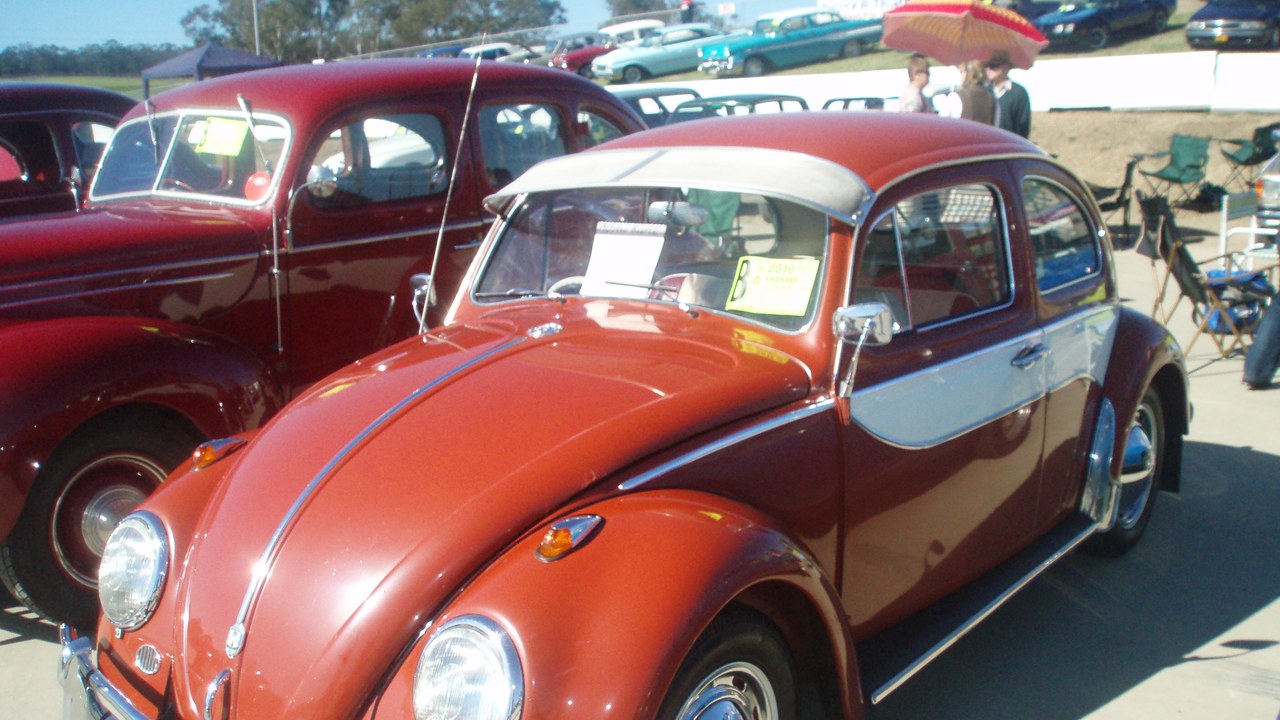
With 21.5 million units produced over twenty locations worldwide, the Beetle is the best-selling single platform in history. It also ranks as the second best-selling car nameplate of the 20th century, and every one of them carried its engine in the back.
For American buyers, the Beetle is the benchmark for the whole rear-engine idea. No other single platform has outsold it, which makes the layout less a curiosity than the foundation of one of the most produced cars ever built. The twenty-plus production locations reflect how widely the car was built.
3. Volkswagen Type 2: Last of the Rear-Engine VWs
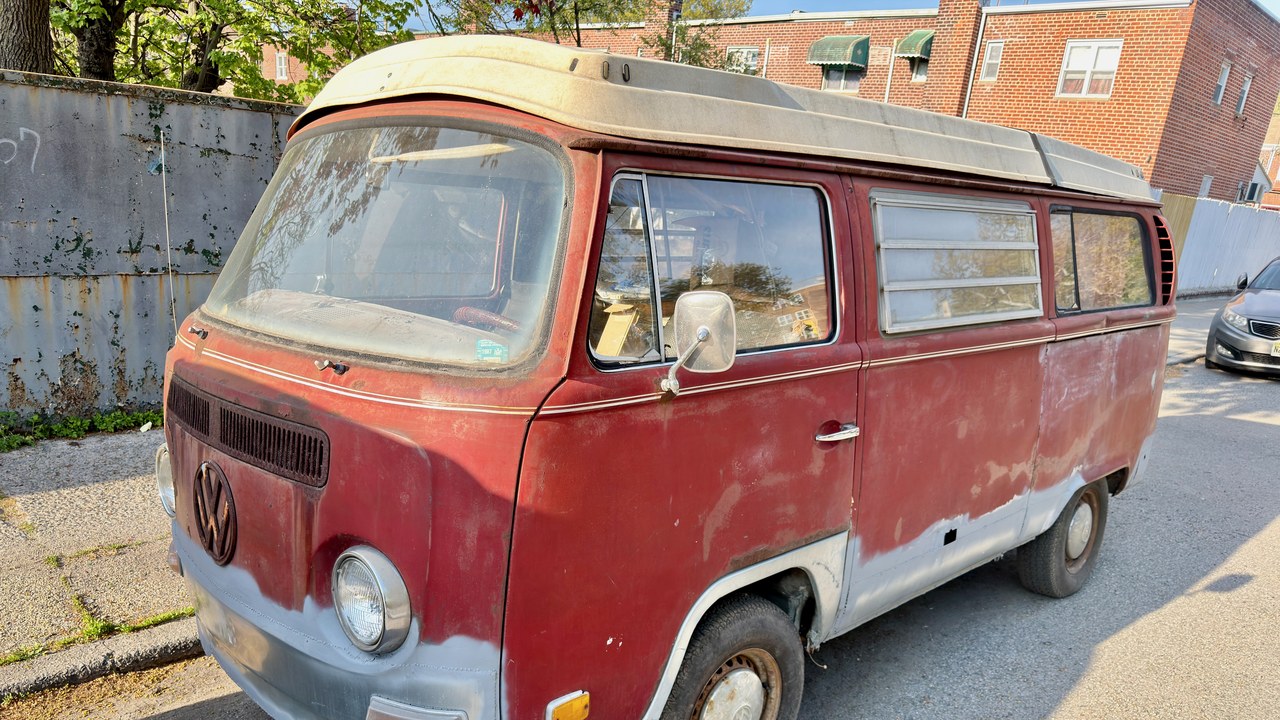
Production of the line ending marked the end of an era for rear-engine Volkswagens, one that originated in 1935 with the Type 1 prototypes. Its Wikipedia entry dates that close to the 2002 termination of the T3 successor in South Africa.
For owners and enthusiasts, the bus therefore sits near the end of a long chain of Volkswagens with the engine behind the passengers, a chain that stretched from 1935 prototypes to 2002 and that the Type 2 helped carry for a generation.
4. Volkswagen Karmann Ghia: Grilles That Fed the Cabin
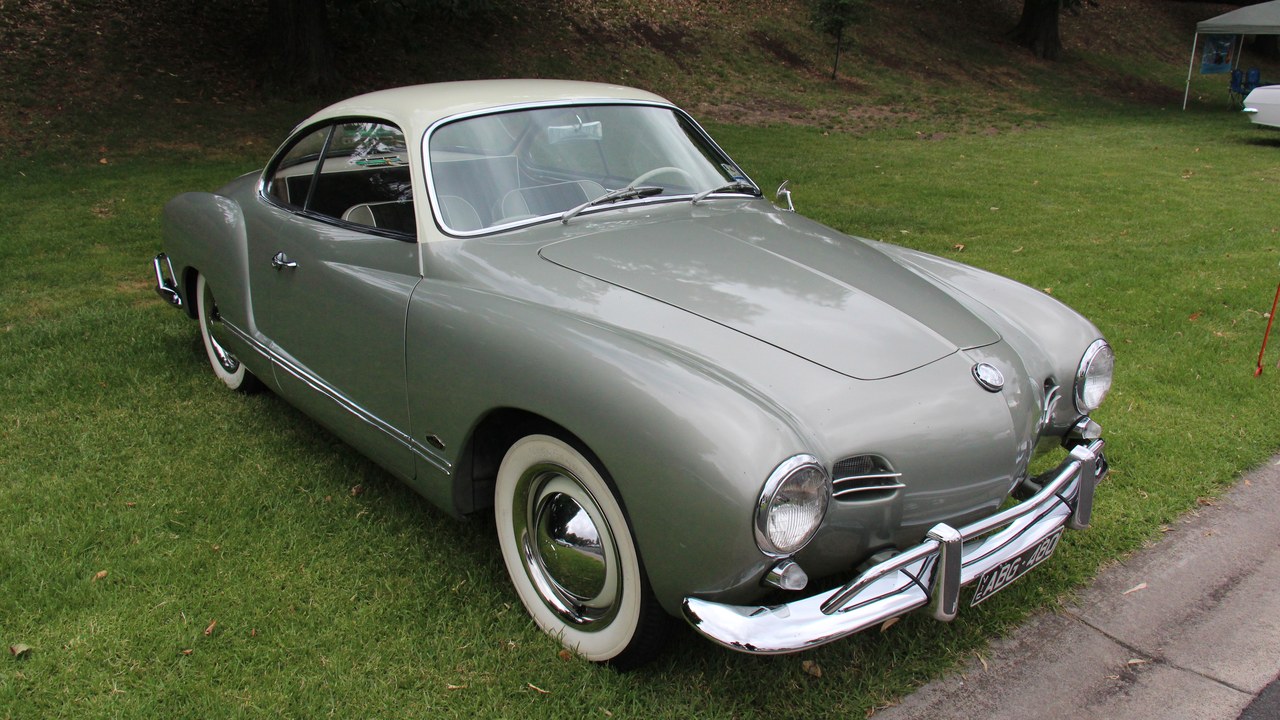
For 1960, Volkswagen enlarged the taillights, raised the headlight mounting places and widened the front grilles, which were used only for cabin ventilation. The engine was air-cooled and rear-mounted, so no radiator sat behind them.
Those changes kept intact the car’s mouse-like face and superb proportions, in Conceptcarz’s words. For shoppers, the lesson is that a grille on a rear-engine car can be fresh air for the cabin and nothing to do with cooling. The 1960 revisions were detail changes rather than a redesign, and the grilles served only for cabin ventilation.
5. Porsche 911: Flat-Six Behind the Axle
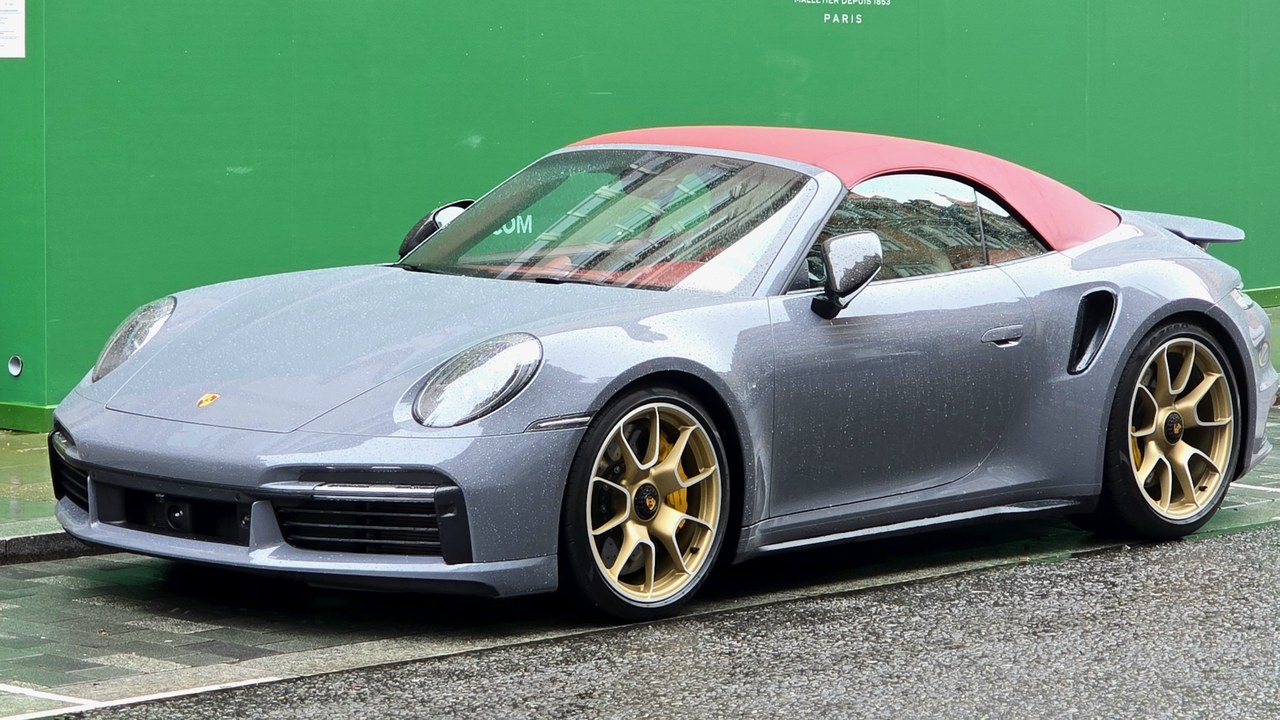
Every Porsche 911 has a rear-mounted flat-six engine, and usually 2+2 seating, except for special two-seater variants. Across eight generations, that arrangement has stayed in place from the first car to the latest.
For owners, the practical result is a six-cylinder at the back and, in most versions, a pair of rear seats; the strict two-seaters are the special exceptions. It is the one layout on this list that Porsche never abandoned in the 911. All 911s share the feature.
6. Porsche 914: Compromise Car, Middle Engine
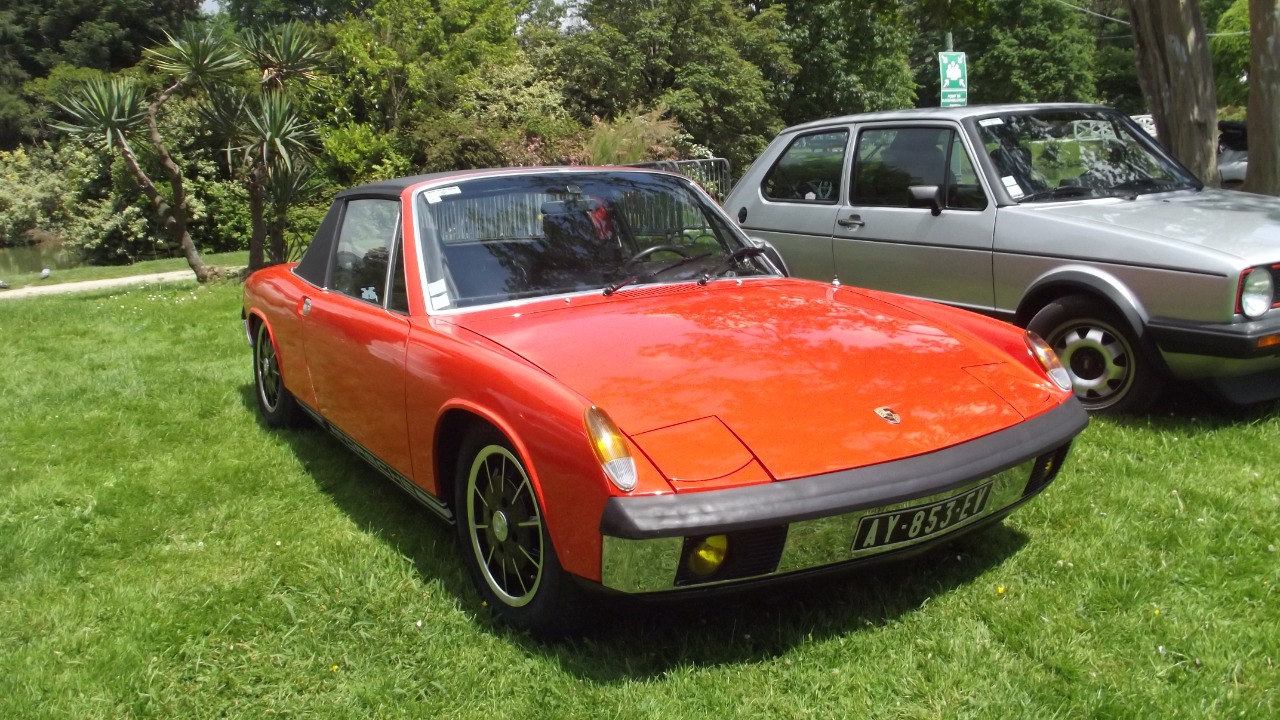
The car that came out of the VW-Porsche partnership was a mid-engined two-seater featuring a Targa top. Its engine sat amidships, ahead of the rear axle, rather than hanging behind it as in the 911.
For buyers, the 914 gave a different answer to the same question: an engine behind the seats, seating for two and a removable roof section for open-air driving. The Targa top was the signature feature of the package. Conceptcarz describes the layout simply as mid-engined with seating for two, topped by that Targa roof.
7. Fiat 500: Nine Feet Nine
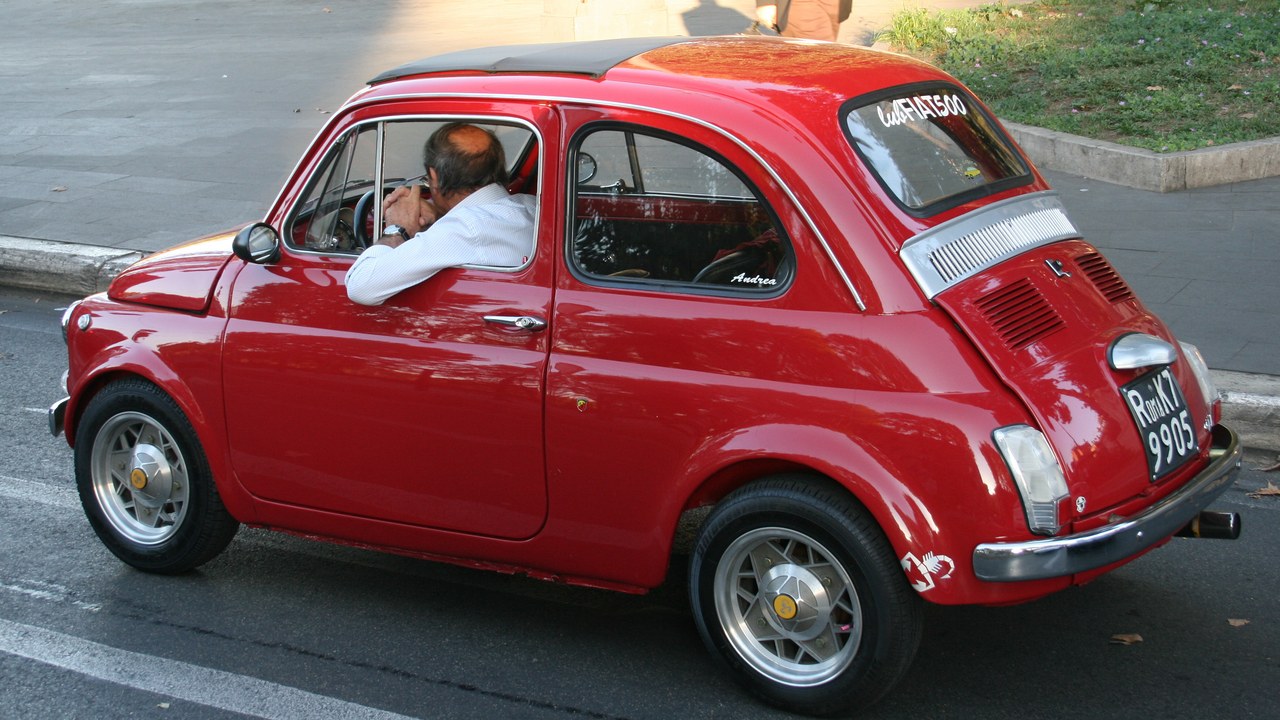
Measuring 2,970 mm (9 ft 9 in) long, the Fiat 500 was originally powered by a rear-mounted 479 cc engine, a two-cylinder, air-cooled unit. It was 245 mm (9.6 in) smaller than the Fiat 600, which had been launched two years earlier.
Considered one of the first purpose-designed city cars, it shows what the layout could do for a small footprint. Tucking a compact air-cooled twin at the back left the length to the passengers, which was the whole premise. The comparison with the 600 puts its size in context.
8. Renault Dauphine: Economy Sedan from France
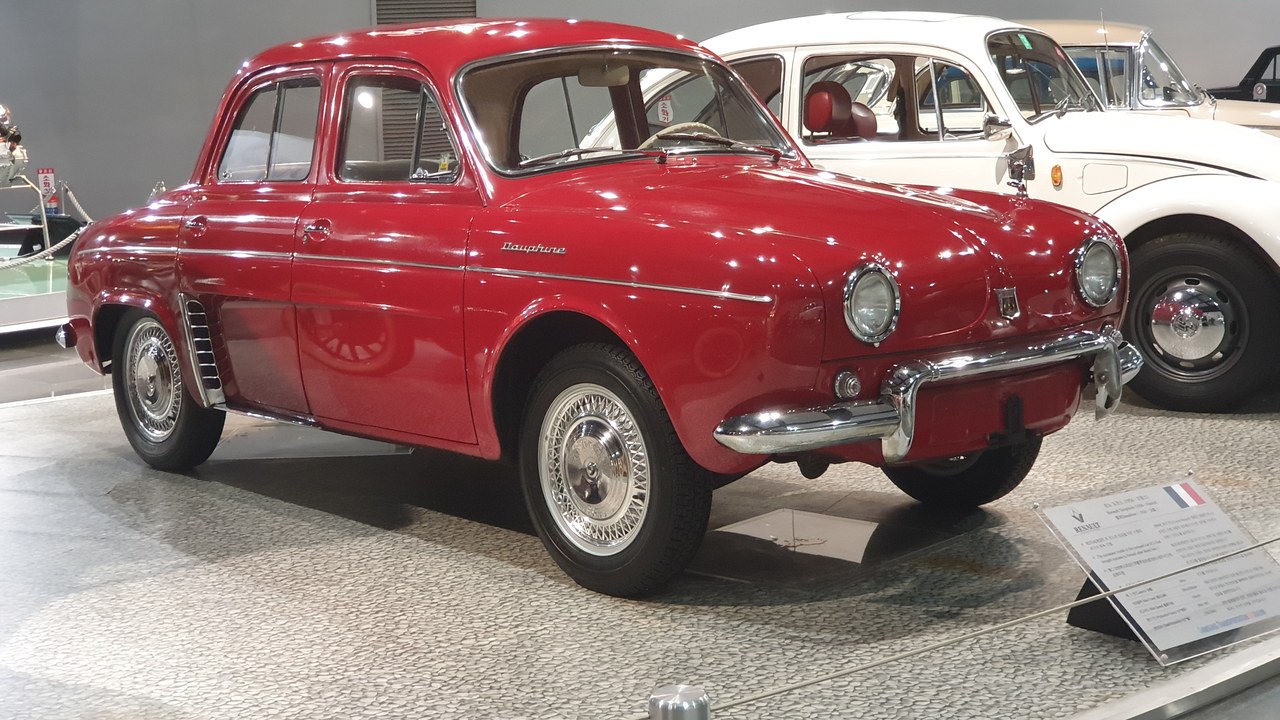
Renault marketed the Dauphine to the economy sector from 1956 to 1967 across a single generation. It was a rear-engine four-door sedan, rear-wheel drive, with three-box styling.
For American shoppers of the period, it offered a conventional sedan body with the engine and drive both at the back. Its pitch was budget motoring, a role very different from the sports cars that later used rear and mid-engine layouts. Its single generation, 1956 through 1967, means every Dauphine shared that basic recipe of rear engine and rear drive.
9. DMC DeLorean: One Car, Then Collapse
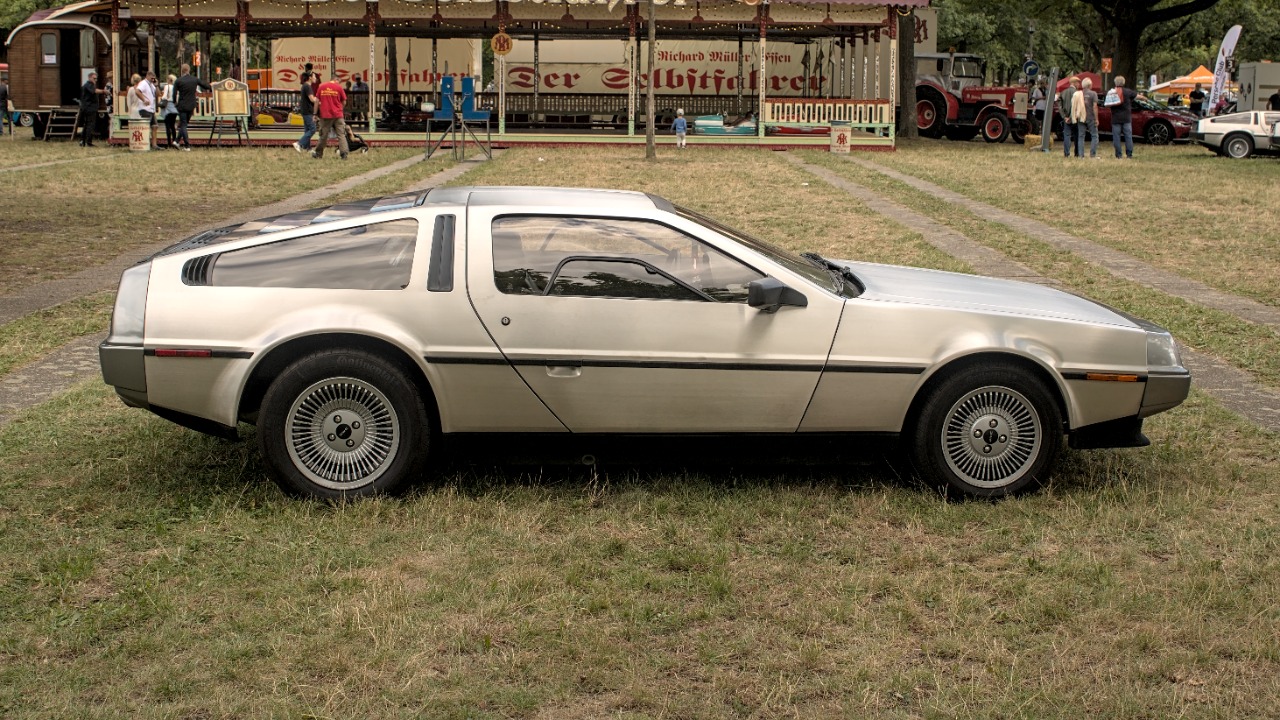
John DeLorean’s company built the stainless-steel two-seater as a rear-engine sports car for the American market from 1981 until 1983. It was ultimately the only car the fledgling company ever brought to market.
That short production window explains why the DeLorean is remembered as a single product, not a model line. For collectors and curious drivers alike, it remains the one rear-engine sports car from a company that collapsed after it. The stainless-steel body and rear engine were both part of that sole product, all within the American-market 1981 to 1983 window.
10. Smart Fortwo: Thrifty Two-Seater
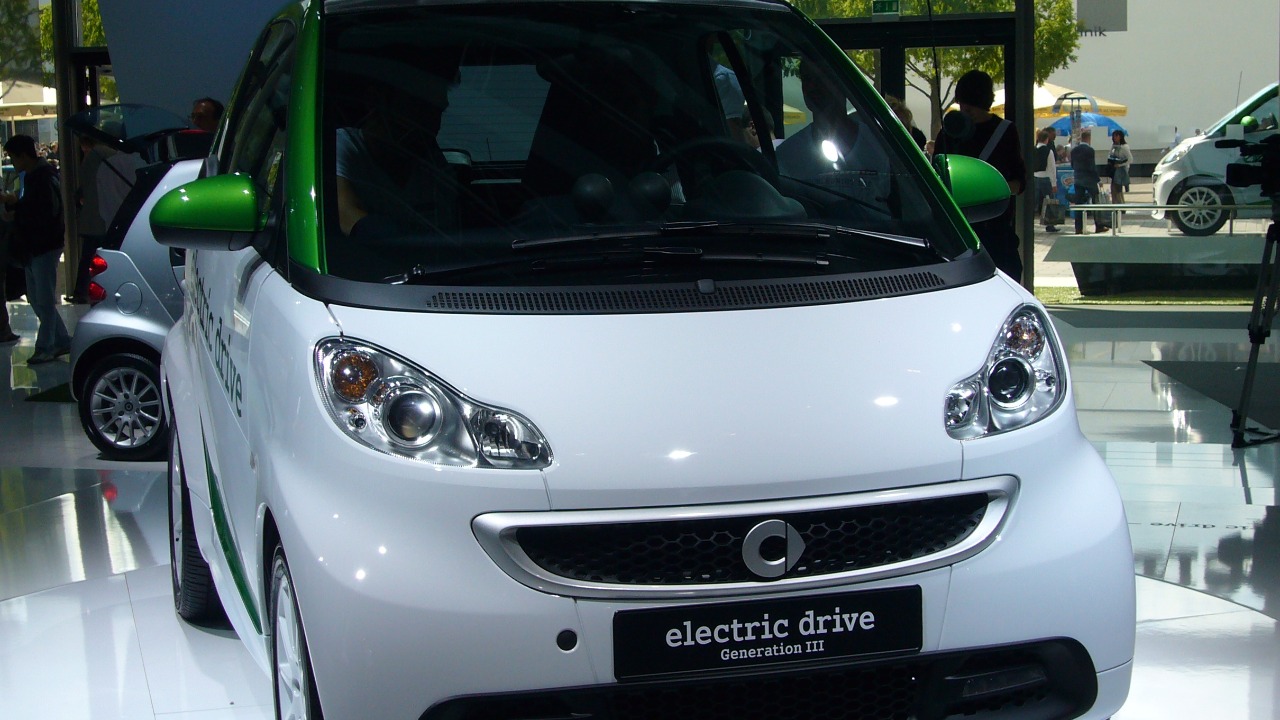
The 2015 smart fortwo coupe listed at an MSRP of $13,270 to $14,930 on fueleconomy.gov. The EPA rates its 1.0-litre three-cylinder automatic at 36 mpg combined, 34 city and 38 highway, on premium gasoline.
The EPA record also gives 2.8 gallons per 100 miles and a total range of 313 miles. For city commuters, those figures describe a two-seater that stretches a tank, though the premium fuel requirement is part of the picture. The EPA record labels the transmission Automatic (AM5).
11. Pontiac Fiero: Detroit’s Mid-Engine First
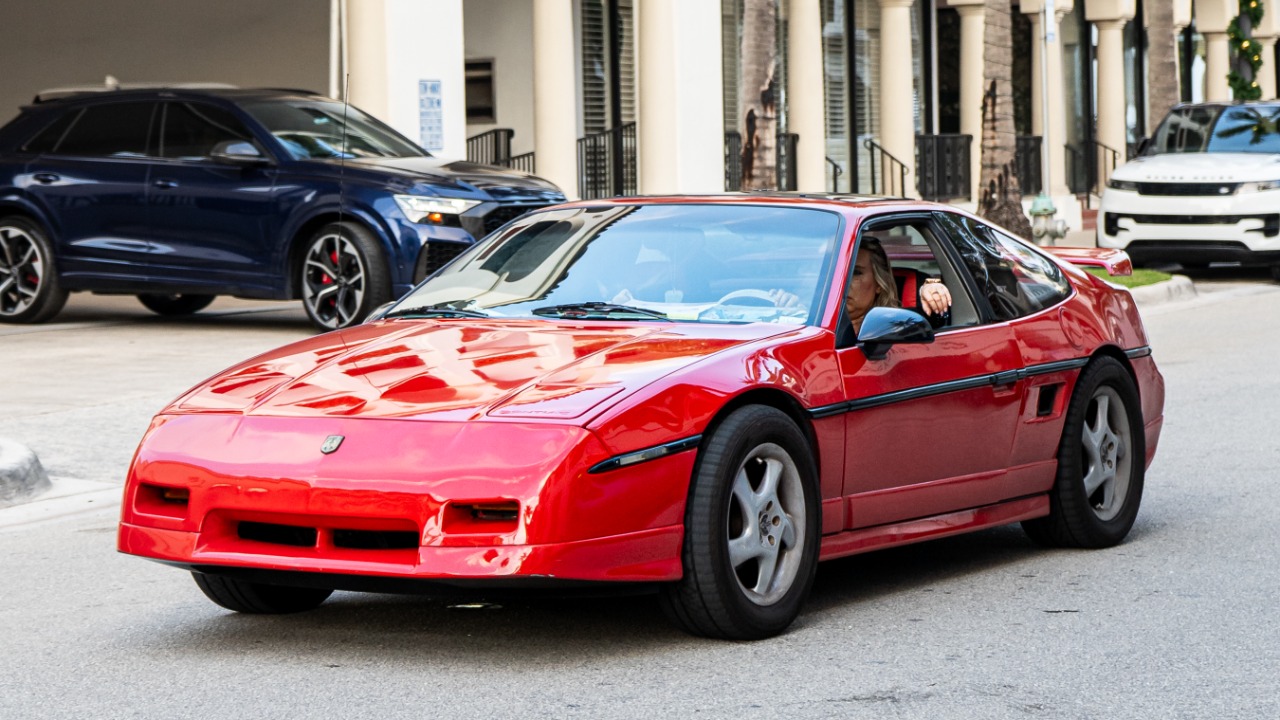
The Pontiac Fiero holds the distinction of being the first mass-produced mid-engine sports car by a United States manufacturer. Inside Pontiac, it was pitched as a fuel-efficient two-seat commuter.
For buyers, that meant an engine behind the seats of a two-seater from an American brand, with the commuter pitch leaning on fuel efficiency. The Fiero’s claim is about scale of production, not a single special edition. The Fiero’s place on the list rests on that claim of being first among United States manufacturers, plus the commuter positioning described inside Pontiac.
12. Toyota MR2: A Name That Spells It Out
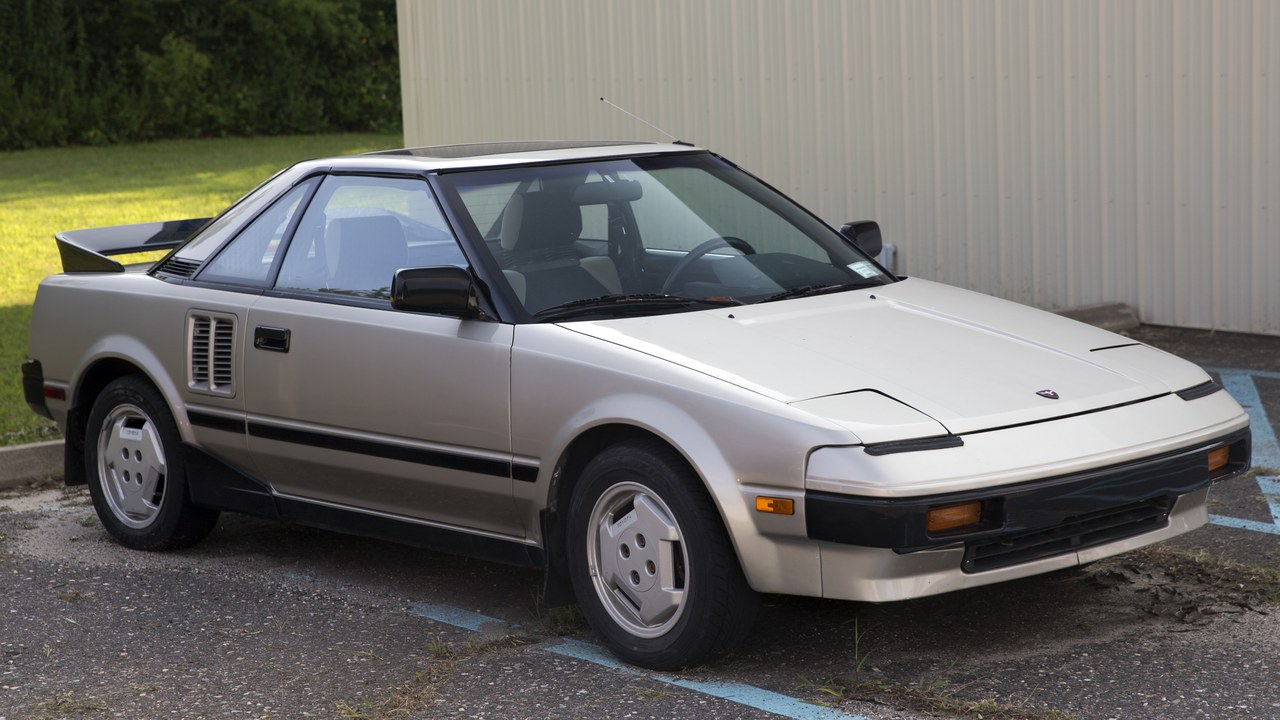
Toyota chose the MR2 designation to stand for Mid engine, Rear-drive, 2 seater vehicle. The badge works as a three-part spec sheet.
For shoppers, nothing needed decoding: engine position, driven wheels and seat count were all in the name. Among the cars here that put the engine behind the driver, it is the one that states the layout most directly. Toyota’s own definition packs the layout into three terms: mid engine, rear drive and two seats. A car named that way announces its drivetrain before a prospective owner opens the door.
More from Morning Overview
- Older Teslas are wearing out in ways early owners never saw coming
- Early electric-car owners are hitting battery and screen failures no one warned them about
- A magnitude 5.3 quake struck off the Oregon coast this week
- Amazon’s Prime refunds are rising to $200 as millions more customers become eligible
